At Liv Hospital, we know how key embryo quality is for implantation success. Recent studies show that spontaneously hatching or hatched blastocysts have much better implantation and live birth rates than expanded blastocysts.
Embryologist Kristen Jones says, the top embryos, like hatching or expanded AA on day 5, have the highest success rates. This stage shows nature’s choice of the best embryos.
We focus on what’s best for you, using science to pick the best embryos. With success rates up to 80%, a hatching blastocyst is a great sign. The process of blastocyst hatching shows strong embryo development and increases the chances of successful implantation.
Key Takeaways
- Spontaneously hatching or hatched blastocysts have higher implantation and live birth rates.
- Higher graded embryos on day 5 have the best success rates.
- Blastocyst hatching is a critical indicator of embryo quality.
- Patient-centered, evidence-based embryo assessment is key for success.
- Pregnancy rates can reach up to 80% with hatching blastocysts.
The Embryo Journey: From Fertilization to Blastocyst

The journey from fertilization to becoming a blastocyst is complex. It involves many stages and precise changes in cells. This journey is key for a successful implantation and pregnancy.
Stages of Early Embryo Development
After fertilization, the embryo goes through several stages. First, it becomes a zygote. Then, it cleaves to form a morula.
The morula is a tight cluster of cells. As it develops, it turns into a blastocyst. This happens around day 5-6 after fertilization.
Blastocyst Formation and Structure
Blastocyst formation is a critical step. The blastocyst has two main parts: the inner cell mass (ICM) and the trophectoderm (TE).
The ICM will become the fetus. The TE will form the placenta and other tissues. The blastocyst also has a fluid-filled cavity called the blastocoel.
Grading Systems for Blastocyst Quality
Grading systems are used to check the quality of the blastocyst. They look at the embryo’s shape, the ICM, and the TE.
A top-quality blastocyst has a big cavity, a tight ICM, and a cohesive TE. This helps pick the best embryo for transfer.
| Grade | Expansion | Inner Cell Mass (ICM) | Trophectoderm (TE) |
|---|---|---|---|
| 1 | Early blastocyst | Many cells, tightly packed | Many cells, cohesive |
| 2 | Partially expanded | Several cells, loosely grouped | Several cells, loose |
| 3 | Fully expanded | Few cells, sparse | Few cells, sparse |
Knowing about embryo development and blastocyst grading is vital. It helps understand an embryo’s chances for implantation.
Understanding Blastocyst Hatching

Learning about blastocyst hatching helps us understand how embryos grow. This process is key in the early stages of development. It lets the embryo break free from its outer layer, called the zona pellucida, and start implanting in the uterus.
What is the Zona Pellucida?
The zona pellucida is a layer around the embryo. It’s made of glycoproteins and is vital for fertilization and early growth. It protects the embryo as it divides into more cells before reaching the blastocyst stage.
The Natural Process of Hatching
The hatching process starts with the zona pellucida getting thinner and then breaking. This lets the blastocyst come out. It’s a key step for implantation, as it lets the embryo touch the uterine lining.
Embryos and the uterus work together for hatching. The embryo makes enzymes to weaken the zona pellucida. The uterus supports this process, helping the embryo hatch.
Timing of Hatching in Embryo Development
The timing of hatching is very important in embryo development. It usually happens around 5-6 days after fertilization, when the embryo is at the blastocyst stage.
| Day Post-Fertilization | Embryo Stage | Hatching Status |
|---|---|---|
| 3 | Morula | Pre-hatching |
| 5 | Blastocyst | Hatching |
| 6 | Hatched Blastocyst | Post-hatching |
Why Hatching is Critical for Implantation Success
For an embryo to implant successfully, it must first undergo the critical process of hatching. This complex process involves the embryo escaping from its outer shell, known as the zona pellucida, to interact with the uterine lining.
Zona Escape: The First Step Toward Implantation
The zona pellucida is a glycoprotein layer surrounding the embryo, playing a key role in fertilization and early development. Zona escape, or hatching, is essential for the embryo to emerge and begin the implantation process. Studies have shown that hatched blastocysts have higher implantation rates compared to non-hatched blastocysts.
During hatching, the embryo undergoes a series of cellular changes that enable it to break free from the zona pellucida. This process is critical for the embryo to make contact with the endometrium, the uterine lining.
Endometrial Interaction After Hatching
After hatching, the embryo interacts with the endometrium, a process critical for implantation success. The endometrium produces various growth factors and cytokines that support embryonic development and facilitate implantation.
“The interaction between the hatched blastocyst and the endometrium is a complex dialogue involving multiple molecular signals that facilitate implantation.”
This interaction is a two-way process, with both the embryo and the endometrium playing active roles. The embryo produces signals that help it adhere to the uterine lining, while the endometrium responds by preparing a receptive environment for implantation.
Molecular Signals Between Hatched Blastocyst and Uterus
The molecular signals exchanged between the hatched blastocyst and the uterus are critical for successful implantation. These signals include various growth factors, cytokines, and adhesion molecules that facilitate communication between the embryo and the uterine lining.
| Molecular Signal | Function |
|---|---|
| Growth Factors | Support embryonic development and implantation |
| Cytokines | Facilitate communication between embryo and endometrium |
| Adhesion Molecules | Enable embryo adhesion to the uterine lining |
In conclusion, hatching is a critical step in the implantation process, enabling the embryo to interact with the uterine lining and receive the necessary signals for successful implantation.
Research Evidence: Hatching Blastocyst Success Rates
Many studies show that the hatching process is key to IVF success. Looking into the research, it’s clear that hatching blastocysts are vital for IVF outcomes.
Implantation Rates of Spontaneously Hatching Blastocysts
Research shows that hatching blastocysts have better implantation rates. Around 52% of naturally hatching embryos on day 6 implant successfully. This shows the hatching process is a strong sign of an embryo’s implantation ability.
Pregnancy and Live Birth Outcomes
Hatching blastocysts also lead to better pregnancy and live birth rates. Up to 80% of embryos that hatch naturally can get pregnant. Live birth rates after transferring hatched blastocysts are much higher than non-hatched ones. This proves the hatching process is key to successful pregnancies.
Statistical Comparison: Hatched vs. Non-Hatched Blastocysts
Comparing hatched and non-hatched blastocysts shows a big difference in success rates. Hatched blastocysts have higher implantation, pregnancy, and live birth rates. This shows hatching’s critical role in IVF success.
In conclusion, research backs up the idea that hatching blastocysts have better IVF success rates. Understanding hatching can help healthcare providers make better choices for their patients.
The Science of Blastocyst Hatching
Exploring blastocyst hatching reveals the complex cellular and molecular processes involved. This event is key in early development, marking the embryo’s move from the zona pellucida to implantation readiness.
Biological Mechanisms Driving the Hatching Process
The hatching process involves enzymatic degradation and mechanical pressure. Trophectoderm cells produce enzymes that break down the zona pellucida. At the same time, the blastocoel fluid expands, applying pressure on the zona.
Recent studies show plasminogen activators play a big role in hatching. These enzymes dissolve the zona pellucida’s protein matrix, allowing the blastocyst to exit.
Genetic Factors Influencing Hatching Ability
Genetics significantly impact an embryo’s hatching success. Research has found genes that regulate hatching, including those for proteases and other essential molecules.
Genetic variations can influence hatching efficiency, affecting implantation chances. Knowing the genetic basis of hatching aids in developing support strategies for embryos with hatching issues.
Cellular Changes During Zona Breakthrough
The hatching process involves significant changes in the blastocyst. Trophectoderm cells produce enzymes and expand the blastocoel through mechanical action.
The table below outlines the main cellular and molecular events in blastocyst hatching:
| Event | Description | Key Molecules Involved |
|---|---|---|
| Protease Production | Trophectoderm cells produce proteases to weaken the zona pellucida. | Plasminogen activators, Matrix Metalloproteinases (MMPs) |
| Blastocoel Expansion | Increase in blastocoel fluid leads to mechanical pressure on the zona pellucida. | Aquaporins, Ion transport proteins |
| Zona Pellucida Breach | The combined effect of enzymatic degradation and mechanical pressure creates a breach in the zona. | Proteases, Mechanical forces |
Understanding these mechanisms is key to improving hatching and implantation success. By delving into the biological, genetic, and cellular aspects of hatching, we can enhance assisted reproductive technology strategies.
Hatching Location: A Key Predictor of Implantation
The spot where a blastocyst hatches is key to how well it implants. Looking into how embryos grow shows us that where it hatches matters a lot. This spot affects how well the blastocyst sticks to the uterine lining.
Studies now show that where a blastocyst hatches is very important for implanting well. The closeness of the hatching site to the inner cell mass (ICM) is a big deal. The ICM is vital for making the fetus, and being close to it helps implantation chances.
Inner Cell Mass Proximity and Implantation Rates
Research finds that blastocysts hatching near the ICM do better at implanting. This is because the ICM is near the embryonic pole. This pole points towards the uterine cavity, making it easier for the blastocyst to stick to the endometrium.
The Significance of the Abembryonic Pole
On the other hand, hatching at the abembryonic pole is also seen. It might seem less good, but the blastocyst’s health and quality are more important. These factors decide implantation success, no matter where it hatches.
Research Data on Location-Based Success Rates
Studies have looked at how hatching location affects implantation rates. They found that blastocysts hatching near the ICM do better at implanting.
| Hatching Location | Implantation Rate (%) | Clinical Pregnancy Rate (%) |
|---|---|---|
| Near ICM | 62 | 55 |
| Abembryonic Pole | 45 | 38 |
| Random/Other | 50 | 42 |
These results highlight the importance of hatching location in checking blastocyst health. As we learn more about what helps implantation, focusing on hatching location is key.
Assisted Hatching in IVF Treatment
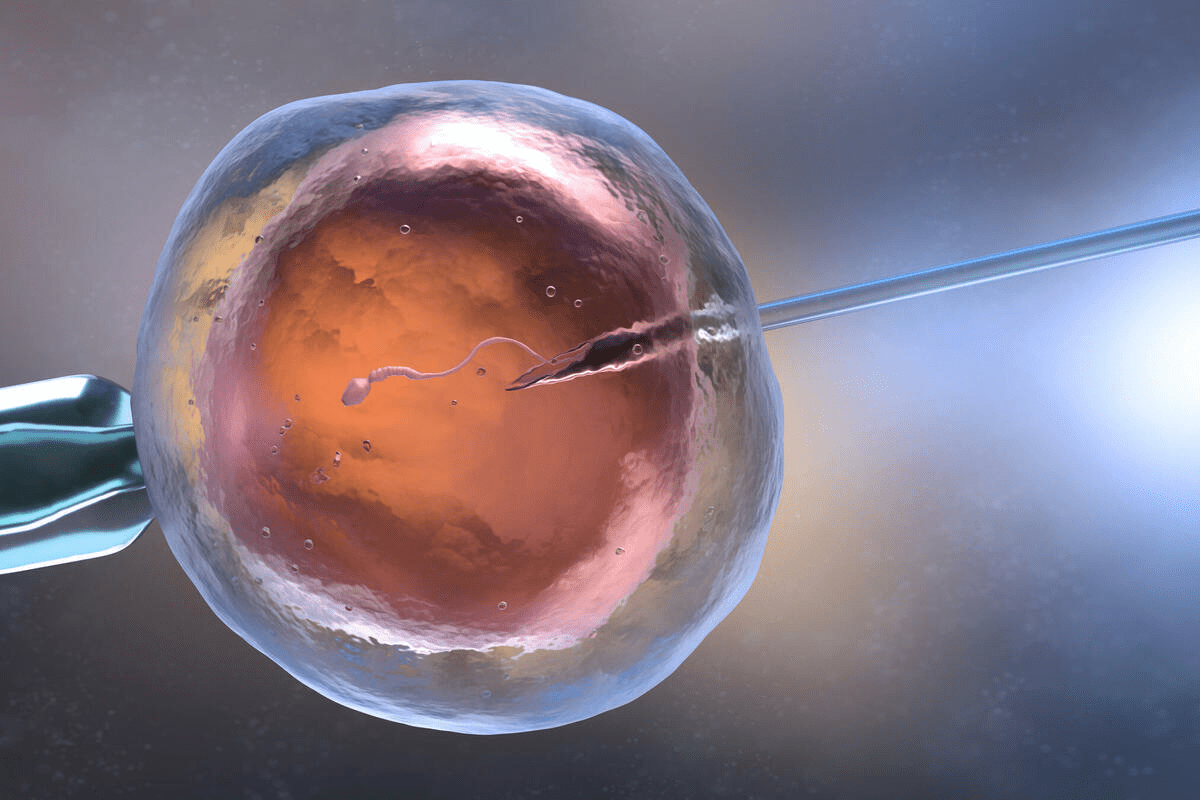
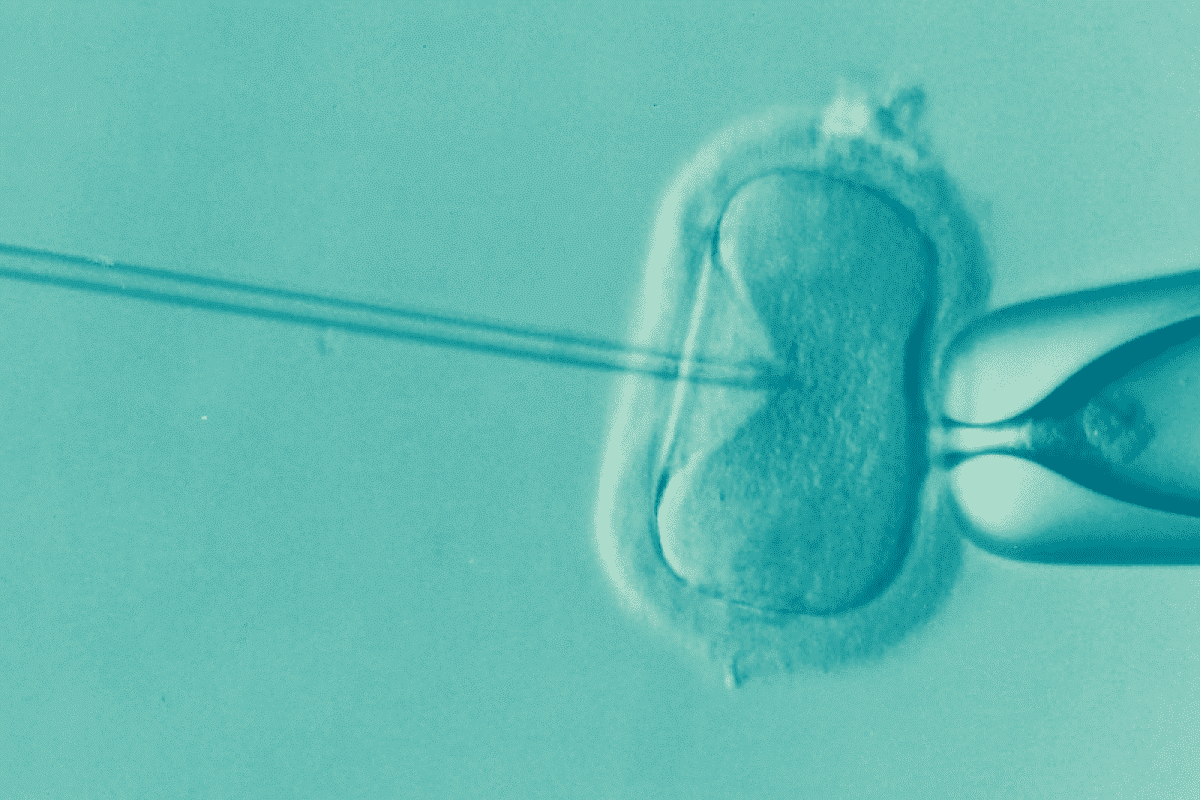
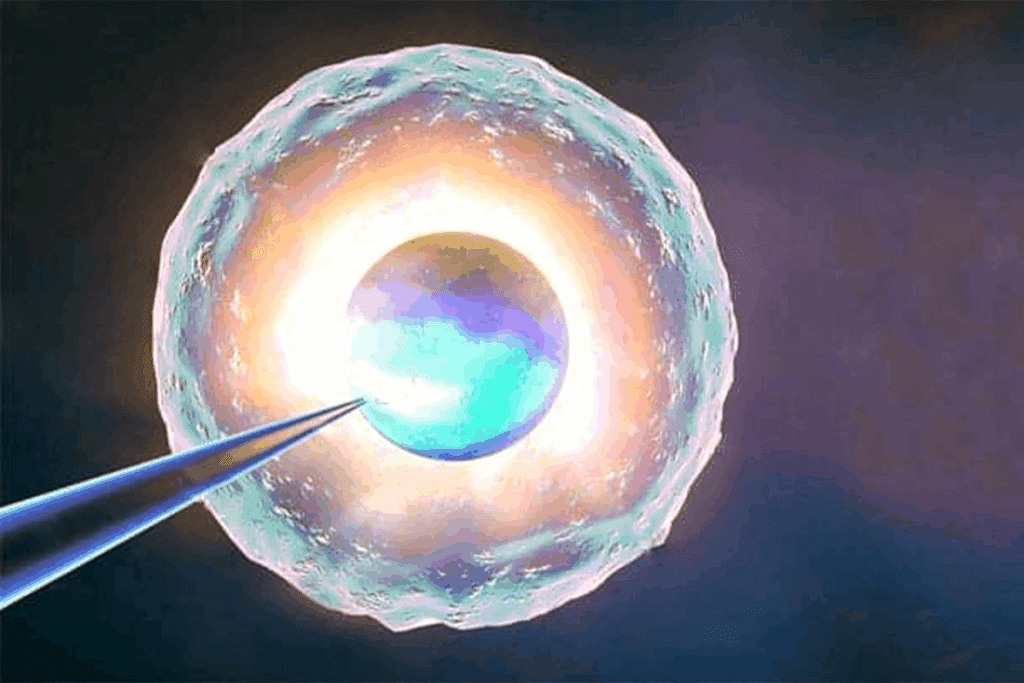
Assisted hatching is a key part of IVF treatment. It helps embryos implant better. This method makes a small hole in the embryo’s outer layer to help it hatch.
When Is Assisted Hatching Recommended?
Doctors suggest assisted hatching for embryos with a thick outer layer. It’s also for those with a poor chance of success, like older patients or those who’ve tried IVF before without success.
It’s recommended for embryos with a thick outer layer. This can greatly boost the chances of successful implantation.
Techniques for Assisted Hatching
There are a few ways to do assisted hatching:
- Laser-assisted hatching: This uses a laser to make a small hole in the outer layer.
- Chemical hatching: A chemical solution is used to thin or make a hole in the outer layer.
- Mechanical hatching: This method uses tools to make a hole in the outer layer.
Laser-assisted hatching is the most common. It’s precise and safe.
Comparing Natural vs. Assisted Hatching Outcomes
Results can differ based on the embryo’s quality and the method used. Research shows assisted hatching can increase implantation rates in some cases.
| Hatching Method | Implantation Rate | Clinical Pregnancy Rate |
|---|---|---|
| Natural Hatching | 20% | 40% |
| Assisted Hatching | 25% | 50% |
The table shows assisted hatching can lead to better implantation and pregnancy rates than natural hatching in some cases.
In summary, assisted hatching is a valuable technique in IVF. It can improve implantation chances, mainly for embryos with a thick outer layer.
Clinical Assessment of Hatching Status
Assessing hatching status in IVF involves watching embryos closely and expert opinions. This method gives a full picture of how embryos grow and hatch.
Time-Lapse Monitoring of Blastocyst Development
Time-lapse monitoring lets us see how blastocysts grow over time. It shows when and how they hatch. This is key to knowing if an embryo can lead to a healthy baby.
“Time-lapse technology has changed how we look at embryos,” says Medical Expert, a top embryologist. “It lets us watch them grow and pick the best ones for transfer.”
Embryologist Evaluation Criteria
Embryologists check several things to see if a blastocyst has hatched. They look at when it hatched, how much it hatched, and its overall health. This helps them choose the best embryos for transfer.
- Timing of hatching: Earlier hatching is often associated with better outcomes.
- Extent of hatching: Complete hatching is generally considered more favorable than partial hatching.
- Embryo morphology: The overall quality of the embryo, including the inner cell mass and trophectoderm, is critical in determining viability.
How Hatching Status Influences Embryo Selection
The hatching status of an embryo greatly affects its choice for transfer. Embryos that hatch well are seen as more likely to succeed. Those that don’t hatch or hatch poorly might not be chosen.
Being able to accurately check hatching status is key to better IVF results. By using time-lapse and expert opinions, clinics can boost the chances of a successful pregnancy.
Conclusion: Hatching as a Positive Prognostic Indicator
Hatching plays a key role in the success of blastocysts during assisted reproductive technology. Studies show that hatching blastocysts have better implantation and live birth rates. This highlights the importance of this process.
The interaction between the blastocyst and the endometrium is vital for implantation. Knowing how hatching works, including the zona pellucida’s role, helps improve treatment plans.
Seeing hatching as a good sign helps doctors evaluate embryo health. This leads to better choices in embryo selection and transfer. It boosts the chances of a successful pregnancy for patients.
FAQ
What is blastocyst hatching, and why is it important for implantation?
Blastocyst hatching is when the embryo breaks free from its outer layer. This is a key step for implantation. It lets the embryo connect with the uterine lining, helping it implant.
Is a hatching blastocyst a good sign for implantation success?
Yes, a hatching blastocyst is a positive sign for implantation. Studies show hatching blastocysts have better implantation and pregnancy rates than non-hatching ones.
What is the zona pellucida, and what role does it play in hatching?
The zona pellucida is a protein layer around the embryo. It’s vital in early embryo development. The embryo must break through it to hatch and implant.
How is blastocyst quality evaluated, and what grading systems are used?
Blastocyst quality is judged by its shape and structure. The Gardner grading system is used to rate blastocysts. This helps predict their implantation chances.
What is assisted hatching, and when is it recommended?
Assisted hatching is a lab technique to help the embryo hatch. It’s done by making a small hole in the zona pellucida. It’s suggested for those with a thick zona pellucida or failed implantation before.
How does the location of hatching affect implantation success?
Research shows hatching location impacts implantation success. Hatching near the inner cell mass and abembryonic pole is better. This is linked to higher implantation rates.
What is time-lapse monitoring, and how is it used to assess hatching status?
Time-lapse monitoring watches embryo growth continuously. It helps embryologists see when an embryo hatches. This info helps pick the best embryos for transfer.
How do embryologists evaluate embryos for transfer, and what role does hatching status play?
Embryologists look at embryo shape and hatching status. Hatching status is key in choosing embryos for transfer. It’s linked to better implantation chances.
What are the success rates of hatching blastocysts compared to non-hatching blastocysts?
Studies show hatching blastocysts have higher success rates. They have better implantation, pregnancy, and live birth rates than non-hatching ones.
What are the biological mechanisms driving the hatching process?
The hatching process involves many biological steps. Enzymes break down the zona pellucida, and the growing blastocyst applies pressure. These actions help the embryo hatch.
How do genetic factors influence hatching ability?
Genetics play a role in hatching ability. Genes involved in hatching are affected by genetic factors. Research has found genes linked to hatching competence.
References
National Center for Biotechnology Information. Evidence-Based Medical Guidance. Retrieved from https://pmc.ncbi.nlm.nih.gov/articles/PMC12167215/
National Center for Biotechnology Information. Evidence-Based Medical Guidance. Retrieved from https://www.ncbi.nlm.nih.gov/pmc/articles/PMC3853874/
National Center for Biotechnology Information. Hatching Blastocyst Improves Implantation and Live Birth Rates. Retrieved from https://pmc.ncbi.nlm.nih.gov/articles/PMC12167215/