Last Updated on November 17, 2025 by Ugurkan Demir
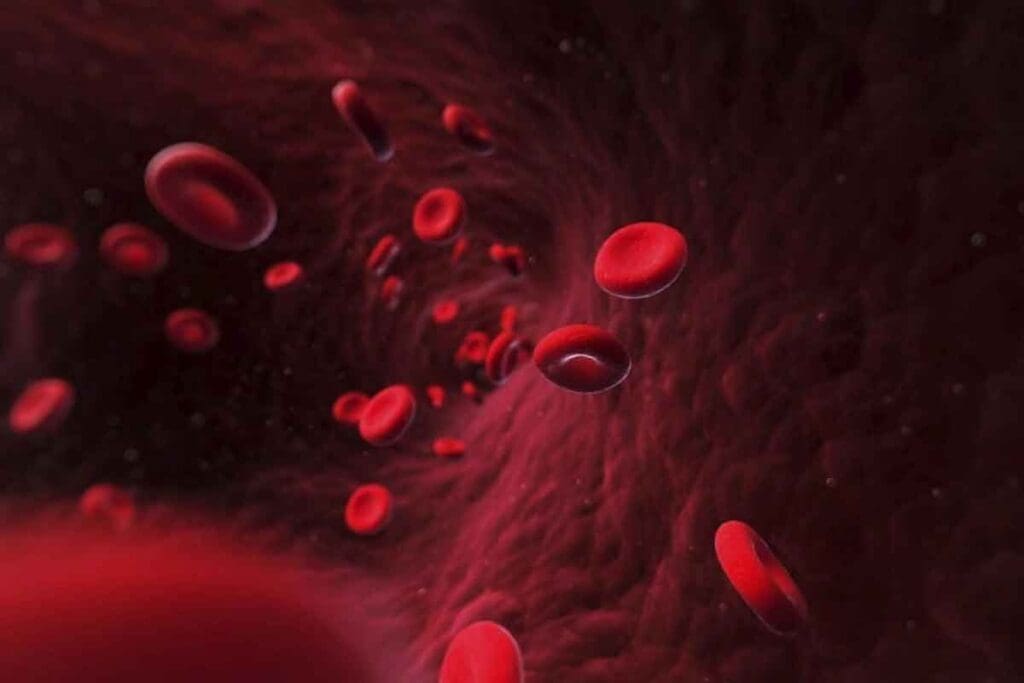
Understanding the complexities of blood and its disorders is key to good health. Blood is essential for carrying oxygen, supporting the immune system, and helping with healing.
Any issue with blood components like red cells, white cells, platelets, or plasma can cause a blood disorder. These problems can greatly affect health, impacting oxygen transport, immunity, and clotting.
It’s important to know the signs and causes of common blood disorders. This knowledge helps in early detection and treatment. Places like Liv Hospital offer patient-focused care, helping people understand these complex conditions.
Key Takeaways
- Blood is vital for health, including oxygen transport and immune defense.
- Problems with blood components can seriously affect health.
- Knowing about common blood disorders is essential for early treatment.
- Patient-centered care is important for dealing with blood-related issues.
- Spotting signs and understanding the causes of blood disorders can lead to better health.
The Fundamentals of Blood: Composition and Function
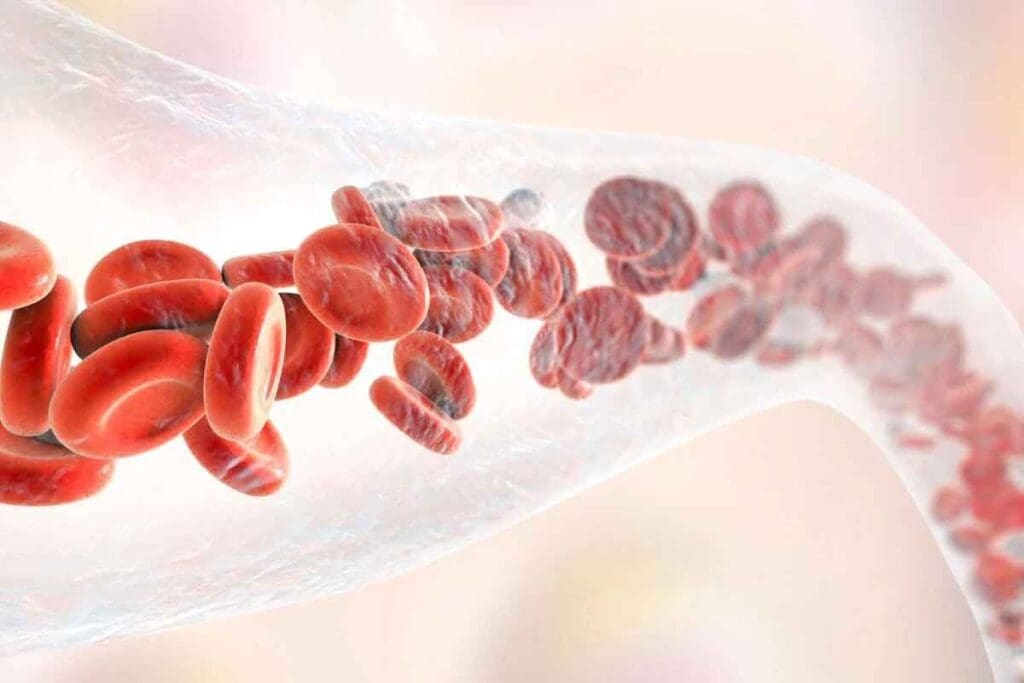
To understand blood diseases, we must first learn about blood composition and its role. Blood is a complex fluid that keeps us healthy by doing many important jobs.
The Four Main Components of Blood
Blood has four main parts, each with its own key job. These parts are:
- Red Blood Cells (RBCs): Carry oxygen from the lungs to our body’s tissues.
- White Blood Cells (WBCs): Help fight infections in our immune system.
- Platelets: Important for blood clotting, stopping bleeding when a vessel is injured.
- Plasma: Makes up about 55% of blood, carrying nutrients, hormones, and waste.
Essential Functions of Blood in the Human Body
The functions of blood are vital for our survival. Blood:
- Carries oxygen and nutrients to our cells and organs.
- Removes waste from our cells and organs.
- Helps regulate our body temperature.
- Keeps our blood vessels healthy and supports our immune system.
Knowing about these parts and their roles helps us understand diseases of the blood cells and other blood issues. By learning about blood’s composition and function, we can see how blood diseases affect our health.
Understanding Blood and Blood Diseases
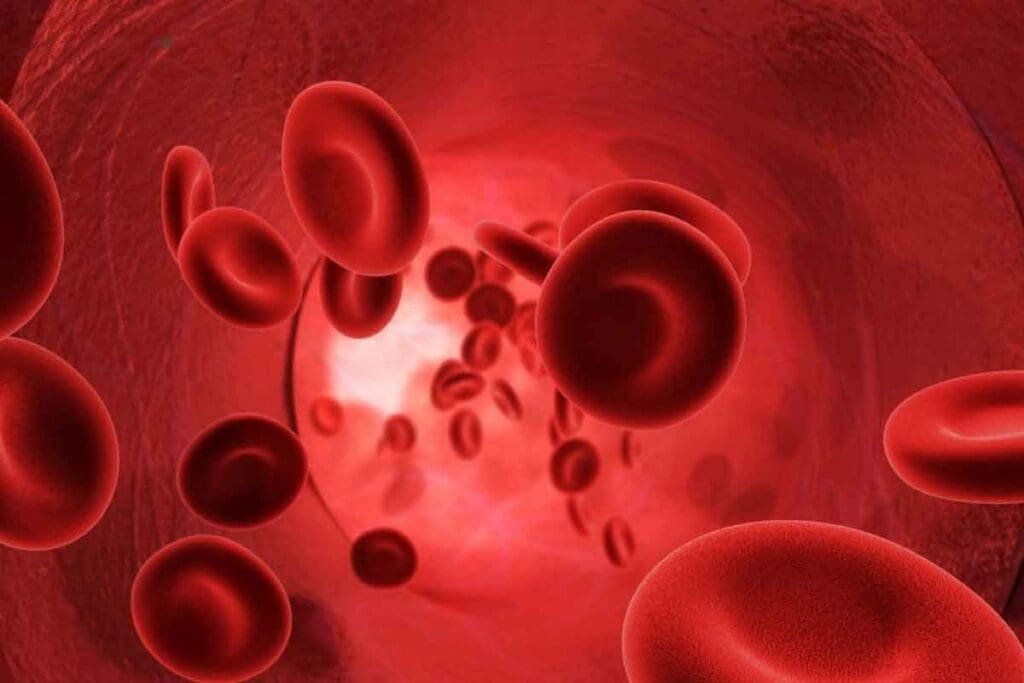
Blood diseases affect how blood cells are made, work, or last. These issues can harm a person’s health a lot. They can cause many problems if not treated properly.
What Defines a Blood Disease
A blood disease happens when blood cells don’t work properly. This includes red, white, and platelet cells. These problems can cause many health issues, from small to big, depending on the disease.
“Blood diseases are complex because they have many causes and effects,” doctors say. Knowing the cause is key to finding and treating the problem.
How Diseased Blood Cells Affect Overall Health
Bad blood cells can mess up how the body carries oxygen, fights germs, and stops bleeding. For example, problems with red blood cells can cause anemia. This makes people tired and breathless.
Issues with white blood cells can weaken the immune system. This makes people more likely to get sick. The health effects can be big, showing why quick medical help is important.
Common Signs and Symptoms of Blood Disorders
Blood disorders show up in different ways, based on the disease and how bad it is. Some common signs include:
- Fatigue and weakness
- Shortness of breath
- Frequent infections
- Bleeding or bruising easily
- Pale skin
Spotting these signs early can help get a quick diagnosis and treatment. This can help people with blood diseases a lot.
Anemia: The Most Common Blood Disorder
Anemia is a condition where the body has too few red blood cells or doesn’t have enough hemoglobin. It’s a common blood disorder found worldwide. It can be caused by not getting enough nutrients, chronic diseases, or genetic issues.
Iron Deficiency Anemia
Iron deficiency anemia is the most common type. It happens when the body doesn’t have enough iron for hemoglobin. Iron is key to making hemoglobin, which carries oxygen.
It can be caused by not eating enough iron, losing blood, or needing more iron during pregnancy. Symptoms include feeling tired, weak, and pale. Treatment involves iron supplements and eating more iron-rich foods. Eating foods with vitamin C can also help.
Vitamin B12 Deficiency Anemia (Pernicious Anemia)
Vitamin B12 deficiency anemia, or pernicious anemia, happens when the body can’t absorb enough vitamin B12. This is often because of a lack of an intrinsic factor in the stomach. Other reasons include not getting enough vitamin B12 in the diet or certain health issues.
Symptoms include feeling weak, tired, and having nerve problems like numbness. Treatment is vitamin B12 injections or supplements, depending on why it’s happening.
“Vitamin B12 is vital for making red blood cells and keeping the nervous system healthy.”
Aplastic Anemia
Aplastic anemia is a rare and serious condition where the bone marrow doesn’t make enough blood cells. It can be caused by toxins, radiation, or some medicines.
Symptoms include feeling very tired, getting sick easily, and bleeding or bruising. Treatment can be immunosuppressive therapy or a bone marrow transplant, based on the cause and how severe it is.
Knowing about the different types of anemia is important for finding the right treatment. Each type needs its own approach.
Hemoglobinopathies: Disorders of Red Blood Cells
Hemoglobinopathies are genetic disorders that affect hemoglobin, a key protein in red blood cells.
These disorders cause health problems like anemia and pain. It’s important to understand them for proper care.
Sickle Cell Anemia
Sickle cell anemia makes red blood cells sickle-shaped due to a genetic mutation. It causes chronic anemia, pain, and a higher risk of infections.
Managing sickle cell anemia includes regular check-ups, pain management, and sometimes blood transfusions.
Thalassemia
Thalassemia is a hemoglobinopathy with reduced hemoglobin production. It’s caused by genetic mutations in hemoglobin genes.
Polycythemia Vera
Polycythemia vera is a rare disorder in which the bone marrow makes too many red blood cells. This can make blood thick, raising the risk of blood clots.
Managing polycythemia vera includes regular blood draws and medications to lower red blood cell production.
Blood Cancers: Malignancies of Blood and Bone Marrow
Blood cancers are diseases where abnormal cells grow out of control in the blood or bone marrow. These include leukemia, lymphoma, and multiple myeloma. They happen when genes mutate, messing up how cells grow and work.
Blood cancers mess with the body’s blood-making process. This can cause many problems. Knowing the types of blood cancers is key to finding and treating them.
Leukemia
Leukemia is a cancer that affects the blood and bone marrow. It makes too many bad white blood cells. These cells stop normal blood cells from being made, causing infections, anemia, and bleeding issues.
- Acute Leukemia: It grows fast and needs quick treatment.
- Chronic Leukemia: It grows more slowly, often watched but not treated right away.
Lymphoma
Lymphoma starts in the lymphatic system, part of the immune system. It’s when lymphocytes, a type of white blood cell, grow abnormally.
- Hodgkin Lymphoma: It has Reed-Sternberg cells.
- Non-Hodgkin Lymphoma: It’s a group of lymphomas without Reed-Sternberg cells.
Multiple Myeloma
Multiple myeloma is a cancer of plasma cells in the bone marrow. It makes too many bad plasma cells, harming bones and the immune system.
Treatment for blood cancers has gotten better. Now, we have chemotherapy, targeted therapy, radiation, and bone marrow transplants. Finding cancer early and tailoring treatment is important for better results.
Bleeding Disorders: When Blood Fails to Clot
When blood doesn’t clot properly, it can cause bleeding disorders. These disorders make it hard for the blood to clot. This can happen on its own or after an injury or surgery.
Hemophilia A and B
Hemophilia A and B are genetic issues. They make it hard for blood to clot because of the missing clotting factors VIII and IX. This leads to bleeding that won’t stop.
Symptoms include frequent nosebleeds and joint pain. This is because of bleeding into the joints. It also causes bleeding that lasts too long after injuries or surgeries.
Treatment involves giving the missing clotting factor back. This is done through replacement therapy. It’s important to start treatment early to avoid lasting damage.
Von Willebrand Disease
Von Willebrand disease is a bleeding disorder. It happens when there’s not enough von Willebrand factor, a key protein for clotting. It can cause easy bruising, nosebleeds, and heavy periods in women.
Managing this disease might include medicines that help release von Willebrand factor. Or, it might involve using von Willebrand factor concentrates. Sometimes, desmopressin is used to help release this factor.
Thrombocytopenia
Thrombocytopenia is when there are too few platelets in the blood. Platelets are important for clotting. Without enough, it’s easy to bruise and bleed.
It can be caused by many things, like bone marrow problems or certain medicines. Treatment depends on why it’s happening. It might include medicines to make more platelets or stop bad medicines.
In serious cases, platelet transfusions might be needed. This is to stop or control bleeding.
Managing bleeding disorders well is key to a better life. Knowing the causes, symptoms, and treatments helps doctors help patients. This way, they can manage bleeding disorders effectively.
White Blood Cell Disorders and Immune Dysfunction
The immune system relies on white blood cells to function properly. Disorders in these cells can cause serious health problems. White blood cells, or leukocytes, are key in fighting infections and diseases.
Disorders in white blood cells can weaken the immune system. This makes the body more open to infections. These issues can affect how white blood cells are made or work, leading to health problems.
Neutropenia
Neutropenia is when you have too few neutrophils, a type of white blood cell. Neutropenia can happen for many reasons, like bone marrow problems or some medicines. It can also be caused by severe infections.
Signs of neutropenia include getting sick often, having a fever, and mouth sores. Treatment aims to fix the cause and might include medicines to help make more neutrophils.
Lymphocytopenia
Lymphocytopenia, or lymphopenia, is when you have fewer lymphocytes than normal. Lymphocytes are important for fighting off infections. Not having enough can make you more likely to get sick.
Things that can cause lymphocytopenia include viruses like HIV, some medicines, and bone marrow issues. Treatment tries to find and fix the cause and help your immune system.
Myelodysplastic Syndromes
Myelodysplastic syndromes (MDS) are disorders where blood cells don’t form right. This can lead to bone marrow failure. In some cases, MDS can turn into acute myeloid leukemia (AML).
Symptoms of MDS include anemia, infections, and bleeding problems. Treatment depends on the type and how bad MDS is. It might include supportive care, medicines, or bone marrow transplants.
It’s important to know about white blood cell disorders to diagnose and treat them well. Medical research is always getting better, giving hope for better health for those affected.
Clotting Disorders: When Blood Clots Too Easily
Blood clotting disorders happen when blood clots too quickly. This is a serious health risk. It can cause dangerous clots that block blood flow, leading to heart problems.
These disorders include deep vein thrombosis, pulmonary embolism, and thrombophilia. Knowing about these conditions is key to preventing and treating them.
Deep Vein Thrombosis
Deep vein thrombosis (DVT) occurs when a blood clot forms in a deep vein, usually in the legs. It can cause pain, swelling, and warmth in the affected limb.
Risk Factors for DVT:
- Prolonged immobility
- Recent surgery or trauma
- Cancer
- Family history of DVT
Pulmonary Embolism
A pulmonary embolism happens when a blood clot travels to the lungs and blocks an artery. It’s a life-threatening condition that needs quick medical help.
“The prompt recognition and treatment of pulmonary embolism are critical to saving lives.” – Dr. John Smith, Cardiologist.
Thrombophilia
Thrombophilia is when you’re more likely to form blood clots. This can be due to genes or other conditions.
| Condition | Causes | Symptoms |
| Deep Vein Thrombosis | Prolonged immobility, surgery, cancer | Pain, swelling, and warmth in the affected limb |
| Pulmonary Embolism | Breakage of the DVT clot | Shortness of breath, chest pain, coughing up blood |
| Thrombophilia | Genetic factors, acquired conditions | Varies; often asymptomatic until a clot forms |
To prevent and treat clotting disorders, doctors use anticoagulant medicines, lifestyle changes, and sometimes surgery.
Knowing the risks and symptoms of clotting disorders helps in early detection and management. This reduces the risk of serious complications.
The Primary Causes of Blood Diseases
Blood diseases come from many sources, like genes, diet, and the environment. These factors mix in complex ways. This makes it hard to find and treat the problems.
Knowing what causes blood diseases is key to treating them. Main causes include genetic changes, not enough nutrients, infections, the body attacking itself, and toxins or radiation.
Genetic Mutations and Inherited Factors
Genetic changes are a big reason for many blood diseases. Conditions like sickle cell anemia and thalassemia come from genes passed down. These genes mess with blood cell production or function.
Sickle cell anemia, for example, comes from a gene change in the HBB gene. This leads to abnormal hemoglobin. Red blood cells then break down early.
Nutritional Deficiencies
Lack of important nutrients can also cause blood diseases. Not enough iron, vitamin B12, or folate can lead to anemia. Iron deficiency anemia happens when the body can’t make enough hemoglobin.
| Nutritional Deficiency | Blood Disease | Primary Cause |
| Iron | Iron Deficiency Anemia | Insufficient iron intake or absorption |
| Vitamin B12 | Vitamin B12 Deficiency Anemia | Lack of vitamin B12 due to dietary deficiency or malabsorption |
| Folate | Folate Deficiency Anemia | Inadequate folate intake or increased demand |
Infections and Autoimmune Responses
Infections and the body attacking itself can also cause blood diseases. Some infections harm blood cells. Autoimmune diseases make the immune system attack the body’s own cells.
Malaria, for example, can cause anemia by destroying red blood cells. Autoimmune hemolytic anemia happens when the immune system attacks the body’s red blood cells.
Environmental Toxins and Radiation Exposure
Exposure to toxins and radiation is also a big factor. Chemicals like benzene and pesticides can harm bone marrow. Radiation, from medical treatments or accidents, can damage blood cells and bone marrow, leading to cancers like leukemia.
In conclusion, blood diseases have many causes, including genes, diet, and the environment. Understanding these causes is vital for diagnosing, treating, and preventing blood disorders.
Conclusion: Advances in Diagnosis and Treatment of Blood Disorders
Medical technology has improved a lot, helping us understand and treat blood diseases better. Knowing what blood diseases are and why they happen is key to managing them well.
Today, we can diagnose and treat blood diseases early and effectively. This has greatly improved patient outcomes. Thanks to new diagnostic tools, doctors can spot conditions like anemia, leukemia, and lymphoma more easily.
Thanks to ongoing research and technology, people with blood disorders have more treatment options. These advancements have changed how we manage blood diseases. They bring hope to patients and their families.
FAQ
What is a blood disease?
A blood disease affects how blood cells work. This includes red, white cells, and platelets. It also affects proteins that help blood clot.
What causes blood diseases?
Blood diseases can come from many sources. These include genetic changes, not enough nutrients, infections, and autoimmune issues. Environmental toxins can also play a role.
What are the common signs and symptoms of blood disorders?
Signs of blood disorders include feeling tired, weak, and pale. You might also have shortness of breath. There’s also a higher chance of getting infections or bleeding.
What is anemia?
Anemia means you don’t have enough red blood cells or hemoglobin. This makes it hard for your body to get enough oxygen.
What is sickle cell anemia?
Sickle cell anemia is a genetic disorder. It affects how your body makes hemoglobin. This causes red blood cells to break down early.
What is leukemia?
Leukemia is a blood cancer. It happens when your bone marrow makes too many bad white blood cells. This pushes out healthy cells.
What is hemophilia?
Hemophilia is a bleeding disorder. It’s caused by not having enough clotting factor proteins. This makes it hard for blood to clot.
What is thrombocytopenia?
Thrombocytopenia means you have too few platelets. This makes you more likely to bleed or bruise easily.
What are the risks associated with deep vein thrombosis?
Deep vein thrombosis is a clotting disorder. It can lead to pulmonary embolism. This is a serious and potentially deadly condition.
How are blood diseases diagnosed?
Doctors use several methods to diagnose blood diseases. They look at your medical history, do physical exams, and run lab tests. They might also use imaging studies.
What are the treatment options for blood diseases?
Treatment for blood diseases depends on the disease. It might include medicines, transfusions, bone marrow transplants, or changes in your lifestyle.
Can blood diseases be prevented?
Yes, some blood diseases can be prevented or managed. Eating well, exercising regularly, and avoiding toxins can help.
What is the impact of blood diseases on overall health?
Blood diseases can greatly affect your health. They can make it hard for your body to work properly. They also increase the risk of serious problems.
References
- European Hematology Association Roadmap Task Force. (1999). Blood disorders are stepping into the limelight. PMC. https://pmc.ncbi.nlm.nih.gov/articles/PMC4938325/