Last Updated on November 13, 2025 by
Leukemia is the most common blood cancer symptoms in kids, making up about 25% of all pediatric cancer cases. It’s important to spot the early signs of leukemia in kids to get help quickly and improve their chances of recovery.
We will look at how common leukemia is in children. It’s a big deal in kids’ health. Every year, about 4.8 out of 100,000 kids get leukemia. Most cases happen in kids aged 1“4, with a diagnosis usually around 6 years old.
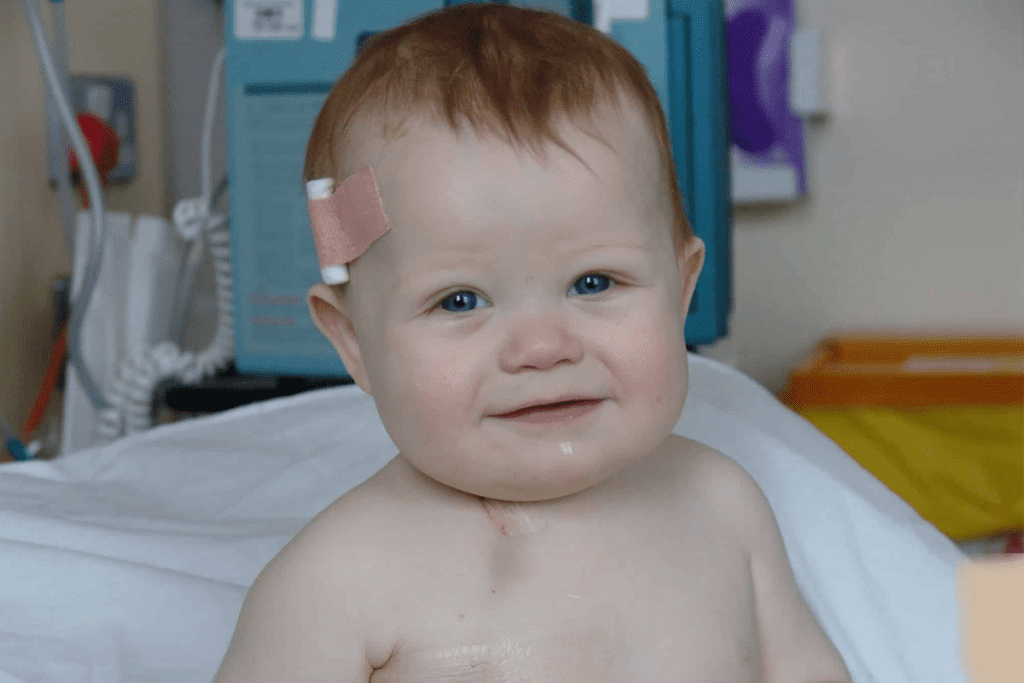
Knowing the signs of leukemia in kids is key for parents and caregivers. We’ll cover the common symptoms of childhood leukemia. This way, everyone can be better informed about this serious health issue.
Blood Cancer Symptoms are often subtle but can become life-threatening if ignored. Common blood cancer symptoms include fatigue, fever, frequent infections, and easy bruising.
Key Takeaways
- Leukemia is the most common cancer in children.
- Recognizing early warning signs is key to getting quick help.
- The age-adjusted incidence rate of childhood leukemia is about 4.8 per 100,000 children each year.
- The highest occurrence of leukemia is in ages 1“4.
- The median age of diagnosis is around 6 years.
Understanding Childhood Leukemia
Leukemia in children means the bone marrow makes too many bad cells. These cells then go into the blood. It’s a blood and bone marrow cancer that messes up blood cell making.
What is Leukemia?
Leukemia is a blood and bone marrow cancer. It makes too many bad white blood cells. These cells fight infections but don’t work right in leukemia.
Key characteristics of leukemia include:
- Abnormal white blood cell production
- Impact on bone marrow and blood
- Disruption of normal blood cell production
Age and Gender Distribution
Leukemia in kids changes with age and gender. It happens in about 4.8 per 100,000 kids each year. Acute lymphoblastic leukemia (ALL) is the most common, making up 75% of cases.
Children may also show night sweats, weight loss, or bone pain, which are critical blood cancer symptoms that need immediate medical evaluation. Detecting these blood cancer symptoms early increases treatment success and improves survival rates.
Demographic insights:
- Peak incidence between ages 2 and 5
- Higher prevalence in boys compared to girls
- Variations in incidence rates among different populations
Knowing these facts helps find and treat leukemia early. Signs like tiredness, pale skin, and bruises mean it’s time to see a doctor.
Types of Leukemia Affecting Children
It’s important to know the different types of leukemia in kids for early treatment. Leukemia is a group of blood cancers. It affects different blood cells and can grow fast or slow.
Acute Lymphoblastic Leukemia (ALL)
Acute Lymphoblastic Leukemia (ALL) is the most common leukemia in kids. It makes up about 75% of cases. It usually happens between ages 2 and 5.
ALL makes too many immature lymphocytes, which are important for fighting off infections. Signs include persistent fatigue, frequent infections, unexplained fevers, easy bruising or bleeding, bone or joint pain, swollen lymph nodes, and pale skin.
The symptoms of ALL can be hard to spot. But finding it early is key to treating it well.
Acute Myeloid Leukemia (AML)
Acute Myeloid Leukemia (AML) is another common leukemia in kids. It’s less common than ALL. AML makes too many myeloid cells, which are early versions of white blood cells.
Symptoms of AML are similar to those of ALL. They include fatigue, infections, and bleeding disorders. AML needs quick treatment because it grows fast.
Parents should stay alert to these warning signs and consult a healthcare professional if multiple blood cancer symptoms appear. Awareness and timely intervention are key to managing blood-related cancers effectively.
Other Less Common Types
There are other types of leukemia in kids, like Chronic Lymphocytic Leukemia (CLL) and Chronic Myeloid Leukemia (CML). These are more common in adults. Juvenile Myelomonocytic Leukemia (JMML) is rare and affects young kids.
Early Warning Signs
Knowing the early signs of leukemia is important. Some common signs include:
- Persistent fatigue and weakness
- Frequent or recurring infections
- Unexplained fevers or weight loss
- Easy bruising or bleeding
- Bone or joint pain
- Swollen lymph nodes or spleen
- Pale skin due to anemia
Spotting these signs early can help kids get the right treatment sooner.
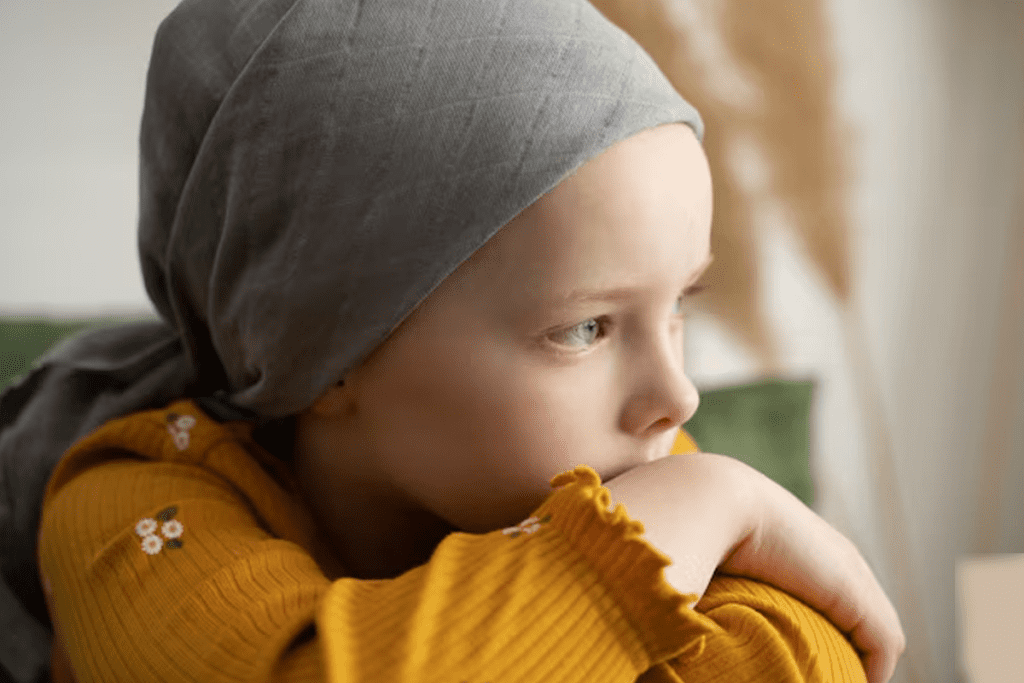
Physical Manifestations of Pediatric Leukemia
Pediatric leukemia shows itself through various physical signs. These signs can greatly affect a child’s life. They are important clues that tell parents to get medical help.
Blood cancer symptoms include fatigue, weight loss, frequent infections, night sweats, and unexplained bruising, requiring urgent medical evaluation.
Fatigue and Weakness
One common sign of leukemia in kids is fatigue and weakness. This happens because there are fewer red blood cells. Red blood cells carry oxygen, so kids might feel very tired and weak.
They might say, “I’m just so tired all the time”. This tiredness can also make them feel generally unwell.
Pale Skin and Anemia
Pale skin is another sign, often linked to anemia. Anemia means there are not enough red blood cells. Kids who usually have a bright complexion might look pale.
Anemia can cause shortness of breath and feeling cold. This is because the body’s tissues don’t get enough oxygen. It’s a sign that needs medical attention.
Doctors say catching these signs early is key. It can greatly improve treatment and chances of recovery for kids with leukemia.
“Early recognition of leukemia symptoms is critical for timely intervention and better outcomes.”
Knowing these signs can help parents and caregivers spot leukemia in kids. This leads to quicker medical visits.
Visible Signs on the Skin and Body
Spotting visible signs on the skin and body is key to diagnosing leukemia. Kids with leukemia often show specific symptoms early on.
Bruising and Bleeding Issues
Easy bruising or bleeding is a common sign of leukemia. This happens because there are not enough platelets to help the blood clot. Petechiae, small, flat, red spots under the skin, are a key indicator. These spots often appear on the legs, arms, and torso.
Leukemia Rash Patterns
A leukemia rash can look different, like tiny red spots or larger patches. These rashes happen when leukemia cells get into the skin. Spotting these patterns is vital for catching leukemia symptoms early.
The look of a leukemia rash can vary. But often, it includes small, pin-sized spots called petechiae. These spots are usually red or purple and don’t disappear when pressed. Sometimes, the rash can spread or look different.
Pain and Discomfort Symptoms
Children with leukemia often face pain and discomfort. These symptoms can really affect their quality of life. They can impact many areas of a child’s health and happiness.
Bone and Joint Pain
Bone or joint pain is common in kids with leukemia. Leukemia cells can build up in bones and joints, causing pain. This pain might make kids limp or not want to walk.
Medical experts say, “Bone pain is a common issue in kids with leukemia. It needs quick medical help.”
Key signs of bone and joint pain include:
- Limping or refusing to walk
- Pain in the arms, legs, or back
- Swelling or tenderness in the joints
Headaches and Other Pain Indicators
Headaches can be a sign of leukemia if it’s in the central nervous system. These headaches can be very bad. They might also make kids feel sick or sensitive to light.
It’s important to watch these symptoms closely. If they don’t get better or get worse, see a doctor.
Appetite and Weight Loss
Changes in appetite and weight loss are common in kids with leukemia. The disease can make kids eat less, leading to weight loss and tiredness. It’s key to make sure kids eat well to help them stay healthy and strong.
“Nutritional support is a critical part of leukemia treatment. It helps kids stay strong and recover from the disease.”
Mood and Behavioural Indicators
Leukemia can also change a child’s mood and behaviour. Kids might get irritable, withdrawn, or tired. It’s important to notice these changes to help them feel better.
Understanding and dealing with these symptoms helps kids with leukemia live better lives. Healthcare providers and parents can work together to make a big difference.
When to Seek Medical Attention
Knowing when to seek medical help for your child’s symptoms is key. As a parent, it’s important to recognize the signs of leukemia. This can lead to early diagnosis and treatment.
Red Flags That Shouldn’t Be Ignored
Some symptoms in children could mean leukemia. These include:
- Persistent fatigue and weakness
- Pale skin due to anemia
- Frequent infections
- Easy bruising or bleeding
- Bone or joint pain
If your child shows any of these signs, see a doctor right away.
Differentiating from Common Childhood Illnesses
Leukemia symptoms can look like common childhood illnesses. This makes it hard to tell them apart. But if your child has several of the red flags, get medical help. Learning about symptoms and diagnosis helps you make the right choices for your child’s health.
Preparing for a Doctor’s Visit
Before you go to the doctor, prepare by:
- Making a list of your child’s symptoms and when they started
- Noting any changes in your child’s behaviour or overall health
- Listing any medications or supplements your child is taking
This info helps doctors understand your child’s situation better.
Diagnostic Procedures
Diagnosing leukemia involves several tests, including:
- A complete blood count (CBC) to check red and white blood cells and platelets
- Bone marrow aspiration to look for cancer cells in the bone marrow
These tests are vital for confirming leukemia and finding the right treatment.
Conclusion: Prognosis and Support Resources
It’s key to know the signs of blood cancer and leukemia in kids for early treatment. Thanks to medical progress, more kids with leukemia are surviving.
We’ve talked about the signs of leukemia in children, like physical changes and pain. With the right treatment, many kids can get better and live healthy lives. Supportive care helps manage side effects and boosts quality of life.
At livhospital.com, we aim to offer top-notch healthcare and support for international patients. Our goal is to help families deal with leukemia diagnosis and treatment. Early detection and proper care can greatly improve a child’s chances of recovery and overall health.
FAQ’s:
What are the common symptoms of leukemia in children?
Symptoms of leukemia in kids include feeling very tired and weak. They might also have pale skin and bruise easily. Look out for rashes like petechiae, too.
How is leukemia diagnosed in kids?
Doctors use blood tests and bone marrow samples to diagnose leukemia. These tests check for abnormal white blood cells.
What is the difference between ALL and AML?
ALL is the most common leukemia in kids. It involves abnormal lymphoid cells. AML is more aggressive and affects myeloid cells.
Can leukemia be mistaken for other childhood illnesses?
Yes, leukemia symptoms can look like other common childhood illnesses. It’s important to see a doctor if symptoms last or get worse.
What are the visible signs of leukemia on the skin?
Skin signs of leukemia include bruising and bleeding. You might also see petechiae or other rashes. These happen because of low platelets.
How does leukemia affect a child’s quality of life?
Leukemia can cause a lot of pain and tiredness. It can really affect a child’s life. But with the right treatment, many kids can get better and live healthy lives.
What are the early warning signs of leukemia in kids?
Early signs of leukemia include feeling very tired and weak. Kids might also look pale and lose their appetite. Look for rashes like petechiae and bruising, too.
References
- Prasad, M., et al. (2022). Long-Term Outcomes in Survivors of Childhood Cancer. Frontiers in Oncology, 12, 9668554. https://pmc.ncbi.nlm.nih.gov/articles/PMC9668554/
- Signorelli, C., et al. (2023). Childhood Cancer Survivors’ Reported Late Effects and Their Engagement in Care: A Cross-Sectional Study. The Oncologist, 28(5), e276“e286. https://academic.oup.com/oncolo/article/28/5/e276/7082937
- Children’s Cancer and Leukaemia Group (CCLG). (2022). CCLG survey reveals long-term impact of childhood cancer. https://www.cclg.org.uk/news-updates/cclg-survey-reveals-long-term-impact-childhood-cancer
- American Cancer Society. (2024). Late and Long-term Effects of Childhood Cancer Treatment. https://www.cancer.org/cancer/childhood-cancer/late-effects-of-childhood-cancer-treatment.html
- National Cancer Institute. (2004). Late Effects of Treatment for Childhood Cancer (PDQ ®). https://www.cancer.gov/types/childhood-cancers/late-effects-hp-pdq