Last Updated on November 17, 2025 by Ugurkan Demir

A blood clot in the neck, also known as jugular vein thrombosis, can happen for many reasons. These include injury, infection, or certain vascular conditions. It’s very important to notice the early signs to get medical help quickly.
It’s vital to know these symptoms well. Quick treatment can make a big difference. This article will cover seven important signs of a blood clot in the neck that you should not ignore.
Key Takeaways
- Understanding the causes and symptoms of a blood clot in the neck is key.
- Look out for early signs like pain, swelling, and tenderness.
- Unexplained body changes can signal serious health issues.
- Seeking medical help fast is essential for treatment.
- Spotting these symptoms early can lead to better health outcomes.
What Is a Blood Clot in the Neck: Medical Overview

It’s important to know about the risks and symptoms of a blood clot in the neck. A blood clot in the neck, in the jugular vein, is called jugular vein thrombosis. It can happen for many reasons, like medical conditions, injuries, or infections.
Understanding Jugular Vein Thrombosis
Jugular vein thrombosis occurs when a blood clot forms in the jugular vein. This vein is in the neck and carries blood back to the heart. It’s not common, but it can be very dangerous if the clot moves to the lungs and causes a pulmonary embolism.
The jugular vein can get clots because of its size and how it’s positioned. Several things can make it more likely to get a clot, including:
- Central venous catheters: Having a catheter in the jugular vein can raise the risk of getting a clot.
- Infections: Severe infections, like those in the head and neck, can cause jugular vein thrombosis.
- Cancer: Some cancers, like those in the head and neck, can make it more likely to get a blood clot in the jugular vein.
- Trauma: Neck injuries can damage the jugular vein and lead to thrombosis.
Can You Get a Blood Clot in Your Neck?
Yes, you can get a blood clot in your neck. The neck has important blood vessels, like the jugular vein. Blood clots in this area can happen for many reasons. Knowing the symptoms and risk factors is key to early treatment.
Signs of a blood clot in the neck include pain, swelling, and redness. In serious cases, it can cause trouble swallowing or speaking. If you think you have a blood clot in your neck, you should see a doctor right away.
Common Causes and Risk Factors
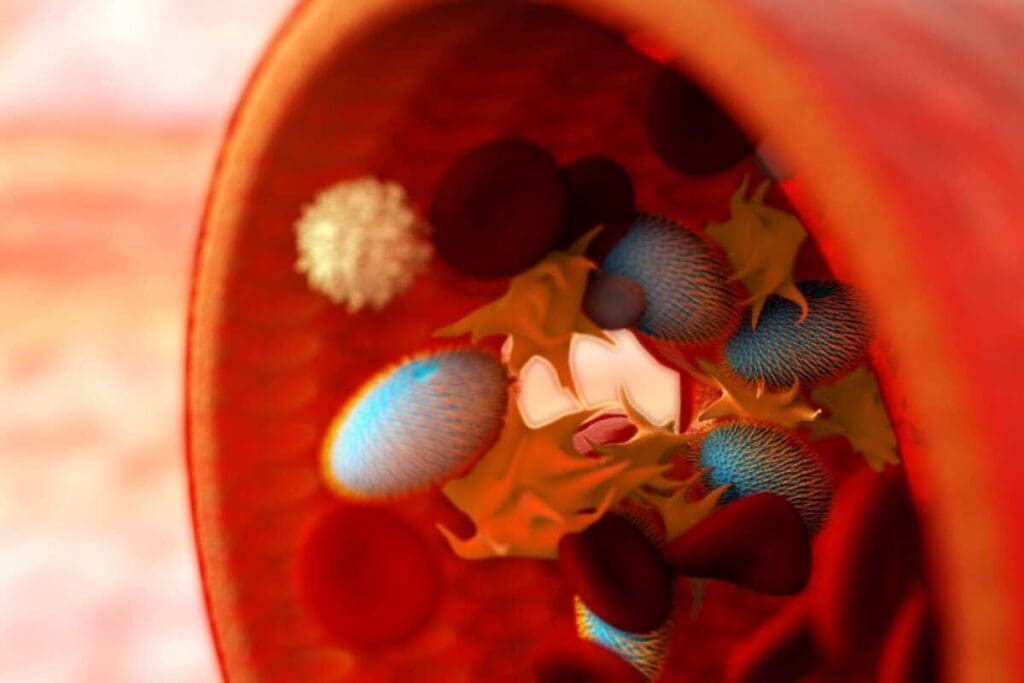
Many things can lead to blood clots in the neck. These include injuries and health problems. Knowing what causes them helps us find who’s at risk and how to prevent it.
Injury and Trauma-Related Causes
Getting hurt in the neck can cause blood clots. This happens from physical injury, like accidents or sports injuries. The injury can hurt the blood vessels, causing clots.
For example, a bad car crash can lead to whiplash and a blood clot in the neck. Sports injuries can also cause neck problems that might not show symptoms right away, but can lead to clots.
Infections and Inflammatory Conditions
Infections and inflammatory conditions also raise the risk of blood clots in the neck. Some infections can make blood vessels inflamed, making them more likely to clot.
For instance, septic thrombophlebitis is an infection that causes blood clots. Other inflammatory conditions, like vasculitis, can also make clotting more likely.
Cancer and Other Vascular Disorders
Cancer and vascular disorders are big risks for blood clots in the neck. Some cancers, like those affecting the blood or vascular system, can increase clotting risk.
Also, deep vein thrombosis (DVT) can happen in other parts of the body, but has similar risk factors as neck blood clots. Vascular disorders, which affect blood flow or vessel health, can also lead to clots.
| Cause/Risk Factor | Description | Examples |
| Injury and Trauma | Physical damage to the neck | Car accidents, sports injuries |
| Infections and Inflammatory Conditions | Infections or inflammation affecting blood vessels | Septic thrombophlebitis, vasculitis |
| Cancer and Vascular Disorders | Cancer or conditions affecting blood vessels | Certain cancers, deep vein thrombosis |
Symptom #1: Localized Pain and Tenderness
One of the first signs of a blood clot in the neck is localized pain and tenderness. This symptom can change based on the clot’s size and location.
Characteristics of Clot-Related Neck Pain
The pain from a blood clot in the neck can feel different. Some people might feel a dull ache, while others might have sharp pain. The pain can stay the same or change.
This pain usually stays in the area of the clot. It might also be tender to the touch. Sometimes, the pain can spread to the shoulder or arm. Moving or pressing on the affected area can make the pain worse.
Symptoms of Blood Clot in Left Side of Neck vs. Right Side
The symptoms of a blood clot can be similar on both sides of the neck. But, he location can affect the severity or type of symptoms. This is because of the neck’s anatomy and the structures nearby.
A clot on the left side might cause pain that spreads differently from that on the right. This could be because of the nerves and blood vessels’ locations. Yet, both sides can show similar signs like pain, tenderness, and swelling.
If you have ongoing or severe neck pain, see a doctor. Getting help early can greatly improve your chances of recovery from a blood clot in the neck.
Symptom #2: Visible Swelling and Redness
Neck swelling with redness might mean a serious issue like a blood clot. These signs show something is wrong in the body.
How to Identify Abnormal Neck Swelling
Swelling in the neck due to a blood clot can show up in different ways. Look for swelling that is:
- Unilateral: Swelling on one side of the neck is more likely to be associated with a clot.
- Tender to touch: The swollen area may be painful when touched.
- Warm or hot: Increased temperature in the swollen area can indicate inflammation or a clot.
Differentiating from Other Causes of Neck Swelling
Neck swelling can be caused by many things, not just blood clots. To tell them apart, consider these points:
| Cause | Characteristics |
| Blood Clot | Unilateral swelling, tenderness, warmth, and possible redness |
| Infection | Swelling, redness, warmth, and possibly fever or chills |
| Allergic Reaction | Bilateral swelling, itching, and possibly hives or rash |
Knowing these differences is key to figuring out why your neck is swollen. It helps you get the right medical help.
Symptom #3: Headaches and Dizziness
Headaches and dizziness might seem like minor issues. But, they could be signs of a blood clot in the neck. These symptoms, along with others, may point to a serious problem that needs quick medical help.
Types of Headaches Associated with Neck Clots
The headaches from a neck clot can be different. Some people might feel:
- Sharp, stabbing pains that start suddenly and might be on one side of the head or neck.
- Dull, aching sensations that last a long time and get worse with movement.
- Migraine-like headaches with nausea, vomiting, and being sensitive to light and sound.
When Dizziness Signals a Serious Problem
Dizziness or vertigo can happen if a blood clot in the neck affects brain blood flow. This symptom is very worrying if it’s:
- Severe and sudden, making it hard to stand or walk.
- Accompanied by other neurological symptoms like numbness, weakness, or trouble speaking.
- Persistent, lasting more than a few minutes or happening often.
If you’re feeling any of these symptoms, getting medical help right away is key. This will help figure out the cause and the right treatment.
Symptom #4: Difficulty Swallowing or Speaking
A blood clot in the neck can cause trouble swallowing or speaking. These signs are serious and need quick medical help.
Dysphagia as a Warning Sign
Dysphagia, or trouble swallowing, happens when a blood clot presses on the esophagus. This makes it hard for food and liquids to go down. You might feel like food is stuck, have pain, or feel uncomfortable while swallowing.
Characteristics of Dysphagia:
- Sensation of food being stuck
- Difficulty in initiating swallows
- Pain or discomfort while swallowing
- Coughing or choking during meals
Speech Disturbances That Mimic Stroke
Speech problems from a neck blood clot can seem like a stroke. You might slur words, have trouble saying them, or notice a change in your voice. This happens because the clot can press on nerves or blood vessels to the brain.
It’s important to tell the difference between a blood clot and a stroke. Both need fast medical care.
| Symptom | Blood Clot in Neck | Stroke |
| Difficulty Swallowing | Yes, due to pressure on the esophagus | Yes, due to neurological impairment |
| Speech Disturbances | Yes, due to nerve compression | Yes, due to the brain area affected |
| Onset | Can be gradual or sudden | Typically sudden |
Spotting these symptoms early is key. It helps get the right medical help fast, which can stop serious problems.
Symptom #5: Neurological Changes
Neurological symptoms are a key warning sign of a blood clot in the neck. These symptoms can affect how you move, feel sensations, and think. It’s important to notice these signs early to get medical help fast.
Weakness or Numbness on One Side of the Body
Weakness or numbness on one side of the body is a common sign of a blood clot in the neck. This happens because the clot blocks blood flow to the brain. Seek medical help right away if you feel sudden weakness or numbness on one side.
Cognitive and Sensory Disturbances
Cognitive and sensory problems can also point to a blood clot in the neck. These issues might make it hard to speak, see, or focus. Doctors say these problems could mean a serious issue, like a blood clot or stroke.
“Cognitive impairments can be a sign of a serious underlying condition, such as a blood clot or stroke.”
Medical Expert
Some people might feel tingling or changes in how they sense things. These symptoms are scary and should not be ignored.
| Symptom | Description |
| Weakness or Numbness | Sudden weakness or numbness, especially on one side of the body |
| Cognitive Disturbances | Difficulties with speech, vision, or concentration |
| Sensory Disturbances | Tingling sensations or altered sensory perceptions |
Neurological changes like weakness or numbness on one side and problems with thinking and sensing are important signs. Knowing these symptoms can help you get medical help quickly. This could stop serious problems from happening.
Symptom #6: Skin Discoloration and Temperature Changes
Skin discoloration and temperature changes can signal a blood clot in the neck. These signs happen because blood flow is blocked. This leads to inflammation and changes in the blood vessels.
Visual Signs on the Skin Surface
The skin over the blood clot area may show changes. You might see redness or a bluish discoloration from blood and inflammation. Sometimes, the skin looks pale or cool to the touch if blood flow is blocked.
Temperature Differences in Affected Areas
Temperature changes in the skin are also important signs. The affected area might feel warmer or cooler than the rest. This is because of inflammation or less blood flow. Watching these temperature changes can help spot a blood clot.
| Symptom | Description | Possible Cause |
| Skin Discoloration | Redness or a bluish tint | Blood accumulation and inflammation |
| Temperature Change | Warmer or cooler skin | Inflammation or reduced blood circulation |
Spotting these symptoms early is key to getting medical help fast. If you see any odd skin color or temperature changes in your neck, see a doctor right away.
Symptom #7: Unexplained Fatigue and Systemic Symptoms
Feeling extremely tired without a reason can mean you might have a blood clot in your neck. This is because your body is fighting the clot. It can mess with how well blood flows and oxygen gets to your body’s parts.
Systemic Manifestations of Vascular Compromise
A blood clot in the neck can cause many symptoms all over your body. These include:
- Unexplained Fatigue: Feeling very tired that doesn’t go away with rest.
- Malaise: Feeling generally unwell.
- Low-grade Fever: A slight increase in body temperature.
These signs show your body is fighting off the clot’s inflammation and possible infection. It’s important to know these symptoms can show up before or with other signs.
Early Stage Blood Clot Symptoms in the Neck
In the beginning, a blood clot in the neck might not show obvious signs. But, there are small hints it’s there:
| Symptom | Description |
| Mild Neck Pain | A dull ache or tenderness in the neck area. |
| Slight Swelling | Minimal swelling that might not be immediately noticeable. |
| General Feeling of Illness | A nonspecific sense of being unwell, which can include fatigue. |
Spotting these early signs is key to catching and treating the problem early. If you or someone you know is feeling these symptoms, getting medical help is a must.
Are Blood Clots in the Neck Dangerous? Possible Complications
A blood clot in the neck is a serious issue. It can lead to severe health problems if not treated quickly.
Risk of Pulmonary Embolism
Blood clots in the neck can cause a big risk. This risk is pulmonary embolism. It happens when a clot moves to the lungs and blocks blood flow. This is a medical emergency that needs quick action.
Potential for Stroke and Brain Damage
Blood clots in the neck can also cause stroke or brain damage. If a clot blocks the brain’s blood supply, it can lead to a stroke. This can cause permanent damage or even death.
Can a Blood Clot in Your Neck Kill You?
Yes, a blood clot in the neck can be deadly. It can cause a pulmonary embolism or stroke. The outcome depends on the clot’s size, location, and how fast and well it’s treated.
Long-term Complications if Left Untreated
If not treated, blood clots in the neck can cause long-term problems. These include chronic pain, swelling, and limited mobility. In severe cases, it can lead to post-thrombotic syndrome, with ongoing pain and swelling.
Key long-term complications include:
- Chronic pain and swelling
- Limited mobility and flexibility
- Post-thrombotic syndrome
- Increased risk of recurrent clots
Knowing these complications shows why it’s vital to get medical help if symptoms don’t get better or get worse.
Conclusion: When to Seek Immediate Medical Attention
It’s important to know the signs of a blood clot in the neck. Look out for pain and tenderness, swelling and redness, headaches, and dizziness. Also, watch for trouble swallowing or speaking, changes in your nervous system, skin color changes, or feeling very tired.
These symptoms can mean a serious problem that needs quick action. Waiting too long can cause big problems like pulmonary embolism, stroke, or even death.
If you notice any of these signs, get help right away. A doctor can check you out, figure out what’s wrong, and tell you what to do next. This can help avoid serious issues.
FAQ
Can you get a blood clot in your neck?
Yes, it’s possible to get a blood clot in the neck. This happens in the jugular vein, known as jugular vein thrombosis.
What are the symptoms of a blood clot in the neck?
Symptoms include pain and tenderness, swelling and redness, headaches, and dizziness. You might also have trouble swallowing or speaking. Other signs are neurological changes, skin discoloration, and feeling very tired.
Are blood clots in the neck dangerous?
Yes, they are very dangerous. If not treated quickly, they can cause serious problems like pulmonary embolism or stroke.
What causes blood clots in the neck?
Several things can cause blood clots in the neck. These include injury, infections, inflammatory conditions, cancer, and vascular disorders.
How to identify abnormal neck swelling due to a blood clot?
Look for sudden swelling in the neck. It should be localized and accompanied by pain, redness, and warmth.
Can a blood clot in the neck cause headaches and dizziness?
Yes, it can. A blood clot may press on blood vessels and nerves, causing headaches and dizziness.
What are the early-stage blood clot symptoms in the neck?
Early symptoms are mild pain, slight swelling, or other subtle signs. These can get worse if not treated.
Can a blood clot in your neck kill you?
Yes, if not treated, it can. It can lead to serious problems like pulmonary embolism or stroke, which can be fatal.
What are the long-term complications of untreated blood clots in the neck?
Untreated blood clots can lead to chronic conditions like post-thrombotic syndrome. They also raise the risk of future blood clots.
How to differentiate between a blood clot and other causes of neck swelling?
You need a thorough medical check-up. This includes imaging tests and a physical exam to tell the difference.
References
- Scerrati, A. et al. (2021). Internal jugular vein thrombosis: Etiology, diagnosis, and treatment. Medicine, 100(7), e24434. https://www.sciencedirect.com/science/article/pii/S2213333X20301839