Last Updated on November 17, 2025 by Ugurkan Demir
Seeing a dark, tender spot on your leg or wrist can worry you. Is it just a bruise, or could it be a blood clot? Knowing the difference is key for your health and peace of mind.
A bruise and a blood clot inside skin can both look and feel similar, making them hard to tell apart. But they have different causes and risks. Bruises happen when you hurt small blood vessels, causing blood to spill into the tissue around it. They usually change color as they heal and go away in days to weeks.
On the other hand, a clot in a vein is more serious. It can lead to problems like pulmonary embolism if not treated. While bruises are usually not harmful, it’s important to tell them apart.
Key Takeaways
- Bruises typically change color and heal within days to weeks.
- Blood clots can remain red or dark and may not change color.
- Clots often cause sharp, lasting pain and swelling.
- Bruises usually cause tenderness that improves over time.
- Distinguishing between a bruise and a clot is vital for proper diagnosis and treatment.
The Vascular Events Beneath Your Skin
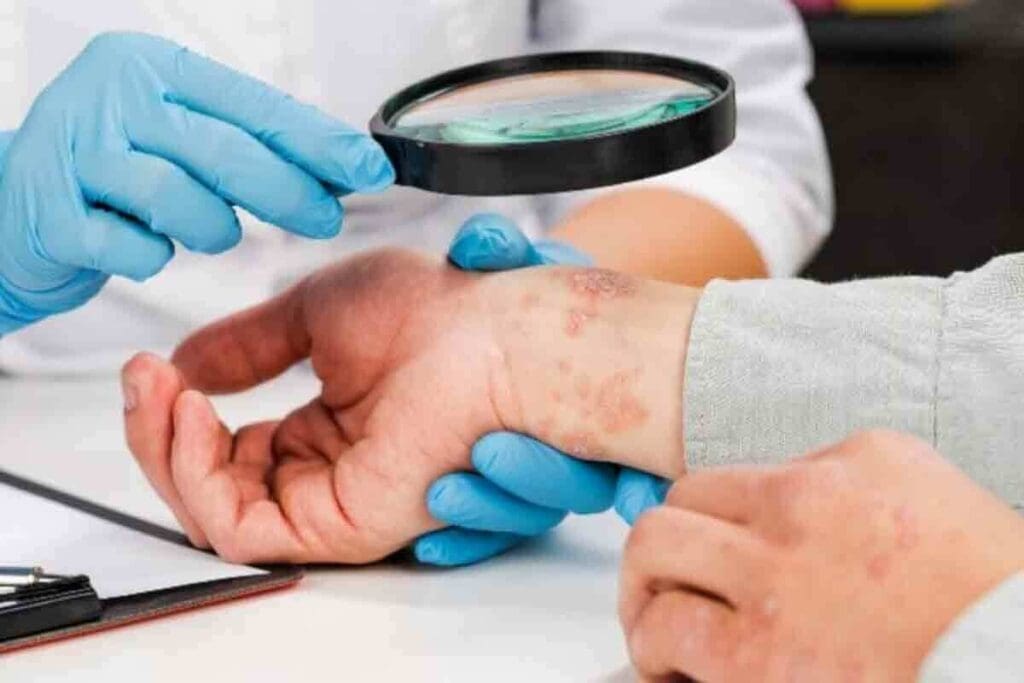
Vascular reactions under the skin can cause bruises or serious blood clots. It’s important to know what causes these issues for the right treatment.
How Blood Vessels Respond to Injury
When blood vessels get hurt, they can leak blood into the tissue. This leads to a bruise. The damage to small blood vessels lets blood spill into the tissue.
At times, the body might form a blood clot in a vein. This happens when injury starts a chain of chemical reactions. These reactions end in a fibrin clot forming.
Why These Conditions Are Commonly Confused
Bruises and blood clots share similar symptoms like pain and swelling. But, they have distinct differences.
- Bruises are tender but get better with time. Blood clots cause sharp pain and swelling that lasts.
- Bruise locations vary, but blood clots often form in deeper veins, like in the legs.
- Knowing these differences helps doctors diagnose correctly. This is key to treating the right condition.
Doctors can make better diagnoses and treatments by understanding bruises and blood clots. This is vital because untreated blood clots can cause serious issues like deep vein thrombosis (DVT) or pulmonary embolism.
Understanding Blood Clots Inside the Skin

It’s important to know about blood clots in the skin for the right treatment. These clots can form in different skin layers, causing various conditions.
Superficial Thrombophlebitis Explained
Superficial thrombophlebitis happens when blood clots form in the surface veins. It can cause pain, swelling, and redness. Key characteristics include:
- Pain or tenderness along the affected vein
- Swelling or inflammation
- Redness or warmth around the clot
This condition is not usually life-threatening but can be uncomfortable. It may also lead to more serious problems if not treated.
Deep Vein Thrombosis (DVT) Basics
Deep Vein Thrombosis (DVT) is a serious condition where clots form in deeper veins, often in the legs. It can cause severe problems, like pulmonary embolism, if not treated quickly. Risk factors for DVT include:
- Prolonged immobility or bed rest
- Recent surgery or trauma
- Family history of blood clots
- Use of hormone therapies or birth control pills
It’s key to recognize DVT signs like leg pain or swelling for early treatment.
Risk Factors for Vascular Clot Formation
Several factors can raise the risk of blood clots in the skin. These include:
- Age: The risk goes up with age.
- Personal or family history of blood clots: Those with clotting disorders are more at risk.
- Smoking: It damages blood vessels and raises clotting risk.
- Hormone therapies: Some can affect clotting factors.
Knowing these risk factors helps spot who’s at higher risk. It’s key for prevention.
The Mechanics of Bruise Formation
Bruises form when blood vessels get damaged and blood leaks into the skin. This happens when we get hurt. The damage to small blood vessels near the skin’s surface leads to bruising.
What Happens During Contusion Development
When we get hurt, it can damage blood vessels. This damage lets blood leak into the tissue. This leakage is what makes bruises look discolored and tender.
Blood vessel damage is key in bruise formation. When blood vessels get hurt, they can’t hold blood anymore. This blood leaks out and builds up in the tissue, causing the bruise.
The Natural Healing Timeline of Bruises
Bruises heal on their own in a few days to weeks. The healing process breaks down and absorbs the blood cells in the skin. This is why bruises change color as they heal.
At first, bruises are red or purple. They then turn blue or black, then green or yellow, and eventually brown before they fade away.
| Stage | Color | Timeline |
| Initial | Red/Purple | 0-2 days |
| Developing | Blue/Black | 2-5 days |
| Healing | Green/Yellow | 5-7 days |
| Fading | Brown | 7-14 days |
Common Causes of Significant Bruising
Many things can cause serious bruising. Trauma is the main reason, as it can damage blood vessels. Medical conditions like blood clotting disorders or vascular diseases can also lead to significant bruising.
Knowing why we bruise is important. It helps us tell if it’s just a bruise or something more serious like a blood clot. By understanding the causes, we can get the right medical help if needed.
Visual Identification: Blood Clot vs. Bruise
It’s important to know how to tell the difference between blood clots and bruises. This knowledge helps in diagnosing and treating them correctly. Looking closely at visual clues can give us the answers we need.
Color Patterns and Progressive Changes
Bruises change color as they heal. They start red or purple, then turn blue, green, and yellow before fading. Blood clots, on the other hand, stay red or dark and don’t change color much. Watching these color changes can tell us if it’s a bruise or a clot.
Distinctive Shape and Location Characteristics
The shape and where the problem is can also tell us a lot. Bruises are usually irregular and match the area hit. Blood clots, though, are more rounded and might be near a vein. For example, a blood clot in a vein looks like a tender cord.
Texture and Surface Differences
Looking at the texture and surface can also help. Bruises are flat and don’t change the skin’s feel. Blood clots, though, make the area swell and might feel warm or tender.
Using Photography to Track Changes
Photography is great for watching how bruises and blood clots change. Taking pictures regularly lets us see color, size, and texture changes. This info is key for figuring out what’s happening and how to treat it. Photos of bruises show healing, while blood clots show size and tenderness changes.
| Characteristics | Bruise | Blood Clot |
| Color Changes | Multiple color changes (red, purple, blue, green, yellow) | Typically remains red or dark |
| Shape and Location | Diffuse, irregular shape, often related to injury site | Localized swelling or lump, may follow a vein |
| Texture and Surface | Flat, no significant texture change | Swollen or raised, possible texture change |
Comparing Symptoms of Blood Clot and Bruises
It’s important to know the differences in symptoms between blood clots and bruises. Both can cause discomfort and visible changes on the skin. But, their causes and implications are different.
Pain Quality and Tenderness Variations
The pain from blood clots and bruises is different. Blood clots cause sharp, lasting pain. Bruises, on the other hand, lead to tenderness that gets better as it heals.
- Blood clots: Sharp, lasting pain
- Bruises: Tenderness that improves over time
Swelling Characteristics and Progression
Swelling can also tell us if it’s a blood clot or a bruise. Blood clots cause swelling that stays in one place. Bruises swell too, but it depends on the injury and gets better as it heals.
Key differences in swelling characteristics include:
- Extent of swelling
- Localization of swelling
- Progression over time
Temperature Changes Around Affected Areas
Temperature changes can also give clues. Blood clots make the affected area feel warmer due to inflammation. Bruises usually don’t change temperature unless there’s an infection or severe injury.
Duration and Evolution of Symptoms
The length and change of symptoms help tell blood clots from bruises. Blood clot symptoms can get worse if not treated. Bruises heal in a predictable way.
| Condition | Symptom Duration | Symptom Evolution |
| Blood Clot | Can persist or worsen | May require medical intervention |
| Bruise | Typically resolves within days to weeks | Follows a predictable healing timeline |
By looking at these symptoms, we can figure out if it’s a bruise or something more serious like a blood clot. Knowing the difference is key to getting the right medical help.
High-Risk Body Locations: Leg and Wrist Concerns
The legs and wrists are at high risk for bruises that might look like blood clots. This is because of their anatomy and the chance of injury.
Leg Bruises vs. DVT Signs
Leg bruises can be worrisome, looking like Deep Vein Thrombosis (DVT). Key differences include:
- Pain characteristics: Bruises have more surface pain, while DVT causes deeper, more severe pain.
- Swelling patterns: Bruises cause local swelling, but DVT can swell the whole limb.
- Color changes: Bruises change color as they heal, but DVT might not unless there’s bruising.
Knowing these differences helps figure out if a leg bruise is just that or something more serious like DVT.
Wrist Vein Bruises and Their Implications
Wrist vein bruises are usually less serious than leg bruises but can be a worry. They might be from:
- Wrist trauma, causing bruising.
- Underlying vascular issues that make bruising or clotting more likely.
It’s important to watch these bruises for signs of trouble or underlying health issues that need a doctor’s attention.
Other Common Sites for Diagnostic Confusion
Other areas prone to bruising or clotting include:
- The arms, after medical procedures like venipuncture.
- The thighs and hips, where big bruises can look like serious conditions.
Knowing these areas can help people watch their vascular health better and get medical help when needed.
Can Bruises Develop Into Blood Clots?
It’s important to know if bruises can turn into blood clots. This knowledge helps in diagnosing and treating the issue. Bruises and blood clots are both injuries to blood vessels, but they differ in cause and effect.
Trauma and Clotting
When the body gets hurt, it can cause bruises. This happens when blood vessels get damaged and blood spills into the tissue. Sometimes, this injury can also lead to blood clots forming.
The link between injury and clotting is complex. It involves many body processes that can either help or hinder clotting.
Several factors can affect the chance of clotting after an injury:
- The severity of the injury
- Underlying medical conditions
- Genetic tendencies to clotting disorders
Risk Factors for Complications
Some people are more likely to get blood clots after bruising. This is due to various risk factors. These include:
- Age: Older people are more prone to clotting because of less mobility and health issues.
- History of blood clots: Those who have had blood clots before are at higher risk.
- Family history: A family history of clotting disorders also raises the risk.
Current Research on Bruise-Related Clotting
Recent studies have explored how bruises can lead to clotting. While most bruises don’t directly cause clots, some factors can increase the risk. Researchers are working to understand these factors better and find out who is most at risk.
Understanding the complex relationship between injury, clotting, and individual risk helps doctors provide better care. They can offer more specific guidance and treatment for those at risk of blood clots.
When to Seek Medical Evaluation
Knowing when to get medical help is key to tell if it’s a bruise or a blood clot. Spotting signs that mean you need to see a doctor can stop serious problems.
Red Flags That Suggest a Possible Blood Clot
Some symptoms might mean you have a blood clot. Look out for ongoing swelling, pain, or tenderness. If you notice these, see a doctor right away.
Other signs include skin color changes that don’t get better or get worse. If the area feels warm or you see veins, it might be a clot.
Emergency Warning Signs Requiring Immediate Care
Some symptoms are urgent and need quick medical help. These include trouble breathing, severe pain, or swelling in one limb. If you see these, get help fast.
| Symptom | Possible Condition | Action |
| Persistent swelling | Blood clot | Consult a healthcare provider |
| Difficulty breathing | Potential pulmonary embolism | Seek immediate medical attention |
| Severe pain | Possible deep vein thrombosis (DVT) | Seek immediate medical attention |
Diagnostic Tests Doctors May Perform
Doctors use tests to find blood clots. They might do an ultrasound, blood tests, or a venogram to see the veins.
Knowing about these tests helps you get ready for your doctor’s visit. It also helps your doctor understand your situation better.
What Information to Share With Healthcare Providers
When you see a doctor, tell them everything important. Share your medical history, any recent injuries, and your symptoms.
This info helps your doctor figure out what’s wrong and how to fix it. It’s important for a good diagnosis and treatment plan.
Conclusion: Protecting Your Vascular Health
It’s key to know the difference between blood clots and bruises for good vascular health. Knowing the signs and causes can help you stay healthy. This knowledge lets you take care of your body better.
When trying to figure out is it a blood clot or a bruise, it’s important to know the differences. Bruises come from injuries, while blood clots might mean a bigger health issue. Knowing the difference between a bruise or DVT (Deep Vein Thrombosis) is also critical. DVT can cause serious problems if not treated.
Don’t confuse a leg bruise or blood clot. The symptoms can look the same. But, a bruise blood clot isn’t always a big deal. Yet, knowing if it’s a bruise or clot is important in some cases. Knowing when to see a doctor can prevent serious issues and get you the right care.
By staying informed and taking action, you can lower your risk of vascular problems. Research shows it’s vital to recognize blood clot and bruise signs. Understanding these conditions and their tests is part of protecting your vascular health. Being aware of risks and how to manage them is essential for your health.
FAQ
What is the main difference between a blood clot and a bruise?
A bruise happens when trauma damages small blood vessels near the skin. This leads to blood leaking into the tissue around it. On the other hand, a blood clot forms inside veins. It can block blood flow.
Can a bruise turn into a blood clot?
Most bruises don’t turn into blood clots. But, certain conditions or trauma can raise the risk of clotting.
How can I distinguish between a bruise and a blood clot on my leg?
Leg bruises and blood clots can look similar, with swelling and pain. But, blood clots usually cause more severe pain and swelling. They might also be warm or red.
What are the risk factors for developing a blood clot?
Being older, having a family history of blood clots, smoking, or using hormone therapies are risk factors. These can increase the chance of getting a blood clot.
Can bruises on the wrist be a sign of a blood clot?
Wrist vein bruises are usually not serious. But, they can be confused with more serious conditions. If you have ongoing swelling, pain, or tenderness, get medical help.
How can I identify a blood clot vs. a bruise visually?
To visually tell them apart, look at color patterns and changes. Notice the shape, location, texture, and surface. These can help you tell them apart.
What are the symptoms of a blood clot compared to a bruise?
Blood clots cause more severe pain, swelling, and warmth. Bruises usually just cause discoloration and tenderness.
When should I seek medical evaluation for a potentially blood clot?
Get medical help if you have ongoing swelling, pain, or tenderness. Or if you’re at risk for blood clots.
What diagnostic tests may doctors perform to diagnose a blood clot?
Doctors might use ultrasound or blood tests. These help find and locate blood clots.
Can photography help track changes in a bruise or blood clot?
Yes, taking photos can help track changes. Bruises change color, but blood clots usually stay the same. This can help doctors diagnose.
References
- Di Nisio, M., Wichers, I. M., & Middeldorp, S. (2024). Treatment of superficial vein thrombosis: A narrative review. Journal of Thrombosis and Haemostasis, 22(5), 845-858. Retrieved from https://www.ncbi.nlm.nih.gov/pmc/articles/PMC11312049/