Last Updated on November 25, 2025 by Ugurkan Demir
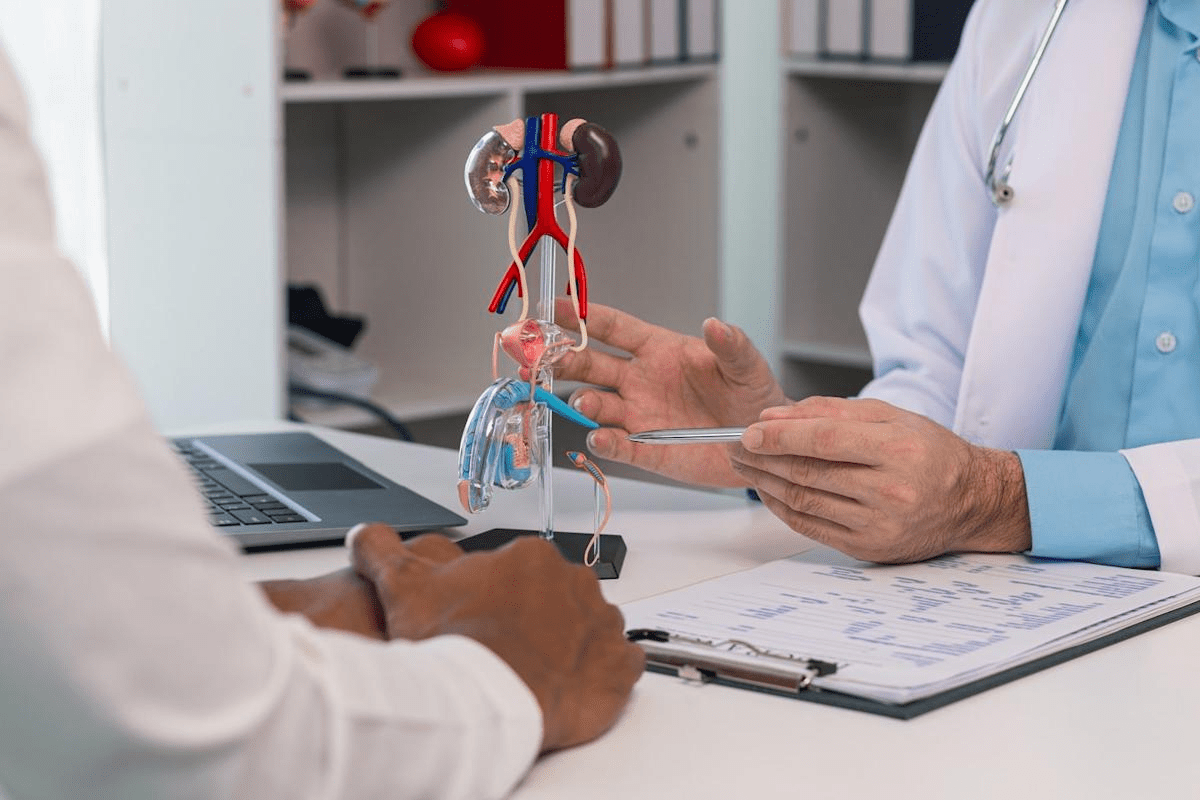
Hematuria, or the presence of blood clots in urine, is a condition that can be alarming. It affects a significant portion of the adult population.
Seeing blood clots in urine can mean there’s an underlying issue. This could be a urinary tract infection, kidney stones, or even cancer. At Liv Hospital, we take this condition seriously and work to address it quickly and effectively blood clots in urine.
Experiencing hematuria can be distressing. It’s important to seek medical attention to find out the cause and get the right treatment. Our approach focuses on the patient, combining international medical standards with compassionate care.
Key Takeaways
- Hematuria affects up to 30% of adults at some point in their lives.
- Blood clots in urine can indicate infections, kidney stones, or cancer.
- Prompt medical evaluation is essential for determining the cause.
- Liv Hospital offers extensive care for patients with hematuria.
- Understanding the causes and symptoms is key for getting the right medical care.
Understanding Blood Clots in Urine (Hematuria)

Hematuria is when blood shows up in your urine. It can range from tiny spots to big clots. Knowing about it is key to handling it right.
What Are Blood Clots in Urine?
Blood clots in urine mean there’s a lot of bleeding. This can cause pain or discomfort when you pee. The size of the clots can vary.
Microscopic vs. Gross Hematuria
Hematuria comes in two types: microscopic and gross. Microscopic hematuria means blood is only seen under a microscope. Gross hematuria is when you can see the blood, making your pee look pink, red, or brown.
Gross hematuria scares people more because it’s visible. But both types can signal health problems that need a doctor’s check-up.
How Common Is This Condition?
Hematuria is common, affecting up to 30% of adults. It’s not always serious, but it’s a sign that needs looking into. The amount and frequency of bleeding can differ a lot.
Knowing how common and what hematuria is can help you understand it better. It’s important for getting the right diagnosis and treatment.
Recognizing the Signs of Blood Clots in Wee

It’s important to know the signs of blood clots in urine. These clots can cause pain, discomfort, or block urine flow. We’ll look at the signs and symptoms to help you know when to see a doctor.
Visual Changes in Urine
Blood clots in urine can change how your urine looks. You might see pink, red, brown, or cola-colored urine. Clots can be red or brownish colored, stringy, or wormlike.
Physical Sensations and Discomfort
Blood clots can also cause physical discomfort. You might feel pain or discomfort while urinating. This can be mild or severe.
Large clots can block urine flow. This makes it hard to start or stop urinating. You might also feel abdominal or pelvic pain.
Associated Symptoms to Watch For
Other symptoms to watch for include fever, chills, or nausea. These might mean you have an infection. You might also feel frequent urination or a sense of urgency.
If you notice these symptoms, see a doctor. They can find out what’s causing them.
Common Causes of Blood Clots in Urine
It’s important to know why blood clots show up in urine. These clots can come from many health issues. They might be due to infections or problems with the urinary tract itself.
Urinary Tract Infections (UTIs)
UTIs are a big reason for blood clots in urine, mainly in women. When bacteria get into the urinary tract, it can cause an infection. This infection might lead to bleeding. You might feel pain when you pee, need to pee a lot, and have stomach pain. It’s key to treat UTIs with antibiotics quickly to avoid bigger problems.
Kidney and Bladder Stones
Kidney and bladder stones are another big cause of blood clots in urine. These stones can hurt the lining of the urinary tract, causing bleeding. They can also cause a lot of pain, known as renal colic. Sometimes, doctors need to remove the stones or help manage the pain.
Kidney Infections (Pyelonephritis)
Kidney infections, or pyelonephritis, can also lead to blood clots in urine. This happens when a UTI spreads to the kidneys. It can cause serious infection and damage if not treated fast. Symptoms include pain in the side, fever, and nausea, along with blood in the urine.
Enlarged Prostate in Men
In men, an enlarged prostate can also cause blood clots in urine. The enlarged prostate can irritate or damage the urethra, leading to bleeding. This is common in older men. Symptoms include trouble peeing, weak urine flow, and needing to pee a lot.
Less Common Causes of Urinary Blood Clots
There are several rare conditions that can cause blood clots in urine. These conditions can affect a person’s health a lot. They need to be checked by a doctor right away.
Glomerulonephritis
Glomerulonephritis is a kidney disease that hurts the tiny filters in the kidneys. This can lead to inflammation and scarring. It can also cause blood clots in urine. We will look at the different types of glomerulonephritis and how they affect the kidneys.
Kidney Disease and Injury
Kidney disease and injury can also cause blood clots in urine. For example, polycystic kidney disease (PKD) or kidney trauma can lead to hematuria. It’s important to understand these conditions to manage them properly.
Bladder or Kidney Cancer
Bladder and kidney cancers can also cause blood in the urine. They might also cause pain or trouble urinating. These cancers are not as common but are serious and need to be treated quickly.
Blood Disorders and Medications
Some blood disorders or conditions that affect blood clotting can increase the risk of hematuria. Some medications, like anticoagulants, can also cause blood clots in urine. We will dive deeper into these factors.
To understand the link between these rare causes and blood clots in urine, let’s look at some data:
| Condition | Primary Symptoms | Diagnostic Approach |
| Glomerulonephritis | Hematuria, proteinuria, hypertension | Kidney biopsy, urinalysis |
| Kidney Disease/Injury | Hematuria, flank pain, kidney dysfunction | Imaging studies (CT, MRI), kidney function tests |
| Bladder/Kidney Cancer | Hematuria, dysuria, pelvic pain | Cystoscopy, imaging studies (CT, MRI), biopsy |
| Blood Disorders | Bleeding tendencies, bruising | Blood tests (CBC, clotting factors) |
It’s important to know about these rare causes of blood clots in urine. This knowledge helps in providing the right care and treatment. We will keep exploring these conditions and their complications in the next sections.
Complications Associated with Blood Clots in Urine
Urinary blood clots can cause many problems, from blockages to emotional issues. If not treated, these clots can lead to serious health problems. We will look at the complications of blood clots in urine and why medical help is key.
Urinary Blockage and Retention
Blood clots in urine can block the flow of urine. This can cause a lot of pain and lead to not being able to urinate. If not fixed, it can damage the kidneys.
Urinary blockage can cause urinary retention. This means you can’t fully empty your bladder. It’s very painful and might need quick medical help.
Kidney Damage
Kidney damage is a big risk with blood clots in urine. Clots can block the urinary tract, causing urine to back up and harm the kidneys. This can lead to permanent damage, showing why quick treatment is needed.
The risk of kidney damage highlights the need to treat urinary blood clots fast. If symptoms don’t go away or get worse, getting medical help is vital to avoid lasting harm.
Anemia and Blood Loss
Big blood loss from urinary clots can cause anemia. Anemia means not enough red cells in the blood. It can make you feel tired, weak, and can cause other problems. It’s important to manage blood loss well.
| Condition | Symptoms | Complications |
| Urinary Blockage | Severe pain, inability to urinate | Kidney damage, infection |
| Anemia | Fatigue, weakness, pale skin | Poor oxygen delivery, heart problems |
Emotional and Psychological Impact
Blood clots in urine can also affect your mind and emotions. The fear and discomfort can lower your quality of life. It’s important to treat both the physical and emotional sides of this condition.
Dealing with urinary blood clots can be tough. It’s important to get help from doctors who can help with both the physical and emotional sides.
Knowing the risks of blood clots in urine helps see why getting medical help is so important. Quick diagnosis and treatment can greatly improve your health and lower the chance of long-term problems.
Diagnostic Procedures for Blood Clots in Urine
Doctors use several steps to find out why you have blood clots in your urine. They start with a check-up, lab tests, and imaging studies. This helps them figure out what’s causing the clots.
Initial Medical Assessment
The first step is a detailed medical history and physical exam. They look at your symptoms, past health, and risk factors. This helps them decide what tests to do next.
Laboratory Tests and Urinalysis
Lab tests are key in finding the cause of blood clots in urine. Urinalysis checks for blood, protein, and infection signs. It helps spot issues like infections or kidney problems.
Some tests include:
- Urine culture to find bacterial infections
- Blood tests to check kidney function and for infection signs
- Complete Blood Count (CBC) to see overall health and detect anemia
Imaging Studies
Imaging helps see the urinary tract and find problems. Common methods are:
- Ultrasound to find kidney stones, tumors, or other issues
- CT scans for detailed kidney, ureter, and bladder images
- X-rays to spot kidney stones or calcifications
These studies help us find the cause of blood clots and plan treatment.
Specialized Diagnostic Procedures
In some cases, more detailed tests are needed. For example, a cystoscopy uses a thin tube with a camera to see inside the bladder. It can find bladder stones, tumors, or other problems.
Here’s a summary of the diagnostic procedures in a tabular form:
| Diagnostic Procedure | Purpose | Common Findings |
| Urinalysis | Check for blood, protein, and signs of infection | Urinary tract infections, kidney disease |
| Imaging Studies (Ultrasound, CT Scan) | Visualize the urinary tract for abnormalities | Kidney stones, tumors, structural issues |
| Cystoscopy | Visualize the inside of the bladder and urethra | Bladder stones, tumors, bleeding sites |
Treatment Options Based on Underlying Causes
The treatment for blood clots in urine depends on finding and fixing the root cause. Effective management means using different methods for each specific problem.
Treating Infections
Urinary tract infections (UTIs) often lead to blood clots in urine. Antibiotics are usually given to fight UTIs. It’s important to finish all the antibiotics to get rid of the infection.
Managing Kidney and Bladder Stones
Treatment for kidney and bladder stones depends on the stone’s size and where it is. Small stones might go away with more water, but bigger ones might need medical help, like lithotripsy or surgery.
Addressing Prostate Issues
An enlarged prostate can also cause blood clots in urine, mainly in men. Treatment might include medicines to shrink the prostate or ease symptoms. Sometimes, surgery is needed.
Treatments for Other Conditions
Other issues, like kidney disease, bladder cancer, or blood disorders, need special care. For example, kidney disease might be managed with lifestyle changes and medicines to control diabetes or high blood pressure.
Some important things to remember about treatment are:
- Getting a correct diagnosis is key
- Creating a treatment plan based on the diagnosis
- Making lifestyle changes to avoid future problems
Knowing the cause is vital for good treatment and avoiding more issues.
Home Care and Self-Management
Managing blood clots in urine at home requires a few key steps. These include using pain relief, staying hydrated, and making changes to your activities. By doing these things, you can handle your symptoms better and lower the chance of serious problems.
Pain Management Techniques
It’s important to manage pain from blood clots in urine to live better. You can try over-the-counter pain meds like ibuprofen or acetaminophen for mild to moderate pain. But, always talk to a doctor before taking any medicine to make sure it’s right for you.
Also, using heat on your lower belly or back might help with pain. Warm baths or a low-setting heating pad can be soothing. Try to relax and avoid hard activities that might make the pain worse.
Hydration Strategies
Drinking lots of water is key for people with blood clots in urine. Water helps clean out your urinary system, which can prevent kidney stones and UTIs. Try to drink at least eight glasses of water a day. If you’re active or live in a hot place, drink more.
Watch the color of your urine too. It should be pale yellow. If it’s dark yellow or amber, you might not be drinking enough. Drinking herbal teas or diluted fruit juices can also help with staying hydrated.
Activity Modifications
Changing your daily activities can help with symptoms of blood clots in urine. Avoid heavy lifting, bending, or hard exercise to reduce pain and irritation. Resting and taking breaks can also help with feeling tired.
For some, changing their diet might be needed. This could mean avoiding spicy foods or caffeine, which can bother the bladder. Keeping a food diary can help find out which foods make symptoms worse.
Monitoring Your Condition
It’s important to keep an eye on how you’re feeling. Note any changes in symptoms like blood clots, pain, or how you pee. This info is very helpful for your doctor to adjust your treatment.
| Symptom | Action |
| Increased blood clots | Contact your healthcare provider |
| Severe pain | Seek immediate medical attention |
| Changes in urination | Monitor and report to your healthcare provider |
Being proactive and informed can help you manage your condition better. This can improve your overall health and well-being.
When to Seek Immediate Medical Attention
If you’re passing blood clots in your urine, knowing when to get help is key. Some cases can be handled at home, but others need quick medical help.
Emergency Warning Signs
Some symptoms mean you need to see a doctor right away. These include:
- Severe pain in the abdomen, back, or sides
- Inability to urinate or severe difficulty urinating
- Heavy bleeding with large clots
- Fever above 101.5°F (38.6°C)
- Vomiting or nausea that prevents keeping down fluids
If you have any of these symptoms, go to the emergency room or urgent care.
Symptoms Requiring Urgent Care
Some symptoms aren’t life-threatening but need quick medical check-up. These include:
- Persistent or recurrent blood clots in urine
- Painful urination or frequent urination
- Difficulty starting or stopping the flow of urine
- Visible blood or clots in the urine that don’t resolve
See a healthcare provider within 24 hours if you have these symptoms.
Special Considerations for High-Risk Groups
Some people are more at risk for problems from blood clots in urine. These include:
- Older adults
- People with a history of kidney disease or kidney stones
- Those with known bladder or kidney cancer
- Individuals taking anticoagulant medications
If you’re in a high-risk group and see blood clots in your urine, get medical help fast.
Knowing when to get medical help can prevent serious issues. If you’re not sure about your symptoms, it’s best to talk to a doctor.
Conclusion: Prevention and Long-Term Management
Knowing the causes and signs of blood clots in urine is key. It helps in preventing and managing them over time. Drinking enough water, managing health issues, and keeping up with doctor visits can lower risks.
Preventing urinary problems is important. Drinking lots of water, keeping clean, and seeing a doctor fast for UTIs can stop blood clots. These steps are simple but effective.
Managing blood clots long-term means working with doctors. They help keep an eye on health issues that might lead to clots. This could be kidney disease, prostate problems, or other health issues.
Being proactive and informed can greatly improve life quality. We suggest patients work with their doctors to create a plan. This plan should focus on prevention and long-term care.
FAQ
What causes blood clots in urine?
Blood clots in urine can come from many sources. This includes urinary tract infections, kidney stones, and an enlarged prostate. Certain medical issues like glomerulonephritis or cancer can also cause it.
Are blood clots in urine a sign of a serious condition?
Blood clots in urine can be a sign of something minor or serious. It’s important to see a doctor to figure out what it means.
How is the cause of blood clots in urine diagnosed?
Doctors use several methods to find out why you have blood clots in urine. They look at your medical history and do a physical exam. They also do lab tests, like urinalysis, and imaging studies like ultrasound or CT scans. Sometimes, they need to do a cystoscopy.
Can blood clots in urine be treated at home?
Some cases can be managed at home. You might need to manage pain and drink lots of water. But, it’s important to see a doctor to find out why you have blood clots and get the right treatment.
What are the complications associated with blood clots in urine?
Blood clots in urine can lead to serious problems. These include urinary blockage, kidney damage, and anemia. It can also cause emotional and psychological distress. Getting medical help quickly can help avoid these problems.
When should I seek immediate medical attention for blood clots in urine?
You should go to the doctor right away if you have severe pain, heavy bleeding, or trouble urinating. Also, if you have a fever or a history of kidney disease, seek help quickly.
Can certain medications cause blood clots in urine?
Yes, some medications can lead to blood clots in urine. This includes anticoagulants and some antibiotics. Always talk to your doctor about your medications.
How can I prevent blood clots in urine?
To prevent blood clots in urine, stay hydrated and practice good hygiene. Manage any health conditions you have and go to your doctor for regular check-ups.
Are there any specific considerations for high-risk groups?
Yes, people with kidney disease, those on certain medications, or with other health conditions need to be careful. If you have symptoms, see a doctor right away.
What are the treatment options for blood clots in urine?
Treatment depends on why you have blood clots in urine. It might include antibiotics for infections, pain relief for stones, or other treatments for conditions like an enlarged prostate or cancer.
References
National Center for Biotechnology Information. (2025). What Causes Blood Clots in Urine and When. Retrieved from https://www.ncbi.nlm.nih.gov/books/NBK534213/