Last Updated on November 25, 2025 by Ugurkan Demir
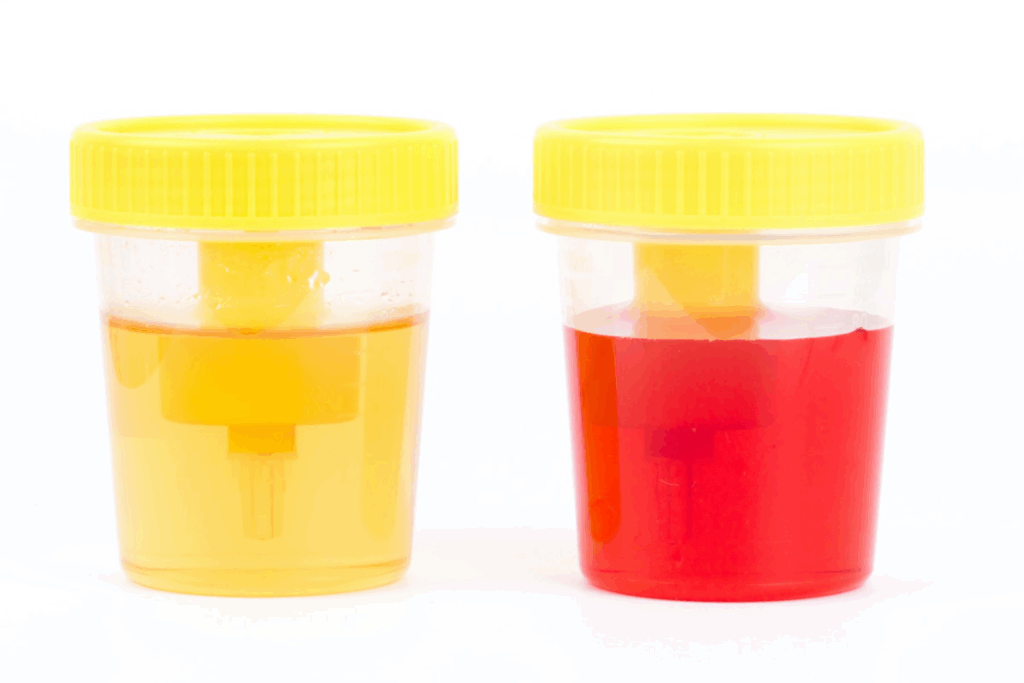
Seeing blood clots in urine can be scary. But knowing why it happens is key to getting the right help. This issue, called hematuria, happens when red cells leak into the urinary tract. This makes visible clots blood clots in wee.
At Liv Hospital, our team is here to help. We use the latest medical knowledge to treat hematuria. We look at many reasons why it might happen, from small infections to serious problems like kidney stones.
It’s important to know why it happens and when to get help. Our team is committed to top-notch care. We support patients from all over with our services.
Key Takeaways
- Hematuria is a condition characterized by the presence of red cells in the urine.
- Causes can range from minor infections to serious conditions like kidney stones.
- Understanding the underlying cause is key for the right treatment.
- Liv Hospital offers thorough evaluation and treatment based on the latest research.
- We focus on patient care, making sure international patients get the support they need.
Understanding Blood Clots in Urine
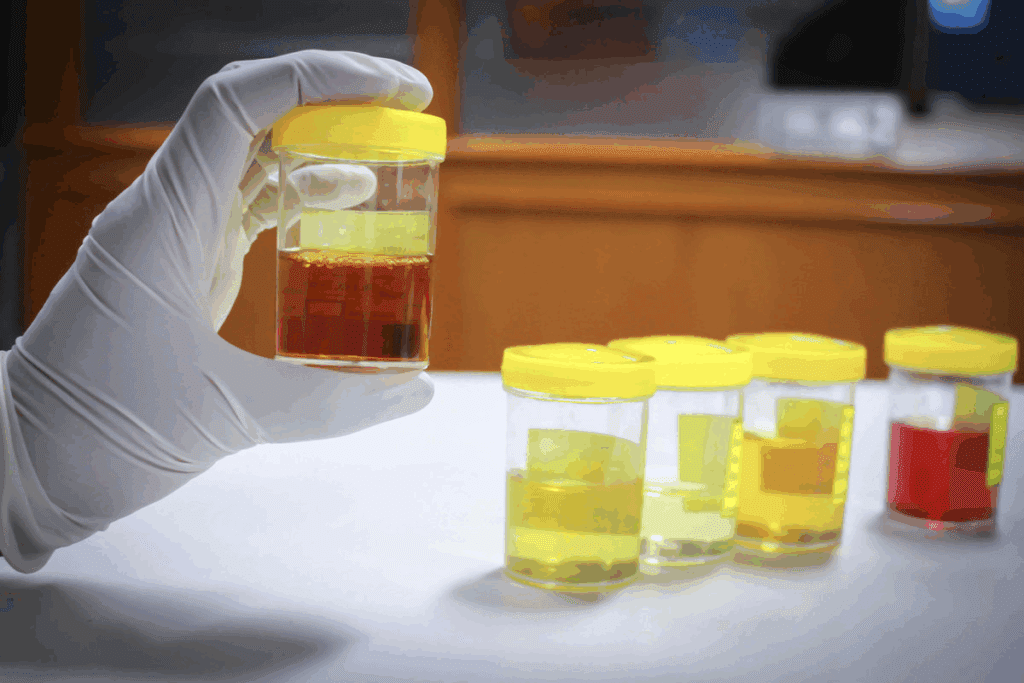
Hematuria, or blood in urine, affects many people worldwide. It shows up as visible or invisible blood in the urine. This can mean different health problems.
“The presence of blood in urine is always a significant finding and warrants a thorough medical evaluation,” says a leading urologist. This condition can show up in two ways. Microscopic hematuria means blood is only seen under a microscope. Gross hematuria is when blood is visible to the eye.
What is Hematuria?
Hematuria is when blood is in the urine. It can make urine look pink, red, or brown. It affects up to 30% of adults at some point, but not all blood is visible.
There are two main types of hematuria. Microscopic hematuria is when blood is found in urine under a microscope. Gross hematuria is when blood is seen with the naked eye.
How Blood Clots Form in the Urinary System
Blood clots in urine happen when there’s bleeding in the urinary tract. This includes the kidneys, bladder, and tubes connecting them. Injury or disease in these areas can cause bleeding.
The process of blood clotting in urine is complex. It involves bleeding, blood concentration, and the body’s clotting mechanisms. In some cases, these clots can be large and may cause urinary obstruction, leading to severe pain and discomfort.
Understanding how blood clots form in the urinary system is key. It helps find the cause and the right treatment. If you see blood clots in your urine, get medical help. It could be a sign of a serious problem.
Common Causes of Blood Clots in Urine
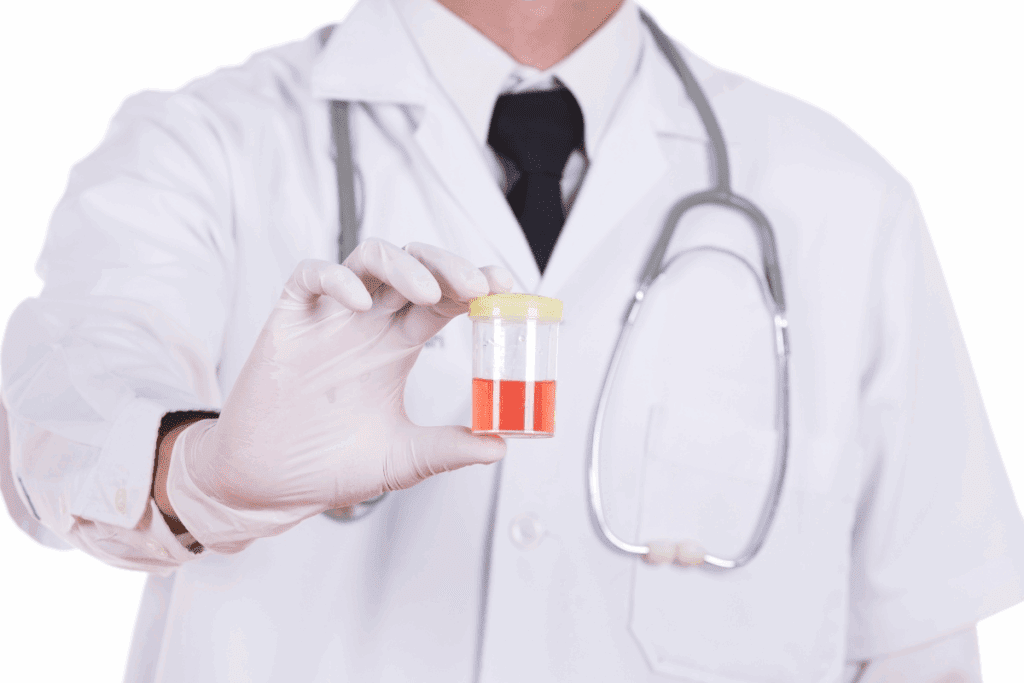
Several factors can lead to blood clots in urine. These include infections and kidney stones. Knowing these causes helps find the right treatment.
Urinary Tract Infections
Urinary tract infections (UTIs) are a common reason for blood clots in urine. UTIs happen when bacteria get into the urinary tract. This can cause infection and bleeding.
Women are more likely to get UTIs because their urethra is shorter. This makes it easier for bacteria to get to the bladder.
Symptoms of UTIs include burning when you pee, needing to pee a lot, and stomach pain. If not treated, UTIs can cause serious problems like kidney damage.
Kidney and Bladder Stones
Kidney and bladder stones are another reason for blood clots in urine. These stones can irritate and hurt the urinary tract lining, causing bleeding. Stones can also raise the risk of UTIs.
| Condition | Symptoms | Complications |
| Urinary Tract Infections | Burning during urination, frequent urination | Kidney damage, sepsis |
| Kidney and Bladder Stones | Severe pain, nausea, vomiting | Urinary tract obstruction, infection |
Bladder or Kidney Inflammation
Inflammation of the bladder (cystitis) or kidney (pyelonephritis) can also cause blood clots in urine. This inflammation can come from infections, injury, or other conditions. Symptoms include pain when peeing, needing to pee a lot, and fever.
Treating the underlying cause of inflammation is key. It helps prevent more problems and eases symptoms.
Medical Conditions That Lead to Blood Clots in Urine
Conditions like kidney disease, enlarged prostate, and urinary tract cancers can cause blood clots in urine. These issues can be very uncomfortable. They can also lead to serious problems if not treated right.
Kidney Disease
Kidney disease includes many conditions that harm the kidneys. Polycystic kidney disease (PKD) is one, where many cysts grow in the kidneys. These cysts can cause blood in the urine and might lead to blood clots.
Key aspects of kidney disease that may lead to blood clots in urine include:
- Cyst formation and rupture
- Chronic inflammation
- Infection
Enlarged Prostate
An enlarged prostate, or benign prostatic hyperplasia (BPH), can block the urethra. This blockage can cause bleeding and blood clots in the urine.
The relationship between an enlarged prostate and blood clots in urine is mainly because of:
- Urinary retention
- Increased pressure on the urinary tract
- Potential for urinary tract infections
Urinary Tract Cancers
Cancers in the urinary tract, like bladder, kidney, and ureteral cancers, can cause blood in the urine and blood clots. These cancers can bleed because of tumor growth and ulcers.
| Cancer Type | Common Symptoms |
| Bladder Cancer | Blood in urine, painful urination |
| Kidney Cancer | Hematuria, flank pain, abdominal mass |
| Ureteral Cancer | Blood in urine, flank pain |
It’s important to know about these medical conditions for early diagnosis and treatment. If you see blood clots in your urine, see a doctor right away.
Trauma and Injury-Related Causes
Blood clots in urine can happen from physical trauma or intense exercise. These activities stress the urinary system. Knowing why they happen helps in preventing and managing blood clots.
Physical Trauma to the Urinary System
Physical trauma to the kidneys, bladder, or urinary tract can cause bleeding. This leads to blood clots in urine. Such injuries can come from accidents, falls, or sports impacts. The trauma can damage blood vessels in the urinary system, causing hematuria.
Common scenarios where physical trauma can lead to blood clots in urine include:
- Sports injuries involving direct blows to the abdomen or back
- Motor vehicle accidents that cause trauma to the urinary tract
- Falls onto hard surfaces, impacting the kidneys or bladder
Exercise-Induced Hematuria
Exercise-induced hematuria is when blood is found in urine after intense exercise. It’s common in athletes doing long-distance running or cycling. The exact reason is not known, but it’s thought that the exercise’s impact can cause minor trauma to the bladder or kidneys.
- Intense physical activity that places undue stress on the urinary tract
- Dehydration, which can concentrate the urine and potentially irritate the urinary tract
- Pre-existing urinary tract conditions that may be exacerbated by exercise
If you have hematuria after exercise, see a healthcare provider. They can check for any underlying conditions that need medical attention.
Medication and Treatment-Related Causes
We look at how some medicines and treatments can lead to blood clots in urine. This is a serious issue that needs quick medical help. Some drugs can cause bleeding in the urine, leading to blood clots.
Blood Thinners and Anticoagulants
Blood thinners and anticoagulants stop blood clots from forming or growing. They are key in preventing strokes and treating deep vein thrombosis. Yet, they can also cause bleeding, including in the urine. People taking these should watch for signs of bleeding closely.
Cyclophosphamide and Cancer Treatments
Cyclophosphamide, a chemotherapy drug, can cause bleeding in the bladder, leading to blood clots in urine. Other cancer treatments can also harm the urinary system, causing bleeding. It’s important for those getting cancer treatment to tell their doctor about any urinary issues.
Other Medications
Other drugs can also lead to bleeding in the urine. This includes some antibiotics and anti-inflammatory drugs. The risk depends on the drug and the person taking it. People should talk to their doctor if they have bleeding in the urine while on medication.
Knowing the side effects of medicines is key to managing bleeding in the urine. If you’re on medication and have blood clots in urine, see your doctor right away. They can figure out why it’s happening and what to do next.
Recognizing Symptoms Associated with Blood Clots in Urine
It’s important to know the symptoms of blood clots in urine. This is because they can signal a serious health issue that needs quick attention.
Pain and Discomfort
Pain and discomfort are key signs of blood clots in urine. You might feel sharp pain when you pee or a dull ache in your lower back or belly. The pain’s intensity depends on the cause of the clots.
For example, kidney stones can cause severe pain that spreads from your back to your groin. Urinary tract infections might make you feel a burning sensation when you pee.
Changes in Urination Patterns
Changes in urination patterns are also important signs. You might pee more often, feel like you need to go right away, or struggle to start peeing. You might also feel like your bladder isn’t emptying fully.
These signs can point to problems like an enlarged prostate or a blockage in your urinary tract due to blood clots.
Other Warning Signs
Besides pain and changes in how you pee, there are other warning signs to watch for. These include:
- Fever and chills, which could mean you have an infection
- Nausea and vomiting, signs of a severe condition
- Blood in your pee that’s not clotted, which might mean you’re bleeding more
- Abdominal tenderness or swelling
If you notice any of these symptoms, it’s vital to see a doctor right away.
Spotting these symptoms early can help you get the medical care you need quickly. This can prevent serious problems like urinary blockage or kidney damage.
Complications of Blood Clots in Urine
Blood clots in urine can lead to serious issues. These include urinary blockage and kidney damage. If not treated, these problems can cause severe health problems.
Urinary Blockage
Large blood clots can block urine flow. This causes severe pain and can lead to urinary retention. The blockage can happen in the kidneys, ureters, bladder, or urethra.
Consequences of Urinary Blockage:
- Increased risk of urinary tract infections
- Potential for kidney damage due to backpressure
- Severe pain requiring immediate medical attention
Anemia from Blood Loss
Significant blood loss through urine can cause anemia. Anemia is when there’s not enough red cells or hemoglobin in the blood. It can make you feel tired, weak, and short of breath.
| Symptoms of Anemia | Description |
| Fatigue | Feeling tired or weak |
| Shortness of Breath | Difficulty breathing, specially during physical activity |
| Pale Skin | Skin appears pale or washed out |
Kidney Damage
Blood clots can damage the kidneys by blocking urine flow and causing backpressure. If not treated, this can lead to permanent kidney damage or failure.
It’s important to seek medical help if you have blood clots in urine. This is true if they don’t go away or if you have other concerning symptoms.
Diagnosing the Cause of Blood Clots in Urine
To find out why you have blood clots in your urine, we use a few key steps. These include a physical check-up, lab tests, and imaging studies. We look for the root cause, which could be anything from a simple infection to serious diseases.
Physical Examination
The first thing we do is a physical check-up. We look at your overall health to see if there’s any trauma, infection, or other issues. We check for signs like abdominal tenderness or flank pain. These can tell us a lot about what’s going on.
Laboratory Tests
Lab tests are very important in figuring out why you have blood clots in your urine. We run several tests, including:
- Urinalysis to check for infection, blood, or other abnormalities
- Blood tests to assess kidney function and check for signs of infection or inflammation
- Urine culture to identify any bacterial infections
These tests help us narrow down the possible causes. They guide us to do more tests to find out what’s wrong.
Imaging Studies
Imaging studies help us see inside your urinary tract. They show us any problems that might be causing the blood clots. We use:
| Imaging Modality | Description | Use in Diagnosing Blood Clots |
| Ultrasound | Non-invasive imaging using sound waves | Assesses kidney and bladder morphology, detects stones or tumors |
| CT Scan | Cross-sectional imaging using X-rays | Provides detailed images of the urinary tract, helps identify stones, tumors, or other abnormalities |
| X-ray | Plain radiography | Can detect kidney stones or other calcifications |
These studies help us understand what’s causing the blood clots. They guide us to the right treatment.
When to Seek Immediate Medical Attention
It’s important to know when blood clots in urine need quick medical help. Some symptoms mean you should go to the hospital fast. Knowing these can help a lot with treatment.
Emergency Warning Signs
Severe pain in your lower abdomen or back might mean a big problem. Other signs to watch for include:
- Heavy bleeding that doesn’t stop
- Inability to urinate
- Severe vomiting or fever
Complete Urinary Blockage
A complete blockage is a big emergency. Look out for:
- Inability to pass urine
- Severe pain in the lower abdomen
- Vomiting or nausea
If you see these signs, get medical help right away.
Signs of Infection or Sepsis
Infections can get worse fast, leading to sepsis, a serious condition. Watch for:
- Fever above 101.5°F (38.6°C)
- Chills or shaking
- Confusion or disorientation
- Rapid heartbeat or breathing
Quick medical attention is key if you see these signs.
Knowing these symptoms and when to get help can greatly improve treatment. If you’re not sure about your symptoms, it’s best to talk to a doctor.
Treatment Approaches for Blood Clots in Urine
Blood clots in urine need a detailed treatment plan. The plan changes based on the cause, how bad the symptoms are, and the patient’s health.
Treating the Underlying Cause
It’s key to treat the cause of blood clots in urine. This might mean antibiotics for urinary tract infections, surgery for kidney stones, or other treatments. The aim is to fix the problem to stop more issues.
| Underlying Cause | Treatment Approach |
| Urinary Tract Infections | Antibiotics |
| Kidney Stones | Surgical Intervention or Lithotripsy |
| Bladder or Kidney Inflammation | Anti-inflammatory Medications |
Managing Pain and Discomfort
It’s important to manage pain and discomfort. We use pain relief medications and other treatments. This helps patients feel better and live better during treatment.
Preventing Complications
Preventing complications is a big part of treatment. We watch for signs of infection, manage blood loss, and make sure the urinary system works right. This way, we can lower the chance of problems and help patients get better.
Good treatment for blood clots in urine needs a team effort. We use medicine and lifestyle changes together. By fixing the cause, managing symptoms, and stopping complications, we give patients the best care.
Prevention Strategies and Lifestyle Modifications
We can prevent blood clots in urine by making smart lifestyle choices. Knowing the causes and making changes can lower the risk of conditions that cause hematuria.
Hydration and Dietary Considerations
Drinking enough water is key to avoiding urinary tract infections and kidney stones. These are common causes of blood clots in urine. Water dilutes urine, making it less likely for minerals to form stones. Eating fruits, vegetables, and whole grains also helps keep the urinary tract healthy.
Drinking enough water helps prevent dehydration. Dehydration makes urine more concentrated, raising the risk of kidney stones. Aim for at least eight glasses of water a day, but adjust based on how active you are and where you live.
Exercise Modifications
Exercise is good for health, but some activities can increase blood clot risk. High-impact exercises like running or cycling can harm the urinary tract. Try to moderate intense exercise and do low-impact activities like swimming or yoga instead.
It’s important to listen to your body and not overdo it. Overexertion can cause physical harm leading to blood clots. Make sure to balance exercise with rest and recovery to keep your urinary tract healthy.
Regular Health Screenings
Regular health screenings are vital for catching problems early. They help find risk factors and conditions like urinary tract infections or kidney disease before they get worse.
Screenings for urinary tract health are critical for those with a family history of kidney disease or past urinary tract problems. Early detection through screenings can greatly improve treatment results and prevent serious issues.
By adopting these prevention strategies and lifestyle changes, we can lower our risk of blood clots in urine. This helps keep our urinary tracts healthy.
Conclusion
It’s important to know why blood clots in urine happen. They can show up in many health issues. Getting medical help fast is key to figuring out and treating the problem.
Learning about blood clots in urine can help you stay healthy. We talked about what might cause them, like infections or stones. We also mentioned serious conditions like kidney disease and cancer.
Remembering the main points can help you stay safe. It’s vital to watch for symptoms and get help when you need it. Making healthy choices can also lower your risk of problems.
In short, knowing about blood clots in urine can really help your health. If you notice anything strange, talk to a doctor. They can help keep you safe and healthy.
FAQ
What are blood clots in urine a sign of?
Blood clots in urine, known as hematuria, can signal many issues. These include urinary tract infections, kidney and bladder stones, and bladder or kidney inflammation. It can also point to kidney disease, an enlarged prostate, or even urinary tract cancers.
Why am I peeing blood clots?
Peeing blood clots can stem from several reasons. Physical trauma, intense exercise, and certain medications like blood thinners are common causes. Underlying conditions like kidney disease or urinary tract cancers also play a role.
What causes clots in the bladder?
Bladder inflammation, stones, or cancer can cause clots in the bladder. Urinary tract infections or certain medications can also contribute to clot formation.
Can certain medications cause blood clots in urine?
Yes, some medications can lead to blood clots in urine. Blood thinners, anticoagulants, cyclophosphamide, and cancer treatments are examples.
What are the symptoms associated with blood clots in urine?
Symptoms include pain, discomfort, and changes in urination. Fever, chills, or abdominal pain are also warning signs.
When should I seek immediate medical attention for blood clots in urine?
Seek immediate medical help for severe pain, complete urinary blockage, or signs of infection or sepsis.
How are blood clots in urine diagnosed?
Diagnosis involves a physical exam, urinalysis, and imaging studies. Ultrasound or CT scans help find the cause.
What are the treatment approaches for blood clots in urine?
Treatment focuses on addressing the cause, managing pain, and preventing complications.
Can lifestyle modifications help prevent blood clots in urine?
Yes, staying hydrated, following a healthy diet, and exercising can help. Regular health screenings are also important.
What are the potentially serious complications of blood clots in urine?
Complications include urinary blockage, anemia, and kidney damage. These can occur if left untreated or poorly managed.
References
Government Health Resource. (2025). What Causes Blood Clots in Urine and When. Retrieved from https://www.niddk.nih.gov/health-information/urologic-diseases/hematuria-blood-urine