Last Updated on November 17, 2025 by Ugurkan Demir
Long-distance flights can increase the risk of deep vein thrombosis (DVT). This condition affects over 300 million people every year. It’s important to know the risks of air travel and take steps to stay safe and healthy.
Air travel can cause us to sit for long periods, raising the risk of blood clot formation. We need to be aware of these risks and take action. At Liv Hospital, we teach our patients how to prevent DVT during flights. We follow the best international healthcare standards.
Key Takeaways
- Understand the risks of DVT during long-distance flights.
- Learn simple exercises to improve circulation during travel.
- Discover the importance of hydration in preventing blood clots.
- Explore compression stockings as a preventive measure.
- Find out how to manage your travel plans to reduce DVT risk.
Blood Clots While Flying: Understanding the Risks
It’s important to know about the risks of blood clots when flying. Air travel can be risky, and blood clots are a big concern. They can form in the legs during flights.
What is Deep Vein Thrombosis (DVT)?
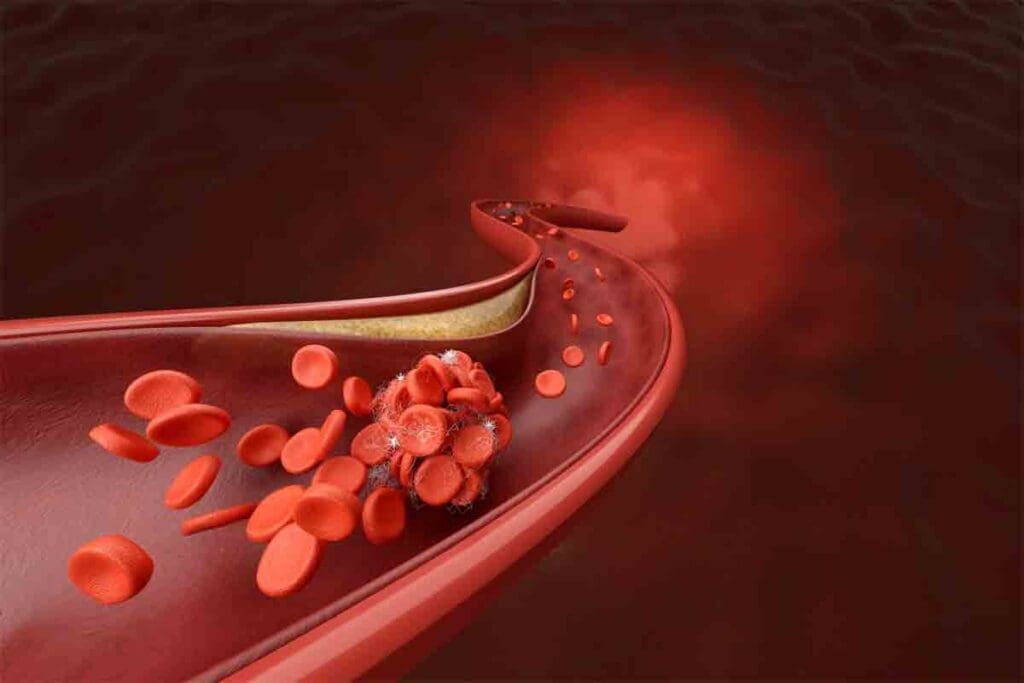
Deep Vein Thrombosis (DVT) is when a blood clot forms in a deep vein, usually in the legs. This is dangerous because it can break loose and go to the lungs. DVT is a serious condition that needs immediate medical attention if symptoms get worse.
Things that increase the risk of DVT include sitting for a long time, your genes, and some health conditions.
How Common Are Blood Clots from Flying?
Blood clots from flying are more common than you might think. Studies show that DVT can happen in travelers on long flights. The risk depends on how long the flight is and the health of the passengers.
Longer flights are more risky for DVT. This is because you sit for a longer time.
| Flight Duration | Risk Level | Incidence Rate |
| Short-Haul (<4 hours) | Low | 1-2% |
| Medium-Haul (4-8 hours) | Moderate | 2-4% |
| Long-Haul (>8 hours) | High | 4-6% |
The Science Behind Why Flying Causes Blood Clots
Flying causes blood clots because of sitting for a long time, low air pressure, and dehydration. Sitting for a long time slows down blood flow. This makes it easier for clots to form.
Cabin pressure and dehydration also play big roles. The air in cabins is dry, which can make you dehydrated. Dehydration makes blood thicker and more likely to clot.
Knowing these reasons is key to preventing DVT during flights.
Who’s Most Vulnerable: Risk Factors for Travel-Related DVT

Some people are more likely to get blood clots when they fly. Knowing these risks helps us take steps to prevent them.
Age and Health-Related Risk Factors
Age plays a big role in DVT risk. People over 40 face a higher risk, and it grows with age. Obesity and recent surgery also raise the risk. Staying healthy and following post-surgery advice can help lower these risks.
Medical Conditions That Increase Clotting Risk
Some health issues make DVT more likely during travel. These include cancer, heart disease, and past blood clots. People with these conditions should be extra careful when flying. Talking to a doctor before traveling can help figure out what precautions are needed.
Medications and Hormonal Influences
Some meds and hormones can also up the risk of blood clots. Hormone therapy, like birth control or menopause treatments, can increase this risk. Some health meds might have the same effect. It’s key to talk to your doctor about these before flying.
Knowing these risks helps travelers take steps to avoid DVT on flights. This might involve lifestyle changes, medical advice, and preventive actions.
Blood Clot After Flying Symptoms: What to Watch For
It’s important to know the signs of blood clots after flying. Blood clots, like Deep Vein Thrombosis (DVT), can happen when you fly, mainly on long trips. Spotting these symptoms early can stop serious problems.
Early Warning Signs in Legs and Body
The first signs of DVT show up in the legs. Look out for:
- Pain or tenderness in the leg, feeling like cramping or soreness
- Swelling in one leg (rarely both legs)
- Warmth or redness of the skin around the affected area
These signs can be easy to miss and might seem like muscle strain. But if you notice them, watch them closely.
Dangerous Symptoms Requiring Immediate Attention
While DVT symptoms are serious, some are even more urgent. Look out for:
- Chest pain or discomfort, which could mean a pulmonary embolism
- Shortness of breath or trouble breathing
- Rapid heartbeat or palpitations
- Coughing up blood
If you or someone with you has these symptoms, get medical help right away.
Distinguishing DVT from Normal Travel Discomfort
Telling normal travel discomfort from DVT symptoms can be hard. But DVT symptoms usually stay in one place and don’t go away. For example, if your leg hurts and doesn’t get better with stretching, it might be DVT. Also, if the pain comes with swelling or redness, it’s a worry.
Always choose caution with your health. If you’re not sure about your symptoms, talk to a doctor.
Movement Strategies: How to Avoid Blood Clots When Flying
Moving regularly is key to avoiding blood clots on flights. Long flights make us sit for too long. This can cause poor blood flow and raise the risk of deep vein thrombosis (DVT).
In-Seat Exercises to Maintain Circulation
Doing simple exercises while sitting can boost blood flow. Ankle rotations and toe lifts are great for this. To do ankle rotations, lift your feet and move them in circles. For toe lifts, just lift your toes up and down.
The seated leg lift is another good exercise. Lift one leg straight up, hold for a few seconds, then lower it. Switch legs to keep the blood flowing.
Walking Schedule for Flights of Different Durations
Walking is good for all flight lengths. For short flights (under 4 hours), a quick walk is enough. For longer flights (4-8 hours), walk every 2-3 hours. On very long flights (over 8 hours), walk every hour.
- For flights under 4 hours: Walk once or twice.
- For flights between 4-8 hours: Walk every 2-3 hours.
- For flights over 8 hours: Walk every hour.
Stretching Techniques for Confined Spaces
Stretching helps improve blood flow too. While sitting, try seated hamstring stretches by leaning forward. You can also do shoulder rolls to relax your upper body.
When you can stand, stretch your legs and back. Standing and stretching can help loosen up and improve blood flow.
Hydration and Nutrition: Preventing Blood Clots on Long Flights
When you fly long distances, it’s key to know how staying hydrated and eating right can help. The air on planes is dry, and you move less, which raises the risk of blood clots. We’ll look at how drinking water and choosing the right foods can lower this risk.
Pre-Flight and In-Flight Hydration Guidelines
Drinking enough water is vital to keep blood flowing and prevent clots. Drink at least 8 ounces of water every hour you’re flying. Also, skip caffeinated and alcoholic drinks as they can make you dehydrated.
Here are some tips to stay hydrated:
- Drink water often during the flight.
- Stay away from drinks that dry you out.
- Take a refillable water bottle to the airport and fill it up after security.
Foods That Promote Healthy Blood Flow
What you eat is also important for preventing blood clots. Eating foods that help blood flow is good. Add these to your pre-flight meal or snacks on the plane:
| Food | Benefit |
| Omega-3 rich foods (salmon, walnuts) | Anti-inflammatory properties |
| Vitamin C rich foods (citrus fruits, berries) | Improves blood vessel health |
| Garlic | Natural anticoagulant properties |
Substances to Avoid Before and During Air Travel
Some things can up the risk of blood clots or dehydration. Avoid:
- Too much salt, which can make you retain water.
- Alcohol and caffeine, as they can dehydrate you.
- Heavy, fatty meals that slow down digestion and blood flow.
Dr. Jane Smith, a vascular specialist, says, “Eating well and staying hydrated are simple ways to lower blood clot risk on long flights.”
Compression Stockings: Essential Gear for DVT Prevention
Compression stockings are key for preventing DVT on flights, say many doctors. They help keep blood flowing and stop clots. This is important for travelers, as long flights increase DVT risk.
How Compression Works to Prevent Deep Vein Thrombosis
Compression stockings apply more pressure at the ankle and less up the leg. This pushes blood towards the heart, improving flow. They work by making it harder for clots to form.
Selecting the Right Compression Level and Fit
Finding the right compression level and fit is vital. The level needed depends on your DVT risk. A doctor can help pick the right one for you.
| Compression Level (mmHg) | Recommended For |
| 15-20 | General prevention, low-risk travelers |
| 20-30 | Moderate risk, previous history of DVT |
| 30-40 | High risk, severe mobility issues |
Proper Application and Wearing Duration
Wearing compression stockings right is key. Put them on before flying and wear them all flight. Follow the care instructions to keep them working well.
Using compression stockings wisely can lower DVT risk on flights. They’re part of a good prevention plan. This makes travel safer and more worry-free.
Clothing Choices That Reduce Blood Clot Risk on Airplanes
Choosing the right clothes is a simple way to lower blood clot risk on flights. The right clothes help with circulation, comfort, and health during travel.
Avoiding Restrictive Garments During Travel
Tight clothes can cut off blood flow, raising the risk of blood clots. Avoid tight belts, waistbands, or any tight clothing. Wear loose, comfy clothes that let you move freely.
Dr. [Last Name] said, “The key to preventing blood clots is to keep blood flowing well.”
“Comfortable clothing is not just about feeling good; it’s about reducing health risks associated with air travel.”
Best Fabrics and Styles for Long-Haul Flights
Right fabrics and styles are key for comfort and health on long flights. Choose breathable, natural fabrics like cotton or linen, as they keep you cool and dry.
Wear layers to adjust to the cabin’s temperature. Loose-fitting pants or skirts and comfy tops are great for long flights.
Footwear Considerations for Circulation
Footwear is important for keeping blood flowing during flights. Avoid tight or high-heeled shoes, as they can block blood flow. Wear comfy, loose shoes that let your feet breathe.
Think about wearing compression socks or stockings to help circulation. But, pick the right compression level and fit. Ask a healthcare professional for advice.
By picking the right clothes, you can lower your risk of blood clots on flights. Remember, comfort and practicality are key when dressing for a flight.
Medication Options for Preventing Blood Clots on a Plane
Medication is key for preventing blood clots in travelers at risk of Deep Vein Thrombosis (DVT). Certain drugs can help lower the risk of clotting during flights.
When Blood Thinners May Be Prescribed
Blood thinners stop blood clots from forming or growing. They are given to people with DVT history, clotting disorders, or other risk factors. We’ll look at when blood thinners are used for flying.
Guidelines suggest blood thinners for travelers with:
- History of DVT or pulmonary embolism
- Clotting disorders like factor V Leiden
- Major surgery or recent immobility
- Cancer or cancer treatment
Over-the-Counter Options and Supplements
There are OTC options and supplements to prevent blood clots. Always talk to a doctor before starting any new medication or supplement, even if you’re already taking something. Some OTC choices include:
| Supplement | Potential Benefit | Precautions |
| Aspirin | Antiplatelet effects may reduce clot risk | Can increase bleeding risk; consult a doctor |
| Omega-3 fatty acids | May help reduce inflammation and clotting | Can interact with blood thinners; consult a doctor |
| Vitamin E | Antioxidant properties may help improve circulation | High doses can increase bleeding risk |
As the table shows, these supplements can be helpful but need caution and medical advice.
“The use of anticoagulant therapy in preventing venous thromboembolism in long-distance travelers is supported by some studies, but the decision to use such therapy should be made on a case-by-case basis, taking into account the individual’s risk factors and medical history.”
Source: American College of Chest Physicians
Medication Timing and Administration During Travel
Medication timing and administration are key for safety and effectiveness during travel. Travelers on blood thinners must follow their prescribed dosage and schedule. It’s important to get travel-specific advice from your doctor, including:
- Adjusting dosages for travel across time zones
- Maintaining a medication log during travel
- Carrying medication in its original packaging and in carry-on luggage
By understanding medication options and working with healthcare providers, travelers at risk of blood clots can lower their DVT risk during flights.
Flying With a Blood Clot in Leg: Medical Considerations
Flying can be risky for those with deep vein thrombosis (DVT) history. Air travel is often necessary, so knowing the risks is key.
When to Fly After DVT
People with DVT should talk to their doctor before flying. This is true for long flights or recent clots. The doctor can check if it’s safe to fly.
Medical Clearance and Documentation
Some may need medical clearance to fly, like those with recent DVT. Carry your doctor’s notes. They should include your health status and any flight precautions.
Special Precautions During Flight
Those with DVT history should take steps to avoid clots in flight. Stay hydrated, wear loose clothes, and exercise your legs. Compression stockings can also help.
Medical experts say,
“the key to safe air travel for individuals with a history of DVT lies in careful planning and adherence to recommended precautions.”
It’s vital to get personalized advice from your doctor for these precautions.
By following these tips, people with DVT can travel more safely.
Pre-Flight Planning: Creating Your DVT Prevention Strategy
Creating a DVT prevention plan is key for safe air travel. Taking steps before your flight can lower the risk of Deep Vein Thrombosis.
Consulting Healthcare Providers Before Travel
If you’ve had DVT or are at high risk, talk to your doctor before flying. Discuss your travel plans to understand your risk and get advice. Your doctor might recommend certain treatments, like medication or compression stockings, for you.
Packing Essentials for Clot Prevention
Choosing the right items is important for DVT prevention. Compression stockings are essential for many, mainly on long flights. Also, pack comfy, loose clothes and layers to keep blood flowing and stay cozy.
- Compression stockings
- Comfortable clothing
- Layers for temperature control
- Any prescribed medications
Seat Selection and Airline Considerations
When booking, pick a seat with more legroom and easy movement. Aisle seats are great for stretching and moving. Also, check if your airline has DVT prevention policies and what they offer.
By planning ahead, you can lower your DVT risk and have a safer, more comfortable flight.
Post-Flight Vigilance: Monitoring for DVT After Flights
After a long flight, taking care of your body is key. It’s important to watch for signs of DVT and take steps to stay healthy.
Immediate Post-Flight Movement
When you land, start with some easy exercises. Gentle stretching and short walks can help your blood flow. Don’t forget to stay hydrated by drinking lots of water.
When to Seek Medical Attention
Knowing the signs of DVT is important. If you have persistent pain or swelling in your legs, see a doctor. Watch your body closely after flying, as symptoms can show up later.
Recovery Practices for Long-Haul Travel
For a smooth recovery, try relaxation techniques like deep breathing or meditation. Also, eat a balanced diet to keep your body strong.
Being proactive and careful after flying can lower your risk of DVT. This way, you can enjoy a healthier travel experience.
Conclusion: Balancing Air Travel Risks for Safe Journeys
As we wrap up our talk on preventing blood clots in the air, it’s clear that being aware and taking steps is key. Knowing the risks of deep vein thrombosis (DVT) and acting early can lower the chance of blood clots on flights.
We’ve looked at ways to stop blood clots, like doing exercises in your seat, walking, staying hydrated, and wearing compression stockings. Choosing the right clothes and thinking about medication can also help. For those who’ve had DVT before, planning before and after flying is vital.
By adding these steps to your travel plan, you can cut down on blood clot risks. It’s also important to talk to your doctor before flying, if you have health issues. Taking steps to prevent blood clots makes flying safer for everyone.
FAQ
What is deep vein thrombosis (DVT) and how is it related to flying?
Deep vein thrombosis is when a blood clot forms in the deep veins, usually in the legs. Flying can increase this risk. This is because of the long time you sit, the pressure in the cabin, and not drinking enough water.
Can flying cause blood clots?
Yes, flying can lead to blood clots. This is more likely for people who are older, have certain health issues, or take certain medicines.
How can I prevent blood clots when flying?
To avoid blood clots, drink plenty of water, get up and move around, and wear compression stockings. Doing exercises in your seat, walking, and stretching can also help keep your blood flowing.
What are the symptoms of a blood clot after flying?
Signs include swelling, pain, or tenderness in your legs, and redness or color changes. If you have severe symptoms like trouble breathing or chest pain, get help right away.
Are compression stockings effective in preventing DVT?
Yes, compression stockings can help prevent DVT. They improve blood flow and reduce vein pressure.
Can I fly with a history of DVT?
Generally, it’s okay to fly if you’ve had DVT before. But, you should talk to your doctor first and get their okay before you travel.
What medications can help prevent blood clots during flying?
Doctors might prescribe blood thinners for those at high risk of DVT. You can also try over-the-counter options or supplements. But, always talk to a doctor before taking any medicine.
How can I reduce my risk of DVT during long-haul flights?
To lower your DVT risk, drink lots of water, move around, and wear loose, comfy clothes. Avoid tight clothes that can block blood flow.
What should I do if I suspect I have a blood clot after flying?
If you think you have a blood clot, see a doctor right away. If you have severe symptoms like trouble breathing or chest pain, get help fast.
Are there any specific precautions I should take before flying with a blood clot?
Yes, talk to your doctor, get their okay, and wear compression stockings. Also, take breaks to move around during the flight.
How can I promote healthy blood flow during air travel?
Stay hydrated, move often, and eat foods that help blood flow, like omega-3 rich foods.
What are the best practices for recovering from long-haul travel?
After landing, keep moving, drink water, and do stretching exercises. This helps your body recover from the flight.
Reference
National Center for Biotechnology Information (NCBI) — COVID-19, long flights, and deep vein thrombosis: