Last Updated on November 14, 2025 by Ugurkan Demir
At Liv Hospital, we put our patients first. Knowing about B-positive blood types is key to great care. The B positive blood group is in about 9% of people. It’s very important for blood transfusions and treatments.
This blood type is critical for treating sickle cell disorder and thalassemia. It shows how important it is to have different blood donations. Doctors need to know about the blood group O to care for patients well.
Key Takeaways
- The B-positive blood group is found in approximately 9% of the population.
- It is critical for treating conditions like sickle cell disorder and thalassemia.
- Diverse blood donation is essential for medical treatments.
- Understanding B-positive blood type characteristics is vital for effective patient care.
- The B-positive blood group plays a significant role in transfusions.
Understanding Blood Groups and Their Classification
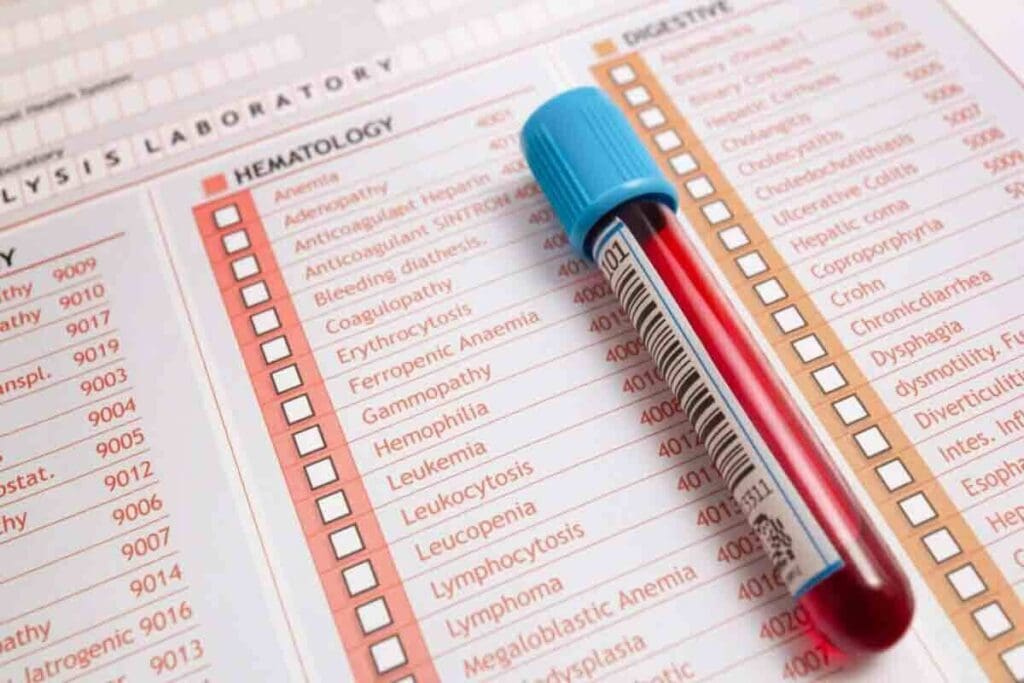
The ABO blood group system and the Rhesus factor are key in blood group classification. They help figure out your blood type and who you can safely give blood to. “The classification of blood is a vital aspect of transfusion medicine, ensuring safe and compatible blood transfusions,” say medical experts.
The ABO Blood Group System
The ABO blood group system is very important in transfusion medicine. It divides blood into four main types: A, B, AB, and O. These types are based on specific antigens on red blood cells.
Antigens are substances that can cause an immune response. In blood transfusions, they are key in matching blood types.
Here’s how it works: people with type A blood have A antigens on their red blood cells. Those with type B blood have B antigens. Type AB blood has both A and B antigens. And type O blood has neither.
The Rhesus Factor
The Rhesus factor, or Rh factor, is another important antigen on red blood cells. If you have the Rh antigen, you’re Rh-positive. If not, you’re Rh-negative. The Rhesus factor is vital because Rh-negative individuals can make antibodies against Rh-positive blood.
This can cause problems in future transfusions or pregnancies.
The combination of the ABO blood group system and the Rhesus factor determines an individual’s overall blood type. For example, someone with type B blood who is also Rh-positive is classified as B positive (B+).
How Blood Types Are Determined
Blood type determination involves testing for specific antigens on red blood cells. This is done through a blood test that checks for reactions with different antibodies. The test results show your ABO blood group and Rhesus factor status.
This information gives your complete blood type.
Knowing about blood group classification is key to safe blood transfusions. By knowing your blood type, healthcare providers can pick the right blood for you. This reduces the chance of bad reactions.
Blood Group Type B Positive: Basic Characteristics
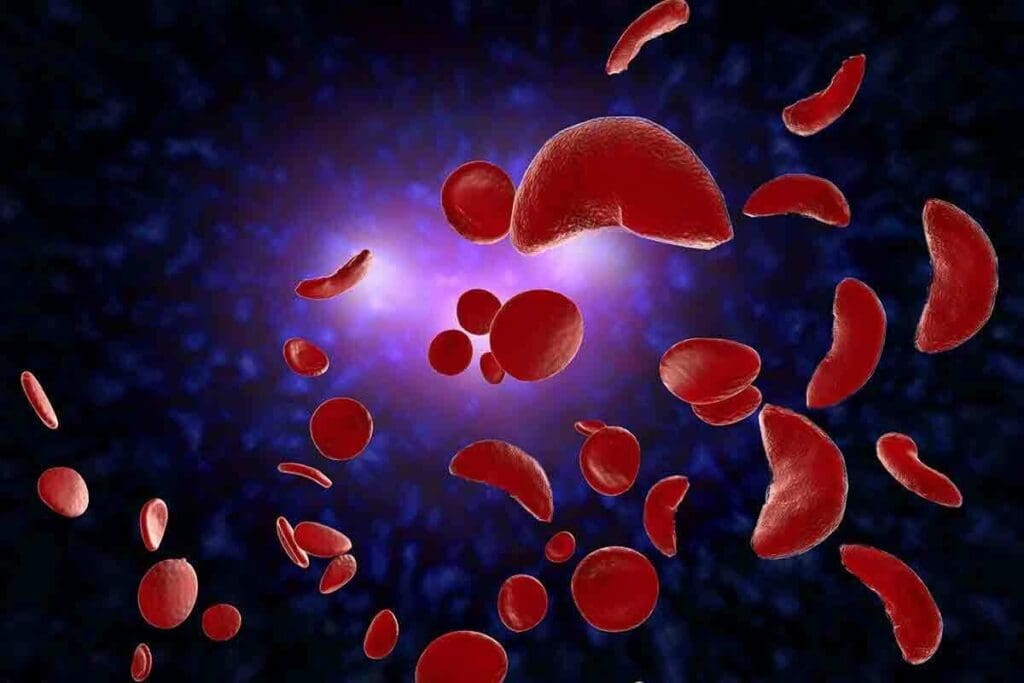
The BB-positive blood type has specific antigens on red blood cells. People with this type have the B antigen and the Rh factor. This makes their blood “B positive.” It’s key for blood transfusions because it shows who can safely receive blood.
Genetic Factors of B Positive Blood
The genes for B-positive blood come from parents. The ABO blood group system is controlled by a single gene with three alleles: A, B, and O. The B allele and the Rh-positive gene together create B-positive blood.
Key genetic factors include:
- Inheritance of the B allele from one or both parents
- Presence of the Rh-positive gene
- The interaction between multiple genes determines the final blood type
Antigens and Antibodies in B+ Blood
People with B-positive blood have B antigens on their red blood cells. They also have antibodies against A antigens in their plasma. The Rh factor means they don’t have antibodies against Rh-positive blood. This is important for blood transfusions.
The main components are:
- B antigens on red blood cells
- Anti-A antibodies in plasma
- Presence of the Rh factor
What Makes B Positive Blood Unique
B-positive blood is special because of its antigen profile and genetics. This uniqueness is very important in medicine, like in blood transfusions and organ transplants.
A top expert in transfusion medicine says, “Knowing about B positive blood is key for safe blood transfusions and managing patients with this blood type well.”
“The genetic diversity of blood types, including B positive, highlights the complexity of human biology and the need for precise medical practices.”
Famous medical consultant, Hematologist
The special traits of B-positive blood show why we need more research and education in transfusion medicine.
Prevalence and Demographics of B Positive Blood
The amount of B-positive blood varies among different groups. This is due to genetics, ethnicity, and where people live. Knowing these differences helps manage blood supplies and ensures safe transfusions.
Global Distribution Patterns
About 8-10% of the world’s population has B-positive blood. But it’ss not spread evenly. Some areas have more B B-positivelood because of their genetics.
Regional Variations: In Asia and Europe, more people have B-positive blood than in other places.
Ethnic and Geographic Variations
Who you are affects how common B-positive blood is. For example, people of Asian descent are more likely to have it than those of European or African descent.
- In the United States, B-positive blood is common among African Americans and Asian Americans.
- Where people come from also affects B B-positive blood distribution.
B Positive Blood in the United States
In the U.S., about 9% of people have B-positive blood. This means there are many donors and recipients.
Demographic Breakdown: In the U.S., different ethnic groups have different rates of B-positive blood. Some groups have more than others.
| Ethnic Group | Prevalence of B Positive Blood |
| Asian Americans | Higher prevalence |
| African Americans | Moderate prevalence |
| European Americans | Lower prevalence |
Donation Compatibility of B Positive Blood
It’s key to know how B-positive blood donations work for safe transfusions. B-positive blood is common and vital for many medical needs.
Who Can Receive B Positive Blood
B-positive blood is safe for B-positive and AB-positive patients. This is because of the B antigen and the positive Rh factor on red blood cells.
People needing surgeries, those with blood issues, and accident victims can get B-positive blood. It’s given when they need it fast.
The Importance of B Positive Donors
B-positive donors are very important for the blood supply. Their blood is special for patients with certain health issues.
Without B-positive donors, hospitals might not have enough blood. Their donations are critical for many medical treatments.
Blood Donation Process for B Positive Individuals
Donating B-positive blood follows the usual steps. This includes signing up, medical checks, and giving blood.
B-positive donors can give blood every 56 days. This helps keep the blood supply steady.
| Blood Type | Can Donate To | Can Receive From |
| B Positive | B Positive, AB Positive | B Positive, B Negative, O Positive, O Negative |
| Donation Frequency | Every 56 days |
B-positive blood donations are key for patients needing transfusions. Knowing about B-positive blood helps us value B-positive donors more.
Receiving Blood: Compatibility for B Positive Individuals
B-positive blood recipients need to know which blood types are safe for transfusions. It’s key for doctors to pick the right blood type to avoid problems.
Compatible Blood Types for B Positive Recipients
People with B-positive blood can get red blood cells from donors with B-positive, B-negative, O-positive, and O-negative blood. This is important to prevent bad reactions during transfusions.
| Blood Type | Can Receive From |
| B Positive | B Positive, B Negative, O Positive, O Negative |
Understanding Transfusion Reactions
Transfusion reactions happen when the immune system doesn’t like the blood. Symptoms can be mild or severe, like fever and chills. It’s important to watch patients closely during transfusions to catch and treat any problems fast.
Pre-transfusion testing is a must to make sure the blood types match. This includes checking the patient’s blood type and looking for antibodies that might react with the donor blood.
Emergency Transfusions for B Positive Patients
In emergencies, O-negative blood is often used because it’s safe for most people. But for B-positive patients, getting B-positive or compatible blood as soon as possible is best.
Knowing which blood types are safe and the risks of transfusion reactions is key to taking care of BB-positive patients who need blood transfusions.
Medical Significance of B Positive Blood
B-positive blood is key for treating some medical conditions, like sickle cell disorder. It’s important because it matches well with other blood types. This makes it essential for many medical treatments.
Treatment of Sickle Cell Disorder
Sickle cell disorder affects how red blood cells make hemoglobin. B positive blood transfusions help by adding more normal red blood cells. This can lower the risk of sickle cell complications.
Matching the donor and recipient’s blood types is critical to avoid bad reactions. B-positive blood is very helpful for those needing frequent transfusions.
Role in Managing Thalassaemia
Thalassaemia is a genetic disorder that affects hemoglobin production. B-positive blood is key in managing thalassaemia major, a severe form. Patients often need regular transfusions to keep their hemoglobin levels healthy.
These transfusions use B-positive blood because it’s compatible and available. They help improve thalassaemia patients’ lives by reducing the need for other treatments and managing symptoms better.
Surgical Applications of B Positive Blood
B-positive blood is also vital in surgeries where a lot of blood loss is expected. Surgeons and anesthesiologists use compatible blood types to keep patients safe during and after surgery.
In emergencies, B-positive blood can be used when the patient’s blood type is unknown. Its compatibility with other positive blood types makes it a good choice for transfusions.
Other Medical Conditions Requiring B Positive Blood
B-positive blood is also used for treating conditions like anemia and cancer. Patients getting chemotherapy or radiation may need transfusions to keep their blood cell count up.
Donating B-positive blood is important to keep a steady supply for medical use. People with B-positive blood are urged to donate often to help those needing transfusions.
B Positive Blood in Different Communities
It’s important to know how B-positive blood is spread out in different communities. This helps us plan better for blood donations. The amount of B-positive blood varies a lot in different ethnic and cultural groups around the world.
Prevalence in Various Ethnic Groups
The amount of B-positive blood isn’t the same for all ethnic groups. For example, some studies show that certain ethnic groups have more B-positive blood than others. Blood type distribution changes a lot from country to country. This affects how much B-positive blood is available for transfusions.
| Ethnic Group | Prevalence of B Positive Blood |
| European | 8-12% |
| African | 10-15% |
| Asian | 15-20% |
Cultural Perspectives on Blood Type
Cultural views on blood type can really impact donation. In some places, people believe blood type affects personality and fate. For instance, in Japan, the Blood Type Personality Theory is well-known. This might make some people more or less likely to donate or receive blood based on their type.
Community Blood Donation Initiatives
Community efforts to donate blood are key to having enough B-positive blood. Groups and community centers often hold blood drives. These efforts help fill blood banks and spread the word about the need for donations.
Some big community blood donation efforts include:
- Mobile blood donation units that visit different areas
- Working with local businesses and groups to host blood drives
- Public campaigns to teach people about the need for blood donations
By understanding where B-positive blood is more common and tackling cultural views, we can improve blood donation efforts. This helps make sure there’s always enough blood available.
Health Considerations for B Positive Individuals
Knowing about the health effects of B-positive blood can help you live a healthier life. People with B-positive blood might face certain health risks. Eating right and living a healthy lifestyle can help keep you well.
Potential Health Predispositions
Those with B-positive blood might be more likely to get certain diseases. For example, they could face a higher risk of cardiovascular diseases and certain autoimmune disorders. A study by the Canadian Blood Services shows how important it is to know about blood type and health risks.
Dietary Considerations
Eating well is key for B-positive individuals. They should eat a diet full of lean proteins, vegetables, and whole grains. Some foods can help lower the risk of heart disease.
- Including lean meats like chicken and turkey in the diet
- Consuming a variety of vegetables and fruits
- Incorporating whole grains like brown rice and quinoa
Lifestyle Recommendations
How you live can greatly affect your health if you have B-positive blood. It’s important to stay active, manage stress, and get enough sleep. Yoga or meditation can help with stress, and exercise can lower heart disease.
By understanding these health tips and being proactive, B-positive individuals can live healthier, more balanced lives.
Advanced Medical Approaches to Blood Type Management
Blood type management has made big strides in recent years. Places like Liv Hospital are leading the charge. These advances help make blood transfusions safer and more effective.
LivHospital’s Approach to Blood Type Treatment
Liv Hospital is known for its innovative healthcare. In blood type management, they use top-notch diagnostic tools and tailor-made treatment plans. This ensures patients get the right care for their blood type and health needs.
Personalized Medicine is a big part of Liv Hospital’s strategy. They consider each patient’s blood type, medical history, and current health. This makes treatments more effective.
Innovative Protocols in Blood Transfusion
New protocols in blood transfusion are key to reducing risks and improving outcomes. Liv Hospital has introduced advanced blood typing and compatibility testing. These steps help make blood transfusions safer and more effective.
- Advanced blood typing techniques to ensure accurate matching of blood types.
- Implementation of stringent quality control measures to ensure the safety of blood products.
- Use of technology to monitor and manage blood inventory effectively.
Research on Universal Blood Types
Research on universal blood types is exciting. It could change how we do blood transfusions. Liv Hospital is working on making a blood type that can be used by anyone.
Future Directions in Blood Type Management
The future of blood type management is bright. New technologies and techniques are coming. Liv Hospital is ready to lead the way, ensuring patients get the best care.
Gene editing technologies and artificial blood substitutes are being explored. They could greatly improve blood type management.
Conclusion: The Vital Importance of B Positive Blood Donations
B-positive blood donations are key in treating many medical conditions. They help patients in need. B-positive blood is special because it matches certain blood types.
Donating B-positive blood is very important. It helps with sickle cell disorder and thalassaemia. By donating, people can greatly help patient care and their community’s health.
Liv Hospital and other places need blood donations for treatments. B-positive individuals should donate. This helps save lives.
In short, B-positive blood donations are vital. They make a big difference in patients’ lives. By donating, people can help those who need B-positive blood.
FAQ
What is the B positive blood group?
The B-positive blood group has the B antigen on red blood cells and the Rhesus factor. This makes it B positive (B+).
What makes B-positive blood unique?
B-positive blood is special because of the B antigen and the Rhesus factor. These features set it apart from other blood types. They also impact its use in transfusions.
How is B B-positive blood type determined?
The B-positive blood type is found by checking for specific antigens on red blood cells. It also depends on the genes that code for these antigens.
Who can receive B-positive blood?
People with B positive (B+) or AB positive (AB+) blood can get B positive blood transfusions.
What is the prevalence of B-positive blood?
B-positive blood is fairly common. But its frequency can change based on the ethnic and geographic group.
Is B positive a rare blood group?
No, B positive is not rare. But its frequency can vary in different groups.
What are the compatible blood types for B B-positive recipients?
B-positive recipients can get blood from B-positive or O-positive donors.
What are the risks associated with transfusion reactions for B-positive patients?
If the blood given isn’t compatible, B-positive patients might face transfusion reactions. This happens when their immune system reacts to the blood.
What is the role of B-positive blood in medical treatments?
B-positive blood is key in treating many medical conditions. This includes sickle cell disorder, thalassaemia, and during surgeries.
Are there any dietary considerations for individuals with B-positive blood?
Some studies suggest B-positive individuals might benefit from certain diets. But more research is needed to confirm these findings.
How can individuals with BpB-positive blood type contribute to the blood donation process?
B-positive blood donors help patients needing compatible blood. Their donations are essential for patient care.
What is the significance of B-positive blood donations?
B-positive blood donations are critical. They ensure a steady supply of compatible blood for patients needing transfusions, mainly those with B-positive or AB-positive blood types.
What is LivHospital’s approach to blood type treatment?
LivHospital uses advanced medical protocols for blood transfusions. They focus on safe and effective care for patients with various blood types, including B positive.
References
- National Center for Biotechnology Information. (2004, December 31). Blood transfusions and the immune system. In Blood groups and red cell antigens. Retrieved from https://www.ncbi.nlm.nih.gov/books/NBK2265/