

Hematuria, or blood in urine, is a common concern for millions. It can be a sign of many health issues. Did you know dehydration might play a role in it? Understanding the definition of hematuria is key. It’s the medical term for blood in urine.blood in blood outCan Kidney Stones Cause Blood in Urine Without Pain?
We look into how dehydration might link to hematuria. Drinking enough water is key for your urinary system. Not drinking enough can lead to or worsen hematuria.
Key Takeaways
- Hematuria is the presence of blood in urine, a symptom that warrants medical evaluation.
- Dehydration is considered a possible factor in hematuria.
- Drinking enough water is important for urinary health.
- Knowing the causes of hematuria helps in managing it.
- Staying hydrated is key to avoiding dehydration-related hematuria.
Understanding Hematuria: Definition and Causes
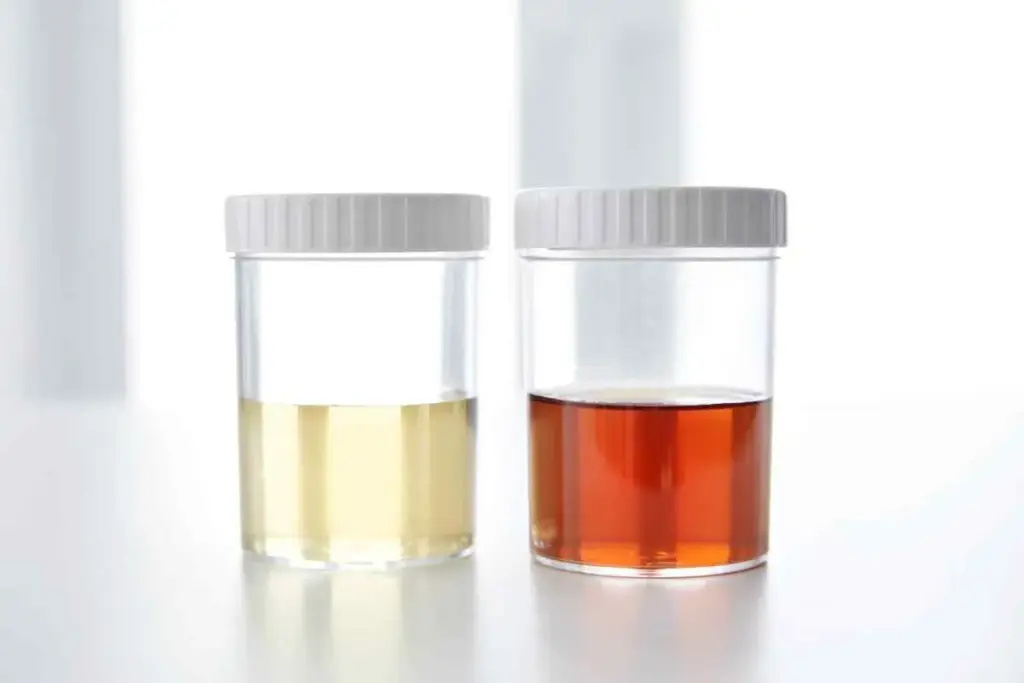
Hematuria is when blood shows up in your urine. It can mean many things are wrong inside your body. It’s a big worry for people all over the world. Knowing what it is, its types, and why it happens is key.
What is Hematuria?
Hematuria is when you have red blood cells in your pee. It’s split into two types: microscopic and gross. Knowing this helps figure out why it happens and how to fix it.
Types of Hematuria
There are two main kinds of hematuria. Microscopic is when you can only see the blood with a microscope. Gross hematuria is when your pee looks red or cola-like because you can see the blood.
Many things can cause hematuria, from simple issues to serious diseases. Knowing if you have microscopic or gross hematuria helps doctors find the cause and how to treat it.
Common Causes of Hematuria
Many things can make you have hematuria. Common ones include infections, stones, and cancer. Exercise, some medicines, and injuries can also cause it.
|
Cause |
Description |
Common Symptoms |
|---|---|---|
|
Urinary Tract Infections |
Infection in any part of the urinary system |
Burning sensation while urinating, frequent urination |
|
Kidney Stones |
Hard deposits made of minerals and salts |
Severe pain in the side and back, below the ribs |
|
Bladder or Kidney Cancer |
Abnormal cell growth in the bladder or kidney |
Blood in urine, pain while urinating |
Knowing why hematuria happens is important for finding and treating it. We’ll look at how staying hydrated affects your urinary health next.
The Role of Hydration in Kidney Health

Drinking enough water is key to keeping our kidneys working well. Our kidneys filter waste, control blood pressure, and balance electrolytes. They need enough water to do their job right. Without enough water, our kidneys can get stressed and lead to health problems.
Importance of Water in Kidney Function
Water is vital for our kidneys. It helps flush out toxins and waste products, lowering the chance of kidney stones and infections. When we drink enough water, our kidneys can filter our blood well, keeping us healthy. Here’s how water helps our kidneys:
- Helps dissolve nutrients and minerals, making them easier for our body to use
- Helps move waste products to the kidneys for removal
- Keeps blood flowing to the kidneys, giving them oxygen and nutrients
How Dehydration Affects Urinary Tract
Dehydration hurts our urinary tract a lot. When we’re dehydrated, our urine gets more concentrated. This can cause:
- More chance of kidney stones because of higher mineral levels
- Higher risk of urinary tract infections (UTIs) because less urine flow lets bacteria grow
- Potential damage to kidney tissues over time because of more toxins
It’s important to drink enough water to keep our urinary tract healthy. Staying hydrated helps avoid these problems and keeps our kidneys in good shape.
Hematuria and Dehydration: Is There a Connection?
The link between hematuria and dehydration is complex. Hematuria, or blood in urine, can stem from many causes. These include urinary tract infections (UTIs) and kidney stones. Dehydration can play a role in some of these issues.
Hydration is key to urinary health. It helps the kidneys and urinary tract work right. Without enough fluids, urine gets more concentrated. This can irritate the bladder and urinary tract, leading to UTIs and hematuria.
Scientific Studies on Hematuria and Hydration Levels
Studies have looked into how hydration affects hematuria. Dehydration can up the risk of kidney stones, a common hematuria cause. A study found that drinking more water lowers the risk of kidney stones.
Uti test strips help diagnose UTIs, which can also cause hematuria. Dehydration may not directly cause blood in urine. But it can raise the risk of conditions like UTIs or gross hematuria from kidney stones.
|
Condition |
Relation to Dehydration |
Potential for Hematuria |
|---|---|---|
|
Urinary Tract Infections (UTIs) |
Increased risk due to concentrated urine |
Yes, can cause hematuria |
|
Kidney Stones |
Increased risk due to concentrated minerals |
Yes, can cause hematuria |
|
Dehydration |
N/A |
Indirectly, through conditions like UTIs or kidney stones |
Expert Opinions on Hydration and Urinary Health
Urology experts stress the need for enough water for urinary health. Drinking water dilutes urine, lowering the risk of stones and UTIs. For men with urine in pee male or other symptoms, staying hydrated is a key part of treatment.
In summary, dehydration may not directly cause hematuria. But it can lead to conditions that increase the risk of blood in urine. So, keeping well-hydrated is vital for urinary health and preventing hematuria.
Symptoms Associated with Hematuria
It’s important to know the signs of hematuria to get medical help quickly. Hematuria means blood in the urine. Other symptoms can show how serious or what’s causing it.
Physical Signs to Watch For
There are several signs and symptoms with hematuria. These include:
- Pain or burning sensation while urinating: This could mean an infection or irritation.
- Frequent urination: Needing to go more often might point to urinary tract issues.
- Abdominal or back pain: Pain here could be from kidney stones, infections, or other kidney problems.
- Blood clots in the urine: Clots suggest serious bleeding in the urinary tract.
When to Seek Medical Attention
Get medical help if you notice any of these:
- Persistent or recurrent hematuria
- Severe pain while urinating or abdominal pain
- Fever or chills, which could indicate an infection
- Difficulty urinating or inability to urinate
- Visible blood clots in the urine
Seeing a doctor early is key to figuring out why you have hematuria. They can start the right treatment.
Diagnostic Tests for Hematuria
When doctors find hematuria, they run many tests to find the cause. These tests help find where the blood is coming from. They also guide how to treat it.
Urinalysis: What It Reveals
Urinalysis is a key test for hematuria. It checks a urine sample for blood cells, protein, and more. This test shows if there’s blood in the urine and can find problems like infections or kidney damage.
Key findings from urinalysis may include:
- Hemoglobin or red blood cells in the urine, confirming hematuria
- Presence of proteinuria (protein in the urine), which can indicate kidney issues
- White blood cells, suggesting a possible infection
- Bacteria or other microorganisms, pointing to a urinary tract infection
Imaging Studies: CT Scans and Ultrasounds
Imaging tests like CT scans and ultrasounds help see more of the urinary tract. They work with urinalysis to find the cause of hematuria.
CT scans give a detailed look at the urinary tract. They can spot problems like stones, tumors, or cysts. They’re good for finding things ultrasounds can’t see.
Ultrasounds use sound waves to show images of the kidneys and bladder. They’re safe and can find issues like kidney stones or bladder problems.
Treatment Options for Hematuria
Hematuria, or blood in the urine, needs a detailed treatment plan. This plan depends on the cause of the blood. Causes can range from minor to serious, so each case is treated differently.
Addressing Underlying Causes
First, we find and treat the root cause of hematuria. For example, if it’s due to a urinary tract infection (UTI), antibiotics are used. If kidney stones are the issue, treatment might include pain relief, drinking lots of water, or surgery for big stones.
For serious problems like bladder or kidney cancer, treatments are more complex. They might include surgery, chemotherapy, or radiation therapy. The right treatment depends on the cancer’s stage, type, and the patient’s health.
Hydration as a Treatment Strategy
Drinking enough water is key in treating hematuria, like with kidney stones. Drinking more water helps prevent new stones and helps pass old ones. People who get kidney stones often are told to drink a lot of water to avoid more stones.
Also, staying hydrated keeps the urinary tract healthy and prevents infections. These infections can also cause hematuria. Drinking water all day is important for staying hydrated.
In summary, treating hematuria depends on its cause. But, drinking water is always good for managing and preventing some causes of hematuria.
Lifestyle Changes to Prevent Hematuria
By making some simple changes, you can lower your risk of hematuria. It’s all about keeping your urinary system healthy. We’ll look at the importance of drinking water and eating right for your kidneys.
Importance of Staying Hydrated
Drinking enough water is key for healthy kidneys and preventing hematuria. Water helps dilute your urine, making it less likely to irritate or harm your kidneys. Try to drink at least eight glasses of water a day. If you’re active or live in a hot place, drink more.
Not drinking enough water can harm your kidneys. It’s important to drink water before you even feel thirsty, as thirst means you’re already dehydrated.
Dietary Recommendations for Kidney Health
Eating right is also important for your kidneys. Foods full of antioxidants, like fruits and veggies, protect your kidneys. Make sure to eat a variety of colorful fruits and veggies. They’re packed with vitamins and minerals that are good for you.
|
Food Group |
Recommended Foods |
Benefits |
|---|---|---|
|
Fruits |
Berries, citrus fruits, apples |
Rich in antioxidants, vitamins, and fiber |
|
Vegetables |
Leafy greens, bell peppers, carrots |
High in antioxidants, vitamins, and minerals |
|
Protein Sources |
Lean meats, fish, eggs, legumes |
Provides essential amino acids, low in saturated fats |
|
Whole Grains |
Brown rice, quinoa, whole wheat bread |
Rich in fiber, vitamins, and minerals |
Staying hydrated and eating well are just the start. Other lifestyle changes can also help prevent hematuria. These include quitting smoking, drinking less alcohol, and managing health issues like high blood pressure and diabetes.
Myths and Misconceptions About Hematuria
It’s important to know the truth about hematuria, as many myths surround it. Hematuria, or blood in urine, can have many causes. Some are harmless, while others are serious. Misunderstandings can cause worry or lead to ignoring serious health issues.
Common Misunderstandings
Many think hematuria always means a serious disease. While it can signal serious problems like cancer or kidney disease, it can also be caused by less severe issues. These include urinary tract infections or kidney stones.
Some believe hematuria is a disease itself, not just a symptom. This can confuse people about how to handle it.
Debunking Myths Surrounding Water Intake
Some think drinking more water can prevent or cure hematuria. While water is good for your kidneys, its effect on hematuria depends on the cause. For example, drinking water can help prevent some kidney stones by diluting urine.
A study showed that drinking more water can help with urinary health. But, it’s key to know that water alone might not fix hematuria, depending on why it’s happening.
|
Myth |
Fact |
|---|---|
|
Drinking more water can cure hematuria. |
Hydration is beneficial for urinary health, but its effect on hematuria depends on the underlying cause. |
|
Hematuria is always a sign of a severe disease. |
Hematuria can result from both benign and serious conditions. |
|
Hematuria is a disease. |
Hematuria is a symptom of an underlying issue, not a disease itself. |
Conclusion: Staying Informed About Hematuria and Hydration
It’s important to understand how hematuria and hydration are connected. Hematuria can be caused by many things, including not drinking enough water.
Staying hydrated is key for your kidneys and urinary system. We’ve talked about how much water you should drink. We’ve also looked at how dehydration affects your urinary system and how it can lead to hematuria.
Key Takeaways
Hematuria can be a sign of a bigger problem. Drinking enough water is essential to prevent and manage it. By knowing this and making smart choices, you can help keep your kidneys healthy.
Maintaining Kidney Health
Drinking enough water and knowing the signs of hematuria can lower your risk of problems. We suggest talking to a doctor for advice on keeping your kidneys and hydration in check.
FAQ
What is hematuria?
Hematuria is when blood shows up in your urine. It’s divided into two types. Microscopic hematuria is when tests find blood, but you can’t see it. Gross hematuria is when you can see blood in your urine.
Can dehydration cause hematuria?
Dehydration might lead to conditions like UTIs or kidney stones. But, the link between dehydration and hematuria is not straightforward. It depends on many factors.
How does hydration affect kidney health?
Drinking enough water is key for your kidneys. It helps remove toxins and waste. This can prevent kidney stones and infections.
What are the symptoms associated with hematuria?
Symptoms include blood in your urine and pain while you pee. You might also pee a lot or feel pain in your belly. Spotting these signs is important for getting medical help fast.
How is hematuria diagnosed?
Doctors use tests like urinalysis and imaging studies to find blood or other issues in your urine. They look for problems in your urinary tract too.
What are the treatment options for hematuria?
Treatment varies based on the cause. Drinking more water might help prevent some issues. But, others might need medical or surgery treatments, like for bladder or kidney cancer.
Can staying hydrated prevent hematuria?
Yes, drinking enough water is vital for your urinary health. It can help avoid problems like kidney stones or UTIs.
Is it true that drinking more water can directly prevent or cure hematuria?
Drinking more water can help prevent some causes of hematuria. But, it’s not a cure. You need to find and treat the real cause of hematuria.
What lifestyle changes can help prevent hematuria?
To prevent hematuria, stay hydrated and eat well. A balanced diet supports your kidneys. Also, manage any health conditions you have.
What is the importance of urinalysis in diagnosing hematuria?
Urinalysis is a key test for hematuria. It finds blood, protein, or other issues in your urine. This helps doctors figure out what’s causing hematuria.
Are there any dietary recommendations for kidney health?
Eating a balanced diet is good for your kidneys. Avoid too much salt and protein. This can help keep your kidneys healthy and lower the risk of hematuria.
References
Many things can cause blood in your urine, including urinary tract infections, vigorous exercise and chronic kidney disease.
https://my.clevelandclinic.org/health/diseases/15234-hematuria