Last Updated on November 25, 2025 by Ugurkan Demir

Seeing blood in urine can be scary, but knowing why it happens is key. Hematuria, the term for this, is quite common, affecting up to one in five people.
Mostly, it’s due to infections or kidney stones, but it can also hint at bigger health problems. At Liv Hospital, we focus on our patients, giving them top-notch care. We meet international standards to ensure you get the best treatment.
Key Takeaways
- Hematuria affects a significant portion of the population.
- Bloody urine can be a sign of infection, kidney stones, or more serious conditions.
- Understanding the causes of hematuria is critical for the right diagnosis and treatment.
- It’s important to get medical help if you see blood in your urine.
- Liv Hospital offers patient-focused care for those with hematuria.
What Causes Blood in Urine and How Common Is It?
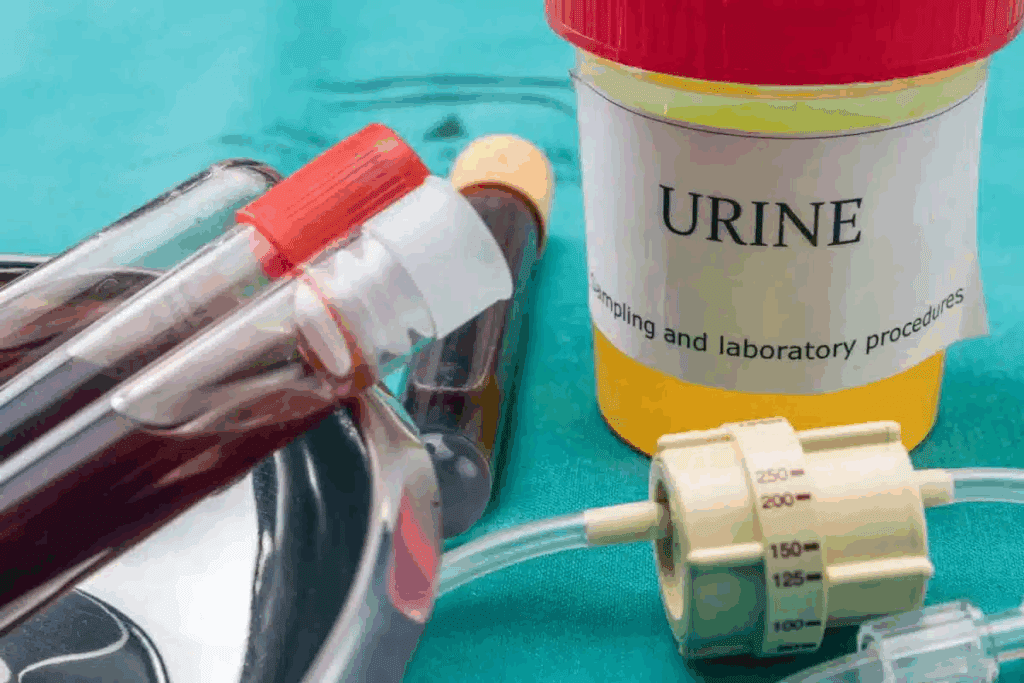
Blood in urine, known as hematuria, needs to be looked into. We’ll talk about what causes it and how often it happens.
Defining Hematuria in Medical Terms
Hematuria means blood cells in the urine. You might see it or it might only show up in tests. Gross hematuria is when you can see the blood, making the urine look different. Microscopic hematuria is only seen under a microscope.
Doctors see hematuria as a sign of something else, not a disease itself. This something can be simple or serious.
Prevalence Statistics Across Different Demographics
More than 20 percent of people seen by urologists have blood in their urine. Hematuria happens more often in older people and those with urinary problems.
- It can be caused by urinary tract infections, kidney stones, and vigorous exercise.
- Less common causes include bladder or kidney cancer and inherited disorders of the urinary system.
Hematuria affects a lot of people at some point. If you have it, you should see a doctor to find out why.
Knowing about hematuria helps us deal with its health issues. We’ll keep talking about the types, causes, and how to diagnose blood in urine.
Types of Blood in Urine: Visible and Invisible

Blood in urine, known as hematuria, comes in two types: visible and invisible. Knowing the difference is key for the right treatment.
Some blood in urine is easy to see, while other times it’s only found in lab tests. This difference helps doctors figure out what’s wrong and how to fix it.
Gross Hematuria: When Blood Is Visible
Gross hematuria means a lot of blood in your urine, making it look red, pink, or brown. Seeing this color is a clear sign you need to see a doctor. It could be due to infections, kidney stones, or even cancer.
Along with blood, you might feel pain when you pee or have belly pain. Blood clots in your urine can also mean something serious is wrong.
Microscopic Hematuria: Hidden Blood Cells
Microscopic hematuria means blood is only seen under a microscope. It’s often found during tests for other reasons. Yet, it can show serious health problems just like visible blood.
Like gross hematuria, it can be caused by infections, stones, or cancers. But it can also be from less serious things like hard exercise or menstrual blood in women.
To find out why you have blood in your urine, doctors do a lot of tests. This includes talking to you, checking your body, doing urine tests, and sometimes imaging or cystoscopy.
Common Causes of Blood in Urine
Blood in urine, or hematuria, can signal many health issues. Knowing the common causes helps find the right treatment. We’ll look at infections, structural problems, and other conditions that can cause hematuria.
Urinary Tract Infections and Inflammation
Urinary tract infections (UTIs) are a top reason for hematuria, mainly in women. These infections happen when bacteria get into the urinary tract. Symptoms include burning while urinating, needing to go often, and stomach pain. If not treated, UTIs can harm the kidneys.
Key symptoms of UTIs include:
- Burning sensation while urinating
- Frequent or intense urge to urinate
- Cloudy or strong-smelling urine
Kidney and Bladder Stones
Kidney and bladder stones are another common cause of hematuria. These are hard deposits in the kidneys or bladder. When they move, they can cause bleeding, pain, and other issues.
Risk factors for developing kidney and bladder stones include:
- Dehydration
- Diet high in salt and animal protein
- Family history of stones
Exercise-Induced Hematuria
Exercise-induced hematuria is blood in urine after hard workouts. It’s more common in athletes who do high-impact sports. The exact reason is not known, but it’s thought to be from the physical stress of exercise.
Benign Prostatic Hyperplasia (BPH)
BPH is when the prostate gland gets too big. This can cause urinary symptoms, including hematuria. As the prostate grows, it can block the urethra, affecting urine flow and leading to bleeding.
Common symptoms of BPH include:
- Weak or interrupted urine flow
- Frequent urination
- Difficulty starting urination
Serious Medical Conditions That Cause Hematuria
Hematuria is linked to serious health issues like cancers and kidney diseases. It can also be caused by less severe problems. It’s important to find out the cause to rule out serious conditions. We will look at severe health issues linked to hematuria.
Bladder and Kidney Cancer
One major concern is cancer, including bladder and kidney cancer. Bladder cancer is more common in men, and blood in the urine is often the first sign. Finding blood in your urine doesn’t mean you have cancer, but it’s a sign to see a doctor. Early detection is key for effective treatment.
Kidney Disease and Glomerulonephritis
Kidney disease and glomerulonephritis are serious conditions that can cause hematuria. Glomerulonephritis is inflammation of the kidney’s filtering units. It can be acute or chronic and may lead to kidney failure if not managed well. Hematuria, along with proteinuria, is a common symptom.
- Kidney disease can progress silently, with hematuria being a significant indicator.
- Glomerulonephritis can result from infections, autoimmune diseases, or other causes.
Inherited Disorders Affecting the Urinary System
Certain inherited disorders can affect the urinary system and cause hematuria. Conditions like polycystic kidney disease (PKD) can lead to cysts in the kidneys, causing hematuria. Other genetic conditions may affect the structure or function of the kidneys or urinary tract, leading to blood in the urine.
Trauma and Injury to Urinary Organs
Trauma or injury to the urinary organs can also result in hematuria. This could be due to accidents, sports injuries, or other physical traumas. The severity of the hematuria can vary depending on the extent of the injury. It’s essential to seek medical attention if you experience hematuria after a trauma to assess the damage and prevent complications.
In conclusion, while hematuria can be caused by less severe conditions, it’s vital to investigate its cause to identify and treat any serious underlying medical conditions. We recommend seeking medical evaluation if you experience persistent or recurrent hematuria.
Recognizing Symptoms That Accompany Blood in Urine
Hematuria, or blood in the urine, can be accompanied by a range of symptoms. These symptoms help doctors diagnose the underlying cause. The symptoms can vary widely based on the condition causing the hematuria.
Visible Signs and Color Changes
One of the most noticeable symptoms is a change in urine color. Urine can turn pink to deep red or even brown, depending on the blood amount. Sometimes, you might see visible blood clots.
Pain Patterns and Locations
Pain is another common symptom of hematuria. The pain’s location and intensity can give clues about the cause. For example, pain in the lower abdomen might point to a bladder issue. Flank pain could suggest a kidney problem.
| Pain Location | Possible Cause |
| Lower Abdomen | Bladder Infection or Issue |
| Flank Area | Kidney Stone or Infection |
| During Urination | Urinary Tract Infection |
Associated Urinary Symptoms
People with hematuria may also have other urinary symptoms. These include needing to urinate often, feeling a burning sensation while urinating, or trouble starting to urinate.
Understanding these symptoms is key to diagnosing hematuria’s cause. If you’re experiencing any of these symptoms, seeing a healthcare professional is vital. They can evaluate and create a treatment plan for you.
How Doctors Diagnose the Cause of Hematuria
To find out why someone has hematuria, doctors use many tests. They check everything carefully to find the real problem.
Initial Evaluation and Medical History
The first step is talking about symptoms and health history. Doctors ask about lifestyle too. This helps them guess what might be causing hematuria.
Urinalysis and Laboratory Testing
Urinalysis is key in finding out what’s wrong. It looks for blood, proteins, and other signs in the urine. Tests like urine culture help spot infections or other problems.
Imaging Studies: Ultrasound, CT, and MRI
Imaging tests are very important. Ultrasound, CT scans, and MRI show the urinary tract’s shape. They help find stones, tumors, or other issues.
| Imaging Study | Use in Hematuria Diagnosis |
| Ultrasound | Non-invasive, useful for detecting stones and tumors |
| CT Scan | High sensitivity for detecting stones, tumors, and other abnormalities |
| MRI | Provides detailed images of soft tissues, useful for complex cases |
Cystoscopy and Direct Visualization
Sometimes, doctors do a cystoscopy. This lets them see inside the bladder and urethra. It helps find tumors or inflammation that might be causing hematuria.
By using all these methods, doctors can find the cause of hematuria. Then, they can plan the best treatment.
Treatment Approaches for Blood in Urine
Hematuria treatment varies based on the cause of blood in urine. Accurate diagnosis is key to effective treatment.
Addressing Infections with Antibiotics
For urinary tract infections (UTIs), antibiotics are often prescribed. The antibiotic choice depends on the infection’s severity and the patient’s history. It’s important to finish the antibiotic course as directed.
For simple UTIs, a short antibiotic treatment is usually enough. But, more severe cases might need longer treatment and could require hospital care.
Managing Kidney Stones
The treatment for kidney stones varies with stone size, location, and type. Small stones may pass with enough fluid and pain relief. Larger stones might need extracorporeal shock wave lithotripsy (ESWL) or surgery.
- Hydration: Drinking plenty of water to help flush out small stones.
- Pain Management: Using pain relief medications to manage discomfort.
- Medical Expulsion Therapy: Certain medications can help facilitate the passage of stones.
Treating Underlying Serious Conditions
Hematuria from serious conditions like bladder or kidney cancer requires complex treatment. This may include surgery, chemotherapy, or radiation. The treatment plan is based on the cancer’s stage and type.
For kidney disease or glomerulonephritis, treatment aims to manage the underlying condition. This may involve medications to control blood pressure, reduce proteinuria, or suppress the immune system.
When Watchful Waiting Is Appropriate
In some cases, watchful waiting is recommended. This is when the cause of hematuria is benign or the condition is asymptomatic. It involves regular check-ups and tests to monitor the condition.
It’s vital for patients to collaborate with their healthcare providers to find the best treatment plan for their condition.
When to Seek Immediate Medical Attention
It’s important to know when to get medical help for hematuria. Some symptoms mean you need to see a doctor right away. These signs can show a serious problem.
Emergency Warning Signs
Look out for these symptoms with hematuria:
- Severe pain in the abdomen, back, or side
- High fever or chills
- Inability to urinate
- Blood clots in the urine
- Vomiting or nausea
These signs can mean a bad infection, kidney stones, or other serious issues. You need to get help fast.
Persistent or Recurrent Hematuria
If you keep getting hematuria, see a doctor. It might mean you have a problem that needs fixing.
| Characteristics | Possible Causes | Recommended Action |
| Persistent hematuria | Kidney disease, bladder cancer | Consult a healthcare provider for evaluation |
| Recurrent hematuria | Urinary tract infections, kidney stones | Seek medical care to identify and treat the underlying cause |
High-Risk Populations Who Should Not Delay Care
Some people are more likely to have serious problems with hematuria. This includes those with a family history of kidney disease. Also, people with past urinary tract issues and older adults are at risk.
High-risk groups should not delay seeking medical care if they have hematuria. Early treatment can make a big difference.
Prevention Strategies to Reduce Risk of Hematuria
To lower the risk of hematuria, focus on hydration, diet, and health check-ups. These steps can greatly reduce the chance of getting hematuria.
Hydration and Dietary Considerations
Drinking enough water is key to preventing hematuria. Water dilutes urine and reduces toxins that might cause bleeding. Aim for at least 8-10 glasses of water per day, adjusting as needed.
Eating a balanced diet is also important. Include fruits, vegetables, and whole grains to keep your urinary tract healthy. Foods high in antioxidants, like berries and leafy greens, offer extra benefits.
Managing Underlying Chronic Conditions
Managing chronic conditions is essential to prevent hematuria. Conditions like diabetes, hypertension, and kidney disease raise the risk. Working with your healthcare team to manage these conditions can lower this risk.
| Chronic Condition | Management Strategies |
| Diabetes | Monitor blood sugar levels, adhere to medication regimens, maintain a healthy diet, and engage in regular physical activity. |
| Hypertension | Monitor blood pressure regularly, follow a low-sodium diet, exercise regularly, and adhere to prescribed antihypertensive medications. |
| Kidney Disease | Manage underlying causes (e.g., diabetes, hypertension), follow a kidney-friendly diet, and attend regular follow-up appointments with healthcare providers. |
Exercise Modifications for Athletes
Athletes, who often do high-impact sports, face a higher risk of hematuria. Changing your workout to avoid jarring and staying hydrated can help. Wearing protective gear and training safely also reduces injury risk.
Regular Health Screenings
Regular health screenings are a smart way to prevent hematuria. Catching urinary tract issues early can lead to better outcomes. Make sure to get annual check-ups that include urinalysis and other tests based on your health.
Conclusion: Taking Blood in Urine Seriously
It’s important to understand hematuria and its causes. This knowledge helps people get medical help quickly. We’ve looked at why you might see blood in your pee, like infections or kidney stones.
Seeing blood in your urine can be scary. But, it’s a sign that something might be wrong. Knowing the possible reasons can help you take care of your health.
If you notice blood in your pee, see a doctor right away. They can figure out what’s wrong and help you get better. Remember, blood in your urine is not something to ignore. It could mean you need medical attention.
FAQ
What is hematuria?
Hematuria is when blood shows up in your urine. It can be seen with the naked eye or only found under a microscope. This condition is divided into two types.
What are the common causes of blood in urine?
Blood in urine can come from many sources. It might be due to infections, stones in the kidneys or bladder, or even exercise. Serious issues like cancer or kidney disease can also cause it.
How is hematuria diagnosed?
Doctors use several steps to find out why you have blood in your urine. They look at your medical history and do tests like urinalysis and imaging studies. These help figure out what’s causing the problem.
What are the symptoms that accompany blood in urine?
Symptoms of blood in urine include changes in urine color and pain. You might feel pain in your abdomen, back, or while you pee. You might also pee more often or feel pain while doing so.
When should I seek immediate medical attention for blood in urine?
If you have severe pain, heavy bleeding, or a fever, get help right away. People with a history of cancer or kidney disease should also seek care quickly.
How can I prevent hematuria?
To avoid blood in urine, drink plenty of water and manage any chronic conditions. Eating right and exercising safely can also help. Regular check-ups can catch problems early.
What are the treatment approaches for blood in urine?
Treatment depends on the cause. It might include antibiotics for infections or surgery for stones. For serious issues like cancer, treatment varies. Sometimes, just watching and waiting is recommended.
Is hematuria a sign of a serious medical condition?
Yes, blood in urine can mean a serious problem like cancer or kidney disease. If it keeps happening, see a doctor to find out why.
Can exercise cause blood in urine?
Yes, hard exercise can lead to blood in urine. This is usually temporary. But if it doesn’t go away, see a doctor.
What does it mean if I have blood in my urine and pain?
Blood and pain in urine can mean many things. It could be kidney stones or an infection. The pain’s location and how bad it is can help figure out what’s wrong. You should get checked by a doctor.
References
National Center for Biotechnology Information. (2025). Why Is There Blood in Your Urine and. Retrieved from https://www.ncbi.nlm.nih.gov/books/NBK534213