Last Updated on December 3, 2025 by Bilal Hasdemir

Seeing hematuria months after prostate surgery can be scary. At Liv Hospital, we get it and are here to help. Mild hematuria is common up to 6 to 8 weeks after surgery. It often happens after activities that raise abdominal pressure.
Prostatectomy is a big surgery that can cause problems. We’ll show you why post-operative bleeding happens and when to get help. Our aim is to give you the info to take care of your health.
Key Takeaways
- Understanding the causes of hematuria after prostatectomy
- Recognizing when to seek medical attention for post-operative bleeding
- The role of prostate surgery in potentially causing urinary complications
- Exploring possible treatments for complications from prostatectomy
- Liv Hospital’s approach to patient-centered care for post-prostatectomy complications
Understanding Post-Prostatectomy Hematuria

It’s important to know about hematuria, or blood in urine after prostate surgery. This helps manage patient expectations and outcomes. Hematuria is common after prostatectomy, and understanding its causes and implications is key.
What is Hematuria and Why Does It Occur?
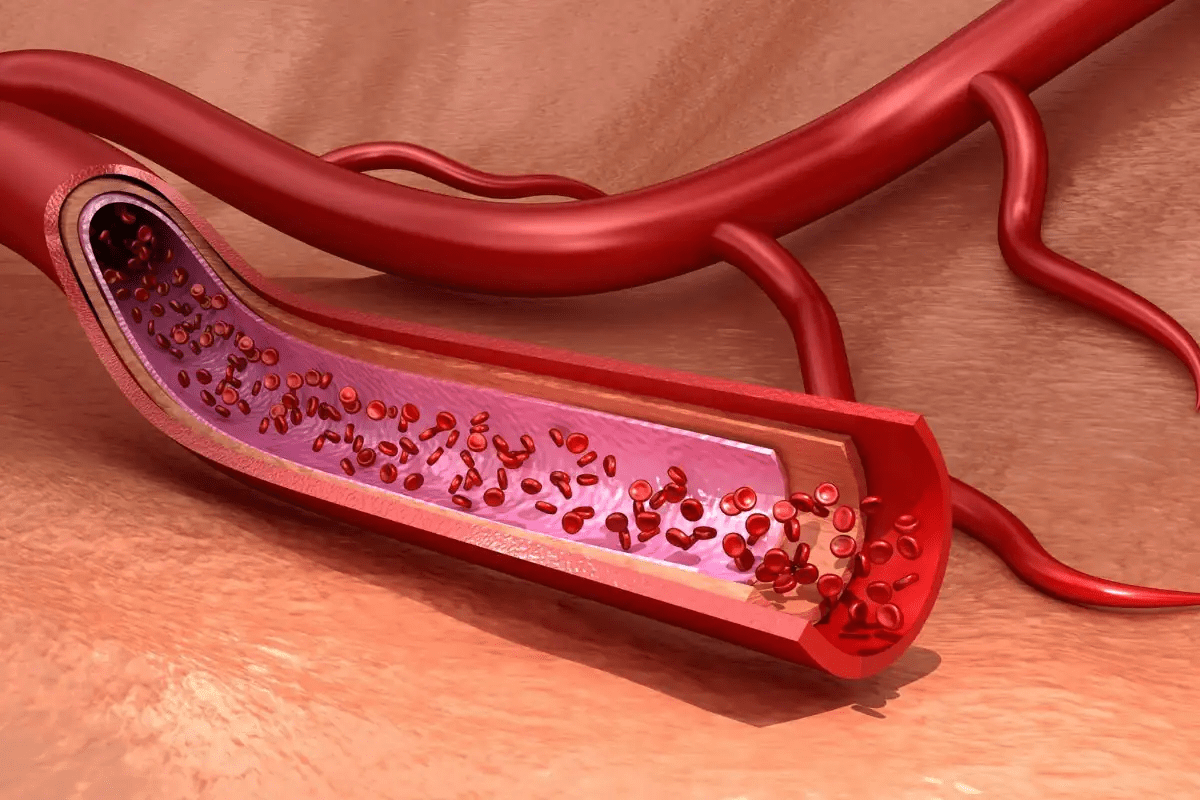
Hematuria is when blood is in the urine. It can be seen or only found in lab tests. After prostate surgery, it happens because of healing and possible complications.
Visible vs. Microscopic Blood in Urine
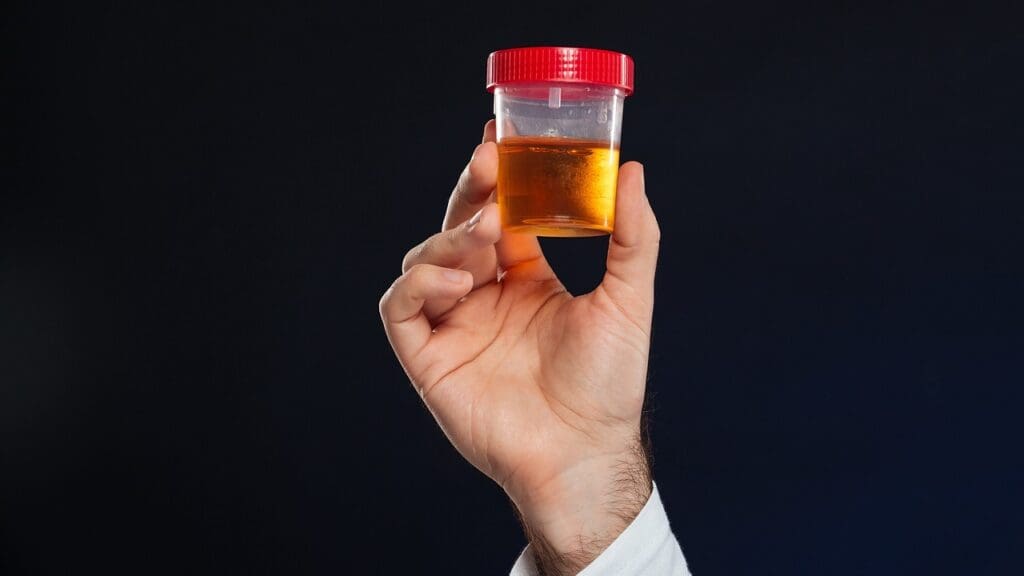
Visible hematuria makes urine look pink, red, or cola-colored. Microscopic hematuria needs a microscope to see blood cells. Both can happen after prostate surgery.
Normal Healing Process After Prostate Surgery
Some bleeding is normal as the area heals. The body’s response to surgery includes inflammation and bleeding. This usually gets better on its own.
Normal vs. Abnormal Bleeding After Prostate Surgery
Telling normal bleeding from abnormal is key. While some bleeding is okay, too much or lasting too long might mean a problem.
Expected Duration of Bleeding
Bleeding after surgery usually gets less over time. Most see less bleeding in a few weeks. But, how long it takes can vary.
Warning Signs of Complications
Watch for signs of trouble like heavy bleeding, clots, pain, or fever. If you see these, get medical help right away.
| Symptom | Normal | Abnormal |
|---|---|---|
| Bleeding Duration | Few weeks | Prolonged |
| Bleeding Amount | Minimal | Heavy |
| Pain | Mild | Severe |
| Fever | No | Yes |
The Timeline of Blood in Urine 2 Months After Prostatectomy
After prostatectomy, patients often see blood in their urine. Knowing when this is normal helps with recovery. We’ll look at the healing process in 8 weeks and when bleeding is a worry.
Expected Healing Process Within 8 Weeks
First Month Recovery Patterns
In the first month, blood in urine is common as the area heals. Some bleeding is normal, but it usually gets less intense over time.
Second Month Recovery Expectations
By the second month, most see less bleeding. But, some might spot occasionally. This is usually not a big worry.
When Bleeding Becomes a Concern
Differentiating Between Normal and Problematic Bleeding
It’s key to tell normal bleeding from signs of trouble. Heavy or persistent bleeding might mean you need to see a doctor.
Impact of Physical Activity on Bleeding
Exercise can make bleeding worse. Be careful and talk to your doctor about how much to do.
7 Common Causes of Blood in Urine After Prostate Surgery
Blood in urine, or hematuria, is a common issue after prostate surgery. There are many reasons for this. Knowing these can help ease worries and guide treatment. We will look at seven common reasons for blood in urine after prostate surgery.
1. Surgical Site Healing and Scab Dislodgement
After prostate surgery, scabs form at the surgical site. Sometimes, these scabs can fall off, causing bleeding. This is a common issue, often seen in the first few weeks after surgery.
2. Urinary Tract Infections
Urinary tract infections (UTIs) can also cause blood in urine after prostate surgery. Bacteria can infect the urinary tract, causing inflammation and bleeding. Symptoms include pain while urinating, frequent urination, and fever.
3. Bladder Neck Contractures
Bladder neck contracture is a complication that can happen after prostate surgery. It causes the bladder neck to narrow, leading to bleeding. This condition may need additional treatment to prevent further problems.
4. Stone Formation in the Urinary Tract
Stones in the urinary tract can irritate and cause bleeding. These stones can form due to various reasons, including urinary stasis or infection. Treatment may involve addressing the cause and removing the stones.
5. Strenuous Activity and Increased Abdominal Pressure
Doing strenuous activities that increase abdominal pressure can dislodge clots or irritate the surgical site, leading to bleeding. Patients are often advised to avoid heavy lifting, bending, or straining during the recovery period.
6. Medication Side Effects (Including Anticoagulants)
Certain medications, like anticoagulants, can increase the risk of bleeding. Patients on these medications should be closely monitored. Their treatment plans may need adjustment to balance the risk of bleeding against the need for anticoagulation.
7. Secondary Conditions (Bladder or Urethral Cancer)
In rare cases, blood in urine after prostate surgery can be a sign of a secondary condition, such as bladder or urethral cancer. While uncommon, it’s essential to investigate persistent or recurrent bleeding to rule out these possibilities.
By understanding these causes, patients and healthcare providers can work together to manage hematuria effectively. They can address any underlying issues promptly.
Different Types of Prostate Surgeries and Associated Bleeding Risks
There are many prostate surgeries, each with its own benefits and risks. Knowing these differences is key for patients to understand what to expect and how to recover.
Traditional Prostatectomy (Radical and Simple)
Traditional prostatectomy removes the prostate gland. It can be done openly or laparoscopically. Bleeding risks are generally higher with open surgery compared to minimally invasive techniques.
TURP (Transurethral Resection of the Prostate)
TURP is a less invasive procedure that removes prostate tissue through the urethra. It has a lower risk of significant bleeding compared to open prostatectomy but can also cause bleeding complications.
HoLEP (Holmium Laser Enucleation of the Prostate)
HoLEP is a laser surgery that removes prostate tissue. It is known for having a lower risk of bleeding compared to traditional TURP.
GreenLight Laser Surgery
GreenLight laser surgery is another minimally invasive technique that vaporizes prostate tissue. It is associated with a relatively low risk of bleeding.
Aquablation Therapy
Aquablation therapy is a newer technique that uses waterjet technology to remove prostate tissue. Early studies suggest a favorable bleeding risk profile.
| Surgical Procedure | Bleeding Risk Level | Minimally Invasive |
|---|---|---|
| Traditional Prostatectomy | Higher | No |
| TURP | Moderate | Yes |
| HoLEP | Lower | Yes |
| GreenLight Laser Surgery | Low | Yes |
| Aquablation Therapy | Low | Yes |
Knowing the differences between these surgeries helps patients and doctors choose the best treatment. This choice depends on the patient’s risk factors and how severe their condition is.
Blood in Urine After Catheter Removal
Removing the urinary catheter after prostate surgery can lead to bleeding. This is called hematuria. It can worry patients. We will look into why it happens and how to handle it.
Why Bleeding Occurs After Catheter Removal
Bleeding after catheter removal is often due to healing or mechanical issues during removal.
Mechanical Irritation During Removal
The process of removing the catheter can irritate the urethral lining. This irritation is usually minor and short-lived.
Healing Tissue Disruption
The area where surgery was done may be healing when the catheter is taken out. This disruption can cause bleeding. It shows the body is recovering from surgery.
Managing Post-Catheter Hematuria
While some bleeding is normal, knowing how to manage it is key. Here are some steps you can follow.
Immediate Care Steps
Drink lots of water to flush your urinary system. Watch the color and consistency of your urine. Note any changes or if bleeding doesn’t stop.
When to Contact Your Urologist
If you see heavy bleeding, persistent hematuria, or pain, contact your urologist right away. They can offer advice or help if needed.
Persistent Bleeding: Blood in Urine 3-6 Months After Surgery
Bleeding 3-6 months after prostate surgery can be scary. Some bleeding is normal in the first healing phase. But, if it keeps happening or starts late, you need to get checked.
Causes of Intermediate-Term Bleeding
Bleeding 3-6 months after surgery can have several reasons. Knowing these can help manage it better.
Delayed Healing Complications
Delayed healing can cause problems like scab dislodgement or infection at the surgery site. These issues can lead to ongoing or late bleeding.
Secondary Infections and Inflammation
Secondary infections or inflammation in the urinary tract can also cause bleeding. These might come from urinary tract infections (UTIs) or other irritants.
Evaluation and Management Approaches
If you’re bleeding 3-6 months after surgery, a detailed check-up is needed. This helps find the cause and the right treatment.
Diagnostic Workup
A diagnostic workup might include imaging studies like ultrasound or CT scans. It may also include cystoscopy to look inside the bladder and urethra. And urine tests to check for infections or other issues.
Treatment Options
Treatment depends on why you’re bleeding. It might be antibiotics for infections. Or procedures to address scar tissue or contractures. The treatment will be specific to your condition.
Long-Term Complications: Blood in Urine 1 Year After Prostatectomy
Prostate surgery can sometimes lead to long-term issues like bleeding in the urine. This is true even a year after the surgery. We will look into why this happens and how to handle it.
Causes of Delayed or Persistent Bleeding
Bleeding a year or more after prostate surgery can have several reasons. Mainly, it’s due to changes in the urinary tract or new health problems.
Structural Changes in the Urinary Tract
Changes like bladder neck contractures or urethral strictures can cause bleeding. These might come from healing or the surgery itself. Keeping an eye on these changes is key to avoiding more problems.
Development of Secondary Conditions
Rare conditions like bladder or urethral cancer can also lead to bleeding. It’s important to check for these with the right tests.
Managing Long-Term Urinary Bleeding
Handling long-term bleeding in the urine needs a detailed plan. This includes regular check-ups and thinking about how it affects a person’s life.
Follow-up Protocol
Having a set follow-up plan is vital for those who’ve had prostate surgery. Regular visits and tests help catch problems early.
Quality of Life Considerations
It’s also important to think about how bleeding affects a person’s life. We aim to reduce symptoms and improve their overall quality of life.
| Cause | Management Strategy |
|---|---|
| Structural Changes | Regular monitoring, surgical intervention if necessary |
| Secondary Conditions | Diagnostic tests, treatment of underlying condition |
Diagnosing the Cause of Post-Prostatectomy Bleeding
Healthcare providers use many tools to find the cause of bleeding after prostate surgery. Finding the source is key to treating it and easing patient worries.
Diagnostic Tests and Procedures
Several tests are used to find the cause of bleeding after prostate surgery. These tests help doctors figure out what’s causing the bleeding and how to treat it.
Urinalysis and Urine Culture
Urinalysis and urine culture are important tests. They check for infections or other issues in the urinary tract that might cause bleeding. A urinalysis can spot blood, bacteria, or infection signs in the urine.
Imaging Studies
Imaging tests like ultrasound or CT scans are used. They help see the urinary tract and find problems like tumors or stones that might cause bleeding.
Cystoscopy and Other Specialized Tests
Cystoscopy is a test where a flexible tube with a camera is put into the urethra. It lets doctors see inside the bladder and urethra. This can help find where the bleeding is coming from, like bladder issues or tumors.
What Your Doctor Will Look For
Your doctor will look for many things during the diagnostic process. They will try to find out what’s causing the bleeding and check for serious problems.
Differentiating Between Causes
Your doctor will look at possible causes of bleeding. This includes healing issues from surgery, infections, or side effects from medication. They will try to find the most likely cause.
Risk Assessment for Serious Conditions
The doctor will also check for serious conditions like bladder or urethral cancer. They will decide if more tests are needed to make sure these conditions are not present.
Treatment Options for Blood in Urine After Prostate Surgery
It’s important for patients to know about treatment options for blood in urine after prostate surgery. This knowledge helps them make informed decisions about their care. The treatment depends on the cause and how bad the bleeding is.
Conservative Management Approaches
For many, the first step is conservative management. This method aims to ease symptoms and help the body heal naturally.
Rest and Activity Modification
Resting and avoiding hard activities can lower the risk of more bleeding. We suggest avoiding heavy lifting, bending, and intense exercise.
Hydration and Dietary Changes
Drinking enough water is key to flushing out the urinary system. Drinking more and changing your diet can also aid in recovery.
Medications and Therapies
If conservative methods don’t work, medications and therapies might be needed. They aim to fix the cause of the bleeding.
Antibiotics for Infections
If an infection is causing the bleeding, antibiotics will be given to treat it.
Anti-inflammatory and Other Medications
Anti-inflammatory drugs can reduce swelling and ease symptoms. Other meds might be used to handle specific issues that cause bleeding.
Surgical Interventions for Persistent Bleeding
If bleeding doesn’t stop or is very bad, surgery might be needed.
Minimally Invasive Procedures
Methods like cystoscopy with cauterization can stop bleeding with little downtime.
Secondary Surgical Options
In some cases, more surgery is needed to fix issues like bladder neck contractures or to remove scar tissue.
| Treatment Approach | Description | Indications |
|---|---|---|
| Conservative Management | Rest, hydration, dietary changes | Mild bleeding, no infection |
| Medications | Antibiotics, anti-inflammatory | Infection, inflammation |
| Surgical Interventions | Cystoscopy, secondary surgery | Severe or persistent bleeding |
When to Seek Immediate Medical Attention
Knowing when to get medical help after prostate surgery is key. We’ll talk about the signs that mean you need to go to the hospital right away. We’ll also share tips on how to talk to your doctor.
Red Flag Symptoms Requiring Emergency Care
Some symptoms after prostate surgery are serious and need quick action. These include:
- Severe bleeding or heavy blood clots in the urine
- Painful urination or inability to urinate
- Fever or chills
- Severe abdominal pain
Severe Bleeding and Blood Clots
If you see heavy bleeding or pass big blood clots, get help fast. It might mean you have a serious problem.
Associated Symptoms of Concern
Signs like painful urination, fever, or severe abdominal pain could mean an infection or other serious issues. If you notice these, call your doctor right away.
Communicating Effectively With Healthcare Providers
Talking clearly about your symptoms is important when you see a doctor. Be ready to share all the details about your situation.
Information to Share About Your Symptoms
When you talk to your doctor, tell them:
- How long and how bad your symptoms are
- What makes your symptoms better or worse
- Any medicines or supplements you’re taking
Questions to Ask Your Doctor
It’s okay to ask questions like:
- What could be causing my symptoms?
- What are the possible complications if I don’t get treated?
- What treatments are available for my condition?
Conclusion
It’s important for patients to know why they might see blood in their urine after prostate surgery. We talked about how healing, infections, and other issues can cause this.
We also looked at why some surgeries might lead to more bleeding. Knowing the difference between normal and abnormal bleeding is key.
Managing blood in urine after prostate surgery can involve different steps. Sometimes, it’s just a matter of waiting it out. Other times, more action is needed.
It’s vital for patients to watch for signs that need urgent care. They should also talk openly with their doctors.
In the end, seeing blood in urine after prostate surgery can be scary. But, knowing what’s happening and how to handle it can make things better. With the right care, patients can have a smoother recovery.
FAQ
What is hematuria and why does it occur after prostatectomy?
Hematuria is when blood is found in the urine. It can happen after prostate surgery because of healing, irritation, or other surgery-related issues.
Is blood in urine normal after prostate surgery?
Yes, some bleeding is normal right after surgery. But, if the bleeding doesn’t stop or is heavy, it might mean there’s a problem that needs a doctor’s help.
How long does blood in urine last after prostatectomy?
How long you have blood in your urine can vary. Usually, it goes away in a few weeks. But sometimes, it can last for months.
What are the common causes of blood in urine after prostate surgery?
Blood in urine can be caused by healing, infections, bladder issues, stones, too much activity, medication side effects, or even cancer.
Can physical activity cause bleeding after prostate surgery?
Yes, too much activity can make bleeding worse after surgery. Doctors often tell patients to avoid heavy lifting and hard exercise while they recover.
What are the different types of prostate surgeries and their associated bleeding risks?
There are many prostate surgeries, like traditional removal, TURP, and laser treatments. Each has its own bleeding risks and benefits.
Why does bleeding occur after catheter removal?
Bleeding after removing a catheter can happen because of irritation or damage to healing tissue. This is usually temporary and can be managed with proper care.
How is post-catheter hematuria managed?
Managing bleeding after a catheter involves staying hydrated and watching for changes. If the bleeding doesn’t stop or gets worse, you should talk to your urologist.
What are the causes of persistent bleeding 3-6 months after prostate surgery?
Bleeding that lasts a few months can be due to healing problems or infections. Doctors will do tests and treatments to help.
What are the causes of delayed or persistent bleeding 1 year after prostatectomy?
Long-term bleeding can be due to changes in the body or other conditions. Managing this involves ongoing care and improving your quality of life.
How is the cause of post-prostatectomy bleeding diagnosed?
Doctors use tests like urinalysis, imaging, and cystoscopy to find the cause. They look for specific signs to figure out why you’re bleeding.
What are the treatment options for blood in urine after prostate surgery?
Treatment can range from simple care to medicines or surgery, depending on the cause and how bad the bleeding is.
When should I seek immediate medical attention for blood in urine after prostate surgery?
You should get help right away if you have a lot of bleeding, clots, pain, or other serious symptoms. It’s important to talk openly with your doctor.
How can I communicate effectively with my healthcare provider about bleeding after prostate surgery?
Tell your doctor all about your symptoms, like how long they last and how bad they are. Ask questions about your condition and what treatment you need.
Can medication side effects cause blood in urine after prostate surgery?
Yes, some medicines, like blood thinners, can make bleeding more likely. Talk to your doctor about any medicines you’re taking to understand the risks.
What are the red flag symptoms that require emergency care after prostate surgery?
If you have severe bleeding, can’t pee, have a lot of pain, or signs of infection, get emergency help right away. These are serious signs.
References
- Urocare London: https://www.urocarelondon.com/blog/blood-in-urine-after-prostate-surgery/
- New York Urology Specialists: https://www.newyorkurologyspecialists.com/hematuria/men/prostate-cancer/
- National Center for Biotechnology Information (NCBI) / PMC: https://pmc.ncbi.nlm.nih.gov/articles/PMC3619630/
- Ada: https://ada.com/conditions/prostatectomy-prostate-surgery/
- Cedars-Sinai: https://www.cedars-sinai.org/programs/urology/specialties/general/transurethral-resection-of-the-prostate.html