Last Updated on November 17, 2025 by Ugurkan Demir
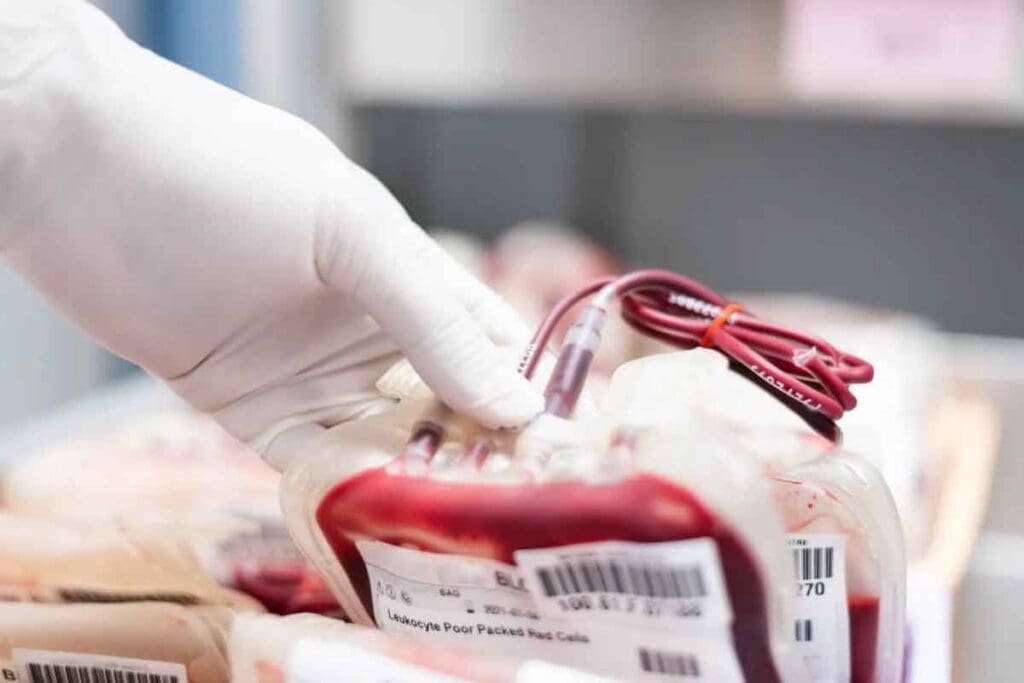
Joining a blood marrow registry, like the NMDP registry, can save lives. It’s a big step for those facing serious diseases like leukemia and lymphoma. It’s a chance to be a lifesaver.
By signing up with Be The Match, you join a worldwide blood marrow registry of donors. We’ll show you how to register, what you need to qualify, and what happens next.
Liv Hospital is here to help you every step of the way. The process is easy. We’ll walk you through it.
Key Takeaways
- Joining a blood marrow registry can save lives.
- The registration process is straightforward.
- Becoming a donor provides a second chance at life for patients in need.
- Liv Hospital supports donors throughout the registration process.
- Donors become part of a global network.
Understanding Blood Marrow Donation and Its Importance
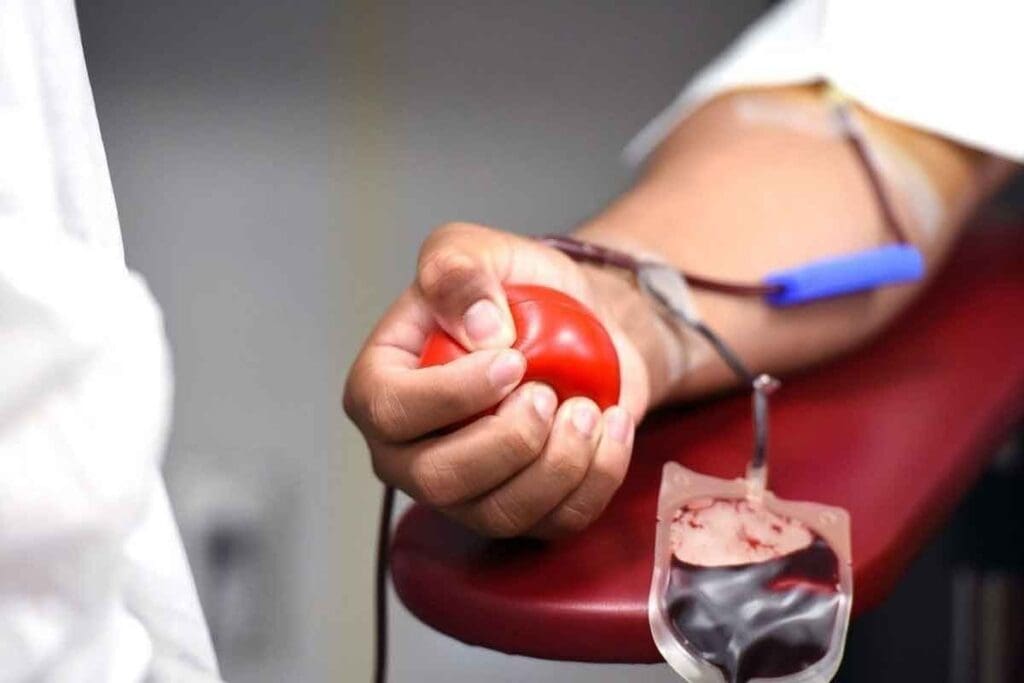
Bone marrow donation is a lifesaving act for patients with serious illnesses. It helps those with leukemia and lymphoma. By donating, you can greatly improve a patient’s chance of survival.
What Is Bone Marrow and Why Is It Needed?
Bone marrow is a soft tissue in bones like the hips and the thighbones. It makes blood cells. For a bone marrow transplant, a donor with the right tissue type is needed. This is key to the transplant’s success and the patient’s recovery.
Life-Threatening Conditions Treated with Bone Marrow Transplants
Bone marrow transplants treat serious conditions like leukemia and lymphoma. These transplants give patients a chance to beat their illnesses and live healthier.
The Critical Need for Donors
The need for bone marrow donors is high. Joining a blood marrow registry can help patients. By participating in a bone marrow drive or registering as a stem cell donor, you can help those with leukemia and lymphoma get the treatments they need.
What Is a Blood Marrow Registry?

A blood marrow registry is a database that links people who want to donate bone marrow with those who need it. It’s key for patients with serious blood diseases. It helps them find a donor who’s a good match.
How Blood Marrow Registries Function
Blood marrow registries collect and store donor information. They look at genetic markers to match donors with patients. HLA typing is key to making sure the donor and recipient are compatible.
The NMDP Registry (Now Be The Match)
The National Marrow Donor Program (NMDP) registry is now called Be The Match. It’s one of the biggest and most important registries worldwide. It has helped save many lives and is a key resource for patients everywhere.
Other International Bone Marrow Registries
There are other bone marrow registries around the world, too. They help connect donors with patients globally. These registries work together to find matches for patients in need.
Eligibility Requirements for Bone Marrow Donation
Before you join a bone marrow registry, it’s key to know what’s needed. You must meet certain health and age standards to donate bone marrow.
Age and Health Requirements
Donors must be 18 to 44 years old. This age is best for healthy donations. They also need to be in good physical health. No major medical issues that could risk the donation process.
Medical Conditions That May Disqualify You
Some medical conditions can stop you from donating. These include diabetes, heart disease, and infectious diseases. We also look at your body weight and overall health.
| Medical Condition | Reason for Disqualification |
| Diabetes | Potential risk of complications during donation |
| Heart Disease | Increased risk of cardiac complications |
| Infectious Diseases | Risk of transmitting the disease to the recipient |
Commitment Required from Potential Donors
Donating bone marrow is a big commitment. Donors must agree to tests and possibly donate if they match a patient. This means being ready for more tests and possibly traveling for the donation.
Preparing to Join a Blood Marrow Registry
Joining a blood marrow registry is a big step. It requires careful thought and understanding of what it means. You need to know the process and the commitment involved.
Researching Different Registry Options
There are many blood marrow registries worldwide. Be The Match is one of the biggest and most famous. Potential donors should research the different registry options to learn about their needs and how they work.
Understanding the Long-Term Commitment
Being in a blood marrow registry is a long-term promise. Donors must be ready to be called for donations for a long time. They also need to be ready for additional testing and evaluation if a match is found.
Discussing Your Decision with Family
Talking to your family about joining a registry is key. They need to get what it means and support you. Here are important things to talk about with your family:
- The risks and benefits of being a donor
- The chance of matching with a patient
- The impact on your family
Step-by-Step Guide to Registering with Be The Match
The process of registering with Be The Match is simple and quick. To become a part of the registry, you just need to follow a few easy steps.
Creating an Online Account
To begin, you must create an online account on the Be The Match website. You’ll need to give some basic details like your name, contact info, and birthdate.
Completing the Health Questionnaire
After setting up your account, you’ll need to fill out a health questionnaire. This form asks about your medical history and current health. It’s to make sure you’re eligible to join the registry.
Receiving and Using Your Cheek Swab Kit
After you’ve finished the questionnaire, you’ll get a cheek swab kit at your home. The kit has instructions on how to take a DNA sample from your cheek.
Submitting Your Sample
After you’ve taken your DNA sample, you’ll need to submit it back to Be The Match. You can do this by using the prepaid envelope that comes with the kit.
| Registration Step | Description |
| 1. Create Online Account | Provide basic information on the Be The Match website. |
| 2. Complete Health Questionnaire | Answer questions about your medical history and health status. |
| 3. Receive and Use Cheek Swab Kit | Collect a DNA sample by swabbing the inside of your cheek. |
| 4. Submit Your Sample | Send the DNA sample back to Be The Match using the prepaid envelope. |
Registering at a Bone Marrow Drive
Bone marrow drives are key to growing the donor registry. By registering at one, you can help save lives. It’s a simple yet powerful act.
Finding Local Bone Marrow Drives
To find a local bone marrow drive, check the Be The Match website or other registry sites. These platforms list upcoming drives and guide you on how to sign up.
What to Expect at a Registration Event
At a registration event, you’ll fill out a health form and give a cheek swab. It’s quick and easy, usually taking just a few minutes.
On-Site Registration Process
The on-site process includes basic info and a health questionnaire. You’ll also give a cheek swab for HLA typing. This is key for matching donors with patients.
Signing up at a bone marrow drive is a great way to join the registry. It could make a big difference in someone’s life.
The HLA Typing Process Explained
HLA typing is key for blood marrow donors. It checks your tissue type to see if you match patients. This is vital for bone marrow transplants to work well.
What Is HLA Typing?
HLA typing is a test that looks at your white blood cells’ genetic markers. These markers help your immune system fight off infections. The test uses a cheek swab or blood sample to find your HLA type.
How Your Genetic Markers Are Analyzed
Your genetic markers are compared to patients’ needs for a bone marrow transplant. Special software is used to find the best match. The closer the match, the better the transplant’s chances.
Privacy and Security of Your Genetic Information
Your genetic info is very private and secure with us. The data from HLA typing is kept safe and only shared with those who need it. It’s used to find a match for patients, following all privacy laws.
| Aspect of HLA Typing | Description | Importance |
| Genetic Markers | Unique identifiers on white blood cells | Critical for matching donors with patients |
| Analysis Process | Comparison of HLA tissue types | Ensures compatibility between donor and patient |
| Data Security | Secure storage and access controls | Protects the donor’s genetic information |
Receiving Your Be The Match Donor ID Card
After joining Be The Match, you’ll get a donor ID card. This card is key to your journey as a bone marrow donor. It shows you’re ready to help a patient in need.
Information on Your Donor Card
Your Be The Match donor ID card has important details. It lists your name, donor ID number, and contact info. Make sure this info is correct and update it if needed.
Timeframe for Receiving Your Card
How long it takes to get your Be The Match donor ID card varies. Usually, it arrives a few weeks after you sign up. If you haven’t gotten it in a month, reach out to Be The Match support.
Lost or Damaged Cards
Lost or damaged your donor ID card? No worries. Contact Be The Match’s donor support to get a new one. They’ll help you verify your identity and update your info.
Digital Alternatives to Physical Cards
Be The Match also has digital options for managing your donor info. You can check your details online. It’s a secure and easy way to keep your info up to date.
| Donor ID Card Features | Description |
| Donor ID Number | Unique identifier for registered donors |
| Contact Information | Ensures timely communication with donors |
| Digital Access | Online platform for managing donor details |
What Happens After You Join a Blood Marrow Donor Registry
When you join a blood marrow donor registry, you become a lifesaver for those in need. We’ll walk you through what happens next.
How Matching Works
The matching starts with comparing your genetic info to patients’ needs. This involves looking at Human Leukocyte Antigen (HLA) typing. It’s a detailed process to find the right match.
Being Contacted as a Preliminary Match
If you match with a patient, the registry will reach out to you. They’ll tell you about your match and what’s next.
Additional Testing If You’re a Preliminary Match
As a match, you’ll do more tests to confirm it. This might include blood tests or other checks to make sure you’re compatible.
The Decision to Donate
Once confirmed, you’ll decide if you want to donate. We’re here to support you through this big choice.
Stem Cell Donation vs. Traditional Bone Marrow Donation
Understanding the difference between stem cell and bone marrow donation is key. Donors might give either stem cells or bone marrow, based on the patient’s needs. There are two main ways to donate: through peripheral blood stem cells (PBSC) or traditional bone marrow extraction.
Understanding Peripheral Blood Stem Cell (PBSC) Donation
PBSC donation collects stem cells from the bloodstream. It’s less invasive than bone marrow extraction. Before donating, donors get medicine to boost stem cell levels in their blood.
The stem cells are then pulled out using a special machine. This process is called apheresis.
PBSC donation is often chosen because it doesn’t require surgery. But it involves getting injections to make more stem cells. This can lead to some side effects.
Traditional Bone Marrow Extraction Method
Traditional bone marrow extraction is a surgical procedure. It takes bone marrow from the hip bone. The surgery is done under anesthesia to reduce pain.
The marrow is then processed to get the stem cells needed for the transplant.
This method is more invasive but has been used successfully for years. The surgery takes a few hours. Afterward, donors are watched to make sure they’re okay.
Recovery and Side Effects for Each Method
Recovery and side effects differ between PBSC donation and bone marrow extraction. PBSC donors might feel tired, have bone pain, and flu-like symptoms. These usually go away in a few days.
On the other hand, bone marrow extraction can cause soreness, fatigue, and bruising. Most donors can get back to normal in a few weeks.
How Doctors Determine Which Method to Use
The choice between PBSC donation and bone marrow extraction depends on several factors. These include the patient’s condition, the transplant type, and the donor’s health and wishes. Doctors weigh these factors to pick the best method for each case.
The goal is to give the patient the best chance for a good outcome. Donors should talk to their healthcare provider to understand both options fully.
The Importance of Diverse Ethnic Backgrounds in the Registry
A diverse donor pool is key for patients from different ethnicities to find a match. The genetic diversity among donors boosts the chance of finding a suitable match for patients from various backgrounds.
How Ethnicity Affects Matching
Ethnicity is a big factor in tissue compatibility. Tissue typing is closely linked to an individual’s genetic ancestry. This makes it hard for patients from diverse ethnic backgrounds to find a match if the donor pool lacks diversity.
Underrepresented Groups in the Registry
Certain ethnic groups, like African Americans, Asian Americans, and Hispanic/Latino Americans, are underrepresented in the bone marrow registry. This underrepresentation makes it harder to find a compatible donor for patients from these backgrounds. We need to raise awareness and encourage more people from these groups to join the registry.
Initiatives to Increase Diversity in Donor Pools
Several efforts are underway to increase diversity in the donor pool. This includes targeted recruitment drives and community outreach programs. Registries are also working to improve the representation of diverse ethnic groups by partnering with community organizations and using social media campaigns.
By joining a bone marrow registry, individuals from diverse ethnic backgrounds can greatly help patients in need of a transplant. We encourage everyone to consider becoming a donor and helping to save lives.
Conclusion: The Life-Changing Impact of Joining a Blood Marrow Registry
Joining a blood marrow registry can change lives. By registering with Be The Match, you could save a life. You also help advance medical care.
Getting your Be The Match donor ID card is a big step. It shows your commitment to help someone in need. Places like Liv Hospital value donors who help them improve healthcare.
The journey to join a registry and donate is complex. But it’s made possible by donors and medical teams. As a donor, you’re key to helping a patient.
By joining Be The Match, you join a global effort. You help improve healthcare and give hope to those needing transplants.
FAQ
What is a blood marrow registry, and how does it work?
A blood marrow registry is a global database of donors ready to give blood or stem cells to patients. It stores donor info, like their tissue type, to match them with patients needing transplants.
How do I join a blood marrow registry like Be The Match?
To join Be The Match, fill out an online form and a cheek swab for HLA typing. You can also sign up at a bone marrow drive.
What are the eligibility requirements for becoming a bone marrow donor?
To donate bone marrow, you must be a certain age and health. You can’t have certain medical issues. You also need to be ready to donate.
What is HLA typing, and why is it necessary?
HLA typing checks your genetic markers to find your tissue type. This helps match you with patients needing transplants.
How long does it take to receive my Be The Match donor ID card?
Getting your Be The Match donor ID card takes a few weeks to months after signing up.
What happens if I’m identified as a possible match for a patient?
If you’re a match, Be The Match will contact you. You’ll do more tests to confirm. Then, you can choose to donate.
What are the differences between peripheral blood stem cell (PBSC) donation and traditional bone marrow extraction?
PBSC donation takes stem cells from your blood. Traditional bone marrow extraction takes marrow from your hip. Each has different recovery and side effects.
Why is diversity in the donor registry important?
Diversity in the registry is key because tissue matching depends on ancestry. Patients from diverse backgrounds are more likely to find a match with donors from similar backgrounds.
Can I donate if I have a pre-existing medical condition?
Certain health issues might stop you from donating. You’ll answer health questions during registration to see if you’re eligible.
How can I find local bone marrow drives to register in person?
Look for local drives on the Be The Match website or contact local groups that host drives.
What should I do if I lose or damage my Be The Match donor ID card?
If you lose or damage your ID card, contact Be The Match. They can replace it or offer digital options.
How does Be The Match protect the privacy and security of my genetic information?
Be The Match keeps your genetic info safe. They store it securely and only share it with those who need it.
References
- Hamed, A. B., et al. (2023). Factors Associated with Opting Out of Donation Among Potential Bone Marrow Donors. ScienceDirect / Hematology Journal.
https://www.sciencedirect.com/science/article/pii/S2666636722017997
- Auletta, J. J., et al. (2020). Meeting the Demand for Unrelated Donors in the Midst of Registry Challenges.Retrieved from https://pmc.ncbi.nlm.nih.gov/articles/PMC7834500/