Last Updated on November 25, 2025 by Ugurkan Demir

Discover blood pressure normal pulse rate levels and what healthy readings mean.
Keeping your heart healthy is key to feeling good. It’s important to know how blood pressure and pulse rate work together for safe health checks.
A normal resting heart rate is between 60 to 100 beats per minute. The best blood pressure is under 120/80 mm Hg. Staying within these ranges helps keep your heart safe.
At Liv Hospital, we focus on giving you the best care for your heart. Learning about these important health signs is a big step towards protecting your health.
Key Takeaways
- Normal resting heart rate is between 60-100 bpm.
- Ideal blood pressure is lower than 120/80 mm Hg.
- Maintaining normal ranges reduces cardiovascular risk.
- Regular monitoring is key for catching problems early.
- Changing your lifestyle can greatly improve your heart health.
What Your Blood Pressure and Pulse Rate Numbers Mean

Blood pressure and pulse rate tell a lot about your heart health. Knowing these numbers helps you understand your heart’s condition. This knowledge is key for making smart health choices.
The Two Critical Components of Blood Pressure
Blood pressure is shown as two numbers: systolic and diastolic. Systolic blood pressure is the top number and shows the heart’s pressure when it beats. Diastolic pressure is the bottom number and shows the pressure between beats. Both are important for heart health.
The systolic pressure, or the top number, shows the highest pressure on artery walls during a heartbeat. A normal systolic pressure is below 120 mmHg. Diastolic pressure, or the bottom number, shows the lowest pressure in arteries between heartbeats. A normal diastolic pressure is below 80 mmHg.
How Pulse Rate Reflects Heart Function
Your pulse rate, or heart rate, shows how many times your heart beats per minute. A normal resting heart rate is between 60 to 100 beats per minute (BPM). A lower resting heart rate often means a more efficient heart, which is a sign of good heart fitness.
Things like age, fitness level, and health conditions can change your pulse rate. For example, athletes or very fit people usually have a lower resting heart rate. This is because their heart is more efficient at pumping blood.
- A normal pulse rate varies by age and fitness level.
- Athletes typically have a lower resting heart rate.
- Certain medical conditions can affect your pulse rate.
Understanding your blood pressure and pulse rate gives you insights into your heart health. This knowledge helps you take steps to keep or improve your heart’s condition.
Normal Blood Pressure Range: What’s Healthy and What’s Not
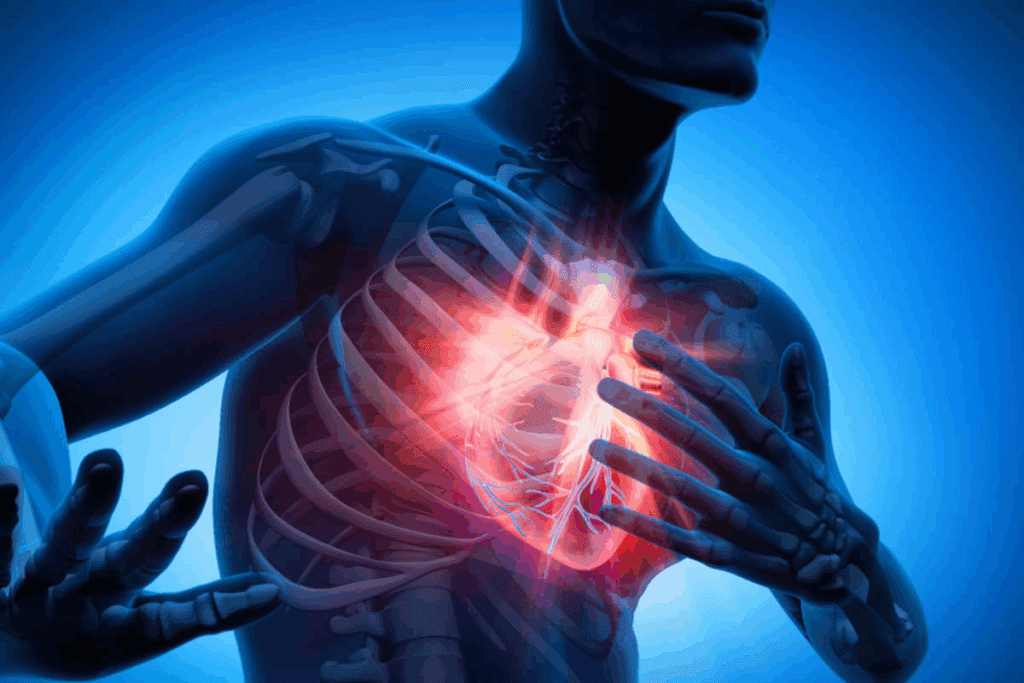
Knowing the normal blood pressure range is key for heart health. Blood pressure shows how well we’re doing health-wise. Spotting issues early is easier when we know what’s normal.
Optimal Blood Pressure Levels (120/80 and Below)
A blood pressure of 120/80 mm Hg or lower is the best. This means the top number is under 120 and the bottom is under 80. Staying in this range lowers the risk of heart disease.
When Blood Pressure Becomes Elevated (120-129/80)
Blood pressure between 120-129/80 mm Hg is considered elevated. It’s not high enough to be called hypertension yet. But, it shows a risk of high blood pressure later. Making lifestyle changes can help manage it.
Understanding the Spectrum from Normal to High
The move from normal to high blood pressure is gradual. As pressure goes up, so does the risk of heart problems. Knowing this helps us take steps to keep our blood pressure in check.
| Blood Pressure Category | Systolic Pressure (mm Hg) | Diastolic Pressure (mm Hg) |
| Normal | Less than 120 | Less than 80 |
| Elevated | 120-129 | Less than 80 |
| Stage 1 Hypertension | 130-139 | 80-89 |
It’s important to know the normal blood pressure range and when it’s not. By living a healthy lifestyle and checking blood pressure often, we can lower our heart disease risk.
Healthy Pulse Rate Standards by Age and Activity Level
Pulse rate changes with age and how active you are. Knowing what’s normal can help spot health problems early. We’ll look at what’s considered healthy for different ages and fitness levels.
Normal Resting Heart Rate
For adults, a normal resting heart rate is between 60 to 100 beats per minute (bpm). This shows the heart is working well without too much effort. A heart rate in this range usually means better heart health.
Age-Specific Pulse Rate Guidelines
Pulse rate changes with age. For example, babies have a faster heart rate than adults. Here’s a table showing normal heart rates for different ages:
| Age Group | Normal Resting Heart Rate (bpm) |
| Newborn (0-1 month) | 100-160 |
| Infant (1-12 months) | 80-120 |
| Toddler (1-2 years) | 80-120 |
| Child (6-12 years) | 70-100 |
| Adult | 60-100 |
| Athlete | 40-60 |
The table shows heart rates get lower with age. Athletes often have even lower rates because their hearts are more efficient.
Athletic vs. Average Heart Rates
Athletes or very fit people usually have heart rates in the 40s or 50s. This is because their hearts pump blood more efficiently. People who are less active might have heart rates closer to the top of the normal range.
It’s important to understand these heart rate differences. This helps monitor heart health and catch problems early. Knowing what’s normal for you can help you stay healthy and make smart choices about your life and health care.
Blood Pressure Normal Pulse Rate: The Cardiovascular Sweet Spot
Keeping your blood pressure and pulse rate in check is key to lowering heart disease risk. When both are at their best, the chance of heart attacks, strokes, and other heart problems drops a lot.
The Ideal Combination for Lowest Health Risk
Studies show that blood pressure around 120/80 mm Hg and a pulse rate of 60-100 bpm are best. This combo eases the heart and blood vessels, boosting heart health.
Ideal Blood Pressure: 120/80 mm Hg
Ideal Pulse Rate: 60-100 bpm
How Blood Pressure and Heart Rate Work Together
Blood pressure and heart rate are connected. High blood pressure makes the heart work harder, raising the heart rate. A fast heart rate can also increase blood pressure. Knowing this helps keep your heart healthy.
What Perfect Readings Look Like
Perfect readings aren’t just numbers. They show your health status. A blood pressure of 120/80 mm Hg means your blood pressure is normal. A pulse rate of 60-100 bpm shows your heart is beating right.
| Category | Ideal Reading | What It Means |
| Blood Pressure | 120/80 mm Hg | Normal blood pressure, low cardiovascular risk |
| Pulse Rate | 60-100 bpm | Normal heart rate, efficient heart function |
By aiming for these perfect readings, you can greatly lower your heart disease risk. This promotes better health and well-being.
Recognizing Stage 1 Hypertension: The 140/80 Warning Sign
Stage 1 hypertension shows up when your blood pressure is 140/80 mm Hg. This is a warning sign you shouldn’t ignore. We’ll look into what this reading means, the early signs and symptoms, and when you should see a doctor.
What a Reading of 140/80 Indicates
A blood pressure of 140/80 mm Hg means you have stage 1 hypertension. It’s when your blood pressure is higher than it should be but not as high as stage 2. This means your heart has to work harder to pump blood. If not treated, it can cause heart problems.
Early Warning Signs and Symptoms
Even though high blood pressure often doesn’t show symptoms, some people might feel:
- Headaches
- Dizziness or lightheadedness
- Nosebleeds
- Fatigue or confusion
These signs can be vague and not always point to high blood pressure. That’s why it’s key to get your blood pressure checked regularly.
When to Consult Your Doctor
If you’ve seen a blood pressure reading of 140/80 mm Hg, you should talk to your doctor. They’ll look at your health history, lifestyle, and current health to decide what to do next. Seeing a doctor early can help stop your blood pressure from getting worse.
It’s a good idea to keep track of your blood pressure readings. This way, you can share them with your doctor. It helps them see patterns and make better decisions for your care.
The Importance of Establishing Your Baseline Blood Pressure
Knowing your baseline blood pressure is key to keeping your heart healthy. It helps you spot any changes quickly. This baseline is vital for checking your heart risk and making smart health choices.
Why Personal Baselines Matter More Than General Guidelines
General guidelines are helpful, but they don’t fit everyone. Things like age, fitness, and health history affect what’s normal for you. Your personal baseline considers these, giving a better picture of your health.
- Personal health history and genetic predispositions
- Lifestyle factors such as diet, exercise, and stress levels
- Age and gender-specific considerations
How to Track Your Readings Effectively
To get a reliable baseline, track your blood pressure often. Consistency is key for accurate readings. Take measurements at the same time each day, in the same conditions.
- Use a validated blood pressure monitor
- Take readings at consistent times (e.g., morning and evening)
- Record your measurements in a log or use a digital tracking app
Identifying Concerning Patterns
With a baseline, spotting unusual blood pressure patterns is easier. Look for trends like high or low readings, or big changes. If you see anything odd, talk to your doctor.
| Blood Pressure Category | Systolic (mmHg) | Diastolic (mmHg) |
| Normal | Less than 120 | Less than 80 |
| Elevated | 120-129 | Less than 80 |
By tracking your baseline blood pressure, you can take steps to keep your heart healthy. Regular checks and knowing your baseline are essential for good health.
Blood Pressure Variations Across Demographics
It’s important to know how blood pressure changes in different groups. Factors like age and gender greatly affect our heart health.
Age-Related Changes in Blood Pressure
Our blood vessels get less flexible as we get older. This can cause blood pressure to go up. It’s key for seniors to keep an eye on their blood pressure.
Key age-related changes include:
- Increased arterial stiffness
- Potential for higher systolic blood pressure
- Possible changes in diastolic blood pressure
Knowing these changes helps us manage and reduce high blood pressure risks.
Gender Differences in Cardiovascular Health
Studies show men and women have different blood pressure and heart health risks. Men tend to face higher blood pressure risks at a younger age. But, after menopause, women’s risks can catch up or even pass men’s.
Factors influencing gender differences include:
- Hormonal changes
- Lifestyle factors
- Genetic predispositions
It’s important to understand these differences to give better care and advice.
By knowing how demographics affect blood pressure, doctors can give more tailored advice. This leads to better heart health for everyone.
Systolic vs. Diastolic: Understanding the Two Numbers
There are two main numbers to know in blood pressure: systolic and diastolic. These numbers help us see how well our heart and blood vessels are working.
Defining Systolic Pressure
The top number in blood pressure readings is systolic. It shows the force on artery walls when the heart beats. A high systolic pressure means the heart is working too hard, which can be a sign of health problems.
Understanding Diastolic Pressure
The bottom number is diastolic. It shows the force on artery walls when the heart is resting. Elevated diastolic pressure means the arteries are stiff or have other issues.
Which Number Matters More and When
Both systolic and diastolic pressures are important. But, their importance changes with age and health. For young people, diastolic pressure is key. For older adults, systolic pressure is more important because it’s linked to heart risks.
Here’s a quick comparison of systolic and diastolic blood pressures:
- Systolic pressure shows the peak force during heartbeats.
- Diastolic pressure shows the minimum force between heartbeats.
- In older adults, systolic pressure is a stronger predictor of cardiovascular events.
- In younger individuals, diastolic pressure may be more relevant for certain health assessments.
Knowing both systolic and diastolic blood pressures helps us understand our heart health better. This way, we can work with doctors to manage any risks.
Proper Techniques for Measuring Blood Pressure at Home
To get accurate blood pressure readings at home, you need to pay attention to detail. It’s important to know the right equipment and how to prepare. Also, following a specific process and avoiding common mistakes is key to getting accurate results.
Essential Equipment and Preparation
You’ll need a reliable blood pressure monitor at home. There are manual and automatic types. Automatic ones are easier to use and more common for home use. Make sure the cuff fits your arm right.
Before you start, avoid caffeine, smoking, and exercise for 30 minutes. Sit with your back straight, feet on the floor, and arm at heart level. Take a 5-minute break before taking your reading.
Step-by-Step Measurement Process
Here’s how to measure blood pressure accurately:
- Put the cuff on your bare arm, making sure it’s not too tight or too loose.
- Follow the instructions to inflate the cuff.
- Stay calm and silent while the reading is taken.
- Take at least two readings to check if they match.
- Write down your readings, including the time and date.
Common Errors That Lead to Inaccurate Readings
It’s important to avoid common mistakes for accurate readings. Some common errors include:
- Using a cuff that’s too small or too large.
- Not being in a relaxed state.
- Having your arm positioned incorrectly.
- Talking or moving during measurement.
| Common Error | Effect on Reading | Prevention Tip |
| Incorrect cuff size | Inaccurate reading (too high or too low) | Measure arm circumference to choose correct cuff size |
| Not relaxed | Elevated reading | Take 5-minute rest before measurement |
| Arm not at heart level | Inaccurate reading | Support arm at heart level during measurement |
Dangerous Blood Pressure Levels That Require Immediate Attention
Knowing when blood pressure is a medical emergency can save lives. Blood pressure shows how well our heart and blood vessels are working. High or low readings can mean serious health problems.
It’s important to know when blood pressure is too high or too low. These levels can signal serious health risks.
Hypertensive Crisis: Readings Above 180/120
A hypertensive crisis happens when blood pressure goes over 180/120 mm Hg. This is a serious situation that needs quick help. Symptoms include severe headache, chest pain, and trouble breathing. If you see these signs, get medical help fast.
High Blood Pressure 160+: Serious Risk Territory
Readings of 160 or higher (systolic) mean stage 2 hypertension. This high blood pressure raises the risk of heart attacks and strokes. Working with your doctor to lower your blood pressure is key.
- Check your blood pressure often
- Take your medicine as told
- Follow lifestyle changes suggested by your doctor
When Low Blood Pressure Becomes Dangerous
Low blood pressure (hypotension) is also a concern. It can cause organs to not get enough blood. Symptoms include dizziness, fainting, and feeling very tired.
- Find out why your blood pressure is low, like dehydration or medicine side effects
- Get more salt (with doctor’s advice)
- Wear compression stockings to help blood flow in your legs
Managing blood pressure is vital to avoid serious health issues. Knowing the risks of extreme blood pressure levels helps us stay healthy.
Lifestyle Factors That Impact Your Blood Pressure and Pulse Rate
Our daily habits greatly affect our heart health. What we eat, how we exercise, and how we handle stress all matter. Knowing how these habits impact our blood pressure and pulse rate helps us make better choices for our heart.
Dietary Influences on Cardiovascular Health
Eating right is key to a healthy heart. Foods like fruits, veggies, whole grains, and lean proteins can help keep blood pressure low and pulse rate normal. The DASH diet, which is low in sodium and high in potassium, calcium, and magnesium, is great for the heart.
It’s also important to watch sodium intake. Too much sodium can raise blood pressure. We should aim for less than 2,300 milligrams of sodium daily. Drinking plenty of water is also important for keeping blood pressure healthy.
Exercise Effects on Blood Pressure and Heart Rate
Regular exercise is vital for heart health. It makes the heart stronger, which can lower blood pressure and heart rate. Aerobic exercises like walking, cycling, and swimming are best.
We should do at least 150 minutes of moderate-intensity aerobic exercise or 75 minutes of vigorous-intensity aerobic exercise weekly. Adding strength training exercises two times a week is also good. Exercise not only improves heart health but also helps manage stress.
Stress Management and Sleep Quality
Chronic stress can harm blood pressure and pulse rate. Activities like meditation, yoga, or deep breathing can help reduce stress. Getting enough sleep is also important, as poor sleep can increase stress and harm heart health.
Try to sleep 7-8 hours each night and keep a regular sleep schedule. A calming bedtime routine can improve sleep quality. By managing stress and getting good sleep, we can keep our blood pressure and pulse rate healthy.
Conclusion: Taking Control of Your Cardiovascular Health
Understanding blood pressure and pulse rate is key to good heart health. Knowing how these signs work helps us control our heart health better.
We’ve looked at what normal blood pressure and pulse rates are. We’ve also seen how lifestyle affects these important health signs. This knowledge helps us make better choices for our heart health.
Our goal is to help people manage their heart health. This not only lowers disease risk but also improves life quality. Our discussion shows the need for active steps to keep blood pressure and pulse rates healthy.
It’s important to use what we’ve learned in our daily lives. Making smart choices about food, exercise, and stress is vital. By controlling our heart health, we can lower risks and feel better overall.
FAQ
What is considered a normal blood pressure reading?
A normal blood pressure is around 120/80 mmHg or less. The top number, systolic, shows artery pressure when the heart beats. The bottom number, diastolic, shows pressure between beats.
What is stage 1 hypertension, and how is it defined?
Stage 1 hypertension means blood pressure is 130-139 mmHg systolic or 80-89 mmHg diastolic. It’s a sign that blood pressure is rising and might need lifestyle changes or medical help.
How is pulse rate related to heart health?
Pulse rate, or heart rate, is how many times the heart beats per minute. A normal heart rate is 60-100 beats per minute. An abnormal rate can show heart problems or other health issues.
What is the ideal combination of blood pressure and pulse rate for optimal cardiovascular health?
The best combo is a blood pressure of 120/80 mmHg and a heart rate of 60-100 BPM. This shows the heart is working well and blood vessels are healthy.
How do I measure blood pressure correctly at home?
To measure blood pressure at home, use a validated monitor. Sit comfortably with your back supported and keep your arm at heart level. Take multiple readings at different times for accuracy. Avoid using a cuff that’s too small or too large.
What are the risks associated with very high or low blood pressure readings?
Very high blood pressure can cause heart attack, stroke, or kidney damage. Very low blood pressure can lead to dizziness, fainting, or poor blood flow to vital organs.
How do lifestyle factors impact blood pressure and pulse rate?
Lifestyle factors like diet, exercise, stress, and sleep affect blood pressure and pulse rate. Eating well, exercising, managing stress, and sleeping enough can keep blood pressure and pulse rate healthy.
What is the significance of systolic and diastolic blood pressure?
Systolic pressure shows artery pressure when the heart beats. Diastolic pressure shows pressure between beats. Both are key to understanding blood pressure and heart health.
How does blood pressure change with age, and what are the implications?
Blood pressure often goes up with age due to artery stiffening. This increases the risk of heart disease. It’s important to monitor and manage blood pressure as we age.
Why is establishing a personal baseline for blood pressure important?
Having a personal baseline helps spot changes or patterns in blood pressure. It allows for early detection of issues and timely medical action if needed.
References
White, H. J. (2023). Anatomy, Thorax, Superior Vena Cava. In StatPearls. National Center for Biotechnology Information. https://www.ncbi.nlm.nih.gov/books/NBK545255/