Last Updated on October 21, 2025 by mcelik

A blood test for cancer can spot some cancers. But, not all cancers show up in blood tests. This makes it hard to find them just by looking at blood work.
Key Takeaways
- Cancer detection through blood tests is not foolproof.
- Some cancers do not release detectable biomarkers.
- Blood-based screening has limitations.
- Understanding these limitations is key for effective cancer diagnosis.
- Not all cancers can be detected through blood work.
The Science Behind Blood Tests for Cancer
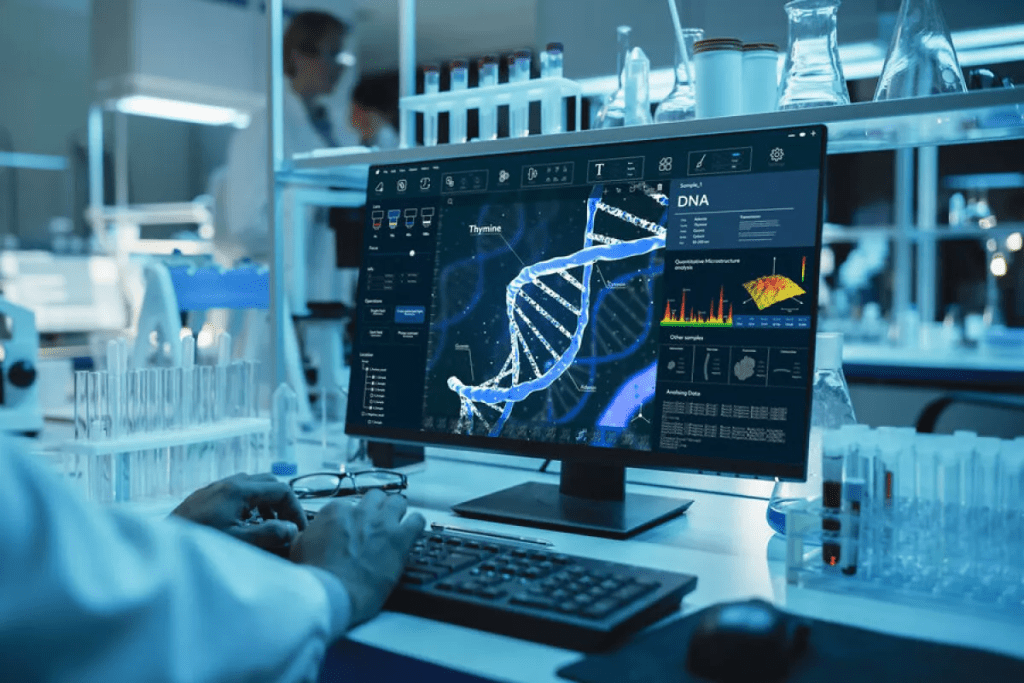
The link between cancer and blood is complex. It’s the basis of blood tests for finding cancer. Cancer can change the blood’s balance, showing it might be there.
How Cancer Affects Blood Composition
Cancer can change the blood in many ways. It can alter protein, enzyme, or cell levels. Tumor markers are substances found in more cancer patients than usual.
Cancer releases substances into the blood that shouldn’t be there. These can be hormones, enzymes, or proteins linked to tumors.
What Blood Tests Can and Cannot Reveal
Blood tests can indicate signs of cancer; however, they are not definitive. They can find changes in cell counts, chemicals, or tumor markers. But, these signs can also mean other health issues.
A Complete Blood Count (CBC) can show changes that might mean cancer, like leukemia. But, these changes can also happen with infections or other diseases.
| Blood Test Component | Normal Range | Potential Cancer Indication |
| White Blood Cell Count | 4,500-11,000 cells/μL | Abnormal levels may indicate leukemia or lymphoma |
| Red Blood Cell Count | 4.32-5.72 million cells/μL (men) | Low count may indicate anemia related to cancer |
| Tumor Markers (e.g., PSA) | Varies by marker | Elevated levels may indicate prostate cancer or other cancers |
The Difference Between Screening and Diagnostic Tests
It’s important to know the difference between screening tests and diagnostic tests. Screening tests look for disease early in people who don’t have symptoms. Diagnostic tests confirm disease in those with symptoms or positive screening results.
Blood tests for cancer screening, like PSA or CA-125, show possible issues but aren’t enough to say for sure. If a screening test shows something, more tests like imaging or biopsy are needed to confirm cancer.
Types of Blood Tests for Cancer Detection
Many blood tests are used to find and track cancer. They look for signs of cancer, like abnormal cells or specific markers.
Complete Blood Count (CBC) Analysis
Blood tests can indicate signs of cancer; however, they are not definitive.
An elevated white blood cell count might mean infection or leukemia. A low red blood cell count could point to anemia, often linked to chronic diseases like cancer.
Blood tests can indicate signs of cancer; however, they are not definitive.
Blood chemistry tests measure chemicals in the blood, like enzymes and hormones. They help see if cancer is affecting organs.
For example, high liver enzymes might show liver damage or cancer spread. These tests give clues when used with other tests.
Tumor Marker Tests
Tumor marker tests find substances in the blood made by cancer cells. These can be proteins, enzymes, or genetic material. High levels of some markers might mean certain cancers are present.
- Prostate-Specific Antigen (PSA) for prostate cancer
- Carcinoembryonic Antigen (CEA) for colorectal and other cancers
- Cancer Antigen 125 (CA-125) for ovarian cancer
These tests help track cancer growth and how well treatments work.
Circulating Tumor Cell Tests
Circulating tumor cell (CTC) tests find cancer cells in the blood. These cells can tell us about the tumor’s genetics and metastasis risk.
CTC tests are great for tracking cancer and treatment success. They’re a key area for early detection and personalized care.
Common Tumor Markers in Blood Test for Cancer
Tumor markers are substances found in higher-than-normal amounts in the blood of some patients with certain types of cancer. These markers are used in clinical practice for screening, diagnosis, and monitoring of blood test for cancer. While not definitive on their own, they provide valuable information when interpreted alongside other diagnostic tests and clinical findings.
PSA for Prostate Cancer
Prostate-Specific Antigen (PSA) is a well-known tumor marker associated with prostate cancer. Elevated PSA levels can indicate prostate cancer, though high levels can also result from non-cancerous conditions like prostatitis or benign prostatic hyperplasia. The PSA test is widely used for screening and monitoring prostate cancer.
CEA for Colorectal and Other Cancers
Carcinoembryonic Antigen (CEA) is a tumor marker that can be elevated in several types of cancer, including colorectal cancer, breast cancer, lung cancer, and others. While not specific to any one cancer, CEA levels are useful in monitoring treatment response and detecting recurrence of colorectal cancer.
AFP for Liver Cancer
Alpha-Fetoprotein (AFP) is a tumor marker that can be elevated in certain cancers, most noticeably hepatocellular carcinoma (liver cancer) and certain germ cell tumors. While not diagnostic on its own due to possible elevations in non-cancerous conditions, AFP is used alongside imaging studies to aid in the diagnosis and monitoring of liver cancer.
Cancers Most Reliably Detected Through Blood Work
Blood tests are key in finding certain cancers. They look for biomarkers or changes in blood that show cancer. This is true for cancers that affect the blood or are in late stages.
Leukemia and Blood Cancers
Leukemia is a cancer of the blood and bone marrow. It can be found through blood tests. A Complete Blood Count (CBC) shows if there are too many white blood cells, which might mean leukemia.
Advanced Prostate Cancer
Advanced prostate cancer can be found through blood tests. These tests check Prostate-Specific Antigen (PSA) levels. High PSA levels might mean prostate cancer, mainly in its late stages.
Checking PSA levels regularly helps see how the disease is growing. It also shows if treatments are working.
Liver Cancer
Liver cancer might show up with high Alpha-Fetoprotein (AFP) levels in the blood. AFP is a liver and yolk sac protein in fetuses. But in adults, it can mean liver cancer. Watching AFP levels helps find liver cancer early.
In summary, blood tests are very helpful in finding and tracking different cancers. This is true for cancers that affect the blood or are in late stages. Regular blood tests and knowing the biomarkers for various cancers can really help with diagnosis and treatment.
Solid Tumors That Rarely Show Up in Blood Tests
Brain Tumors and Blood-Brain Barrier Challenges
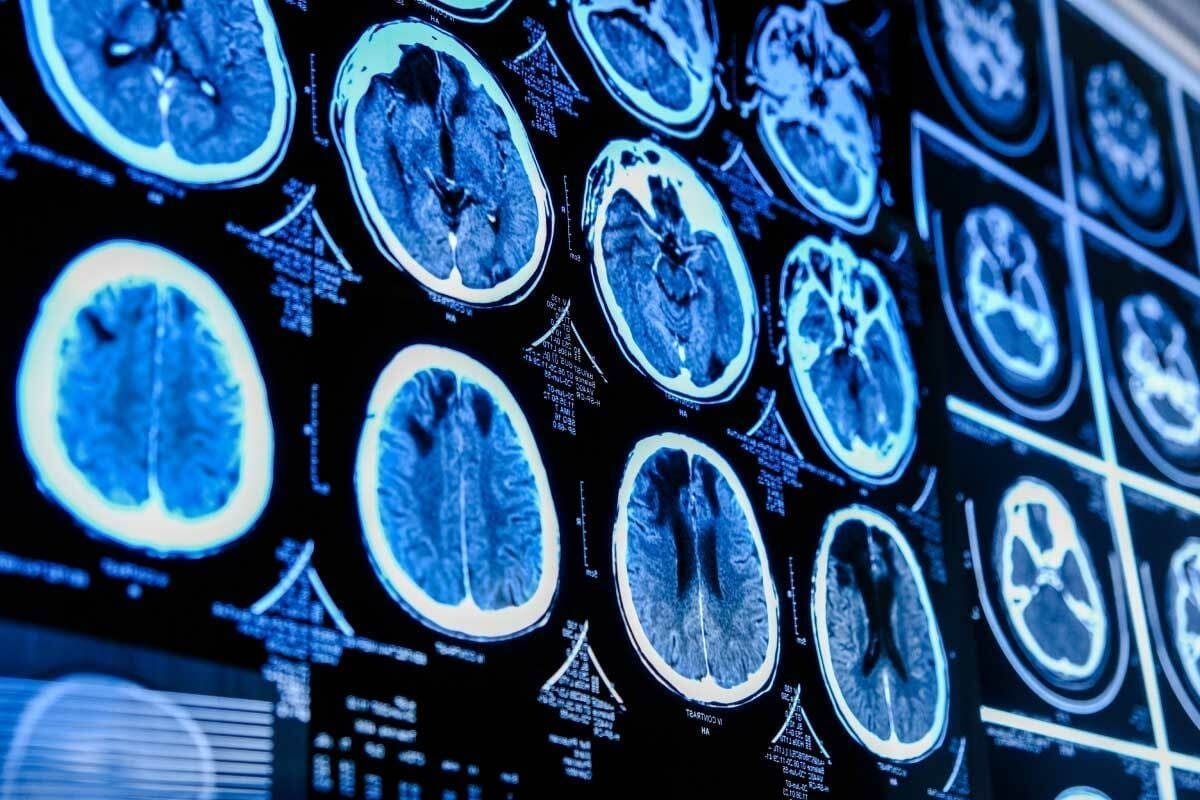
The blood-brain barrier makes it tough to find brain tumors in blood tests. This barrier stops some substances, like tumor markers, from getting into the blood. This makes it hard to diagnose brain tumors just by looking at blood.
Key challenges include:
- Limited release of tumor markers into the bloodstream
- Difficulty in distinguishing between different types of brain tumors
- Need for more sensitive and specific tests
Early-Stage Solid Organ Cancers
Early-stage solid organ cancers often don’t release enough tumor markers to be found in blood tests. This is because the tumor is small and hasn’t spread yet.
Examples of early-stage solid organ cancers that may not show up in blood tests include:
- Stage I breast cancer
- Early-stage prostate cancer
- Small pancreatic tumors
Localized Tumors Without Metastasis
Localized tumors that haven’t spread are hard to find in blood tests. This is because they are stuck in one place and don’t release many tumor markers into the blood.
Characteristics of localized tumors include:
- Containment within the original organ or tissue
- Limited or no invasion into surrounding tissues
- No distant metastasis
Slow-Growing Cancers
Slow-growing cancers don’t make many tumor markers, making them hard to spot in blood tests. These cancers grow slowly and might not cause symptoms until later.
Examples of slow-growing cancers include:
- Low-grade prostate cancer
- Some types of thyroid cancer
- Certain gastrointestinal stromal tumors (GISTs)
Skin Cancers and Blood Work Limitations
Skin cancers, like melanoma and basal cell carcinoma, are not found through blood tests. They need different ways to be diagnosed.
Why Melanoma Often Escapes Blood Detection
Melanoma, the most dangerous skin cancer, is hard to find in blood tests. This is because melanoma cells don’t release many markers into the blood until it’s too late.
Early-stage melanoma doesn’t release enough markers to be found in blood tests. So, blood tests can miss it, leading to false negatives.
Basal Cell and Squamous Cell Carcinoma
Basal cell carcinoma (BCC) and squamous cell carcinoma (SCC) are common skin cancers. Like melanoma, they are not found through blood tests.
- BCC is usually diagnosed through visual examination and biopsy.
- SCC can also be identified through clinical examination and histopathological analysis.
When Skin Cancers Might Affect Blood Results
While blood tests are not reliable for early detection, advanced cases might show changes. For example, liver function tests might be abnormal if melanoma has spread to the liver.
| Cancer Type | Typical Detection Method | Blood Test Limitations |
| Melanoma | Visual examination, Biopsy | Limited sensitivity for early-stage disease |
| Basal Cell Carcinoma | Visual examination, Biopsy | Not typically detectable |
| Squamous Cell Carcinoma | Clinical examination, Histopathology | Rarely detected through blood work |
Alternative Detection Methods for Skin Cancers
Other methods are used because blood tests have limits. These include:
- Visual examination: Regular skin checks by a dermatologist.
- Biopsy: Removing a sample of suspicious skin for histological examination.
- Dermoscopy: Using a dermatoscope to examine skin lesions in detail.
Early detection of skin cancers is key to better treatment. While blood tests have their limits, using them with other methods can improve detection.
Breast Cancer Detection Challenges in Blood Tests
Blood tests for breast cancer have big challenges, mainly in finding the disease early. Even with new medical tech, spotting breast cancer in blood is hard.
Early breast cancer doesn’t always send out enough tumor markers to the blood. Current blood markers aren’t good enough for catching it early.
Limitations of Current Markers
Markers like CA 15-3 and CA 27.29 aren’t good for finding cancer early. They work better for tracking how the disease is doing or if treatment is working.
“The lack of specific and sensitive biomarkers for breast cancer remains a significant challenge for early detection through blood tests.” –
Expert in Oncology
Indications in Blood Tests
Blood tests can indicate signs of cancer; however, they are not definitive.
Complementary Screening Approaches
Because blood tests have limits, other screening methods are key. These include:
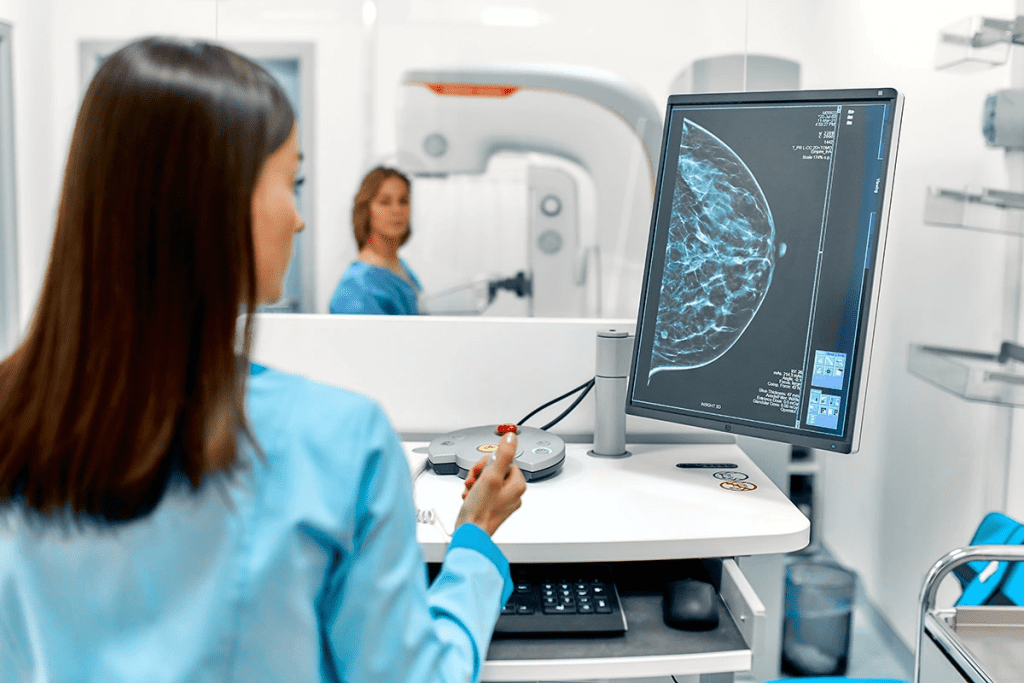
- Mammography
- Ultrasound
- MRI scans
- Biopsy for a clear diagnosis
Using these methods together can make detection better, for those at high risk or with dense breasts.
Blood tests aren’t the main way to screen for breast cancer yet. But, research keeps going to make them better for early detection. New tech and finding better biomarkers could help blood tests play a bigger role in diagnosing breast cancer.
Gastrointestinal Cancers and Blood Test Reliability
Blood tests can vary in their ability to find different types of gastrointestinal cancers. These cancers affect the digestive system, including the stomach, pancreas, colon, and esophagus. Each type of cancer has its own challenges when it comes to blood tests.
Colorectal Cancer Markers and Limitations
For colorectal cancer, doctors often use a blood test for a protein called CEA. But CEA is not reliable for catching cancer early. It’s more useful for tracking if the cancer comes back or how well treatment is working.
Esophageal and Small Intestine Cancers
Esophageal and small intestine cancers are rare but hard to spot with blood tests. Esophageal cancer doesn’t have a specific blood test for early detection. Small intestine cancers might show up in blood tests, like anemia, but these signs are not specific. Doctors usually use imaging and endoscopy to diagnose these cancers.
Respiratory System Cancers in Blood Work
Blood tests are not very useful for finding many respiratory system cancers. Doctors often use other methods like imaging to diagnose these cancers.
Lung Cancer’s Limited Blood Test Footprint
Blood tests can indicate signs of cancer; however, they are not definitive.
Lung Cancer Detection Challenges:
- Lack of specific biomarkers
- Limited sensitivity of current blood tests
- Need for imaging techniques like CT scans
Mesothelioma Detection Challenges
Mesothelioma is a rare cancer linked to asbestos. It’s hard to find through blood tests. Symptoms are not clear, and doctors use imaging, biopsy, and clinical checks to diagnose it.
| Cancer Type | Blood Test Utility | Primary Diagnostic Method |
| Lung Cancer | Limited | CT Scans, Biopsy |
| Mesothelioma | Very Limited | Imaging, Biopsy |
| Laryngeal/Throat Cancers | Limited | Endoscopy, Biopsy |
Laryngeal and Throat Cancers
Blood tests can indicate signs of cancer; however, they are not definitive.
Why Imaging Remains Essential
Imaging like CT scans, MRI, and PET scans are key for diagnosing and staging respiratory cancers. They give detailed info on tumor size, location, and spread. This info is vital for planning treatment.
The Importance of Complete Diagnosis:
- Using blood tests, imaging, and clinical checks together
- Biopsy for a clear diagnosis
- Looking at patient symptoms and medical history
Bone and Soft Tissue Malignancies
Diagnosing bone and soft tissue cancers requires a detailed approach. This includes blood tests, imaging, and biopsy. Blood tests alone are not enough but can give important clues. These clues help identify these cancers when combined with other tests.
Alkaline Phosphatase Levels and Bone Cancer
Key Points about Alkaline Phosphatase:
- Elevated levels can indicate bone disease or cancer
- Not specific to cancer; can be elevated in other bone conditions
- Used as one of several markers in diagnosing bone cancer
Difficulties in Sarcoma Detection
Sarcomas are rare cancers from connective tissue, like bone and soft tissue. Finding sarcomas is hard because they are rare and come in many types. Blood tests can’t directly spot sarcomas, so imaging and biopsy are key.
“Sarcomas are rare and heterogeneous, making their diagnosis particular challenging. A combination of clinical evaluation, imaging, and histopathological examination is essential for accurate diagnosis.” – A leading oncologist
Chondrosarcoma and Osteosarcoma
| Cancer Type | Origin | Common Diagnostic Methods |
| Chondrosarcoma | Cartilage | Imaging, Biopsy |
| Osteosarcoma | Bone Tissue | Imaging, Biopsy, Blood Tests for Alkaline Phosphatase |
Suspecting Bone Cancer Despite Normal Blood Work
Normal blood work doesn’t mean you can’t have bone cancer. If you have symptoms like bone pain or swelling, get checked out. Even if blood tests are fine, imaging studies are important.
Clinical judgment and patient symptoms play a significant role in diagnosing bone and soft tissue malignancies, highlighting the importance of a complete evaluation.
Lymphoma and Blood Test Interpretation
Blood tests are key in diagnosing and tracking lymphoma, a cancer of the immune system. They don’t confirm lymphoma alone but offer important clues. These clues help doctors understand if lymphoma is present and how it’s changing.
Differences in Blood Profiles: Hodgkin vs. Non-Hodgkin Lymphoma
Blood tests can indicate signs of cancer; however, they are not definitive.
Non-Hodgkin lymphoma can have many different blood test results, depending on the type and stage. Some patients might have normal blood counts, making it harder to diagnose.
Why Lymphoma May Present with Normal Blood Counts
Many patients with lymphoma have normal blood counts, even in early stages. This is because the cancer might not affect blood cell production or composition until it grows more.
In some cases, lymphoma cells might not be found in the blood. This makes blood tests alone unreliable. So, doctors use other tests like imaging and lymph node biopsies for a full diagnosis.
The Necessity of Lymph Node Biopsy
A lymph node biopsy is the best way to diagnose lymphoma. It lets doctors check lymph node tissue for cancer cells. Blood tests can hint at lymphoma, but a biopsy gives a clear diagnosis.
Doctors decide on a biopsy based on symptoms, imaging, and blood tests. If lymphoma is likely, a biopsy is needed quickly to confirm and plan treatment.
LDH and Other Indirect Markers
Lactate dehydrogenase (LDH) is found in many body parts. High LDH levels can mean tissue damage or disease, like lymphoma. While not specific to lymphoma, high LDH levels suggest aggressive disease or a large tumor burden.
Other indirect markers might also be high in lymphoma, like certain proteins or inflammatory markers. These tests help doctors understand the disease better and track how well treatment is working.
Can You Have Cancer with Normal Blood Work?
Having normal blood work doesn’t mean you’re cancer-free. Many people find out they have cancer even though their blood tests were fine. This makes us wonder: can you have cancer even if your blood work looks normal?
Early-Stage Cancers and Test Sensitivity
Early-stage cancers often don’t show up in blood tests. This is because they don’t release many abnormal cells or proteins into the blood. Early-stage cancers often don’t cause substantial changes in blood composition, making them harder to detect through blood tests alone.
The sensitivity of blood tests for cancer detection varies widely. It depends on the type of cancer and the test used. For example, some tumor markers are linked to specific cancers. But these markers are not always high in early-stage disease.
Case Studies of Missed Diagnoses
There are many cases where patients had normal blood work before being diagnosed with cancer. These cases show the limits of relying only on blood tests for cancer screening. For example, some patients with early-stage pancreatic cancer may have normal blood work, including normal tumor marker levels, until the disease has progressed.
These missed diagnoses highlight the need for a complete evaluation. This includes a detailed medical history, physical examination, imaging studies, and sometimes biopsy. Clinical judgment plays a significant role in deciding when to do more tests, even if blood work is normal.
The Importance of a Complete Evaluation
A complete evaluation is key for diagnosing cancer. Clinical judgment plays a significant role in deciding when to do more tests, even if blood work is normal. Healthcare providers must consider many factors, like family history and genetic predisposition, to decide when to do more tests.
When to Trust Symptoms Over Test Results
Normal blood work doesn’t mean you’re cancer-free. If symptoms keep getting worse, you need more tests. Trusting clinical intuition and patient symptoms is important, even when test results seem fine.
In some cases, patients were diagnosed with cancer after their symptoms didn’t go away. This shows the importance of working together between patients and healthcare providers. It ensures timely diagnosis and treatment.
The Future of Blood-Based Cancer Detection
Blood-based cancer detection is on the verge of a big change. New technologies are leading the way. These include liquid biopsies, multi-cancer early detection tests, and artificial intelligence (AI) in test interpretation.
Liquid Biopsies and Circulating Tumor DNA
Liquid biopsies are a major step forward in finding cancer. They look for genetic changes in the blood. This method is less invasive than traditional biopsies, which could lead to earlier and better treatments.
Key benefits of liquid biopsies include:
- Non-invasive, reducing patient discomfort
- Potential for early detection and monitoring
- Ability to track tumor evolution and treatment response
Multi-Cancer Early Detection Tests
Multi-cancer early detection (MCED) tests aim to find many cancers from one blood sample. They aim to catch cancers early, when they are easier to treat. By looking at different biomarkers and genetic info, MCED tests could help save more lives.
| Cancer Type | Detection Method | Potential Impact |
| Various | MCED tests | Early detection, improved survival rates |
| Specific | Liquid biopsies | Personalized treatment, monitoring |
Artificial Intelligence in Test Interpretation
AI is making blood-based tests more accurate and efficient. AI can spot complex patterns in data, helping find cancer biomarkers. This tech is key in making sense of liquid biopsy and MCED test results.
The synergy between AI and blood-based tests is expected to:
- Enhance detection accuracy
- Reduce false positives and negatives
- Streamline the diagnostic process
Promising Research Developments
Research is always pushing the boundaries of blood-based cancer detection. Scientists are finding new biomarkers, making tests more sensitive, and proving new tech works. As research grows, we’ll see even better ways to detect cancer.
When to Pursue Additional Testing Beyond Blood Work
Even with normal blood work, sometimes more tests are needed to check for cancer. It’s important to know when to get more tests to catch cancer early.
Persistent Symptoms Despite Normal Results
If you keep feeling sick, like losing weight or having pain, talk to your doctor. Normal blood work doesn’t mean you can’t have cancer if you’re feeling bad.
For example, if you have belly pain and changes in bowel habits, you might need more tests. This is true even if your blood work looks okay.
Family History and Genetic Risk Factors
Having a family history of cancer or certain genes can raise your risk. If you have a gene like BRCA1 or BRCA2 for breast and ovarian cancer, your doctor might suggest more tests.
Knowing your family history can help spot risks. For instance, if your family has a lot of colon cancer, you might need to get checked more often.
| Genetic Mutation | Associated Cancer Risk | Recommended Screening |
| BRCA1/BRCA2 | Breast, Ovarian | Mammography, MRI, Ovarian Screening |
| MLH1, MSH2 | Colorectal, Endometrial | Colonoscopy, Endometrial Biopsy |
Appropriate Imaging and Biopsy Options
When blood tests don’t give clear answers, tests like CT scans or MRI can help. Biopsy is the best way to find out if you have cancer.
For example, if a doctor finds a lump, a biopsy might be needed. Imaging helps guide the needle to the right spot.
Working with Your Healthcare Provider
Talking openly with your doctor about your worries and risks is key. You and your doctor can figure out the best next steps, including more tests if needed.
Keeping a record of your symptoms, family history, and worries helps your doctor make better decisions for you.
- Discuss your family history and genetic risk factors.
- Report any persistent or concerning symptoms.
- Understand the limitations of blood tests in cancer detection.
- Explore appropriate imaging and biopsy options if needed.
Conclusion
Blood tests are key in finding cancer early. They help us see if cancer is present. This article talked about the different blood tests, what they’re used for, and their limits.
These tests work well for some cancers like leukemia and advanced prostate cancer. But, they’re not perfect for solid tumors or cancers in their early stages. We need a complete approach to get better results.
Using blood tests is just one step in diagnosing cancer. We also use imaging and clinical checks. This mix helps us get a clearer picture and plan the best treatment.
To wrap it up, blood tests are a big step forward in finding cancer. But, we must use them with other tools for the best results. This way, we can give patients the care they need.
FAQ
What cancers can be detected through blood tests?
Blood tests can find cancers like leukemia, lymphoma, and prostate cancer. They can also find ovarian and liver cancer by looking for specific markers or abnormal cell counts.
Can all types of cancer be detected through blood work?
No, not all cancers can be found in blood tests. Some, like brain tumors and early-stage solid organ cancers, are hard to detect this way.
What is the difference between screening and diagnostic tests for cancer?
Screening tests look for cancer in people who don’t have symptoms. Diagnostic tests confirm cancer in those with symptoms or positive screening results.
Can a normal blood test result rule out cancer?
No, a normal blood test doesn’t mean you’re cancer-free. Some cancers, even in early stages, can’t be found in blood tests.
What are tumor markers, and how are they used in cancer detection?
Tumor markers are substances made by cancer cells or in response to them. They can be found in blood tests. This helps track cancer, find recurrence, or screen for specific cancers.
Can blood tests detect cancer at an early stage?
Some blood tests can find cancer early, but not all. How early you can detect cancer depends on the cancer type and the blood test used.
Are there any new developments in blood-based cancer detection?
Yes, research is ongoing for better blood-based cancer detection. This includes liquid biopsies, tests for multiple cancers, and using artificial intelligence to interpret results.
When should I consider additional testing beyond blood work?
You might need more tests if you have ongoing symptoms, a family history of cancer, or genetic risks. Even with normal blood tests, talk to your doctor about what’s best for you.
Can cancer be present despite normal blood work?
Yes, cancer can exist even with normal blood tests. This is often true in early stages or for certain cancers that are hard to detect in blood.
How reliable are blood tests in detecting different types of gastrointestinal cancers?
Blood tests’ reliability varies for different gastrointestinal cancers. Some, like colorectal cancer, have clear markers. Others, like pancreatic cancer, are harder to detect in blood.
Can blood tests detect skin cancers like melanoma?
Blood tests aren’t usually used for skin cancers like melanoma. Instead, visual checks and biopsies are more effective for diagnosing these cancers.
What are the challenges in detecting respiratory system cancers through blood tests?
Finding respiratory system cancers, like lung cancer, in blood tests is tough. This is because there are few specific markers in the blood. Imaging is key for diagnosis.
Can lymphoma be detected through blood tests?
Blood tests can suggest lymphoma by showing abnormal cell counts or markers like LDH. But, a biopsy of a lymph node is usually needed for a sure diagnosis.
Are there any blood tests that can detect breast cancer?
Blood tests for breast cancer are being researched, but they’re not perfect yet. For now, mammograms are important for catching breast cancer early.
References
Callaway, E. (2025, February 20). Putting early cancer detection to the test. Nature. https://www.nature.com/articles/d41586-025-00530-4
Virdee, P. S., et al. (2024). The association between blood test trends and undiagnosed cancer: A systematic review and critical appraisal. PLoS One, 19(4), e11083147.