Last Updated on November 26, 2025 by Bilal Hasdemir
Understand blood test for gallbladder stones and how lab results help detect stones and inflammation. Diagnosing gallbladder disease often requires several tests. These tests help find gallstones and their problems. At Liv Hospital, we focus on accurate diagnosis through detailed testing. This includes blood tests that check liver enzymes and bilirubin levels.
These blood tests are key in showing possible problems with gallstones. By looking at these test results, we can explain the risks of gallstones. We can also decide the best treatment for you.
Key Takeaways
- Understanding the role of blood tests in diagnosing gallbladder disease
- Recognizing the symptoms of gallstones and their complications
- The importance of liver enzyme and bilirubin level evaluation
- Comprehensive diagnostic strategies for gallbladder disease
- Personalized treatment plans based on diagnostic results
Understanding Gallstones: Composition and Formation
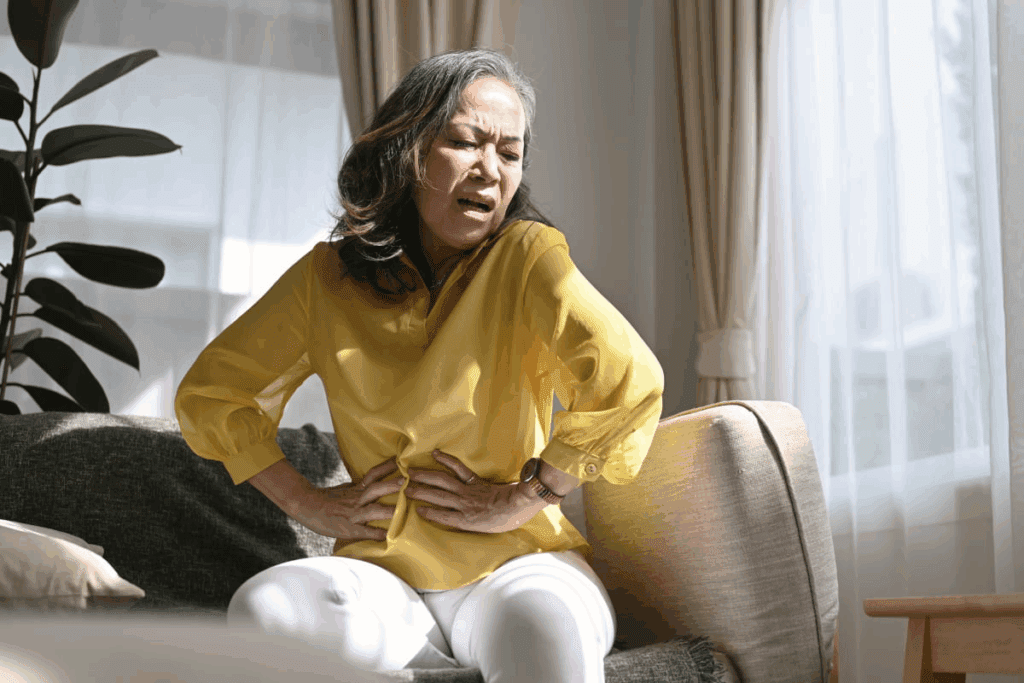
To understand gallstones, we need to know what they are made of and how they form. Gallstones are solid deposits that form in the gallbladder. Their makeup can change, affecting how they are treated and diagnosed.
What Are Gallstones Made Of?
Gallstones are mainly made of cholesterol or bilirubin. Cholesterol gallstones are yellowish-green and happen when bile has too much cholesterol. Pigment stones, which are smaller and darker, are made of bilirubin. They often show up in people with certain health issues.
How Do Gallstones Form?
Gallstones form when bile’s balance is off. Cholesterol gallstones occur when bile has too much cholesterol and not enough bile salts. Pigment stones form when there’s too much bilirubin in the bile. This can happen in people with hemolytic anemia or liver cirrhosis.
Risk Factors for Gallstone Development
Many things can make you more likely to get gallstones. These include metabolic syndrome, obesity, eating too much fat, and having a family history of gallstones. Knowing these risk factors helps prevent gallstones and catch them early.
| Risk Factor | Description | Impact on Gallstone Formation |
| Obesity | Excess body fat, mainly around the belly | Raises cholesterol in bile, increasing cholesterol gallstone risk |
| High-Fat Diets | Eating lots of saturated fats and cholesterol | Makes bile more supersaturated with cholesterol |
| Genetic Predisposition | Having a family history of gallstones | Makes you more likely to get gallstones |
Knowing about gallstones’ makeup and risk factors helps us prevent them. It also guides us to get the right medical care when needed.
The Importance of Blood Tests for Gallbladder Stones
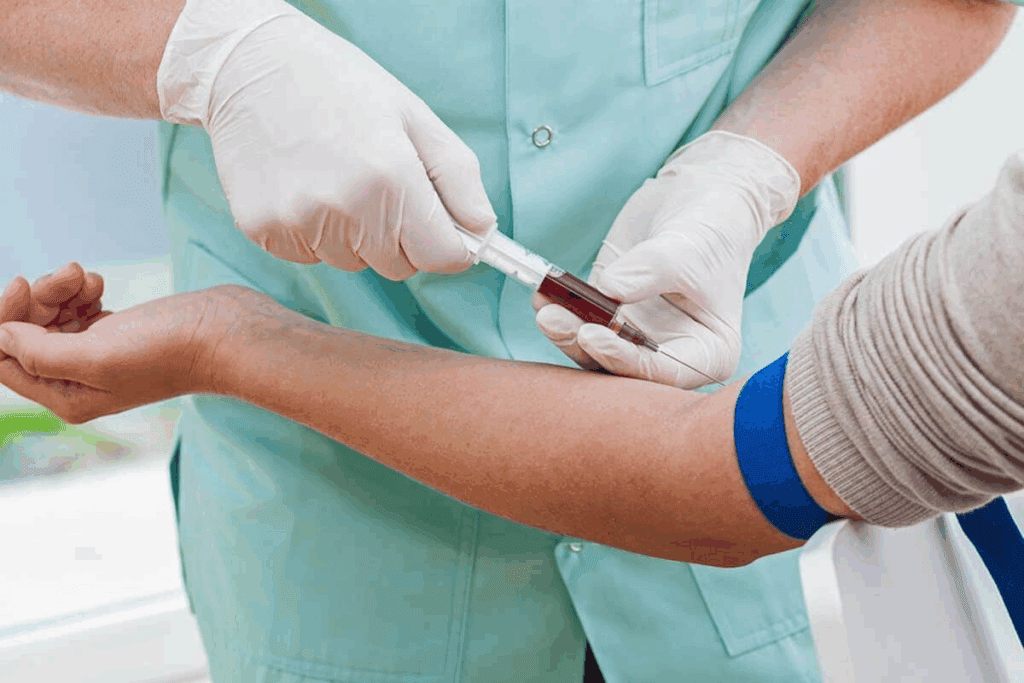
Blood tests are key in finding gallbladder stones. They check liver function and look for complications. These tests help spot problems that might mean gallstones are present.
Key Liver Enzymes Evaluated
Liver enzymes are proteins that help the liver work right. Gallstones can block or inflame the liver, raising certain enzyme levels. The main liver enzymes checked for gallstones are:
- GGT (Gamma-Glutamyl Transferase): High GGT levels can mean bile duct blockage or liver disease.
- ALP (Alkaline Phosphatase): High ALP levels often point to bile duct blockage.
- AST (Aspartate Aminotransferase) and ALT (Alanine Aminotransferase): These enzymes rise when liver cells get damaged.
Bilirubin Levels and Their Significance
Bilirubin is a yellow pigment made when hemoglobin breaks down. High bilirubin levels can mean bile duct blockage, like with gallstones. Blood tests check bilirubin levels to see if bile ducts are blocked.
| Liver Test | Normal Range | Significance of Elevated Levels |
| GGT | 0-40 U/L | Bile duct obstruction or liver disease |
| ALP | 30-120 U/L | Bile duct obstruction |
| AST | 0-35 U/L | Liver cell damage |
| ALT | 0-45 U/L | Liver cell damage |
| Bilirubin | 0.1-1.2 mg/dL | Bile duct obstruction |
When Blood Tests Support Diagnosis
Blood tests are very helpful when imaging results are unclear. They help see how severe gallbladder disease is. By looking at liver enzymes and bilirubin, doctors can understand gallstone presence and complications better.
In summary, blood tests are vital for diagnosing and treating gallbladder stones. They give important info on liver function and complications, helping doctors make the right treatment plans.
Common Symptoms of Gallstones
Knowing the signs of gallstones is key to getting help fast. We’ll look at the usual signs, like pain and digestive issues. This will help you know when to go to the doctor.
Abdominal Pain Characteristics
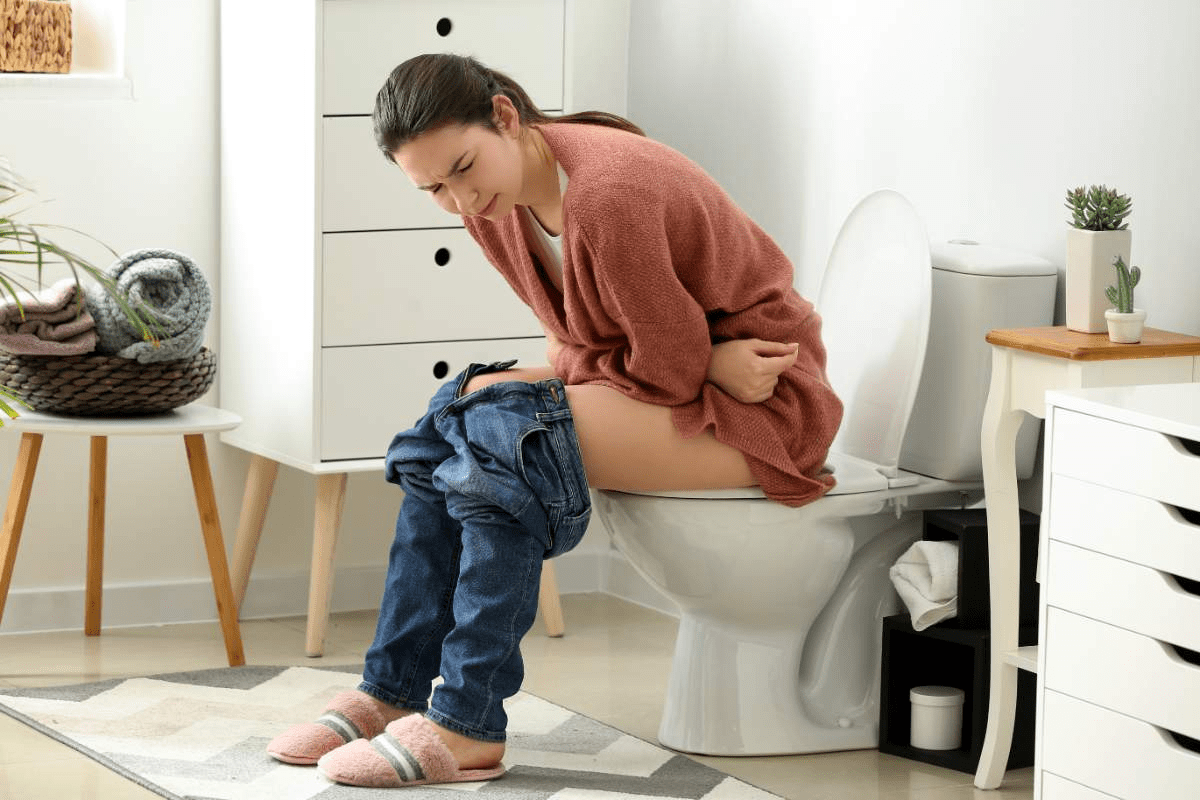
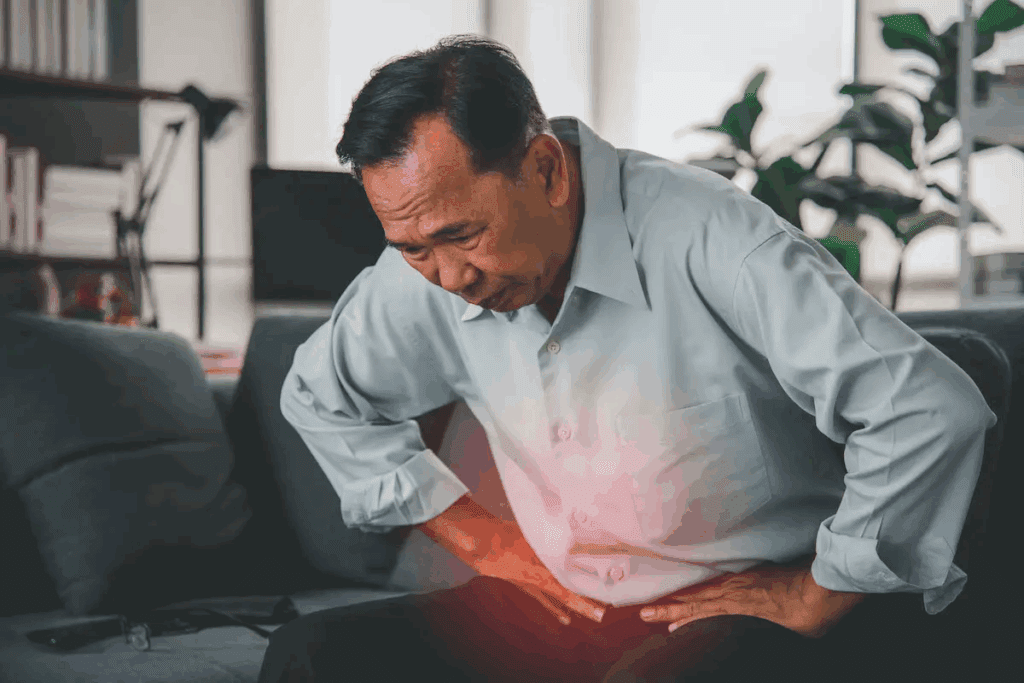
Gallstones can cause sharp, intermittent pain in the upper right belly. This pain might spread to the right shoulder or back. It often gets worse after eating fatty foods and can make you feel sick to your stomach.
Characteristics of biliary colic include:
- Severe, crampy pain in the upper right abdomen
- Pain that radiates to the right shoulder or back
- Pain triggered by fatty meals
- Associated nausea and vomiting
Digestive Symptoms
Gallstones can also lead to digestive problems. You might feel nauseous, vomit, or notice changes in your stool. Some people get bloated or uncomfortable after eating fatty or greasy foods.
“The presence of gallstones can lead to a range of digestive disturbances, making it essential to seek medical evaluation if symptoms persist or worsen.”
Here’s a table showing common digestive symptoms of gallstones:
| Symptom | Description |
| Nausea and Vomiting | Feeling queasy or vomiting, often after eating fatty meals |
| Bloating and Discomfort | Feeling uncomfortably full or swollen in the belly |
| Changes in Stool | Stool color or consistency changes, possibly due to bile duct blockage |
When to Seek Medical Attention
If you have severe pain, keep vomiting, or have fever and chills, see a doctor right away. Also, watch for jaundice, dark urine, or light-colored stools. These are signs you need urgent medical care.
Getting medical help quickly can prevent serious problems and ensure the right treatment for gallstones.
Where Is Pain Felt With Gallstones?
Knowing where gallstone pain is felt is key to figuring out what’s wrong. This pain usually shows up in the upper right part of the abdomen. It’s called biliary colic.
Typical Pain Locations in the Upper Right Abdomen
The pain from gallstones is mostly in the right upper part or the middle of the abdomen. The upper right abdomen is where most people feel gallstone pain. This pain can feel like a cramp and often happens after eating fatty foods.
Some people might feel pain spreading to other spots. Knowing where this pain goes can help doctors figure out if you have gallstones.
Radiation Patterns of Gallstone Pain
Gallstone pain can spread to other places, like:
- The back, between the shoulder blades
- The right shoulder
- The chest
This happens because the nerves for the gallbladder also cover other areas. It’s important to know these patterns to tell gallstone pain apart from other issues.
Distinguishing Gallstone Pain from Other Conditions
Telling gallstone pain from other belly problems can be hard. But, there are clues. For example, gallstone pain often comes on after eating fatty foods and can be quite bad. Other problems, like gastritis or ulcers, might have different causes and symptoms.
We need to think about these details when trying to find out why someone is in pain. Getting the right diagnosis is key to treating the problem.
Duration and Intensity of Gallstone Pain
Gallstone pain can be different in how long it lasts and how bad it feels. Knowing this helps manage pain and spot serious cases that need quick medical help.
How Long Does Gallstone Pain Last?
Gallstone pain, or biliary colic, can last from a few minutes to hours. It usually starts suddenly and can last from 30 minutes to several hours.
Biliary colic can last 30 minutes or more and might not get better with over-the-counter pain meds. The pain’s length isn’t just about the stone’s size. It’s more about if the stone is blocking the bile duct.
Factors Affecting Pain Intensity
Many things can change how bad gallstone pain feels. These include the stone’s size and where it is, if there’s an infection, and how much pain you can handle.
The pain can feel from mild to very sharp. Sometimes, it can be so bad that it causes an acute gallbladder attack. This is a serious situation that needs quick medical care.
Recognizing an Acute Gallbladder Attack
An acute gallbladder attack happens when a stone blocks the cystic duct. This causes severe pain and can be dangerous if not treated right away.
Symptoms of an acute gallbladder attack include very bad abdominal pain, fever, chills, and jaundice. If you have these symptoms, you must get medical help fast.
| Symptom | Description | Severity |
| Abdominal Pain | Pain in the upper right abdomen | Severe |
| Fever | Elevated body temperature | Varies |
| Jaundice | Yellowing of the skin and eyes | Indicates obstruction |
Can Gallstones Cause Sickness and Digestive Disturbances?
People with gallstones often feel sick and have digestive problems. These issues can really affect their daily life. Gallstones can block bile flow, causing different symptoms in the stomach.
Nausea and Vomiting with Gallstones
Nausea and vomiting are common in those with gallstones. These happen because the stones block bile ducts, messing with digestion. This can cause nausea and vomiting, often after eating fatty foods.
How bad these symptoms are can vary. Some might just feel a little sick, while others might throw up a lot. It’s important to notice these signs as they might mean you have gallstones.
Gallstones, Constipation, and Bloating
Gallstones can also lead to constipation and bloating. If gallstones mess with bile production or flow, it can upset digestion. This can make you feel uncomfortable.
- Constipation might happen because of changes in bile salts or less bile flow.
- Bloating can occur because fats aren’t digested well.
These symptoms can really lower your quality of life. If they keep happening, you should see a doctor.
Changes in Stool Appearance (Gallstone Poop)
Gallstones can also change how your stool looks, known as “gallstone poop.” If bile can’t flow right, your stool might look pale, clay-colored, or even float. This is because bile salts help digest fats.
Look out for these changes:
- Pale or clay-colored stools because of less bile pigment.
- Floating stools from not absorbing fats well.
Spotting these signs is key to finding out if you have gallstones. If you’re dealing with ongoing or serious digestive issues, see a doctor. They can help figure out what’s going on and how to fix it.
Serious Complications of Gallstones
Gallstones can block bile ducts, leading to serious issues. These problems can greatly affect a person’s life and need quick medical help.
Jaundice and Gallstones
Jaundice makes the skin and eyes turn yellow because of too much bilirubin. This happens when gallstones block the bile ducts. Jaundice is a critical warning sign that requires prompt medical evaluation.
Gallstone-Related Infections
Gallstones can cause infections by blocking the bile ducts. This leads to too many bacteria. Cholangitis, an infection of the bile duct, is serious. It needs immediate antibiotic treatment and possibly bile duct drainage.
Dark Urine and Itching as Warning Signs
When bile ducts are blocked, bilirubin builds up in the blood. This makes urine dark. Itching can also happen because of bile salts in the skin. These symptoms are indicative of a serious issue and warrant medical consultation.
Pancreatitis from Gallstones
Gallstones can move into the pancreatic duct and cause pancreatitis. This is an inflammation of the pancreas. It’s very painful and can be dangerous if not treated right away. Pancreatitis requires immediate medical attention to prevent further complications.
In conclusion, gallstones might not always cause symptoms. But, the complications can be severe. It’s important for patients to understand these risks and seek medical help quickly.
Managing Gallstone Pain and Symptoms
Managing gallstone pain is key to a better life for those affected. Gallstones can cause a lot of discomfort. Knowing how to handle this pain is very important.
Can I Take Ibuprofen for Gallbladder Pain?
Many people wonder if they can use ibuprofen for gallbladder pain. Ibuprofen is a common pain reliever found over-the-counter. It can help with mild to moderate pain. But, it’s important to remember that over-the-counter pain relievers may not work for biliary colic, which is severe pain from gallstones.
Doctors say ibuprofen can help with gallbladder pain. But, it’s important to only take the recommended amount. Always talk to a healthcare provider if the pain doesn’t get better or gets worse.
Other Pain Management Options
For severe gallstone pain, other options might be needed. These include:
- Prescription pain medications that are stronger than over-the-counter ones
- Antispasmodic medications to ease muscle spasms in the gallbladder
- In some cases, hospitalization may be needed for severe pain and complications
A healthcare provider will decide the best treatment based on your condition and medical history.
Dietary Adjustments During Flare-ups
Changing your diet is important for managing gallstone symptoms. During flare-ups, it’s best to:
- Avoid fatty or greasy foods that can trigger gallbladder contractions
- Choose a bland diet that’s easy on your digestive system
- Drink plenty of water to stay hydrated
As a medical expert says, “A low-fat diet can help lessen symptoms in patients with gallstones.”
“A low-fat diet can help lessen symptoms in patients with gallstones.”
By making these diet changes, you can reduce discomfort and lower the number of gallstone attacks.
The Process of Passing Gallstones and Common Misconceptions
Passing gallstones is hard and often hurts a lot. Many people have misconceptions that add to their stress. We’ll look at what happens when gallstones pass, debunk myths, and share the truth about natural remedies.
What Happens When Passing Gallstones
Passing gallstones can be very uncomfortable. It happens when a stone moves from the gallbladder into the bile ducts and then into the intestine. The pain, known as biliary colic, is sharp and usually felt in the upper right abdomen.
The pain’s intensity and how long it lasts can vary. Some people feel pain off and on, while others have it all the time. It’s important to know that passing gallstones can be natural, but you might need medical help if things get complicated.
Can You Feel Gallstones With Your Fingers?
Many think you can feel gallstones with your fingers. But, gallstones are inside the gallbladder, which you can’t feel through your belly. You might feel tenderness or pain in the upper right abdomen, but you can’t feel the stones themselves.
Doctors use ultrasound to find gallstones. This tool lets them see inside the gallbladder clearly, helping them find and check gallstones accurately.
Natural Remedies: Facts vs. Fiction
There are many natural remedies for gallstones. These include changing your diet, taking herbal supplements, and trying alternative therapies. Some people say these methods work, but it’s important to know what’s real.
Making healthy diet changes might help with symptoms. But, there’s not much scientific proof that these remedies can dissolve gallstones. Always talk to a doctor before trying any new treatments.
It’s key to rely on proven facts when looking at natural remedies for gallstones. While some might help, others might not work or could even harm you.
Preventing Gallstones Through Lifestyle Changes
Making smart choices about what you eat and how you exercise is key to avoiding gallstones. A healthier lifestyle can greatly lower your chance of getting gallstones.
Dietary Approaches to Gallstone Prevention
Eating a balanced diet is vital for preventing gallstones. Increasing fiber from fruits, veggies, and whole grains is good. Also, add healthy fats like nuts, seeds, and olive oil to your meals.
It’s also wise to cut down on certain foods. For example, eating less saturated and trans fats in processed and fried foods can help prevent gallstones.
| Dietary Component | Benefit |
| High Fiber Intake | Reduces risk by improving digestion |
| Healthy Fats | Stimulates gallbladder contraction |
| Low Saturated/Trans Fats | Decreases cholesterol concentration in bile |
Weight Management Strategies
Keeping a healthy weight is key to avoiding gallstones. Rapid weight loss can raise your risk, so aim for slow weight loss through diet and exercise.
Watch your calorie intake and eat a balanced diet to stay at a healthy weight. Regular health check-ups can also offer support and advice.
Exercise and Gallstone Risk
Regular exercise helps with weight control and lowers gallstone risk. Do moderate-intensity activities like brisk walking, cycling, or swimming for 150 minutes a week.
By making these lifestyle changes, you can actively prevent gallstones and boost your health.
Conclusion: When to Consult a Doctor About Gallstones
It’s important to know when to see a doctor about gallstones. If you have symptoms that don’t go away or get worse, you should get help.
Look out for fever, jaundice, or really bad stomach pain. These signs mean you might have a serious problem like an infection or pancreatitis. You need to see a doctor right away.
Think about how bad your symptoms are and how long they last. If you’re not sure or if they get worse, it’s time to see a doctor.
Learning about blood tests and symptoms can help you understand your situation better. Always talk to a healthcare professional for the best advice and care.
FAQ
What are gallstones made of?
Gallstones are mainly made of cholesterol or bilirubin. Knowing what gallstones are made of helps in preventing and managing them.
Can gallstones cause sickness and digestive disturbances?
Yes, gallstones can lead to nausea, vomiting, constipation, bloating, and changes in stool. It’s important to recognize these symptoms to diagnose and manage gallstones.
Where is pain felt with gallstones?
Pain from gallstones usually occurs in the upper right abdomen. It can also spread to the right shoulder or back. Knowing where and how pain spreads helps in identifying gallstone pain.
How long does gallstone pain last?
Gallstone pain can last from a few minutes to several hours. The pain’s intensity depends on the gallstone’s size and location.
Can I take ibuprofen for gallbladder pain?
Ibuprofen can help with mild to moderate gallbladder pain. But, always talk to a doctor before taking any medication for gallbladder pain.
Can you feel gallstones with your fingers?
No, you can’t feel gallstones with your fingers. They are usually diagnosed with imaging tests like ultrasound.
What are the serious complications of gallstones?
Serious complications include jaundice, infections, dark urine, itching, and pancreatitis. Knowing these complications is key for quick diagnosis and treatment.
How can gallstones be prevented?
Preventing gallstones involves lifestyle changes. This includes dietary changes, managing weight, and regular exercise. These steps can lower your risk of getting gallstones.
Do gallstones make you vomit?
Yes, gallstones can cause vomiting, often during an acute attack. Recognizing this symptom is important for timely medical help.
Can gallstones cause constipation and bloating?
Yes, gallstones can lead to constipation and bloating. Managing these symptoms is key to reducing discomfort and preventing further complications.
What is the significance of blood tests for gallbladder stones?
Blood tests can show liver enzyme levels and bilirubin. These are important for identifying complications from gallstones. Understanding these tests is vital for accurate diagnosis and treatment.
Can gallstones cause dark urine and itching?
Yes, gallstones can cause dark urine and itching. These are signs of possible complications. Recognizing these symptoms is important for getting medical help quickly.
References
Pietrangelo, A. (2024). Managing weight loss after gallbladder removal. Medical News Today. Retrieved from
https://www.medicalnewstoday.com/articles/317659
Dahmiwal, T., et al. (2024). Dietary considerations in cholecystectomy. Journal of Gastrointestinal Surgery, 28(5), 345-350. Retrieved from