Last Updated on December 1, 2025 by Bilal Hasdemir

Childhood leukemia is the most common cancer in kids. It affects about 4,000 children each year in the U.S. Knowing the risk factors is key for early detection and prevention. Guide to which parts of the Blood test for leukemia are diagnostic and how they are read.
Finding out who is at risk for childhood leukemia is important. It helps improve treatment results. Some factors make it more likely for someone to get this disease.
Key Takeaways
- Childhood leukemia affects approximately 4,000 children annually in the U.S.
- Understanding risk factors is key for early detection.
- Identifying individuals at risk improves treatment outcomes.
- Certain factors increase the likelihood of developing childhood leukemia.
- Early detection is vital for effective treatment.
Understanding Childhood Leukemia

Understanding childhood leukemia is important for early detection. This cancer affects the blood and bone marrow. It’s where abnormal white blood cells are made.
Definition and Types of Childhood Leukemia
Leukemia is a blood cancer with different types. Acute lymphoblastic leukemia (ALL) and acute myelogenous leukemia (AML) are two main types. ALL is the most common, making up about 80% of cases. AML is more aggressive and needs special treatment.
Prevalence and Statistics in the United States
In the U.S., leukemia is the top cancer in kids, with about 3,000 new cases yearly. The American Cancer Society says it affects kids under 15 at a rate of 4.5 per 100,000. Knowing these numbers helps us understand the risk and the importance of early detection.
Genetic Risk Factors for Childhood Leukemia

Genetic factors are key in childhood leukemia. Kids with certain genetic conditions face a higher risk of getting this disease.
Inherited Genetic Disorders
Inherited genetic disorders come from parents to kids through genes. Syndromes like Down syndrome and Li-Fraumeni syndrome raise the risk of leukemia. Down syndrome, for example, increases the risk of acute lymphoblastic leukemia (ALL) and acute myeloid leukemia (AML).
Family History and Genetic Predisposition
A family history of leukemia or cancers suggests a genetic risk. Studies show kids with a family history of leukemia are at higher risk.
Genetic Mutations Associated with Leukemia
Specific genetic mutations can lead to leukemia. These can happen by chance or be passed down. For instance, mutations in DNA repair genes can raise leukemia risk.
| Genetic Condition | Associated Leukemia Risk |
| Down Syndrome | Increased risk of ALL and AML |
| Li-Fraumeni Syndrome | Higher risk of various cancers, including leukemia |
| Genetic Mutations (e.g., in DNA repair genes) | Increased risk of leukemia due to impaired DNA repair |
Environmental Risk Factors
Exposure to radiation and chemicals can increase the risk of leukemia in kids. It’s important to know about these risks to prevent and catch it early.
Radiation Exposure
Ionizing radiation is a known risk for childhood leukemia. It can come from medical procedures and environmental pollution. High levels of radiation exposure raise the risk of leukemia.
Chemical Exposure
Certain chemicals, like benzene and pesticides, increase the risk of leukemia in kids. Children might get exposed through pollution or household use. Reducing exposure to harmful chemicals is key to lowering the risk.
Parental Occupational Exposures
Parents’ jobs can also affect the risk of leukemia in kids. For example, chemicals from work can expose kids at home. Knowing the risks of parental occupational exposures helps in reducing them.
Demographic Risk Factors
Demographic risk factors like age, gender, and ethnicity play a big role in childhood leukemia. Knowing these factors helps us spot kids at higher risk.
Age and Gender Considerations
Most kids get leukemia between 2 and 5 years old. Acute lymphoblastic leukemia (ALL) is the most common type in this age. Boys are a bit more likely to get leukemia than girls.
Racial and Ethnic Variations
Leukemia rates differ among racial and ethnic groups. For example, Hispanic kids have a higher risk of ALL than non-Hispanic white kids.
Socioeconomic Factors
Socioeconomic status also affects leukemia risk. Richer populations tend to have higher rates of the disease.
| Demographic Factor | Risk Characteristic |
| Age | Most common between 2-5 years |
| Gender | Boys are at slightly higher risk |
| Ethnicity | Higher incidence in Hispanic children |
| Socioeconomic Status | Higher incidence in more affluent populations |
Prenatal and Early Life Risk Factors
Looking into childhood leukemia means checking out prenatal and early life risks. Some things that happen before and after birth might raise the risk. Research shows that certain exposures in pregnancy and early childhood can affect leukemia risk.
Maternal Exposures During Pregnancy
Exposures during pregnancy, like smoking and chemicals, can up the risk of leukemia in kids. “Maternal smoking during pregnancy has been consistently linked to a higher risk of leukemia in children.” It’s key to stay away from harmful stuff during pregnancy to lower leukemia risk.
Birth Weight and Developmental Factors
Birth weight and developmental factors are also looked at for leukemia risk. Studies suggest high birth weight might be linked to higher leukemia risk. But, the exact reasons are not clear yet. More research is needed to understand these links.
Immune System Factors
The immune system plays a key role in fighting cancer. Its dysfunction can raise the risk of childhood leukemia. Research shows that immune function changes can impact the body’s cancer-fighting abilities.
Immune System Dysfunction
Immune system dysfunction means the immune system can’t fight diseases well. In childhood leukemia, this makes kids more likely to get the disease.
Previous Infections and Immune Response
Previous infections can change how the immune system responds. This might affect the risk of leukemia. Some studies suggest that certain infections could lead to leukemia by changing the immune system.
Immunodeficiency Disorders
Immunodeficiency disorders weaken the immune system. They are linked to a higher risk of cancers, including childhood leukemia.
| Immune System Factor | Description | Relation to Childhood Leukemia |
| Immune System Dysfunction | Compromised immune function | Increased susceptibility |
| Previous Infections | Alters immune response | Potential trigger for leukemia |
| Immunodeficiency Disorders | Weakens immune system | Increased cancer risk |
Blood Test for Leukemia: The Primary Diagnostic Tool
Diagnosing leukemia in children often starts with blood tests. These tests are key in finding out if the disease is present.
Complete Blood Count (CBC) Analysis
A Complete Blood Count (CBC) test checks many parts of the blood. It looks at red blood cells, white blood cells, and platelets. It’s a first step in finding leukemia.
What Abnormal Blood Counts Indicate
Abnormal blood counts might mean leukemia. These changes can show up in different ways.
White Blood Cell Abnormalities
Too many or too few white blood cells can point to leukemia. Leukemia makes the body produce bad white blood cells.
Red Blood Cell and Platelet Changes
Changes in red and platelet counts can also hint at leukemia. For example, fewer red blood cells (anemia) or platelets (thrombocytopenia) can happen when leukemia cells fill the bone marrow.
Blood Markers Specific to Childhood Leukemia
Some blood markers are special for childhood leukemia. They help doctors tell leukemia apart from other diseases with similar signs.
“The diagnosis of leukemia is complex and involves a combination of clinical evaluation, blood tests, and bone marrow examination.”
– Expert in Pediatric Hematology
Knowing about these blood markers is key for a correct diagnosis and treatment plan.
Advanced Blood Testing Methods for Leukemia Detection
Advanced blood tests are key in finding and diagnosing leukemia. These methods help doctors spot the disease and plan treatments. They have changed how we understand and treat leukemia.
Flow Cytometry Analysis
Flow cytometry is a top tool for leukemia diagnosis. It looks at blood cells’ physical and chemical traits. It finds special markers on leukemia cells, helping to pinpoint the type.
Blood Smear Examination
A blood smear is a classic way to spot leukemia. It involves looking at blood under a microscope. A skilled hematologist can spot changes in blood cells that point to leukemia.
Molecular and Genetic Testing
Molecular and genetic tests are vital for leukemia diagnosis. They find specific genetic changes linked to leukemia. Tests like PCR and FISH are used to spot these changes.
Bone Marrow Aspiration Following Blood Test Results
After odd blood test results, a bone marrow aspiration might be done. It takes a bone marrow sample for study. This test gives a clearer picture of leukemia’s spread, aiding in treatment choices.
Early Warning Signs in Blood Work
Spotting early signs in blood tests is key to catching leukemia in kids. Blood tests are a major tool for finding signs of leukemia.
Common Blood Test Abnormalities
Signs that might point to leukemia include low red blood cell count, high white blood cell count, and low platelet count. These can show up in a Complete Blood Count (CBC) test.
When to Suspect Leukemia from Blood Results
If blood tests keep showing odd results, like a very high white blood cell count or blast cells, think about leukemia. More tests, like bone marrow aspiration, might be needed to be sure.
Differentiating Leukemia from Other Conditions
To tell leukemia apart from other issues, look closely at blood test results and do more tests. For example, a blood smear examination can spot odd cells. Molecular and genetic testing can find specific leukemia genes.
| Blood Test Parameter | Normal Range | Abnormal Indication |
| White Blood Cell Count | 4,500-13,000 cells/μL | Elevated or abnormal cells |
| Red Blood Cell Count | 4.32-5.72 million cells/μL | Low count (anemia) |
| Platelet Count | 150,000-450,000 cells/μL | Low count (thrombocytopenia) |
The Diagnostic Process After Abnormal Blood Tests
When blood tests show something’s off, the next step is to confirm if it’s leukemia. This involves many tests to find out what’s wrong and how to fix it.
Follow-up Testing Procedures
After an abnormal blood test, several follow-up tests are done. These include:
- Bone Marrow Aspiration and Biopsy: To check the bone marrow for leukemia cells.
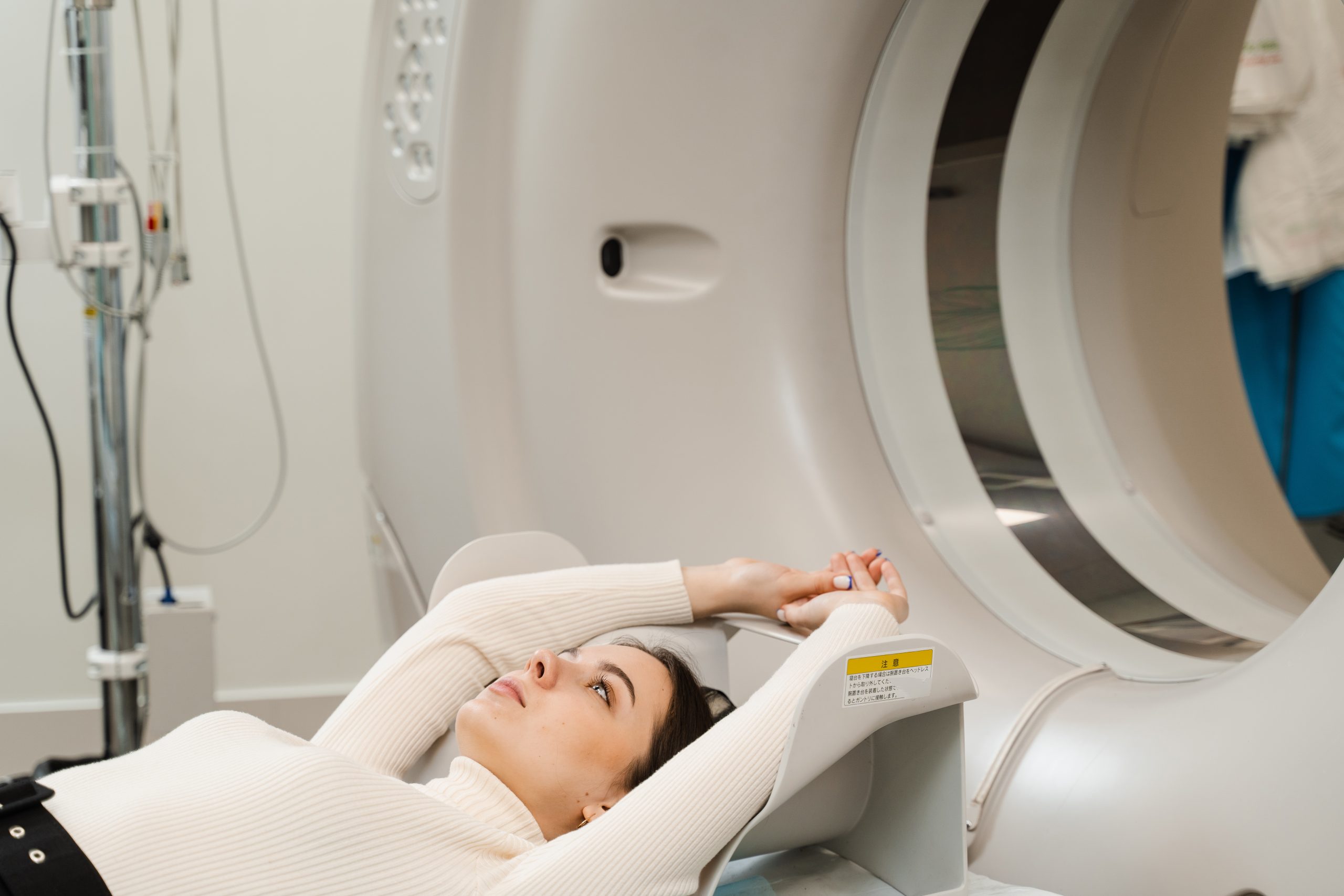
- Imaging Tests: Like X-rays, CT scans, or MRI scans to look for leukemia in other parts of the body.
- Lumbar Puncture: To see if there are leukemia cells in the spinal fluid.
Interpreting Complex Blood Test Results
Understanding blood test results can be tricky. It needs a specialist to tell if it’s leukemia or something else. A hematologist or oncologist looks at the results to decide what to do next.
Timeline from Blood Test to Diagnosis
The time from the first blood test to getting a diagnosis can vary. Usually, results come back in a few days. But more tests might be needed, making it take longer.
In conclusion, after abnormal blood tests, a detailed process of tests and evaluations is done. Knowing about this can help reduce worry and uncertainty when diagnosing leukemia.
The Importance of Early Detection
Early detection in childhood leukemia is very important. It’s key for effective treatment and better results.
Impact on Treatment Outcomes
Early detection of leukemia greatly improves treatment results. Kids diagnosed early have a better chance of successful treatment and survival. Timely intervention starts the right therapy early, lowering the risk of problems and bettering the outlook.
Screening Recommendations for High-Risk Children
Children with a family history of leukemia or genetic disorders are at high risk. Regular screening is advised for them to catch it early. Screening usually includes a complete blood count (CBC) during regular check-ups.
Regular Monitoring for Children with Risk Factors
Children with risk factors need regular checks. This means blood tests and visits to healthcare providers to watch for leukemia signs. Prompt action is taken if anything unusual is found, leading to quick diagnosis and treatment.
Understanding the value of early detection and following screening advice can lead to better treatment results for kids with leukemia.
Conclusion: Understanding Risk and Detection
It’s key to know the risks and how to find childhood leukemia early. This helps us be more aware and improve treatment results. By understanding genetic, environmental, and demographic risks, we can spot children who might be at higher risk.
Using blood tests and other tools early can really help. Regular checks on high-risk kids can catch leukemia early. This makes treatment more likely to succeed.
By knowing about risks and how to find leukemia, we can do better in treating it. This way, doctors can give better care to kids at risk. It leads to better health for them.
FAQ
What are the most common types of childhood leukemia?
The most common types of childhood leukemia are Acute Lymphoblastic Leukemia (ALL) and Acute Myeloid Leukemia (AML).
How is childhood leukemia diagnosed using blood tests?
Childhood leukemia is diagnosed using blood tests. These include Complete Blood Count (CBC) analysis. It can reveal abnormal blood counts and blood markers specific to leukemia.
What are the genetic risk factors associated with childhood leukemia?
Genetic risk factors include inherited genetic disorders and family history. Genetic mutations, like those in Down syndrome, also play a role.
Can environmental factors contribute to the development of childhood leukemia?
Yes, environmental factors like radiation and chemical exposure can contribute. So can parental occupational exposures.
How do demographic factors influence the risk of childhood leukemia?
Demographic factors like age, gender, and racial and ethnic variations affect the risk. Socioeconomic factors also play a role.
What is the role of prenatal and early life factors in the development of childhood leukemia?
Prenatal and early life factors, such as maternal exposures during pregnancy, may contribute. Birth weight is also a factor.
How do immune system factors contribute to the development of childhood leukemia?
Immune system factors, like immune system dysfunction, can contribute. Previous infections and immunodeficiency disorders also play a role.
What is flow cytometry analysis, and how is it used in leukemia diagnosis?
Flow cytometry analysis is a technique used to analyze cells in a blood sample. It helps diagnose leukemia by identifying abnormal cells.
What are the early warning signs in blood work that may indicate leukemia?
Early warning signs include abnormal blood counts. These include a high white blood cell count, low red blood cell count, or low platelet count.
How is leukemia differentiated from other conditions using blood tests?
Leukemia is differentiated by analyzing abnormal cell characteristics. This includes their morphology, immunophenotype, and genetic features.
What is the timeline from blood test to diagnosis for leukemia?
The timeline varies, but typically involves follow-up testing. This includes bone marrow aspiration to confirm the diagnosis.
Why is early detection of leukemia important?
Early detection is important because it can significantly impact treatment outcomes. Prompt treatment often leads to better survival rates and reduced morbidity.
What are the screening recommendations for high-risk children?
Screening recommendations include regular blood tests and monitoring. This is for those with a family history or genetic predisposition.
How can blood markers specific to childhood leukemia be used in diagnosis?
Blood markers specific to childhood leukemia can be used in diagnosis. They help identify the presence of leukemia cells.
What is the significance of leukemia detection through CBC and blood cell analysis?
Detection through CBC and blood cell analysis is significant. It allows for early identification of abnormal counts and markers. This facilitates prompt diagnosis and treatment.
References:
- American Cancer Society. (2024). Childhood leukemia: Risk factors and diagnosis. https://www.cancer.org/cancer/childhood-leukemia.html
- National Cancer Institute. (2023). Childhood acute lymphoblastic leukemia treatment (PDQ®)–patient version. https://www.cancer.gov/types/leukemia/patient/child-all-treatment-pdq