Last Updated on December 1, 2025 by Bilal Hasdemir
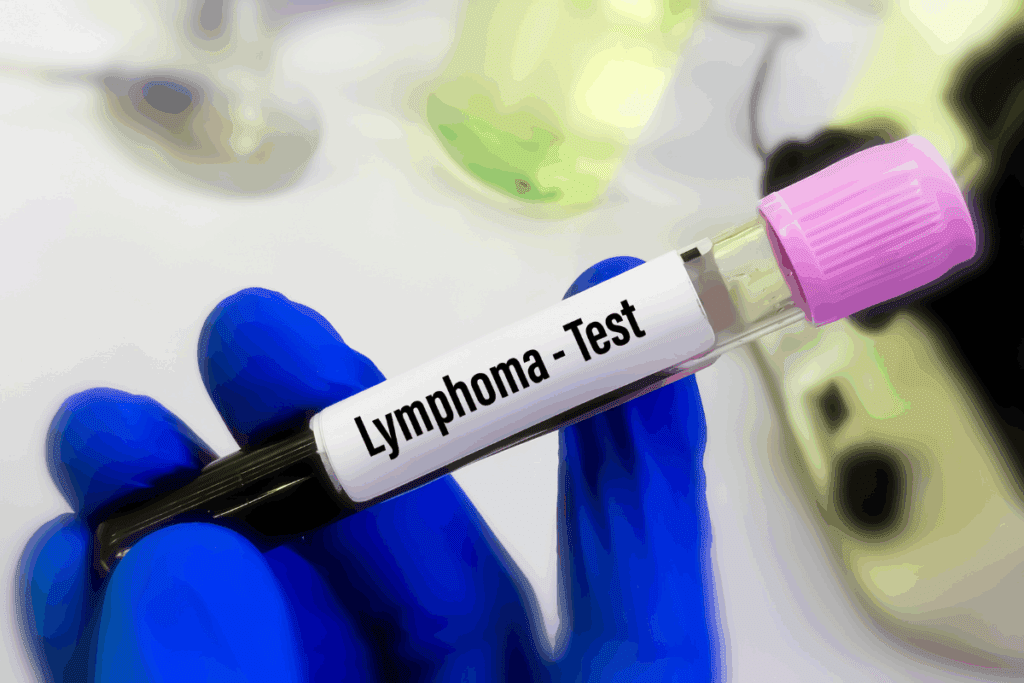
Nearly 80,000 people in the United States get lymphoma each year. It’s one of the most common cancers. Finding it early is key to treating it, and screening is important for early detection.
Blood tests are often the first step in finding lymphoma. These tests can spot abnormal cell counts and signs of cancer.
Key Takeaways
- Early detection is key in treating lymphoma.
- Blood tests are vital in finding lymphoma.
- Lymphoma screening helps doctors diagnose it.
- Abnormal cell counts can mean lymphoma.
- Screening helps find lymphoma early.
Understanding Lymphoma and the Role of Blood Tests
Lymphoma is a cancer that affects the lymphatic system. It’s diagnosed and monitored with blood tests that check how it changes blood components. The lymphatic system is key to our immune health. Lymphoma can harm it, causing many health problems.
What is Lymphoma and How it Affects Blood Components
Lymphoma starts from lymphocytes, important white blood cells. There are two main types: Hodgkin and non-Hodgkin lymphoma. Both can mess with blood cell production and function, showing up in blood tests.
The BCL2 gene is linked to lymphoma. Tests can find its abnormal expression. This can cause too many bad lymphocytes, messing up blood cell making.
Why Blood Tests are Important in Lymphoma Detection
Blood tests are key in finding and tracking lymphoma. They tell us about abnormal cells, how far the disease has spread, and if treatments are working.
| Blood Test | Purpose in Lymphoma Detection |
| Complete Blood Count (CBC) | Checks blood cell levels, like lymphocytes, for oddities. |
| Flow Cytometry | Looks at lymphocyte traits to spot cancer cells. |
| Lactate Dehydrogenase (LDH) Test | Tests LDH levels, which can rise in lymphoma. |
These tests, and others, are essential for diagnosing and managing lymphoma. They help doctors make the best choices for patient care.
Complete Blood Count (CBC) in Lymphoma Diagnosis

A Complete Blood Count (CBC) is a key tool in finding blood cell count issues. These issues might point to lymphoma.
The CBC test looks at red blood cells, white blood cells, and platelets. Knowing about these is key for diagnosing and tracking lymphoma.
Components of a CBC Test
A CBC test gives a detailed look at blood cell types. It checks:
- White Blood Cell (WBC) Count: A high WBC count might mean infection or inflammation. It could also hint at lymphoma.
- Red Blood Cell (RBC) Count: Odd RBC counts can show anemia or other issues linked to lymphoma.
- Platelet Count: Low or high platelet counts might be linked to lymphoma.
- Hemoglobin and Hematocrit: These show anemia, common in lymphoma patients.
- Differential Count: This looks at different WBC types. An odd differential count can suggest lymphoma.
Abnormal CBC Results That May Indicate Lymphoma
Odd CBC results can hint at lymphoma. Some signs include:
| Parameter | Normal Range | Abnormal Result | Possible Indication |
| WBC Count | 4,500-11,000 cells/μL | Elevated | Lymphoma or infection |
| RBC Count | 4.32-5.72 million cells/μL (men) | Low | Anemia |
| Platelet Count | 150,000-450,000 cells/μL | Low or High | Lymphoma or bone marrow issues |
| Lymphocyte Count | 20-40% of WBC | Abnormal morphology or count | Lymphoma |
| LDH Levels | 140-280 U/L | Elevated | Tissue damage or lymphoma |
While a CBC test can show problems, it’s not enough to confirm lymphoma. More tests, like biopsies and scans, are needed to be sure.
Blood Tests Lymphoma Patients Commonly Undergo
Blood tests are key in diagnosing, treating, and keeping an eye on lymphoma patients. They help check the patient’s health, find out the type of lymphoma, and see how the disease is doing or how it’s reacting to treatment.
Initial Screening Blood Tests
At first, blood tests help find lymphoma and check the patient’s health. These tests usually include:
- A Complete Blood Count (CBC) to check different blood cells.
- Blood chemistry tests to see how the liver and kidneys are doing.
- Lactate Dehydrogenase (LDH) levels, which can be high in lymphoma.
- Erythrocyte Sedimentation Rate (ESR) or C-Reactive Protein (CRP) to measure inflammation.
“Early detection through blood tests can significantly impact the treatment plan and outcome for lymphoma patients.”
Follow-up Blood Tests During Treatment
During treatment, blood tests are key to watch how the patient is doing and spot any side effects. They help doctors change the treatment plan if needed.
Regular blood tests during treatment can find problems like anemia, infection, or organ issues. They give important info on how the body is reacting to treatment.
Monitoring Tests for Lymphoma Survivors

After treatment, lymphoma survivors have regular tests to watch for signs of coming back and check their health. These tests may include:
- Periodic CBCs to check blood cell counts.
- Regular LDH level checks to watch for possible recurrence.
- Imaging tests, which may be with blood tests to check overall health.
As a leading oncologist said,
“Regular follow-up care is essential for lymphoma survivors to ensure early detection of any possible issues.”
Knowing how blood tests help in diagnosing, treating, and following up on lymphoma is important. It helps patients understand their journey better and work with their healthcare team for the best results.
Lymphocyte Analysis and Flow Cytometry
The diagnosis of lymphoma often relies on flow cytometry. This technique examines lymphocytes for abnormal characteristics. It’s key for identifying and characterizing the cells involved in lymphoma.
How Flow Cytometry Identifies Abnormal Lymphocytes
Flow cytometry analyzes lymphocytes by detecting specific proteins on their surface. These proteins are called cluster of differentiation (CD) markers. They help differentiate between various lymphocyte populations and identify abnormal cells that may be indicative of lymphoma.
The process involves labeling lymphocytes with fluorescent antibodies that bind to specific CD markers. Then, the labeled cells are passed through a flow cytometer. It measures the fluorescence intensity and other characteristics of the cells. This information is used to identify and quantify different lymphocyte populations.
Interpreting Flow Cytometry Results
Interpreting flow cytometry results requires expertise. It involves analyzing complex data to identify patterns indicative of lymphoma. The results can reveal the presence of abnormal lymphocytes with distinctive CD marker profiles.
A key aspect of interpretation is comparing the observed CD marker patterns with known profiles associated with different types of lymphoma. This comparison helps in diagnosing the specific type of lymphoma and guiding treatment decisions.
Accuracy of Flow Cytometry in Lymphoma Detection
Flow cytometry is highly accurate in detecting lymphoma, when combined with other diagnostic tests. Its ability to analyze individual cells provides detailed information about the lymphocyte populations present in a sample.
The accuracy of flow cytometry in lymphoma detection is attributed to its sensitivity in identifying small populations of abnormal lymphocytes. This sensitivity is key for early diagnosis and monitoring treatment response.
LDH Levels and Their Significance in Lymphoma
Lactate dehydrogenase (LDH) levels are key in understanding lymphoma’s prognosis and progression. LDH is an enzyme in almost all living cells. Its levels rise when cells are damaged or destroyed.
High LDH levels often mean a big tumor burden, aggressive disease, or fast cell growth. These are common in many lymphomas. Knowing about LDH levels is important for diagnosing and planning treatment.
What Elevated LDH Levels Indicate
High LDH levels in lymphoma patients usually mean aggressive disease or a large tumor load. This is because lymphoma cells release LDH into the blood as they grow or die.
Elevated LDH levels have been associated with:
- Poor prognosis
- Advanced disease stage
- High-grade lymphoma
- Rapid disease progression
A study found that high LDH levels at diagnosis are linked to worse survival in lymphoma patients.
“LDH is a widely available and inexpensive marker that can provide valuable prognostic information.”
LDH as a Prognostic Marker
LDH is a key prognostic marker in lymphoma. It helps doctors predict outcomes and plan treatments. Patients with high LDH levels often need more intense treatments.
LDH’s prognostic value is often combined with other factors, like the International Prognostic Index (IPI), to group patients by risk.
Normal vs. Abnormal LDH Ranges
Normal LDH levels are usually between 140 to 280 U/L. This range can slightly vary by lab and assay. Levels above this are considered high.
| LDH Level | Interpretation |
| Within normal range | Typically indicates a lower tumor burden or less aggressive disease |
| Elevated | May indicate a higher tumor burden, aggressive disease, or rapid cell turnover |
It’s important for healthcare providers to understand LDH levels and their role in lymphoma diagnosis and prognosis. This helps make better decisions for patient care.
Blood Smear Analysis for Lymphoma Detection
Blood smear analysis is key in finding lymphoma. It gives important clues about lymphoma cells.
What Pathologists Look for in a Peripheral Blood Smear
A peripheral blood smear lets pathologists see blood cells under a microscope. They look for abnormal lymphocyte morphology. This means checking for size, shape, and how dense lymphocytes are.
They also check the blood’s cell mix. They look for anemia, which might hint at lymphoma. An anemia lymphoma test helps figure out why someone has anemia, possibly linked to lymphoma.
Abnormal Lymphocyte Morphology in Lymphoma
Lymphoma cells can look very different. They might be big, have odd shapes, or have big nucleoli. They can also have too little or too much cytoplasm. Seeing these odd cells in a blood smear might mean lymphoma, if the cells are in the blood.
Pathologists look closely at the blood smear. They try to spot these odd cells and tell them apart from other diseases that might look like lymphoma.
Limitations of Blood Smear Analysis
Even though blood smear analysis is helpful, it has its limits. Not all lymphomas show up in the blood. This makes it hard to diagnose lymphoma just by looking at blood smears in some cases.
Also, other diseases can make lymphocytes look abnormal too. So, blood smear analysis is usually part of a bigger set of tests to confirm lymphoma.
Inflammatory Markers: ESR and CRP Tests
Inflammation is a key part of lymphoma. Tests like ESR and CRP help measure this. Lymphoma, a cancer of the immune system, causes chronic inflammation. Knowing about inflammatory markers is key for diagnosing and treating the disease.
How Inflammation Relates to Lymphoma
Inflammation is the body’s way of reacting to injury or infection. In lymphoma, inflammation comes from the cancer itself. ESR (Erythrocyte Sedimentation Rate) and CRP (C-Reactive Protein) are tests for measuring inflammation.
Lymphoma can make inflammatory markers go up. These markers are not just for lymphoma but also for other conditions. Yet, in lymphoma, they tell us about the disease’s activity and how the body is responding.
Interpreting Elevated Inflammatory Markers
High ESR and CRP levels mean there’s inflammation. In lymphoma patients, these high levels show how active the disease is and what the prognosis might be. It’s important to look at these markers with other tests and clinical findings.
| Marker | Normal Range | Elevated Levels Indication |
| ESR | 0-20 mm/hr | Inflammation, infection, or cancer |
| CRP | <10 mg/L | Inflammation, infection, or cardiovascular disease |
ESR Test Specificity for Lymphoma
The ESR test isn’t just for lymphoma. High ESR levels can mean many things, like infections, autoimmune diseases, or other cancers. But in lymphoma, a high ESR can show how active the disease is and has been used to predict outcomes.
It’s important to know how to use ESR and CRP tests in lymphoma diagnosis and treatment. These tests, along with others, give a better picture of the disease.
Protein Electrophoresis and Immunoglobulin Levels
Protein electrophoresis is a key tool for finding monoclonal proteins linked to lymphoma. It separates blood proteins by size and charge. This helps spot odd immunoglobulin levels.
Immunoglobulins, or antibodies, come from B lymphocytes. In lymphoma, like multiple myeloma or Waldenström’s macroglobulinemia, these proteins can go wrong.
Detecting Monoclonal Proteins
Monoclonal proteins are odd antibodies made by one B cell clone. Protein electrophoresis finds these proteins, linked to B cell disorders.
These proteins hint at lymphoma. The test shows the protein type and amount, key for diagnosis and tracking.
Immunoglobulin Abnormalities in Lymphoma
In lymphoma, there’s often too much of one antibody type. This can cause problems like hyperviscosity syndrome.
Knowing the antibody type and amount is vital for treating lymphoma right.
Interpreting Protein Electrophoresis Results
Reading protein electrophoresis results needs skill. The results are a graph of protein fractions.
| Protein Fraction | Normal Range | Abnormal Indication |
| Albumin | 3.5-5.5 g/dL | Low levels may indicate inflammation or liver disease |
| Alpha-1 Globulin | 0.1-0.3 g/dL | Elevated levels may indicate inflammation or infection |
| Gamma Globulin | 0.7-1.7 g/dL | Monoclonal spike may indicate lymphoma or multiple myeloma |
A spike in gamma globulin suggests lymphoma or multiple myeloma.
Knowing about protein electrophoresis helps doctors diagnose and treat lymphoma better.
Accuracy and Sensitivity of Lymphoma Blood Tests
It’s key to know how accurate lymphoma blood tests are. Lymphoma is a complex cancer that needs precise tests for the right treatment. Blood tests are important, but their results can be affected by many things.
Factors Affecting Blood Test Reliability
Several things can change how reliable lymphoma blood tests are. These include:
- The stage of lymphoma at the time of testing
- The presence of other medical conditions that may affect blood cell counts
- The specific type of lymphoma
- Laboratory variations in testing procedures
For example, some lymphomas might not show up in blood tests early on. This can lead to false negatives. On the other hand, other conditions can make blood cell counts look abnormal, causing false positives.
| Factor | Impact on Test Accuracy |
| Stage of Lymphoma | Early stages may not be detectable, leading to false negatives |
| Other Medical Conditions | Can cause abnormal blood cell counts, leading to false positives |
| Type of Lymphoma | Some types are more detectable than others through blood tests |
| Laboratory Variations | Different labs may have varying levels of sensitivity and specificity |
Sensitivity vs. Specificity in Lymphoma Testing
Sensitivity and specificity are key in judging lymphoma blood tests. Sensitivity means a test can find those with lymphoma. Specificity means it can find those without it.
“A highly sensitive test will catch most cases of lymphoma, but may result in false positives. A highly specific test will accurately rule out lymphoma in most cases, but may miss some actual cases.”
Finding the right balance between sensitivity and specificity is vital. Tests with high sensitivity but low specificity can cause unnecessary worry. Tests with high specificity but low sensitivity might miss cases, delaying treatment.
Combining Tests for Better Diagnostic Accuracy
Healthcare providers often use more than one test to improve accuracy. This approach helps overcome the limitations of single tests and gives a clearer picture of a patient’s health.
For example, using a Complete Blood Count (CBC) with flow cytometry and LDH level tests can give better insights into lymphoma. This multi-test approach helps in detecting and monitoring the disease more effectively.
| Test Combination | Diagnostic Benefit |
| CBC + Flow Cytometry | Improved detection of abnormal lymphocytes |
| LDH Levels + CBC | Enhanced assessment of lymphoma activity and progression |
| Protein Electrophoresis + Immunoglobulin Levels | Better identification of monoclonal proteins indicative of lymphoma |
By understanding the strengths and weaknesses of lymphoma blood tests and using them together, healthcare providers can improve diagnosis. This leads to more targeted care for patients.
Bone Marrow Testing and Its Relationship to Blood Tests
Diagnosing lymphoma often involves blood tests and bone marrow tests. Blood tests can show if lymphoma is present. But, bone marrow tests give a clearer picture of the disease’s spread and type.
When Bone Marrow Biopsy Is Necessary
A bone marrow biopsy is key for a sure lymphoma diagnosis. This test takes a small bone marrow sample for study. It shows if lymphoma cells are in the marrow and how much.
Indications for a bone marrow biopsy include:
- Abnormal blood test results suggesting lymphoma
- Symptoms like swollen lymph nodes or spleen
- Need for staging the disease
How Blood Tests Complement Bone Marrow Findings
Blood tests and bone marrow biopsies work together. A bone marrow biopsy shows lymphoma cells directly. Blood tests, on the other hand, show how the disease affects the body overall.
Blood tests can show:
- Elevated lactate dehydrogenase (LDH) levels, indicating cell turnover
- Abnormal lymphocyte counts or morphology
- Presence of specific proteins or markers associated with lymphoma
Interpreting Combined Blood and Bone Marrow Results
Together, blood tests and bone marrow biopsies give a full view of lymphoma. This helps doctors diagnose, stage, and plan treatment.
| Diagnostic Tool | Information Provided | Clinical Utility |
| Blood Tests | LDH levels, lymphocyte count, protein markers | Indicates disease presence, monitors treatment response |
| Bone Marrow Biopsy | Presence of lymphoma cells, extent of marrow involvement | Confirms diagnosis, aids in staging |
| Combined Results | Comprehensive disease assessment | Guides treatment decisions, prognosis |
By using both tests, doctors can make a better treatment plan for lymphoma patients.
Differentiating Lymphoma from Other Blood Disorders
Blood disorders need precise tests to tell lymphoma apart from others like leukemia. Blood tests are key in diagnosing lymphoma. They help doctors tell it apart from other blood cancers and diseases.
Leukemia vs. Lymphoma Blood Test Results
Leukemia and lymphoma are blood cancers, but they start in different places. Leukemia begins in the bone marrow, and lymphoma starts in the lymphatic system. Blood tests show unique markers and changes that help tell them apart.
| Blood Test Parameter | Leukemia Indicators | Lymphoma Indicators |
| White Blood Cell Count | Elevated, often with blasts | Variable, may be normal or slightly elevated |
| Lymphocyte Count | Often decreased | May be elevated or abnormal |
| LDH Levels | Often elevated | Can be elevated, specially in aggressive forms |
Other Conditions That Mimic Lymphoma in Blood Tests
Other conditions can look like lymphoma in blood tests, like infectious mononucleosis and autoimmune diseases. Getting an accurate diagnosis means looking closely at blood test results and the patient’s symptoms. Other tests might also be needed.
Key Differentiating Factors in Blood Work
Several important factors in blood tests help tell lymphoma apart from other disorders. These include specific cell markers, the shape of lymphocytes, and certain protein and enzyme levels. Knowing these details is key for the right diagnosis and treatment plan.
Emerging Blood-Based Biomarkers for Lymphoma
New biomarkers are changing how we diagnose lymphoma, bringing hope for early detection. Advances in medical tech have led to better, less invasive diagnostic methods.
Circulating Tumor DNA Testing
Circulating tumor DNA (ctDNA) testing is a new method. It analyzes DNA from cancer cells in the blood. This technique could help find lymphoma early and track how well treatments work.
Benefits of ctDNA Testing:
- Non-invasive, needing only a blood sample
- Can spot genetic changes linked to lymphoma
- Helps track how the disease changes and how treatments do
A recent study found ctDNA analysis is useful for checking tumor size and treatment success in lymphoma patients.
“Liquid biopsies, through the analysis of ctDNA, are revolutionizing the way we diagnose and monitor cancers, including lymphoma.”
Microarray and Next-Generation Sequencing
Next-generation sequencing (NGS) and microarray tech are also being looked at for lymphoma diagnosis. They let us deeply analyze genetic material. This helps find specific mutations and gene activity linked to lymphoma.
| Technology | Application in Lymphoma Diagnosis |
| Next-Generation Sequencing (NGS) | Comprehensive genetic analysis to identify mutations |
| Microarray Analysis | Gene expression profiling to classify lymphoma subtypes |
Future Directions in Blood-Based Lymphoma Detection
The future of lymphoma diagnosis will likely mix new biomarkers with advanced tech. As research grows, we’ll see more precise and tailored diagnostic methods.
By using new blood-based biomarkers, doctors will be able to diagnose lymphoma more accurately and quickly. This will lead to better patient care.
Conclusion: Understanding the Role of Blood Tests in Lymphoma Diagnosis
Blood tests are key in finding and managing lymphoma. They help doctors spot signs of the disease. Tests like the Complete Blood Count (CBC) and lymphocyte analysis are used to find these signs.
Understanding blood tests for lymphoma is important. Doctors use these tests along with other findings to diagnose and track the disease. This helps improve how well patients do.
Screening tests, including blood tests, are vital for catching lymphoma early. New blood-based biomarkers are being studied. They could make diagnosing and treating lymphoma even better.
FAQ
What blood tests are used to diagnose lymphoma?
To diagnose lymphoma, doctors use several blood tests. These include the Complete Blood Count (CBC), flow cytometry, LDH levels, blood smear analysis, and protein electrophoresis.
How does a CBC test help in diagnosing lymphoma?
The CBC test looks at different parts of the blood. It checks the white blood cell count, red blood cell count, and platelet count. If these numbers are off, it might mean lymphoma.
What is the significance of LDH levels in lymphoma diagnosis?
High LDH levels can point to lymphoma. They are also used to see how the disease is progressing.
How does flow cytometry help in diagnosing lymphoma?
Flow cytometry looks at lymphocytes closely. It finds any oddities that could mean lymphoma. This helps doctors diagnose and understand the disease better.
Can blood smear analysis detect lymphoma?
Blood smear analysis can spot odd lymphocyte shapes that might mean lymphoma. But, it’s not always reliable on its own. It’s usually used with other tests.
What is the role of inflammatory markers like ESR and CRP in lymphoma?
High ESR and CRP levels can show inflammation linked to lymphoma. Yet, these markers aren’t specific to the disease.
How does protein electrophoresis help in diagnosing lymphoma?
Protein electrophoresis finds abnormal proteins and immunoglobulins. These can hint at lymphoma.
What factors affect the reliability of lymphoma blood tests?
The reliability of lymphoma blood tests depends on their sensitivity, specificity, and how they’re used together.
How do blood tests differentiate lymphoma from other blood disorders?
Blood tests can tell lymphoma apart from other conditions like leukemia. They look for specific markers and traits.
What are emerging blood-based biomarkers for lymphoma?
New biomarkers include tests for circulating tumor DNA, microarray, and next-generation sequencing. They might make diagnosing lymphoma better.
How do bone marrow tests relate to blood tests in lymphoma diagnosis?
Bone marrow tests add to what blood tests show. They give a fuller picture of the disease. Often, they’re needed for a clear diagnosis.
Can lymphoma be detected through a blood test alone?
Blood tests are key in diagnosing lymphoma. But, a mix of tests, including bone marrow biopsy and imaging, is usually needed for a sure diagnosis.
Reference
- Holl, E., Kapinsky, M., & Larbi, A. (2024). An update on flow cytometry analysis of hematological malignancies: Focus on standardization. Diagnostics, 14(2), 410. https://www.ncbi.nlm.nih.gov/pmc/articles/PMC12190783/