Last Updated on November 25, 2025 by Ugurkan Demir
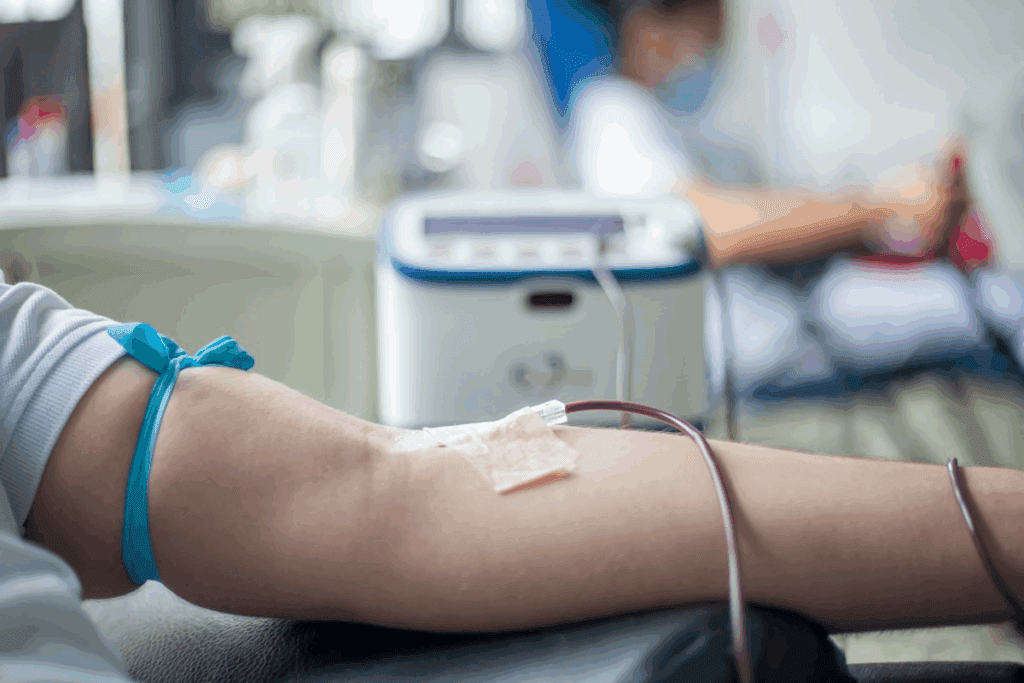
At Liv Hospital, we know how vital anticoagulant medications are. They help prevent strokes, heart attacks, and pulmonary embolisms. For people with certain health issues, the right blood thinner can save their life.
Finding the right blood thinner can be tough. That’s why we offer full care and support at Liv Hospital. In this article, we’ll cover the key facts about anticoagulant and antiplatelet medications. We’ll talk about their types, uses, and examples.
It’s important to understand how anticoagulant medications work in blood clot treatment. We aim to give you the knowledge to make smart choices about your health.
Key Takeaways
- Anticoagulant medications prevent blood clots from forming or growing.
- There are two main categories of blood thinners: anticoagulants and antiplatelets.
- Understanding the different types of blood thinners is key for effective management.
- Liv Hospital offers full care and support for patients needing blood thinners.
- Choosing the right blood thinner can be life-saving for those with certain health conditions.
What Blood Thinners Actually Do in Your Body

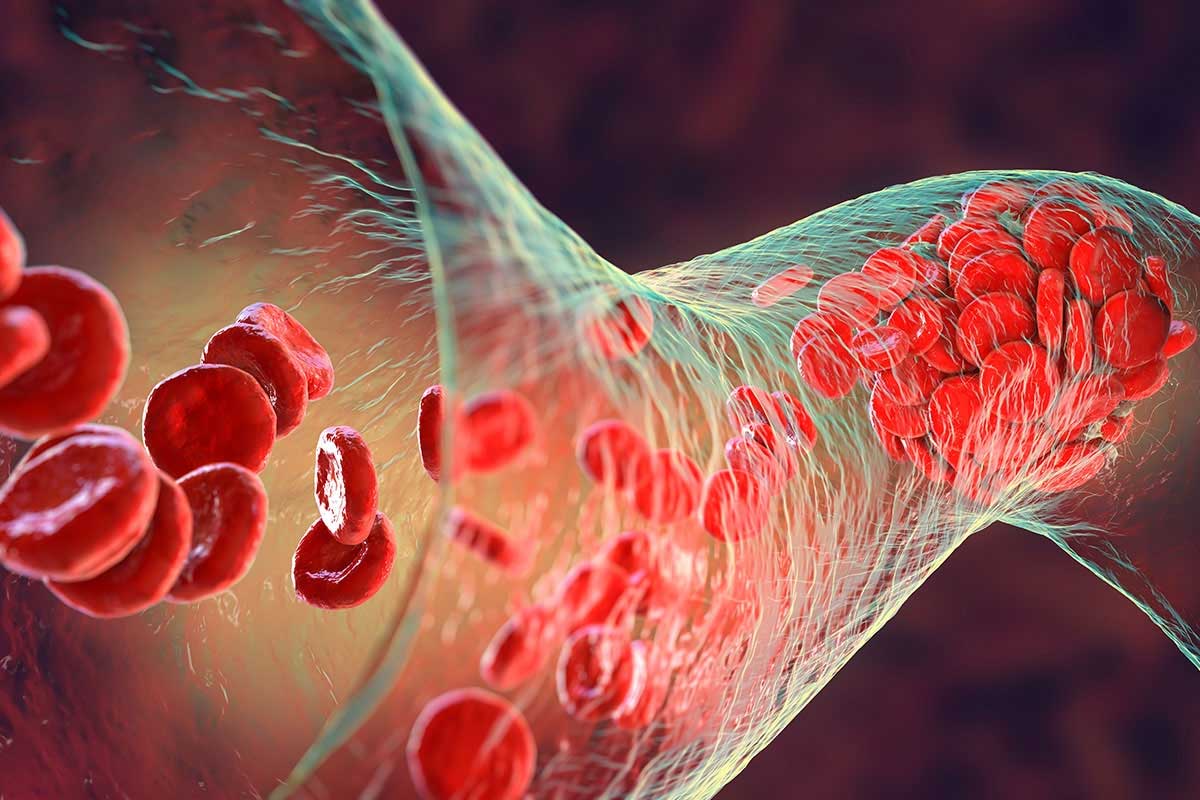
The term ‘blood thinner’ might be misleading; let’s explore what these medications actually do in the body. Blood thinners are often prescribed to prevent the formation of blood clots or to stop existing clots from getting bigger. They are key in managing and preventing conditions such as strokes, heart attacks, and deep vein thrombosis.
The Misnomer of “Blood Thinning”
Blood thinners don’t actually thin the blood; instead, they interfere with the body’s clotting mechanisms. This interference prevents the formation of new clots or the growth of existing ones. The term “blood thinner” is a misnomer because it suggests that these medications make the blood less viscous. In reality, they work by inhibiting the factors that lead to clot formation.
How These Medications Affect Clotting Mechanisms
Blood clotting is a complex process involving multiple clotting factors. Blood thinners work by targeting specific factors in this process. For instance, anticoagulants like warfarin inhibit the production of vitamin K-dependent clotting factors, while antiplatelets like aspirin prevent platelets from aggregating. By understanding how these medications affect clotting mechanisms, we can better appreciate their role in preventing thrombotic events.
“The use of anticoagulants has revolutionized the management of thromboembolic disorders, significantly reducing the risk of stroke and other cardiovascular events.”
Dr. John Smith, Cardiologist
The Importance of Blood Clotting Balance
Maintaining a balance in blood clotting is key. Too little clotting can lead to bleeding complications, while too much clotting can result in thrombotic events. Blood thinners help achieve this balance by preventing excessive clot formation. This requires careful monitoring and dosing to avoid adverse effects.
| Clotting Factor | Effect of Blood Thinners | Clinical Implication |
| Vitamin K-dependent factors | Inhibited by anticoagulants like warfarin | Reduced risk of thrombosis |
| Platelet aggregation | Inhibited by antiplatelets like aspirin | Prevention of platelet clots |
| Clot formation | Prevented by both anticoagulants and antiplatelets | Reduced risk of cardiovascular events |
By understanding how blood thinners work and their effects on the body, patients can better manage their conditions and adhere to their treatment plans. It’s essential to work closely with healthcare providers to monitor the effects of these medications and adjust dosing as necessary.
The Two Major Categories of Blood Thinners

The world of blood thinners is split into two main groups: anticoagulants and antiplatelets. Each group has its own role. It’s important for patients to understand their treatment and for doctors to make the right choices.
Anticoagulants: The Primary Blood Clot Preventers
Anticoagulants stop the clotting cascade from happening. This prevents new clots and stops existing ones from growing. Warfarin and apixaban are examples. They work by blocking different parts of the clotting process.
Antiplatelets: Preventing Platelet Aggregation
Antiplatelets, on the other hand, stop platelets from sticking together. Aspirin and clopidogrel are well-known for this. They are often given to people at risk of heart attack or stroke.
Key Differences in Mechanism and Application
The main difference between anticoagulants and antiplatelets is how they work and when they’re used. Anticoagulants are for people with atrial fibrillation or at risk of deep vein thrombosis. Antiplatelets are for those with coronary artery disease.
Why Doctors Prescribe Blood Thinners: Medical Conditions and Indications
Doctors give blood thinners to patients with certain health issues. These issues raise the chance of blood clots. If not treated, they can cause serious health problems.
Atrial Fibrillation and Stroke Prevention
Atrial fibrillation (AFib) is a heart issue with an irregular beat. It raises the risk of blood clots in the heart. These clots can go to the brain, causing a stroke.
Blood thinners help patients with AFib. They stop clots from forming. This lowers the chance of stroke and keeps the brain safe.
Deep Vein Thrombosis (DVT) and Pulmonary Embolism
Deep Vein Thrombosis (DVT) is a blood clot in a deep vein, usually in the legs. If it breaks loose, it can go to the lungs. This is a serious condition called pulmonary embolism.
Blood thinners treat DVT. They stop the clot from getting bigger and prevent new ones. This reduces the risk of pulmonary embolism.
Post-Surgical Clot Prevention
After surgery, patients are at risk of blood clots because they don’t move much. Blood thinners are given to prevent this. They help ensure a smooth recovery, even after big surgeries.
Heart Valve Replacements and Other Cardiac Conditions
People with heart valve replacements need blood thinners to stop clots on the artificial valve. Clots can cause serious problems like stroke and valve failure. Other heart conditions may also need blood thinners to prevent clotting.
| Medical Condition | Risk | Role of Blood Thinners |
| Atrial Fibrillation | Stroke | Prevent clot formation |
| Deep Vein Thrombosis (DVT) | Pulmonary Embolism | Treat DVT, prevent new clots |
| Post-Surgical State | Clot formation | Prevent clots during recovery |
| Heart Valve Replacement | Clot on artificial valve | Prevent clot formation on valve |
Common Anticoagulant Medications: Types and Examples
Anticoagulant medications are used to prevent blood clots. They come in different types and forms. These drugs are key in treating and preventing heart and blood vessel problems.
Vitamin K Antagonists: Warfarin (Coumadin)
Vitamin K antagonists stop vitamin K from helping the liver make clotting factors. Warfarin (Coumadin) is a well-known example. It’s used to stop blood clots and strokes in people with certain heart conditions.
Using warfarin means checking your blood often. This is to make sure it’s not too thin or too thick. The doctor will adjust the dose based on these tests.
Direct Oral Anticoagulants (DOACs)
DOACs are newer and easier to use than warfarin. They include apixaban (Eliquis), rivaroxaban (Xarelto), dabigatran (Pradaxa), and edoxaban (Lixiana/Savaysa). They work by stopping key parts of the clotting process.
DOACs are good at preventing strokes in people with atrial fibrillation. They are also easier to manage than warfarin.
Parenteral Anticoagulants: Heparin and Low Molecular Weight Heparins
Parenteral anticoagulants are given by injection. They are used right away to prevent and treat blood clots. Heparin works by activating antithrombin, which stops clotting. Low Molecular Weight Heparins (LMWHs) are similar but more predictable.
These drugs are often used in hospitals for quick treatment of blood clots. They are also used in surgeries to prevent clots.
Popular Antiplatelet Medications and Their Uses
Antiplatelet medications are key in managing heart health. They help prevent blood clots that can cause heart attacks and strokes.
Aspirin: The Most Common Antiplatelet
Aspirin is a top choice for heart health. It stops platelets from sticking together by blocking a chemical called thromboxane A2. Aspirin’s effect on platelets is permanent, lasting the life of the platelet. This makes it great for long-term prevention of heart problems.
Doctors often prescribe low-dose aspirin for those at risk of heart attack or stroke. But, starting aspirin should always be discussed with a doctor. It can increase the risk of bleeding.
P2Y12 Inhibitors
P2Y12 inhibitors block a receptor on platelets, stopping them from sticking together. Clopidogrel is a well-known one used for heart attacks and stent placement.
Other P2Y12 inhibitors like prasugrel and ticagrelor have different effects. They are chosen based on the patient’s needs. These drugs are often paired with aspirin for better protection.
Other Antiplatelet Agents
There are more antiplatelet drugs for specific needs. Vorapaxar is used for heart attack and peripheral artery disease. Cilostazol helps with leg pain during walking.
Choosing the right antiplatelet drug depends on the patient’s health and situation. Doctors must balance the benefits against the risks, like bleeding, to make the best choice.
How Blood Thinners Are Administered: Methods and Dosing
It’s important for patients to know how blood thinners are given. There are different ways to take these medicines. Each method helps make sure the medicine works right.
Oral Medications: Pills and Tablets
Most blood thinners are taken by mouth. Pills like warfarin (Coumadin) and DOACs like apixaban (Eliquis) are easy to take. This makes them great for long-term use.
It’s key to take your blood thinner pills as directed. Skipping a dose or taking too much can be dangerous. It can make the medicine not work right and cause side effects.
Injectable Blood Thinners
Some blood thinners are given by injection. Heparin and LMWHs like enoxaparin (Lovenox) are examples. They are used in hospitals or for patients who need quick action.
Injectable blood thinners start working fast. This is important in urgent situations like surgery or treating DVT quickly.
Dosing Schedules and Monitoring Requirements
The schedule for taking blood thinners depends on the medicine and the patient. For example, warfarin needs regular checks to make sure it’s working right. The blood needs to be just right, not too clotting or too bleeding.
| Blood Thinner | Typical Dosing Schedule | Monitoring Requirement |
| Warfarin (Coumadin) | Once daily | Regular INR monitoring |
| Apixaban (Eliquis) | Twice daily | No routine monitoring required |
| Heparin | Continuous IV infusion or twice daily injections | aPTT monitoring |
Following your dosing schedule and going to check-ups is vital. It helps keep you safe and the medicine working well. Always talk to your doctor about any worries or questions you have.
Potential Side Effects and Risks of Blood Thinners
Blood thinners are lifesavers for many, but they also have risks and side effects. These medications are key in preventing stroke and heart issues. Knowing the possible downsides is key for safe treatment.
Bleeding Complications
Bleeding complications are a big risk with blood thinners. These can be from small bruises to serious hemorrhages. Bleeding complications happen because these drugs stop blood from clotting.
Minor bleeding issues might be nosebleeds or bleeding gums. But, severe cases could be internal bleeding. It’s important for patients to watch for any unusual bleeding and get help if it’s heavy.
Other Common Side Effects
Blood thinners can also cause other side effects. Some people might get gastrointestinal issues like diarrhea or stomach pain. The side effects can differ based on the blood thinner type.
- Diarrhea
- Stomach upset
- Fatigue
- Headache
Some blood thinners might also interact with other drugs or have food restrictions. This can affect their side effects.
Emergency Situations
Patients on blood thinners need to know about emergency signs. Severe bleeding, allergic reactions, or serious side effects need quick medical help. Severe headache, confusion, or weakness are signs of serious issues.
If you see any of these, get medical help right away:
- Severe bleeding that doesn’t stop
- Severe headache or confusion
- Weakness or numbness
- Difficulty speaking or swallowing
Knowing about these side effects helps patients manage their treatment better and safer.
Drug Interactions and Dietary Considerations When Taking Blood Thinners
The safety and effectiveness of blood thinners depend on avoiding harmful drug interactions and following dietary guidelines. Patients must be careful about their health regimen to avoid bad effects.
Common Medications That Interact With Blood Thinners
Blood thinners can react with many medications, leading to serious problems. For example, taking blood thinners with nonsteroidal anti-inflammatory drugs (NSAIDs) like ibuprofen or aspirin can raise the risk of bleeding. Also, some antibiotics and antifungal medications can change how blood thinners work, so it’s important to watch closely.
A study found that using warfarin with other drugs can cause big changes in INR levels. This shows the need for careful management.
“The management of patients on anticoagulant therapy requires a complete understanding of drug interactions to prevent bad outcomes.”
Dietary Restrictions and Considerations
Diet is key to blood thinners working well. Foods high in vitamin K, like spinach, kale, and broccoli, can fight the effects of some blood thinners, like warfarin. It’s not necessary to avoid these foods completely, but eating them consistently is important to keep the medication effective.
- Leafy greens (spinach, kale, broccoli)
- Fatty fish (salmon, tuna, mackerel)
- Certain oils (soybean, canola, flaxseed)
It’s also good to limit alcohol, as it can make bleeding more likely when taken with blood thinners.
Supplements and Herbal Remedies to Avoid
Many people don’t know that some supplements and herbal remedies can interact with blood thinners. St. John’s Wort, for example, can make some blood thinners less effective. Also, supplements like fish oil and vitamin E can increase the risk of bleeding because they prevent platelets from sticking together.
| Supplement/Herb | Potential Effect |
| St. John’s Wort | Reduces blood thinner effectiveness |
| Fish Oil | Increases bleeding risk |
| Vitamin E | Increases bleeding risk |
Before taking any supplement or herbal remedy, patients should talk to their healthcare provider. This is to discuss any risks and benefits.
Monitoring and Managing Your Blood Thinner Therapy
Managing blood thinner therapy is key for patients to avoid risks and get the most benefits. We will look at the important parts of managing blood thinner therapy. This includes INR testing for warfarin, monitoring needs for DOACs, and self-management strategies.
INR Testing for Warfarin
Warfarin is a common blood thinner that needs regular International Normalized Ratio (INR) tests. These tests check if the blood is in the right range – not too likely to clot or bleed. Regular INR monitoring is critical to adjust warfarin doses correctly.
- INR testing helps in assessing the risk of thrombosis or bleeding.
- Target INR ranges may vary depending on the condition being treated.
- Frequent monitoring is necessary, specially when starting or changing warfarin therapy.
Monitoring Requirements for DOACs
Direct Oral Anticoagulants (DOACs) have different monitoring needs than warfarin. While routine coagulation monitoring is not usually needed for DOACs, some situations may require checking their anticoagulant effect.
Key considerations for DOAC monitoring include:
- Assessing renal function, as many DOACs are renally cleared.
- Considering drug interactions that may affect DOAC levels.
- Monitoring for signs of bleeding or thrombosis.
Self-Management Strategies
Patients on blood thinners can play a big role in managing their therapy. They can do this through several self-management strategies:
- Maintaining a consistent diet, specially when taking warfarin.
- Being aware of possible drug interactions.
- Recognizing signs of bleeding or clotting and knowing when to seek medical help.
In emergencies or when reversal is needed, specific reversal agents are available for certain anticoagulants. It’s important to know these reversal agents and have emergency plans in place.
| Anticoagulant | Reversal Agent |
| Warfarin | Vitamin K |
| Dabigatran | Idarucizumab |
| Factor Xa inhibitors | Andexxa |
Conclusion: Living Successfully with Blood Thinners
Managing blood thinner therapy can be tough, but it’s doable with the right care. People can live active lives by sticking to their treatment plan. It’s all about regular checks and a healthy lifestyle.
Knowing about different blood thinners and their effects is key. Patients need to follow their medication schedule. They should also watch what they eat and be mindful of drug interactions.
It takes teamwork to manage blood thinner therapy. Patients, doctors, and caregivers all play a part. With support, people can reduce risks and enjoy better health and happiness.
FAQ
What are blood thinners, and why are they prescribed?
Blood thinners help prevent blood clots. They are given to people with certain health issues. This includes those with heart problems or who have had a heart valve replaced. They help lower the risk of strokes and heart attacks.
What is the difference between anticoagulants and antiplatelets?
Anticoagulants, like warfarin, stop the liver from making clotting factors. They also block thrombin or factor Xa directly. Antiplatelets, such as aspirin, stop platelets from sticking together and forming clots.
What are the common side effects of blood thinners?
Side effects of blood thinners include bleeding. This can range from small bruises to serious hemorrhages. Other issues might be dizziness, headaches, or stomach problems.
How are blood thinners administered?
Blood thinners come in pills or tablets to take by mouth. Some, like heparin, are given through injections. The dosage and how often to take it depend on the type and your health.
What are the dietary restrictions when taking blood thinners?
If you’re on warfarin, watch your vitamin K intake. It can affect the drug. Other blood thinners might have food interactions, like grapefruit or cranberry products.
Can I take supplements or herbal remedies while on blood thinners?
Some supplements, like St. John’s Wort or ginkgo biloba, can interact with blood thinners. This might increase bleeding risk or make the drug less effective. Always talk to your doctor before taking any supplements.
How is blood thinner therapy monitored?
Monitoring varies by blood thinner type. Warfarin needs regular INR tests. DOACs might require kidney function checks. Always work closely with your doctor to manage your treatment.
What should I do in case of a bleeding emergency while taking blood thinners?
If you have a bleeding emergency, get medical help right away. Tell your doctor about the bleeding. They might need to adjust your medication or give you reversal agents.
Can I stop taking blood thinners if I feel fine?
No, don’t stop taking blood thinners without your doctor’s okay. Stopping can raise your risk of blood clots. Always follow your treatment plan as prescribed.
Are there any new developments in blood thinner medications?
Yes, research is ongoing for new blood thinners. Talk to your doctor about any questions or concerns. They can keep you updated on the latest treatments
References
- Lung, K., & Lui, F. (2023). Anatomy, Abdomen and Pelvis: Arteries. In StatPearls. National Center for Biotechnology Information. https://www.ncbi.nlm.nih.gov/books/NBK525959/