Last Updated on December 1, 2025 by Bilal Hasdemir
Getting a bone marrow transplant, also known as a stem cell transplant, is a big step in fighting serious diseases. The recovery time is key, and many patients wonder about their lifestyle after the transplant.
This includes if they can drink alcohol. Medical guidelines say patients can have alcohol if their recovery is good. But, it’s important to know the risks, especially the blood transplant side effects, which include how alcohol can affect the body’s healing and how it might mix with medicines.
Key Takeaways
- Alcohol consumption is generally allowed after a bone marrow transplant if recovery is going well.
- Patients must consult their medical team for personalized advice on alcohol consumption.
- Understanding the risks associated with alcohol and its interaction with post-transplant medications is crucial.
- A healthy lifestyle, including a balanced diet and moderate alcohol consumption, supports recovery.
- Post-transplant care guidelines are designed to minimize risks and ensure a smooth recovery.
Understanding Bone Marrow Transplants
It’s important for patients and their families to understand bone marrow transplants. This treatment replaces damaged or diseased bone marrow with healthy marrow. It’s a complex process.
Types of Bone Marrow Transplants
There are two main types: autologous and allogeneic. An autologous transplant uses the patient’s own stem cells. These cells are collected, stored, and then reinfused after treatment.
An allogeneic transplant uses stem cells from a donor. This donor can be a relative or someone unrelated. It’s often used for diseases like leukemia.
The Transplantation Process
The process starts with a conditioning regimen. This may include chemotherapy and radiation. It’s to get rid of the old marrow and prepare the body for the new cells.
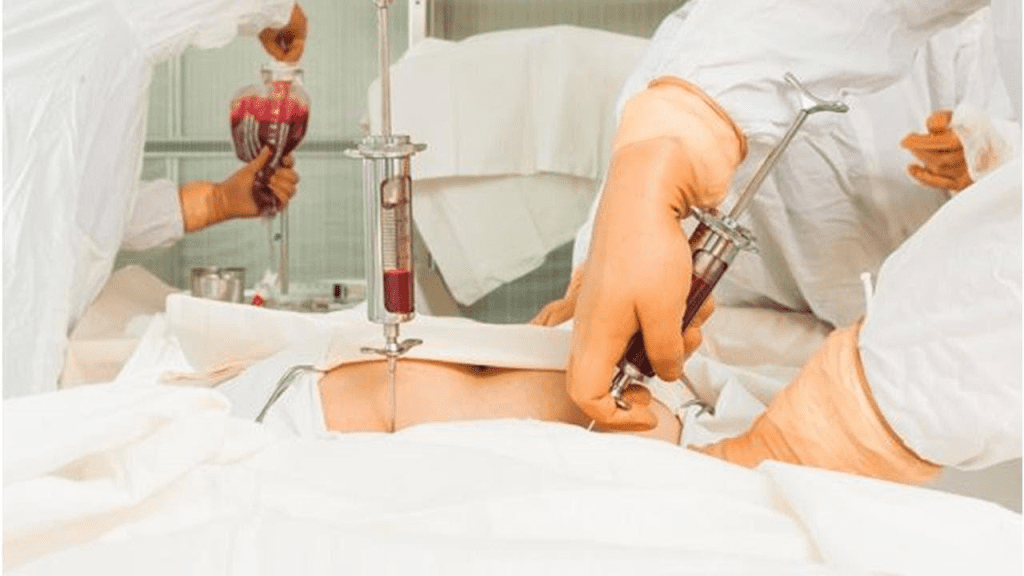
Next, the patient gets the new marrow or stem cells through an IV. This is like a blood transfusion. The new cells then start making healthy blood cells in the bone marrow.
Why Transplants Are Performed
Bone marrow transplants help with serious diseases like cancer and blood disorders. They aim to replace damaged marrow with healthy cells. This can cure or manage the disease.
Choosing to have a bone marrow transplant is a big decision. It depends on the patient’s health, the disease, and the risks and benefits of the transplant.
The Recovery Timeline After Transplantation
Knowing the recovery timeline after a bone marrow transplant is key. It helps patients set realistic goals and manage their recovery well.
Immediate Post-Transplant Period (0-30 days)
The first few weeks after a bone marrow transplant are very important. Patients usually stay in the hospital for a few weeks. They get close care and monitoring during this time.
The main focus is on handling side effects, avoiding infections, and waiting for the new marrow to work. This is when the new marrow starts making blood cells.
- Monitoring for signs of engraftment and graft-versus-host disease (GVHD)
- Managing pain and discomfort
- Preventing and treating infections
Short-term Recovery (1-6 months)
When patients leave the hospital, they start a short-term recovery phase. This is when they slowly get better and their health improves. But, they still face a high risk of infections.
Key considerations during this phase include:
- Adhering to medication regimens
- Attending follow-up appointments
- Avoiding crowded areas and individuals who are sick
Long-term Recovery (6+ months)
By six months after the transplant, many patients feel much better. Their immune systems start to recover. Studies show it can take 3 to 12 months for the immune system to fully recover.
But, full recovery can take even longer. Some patients may still feel tired and have other lasting effects.
In the long-term recovery phase, patients can start to do more normal things. This includes going back to work and social events. But, they should still follow health guidelines closely.
How Bone Marrow Transplants Affect Your Body
A bone marrow transplant is a life-saving procedure. It changes how your body works. The process replaces your bone marrow with healthy cells, either from a donor or your own.
Impact on Immune System
Your immune system is very weak after a bone marrow transplant. This makes you more likely to get sick. It takes months to years for your immune system to get better.
Some big challenges for your immune system include:
- Immunosuppression: You might take drugs to prevent GVHD, which weakens your immune system more.
- Increased risk of infections: Your weak immune system makes you more likely to get sick.
- Slow recovery: How long it takes for your immune system to recover varies a lot.
Organ Function Changes
Bone marrow transplants can also change how your organs work. Some changes are temporary, while others last longer. Organs like the liver, kidneys, and lungs can be affected by the transplant process and drugs used after.
Potential changes in organ function include:
- Liver function changes: The liver might be affected by certain drugs and infections.
- Kidney function changes: Some transplant drugs can affect your kidneys.
- Lung complications: Infections and some drugs can cause lung problems.
Medication Interactions
After a bone marrow transplant, you might take many medications. These include immunosuppressants, antibiotics, antivirals, and other drugs. These can interact with each other and other substances, leading to bad side effects.
Important things to consider about medication interactions include:
- Immunosuppressant interactions: These drugs can interact with many other medications.
- Antibiotic and antiviral interactions: These medications can also have significant interactions with other drugs.
- Monitoring: It’s crucial to regularly check for and manage potential interactions.
Common Blood Transplant Side Effects and Complications
It’s important for patients to know about the side effects and complications of bone marrow transplants. These transplants can save lives but also come with risks. Managing these risks is key to staying healthy after the transplant.
Acute Side Effects
Acute side effects happen right after the transplant. They can include feeling very tired, nausea, and getting sick easily. These symptoms often come from the treatment that gets the body ready for the transplant.
Common acute side effects include:
- Infections due to a weakened immune system
- Mucositis, or inflammation of the mucous membranes
- Graft failure, where the transplanted marrow fails to produce new blood cells
Chronic Side Effects
Chronic side effects can show up months or years after the transplant. These may include long-term graft-versus-host disease, hormonal imbalances, and secondary cancers.
Some chronic side effects are:
- Chronic GVHD, affecting organs such as the skin, liver, and gastrointestinal tract
- Hormonal changes, potentially leading to issues like osteoporosis or thyroid dysfunction
- Secondary cancers, as a rare but serious complication
Graft-versus-Host Disease
Graft-versus-host disease (GVHD) is when the donor’s immune cells attack the recipient’s body. GVHD can be acute or chronic and varies in severity.
According to medical sources, “GVHD happens when the donor’s immune cells (T cells) start to attack and damage your body’s organs.” Managing GVHD is crucial and may involve immunosuppressive medications.
The risk of GVHD can be reduced with the right treatment and care. It’s important to watch for signs of GVHD after the transplant.
| Complication | Description | Management |
| Acute GVHD | Occurs within 100 days post-transplant, affecting skin, liver, and GI tract | Immunosuppressive drugs, supportive care |
| Chronic GVHD | Occurs after 100 days post-transplant, potentially affecting multiple organs | Long-term immunosuppression, monitoring for organ damage |
Medications After Bone Marrow Transplant
Managing medications well is key to a smooth recovery after a bone marrow transplant. Patients get many medicines to help them get better.
Anti-rejection Medications
Anti-rejection medicines, or immunosuppressants, are vital for those who got a transplant from someone else. They keep the immune system in check. This stops the new cells from attacking the body.
Common anti-rejection medications include:
- Cyclosporine
- Tacrolimus
- Methotrexate
- Mycophenolate mofetil
Antibiotics and Antivirals
Antibiotics and antivirals help prevent and treat infections in patients who can’t fight off germs. The type and length of these medicines vary based on the transplant type and the patient’s health.
| Medication Type | Purpose | Examples |
| Antibiotics | Prevent and treat bacterial infections | Ciprofloxacin, Trimethoprim/Sulfamethoxazole |
| Antivirals | Prevent and treat viral infections | Acyclovir, Valacyclovir |
Other Supportive Medications
Patients also get medicines to help with symptoms and side effects from the transplant and medicines. These can include nausea, pain, or helping blood cells.
For instance, medicines may be given to manage nausea, pain, or to support blood cell production.
It’s very important for patients to take their medicines as told and follow their transplant team’s advice. This ensures the best recovery. As one source says, “follow your transplant team’s instructions” about medicines. This shows how important personalized care is after a transplant.
Dietary Restrictions Following Transplantation
After a bone marrow transplant, eating the right foods is key. A good diet helps manage side effects, boosts the immune system, and keeps you healthy. It’s important to stick to certain dietary rules to avoid infections and other problems.
Foods to Avoid
It’s crucial to steer clear of foods that could lead to infections or interact with medicines. Raw or undercooked foods, like raw eggs, undercooked meat, and unpasteurized dairy, should be avoided. These foods can be contaminated with harmful bacteria.
- Raw or undercooked eggs and egg products
- Undercooked meat, poultry, and seafood
- Unpasteurized dairy products and juices
- Raw sprouts
Staying away from these foods lowers the chance of getting sick from food. This is especially important for people with weakened immune systems.
Recommended Nutritional Guidelines
Eating a balanced diet full of nutrients is essential for healing. It’s best to eat a variety of foods, including:
| Food Group | Recommended Foods |
| Fruits | Fresh, cooked, or canned fruits without added sugars |
| Vegetables | Cooked or steamed vegetables, avoiding raw or undercooked |
| Protein | Cooked meat, poultry, fish, eggs, and legumes |
| Dairy | Pasteurized dairy products or dairy alternatives |
| Grains | Whole grains like brown rice, quinoa, and whole-wheat bread |
Hydration Requirements
Drinking enough water is vital for those recovering from a bone marrow transplant. It helps manage side effects and keeps you healthy. It’s important to drink lots of fluids, like water, clear broths, and electrolyte-rich drinks.
Tips for Staying Hydrated:
- Drink at least 8-10 glasses of fluid per day
- Avoid caffeinated and carbonated beverages if they cause discomfort
- Monitor urine output to ensure it is pale yellow or clear
By following these dietary tips and staying hydrated, patients can improve their recovery and lower the risk of complications.
Alcohol Consumption After Bone Marrow Transplant
Knowing the rules for drinking after a bone marrow transplant is key for a good recovery. Drinking can mix with medicines and slow down healing from the transplant.
Medical Recommendations About Alcohol
Doctors may allow moderate alcohol consumption after a transplant, but only if your recovery is stable and your healthcare team approves. But, always listen to your doctor’s advice.
General Guidelines:
- Drink in moderation.
- Stay away from alcohol with certain medicines.
- Think about your health and how you’re feeling.
Timeframes for Abstinence
The time you can’t drink varies by person and transplant details. Usually, doctors tell patients to avoid alcohol for a few months after.
| Time Post-Transplant | Recommended Alcohol Consumption |
| 0-3 months | Avoid alcohol |
| 3-6 months | Consult your doctor; may resume moderate consumption if advised |
| 6+ months | Moderate consumption may be acceptable with doctor’s approval |
Risks of Alcohol Consumption Post-Transplant
Drinking after a bone marrow transplant can be risky. It can:
- Mess with medicines that keep you from getting sick.
- Make you more likely to get infections.
- Hurt your liver, especially if you already have liver problems.
Talking to your doctor about drinking is very important. They can tell you the risks and benefits for you.
How Alcohol Interacts with Post-Transplant Medications
Alcohol and post-transplant medications don’t mix well for patients after bone marrow transplants. Patients get a mix of drugs to keep them healthy and the transplant working right.
These drugs include immunosuppressants to stop the body from rejecting the transplant. They also have antibiotics and pain medications to fight off infections and manage pain. Knowing how alcohol affects these drugs is key to staying safe.
Immunosuppressant Interactions
Alcohol can mess with how well immunosuppressants work. These drugs are vital to stop the immune system from attacking the new bone marrow. Drinking alcohol while on these drugs can up the risk of transplant rejection.
Antibiotic Interactions
It’s best to skip alcohol when taking antibiotics. Alcohol can make antibiotics less effective at fighting infections. Drinking alcohol with some antibiotics can also cause nasty side effects like nausea and stomach pain.
Pain Medication Interactions
Alcohol and pain meds, especially opioids, don’t mix well. Opioids are used to manage pain after a transplant. Mixing alcohol with opioids can make you very sleepy, slow your breathing, and even lead to overdose.
Increased Toxicity Risks
Drinking alcohol while on transplant meds can be risky. It can make the side effects of drugs worse, leading to serious health issues. For transplant patients, this is especially concerning because it can harm the liver.
Patients should talk to their doctors about drinking alcohol after a transplant. Avoiding alcohol or drinking less can help avoid bad reactions and aid in recovery.
Liver Health After Bone Marrow Transplantation
The liver’s health is crucial after a bone marrow transplant. It helps with detoxification, metabolism, and making important proteins.
Transplant-Related Liver Complications
Liver issues can happen after a bone marrow transplant. Graft-versus-host disease (GVHD) can affect the liver. Abnormal liver tests might show GVHD, so it’s important to watch closely.
Other liver problems include:
- Viral hepatitis
- Drug-induced liver injury
- Liver sinusoidal obstruction syndrome
Monitoring Liver Function
It’s key to check liver function regularly after a transplant. This means:
| Liver Function Test | Purpose |
| ALT (Alanine Transaminase) | Measures liver cell damage |
| AST (Aspartate Transaminase) | Assesses liver cell damage and other tissue damage |
| Bilirubin | Evaluates liver’s ability to process bilirubin |
Protecting Your Liver
To keep your liver safe after a transplant, do the following:
- Avoid alcohol
- Eat healthy
- Drink plenty of water
- Don’t take harmful meds unless told to
Knowing about liver issues and taking steps to protect it can help patients recover better after a bone marrow transplant.
Building Your Immune System After Transplant
Rebuilding your immune system after a transplant is a big job. It takes time and careful planning. After a bone marrow transplant, your immune system is weak. This makes you more likely to get sick.
It usually takes 3 to 12 months for your immune system to get back to normal. But, this time can vary. It depends on the type of transplant and your health.
Vaccination Schedule
It’s important to follow a vaccination schedule after a transplant. Vaccines help protect you from infections and diseases. Your doctor will tell you which vaccines you need and when.
Live vaccines are often avoided for a while after a transplant. This is because they can cause infections. Non-live vaccines are safer but might not work as well until your immune system is stronger.
Infection Prevention Strategies
There are ways to prevent infections besides vaccines. These include:
- Avoiding close contact with sick people
- Staying away from crowded places
- Washing your hands often
- Wearing masks when needed
Exercise and Immunity
Exercise is good for your immune system. It helps keep your immune system strong. But, it’s important to rest too to avoid getting too tired.
Nutritional Support for Immune Function
Eating well is key for immune system recovery. Foods rich in nutrients are important. These include:
| Nutrient | Food Sources | Benefit |
| Protein | Lean meats, fish, eggs, dairy, legumes | Essential for immune cell production |
| Vitamin C | Citrus fruits, berries, leafy greens | Boosts immune function |
| Zinc | Red meat, poultry, seafood, beans, nuts | Supports immune cell function |
Good nutrition is important for rebuilding your immune system. Eating enough of these nutrients helps your body recover.
Mental Health and Quality of Life Post-Transplant
After a bone marrow transplant, patients face big changes in their lives. These changes can affect their mental health and quality of life. The recovery is not just about getting better physically. It’s also about getting back to a good mental state.
Coping with Lifestyle Changes
Life after a bone marrow transplant requires big adjustments. Patients have to follow new diets, deal with physical changes, and handle the emotional impact. As one patient said, “It’s finding a balance between recovering well and not feeling like a hermit.” This balance is key for mental health.
Here are some ways to cope:
- Mindfulness and meditation
- Doing things that bring joy
- Getting support from loved ones or groups
Support Systems and Resources
A strong support system is crucial for recovery. This includes family, friends, healthcare providers, and groups. Talking to others who have gone through the same thing can be really helpful.
Here are some resources:
- Counseling for mental health
- Support groups, online or in-person
- Info on managing life after transplant
Addressing Substance Dependence
For some, the post-transplant time may mean dealing with substance issues. It’s important to know the signs and get help when needed.
When to Seek Professional Help
If you or someone you know is struggling with substance issues after a transplant, get help. Signs you need help include:
- Needing more of the substance to feel the same
- Feeling sick when you can’t use the substance
- Ignoring important things because of the substance
Getting help early can make a big difference. Doctors and other healthcare workers can offer support and advice.
Returning to Normal Activities After Transplant
The journey to recovery after a bone marrow transplant involves gradually returning to normal activities. This process is crucial for regaining strength and improving overall well-being.
Work and School Considerations
Returning to work or school after a bone marrow transplant requires careful planning. It’s essential to discuss your plans with your healthcare provider to determine the best time to return based on your recovery progress.
- Consider a gradual return to work or school, starting with part-time hours or reduced responsibilities.
- Be aware of your body’s limitations and take regular breaks to avoid fatigue.
- Communicate with your employer or school about your needs and any necessary accommodations.
Social Activities and Gatherings
Social activities are an important part of recovery, helping to reduce feelings of isolation and improve mental health. However, it’s crucial to balance socializing with the need to avoid infections.
Avoid crowded areaswhere the risk of infection is higher, especially during the early stages of recovery.
When attending social gatherings, consider the following:
- Opt for smaller, more intimate gatherings.
- Avoid close contact with individuals who are sick.
- Practice good hygiene, such as frequent handwashing.
Navigating Social Situations Without Alcohol
For many, social gatherings involve alcohol. However, alcohol consumption after a bone marrow transplant should be approached with caution.
It’s often recommended to avoid alcohol during the initial recovery period due to potential interactions with medications and the risk of compromising liver function.
Travel Guidelines
When planning to travel, especially during the recovery period, it’s vital to take certain precautions:
- Consult with your healthcare provider to discuss travel plans and obtain any necessary medical clearance.
- Research your destination to understand local healthcare options.
- Pack essential medications and medical documents.
Long-term Follow-up Care
Long-term care after a bone marrow transplant is key. It helps keep the patient healthy and deals with any issues that come up later.
Recommended Medical Check-ups
Regular doctor visits are important for follow-up care. They help track how well the patient is doing, manage side effects, and catch problems early.
- Schedule regular appointments with your healthcare team.
- Keep a record of your medical history, including vaccinations and medications.
- Discuss any concerns or symptoms with your healthcare provider.
Monitoring for Late Effects
Late effects are health problems that can show up months or years after a transplant. It’s important to watch for these to keep health stable over time.
| Late Effect | Monitoring Strategy |
| Graft-versus-Host Disease | Regular check-ups and symptom reporting |
| Organ Dysfunction | Periodic organ function tests |
| Secondary Cancers | Cancer screening as recommended by your healthcare provider |
Cancer Screening Recommendations
Cancer screening is a big part of follow-up care for transplant survivors. It aims to find new cancers early, when they’re easier to treat.
“Survivors of bone marrow transplants should follow cancer screening guidelines tailored to their specific risk factors and medical history.”
Screenings might include mammograms, colonoscopies, and skin checks. It’s crucial to work with your healthcare team to create a screening plan that fits you.
Special Considerations for Different Types of Transplants
The type of bone marrow transplant a patient gets affects their recovery and care after the transplant. There are mainly two types: autologous and allogeneic. Haploidentical and cord blood transplants are less common but important too.
Autologous Transplant Recovery
Autologous transplants use the patient’s own stem cells. Recovery from these transplants is usually easier because there’s no risk of graft-versus-host disease (GVHD). But, there’s a chance of relapse because the stem cells might have cancer cells.
Key considerations for autologous transplant recovery include:
- Monitoring for signs of relapse
- Managing potential side effects of chemotherapy
- Gradual return to normal activities
Allogeneic Transplant Recovery
Allogeneic transplants use stem cells from a donor. The recovery is more complex because of the risk of GVHD and the need for immunosuppressive drugs. Patients need close monitoring for GVHD and infections.
Important aspects of allogeneic transplant recovery include:
- GVHD prevention and management
- Infection prophylaxis and treatment
- Long-term follow-up for late effects
Haploidentical and Cord Blood Transplants
Haploidentical transplants use a half-match donor, often a family member. Cord blood transplants use stem cells from umbilical cord blood. Both have unique challenges, like GVHD risk and the time for the new immune system to develop.
Special considerations for these transplants include:
- Careful monitoring for GVHD and infections
- Supportive care to manage side effects
- Potential need for additional stem cell infusions
When to Contact Your Healthcare Team
Knowing when to reach out to your healthcare team is key to a smooth recovery after a bone marrow transplant. It’s important to know the signs that mean you need help right away.
Warning Signs and Symptoms
Some symptoms can show that something is wrong after a transplant. These include:
- Fever above 101.5 °F (38.6 °C)
- Chills or sweats
- Shortness of breath or trouble breathing
- Unusual bleeding or bruising
- Pain or discomfort that won’t go away with medicine
It’s crucial to report these symptoms to your healthcare team promptly. As one source advises, “call your doctor’s office right away” if you experience any of these warning signs.
Emergency Situations
Some situations need quick action. Emergency situations include:
- Severe difficulty breathing
- Chest pain or tightness
- Severe abdominal pain
- Confusion or altered mental state
If you’re experiencing any of these emergency situations, seek immediate medical help.
Routine Concerns
There are also routine concerns to talk about with your healthcare team. These may include:
- Questions about medication
- Concerns about graft-versus-host disease (GVHD)
- Nutritional advice
Questions About Lifestyle Choices
Lifestyle choices, like diet, exercise, and alcohol, are important for recovery. Your healthcare team can guide you. They can help with safe exercise levels and what foods to avoid.
“Your healthcare team is there to support you throughout your recovery journey. Don’t hesitate to reach out to them with any questions or concerns.”
By staying informed and talking openly with your healthcare team, you can better handle recovery’s challenges.
Conclusion
After a bone marrow or stem cell transplant, a careful recovery plan is key. Following your healthcare team’s guidelines is important for your health and well-being.
Post-transplant care includes a healthy lifestyle and being aware of complications. It’s also crucial to stick to your medication and follow dietary restrictions. Avoiding alcohol and certain activities is important, as your team advises.
Understanding the recovery process and following guidelines can reduce complications. Regular follow-ups and monitoring for late effects are essential for long-term recovery.
FAQ
Can I drink alcohol after a bone marrow transplant?
It’s best to avoid alcohol for a while after a bone marrow transplant. It can mix badly with your meds and harm your liver. Always check with your doctor first.
What are the different types of bone marrow transplants?
There are two main types: autologous (using your own cells) and allogeneic (using cells from a donor). You might also hear about haploidentical and cord blood transplants.
How long does it take to recover from a bone marrow transplant?
Recovery time can vary. But, it usually takes several months to a year or more for your immune system to fully heal.
What are the common side effects of bone marrow transplant?
Side effects include feeling very tired, nausea, hair loss, and a higher risk of infections. Some might also get graft-versus-host disease (GVHD).
Can I take my prescribed medications with alcohol?
No, mixing alcohol with certain meds like immunosuppressants, antibiotics, and pain meds is not safe. It can lead to bad side effects.
How can I protect my liver after a bone marrow transplant?
To protect your liver, avoid alcohol, eat healthy, and follow your doctor’s advice. This will help keep your liver safe.
What are the dietary restrictions after a bone marrow transplant?
You might need to avoid raw or undercooked meat, eggs, and fish. Eating a balanced diet is also important for recovery.
How can I build my immune system after a bone marrow transplant?
To boost your immune system, get vaccinated, practice good hygiene, and stay healthy with exercise and good nutrition. This helps your immune system recover.
Can I return to normal activities after a bone marrow transplant?
Yes, but listen to your doctor about when to go back to work, school, or social events. Be careful not to overdo it.
How often should I have medical check-ups after a bone marrow transplant?
You’ll need regular check-ups to watch for late effects, cancer screening, and other health issues. The frequency depends on your situation.
What are the warning signs that I should contact my healthcare team?
Watch for fever, chills, unusual bleeding or bruising, and other symptoms that might mean an infection or complication. Contact your doctor if you notice these signs.
Can I drink alcohol during the recovery period after a bone marrow transplant?
It’s best to avoid alcohol during recovery. It can mix badly with your meds and harm your liver. Always talk to your doctor first.
References
- National Cancer Institute. (2024). Stem cell transplantation: Questions and answers. Retrieved September 24, 2025,