Last Updated on November 27, 2025 by Bilal Hasdemir
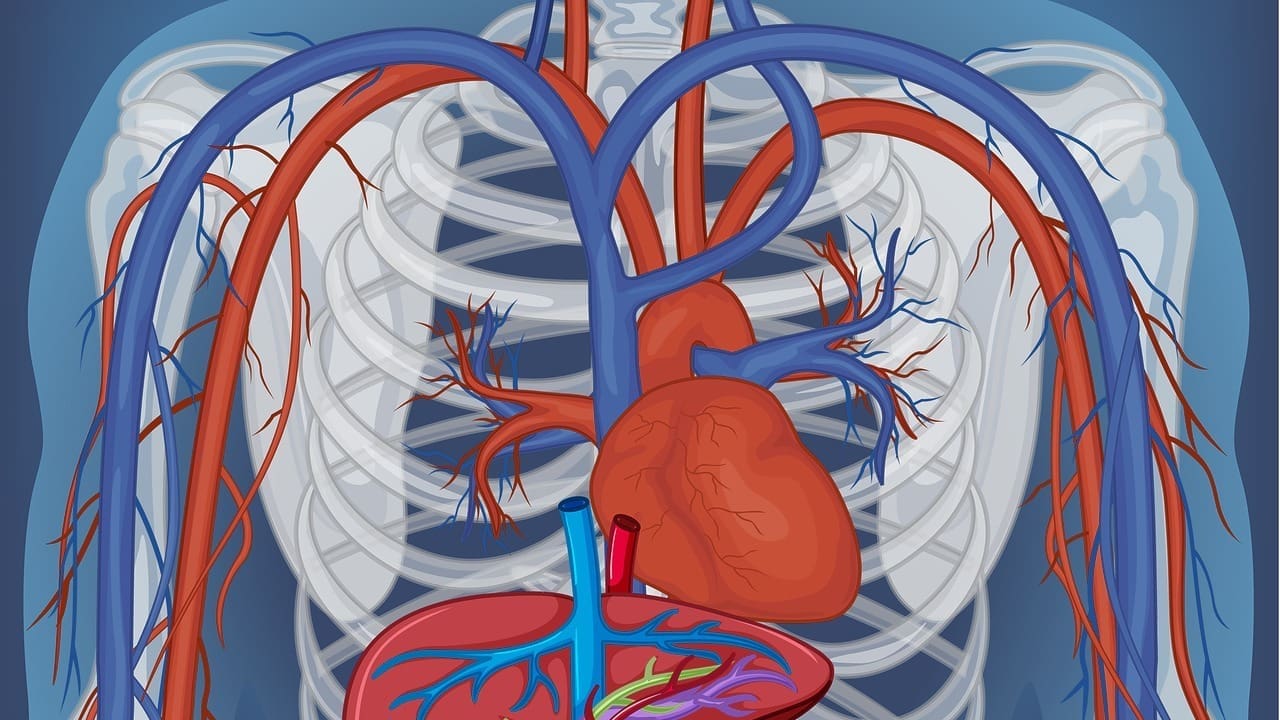
Understanding the vasculature diagram is key to knowing how arteries, veins, and capillaries keep us alive. At Liv Hospital, we focus on patient care and global healthcare standards. We aim to give you the latest and most accurate info about your heart health.
A detailed diagram of blood vessels shows the anatomy and function of our blood system. It highlights the roles and structures of arteries, veins, and capillaries. For example, the adult human brain uses 20% of our body’s energy but only makes up 2% of our weight. The vasculature network delivers the needed compounds to the brain.
Key Takeaways
- The vasculature diagram is essential for understanding the circulatory system.
- Arteries, veins, and capillaries have distinct roles and structural features.
- A detailed diagram of blood vessels aids in comprehending cardiovascular health.
- The vasculature network plays a critical role in delivering compounds throughout the body.
- Understanding the vasculature is vital for maintaining overall health.
The Fundamentals of Vascular Anatomy
Vascular anatomy is key to understanding how blood vessels work. We’ll look at the main parts of vascular anatomy. This includes the roles of arteries, veins, and capillaries.
The Role of Blood Vessels in Circulation
Blood vessels are essential for the circulatory system. They carry blood all over the body. Arteries, veins, and capillaries help make sure tissues get what they need and get rid of waste.
- Arteries carry oxygen-rich blood to the body.
- Veins bring deoxygenated blood back to the heart.
- Capillaries help exchange oxygen, nutrients, and waste between blood and tissues.
Overview of Arteries, Veins, and Capillaries
A diagram shows how arteries and veins are different. Arteries have strong walls for high pressure. Veins have valves to stop blood from flowing back. Capillaries have thin walls for substance exchange.
Comprehensive Blood Vessels Diagram: A Visual Guide

A detailed blood vessels diagram is a great tool for seeing the complex network of arteries, veins, and capillaries. It’s key for both doctors and those who want to learn about vascular health.
Mapping the Human Vasculature System
Creating a map of the human vasculature means making detailed pictures of the circulatory system. It shows the different types of blood vessels and what they do. Arteries, veins, and capillaries are the main types, each with its own role.
Directional Flow in the Circulatory Network
It’s important to know how blood flows in the body. Arteries carry oxygen-rich blood away from the heart. Veins bring oxygen-poor blood back to the heart. Capillaries help swap oxygen, nutrients, and waste.
- Arteries: Carry oxygenated blood away from the heart.
- Veins: Return deoxygenated blood to the heart.
- Capillaries: Enable the exchange of oxygen, nutrients, and waste.
Interpreting Vessel Diagrams
To understand blood vessels diagrams, you need to know about the different types of vessels. These diagrams show how arteries, veins, and capillaries are different. This helps us understand the circulatory system better.
By looking at detailed blood vessels diagrams, we can learn a lot about the vasculature system. This knowledge is key for understanding vascular conditions and how to treat them.
Arteries: High-Pressure Conduits in the Circulatory System
Arteries are key in the circulatory system. They carry blood away from the heart under high pressure. This ensures blood reaches all parts of the body efficiently.
Structural Features of Arterial Walls
The walls of arteries have three layers: the tunica intima, tunica media, and tunica externa. The tunica media is the thickest. It has smooth muscle and elastic fibers for adjusting blood flow and pressure.
Cross-Sectional View of an Artery
An artery looks like a thick-walled tube with a small lumen when cut in half. Its thick walls handle the blood’s high pressure. Veins, on the other hand, have thinner walls and larger lumens due to their lower pressure.
| Characteristics | Arteries | Veins |
|---|---|---|
| Wall Thickness | Thick | Thin |
| Lumen Size | Narrow | Large |
| Pressure | High | Low |
Major Arteries and Their Functions
Major arteries, like the carotid and coronary arteries, are vital. They supply blood to important areas like the brain and heart. The carotid artery is key for brain blood supply. Problems here can cause serious brain issues, showing how vital artery health is.
Veins: The Return Pathway in Blood Vessels Diagram
Veins play a key role in the circulatory system by returning blood to the heart. They have special features that set them apart from arteries.
Structural Components of Venous Walls
The walls of veins are made up of three layers: the tunica intima, tunica media, and tunica externa. But, veins have thinner walls than arteries. This is because veins face lower pressure.
Venous Valves: Ensuring One-Way Blood Flow
Venous valves are a key feature of veins. They stop blood from flowing backward and push it towards the heart. In the legs, these valves are extra important because gravity pulls blood down.
“The presence of valves in veins is critical for avoiding venous insufficiency. This condition can cause a lot of health problems.”
Cross-Sectional Comparison Between Veins and Arteries
Veins and arteries look different when you cut them in half. Veins have a bigger inside and thinner walls. Here’s a table that shows these differences:
| Feature | Veins | Arteries |
|---|---|---|
| Wall Thickness | Thinner | Thicker |
| Lumen Size | Larger | Smaller |
| Presence of Valves | Present | Absent |
| Pressure | Low | High |
Knowing these differences is important for spotting and treating blood vessel problems. Veins and arteries have unique features that show their different roles in our bodies.
Capillaries: Microscopic Exchange Vessels
Capillaries are key in the circulatory system. They are tiny vessels that help move oxygen and nutrients to tissues. They also take away waste products.
Single-Layer Endothelial Structure
Capillaries have a thin layer of cells called the endothelium. This thin layer makes it easy for substances to move between blood and tissues.
Types of Capillaries and Their Specialized Functions
There are three main types of capillaries. Continuous capillaries are found in muscles, skin, and lungs. They have a solid layer of cells.
Fenestrated capillaries have pores in their cells. They are in places like the kidneys and intestines. Sinusoidal capillaries have big gaps. They are in the liver, spleen, and bone marrow.
The Extensive Capillary Network in Artery Vein Capillary Diagrams
The capillary network is complex. It starts from arterioles and ends in venules. Diagrams show how capillaries spread out in the body.
Learning about capillaries helps us understand the circulatory system. Their design is perfect for exchanging materials that keep tissues alive.
The Three Tunics of Blood Vessels: Intima, Media, and Externa
Blood vessels have three main layers: the tunica intima, tunica media, and tunica externa. Each layer has its own role. Knowing about these layers helps us understand how blood vessels work.
Tunica Intima: The Inner Layer
The tunica intima is the innermost part of blood vessels. It’s made of a single layer of endothelial cells. This layer touches the blood and helps keep the vessel healthy by controlling blood flow and pressure.
Tunica Media: The Middle Layer
The tunica media is in the middle and is made of smooth muscle cells and elastic fibers. It helps control blood pressure and flow by changing the vessel’s size. Arteries have a thicker tunica media because they face higher pressures.
Tunica Externa: The Outer Layer
The tunica externa, or tunica adventitia, is the outermost layer. It’s made of connective tissue that supports and protects the vessel. It also has nerves and small blood vessels that supply the vessel wall.
Variations Across Different Vessel Types
The structure of the three tunics changes in different blood vessels. Arteries have a thicker tunica media to handle high blood pressure. Veins have a more prominent tunica externa and valves to stop backflow. Capillaries have a simple structure with only a tunica intima, making it easy for substances to pass through.
| Vessel Type | Tunica Intima | Tunica Media | Tunica Externa |
|---|---|---|---|
| Arteries | Simple endothelium | Thick, with smooth muscle and elastic fibers | Connective tissue, with vasa vasorum in larger arteries |
| Veins | Simple endothelium with valves | Thinner, with some smooth muscle | Prominent, with connective tissue |
| Capillaries | Simple endothelium | Absent | Absent |
7 Key Distinguishing Features of Blood Vessels
Blood vessels, like arteries, veins, and capillaries, have unique features. These features help them do their jobs in the circulatory system. Knowing these differences is key for spotting and treating vascular problems.
1. Wall Thickness and Elasticity
The walls of blood vessels vary a lot. Arteries have thick, elastic walls to handle high pressure. Veins are thinner and less elastic. Capillaries have the thinnest walls, making it easy for nutrients and waste to pass through.
2. Lumen Size and Shape
The inside space of blood vessels, called the lumen, is different in size and shape. Arteries have a small, round lumen. Veins have a larger, more irregular lumen. Capillaries have the smallest lumen, perfect for exchanging substances with tissues.
3. Presence or Absence of Valves
Veins have valves to stop blood from flowing backward. This ensures blood moves towards the heart. Arteries and capillaries don’t need valves because the heart’s pressure keeps blood flowing.
4. Direction of Blood Flow
Arteries carry blood away from the heart. Veins bring blood back to the heart. Capillaries help exchange substances between blood and tissues.
| Vessel Type | Direction of Blood Flow | Presence of Valves |
|---|---|---|
| Arteries | Away from the heart | No |
| Veins | Towards the heart | Yes |
| Capillaries | Exchange with tissues | No |
5. Pressure Handling Capability
Arteries handle the high pressure from the heart’s contractions. Veins work under much lower pressure.
6. Permeability Characteristics
Capillaries are very permeable, letting nutrients, waste, and gases pass through. Arteries and veins are much less permeable.
7. Distribution and Networking Throughout the Body
Blood vessels form a vast network in the body. Arteries branch into arterioles and capillaries. Veins collect blood from venules and capillaries.
Understanding these 7 key features helps us appreciate the vascular system’s anatomy and function. This knowledge improves our ability to diagnose and treat vascular-related conditions.
Cross Section of Artery and Vein: Comparative Analysis
Arteries and veins have different structures that help them do their jobs. Looking at these differences helps us understand the circulatory system better.
Identifying Features in Cross-Sectional Views
Arteries look thick with a small inside space when cut in half. Veins are thinner with a bigger inside space. This is because arteries carry blood away from the heart under high pressure. Veins, on the other hand, carry blood back to the heart under lower pressure.
Artery and Vein Under Microscope: Key Differences
Looking closely, arteries have a thick middle layer. This layer has smooth muscle and elastic fibers. It helps arteries handle the heart’s strong pulses. Veins have a thinner middle layer and a thicker outer layer.
Clinical Significance of Structural Variations
Knowing these differences is key for diagnosing and treating blood vessel diseases. For example, thickening in arteries can cause atherosclerosis. Veins can have problems like valve dysfunction, leading to venous insufficiency. Understanding these helps us create better treatments.
By studying arteries and veins, we see how the circulatory system is designed. It shows how it adapts to different needs in our body.
Diagram of Veins, Arteries, and Capillaries: Clinical Applications
Diagrams of veins, arteries, and capillaries are key in medicine. They help in diagnostic imaging and teaching. These images are vital for grasping the vascular system and its diseases.
Diagnostic Imaging of Vascular Structures
Techniques like angiography depend on these diagrams. They let us see blood vessels’ structure and function. This helps us spot vascular diseases early. Spotting diseases early is key to good treatment.
Understanding Pathological Changes
By comparing normal and diseased diagrams, we learn about vascular changes. This knowledge helps us find the root of vascular diseases. Knowing these changes is essential for better patient care.
Educational Tools in Medical Training
Diagrams are great for teaching in medical school. They help students and doctors learn about the vascular system. This knowledge is vital for diagnosing and treating vascular issues. We use these diagrams in our teaching to make sure our students know vascular anatomy well.
In summary, diagrams of veins, arteries, and capillaries are very useful in medicine. They aid in diagnosis and education. Using these visual aids, we can better understand vascular diseases and improve patient care.
Common Vascular Disorders and Their Anatomical Basis
We look at common vascular disorders and their root causes. These disorders greatly affect our health. Knowing their causes is key to managing them well.
Atherosclerosis and Arterial Wall Changes
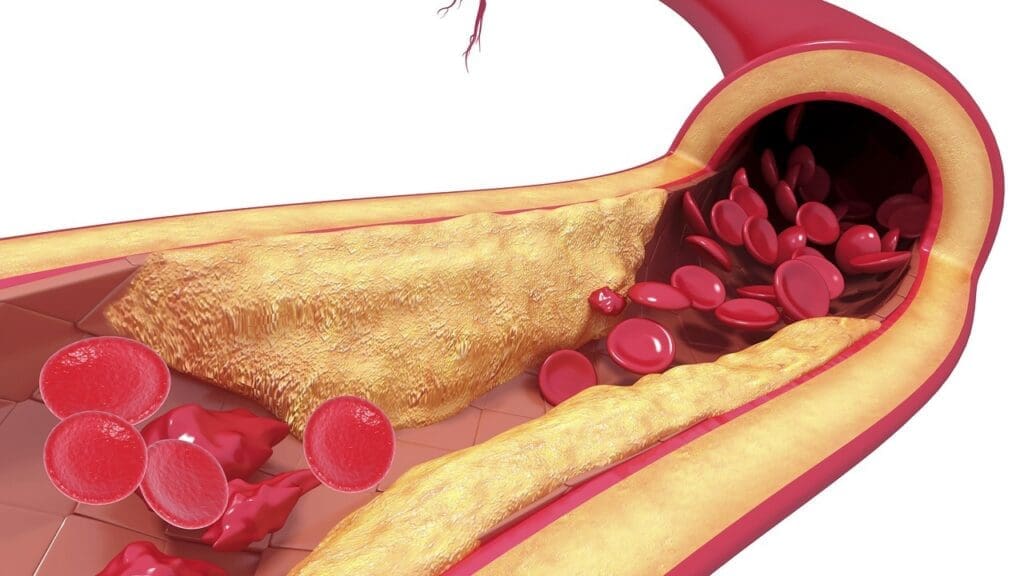
Atherosclerosis is when plaque builds up in arteries, making them hard and narrow. This buildup includes lipids, inflammatory cells, and fibrous elements. This can cause arteries to narrow, reducing blood flow to important organs.
Venous Insufficiency and Valve Dysfunction
Venous insufficiency happens when venous valves don’t work right. This stops blood from flowing back to the heart. It often causes varicose veins and leads to swelling and pain. The main issue is that venous valves can’t stop blood from flowing back.
Capillary-Related Conditions
Capillaries can change due to various diseases. Two big ones are diabetes and high blood pressure.
Diabetes and Capillary Damage
Diabetes can harm capillaries, leading to problems like diabetic retinopathy and nephropathy. Diabetes damages capillaries by thickening their walls and making them more leaky.
Hypertension Effects on Microcirculation
Hypertension can harm the tiny blood vessels in our bodies. High blood pressure can make capillaries less dense, affecting how well tissues get blood.
Conclusion: The Importance of Understanding Blood Vessel Anatomy
Knowing about blood vessel anatomy is key for good vascular health. We’ve looked at arteries, veins, and capillaries. This info helps doctors diagnose and treat vascular problems.
Blood vessel anatomy is very important in medicine. Doctors use it to make accurate diagnoses and treatments. People interested in vascular health also find it useful.
Understanding blood vessel anatomy helps us grasp vascular health and diseases. It leads to better treatments and outcomes for patients. As medical science grows, so will the role of blood vessel anatomy in supporting vascular health.
FAQ
What is the main function of arteries in the circulatory system?
Arteries carry oxygen-rich blood to all parts of the body.
How do veins differ from arteries in terms of structure and function?
Veins are thinner and carry blood back to the heart. Arteries are thicker to handle high blood pressure.
What is the role of capillaries in the circulatory system?
Capillaries are tiny vessels. They exchange oxygen, nutrients, and waste between blood and tissues.
What are the three tunics of blood vessels, and what are their functions?
The three layers are the inner, middle, and outer tunics. They support the blood vessel and control blood flow.
How do the cross-sectional views of arteries and veins differ?
Arteries have thicker walls and smaller spaces. Veins are thinner and have larger spaces.
What is the significance of understanding blood vessel anatomy in clinical practice?
Knowing blood vessel anatomy helps doctors diagnose and treat vascular diseases.
How do diagrams of veins, arteries, and capillaries aid in medical education and training?
These diagrams help medical students learn about the circulatory system. They understand vascular health and diseases better.
What are some common vascular disorders, and how do they affect the vasculature?
Common vascular diseases include atherosclerosis and venous insufficiency. They can cause serious health problems if not treated.
How do blood vessels diagrams help in understanding vascular health and disease?
Blood vessel diagrams give a detailed view of the circulatory system. They help doctors diagnose and manage vascular diseases.
What is the importance of understanding the directional flow in the circulatory network?
Knowing how blood flows is key to understanding the body’s health. It helps in diagnosing vascular diseases.
What are the different types of capillaries, and what are their specialized functions?
There are various capillary types, like continuous and fenestrated. Each type helps in exchanging substances between blood and tissues.
References
- Visible Body (Circulatory Blood Vessels) : https://www.visiblebody.com/learn/circulatory/circulatory-blood-vessels
- Lumen Learning (Structure and Function of Blood Vessels) : https://courses.lumenlearning.com/suny-ap2/chapter/structure-and-function-of-blood-vessels
- NCBI Bookshelf (Anatomy, Blood Vessels) : https://www.ncbi.nlm.nih.gov/books/NBK470401
- Wikipedia (Blood vessel) : https://en.wikipedia.org/wiki/Blood_vessel
- LibreTexts (Blood Vessels) : https://bio.libretexts.org/Courses/Community_College_of_Vermont/Human_Biology_(Gabor_Gyurkovics)/07%3A_Cardiovascular_System/7.04%3A_Blood_Vessels