Last Updated on November 4, 2025 by mcelik
Nearly 80% of patients see big improvements in their spinal alignment and posture after surgery. However, body changes after scoliosis surgery can vary widely from person to person. Surgical correction typically reduces the spinal curve, improves posture, and enhances quality of life by decreasing pain and increasing mobility. Some may notice dramatic visual and functional changes, while others experience more subtle improvements depending on the curve severity, surgical technique, and individual healing. Discussing personalized expectations with a healthcare provider is important to understand likely outcomes.
Choosing to have scoliosis surgery is a big decision. It’s normal to wonder what might happen next. Scoliosis surgery results can be very positive, improving how your spine and posture look. But, what does this mean for your body?
Looking into the effects of scoliosis surgery, we see many physical changes. These can range from how your spine aligns to bigger changes in your body. Understanding these changes is essential for anyone considering or undergoing this surgery.
Key Takeaways
- Significant improvements in spinal alignment are possible after scoliosis surgery.
- Post-surgery posture correction can lead to enhanced overall posture.
- The extent of physical changes varies from person to person.
- Scoliosis surgery results in improved spinal alignment and reduced curvature.
- Understanding possible body changes is vital for patients considering surgery.
Understanding Scoliosis and the Need for Surgical Intervention
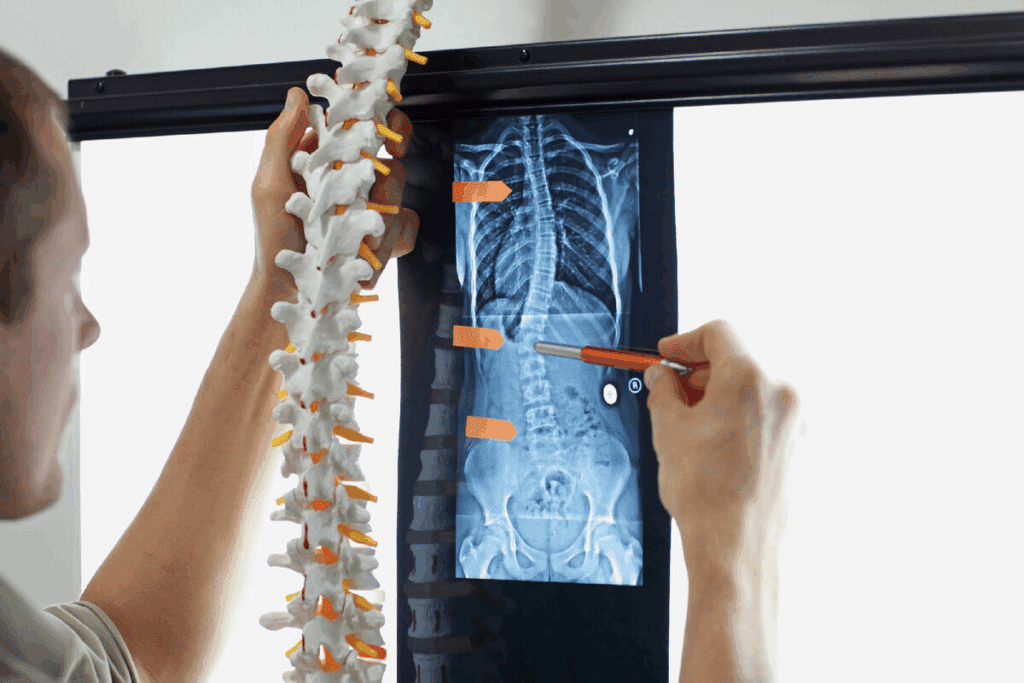
It’s important to know about scoliosis and its treatment options. Scoliosis is more than just a spine curve. It can really affect a person’s life.
What is Scoliosis and How Does it Affect the Body?
Scoliosis is a condition where the spine curves to one side. This can happen in different parts of the spine. Normally, the spine lines up straight, but in scoliosis, it curves.
This curve can cause uneven shoulders, hips, or waist. In severe cases, it can even make breathing hard. It can also lead to back pain, less mobility, and emotional issues.
When Surgery Becomes Necessary
Surgery is often needed for scoliosis when the curve is very big. This is usually when it’s over 45 to 50 degrees in adults or 50 to 60 degrees in teens. The decision to have surgery also depends on the patient’s health and symptoms.
The goal of surgery is to fix the spine, keep it stable, and stop it from curving more. It’s a big choice that needs careful thought and advice from doctors.
Types of Scoliosis Surgery Procedures
There are many surgeries for scoliosis, each with its own use and benefits. The main goal is to make the spine stable and straighten it out.
| Surgery Type | Description | Indications |
| Spinal Fusion | Involves joining two or more vertebrae together using bone grafts and instrumentation. | Severe scoliosis, progressive curvature. |
| Vertebral Column Resection | A complex procedure involving the removal of a portion of the spine to correct severe deformity. | Severe, rigid scoliosis. |
| Growing Rods | Used in younger patients, these rods are adjustable and can be lengthened as the child grows. | Early-onset scoliosis in children. |
Knowing about scoliosis and its surgery options is key to making good choices about treatment.
Immediate Physical Changes Following Scoliosis Surgery
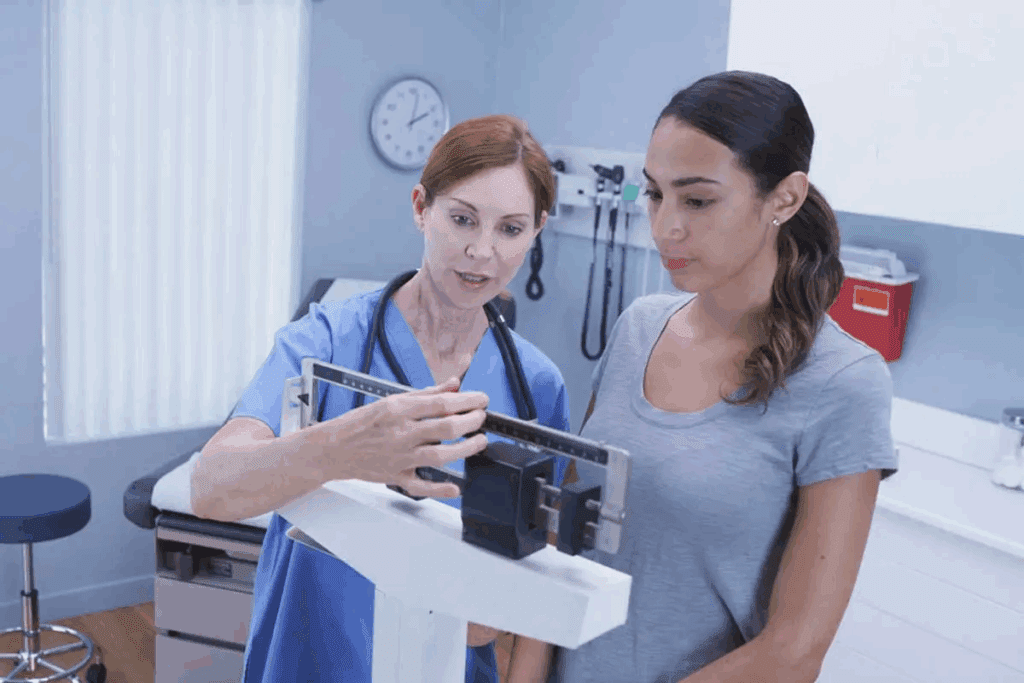
Right after scoliosis surgery, the body starts to change in many ways. These changes can be surprising and life-changing for patients. We’ll look at the main changes right after surgery, like height increase, better posture, and more even body shape.
Height Increase After Spinal Correction
One big change right after surgery is growing taller. This happens because the spine’s curve is fixed, making patients look taller. How much taller depends on how severe the scoliosis was and how well the surgery worked.
Patients can grow 2-3 inches taller on average after successful surgery. This is really big for those with severe scoliosis. It not only makes them look better but also helps their posture and spine alignment.
Initial Postural Adjustments
After surgery, patients start to adjust their posture as their spine gets used to its new shape. They might stand or sit differently. Many feel like they’re standing taller or have better posture.
- They might see their rib hump less or their shoulders more even.
- The spine feels more stable, and balance improves.
- Some need physical therapy to get used to their new posture and strengthen their spine muscles.
Visual Changes in Body Symmetry
Surgery can also make the body look more symmetrical. As the spine corrects, shoulders, hips, and body shape improve. These changes are often very satisfying for patients.
Some key visual changes include:
- Shoulders line up better, with no big difference between them.
- Hips align more evenly, making hips look balanced.
- The rib cage looks more even, making the body look more symmetrical.
These changes right after surgery are a big part of getting better. Knowing what to expect helps patients on their path to better spinal health and overall well-being.
The Recovery Timeline: What to Expect Week by Week
Recovering from scoliosis surgery has different phases, each with its own challenges and milestones. Knowing these phases helps manage expectations and ensures a smooth recovery.
First Few Days Post-Surgery
The first days after surgery are critical. You’ll likely stay in the hospital for a few days. Medical staff will watch over you, manage your pain, and look for any complications.
They’ll encourage you to move a bit and start with simple activities like walking. This helps prevent blood clots and aids in healing.
Weeks 1-4: Early Recovery Phase
In the first weeks, you might feel discomfort, pain, and fatigue. Managing your pain is key, and you’ll get medication to help. It’s important to follow your surgeon’s advice on rest, activity, and wound care.
Start with light activities like short walks. Avoid heavy lifting, bending, or strenuous exercises.
Months 1-3: Progressive Healing
As you heal, you’ll start to feel more energetic and less pain. This is a time to gradually increase your physical activity and start physical therapy. It helps improve flexibility and strength.
Your spine will continue to stabilize, and you’ll notice improvements in your posture and comfort.
Months 3-6: Returning to Normal Activities
By the third to sixth month, you can usually return to your normal activities, like work or school. You can also start doing more strenuous exercises. But, always follow your surgeon’s guidelines and don’t rush back into high-impact activities.
Regular check-ups with your healthcare provider are important to monitor your healing and address any concerns.
Returning to normal activities after scoliosis surgery is a big milestone. It shows your body is healing well and you’re on the path to regaining your pre-surgery level of activity and quality of life.
Key aspects to focus on during recovery include:
- Following the surgeon’s instructions for post-operative care
- Gradually increasing physical activity
- Attending physical therapy sessions as recommended
- Monitoring for any signs of complications or unusual symptoms
By understanding the recovery timeline and following the recommended post-surgery guidelines, you can optimize your healing process. This will help you achieve the best possible outcomes from your scoliosis surgery.
Body Changes After Scoliosis Surgery: The Complete Transformation
Scoliosis correction surgery brings many changes to the body. It improves spinal alignment and overall look. These changes deeply affect a patient’s physical appearance and health.
Spinal Alignment Improvements
The main goal of scoliosis surgery is to fix the spine’s alignment. This surgery corrects the spine’s curve. Improved spinal alignment makes the body look more balanced and relieves muscle and joint strain.
Changes in Shoulder and Hip Symmetry
Scoliosis surgery also changes shoulder and hip symmetry. As the spine is fixed, the body’s balance improves. This makes shoulders and hips more even.
This symmetry is not just for looks. It also spreads body weight evenly. This reduces wear and tear on joints.
Rib Cage Repositioning
The rib cage is affected by scoliosis. Surgery fixes the spine, moving the rib cage. This improves lung capacity and breathing.
Overall Silhouette Changes
Improved spinal alignment, symmetry, and rib cage changes greatly alter the body’s shape. Patients often feel more confident and balanced after surgery.
One patient said, “After surgery, I felt like a new person. My posture and confidence improved. It was a huge change.”
In summary, scoliosis surgery leads to lasting changes in the body. These changes are both functional and aesthetic. Understanding these changes helps patients prepare for the transformative journey of scoliosis correction.
Age-Specific Body Changes After Surgery
The effects of scoliosis surgery differ a lot among adolescents, adults, and the elderly. Age is a big factor in how well someone recovers and how the surgery works out.
Adolescent Patients and Growth Considerations
Adolescents with scoliosis face special challenges because they are growing. Scoliosis surgery in adolescents can change their spine and body shape. We think about their growth stage, scoliosis severity, and future growth when planning surgery.
It’s important to consider how surgery might affect their growth. Modern surgery tries to fix the spine while letting the body grow. Growth-friendly surgeries are chosen to help the child grow.
Adult Patients and Degenerative Changes
Adults with scoliosis surgery have different issues than teens. They might have degenerative changes, past surgeries, or other health problems. Adult scoliosis surgery needs a detailed look to tackle these issues.
The surgery aims to improve spinal alignment, reduce pain, and boost quality of life. We also think about how the spine might change after surgery to avoid future problems.
Elderly Patients and Surgical Outcomes
Elderly patients with scoliosis surgery have special challenges. They might have osteoporosis or other health issues. Elderly scoliosis surgery outcomes depend on careful planning before surgery.
For the elderly, surgery aims to improve quality of life, reduce pain, and increase mobility. We weigh the surgery’s risks and benefits, looking at the patient’s health and recovery chances.
Understanding age-specific changes after scoliosis surgery helps us tailor care for each group. This leads to better results for everyone.
Mobility and Flexibility: What Changes to Expect
After scoliosis surgery, you might notice changes in how you move. The surgery can affect your flexibility and range of motion. This depends on the surgery type and your individual situation.
Range of Motion After Spinal Fusion
Spinal fusion surgery is a common treatment for scoliosis. It joins vertebrae together to stabilize the spine. This can reduce the range of motion in the fused area.
The extent of this reduction varies. It depends on how many vertebrae are fused and where. Generally, side-to-side movement is affected more than other movements.
Activities That May Be Limited
While many activities remain unchanged, some may be harder after surgery. These include:
- Bending or twisting, which can be harder if more of the spine is fused.
- High-impact activities or contact sports, which may be discouraged to prevent injury.
- Certain yoga or exercise routines that require extreme flexibility or spinal rotation.
It’s important to talk to your healthcare provider about what activities are safe for you during recovery.
Adapting to New Movement Patterns
Adjusting to these changes takes time and sometimes physical therapy. It’s helpful to do exercises that strengthen the muscles around your spine. This improves stability and helps compensate for any loss of flexibility.
| Activity | Pre-Surgery Mobility | Post-Surgery Mobility |
| Bending | Full range of motion | Limited by fusion extent |
| Twisting | Normal flexibility | Reduced flexibility |
| High-Impact Activities | Unrestricted | Generally discouraged |
By understanding these changes and working with healthcare professionals, you can adapt to your new movement patterns. This can lead to a better quality of life after scoliosis surgery.
Pain Relief and Comfort Improvements Post-Surgery
Getting pain relief after scoliosis surgery is key to feeling better. Scoliosis makes the spine curve abnormally, leading to uneven weight and stress. This can cause a lot of pain and discomfort.
Understanding how scoliosis surgery helps with pain is important. The surgery not only fixes the spine but also eases the pain and discomfort.
Reduction in Chronic Back Pain
Scoliosis surgery can greatly reduce chronic back pain. It fixes the spine’s curve, spreading weight and stress evenly. This reduces muscle and joint strain, which often causes chronic pain.
Studies have shown most patients see a big drop in back pain after surgery. This is mainly because the spine’s deformity is corrected. This correction reduces abnormal stress and strain on the back.
Changes in Nerve Compression Symptoms
Scoliosis can press on nerves, causing symptoms like numbness and weakness. Surgery can relieve this pressure, improving nerve function and reducing discomfort.
Patients often notice fewer symptoms like numbness and tingling after surgery. This is because the nerves are decompressed, allowing for better function and less pain.
Managing Residual Discomfort
Even with surgery, some patients may feel some discomfort. It’s important to manage this discomfort during recovery.
| Management Strategy | Description |
| Physical Therapy | Tailored exercises to strengthen back muscles and improve flexibility. |
| Pain Medication | Use of medication to manage pain, under the guidance of a healthcare provider. |
| Lifestyle Modifications | Changes in daily activities and posture to reduce strain on the back. |
Using these strategies can help manage any remaining discomfort. This improves the recovery experience and overall quality of life.
Muscular Changes Following Scoliosis Correction
Scoliosis surgery starts a complex process of rebalancing and strengthening muscles. This is key for a good recovery. Understanding these changes is vital for the patient’s health and recovery.
Muscle Rebalancing After Surgery
After surgery, the muscles around the spine rebalance. This is important for stabilizing the spine and supporting its new shape. Muscle rebalancing comes from physical therapy and natural healing.
Patients will see changes in muscle strength and flexibility as they heal. This process takes time and requires following a rehabilitation plan.
Building Strength During Recovery
Strengthening during recovery is critical for scoliosis surgery patients. A good physical therapy program helps regain muscle strength and improve flexibility. It’s important to work with healthcare providers to create a personalized exercise plan.
Start with gentle exercises and gradually increase intensity as the body allows. This approach helps in building strength and aids in recovery.
Long-term Muscle Development
Long-term muscle development after scoliosis surgery takes time and effort. As recovery progresses, patients can do more strenuous activities. These help in muscle development and spinal health.
Keeping a healthy lifestyle, including regular exercise and a balanced diet, is also key. It supports long-term recovery and overall well-being.
Internal Organ Function: How Surgery Affects Your Body Systems
Scoliosis surgery does more than fix the spine. It also helps other parts of our body work better. When we have this surgery, we’re not just fixing our spine. We’re also making our whole body function better.
Respiratory Improvements
One big plus of scoliosis surgery is better breathing. The surgery makes room for our lungs to grow. This means we can breathe more easily and deeply.
Research shows that people who have this surgery breathe better. This is great news for those with serious spinal problems.
Digestive System Changes
Surgery can also help our stomach and intestines. When the spine is fixed, it takes pressure off these organs. This can make digestion easier and reduce stomach pain.
Many patients say they feel better in their stomach after surgery.
Cardiovascular Benefits
Lastly, scoliosis surgery is good for our heart. Fixing the spine reduces strain on the body. This can make our heart health better.
This is very important for people with heart problems.
In summary, scoliosis surgery does more than fix the spine. It also helps our breathing, digestion, and heart. This makes our life better overall.
Returning to Physical Activities and Sports
Recovering from scoliosis surgery means knowing when to start physical activities and sports again. Patients often wonder when they can go back to their usual activities. We guide on when to start, the difference between light and intense activities, and sports-specific advice.
Timeline for Activity Resumption
The time it takes to get back to activities varies. It depends on how well you’re recovering and the surgery type. Usually, you can start with easy activities 6-12 weeks after surgery.
But, always listen to your doctor’s advice. They’ll make a plan just for you. In the first few months, avoid heavy lifting and bending. Around 3-6 months, you can do more. It might take a year or more to fully recover and play sports again.
Low-Impact vs. High-Impact Activities
It’s important to know the difference between low-impact and high-impact exercises. Low-impact activities like walking, swimming, or cycling are safer for your spine. High-impact activities, like sports with lots of jumping or twisting, might be harder to get back into.
Talk to your doctor before starting any activities. They’ll help pick the right ones for you. This way, you can safely enjoy activities while protecting your spine.
Sports-Specific Considerations
If you were into sports before surgery, getting back to them is a big part of recovery. But, some sports might not be safe after surgery. For example, sports with a lot of contact, bending, or twisting might not be good.
Work with your healthcare team, including physical therapists and surgeons. They’ll help you understand the risks and benefits of different sports. This way, you can enjoy your favorite sports safely.
Potential Complications and Side Effects
Knowing about possible complications after scoliosis surgery is key. It helps manage expectations and ensures a smooth recovery. While surgery is often successful, there are risks to be aware of.
Hardware-Related Issues
One risk is hardware problems. This includes rod breakage, screw loosening, or other issues with the tools used to fix the spine. It’s important to see your surgeon regularly to check the hardware.
Adjacent Segment Disease
Adjacent segment disease is another concern. It’s when the spinal segments next to the fused area start to degenerate. This can cause new pain or stiffness, and might need more treatment.
Managing Unexpected Body Changes
Some patients may notice unexpected changes after surgery, like uneven shoulders. Physical therapy is vital in managing these changes. It helps patients adjust to their new spinal alignment.
When to Seek Medical Attention
It’s important to know when to get medical help after surgery. If you have severe pain, numbness, or weakness in the limbs, tell your doctor right away.
Physical Therapy and Rehabilitation: Optimizing Your Results
Physical therapy is key in recovering from scoliosis surgery. It helps patients regain strength and mobility. A good physical therapy program is essential for the best results and a smooth return to daily life.
Importance of Post-Operative Therapy
Post-operative therapy is very important. It reduces the risk of complications by improving circulation and preventing stiffness. It also helps in healing and regaining strength and flexibility.
It also helps patients adjust to any body changes, improving their quality of life. We stress the importance of starting physical therapy early, as recommended by your healthcare provider. Early mobilization can make recovery faster and more effective.
Exercise Protocols for Different Recovery Phases
The recovery process after scoliosis surgery has different phases, each with its own exercises. In the beginning, the focus is on gentle movements and stretches to improve circulation and prevent stiffness. As the patient gets better, the exercises become more challenging to strengthen muscles and improve flexibility.
| Recovery Phase | Exercise Protocols | Goals |
| Immediate Post-Surgery | Gentle stretching, deep breathing exercises | Improve circulation, prevent stiffness |
| Early Recovery (0-6 weeks) | Progressive strengthening, flexibility exercises | Regain strength, improve flexibility |
| Late Recovery (6-12 weeks) | Advanced strengthening, functional activities | Enhance strength, return to daily activities |
Building a Sustainable Fitness Routine
Creating a sustainable fitness routine is key for long-term success after scoliosis surgery. It involves keeping up the strength and flexibility gained during recovery and adopting a lifestyle that supports spinal health.
We suggest adding activities like swimming, cycling, or yoga to your routine. These exercises are low-impact and help keep your spine healthy without putting too much strain on it.
By following a well-structured physical therapy program and adopting a sustainable fitness routine, patients can optimize their results after scoliosis surgery. This ensures a healthier and more active life.
Conclusion: Embracing Your Transformed Body
After scoliosis surgery, patients see big changes in their body. These changes can happen right away and last a long time. They affect the spine, posture, muscles, and even organs inside.
It’s important for patients to accept these changes. This way, they can truly enjoy their new life.
Patients will see their body change in many ways. Their spine will straighten, they’ll look more balanced, and they’ll move better. This journey is tough, but the end is worth it.
They’ll be able to do things they love with more confidence and ease.
Patients should know what to expect and work hard in their recovery. This means following their rehab plans and doing physical therapy. This way, they can get the most out of their surgery and live better.
FAQ
What are the immediate physical changes after scoliosis surgery?
Right after surgery, you might notice you’re taller. This is because your spine has been straightened. You might also feel your body adjusting to its new shape.
How long does it take to recover from scoliosis surgery?
Recovery time varies, but it usually takes a few months. The first few weeks are the toughest. Then, your body starts to heal more slowly.
Will I experience any long-term body changes after scoliosis surgery?
Yes, you’ll see lasting changes. Your spine will be straighter, and your body’s shape will change. These changes can affect how you look and move.
How does scoliosis surgery affect mobility and flexibility?
Surgery might make your spine less flexible. But, it can also make moving more comfortable by stabilizing your spine and reducing pain.
Can scoliosis surgery improve pain and comfort?
Yes, it’s a main goal of the surgery. Many people feel less pain afterward. But, some might feel some pain left over.
How does scoliosis surgery affect different age groups?
It affects people differently based on age. Kids might grow differently, while adults deal with degenerative changes. Older people might have different outcomes.
What are the possible complications and side effects of scoliosis surgery?
Like any surgery, there are risks. These include problems with hardware, disease in other parts of the spine, and unexpected changes. Always talk to your doctor about these risks.
How important is physical therapy after scoliosis surgery?
It’s very important. Physical therapy helps you regain strength and flexibility. It also helps you get used to moving in new ways.
When can I return to physical activities and sports after scoliosis surgery?
It depends on how well you’re recovering and what activities you want to do. You can start with low-impact activities before moving to more intense ones.
Can scoliosis surgery affect internal organ function?
Surgery can impact various body systems. In some cases, it can even improve how these systems work.
How will scoliosis surgery affect my muscle strength?
You might notice your muscles rebalancing. It’s key to build strength during recovery. With the right exercise and therapy, your muscles can grow stronger over time.
What kind of body changes can I expect after scoliosis surgery?
You can expect changes in your spine, body symmetry, and overall shape. These changes happen right away and can last a long time.
Reference
- National Institute of Arthritis and Musculoskeletal and Skin Diseases (NIAMS) on scoliosis:
https://www.niams.nih.gov/health-topics/scoliosis