Last Updated on December 2, 2025 by Bilal Hasdemir

Nearly 1 in 5 patients who undergo hernia repair surgery may experience complications related to the mesh, including a potentially severe immune response that can lead to further health issues. Can a body rejection of hernia mesh happen? Learn the shocking signs of a mesh reaction, from chronic pain to infection, and what to do.
When the immune system identifies the mesh as a foreign object, it may attempt to expel it, resulting in various complications, such as infection, adhesion, and chronic pain. These surgical risks can significantly impact a patient’s quality of life, making it essential to understand the potential consequences of hernia mesh implantation.
Key Takeaways
- The immune response to hernia mesh can lead to serious complications.
- Patients may experience chronic pain, infection, or adhesion due to mesh rejection.
- Understanding the surgical risks is crucial for informed decision-making.
- Not all patients react the same way to hernia mesh implantation.
- Complications can significantly impact a patient’s quality of life.
It is essential for patients undergoing hernia repair surgery to understand hernia mesh implants.
It is essential for patients undergoing hernia repair surgery to understand hernia mesh implants. Hernia mesh is a medical device used to reinforce weakened tissue during surgical procedures. The composition and functionality of hernia mesh are critical in determining the success of the surgery and the patient’s recovery.
It is essential for patients undergoing hernia repair surgery to understand hernia mesh implants.
Hernia mesh is typically made from synthetic or biological materials. Synthetic meshes are often constructed from polypropylene, polyester, or polytetrafluoroethylene (PTFE), offering durability and strength. On the other hand, biological meshes are derived from animal tissues, such as porcine dermis or bovine pericardium, and are known for their biocompatibility.
The choice between synthetic and biological mesh depends on various factors, including the patient’s health, the type of hernia, and the surgeon’s preference. We will explore these factors in more detail later.
It is essential for patients undergoing hernia repair surgery to understand hernia mesh implants.
The materials used in hernia mesh can be categorized into two main types: synthetic and biological. Each type has its advantages and potential drawbacks.
- Synthetic Mesh: Made from materials like polypropylene, polyester, or PTFE. These meshes are durable and provide strong support.
- Biological Mesh: Derived from animal tissues. These are more biocompatible and may reduce the risk of certain complications.
The material biocompatibility is a crucial factor in the body’s acceptance or rejection of the mesh. Ensuring that the mesh material is compatible with the patient’s tissue can minimize surgical risks and inflammatory reactions.
It is essential for patients undergoing hernia repair surgery to understand hernia mesh implants.
Hernia mesh works by providing additional support to the weakened area, allowing the tissue to heal. When implanted, the mesh is positioned to reinforce the damaged tissue, reducing the likelihood of the hernia recurring.
The mesh promotes tissue ingrowth, a process where the body’s tissue grows into the mesh, securing it in place. This integration is vital for the long-term success of the hernia repair.
- The mesh is surgically implanted at the site of the hernia.
- The body begins to heal, and tissue starts to grow into the mesh.
- Over time, the mesh becomes a part of the body’s tissue structure, providing lasting support.
It is essential for patients undergoing hernia repair surgery to understand hernia mesh implants.
The Body’s Response to Foreign Materials

The introduction of foreign materials, such as hernia mesh, into the human body initiates a complex immune reaction. This response is crucial in understanding the potential complications associated with hernia mesh implants.
What is Body Rejection?
Body rejection occurs when the immune system identifies the hernia mesh as a foreign object and attempts to isolate or expel it. This reaction can lead to inflammatory reactions, which may result in various complications, including infection, chronic pain, and mesh migration.
We recognize that the severity of the body’s response can vary significantly among individuals. Factors influencing this response include the material composition of the mesh, surgical techniques, and the patient’s overall health.
Immune System and Foreign Objects
The immune system plays a vital role in responding to foreign objects. When hernia mesh is implanted, the body perceives it as an invader and activates its defense mechanisms. This can lead to an immune response, which may manifest as inflammation, fibrosis, or other reactions.
It is essential for patients undergoing hernia repair surgery to understand hernia mesh implants.
Immune Response | Possible Complications | Management Strategies |
Inflammation | Infection, Chronic Pain | Anti-inflammatory medications, Pain management |
Fibrosis | Mesh migration, Adhesion formation | Surgical revision, Physical therapy |
Immune rejection | It is essential for patients undergoing hernia repair surgery to understand hernia mesh implants. | Revision surgery, Alternative mesh materials |
By comprehensively understanding the body’s response to foreign materials like hernia mesh, we can enhance patient care and improve outcomes. This knowledge enables healthcare providers to make informed decisions regarding the selection of mesh materials, surgical techniques, and post-operative care strategies.
It is essential for patients undergoing hernia repair surgery to understand hernia mesh implants.

It is essential for patients undergoing hernia repair surgery to understand hernia mesh implants.
Common Signs to Look For
Patients who experience hernia mesh rejection may notice several common symptoms. These can include:
- Pain or Discomfort: Persistent pain or discomfort around the area where the mesh was implanted is a significant indicator.
- Swelling and Redness: Swelling, redness, or inflammation around the surgical site can be a sign of the body’s adverse reaction to the mesh.
- Fever: Developing a fever can indicate an infection or the body’s rejection of the mesh.
- Mesh Migration: In some cases, the mesh can migrate from its original position, causing further complications.
Monitoring these symptoms closely is crucial for early detection and intervention.
Difference Between Complications and Rejection
It’s essential to distinguish between complications arising from hernia mesh implantation and outright rejection. While rejection is the body’s immune response against the mesh, complications can include a broader range of issues such as infection, adhesions, or bowel obstruction.
Complications can occur due to various factors, including surgical technique, mesh material, or patient health. Rejection, on the other hand, is specifically related to the body’s immune response to the foreign material.
Understanding this difference helps in managing expectations and treatment plans. We recommend consulting healthcare professionals for an accurate diagnosis and appropriate treatment.
Factors Influencing Body Rejection
Various elements can impact the risk of hernia mesh rejection, making it essential to evaluate each patient’s situation individually. The decision to use hernia mesh involves considering several factors that can influence the body’s response to the implant.
Material Composition of the Mesh
Mesh materials can be broadly categorized into synthetic and biological types. Synthetic meshes are made from materials like polypropylene, polyester, or polytetrafluoroethylene (PTFE), while biological meshes are derived from animal tissues. The choice of material can significantly impact the risk of complications, including rejection.
Research has shown that the biocompatibility of the mesh material is crucial in minimizing the risk of adverse reactions. For instance, a study published in the Journal of Surgical Research found that polypropylene mesh, a commonly used synthetic material, was associated with a lower risk of complications compared to other materials.
Surgical Techniques and Placement
Proper surgical technique is essential to minimize the risk of complications. Experienced surgeons understand the importance of precise mesh placement and handling to reduce tissue trauma and promote better integration of the mesh with the surrounding tissue.
- Laparoscopic surgery involves smaller incisions and potentially less tissue trauma.
- Open surgery requires a larger incision and may result in more tissue disruption.
Pre-existing Health Conditions
Conditions such as diabetes, obesity, and smoking can affect the body’s healing process and increase the risk of complications, including rejection. Effective management of these conditions before and after surgery is crucial to minimize risks.
Pre-existing Condition | Impact on Hernia Mesh Rejection Risk |
Diabetes | Increased risk due to impaired healing |
Obesity | Higher risk of complications and rejection |
Smoking | Impaired circulation and healing increase risk |
It is essential for patients undergoing hernia repair surgery to understand hernia mesh implants.
It is essential for patients undergoing hernia repair surgery to understand hernia mesh implants.
Medical Imaging Techniques
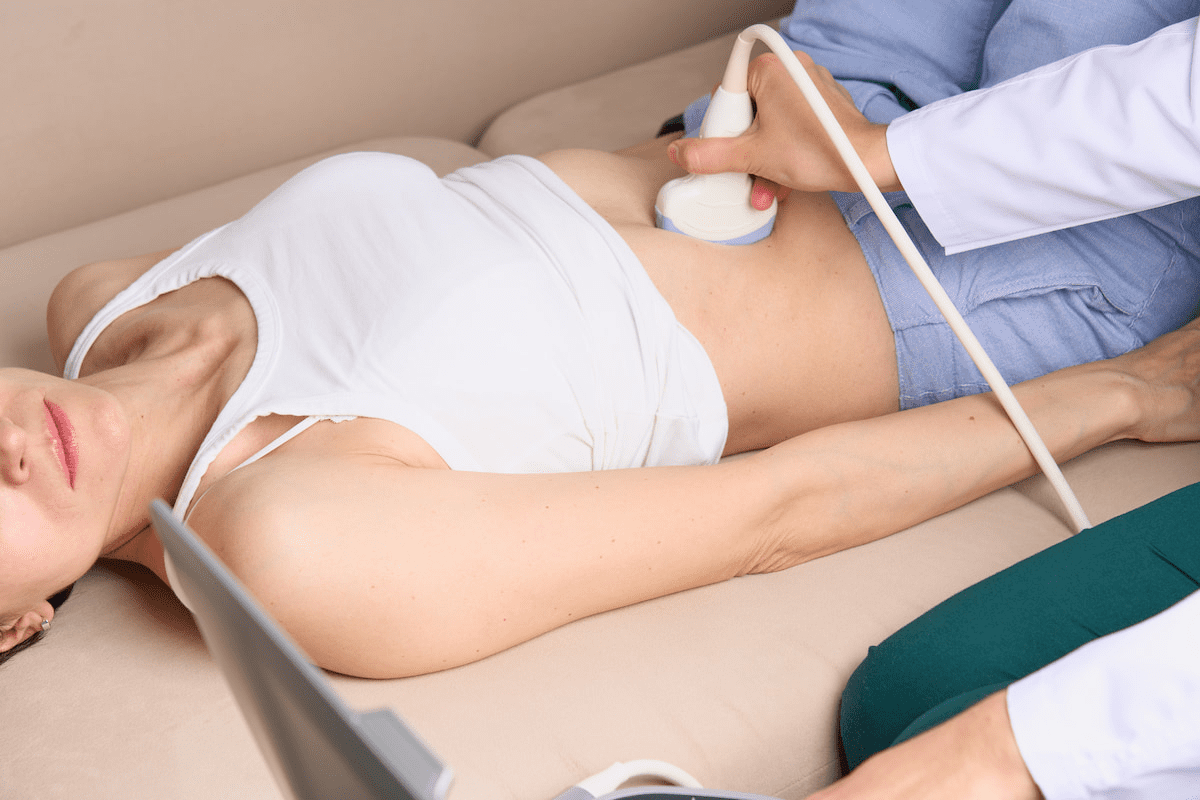
Medical imaging plays a vital role in diagnosing hernia mesh rejection. Techniques such as ultrasound, computed tomography (CT) scans, and magnetic resonance imaging (MRI) are commonly used. These imaging modalities help identify signs of mesh failure, inflammation, or other complications associated with hernia mesh rejection.
Ultrasound is often used as a first-line imaging technique due to its non-invasive nature and ability to provide real-time images. It can help detect fluid collections, mesh migration, or other abnormalities.
CT scans offer detailed cross-sectional images, allowing for a more comprehensive assessment of the mesh and surrounding tissues. CT scans are particularly useful in identifying complications such as abscesses or bowel obstruction.
MRI provides high-resolution images of soft tissues, making it an excellent tool for evaluating the integrity of the mesh and detecting any associated inflammatory responses.
Imaging Technique | Primary Use | Benefits |
Ultrasound | Initial assessment, detecting fluid collections or mesh migration | Non-invasive, real-time imaging |
CT Scan | Detailed assessment of mesh and surrounding tissues, identifying complications | High-resolution images, comprehensive evaluation |
MRI | Evaluating mesh integrity, detecting inflammatory responses | High-resolution soft tissue imaging |
Blood Tests and Other Diagnostics
In addition to medical imaging, blood tests and other diagnostic tools are used to support the diagnosis of hernia mesh rejection. These tests can help identify signs of infection, inflammation, or other systemic responses to the mesh.
Blood tests can measure markers of inflammation, such as C-reactive protein (CRP) and erythrocyte sedimentation rate (ESR), which may be elevated in cases of mesh rejection.
Other diagnostic procedures, such as mesh biopsy, may be performed to confirm the diagnosis. A biopsy involves removing a sample of the mesh or surrounding tissue for histological examination.
- C-reactive protein (CRP) test to measure inflammation
- Erythrocyte sedimentation rate (ESR) test to assess systemic inflammation
- Complete blood count (CBC) to evaluate for signs of infection
By combining medical imaging techniques with blood tests and other diagnostic tools, we can accurately diagnose hernia mesh rejection and develop an effective treatment plan.
Treatment Options for Rejection
Managing hernia mesh rejection involves a range of treatment options, from symptom management with medications to surgical revisions. The choice of treatment depends on the severity of the rejection, the patient’s overall health, and the specific characteristics of the mesh used.
Medications to Manage Symptoms
In cases of hernia mesh rejection, medications play a crucial role in managing symptoms such as pain, inflammation, and infection. Commonly prescribed medications include:
- Antibiotics to treat or prevent infection
- Anti-inflammatory drugs to reduce swelling and pain
- Pain management medications to alleviate discomfort
The specific medication and dosage will be determined by the healthcare provider based on the individual patient’s needs and medical history.
Surgical Intervention Choices
When symptoms are severe or persistent, surgical intervention may be necessary. Surgical options include:
Surgical Option | Description | Benefits |
Mesh Removal | Surgical removal of the rejected hernia mesh | Can alleviate chronic pain and infection |
Mesh Revision | Revision or partial removal of the mesh | May reduce complications while preserving some mesh benefits |
It is essential for patients undergoing hernia repair surgery to understand hernia mesh implants. | Revision of the initial hernia repair surgery | Can address recurrent hernias or complications |
Each surgical option has its benefits and risks, and the decision should be made in consultation with a healthcare provider, considering the patient’s specific situation and preferences.
It is essential for patients undergoing hernia repair surgery to understand hernia mesh implants.
Hernia mesh complications can have a significant impact on a patient’s quality of life, making it essential to understand these risks. When hernia mesh is used, the body may react in various ways, some of which can lead to serious complications.
We recognize that patient education is crucial in managing these complications effectively. By understanding the potential risks, patients and healthcare providers can work together to mitigate them.
Infection Risks and Management
Infection is a significant risk associated with hernia mesh implantation. Signs of infection may include redness, swelling, increased pain, and fever. Effective management involves prompt diagnosis and treatment, often through antibiotics or, in severe cases, surgical intervention to remove the infected mesh.
To manage infection risks, we emphasize the importance of:
- Proper surgical technique
- Post-operative care and monitoring
- Patient education on recognizing early signs of infection
Chronic Pain and Discomfort
Chronic pain and discomfort are common complications associated with hernia mesh. This pain can result from the mesh irritating surrounding tissues or from nerve damage during surgery. Managing chronic pain often requires a multi-faceted approach, including pain management medications, physical therapy, and in some cases, additional surgery to remove the mesh or repair damaged nerves.
“The key to managing chronic pain is a comprehensive treatment plan that addresses the physical and emotional aspects of pain.”
We understand that chronic pain can significantly affect a patient’s quality of life. Therefore, we work closely with patients to develop personalized treatment plans that address their specific needs and improve their overall well-being.
Long-term Outcomes After Rejection
It is essential for patients undergoing hernia repair surgery to understand hernia mesh implants.
Recovery Process and What to Expect
The recovery process after hernia mesh rejection involves several stages, each with its own set of challenges and expectations. Initially, patients may experience discomfort, pain, and inflammation, which can be managed with medications and rest.
As the body heals, it’s essential to monitor for signs of complications, such as infection or further rejection. Regular follow-up appointments with healthcare providers are crucial to ensure that any issues are addressed promptly.
- Follow a healthy diet to support healing
- Engage in gentle exercises as recommended by your doctor
- Attend all scheduled follow-up appointments
Potential Need for Additional Surgery
It is essential for patients undergoing hernia repair surgery to understand hernia mesh implants.
It’s essential for patients to discuss their options thoroughly with their healthcare provider, understanding the risks, benefits, and expected outcomes of any further surgical intervention.
- Consult with your healthcare provider about the need for additional surgery
- Understand the risks and benefits associated with further surgery
- Follow pre- and post-operative instructions carefully
It is essential for patients undergoing hernia repair surgery to understand hernia mesh implants.
It is essential for patients undergoing hernia repair surgery to understand hernia mesh implants.
Surgical innovations have paved the way for alternatives to traditional hernia mesh implants. As patients and healthcare providers seek informed decision-making options, it’s crucial to explore these alternatives that cater to different needs and preferences.
Natural Tissue Repair Methods
Natural tissue repair involves using the patient’s own tissue to repair the hernia, eliminating the need for foreign materials like mesh. This method can reduce the risk of complications associated with mesh rejection and other adverse reactions. Surgeons may prefer this technique for certain patients, depending on the hernia type and the patient’s overall health.
- Tissue repair can be less invasive, potentially leading to quicker recovery times.
- This method may reduce the risk of chronic pain associated with mesh implants.
- It utilizes the body’s own tissues, potentially lowering the risk of adverse reactions.
Other Surgical Options
Beyond natural tissue repair, other surgical innovations offer alternative treatments for hernia repair. These include laparoscopic surgery and robotic-assisted surgery, which provide minimally invasive options with potentially fewer complications.
Laparoscopic hernia repair involves small incisions through which a camera and surgical instruments are inserted to perform the repair. This technique is known for its:
- Smaller scars
- Less postoperative pain
- Quicker return to normal activities
Robotic-assisted surgery further enhances the precision of laparoscopic surgery with advanced technology, potentially improving outcomes for patients undergoing hernia repair.
By considering these alternative treatments, patients and healthcare providers can make more informed decisions about the best approach for hernia repair, taking into account individual patient needs and preferences.
Preventive Measures for Mesh Rejection
Preventing hernia mesh rejection requires a multifaceted approach that includes selecting the appropriate mesh material and ensuring the surgical team has the necessary expertise. By understanding the factors that contribute to mesh rejection, we can take steps to minimize risks and improve patient outcomes.
Choosing the Right Mesh Material
The material composition of the hernia mesh plays a critical role in determining the risk of rejection. Mesh materials vary in their biocompatibility, with some being more likely to cause adverse reactions than others. For instance, meshes made from polypropylene, polyester, or polytetrafluoroethylene (PTFE) have different properties and may be more or less suitable depending on the patient’s condition and the type of hernia being repaired.
When selecting a mesh material, we consider factors such as the mesh’s texture, pore size, and whether it is absorbable or non-absorbable. The on the characteristics of surgical mesh used in hernia repair, which can help inform the decision-making process.
Mesh Material | Characteristics | Biocompatibility |
Polypropylene | Non-absorbable, porous | Generally considered high |
Polyester | Non-absorbable, multifilament | Moderate |
PTFE | Non-absorbable, microporous | High |
Importance of Surgical Expertise
The skill and experience of the surgical team are equally important in preventing mesh rejection. Surgeons who have performed numerous hernia repairs are better equipped to handle potential complications and ensure that the mesh is properly placed. Surgical expertise can significantly reduce the risk of surgical risks and improve patient outcomes.
Factors such as the surgical technique used, the placement of the mesh, and the management of potential complications all contribute to the overall success of the procedure. By choosing a surgeon with a proven track record and understanding the risk factors associated with hernia mesh implantation, patients can minimize their risk of experiencing mesh rejection.
Patient Experiences and Testimonials
Patient testimonials and experiences with hernia mesh rejection shed light on the long-term effects and coping strategies employed by those affected. By sharing these stories, we can gain a deeper understanding of the complexities surrounding hernia mesh implantation.
Real-life Stories of Hernia Mesh Users
Many patients who have undergone hernia mesh implantation have shared their experiences, highlighting the challenges they faced and the decisions they made. For instance, some patients reported experiencing chronic pain and discomfort after the surgery, while others noted that their symptoms improved significantly over time.
One patient, who wished to remain anonymous, shared her experience:
“I was diagnosed with a hernia and underwent surgery with mesh implantation. Initially, everything seemed fine, but after a few months, I started experiencing severe pain and discomfort. It was a challenging time, but with the right medical care and support, I was able to manage my symptoms.”
These stories underscore the importance of personalized medical care and the need for patients to be aware of the potential risks and complications associated with hernia mesh.
Common Concerns and Questions
Patients often have numerous concerns and questions regarding hernia mesh rejection. Some of the most common issues include the likelihood of complications, the effectiveness of the mesh, and the available treatment options if rejection occurs.
- Risk of Complications: Patients are often concerned about the potential risks associated with hernia mesh, including infection, chronic pain, and adhesion formation.
- Mesh Effectiveness: The effectiveness of the hernia mesh in preventing future hernias is a significant concern for many patients.
- Treatment Options: Understanding the available treatment options in case of mesh rejection is crucial for patients to make informed decisions.
To better understand the patient outcomes, we have compiled a summary of common experiences in the following table:
Symptom/Outcome | Frequency Reported | Coping Strategies |
Chronic Pain | 40% | Pain management medication, physical therapy |
Infection | 20% | Antibiotics, surgical intervention |
Mesh Migration | 15% | Surgical revision, monitoring |
Adhesion Formation | 25% | Surgical intervention, conservative management |
By examining these patient experiences and outcomes, we can better understand the complexities of hernia mesh rejection and the importance of tailored medical approaches.
Resources and Support for Patients
Patients affected by hernia mesh rejection require access to reliable information and support to manage their condition effectively. We understand the importance of Health Monitoring and maintaining a good Quality of Life after experiencing complications.
Where to Find Information
Reliable information can be found through reputable medical websites and organizations that specialize in hernia mesh complications. These resources provide valuable insights into managing symptoms and improving overall well-being.
Support Groups for Affected Patients
Support Resources are crucial for patients dealing with hernia mesh rejection. Joining support groups can connect individuals with others who have experienced similar challenges, offering a platform to share experiences and advice. These groups play a vital role in enhancing the Quality of Life for those affected.
By leveraging these Support Resources and staying informed, patients can better navigate their condition and make informed decisions about their care.
FAQ
It is essential for patients undergoing hernia repair surgery to understand hernia mesh implants.
Hernia mesh rejection occurs when the body’s immune system reacts to the mesh material, leading to complications that can affect a patient’s quality of life. We understand that this can be a concerning issue for patients who have undergone hernia repair surgery.
What are the common symptoms of hernia mesh rejection?
Common symptoms of hernia mesh rejection include pain, swelling, redness, and inflammation at the surgical site. Patients may also experience fever, chills, or a general feeling of being unwell. It’s essential to monitor these symptoms and seek medical attention if they persist or worsen.
It is essential for patients undergoing hernia repair surgery to understand hernia mesh implants.
Diagnosing hernia mesh rejection typically involves a combination of medical imaging techniques, such as ultrasound or CT scans, and diagnostic tests, including blood work. Our medical team uses these tools to assess the situation and develop an effective treatment plan.
What are the treatment options for hernia mesh rejection?
Treatment options for hernia mesh rejection may include medications to manage symptoms, such as pain relief medication or antibiotics, and surgical interventions, such as removing the mesh or repairing any damaged tissue. We work closely with patients to determine the best course of treatment.
Can hernia mesh rejection be prevented?
While it’s not possible to completely eliminate the risk of hernia mesh rejection, there are preventive measures that can be taken. These include choosing the right mesh material, ensuring proper surgical technique, and maintaining good overall health. We advise patients on the best strategies to minimize risks.
What are the alternatives to hernia mesh repair?
Alternatives to hernia mesh repair include natural tissue repair methods and other surgical options. We discuss these alternatives with patients and help them make informed decisions about their care.
How can patients cope with the long-term outcomes after hernia mesh rejection?
Coping with the long-term outcomes after hernia mesh rejection requires a comprehensive approach, including managing symptoms, following a recovery plan, and potentially undergoing additional surgery. We provide patients with the necessary support and resources to navigate this process.
What are the risks associated with hernia mesh?
It is essential for patients undergoing hernia repair surgery to understand hernia mesh implants.
How can patients find support and resources after experiencing hernia mesh rejection?
Patients can find support and resources through various channels, including support groups, online forums, and healthcare providers. We offer guidance on where to find reliable information and how to connect with others who have experienced similar challenges.
What is the importance of communication with the surgeon after hernia mesh surgery?
Communication with the surgeon is vital after hernia mesh surgery to monitor for potential complications, address concerns, and ensure proper postoperative care. We emphasize the importance of maintaining open lines of communication to achieve the best possible outcomes.
How can patients make informed decisions about their hernia repair treatment?
Patients can make informed decisions by understanding the risks and benefits associated with hernia mesh, exploring alternative treatments, and discussing their options with a qualified healthcare provider. We work closely with patients to ensure they have the necessary information to make informed choices.