Last Updated on October 21, 2025 by mcelik

At Liv Hospital, we know that bone marrow cancer can be scary. It includes cancers like multiple myeloma, leukemia, and lymphoma. Multiple myeloma happens when cancer forms in plasma cells. These cells help fight infections by making antibodies.
It’s important to know about malignant bone marrow conditions to understand your diagnosis and treatment. We aim to give you the care and guidance you need. This will help you get the best results.
Key Takeaways
- Multiple myeloma is a cancer affecting plasma cells.
- Bone marrow cancer includes conditions like leukemia and lymphoma.
- Early evaluation is key for effective treatment.
- Liv Hospital offers patient-focused care and expertise.
- Understanding the condition is vital for navigating diagnosis and treatment.
Understanding Bone Marrow Cancer
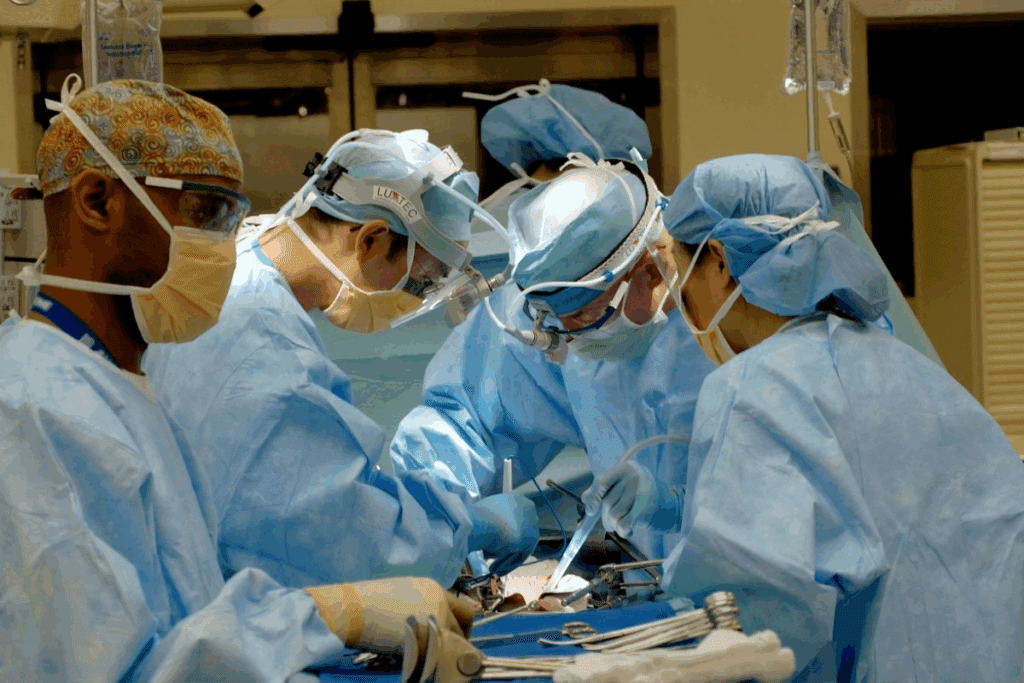
Cancer in the bone marrow can harm the body’s ability to make healthy blood cells. Bone marrow is the soft tissue inside bones like hips and thighbones. It makes blood cells, which are key for our health.
Definition and Function of Bone Marrow
Bone marrow makes three types of blood cells: red, white, and platelets. Red blood cells carry oxygen, white blood cells fight infections, and platelets help blood clot. It’s a vital part of our health.
“The bone marrow is a dynamic environment where blood cell production happens,” says a top hematologist. “Any problem here can cause serious health issues.”
How Malignant Cells Affect Bone Marrow
Malignant neoplasms in the bone marrow happen when cancer cells grow, taking over healthy cells. This can cause anemia, infections, and bleeding problems. It messes up blood cell production, making it hard to fight diseases.
In diseases like multiple myeloma, cancerous cells in the bone marrow make it hard to make normal blood cells. This leads to bone pain, fatigue, and more infections. Knowing how these cells affect bone marrow helps us find better treatments.
Exploring bone marrow cancer shows how important early detection and treatment are. By understanding bone marrow and its role, we can tackle this disease better.
Types of Bone Marrow Cancer

It’s important to know about the different types of bone marrow cancer. This knowledge helps in diagnosing and treating the disease. Bone marrow cancer includes several conditions that affect blood cell production.
Multiple Myeloma
Multiple myeloma is a bone marrow cancer where bad plasma cells grow in the bone marrow. It starts as MGUS. Older age, being male, being Black, family history, and MGUS increase the risk.
Common signs and symptoms include bone pain, anemia, frequent infections, and easy bruising. Spotting these signs and symptoms of bone marrow cancer early is key to managing the disease well.
Leukemia and Its Variants
Leukemia is a cancer that affects the bone marrow, causing abnormal white blood cells. There are several types, like ALL, AML, CLL, and CML.
- ALL is most common in young children and involves rapid production of immature lymphocytes.
- AML is more common in adults and involves rapid growth of myeloid cells.
- CLL is found in older adults and involves gradual accumulation of mature lymphocytes.
- CML involves uncontrolled growth of myeloid cells, often progressing slowly.
Lymphoma Affecting Bone Marrow
Lymphoma is a cancer of the lymphatic system that can affect the bone marrow. The main types are Hodgkin lymphoma and non-Hodgkin lymphoma (NHL). NHL is more common and has subtypes based on cell type.
Symptoms of lymphoma affecting the bone marrow include swollen lymph nodes, fever, night sweats, and fatigue. It can also cause bone marrow failure, leading to anemia, infections, and bleeding issues.
It’s vital to recognize the signs and symptoms of bone marrow cancer for early diagnosis and treatment. If you or someone you know has symptoms like persistent fatigue, bone pain, or frequent infections, seek medical help.
Common Symptoms of Bone Marrow Cancer
It’s important to know the symptoms of bone marrow cancer early. This includes types like multiple myeloma, leukemia, and lymphoma. These symptoms can affect many parts of a person’s health.
Bone Pain and Skeletal Complications
Bone pain is a key symptom of bone marrow cancer. It happens when cancer cells grow in the bone marrow. This can weaken bones and cause fractures.
People with bone marrow cancer often feel pain in their back, ribs, or hips. This pain can be constant and uncomfortable.
Fatigue and Anemia
Fatigue is another common symptom, linked to anemia. Bone marrow cancer can stop the body from making enough red blood cells. This makes it hard for the body to get enough oxygen, leading to weakness and tiredness.
Increased Susceptibility to Infections
Bone marrow cancer can also weaken the immune system. It does this by affecting the production of white blood cells. These cells help fight off infections.
As a result, patients may get sick more often. Their bodies can’t fight off germs as well as they should.
Bleeding and Bruising Issues
Bone marrow cancer can also affect platelet production. Platelets help blood to clot. Without enough, patients may experience bleeding gums, easy bruising, and nosebleeds.
These symptoms happen because the body can’t stop bleeding as well. This can lead to prolonged or excessive bleeding.
If you’re experiencing these symptoms, you should see a doctor. Early treatment can greatly improve your chances of recovery. For more information on bone marrow cancer, like multiple myeloma, check out trusted medical websites.
Additional Warning Signs and Complications
Beyond the initial symptoms, bone marrow cancer can lead to further complications. These complications need prompt medical attention. As the disease progresses, patients may experience a range of additional warning signs.
Unexplained Weight Loss and Night Sweats
Unexplained weight loss and night sweats are common complications of bone marrow cancer. These symptoms can show how the body is reacting to the cancer. Unexplained weight loss happens because the cancer uses a lot of energy. Night sweats are a sign of inflammation in the body.
Patients with these symptoms should talk to their healthcare provider. They need to find out the cause and how to manage it.
Swollen Lymph Nodes
Swollen lymph nodes can happen with bone marrow cancer, when it spreads to the lymphatic system. This swelling means the body is fighting the cancer. We suggest patients with swollen lymph nodes get checked to see why and how much.
Kidney Dysfunction and Related Problems
Kidney dysfunction is a big problem with bone marrow cancer, like in multiple myeloma. The cancer makes abnormal proteins that harm the kidneys. Kidney problems can cause less urine, swelling in the legs, and tiredness. Quick medical help is key to manage kidney issues and avoid lasting damage.
In summary, bone marrow cancer can cause many warning signs and complications. These include unexplained weight loss, night sweats, swollen lymph nodes, and kidney problems. Knowing about these complications helps patients and caregivers manage the disease better and improve life quality.
What Causes Bone Marrow Cancer?
Bone marrow cancer comes from genetics, the environment, and medical treatments. Knowing these causes helps us find risk factors and prevent the disease.
Genetic Predisposition and Mutations
Genetic changes are key in bone marrow cancer. These changes can be passed down or happen over time. Genetic predisposition makes some people more likely to get bone marrow cancer.
For example, people with Down syndrome are at higher risk for leukemia. Certain gene mutations, like those in DNA repair genes, also increase the risk.
Environmental Exposures and Toxins
Some environmental toxins raise the risk of bone marrow cancer. Benzene, found in petroleum and industrial processes, is a known carcinogen. It harms the bone marrow.
Other environmental factors, like radiation, also increase the risk. The table below lists some environmental risk factors.
| Environmental Exposure | Associated Risk |
| Benzene | Increased risk of leukemia |
| Radiation | Increased risk of bone marrow cancer |
| Pesticides and certain chemicals | Potential increased risk of lymphoma and leukemia |
Previous Medical Treatments and Radiation
Some medical treatments, like chemotherapy and radiation, raise the risk of bone marrow cancer. Radiation therapy is linked to more secondary cancers, including bone marrow cancer.
Chemotherapy, meant to fight cancer, can sometimes cause secondary cancers. This risk is higher with certain chemotherapies and when used with radiation.
Understanding bone marrow cancer causes is key to better prevention and treatment. By knowing risk factors and how to avoid them, we can lower the disease’s incidence.
Risk Factors and Prevention
Knowing the risk factors and taking preventive steps are important in fighting bone marrow cancer. Some risks can’t be changed, but knowing them helps spot the disease early.
Age, Gender, and Ethnicity Considerations
Some groups face higher risks of bone marrow cancer. For example, the risk of multiple myeloma goes up after 65. Men are more likely to get it than women. People of African descent also face a higher risk.
| Demographic Factor | Risk Level | Incidence Rate |
| Age > 65 | High | Increased incidence |
| Male Gender | Moderate to High | Higher in men than women |
| African Descent | High | Higher incidence compared to other ethnicities |
Lifestyle Factors
Lifestyle choices can also affect bone marrow cancer risk. Exposure to chemicals like pesticides and herbicides increases risk. So does radiation history.
Key Lifestyle Risk Factors:
- Exposure to pesticides and herbicides
- History of radiation exposure
- Certain occupational exposures
Preventive Measures and Early Detection
While prevention isn’t always possible, knowing risks helps. Regular health checks and screenings are key, more so for those with a family history or other risk factors.
Early detection strategies include:
- Regular health check-ups
- Screenings for individuals with risk factors
- Awareness of early symptoms
Diagnosis of Malignant Neoplasms of the Bone Marrow
We use different tests to find and check bone marrow cancer. It’s key to get the diagnosis right for the best treatment and better health.
Blood Tests and Laboratory Findings
Blood tests are very important in finding bone marrow cancer. They can show if there are odd proteins or cells in the blood. For example, in multiple myeloma, tests can spot proteins made by cancer cells.
Laboratory findings from blood tests can include:
- Complete Blood Count (CBC) to check for anemia, low platelet count, or abnormal white blood cell counts.
- Serum protein electrophoresis (SPEP) to detect abnormal proteins.
- Blood chemistry tests to assess kidney function and other factors.
Bone Marrow Biopsy and Aspiration
A bone marrow biopsy is a key test that takes a bone marrow sample. It helps find cancer cells in the bone marrow.
Bone marrow aspiration, done with biopsy, takes a liquid bone marrow sample. Both tests give important info on cancer presence and spread.
Imaging Studies and Advanced Diagnostics
Imaging studies are vital for seeing how far bone marrow cancer has spread and any bone damage. Common tests include:
- X-rays to detect bone damage or fractures.
- Magnetic Resonance Imaging (MRI) to show detailed bone marrow and tissue images.
- Positron Emission Tomography (PET) scans to spot high activity areas, which might be cancer.
Advanced tests like genetic testing and flow cytometry give more info on the cancer. This helps make a treatment plan that fits the patient’s needs.
Treatment Approaches for Bone Marrow Tumors
Treating bone marrow tumors requires a mix of therapies. Each patient’s journey with bone marrow cancer is different. So, their treatment plans must be tailored to their needs.
Chemotherapy Protocols
Chemotherapy is key in treating bone marrow cancer, like multiple myeloma and leukemia. It aims to kill or stop cancer cells from growing. The drugs and how they are used depend on the cancer type and stage.
In multiple myeloma, a mix of drugs might be used for the best results. We also think about the patient’s health and possible side effects when picking a treatment.
Radiation Therapy Applications
Radiation therapy is vital for bone marrow cancer, mainly for bone lesions or localized disease. It helps with pain, reduces tumor size, and prevents bone damage.
At times, radiation is paired with chemotherapy to improve results. Whether to use radiation depends on the disease extent and symptoms.
Stem Cell Transplantation Options
Stem cell transplantation can be a cure for some bone marrow cancers. We offer two types: using the patient’s own stem cells (autologous) or a donor’s (allogeneic).
Choosing depends on the cancer type, stage, patient’s age, and health. We assess each patient for stem cell transplant suitability, discussing benefits and risks.
Targeted and Immunotherapy Treatments
Targeted and immunotherapy are new ways to fight bone marrow cancer. Targeted therapy uses drugs that target cancer cells, sparing normal cells.
Immunotherapy boosts the immune system to fight cancer better. We’re always looking for new treatments to help patients more.
By mixing these treatments, we can make a plan that fits each patient’s needs.
Conclusion
Bone marrow cancer, like multiple myeloma and leukemia, is tough for patients and their families. It’s key to spot symptoms early, such as feeling weak, bone pain, and getting sick often.
We’ve looked into what causes bone marrow cancer. This includes genes and things in the environment. Knowing this can help prevent and manage the disease.
Treating bone marrow cancer involves many steps. These include chemotherapy, radiation, and stem cell transplants. Starting treatment early can make a big difference.
Preventing bone marrow cancer means regular health checks and a healthy lifestyle. If you have a family history, genetic tests can show your risk.
Knowing about bone marrow cancer and its treatments helps patients and families. We aim to offer top-notch healthcare and support to everyone.
FAQ
What is bone marrow cancer?
Bone marrow cancer is a type of cancer that affects the bone marrow. It includes diseases like multiple myeloma, leukemia, and lymphoma. These diseases disrupt how blood cells are made.
What are the common symptoms of bone marrow cancer?
Symptoms include bone pain and feeling very tired. You might also get sick more often, bleed easily, and have night sweats. Kidney problems can also occur, making life harder.
What causes bone marrow cancer?
It can be caused by genes, exposure to harmful chemicals, or past treatments like radiation. These factors can lead to cancer in the bone marrow.
What are the risk factors for developing bone marrow cancer?
Risk factors include being older, male, or from certain ethnic groups. Lifestyle choices and past exposure to chemicals or radiation also play a role. These can increase your chance of getting the disease.
How is bone marrow cancer diagnosed?
Doctors use blood tests, bone marrow biopsies, and imaging to diagnose. These steps help figure out how far the cancer has spread. This information guides treatment.
What are the treatment options for bone marrow cancer?
Treatments include chemotherapy, radiation, and stem cell transplants. Targeted and immunotherapy are also used. The choice depends on the cancer type and stage.
Can bone marrow cancer be prevented?
Some risks can’t be changed, but being aware helps. Avoiding harmful chemicals and toxins can aid in early detection and management.
What is multiple myeloma?
Multiple myeloma is a bone marrow cancer. It’s caused by too many cancerous plasma cells in the bone marrow. This leads to various health issues.
How does bone marrow cancer affect blood cell production?
It disrupts blood cell production. This can cause anemia, infections, and bleeding problems. These issues can severely affect your health.
What is the significance of early diagnosis in bone marrow cancer?
Early diagnosis is key. It helps choose the right treatment and improves outcomes. It also makes managing the disease easier.
References:
- National Center for Biotechnology Information. (2024). How to write an article: An introduction to basic scientific writing. PMC.