Last Updated on December 1, 2025 by Bilal Hasdemir

Every year, over 36,000 people in the U.S. are diagnosed with blood cancers like leukemia or lymphoma. Donating bone marrow can save their lives. The National Marrow Donor Program says the bone marrow donation process starts when someone decides to donate. It’s a detailed bone marrow donation process, but knowing about the recovery can ease worries for those considering it
Donating bone marrow is a big step that may help cure someone with a blood disorder. The recovery is a key thing to think about for those thinking of donating. This article will give you an idea of what to expect after a donor bone marrow transplant.
Key Takeaways
- Donating bone marrow can be a life-saving act for patients with blood cancers.
- The National Marrow Donor Program oversees the bone marrow donation process.
- Understanding the recovery process can alleviate concerns for future donors.
- Human bone marrow donation is a significant act that can cure blood disorders.
- The recovery process is an essential aspect to consider for future donors.
Understanding Bone Marrow and Its Importance
Bone marrow is a key part of our bones, acting as a factory for blood cells. It’s the soft, spongy tissue inside bones like the hips and thighbones. This tissue is vital for making blood cells.
What is Bone Marrow and Its Function
Bone marrow creates blood-forming stem cells. These cells turn into red blood cells, white blood cells, and platelets. This is essential for carrying oxygen, fighting infections, and stopping bleeding.
The bone marrow production process is complex. It’s tightly controlled to ensure the body has enough blood cells to work right.
Why Bone Marrow Donation Matters
Bone marrow donation is a lifesaving act. It helps patients with diseases like aplastic anemia or blood cancers like non-Hodgkin lymphoma. Donating blood stem cells can give these patients a second chance at life.
The importance of bone marrow donation is huge. It offers hope to patients needing healthy bone marrow for treatment. By understanding bone marrow’s role, we see the value of donation. It has a big impact on recipients and their families.
The Bone Marrow Donation Process Explained
The bone marrow donation process has two main methods. One is traditional bone marrow harvest, and the other is peripheral blood stem cell (PBSC) collection. About 90% of donations are PBSC, and 10% are bone marrow harvest.
Peripheral Blood Stem Cell (PBSC) Collection
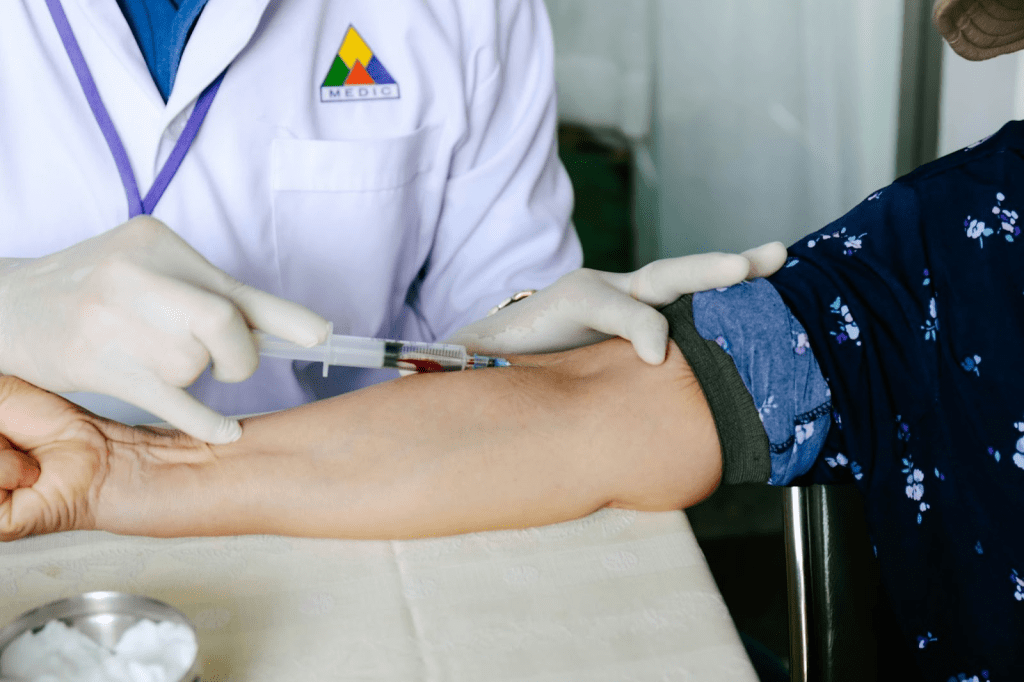
PBSC collection takes stem cells from the donor’s blood. It’s less invasive than traditional bone marrow harvest. The donor’s blood is drawn from a vein in their arm.
The blood then goes through a machine that separates the stem cells. The rest of the blood is returned to the donor.
PBSC collection advantages: It’s done as an outpatient procedure. This means the donor can go home quickly after.
Pre-Donation Medical Evaluation and Preparation
Donors get a detailed medical check-up before donating. This includes blood tests, physical exams, and a look at their medical history.
| Evaluation Component | Purpose |
| Blood Tests | To check for infections and assess overall health |
| Physical Examination | To evaluate the donor’s overall physical condition |
| Medical History Review | To identify any possible health risks |
Donors are also told about the risks and benefits of bone marrow donation. This detailed check-up makes sure donors are ready for the process.
Is Donating Bone Marrow Painful?
Many people wonder if donating bone marrow hurts. The answer depends on the method used for donation.
Pain Levels During Different Donation Methods
There are two main ways to donate bone marrow: Peripheral Blood Stem Cell (PBSC) collection and bone marrow harvest. PBSC collection uses a drug to boost stem cells, which might cause bone pain. On the other hand, bone marrow harvest is done under anesthesia, so donors don’t feel pain.
Anesthesia and Pain Management During Collection
For bone marrow harvest, donors get general or regional anesthesia. This means they won’t feel pain during the procedure. Afterward, some discomfort is normal, but it’s usually managed with pain meds.
Honest Accounts from Previous Donors
Donors often say the pain from bone marrow donation is bearable. They mention:
- Discomfort at the needle site for PBSC donors
- Bone pain from the stimulation drug
- Soreness after bone marrow harvest, like a bruise
While there might be some pain, most donors agree it’s temporary and worth it to save a life.
Immediate Post-Donation Effects
After donating bone marrow, donors might feel different right away. Knowing what to expect can help them get ready for the healing time ahead.
Common Physical Sensations After Donation
Some donors might feel a bit sore from headaches, muscle, or bone aches. But these feelings usually go away within 72 hours. They can be eased with over-the-counter pain meds. It’s key for donors to know about these feelings to make their recovery smoother.
Hospital Recovery Period
The time in the hospital after donation is very important. Doctors will keep an eye on donors for a few hours to check for any bad reactions. This time is for quick action if needed.
Initial Mobility and Comfort Concerns
Donors might find it hard to move and feel uncomfortable, mainly if they had surgery. It’s important to manage pain and discomfort well. Following the care tips from their doctor can help avoid problems.
| Common Issues | Management Strategies |
| Headaches and muscle aches | Over-the-counter pain medication |
| Mobility issues | Rest and following post-donation care instructions |
| Discomfort at the donation site | Applying ice packs and taking prescribed pain medication |
Understanding the effects right after donation helps donors handle the recovery better. This way, they can get back to their usual life more easily.
The First Week of Recovery
After donating bone marrow, the first week is key for a good recovery. Donors feel many physical changes as their body heals.
Managing Pain and Discomfort
Managing pain is very important during recovery. Donors might feel soreness, bruising, and lower back pain. To help, they should take pain meds as their doctor says.
Effective pain management strategies include:
- Using prescribed pain medication
- Applying ice packs to reduce swelling
- Resting adequately
Activity Restrictions and Limitations
Donors need to know they should not do too much in the first week. Avoiding hard work, heavy lifting, and bending is key for 2 to 3 weeks after donation.
Recommended activity levels include:
| Activity Level | Recommendation |
| Light Activities | Allowed, such as short walks |
| Moderate Activities | Avoid for 2-3 weeks |
| Strenuous Activities | Avoid for 2-3 weeks or as advised by your doctor |
When to Contact Your Doctor
Donors should watch for signs they need to see a doctor. Look out for severe pain, signs of infection, or unusual bleeding.
It’s always better to err on the side of caution and consult your healthcare provider if you have any concerns.
Long-Term Recovery Timeline
The journey to full recovery after bone marrow donation is a gradual process. It involves several stages. Donors can expect their body to heal and return to normal functions over a few weeks.
Weeks 1-2 After Donation
During the first two weeks, donors may feel tired, uncomfortable, and have limited mobility. It’s important to rest and follow the doctor’s advice for managing pain and discomfort.
Weeks 3-4 After Donation
By weeks 3-4, most donors start to feel better. Their energy levels improve, and pain decreases. It’s important to continue following the recommended recovery guidelines.
Complete Recovery Expectations
The body typically replaces donated blood stem cells within six weeks. Most donors are back to their usual routine within a few days to a few weeks. This depends on their overall health and the donation method.
Does Bone Marrow Regenerate After Donation?
Many people wonder if their body can make new bone marrow cells after donation. It’s important to know if bone marrow can grow back. This knowledge helps ease worries for those thinking about donating.
The Science of Bone Marrow Regeneration
Bone marrow regeneration is a complex process. It involves making new stem cells and other cells. The body can amazingly make new bone marrow, which is key for blood cell production.
How Quickly Your Body Replaces Donated Marrow
Studies show that the body quickly makes back bone marrow and blood stem cells after donation. This fast recovery shows how well our bodies bounce back.
| Regeneration Timeline | Description |
| 1-2 weeks | Initial regeneration of bone marrow cells begins. |
| 2-4 weeks | Bone marrow is significantly replenished. |
| 4-6 weeks | Full regeneration of bone marrow is typically achieved. |
How Many Times Can You Safely Donate
How often you can donate bone marrow depends on your health and the type of donation. Usually, you can give peripheral blood stem cells more often than bone marrow. Always talk to doctors to find out when it’s safe to donate again.
In summary, bone marrow regeneration is a remarkable process. It helps donors recover quickly. Knowing this can encourage more people to donate bone marrow.
Potential Risks and Safety Concerns for Donors
Donating bone marrow is mostly safe, but it has some risks. It’s important for donors to know these to make a good choice.
Is Donating Bone Marrow Dangerous?
Donating bone marrow is safe, but it’s not without risks. The risk of serious complications is low. It’s key to understand these risks.
Medical conditions like HIV/AIDS, severe arthritis, and heart disease might stop you from donating. “The decision to donate bone marrow should be made after careful consideration of the risks and benefits,” a medical expert advises.
Short-Term Complications and Their Frequency
Short-term issues can include pain, fatigue, and bruising at the site. These are usually short-lived and can be handled. The chance of these problems varies, but they’re more common in certain methods like Peripheral Blood Stem Cell (PBSC) collection.
Long-Term Health Effects for Donors
Most bone marrow donors face little to no long-term health issues. But, some might see long-term health impacts, like immune system effects. It’s vital for donors to check in with their healthcare providers after donating.
In summary, while there are risks, donating bone marrow is generally safe. Donors should know about short-term complications and long-term health effects to stay safe and healthy.
Managing Common Side Effects During Recovery
Recovering from bone marrow donation means dealing with different side effects. These can affect both the body and mind. It’s important to handle these challenges to heal well.
Fatigue and Energy Level Fluctuations
Fatigue is a big issue for many donors. It makes everyday tasks hard. To fight fatigue, rest well, eat right, and start moving slowly again.
- Resting when needed
- Eating a balanced diet rich in nutrients
- Engaging in light physical activities as recommended by healthcare providers
Pain Management Strategies
Pain is another big side effect. To manage pain, follow your doctor’s advice on medicine. Also, try relaxation methods like deep breathing.
- Adhering to prescribed pain medication
- Using relaxation techniques like deep breathing or meditation
- Avoiding strenuous activities that could exacerbate pain
Emotional and Psychological Effects
The emotional and mental effects of donating bone marrow are real. Donors might feel many emotions, from happiness to worry. Getting support from loved ones or counselors helps a lot.
Understanding and managing these side effects helps donors recover better. This way, they can get back to their usual life and feel good again.
Nutrition and Lifestyle Recommendations for Recovery
Eating well and living right are key to getting better after donating bone marrow. The right foods help your body heal.
Dietary Support for Blood Cell Regeneration
Eating foods high in iron, vitamin B12, and folate is important. Add lean meats, fish, eggs, beans, and greens to your meals. Don’t forget to drink lots of water.
Exercise Guidelines During Recovery
Rest is important, but gentle exercises like walking or yoga are good too. They help your blood flow and fight tiredness. Always check with your doctor before starting any exercise.
Sleep and Rest Importance
Enough sleep and rest are key for healing. Try to sleep 7-8 hours each night. Take naps if you need to. Listen to your body and don’t push too hard.
Following these tips can help you recover faster and get back to your usual life sooner.
Conclusion: The Rewarding Journey of Bone Marrow Donation
Donating bone marrow is a big step that can save lives. The process is complex but rewarding for those who do it. It’s important to know what to expect during recovery.
The journey starts with a detailed medical check-up. Then, bone marrow or stem cells are collected. While there might be some pain, the benefits are much greater.
The body can quickly heal from bone marrow donation. Most donors feel back to normal in a few weeks. The impact on the person receiving the donation is huge, making it all worth it for donors.
If you’re thinking about donating bone marrow, consider the good it can do. With the right care, it can change lives, not just for the recipient but for the donor too.
FAQ
What is the bone marrow donation process like?
Donating bone marrow can happen in two ways. You can either have marrow taken from your hipbone or get stem cells from your blood. The first method needs general anesthesia, while the second uses apheresis to collect stem cells.
Is donating bone marrow painful?
Pain from bone marrow donation varies. Taking marrow from the hip can hurt the lower back and hip. Getting stem cells from blood might make you tired, hurt your bones, and give you headaches.
How long does it take to recover from donating bone marrow?
Recovery time for bone marrow donation is different for everyone. But, most people can get back to normal in a few weeks. Your body can replace the marrow quickly, and you might feel like yourself again in a month.
Can bone marrow regenerate after donation?
Yes, your body can make new bone marrow after donation. It usually happens in a few weeks.
How many times can you safely donate bone marrow?
How often you can donate bone marrow depends on your health and the method used. You might be able to donate again after a few months or years. It’s decided on a case-by-case basis.
What are the possible risks and complications of donating bone marrow?
Risks include infections, bleeding, and reactions to anesthesia. You might also feel tired, in pain, or have emotional effects.
How can I manage common side effects during recovery?
To deal with side effects, try managing pain, resting, and eating well. Emotional support and following activity limits can also help.
What dietary recommendations support recovery after bone marrow donation?
Eating a balanced diet with iron, protein, and vitamins helps your body recover. Drinking plenty of water and following your doctor’s diet advice is also important.
Are there any long-term health effects for bone marrow donors?
Studies show bone marrow donation is usually safe, with few long-term effects. But, it’s good to check in with your doctor to make sure you’re okay.
Can I donate bone marrow if I have a medical condition?
If you have a medical condition, you might be able to donate. It depends on the condition and how severe it is. Talk to your doctor and the registry or transplant team to find out.
How do I get started with the bone marrow donation process?
To start, register with a bone marrow registry like the National Marrow Donor Program (NMDP). You’ll need to do a cheek swab or blood test to see if your HLA type matches.
Reference
- Miller, J. P., King, D., Smith, A. R., & others. (2008). Recovery and safety profiles of marrow and PBSC donors. Biology of Blood and Marrow Transplantation, 14(11), 1339-1346. https://pubmed.ncbi.nlm.nih.gov/18721778/ PubMed