Last Updated on November 17, 2025 by Ugurkan Demir

When the body can’t make enough blood cells, it’s a big problem. Bone marrow insufficiency happens when the bone marrow can’t make enough blood cells. This makes it hard for the body to fight off infections and can be very dangerous.
At LivHospital, we care deeply about our patients with this condition. We’ll look at what causes and shows bone marrow failure. We’ll also talk about how to diagnose and treat it.
Key Takeaways
- Understanding bone marrow insufficiency is key to catching it early and treating it well.
- Bone marrow failure can cause serious health problems, like anemia and infections.
- Knowing the causes and symptoms is vital for quick action.
- LivHospital’s team offers top-notch care and support for those with bone marrow insufficiency.
- Managing bone marrow failure well needs a team effort.
What Is Bone Marrow Insufficiency?

Bone marrow insufficiency happens when bone marrow fails to work right. Bone marrow is the soft tissue inside bones that makes blood cells. These cells carry oxygen, fight infections, and stop bleeding.
The Function of Healthy Bone Marrow
Healthy bone marrow acts like a factory, making blood cells as needed. It uses stem cells to create different blood cells. This process, called hematopoiesis, keeps the body’s blood cell balance right.
Definition and Overview of Bone Marrow Failure
Bone marrow failure means the marrow can’t make enough blood cells. This leads to anemia, infections, and bleeding problems. It can be sudden or long-term, caused by genes, toxins, or autoimmune diseases.
Terminology: Bone Marrow Failure Disorder and Syndrome
“Bone marrow failure disorder” and “syndrome” describe conditions where marrow can’t make blood cells. These terms help us understand how serious bone marrow failure is.
| Condition | Description | Key Characteristics |
| Bone Marrow Failure | Inability of bone marrow to produce sufficient blood cells | Anemia, infections, bleeding disorders |
| Aplastic Anemia | A condition where bone marrow fails to produce new blood cells | Fatigue, infections, bleeding |
| Myelodysplastic Syndromes | Disorders caused by poorly formed or dysfunctional blood cells | Anemia, infections, risk of leukemia |
Knowing how bone marrow works and fails helps us understand bone marrow insufficiency. This knowledge is key for diagnosing and treating these issues.
How Normal Blood Cell Production Works
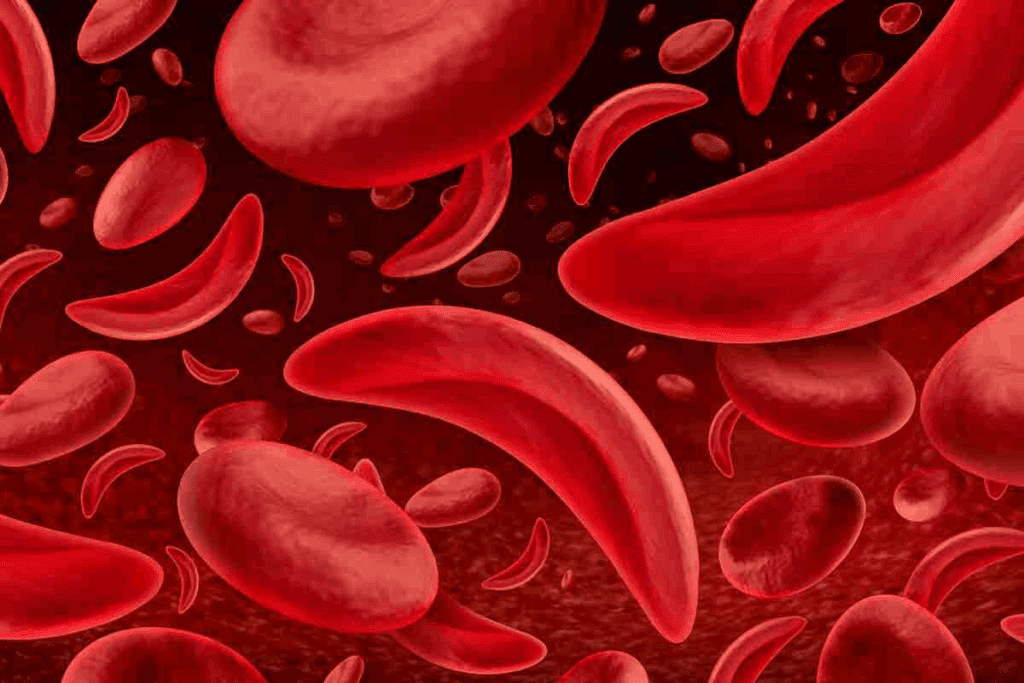
Blood cell production is a complex process. It starts with stem cells in the bone marrow. These cells develop into different types of blood cells. This process is key to keeping our blood healthy.
The Process of Hematopoiesis
Hematopoiesis is how the bone marrow makes blood cells. It begins with stem cells that can become any blood cell type. Growth factors and cytokines control this process.
Stem cells turn into specific blood cells through several stages. These include growing, maturing, and entering the blood. Any problem in this process can cause bone marrow issues.
Types of Blood Cells Produced
The bone marrow makes three main blood cell types: red, white, and platelets. Each type is vital for our health.
- Red blood cells carry oxygen.
- White blood cells fight infections.
- Platelets help blood clot to stop bleeding.
Regulation of Blood Cell Production
Many factors control blood cell production. For example, erythropoietin helps make red blood cells. Granulocyte-colony stimulating factor (G-CSF) aids in making white blood cells.
| Blood Cell Type | Function | Regulatory Factors |
| Red Blood Cells | Carry Oxygen | Erythropoietin |
| White Blood Cells | Fight Infections | G-CSF |
| Platelets | Blood Clotting | Thrombopoietin |
Knowing how blood cell production is regulated helps us understand bone marrow issues. It shows how these problems affect our health.
7 Common Causes of Bone Marrow Insufficiency
Bone marrow insufficiency comes from many sources, like genetic changes and environmental factors. It happens when the bone marrow can’t make enough blood cells. This can be due to internal or external problems.
Recent studies have found several main reasons for bone marrow insufficiency. Knowing these reasons is key to finding better treatments and helping patients get better.
1. Inherited Genetic Mutations
Genetic changes passed down from parents can cause bone marrow problems. Conditions like Fanconi anemia and Dyskeratosis congenita affect blood cell production. This often leads to aplastic anemia, where the bone marrow can’t make enough blood cells.
Genetic testing can spot these genetic risks early. This allows for early treatment and better management of the condition.
2. Autoimmune Destruction
Autoimmune diseases also cause bone marrow insufficiency. In these diseases, the immune system attacks the body’s own cells, including those in the bone marrow. This can lower blood cell production, causing various blood cell shortages.
Conditions like aplastic anemia and autoimmune hemolytic anemia are examples. Treatment often includes immunosuppressive therapy to stop the immune system’s attack.
3. Environmental Toxins
Exposure to harmful chemicals is another big factor. Chemicals like benzene and some pesticides can damage the bone marrow. This can lower blood cell production.
It’s important to avoid these toxins. People working with dangerous chemicals should follow strict safety rules to reduce their risk.
4. Viral Infections
Viral infections can also harm the bone marrow. Viruses like parvovirus B19 and hepatitis viruses can infect and slow down bone marrow function.
It’s key to understand how viruses affect bone marrow. This helps in creating the right treatment plans. These might include antiviral drugs or supportive care to manage symptoms and prevent further problems.
In conclusion, bone marrow insufficiency is a complex issue. It needs a detailed approach to diagnose and treat. By knowing the causes, like genetic changes, autoimmune diseases, toxins, and viruses, doctors can offer better care and improve patient outcomes.
Understanding Bone Marrow Damage and Suppression
It’s important to know how bone marrow gets damaged. This is key to handling related health problems. Bone marrow damage and suppression can happen for many reasons. This includes being exposed to harmful substances or undergoing certain medical treatments.
How Bone Marrow Becomes Damaged
Bone marrow damage can come from several sources. Chemotherapy and radiation therapy used to fight cancer can harm bone marrow cells. This leads to fewer blood cells being made. Pesticides and heavy metals can also damage bone marrow.
Some viral infections can also harm bone marrow. For example, hepatitis viruses and HIV can make it harder for bone marrow to produce blood cells.
Acute vs. Chronic Bone Marrow Suppression
Bone marrow suppression can be acute or chronic. Acute bone marrow suppression happens suddenly. It can be caused by intense exposure to harmful substances or high doses of radiation. This type of suppression can cause severe health problems right away.
Chronic bone marrow suppression develops over time. It can be caused by long-term exposure to toxins or ongoing medical treatments. Chronic suppression can lead to ongoing health issues like anemia, infections, and bleeding disorders.
The Progression of Bone Marrow Depression
The progression of bone marrow depression can vary. It depends on the cause and the extent of the damage. In some cases, the condition can be reversed if the cause is treated. But in other cases, the damage may be permanent, leading to long-term health issues.
Several factors can affect how bone marrow depression progresses. These include:
- The nature and extent of the damage
- The effectiveness of the treatment
- The presence of any underlying health conditions
Understanding these factors is key to managing bone marrow depression. It helps reduce its impact on overall health.
Primary Symptoms of Bone Marrow Failure Syndrome
Bone marrow failure causes many health problems, like fatigue, infections, and bleeding issues. It affects different blood cells in different ways. Spotting these symptoms early is key for treatment.
Fatigue and Weakness
Fatigue and weakness are common signs of bone marrow failure. This happens because there are fewer red blood cells. Red blood cells carry oxygen, so without enough, you might feel tired and short of breath.
Anemia and Its Manifestations
Anemia is a big problem in bone marrow failure. It means there are not enough red blood cells or hemoglobin. Symptoms include pale skin, dizziness, and cold hands and feet. Anemia makes daily life hard.
Increased Susceptibility to Infections
When bone marrow fails, you’re more likely to get sick. This is because there are fewer white blood cells. White blood cells help fight off infections. So, you might get sick more often and have harder-to-treat infections.
Bleeding Problems and Easy Bruising
Bone marrow failure also means fewer platelets. Platelets help blood clot, so without enough, you might bruise easily. You could also have nosebleeds or bleeding gums. In serious cases, this can be very dangerous.
| Symptom | Cause | Manifestation |
| Fatigue and Weakness | Decrease in Red Blood Cells | Shortness of breath, general feeling of being unwell |
| Anemia | Lack of Red Blood Cells or Hemoglobin | Pale skin, dizziness, cold hands and feet |
| Increased Susceptibility to Infections | Decrease in White Blood Cells | Frequent and severe infections |
| Bleeding Problems and Easy Bruising | Decrease in Platelets | Nosebleeds, bleeding gums, easy bruising |
Knowing these symptoms is important for catching bone marrow failure early. Early diagnosis means better treatment and outcomes for patients.
How Bone Marrow Malfunction Affects Different Blood Components
Bone marrow malfunction affects the production of various blood cells. This leads to health issues. When bone marrow doesn’t work right, it can’t make the blood cells the body needs.
Impact on Red Blood Cells (Erythrocytes)
Red blood cells carry oxygen around the body. If bone marrow can’t make enough, you might get anemia. Anemia makes you feel tired, weak, and short of breath. Anemia can really affect your daily life, making simple tasks hard.
Effects on White Blood Cells (Leukocytes)
White blood cells help fight infections. If bone marrow doesn’t make enough, you’re more likely to get sick. This can lead to often getting sick and serious problems if not treated right.
Consequences for Platelet (Thrombocyte) Production
Platelets help blood clot to stop bleeding. If bone marrow can’t make enough, you might bruise easily and bleed a lot. This is very dangerous, even more so during injuries or surgery.
Disruption of Stem Cell Development
Bone marrow has stem cells that turn into different blood cells. If it malfunctions, it can mess up these cells. This can affect many body functions and your overall health.
In short, bone marrow malfunction affects the production of red, white blood cells, and platelets. Knowing this helps manage the condition and improve health.
Diagnosing Bone Marrow Insufficiency
Diagnosing bone marrow insufficiency involves several steps. We use different tests to find out the cause and how severe it is. This ensures we get the diagnosis right.
Initial Blood Tests and Complete Blood Count
The first step is blood tests, including a complete blood count (CBC). A CBC checks the levels of blood cells. If these levels are off, it might mean bone marrow problems.
Key components of a CBC include:
- Hemoglobin and hematocrit levels to assess anemia
- White blood cell count to evaluate infection risk
- Platelet count to assess bleeding risk
Bone Marrow Biopsy and Aspiration
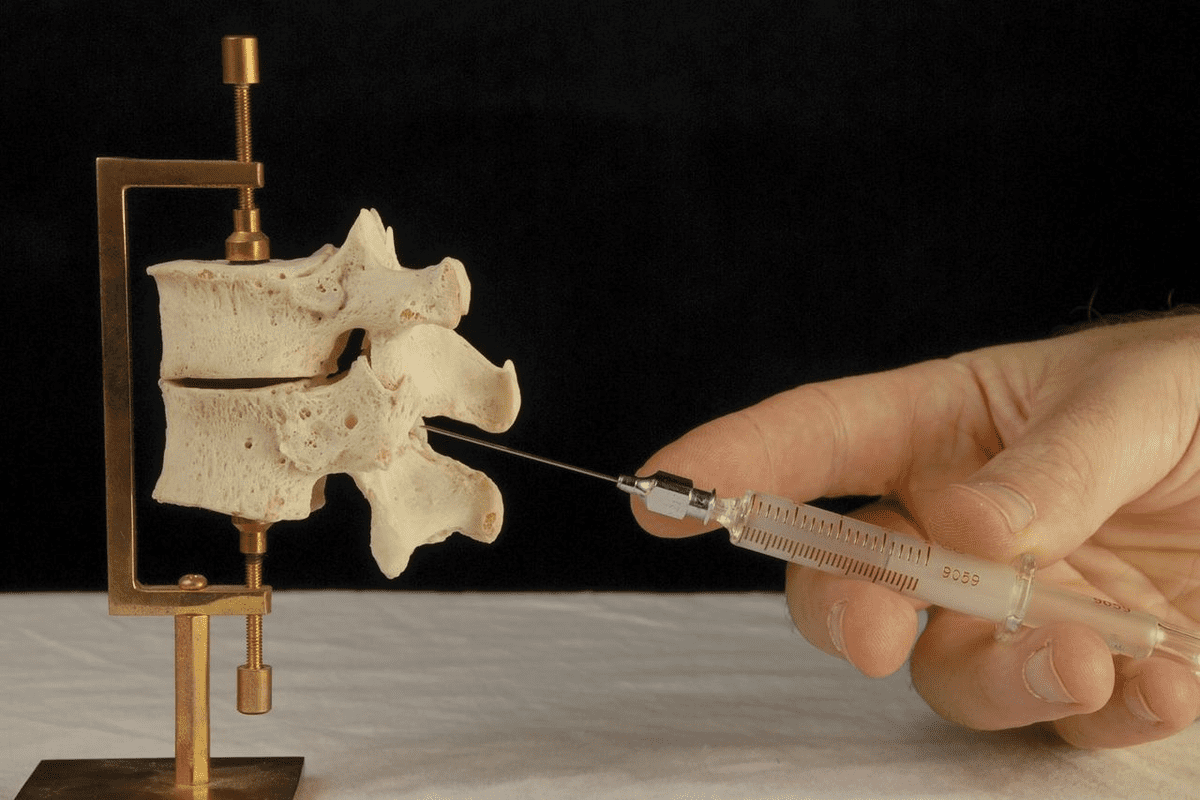
A bone marrow biopsy and aspiration are key for diagnosing bone marrow insufficiency. These tests take a sample of bone marrow for study. A biopsy looks at the marrow’s structure, while aspiration checks its cells.
Genetic Testing for Inherited Conditions
Genetic testing is vital for finding inherited conditions that might lead to bone marrow insufficiency. We look at genetic material for mutations linked to bone marrow failure. This helps us understand the condition better and plan treatment.
Imaging Studies and Other Diagnostic Tools
We also use imaging studies like MRI or CT scans to check the bone marrow. Tools like flow cytometry and cytogenetic analysis give more details about the bone marrow’s condition.
These methods help us understand the extent and cause of bone marrow insufficiency. This makes it easier to plan effective treatment.
The Connection Between Bone Marrow Dysfunction and Cancer Risk
It’s important to know how bone marrow problems can lead to cancer. This knowledge helps doctors take better care of their patients. We’ll look at how bone marrow issues can increase cancer risk, including leukemia.
Increased Risk of Leukemia
Bone marrow problems can make you more likely to get leukemia. Leukemia happens when the bone marrow makes bad white blood cells. This can cause serious health problems. It’s key for patients to get checked often.
Understanding why bone marrow fails is vital. Spotting problems early and acting fast is the best way to fight leukemia. People with bone marrow issues are at a higher risk of getting leukemia, including AML.
Myelodysplastic Syndrome Development
Myelodysplastic syndromes (MDS) are disorders where blood cells don’t form right. MDS can turn into leukemia. For those with bone marrow issues, MDS is a big worry because it can lead to cancer.
MDS often comes with bone marrow failure. Its path to leukemia is unpredictable. Keeping an eye on it and acting fast is important to stop it from getting worse.
Monitoring Protocols for Cancer Prevention
For those with bone marrow problems, regular checks are key to stopping cancer. Tests like blood counts, bone marrow biopsies, and genetic tests are important. It’s best for patients to work with their doctors to create a plan for these tests.
- Regular complete blood counts (CBC) to monitor blood cell levels
- Bone marrow aspiration and biopsy to assess marrow function
- Genetic testing to identify possible mutations
Early Warning Signs of Malignant Transformation
Knowing the signs of cancer early is critical. Signs like constant tiredness, losing weight without trying, and getting sick a lot can mean cancer is coming. It’s important for patients to watch for these signs and tell their doctors right away.
By understanding the link between bone marrow problems and cancer, we can improve patient care. Regular checks and catching problems early are key to reducing cancer risk.
Treatment Options for Bone Marrow Failure
There are many ways to treat bone marrow failure. Each method has its own benefits and things to consider. The right treatment depends on the cause, how severe it is, and the patient’s specific situation. We will look at the different ways to treat this condition.
Blood Transfusions and Blood Products
Blood transfusions are a common treatment for bone marrow failure. They help with symptoms like anemia and bleeding. Red blood cell transfusions increase red blood cells, reducing tiredness and weakness. Platelet transfusions help prevent or treat bleeding.
Using blood products carefully is important to avoid risks like transfusion reactions and iron overload. For example, leukoreduction removes white blood cells from donated blood to lower risks.
Growth Factor Therapy
Growth factor therapy uses medicines to make more blood cells. Erythropoietin and granulocyte-colony stimulating factor (G-CSF) are used to increase red and white blood cells. This helps the body fight off infections and reduces the need for transfusions.
- Erythropoietin helps reduce the need for red blood cell transfusions.
- G-CSF stimulates the bone marrow to produce more white blood cells, reducing the risk of infections.
Immunosuppressive Therapy
When bone marrow failure is caused by the immune system attacking the bone marrow, immunosuppressive therapy is used. This treatment weakens the immune system to stop it from attacking the bone marrow.
“Immunosuppressive therapy has been shown to be effective in some patients with bone marrow failure, particularlly those with aplastic anemia.”
Medical Journal
Stem Cell Transplantation
Stem cell transplantation, or bone marrow transplantation, is a possible cure for bone marrow failure. It replaces the patient’s bad bone marrow with healthy stem cells from a donor.
The process starts with chemotherapy and/or radiation to clear the bone marrow. Then, the donor’s stem cells are infused. Allogeneic stem cell transplantation uses stem cells from a compatible donor.
Living with Bone Marrow Suppression: Lifestyle Considerations
Managing bone marrow suppression requires making some lifestyle changes. Patients need to prevent infections, keep their diet balanced, stay active, and find emotional support.
Infection Prevention Strategies
It’s key to prevent infections for those with bone marrow suppression. Here are some tips:
- Avoid close contact with sick people
- Stay away from crowded places and public events
- Practice good hygiene, like washing hands often
- Wear masks in public or around others
Good hygiene is key to fight off infections. Wash your hands with soap and water often. Do this after using the bathroom and before eating.
Nutritional Support and Dietary Guidelines
Eating a balanced diet is vital for those with bone marrow suppression. Here’s what we recommend:
- Eat a variety of fruits, vegetables, and whole grains
- Include lean proteins and healthy fats in your meals
- Avoid raw or undercooked foods that may have harmful bacteria
Nutritional support is important for your body’s health. Drinking plenty of water is also key.
Physical Activity Recommendations
Doing the right physical activities can boost your well-being. Here’s what we suggest:
- Start with gentle exercises like walking or yoga
- Slowly increase the intensity with your doctor’s advice
- Avoid contact sports or activities that could hurt you
Regular physical activity can improve your mood and energy. It helps you live better.
Emotional and Psychological Support Resources
Dealing with bone marrow suppression can be tough emotionally. We suggest:
- Reach out to family, friends, or support groups
- Talk to mental health professionals if needed
- Try stress-reducing activities like meditation or deep breathing
Emotional support is vital for coping. Talking to others who get it can offer comfort and advice.
Prognosis: How Long Can You Live with Bone Marrow Failure?
People with bone marrow failure often wonder about their future. The outlook depends on several things. These include the cause, how severe it is, and how well treatment works.
Factors Affecting Survival Rates
Many things can change how long someone with bone marrow failure might live. These include:
- The underlying cause of the bone marrow failure
- The severity of the condition at diagnosis
- The patient’s age and overall health
- The effectiveness of the treatment plan
Early intervention is key. Doctors say, “Timely and proper treatment can greatly boost survival chances and quality of life.”
Importance of Early Intervention
Getting diagnosed and treated early is very important. Treatment might include blood transfusions, growth factor therapy, and stem cell transplants.
“Early detection and treatment are the backbone of managing bone marrow failure,” a top hematologist says. This approach not only increases survival chances but also improves life quality.
Quality of Life Considerations
Living well with bone marrow failure is important. Patients might feel tired, weak, and get sick easily. These issues can really affect their daily lives.
To help, doctors suggest:
- Infection prevention strategies
- Nutritional support and dietary guidelines
- Physical activity recommendations tailored to the patient’s condition
Long-term Monitoring Requirements
Keeping an eye on patients with bone marrow failure is key. Regular check-ups and tests help doctors see if treatment is working. They can then make changes if needed.
Dealing with bone marrow failure is complex. A detailed treatment plan, ongoing support, and monitoring are vital. They help improve survival chances and life quality.
Conclusion
We’ve looked into bone marrow insufficiency, a serious issue that needs quick diagnosis and good care. Knowing its causes, signs, and treatment is key to better health.
Bone marrow failure comes from many things like genetic problems, autoimmunity, toxins, and viruses. Spotting symptoms like tiredness, anemia, and easy infections early is vital.
Handling bone marrow insufficiency well means using blood transfusions, growth factors, and stem cell transplants. This way, doctors can tailor care to help patients get better.
Living with bone marrow issues means taking care of yourself. This includes avoiding infections, eating right, and getting emotional support. With the right care, people can live better and manage their condition well.
FAQ
What is bone marrow insufficiency?
Bone marrow insufficiency happens when the bone marrow can’t make enough blood cells. This leads to health problems.
What are the common causes of bone marrow insufficiency?
Causes include genetic issues, autoimmune diseases, toxin exposure, and viral infections.
What are the symptoms of bone marrow failure syndrome?
Symptoms include tiredness, anemia, getting sick easily, and bleeding issues.
How is bone marrow insufficiency diagnosed?
Doctors use blood tests, bone marrow biopsies, genetic tests, and imaging to diagnose it.
What are the treatment options for bone marrow failure?
Treatments include blood transfusions, growth factor therapy, and stem cell transplants.
How does bone marrow malfunction affect different blood components?
It can affect red blood cells, white blood cells, and platelets, causing health problems.
Is there a connection between bone marrow dysfunction and cancer risk?
Yes, it increases the risk of cancer, like leukemia.
How can individuals with bone marrow suppression manage their daily life?
They can prevent infections, eat well, stay active, and get emotional support.
What is the prognosis for individuals with bone marrow failure?
It depends on the cause, how severe it is, and how well they respond to treatment.
How long can you live with bone marrow failure?
Life expectancy varies based on the cause, severity, and treatment success.
What are the factors affecting survival rates in bone marrow failure?
Survival depends on the cause, severity, treatment response, and overall health.
Why is early intervention important in managing bone marrow failure?
Early action can improve outcomes, reduce complications, and enhance quality of life.
References
- Young, N. S. (2022). Aplastic anemia. New England Journal of Medicine, *379*(17), 1643-1656. https://pubmed.ncbi.nlm.nih.gov/30380387/