Last Updated on November 20, 2025 by Ugurkan Demir
Are you tired all the time, bruising easily, or getting sick a lot? These could be signs of bone marrow dysfunction. This system is key, and small issues can lead to big health problems.
At Liv Hospital, we focus on you. We check every symptom carefully. This way, you get the best care, based on the latest science and technology.
Myelofibrosis and multiple myeloma can harm the bone marrow. This causes symptoms like anemia, bleeding, infections, and bone pain. Spotting these signs early is key to managing and treating the disease.
Key Takeaways
- Spotting bone marrow symptoms early is important for quick action.
- Ignoring bone marrow problems can lead to serious health issues.
- Our patient-focused care ensures you get the best treatment for bone marrow disorders.
- Myelofibrosis and multiple myeloma can really affect the bone marrow.
- Symptoms include tiredness, bruising, infections, and bone pain, among others.
What is Bone Marrow and How Does it Function?
Bone marrow is a vital part of our bones. It makes blood cells. This spongy tissue fills our bones’ cavities, helping us survive by producing blood cells.
The Vital Role of Bone Marrow in Blood Production
Bone marrow makes three main blood cell types: red, white, and platelets. Red blood cells carry oxygen, white blood cells fight infections, and platelets help blood clot to stop bleeding.
The process of making blood cells is complex. It involves stem cells turning into different blood cells.
Types of Blood Cells Produced in Bone Marrow
The bone marrow produces:
- Red Blood Cells: Carry oxygen to tissues and organs.
- White Blood Cells: Help fight infections in the immune system.
- Platelets: Prevent excessive bleeding by clotting blood.
Common Causes of Bone Marrow Dysfunction
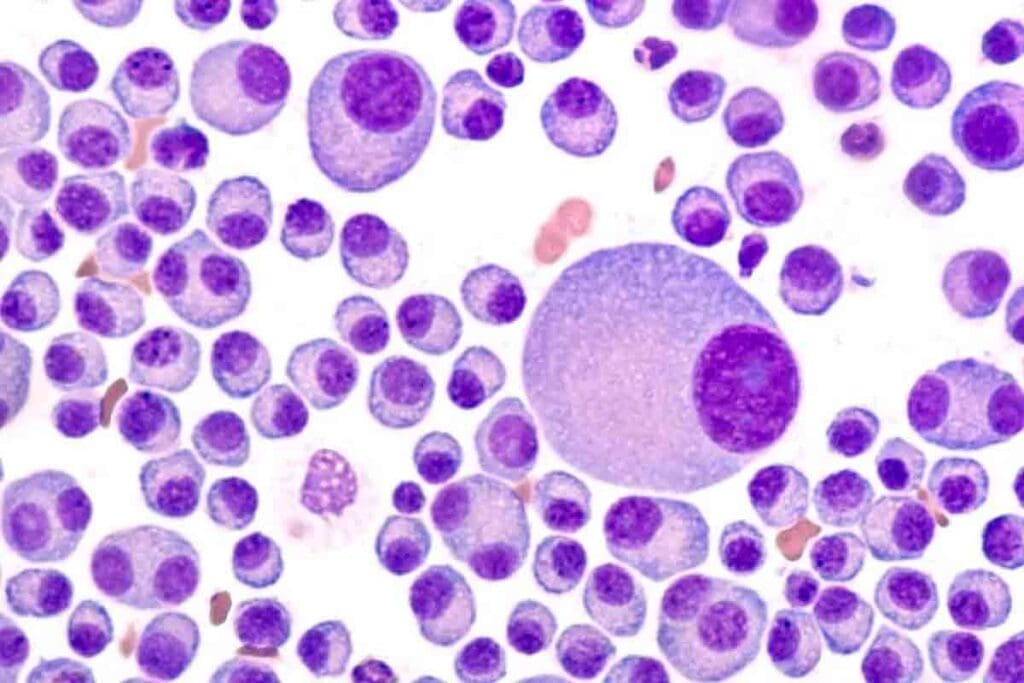
Bone marrow problems can come from myelofibrosis or multiple myeloma. These are disorders and cancer affecting the bone marrow. Infections, toxins, and some medicines can also cause issues.
Knowing the causes of bone marrow problems helps in diagnosing and treating them. Early signs and symptoms mean quicker medical help, which can lead to better outcomes.
Common Bone Marrow Symptoms and Their Causes
It’s important to know about bone marrow symptoms to diagnose and treat disorders well. Bone marrow is key in making blood cells. Any problem here can cause health issues.
The Spectrum from Mild Insufficiency to Complete Failure
Bone marrow insufficiency can be mild or severe. Mild cases might have few symptoms. But severe cases can be life-threatening.
Mild insufficiency might cause slight symptoms. But complete failure can lead to serious anemia, infections, and bleeding problems.
| Condition | Symptoms | Severity |
| Mild Insufficiency | Minimal fatigue, slight anemia | Low |
| Moderate Insufficiency | Noticeable fatigue, anemia, infections | Moderate |
| Severe Insufficiency | Severe fatigue, significant anemia, frequent infections | High |
| Complete Failure | Life-threatening anemia, severe infections, bleeding disorders | Critical |
Inherited vs. Acquired Bone Marrow Disorders
Bone marrow disorders can be inherited or acquired. Inherited disorders come from family genes, like Fanconi anemia. Acquired disorders happen from outside factors, like toxins or infections.
Acquired disorders are more common. They can come from things like chemotherapy, certain meds, or viruses. Knowing if a disorder is inherited or acquired helps find the right treatment.
How Symptoms Develop and Progress
Symptoms of bone marrow disorders depend on the cause and how severe it is. They can start slowly or quickly, based on the disorder’s type.
Chronic disorders might progress slowly, allowing patients to adjust. But acute disorders can cause severe symptoms fast, needing quick medical help.
We’ll keep exploring symptoms and their meanings in the next sections. This will help us understand bone marrow disorders better.
Anemia-Related Bone Marrow Symptoms
Anemia is a big problem caused by bone marrow not working right. It leads to many bad symptoms. When the bone marrow can’t make enough red blood cells, it causes anemia. This really hurts a person’s life quality.
Fatigue and Weakness
Fatigue and weakness are common signs of anemia from bone marrow issues. This is because the body’s tissues and organs don’t get enough oxygen. People often feel very tired and can’t do simple things.
Shortness of Breath and Rapid Heart Rate
Shortness of breath and rapid heart rate are also signs of anemia from bone marrow problems. The heart works harder because there aren’t enough red blood cells. This makes it hard to breathe, even when sitting or lying down.
| Symptom | Description | Impact on Patients |
| Fatigue and Weakness | Lack of red blood cells leads to insufficient oxygen delivery | Difficulty performing daily activities |
| Shortness of Breath | Inadequate oxygenation triggers respiratory distress | Reduced ability to engage in physical activities |
| Pale Skin and Mucous Membranes | Reduced red blood cell count causes paleness | Visible changes can affect self-esteem |
| Dizziness and Lightheadedness | Insufficient blood flow to the brain | Increased risk of falls and injuries |
Pale Skin and Mucous Membranes
Pale skin and mucous membranes show anemia from bone marrow problems. The lack of red blood cells makes the skin look pale. This can really upset patients.
Dizziness and Lightheadedness
Dizziness and lightheadedness are common in anemia from bone marrow issues. The brain doesn’t get enough oxygen, making people feel unstable.
These symptoms are hard to deal with, but knowing why they happen is a big step. It helps find ways to manage and treat them.
Bleeding and Bruising Signs of Bone Marrow Dysfunction
Bone marrow problems can cause bleeding and bruising. It affects blood cell production, including platelets. These are key for blood to clot. We’ll look at signs of bleeding and bruising linked to bone marrow issues.
Easy Bruising and Prolonged Bleeding
Easy bruising and long bleeding times are signs of bone marrow issues. Low platelet counts, or thrombocytopenia, can cause these problems. Even small injuries can lead to big bruises, and bleeding may not stop quickly.
Petechiae and Purpura
Petechiae are small spots on the skin from broken blood vessels. Purpura are larger bruises. Both show platelet disorders linked to bone marrow problems. Petechiae and purpura can show up anywhere on the body and may come with other bleeding signs.
Nosebleeds and Gum Bleeding
Nosebleeds and gum bleeding are signs of bleeding disorders from bone marrow issues. These happen when blood can’t clot right because of low platelet counts or dysfunction.
Internal Bleeding Risks
Internal bleeding is a serious risk with bone marrow problems. It can happen in the gut, brain, and other organs. This can be deadly and needs quick medical help.
| Bleeding Symptom | Description | Potential Complication |
| Easy Bruising | Bruising without significant trauma | Large hematomas |
| Petechiae | Small spots on the skin | Purpura, larger bruises |
| Nosebleeds | Frequent or severe nosebleeds | Anemia, significant blood loss |
Infection-Related Bone Marrow Symptoms
Bone marrow problems make it hard for the body to fight off infections. This is because bone marrow helps make immune cells, like white blood cells. These cells are key in fighting off infections.
Frequent or Severe Infections
When bone marrow doesn’t work right, infections become more common. This is because there are fewer white blood cells to fight off germs. This condition is called neutropenia.
Infections can hit different parts of the body, like the lungs, skin, and urinary tract. How often and how severe these infections are can depend on the bone marrow problem.
Persistent Low-Grade Fever
A low-grade fever that won’t go away can mean an infection is fighting the body. This is common in people with bone marrow issues because their immune system is weak.
This fever might come with other symptoms like feeling tired, weak, and not feeling well. It’s important to watch the temperature and get medical help if it doesn’t get better or gets worse.
Slow Healing of Wounds
Bone marrow problems also make it hard for wounds to heal. With fewer platelets and white blood cells, wounds take longer to close and are more likely to get infected. This makes healing wounds a big challenge.
Wounds that don’t heal fast can lead to more problems, like infections spreading, scarring, and longer recovery times. It’s key to take good care of wounds and watch them closely.
Opportunistic Infections
Opportunistic infections happen when the immune system is very weak. This lets germs that usually don’t cause problems cause disease. People with bone marrow issues are more likely to get these infections.
Examples of opportunistic infections include fungal infections like candidiasis and viral infections like cytomegalovirus (CMV). These infections can be very serious and even life-threatening if not treated right away.
| Infection Type | Common Symptoms | Potential Complications |
| Bacterial Infections | Fever, chills, cough, difficulty breathing | Sepsis, pneumonia, organ failure |
| Fungal Infections | Skin lesions, oral thrush, difficulty swallowing | Invasive fungal disease, organ damage |
| Viral Infections | Fever, fatigue, rash, sore throat | Encephalitis, pneumonia, hepatitis |
It’s important to know about the risks and symptoms of infection-related bone marrow problems. Recognizing these signs early can help get the right treatment and prevent worse problems.
Bone Pain and Skeletal Symptoms
Skeletal symptoms, like bone pain, are common in bone marrow issues. These symptoms can really affect a person’s life. It’s key to know what causes them and why they matter.
Spine, Rib, and Chest Pain Patterns
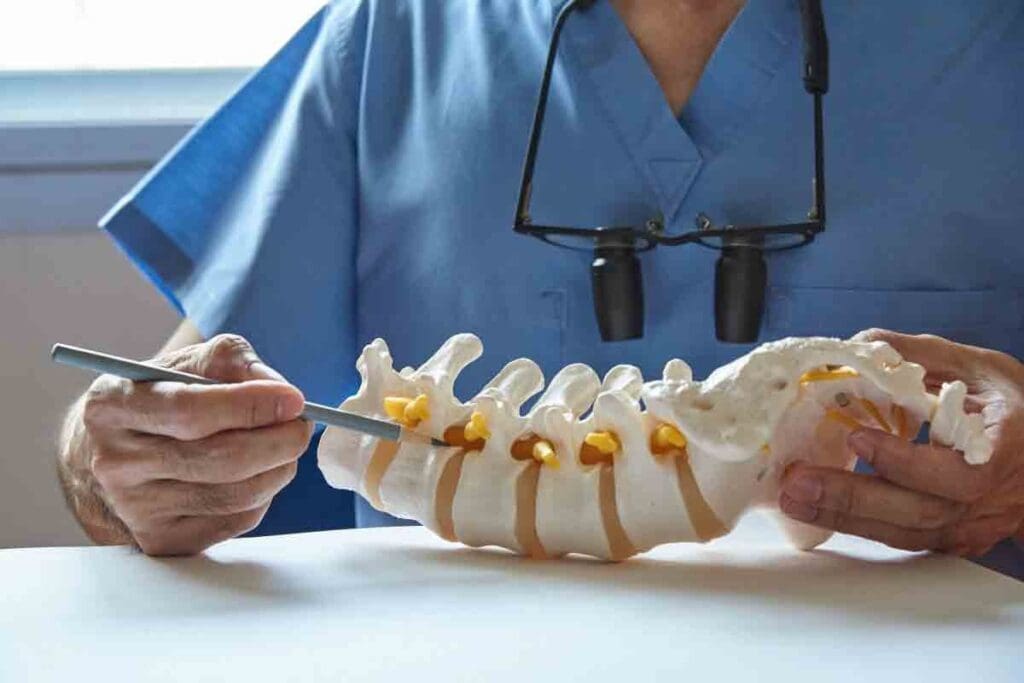
Bone marrow problems, like multiple myeloma, often cause bone pain. This pain is usually in the spine, ribs, and chest. It can get worse if not treated.
- Pain in the spine can make it hard to move around.
- Rib pain can feel like sharp stabbing, worse when you breathe deeply or move.
- Chest pain from bone marrow issues might mean your ribs or sternum are affected.
Bone Tenderness and Fragility
Patients with bone marrow disorders may also feel bone tenderness. This tenderness can lead to a higher risk of fractures because bones are weak.
A hematologist, says, “Bone tenderness is a big worry for patients with bone marrow disorders. It shows there might be damage to the bones.”
“Bone marrow disorders can lead to a range of skeletal symptoms, from mild discomfort to severe pain and fragility.”
Pathological Fractures
Pathological fractures are serious in bone marrow disorders. These fractures happen when bones break, even without much trauma.
- Pathological fractures can happen in any bone but are more common in weight-bearing bones.
- These fractures can cause a lot of problems and affect a patient’s life quality.
Joint Involvement and Mobility Issues
Bone marrow disorders can also affect joints, leading to mobility problems. This makes managing the condition even harder.
Joint pain and swelling can happen because of cancer cells in the bone marrow. This affects the tissues around the joints.
Dealing with skeletal symptoms is tough. Recognizing them early helps patients get the right treatment. This way, they can better manage their condition.
Systemic Bone Marrow Symptoms
Bone marrow problems can cause a variety of symptoms that affect the whole body. These symptoms can be hard for patients because they show how the bone marrow interacts with other body systems.
Unexplained Weight Loss
One big symptom of bone marrow issues is unexplained weight loss. This happens because the body’s metabolism speeds up to fight the problem. Unexplained weight loss can make patients weak and tired, making their health even worse.
Night Sweats and Temperature Fluctuations
Night sweats and changes in body temperature are common symptoms too. They might mean there’s an infection or inflammation. Night sweats can mess up sleep, making patients feel even worse.
Loss of Appetite and Malaise
Patients with bone marrow problems often lose their appetite. This can lead to malnutrition, making them even weaker. They also feel generally unwell, which makes everyday tasks hard.
Enlarged Lymph Nodes and Spleen
Enlarged lymph nodes and spleen are symptoms of the body’s immune response to bone marrow issues. An enlarged spleen can hurt and cause pain in the upper left abdomen. Enlarged lymph nodes can be sore and might show there’s an infection or disease.
| Systemic Symptom | Possible Cause | Impact on Patient |
| Unexplained Weight Loss | Increased metabolic rate | Weakness, fatigue |
| Night Sweats | Infection, inflammation | Disrupted sleep, malaise |
| Loss of Appetite | Disease progression | Malnutrition, weakness |
| Enlarged Lymph Nodes and Spleen | Immune response | Discomfort, pain |
It’s important to know these symptoms to diagnose and treat bone marrow disorders well. Early recognition helps healthcare providers help patients better.
Metabolic and Organ-Related Complications
Bone marrow disorders can cause many problems. When bone marrow doesn’t work right, it can harm many parts of the body. This leads to different secondary issues.
Hypercalcemia: Nausea, Confusion, and Excessive Thirst
Hypercalcemia is a common issue in bone marrow disorders like multiple myeloma. Symptoms include nausea, confusion, and too much thirst. It happens when cancer cells in the bone marrow release too much calcium.
We must watch calcium levels closely in these patients. This helps avoid serious problems.
Managing hypercalcemia means staying hydrated, using medicine to lower calcium, and treating the root cause. It’s important to act fast to avoid kidney damage and brain problems.
Kidney Dysfunction: Swelling and Decreased Urine Output
Kidney problems are a big issue in bone marrow disorders. Kidney damage comes from toxic proteins or light chains from abnormal plasma cells. Symptoms include swelling, less urine, and feeling tired.
Spotting and treating kidney problems early can stop it from getting worse. Treatment might include fixing the bone marrow issue, managing fluids, and avoiding harmful medicines.
Neurological Symptoms: Numbness, Tingling, and Weakness
Neurological symptoms can also happen in bone marrow disorders. Symptoms like numbness, tingling, and weakness can occur. These might come from nerve damage or treatment side effects.
Handling these symptoms might mean changing treatments, managing pain, and supportive care. It’s key to tackle these symptoms quickly to improve life quality.
Liver Involvement and Jaundice
Liver problems are a serious but rare issue in some bone marrow disorders. Jaundice, or yellow skin and eyes, can happen. We need to check liver function in these patients and act fast if it’s not right.
Liver issues might need special treatment, like changing medicines and managing liver health. Keeping an eye on the liver is vital in patients with bone marrow disorders to prevent more problems.
When to Seek Medical Attention for Bone Marrow Symptoms
Knowing the emergency signs of bone marrow symptoms can save lives. Bone marrow disorders show up in different ways. It’s key to know when to get medical help for the best treatment.
Emergency Warning Signs
If you notice any of these symptoms, get medical help right away:
- Severe fatigue that makes it hard to do daily tasks
- Unexplained bleeding or bruising
- Frequent infections or a constant fever
- Severe bone pain or tenderness
- Shortness of breath or a fast heart rate
These signs can mean a serious problem that needs quick medical check-up.
Diagnostic Tests for Bone Marrow Disorders
Your doctor might do several tests to check your bone marrow. These tests include:
| Test | Description | Purpose |
| Complete Blood Count (CBC) | Measures the levels of different blood cells | Assess overall blood health |
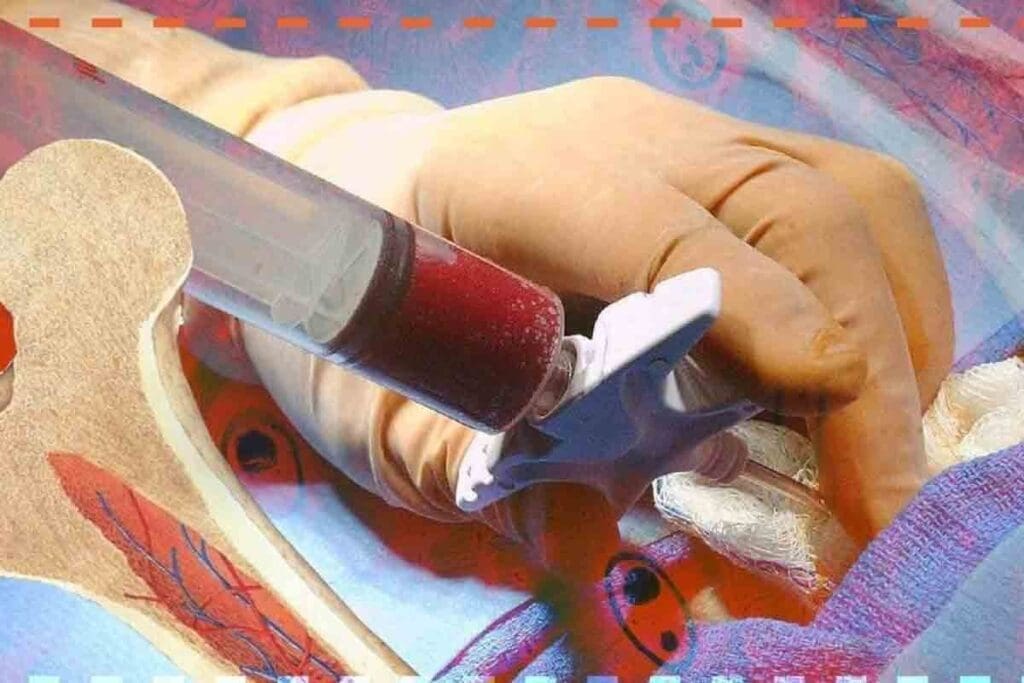
| Bone Marrow Biopsy | Involves removing a sample of bone marrow for examination | Diagnose bone marrow disorders |
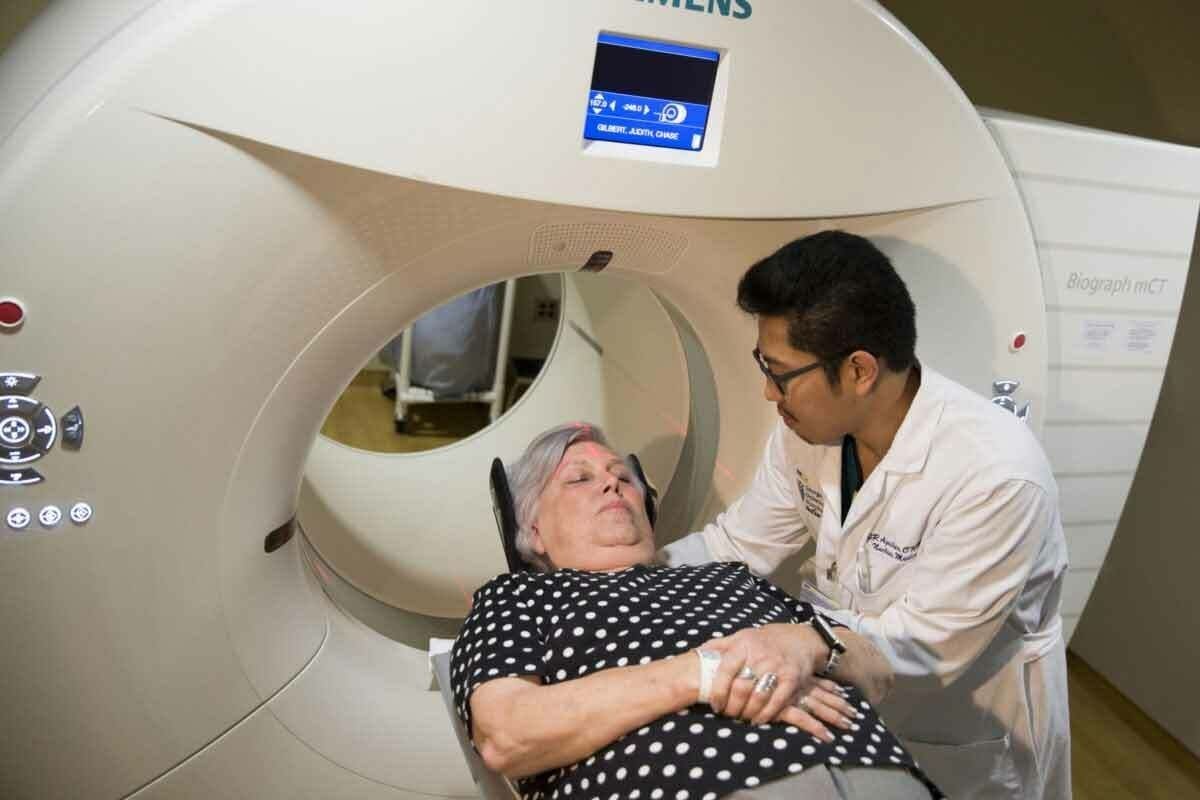
| Imaging Tests | X-rays, CT scans, or MRI scans | Evaluate bone health and detect abnormalities |
These tests help doctors find out what’s wrong and plan the right treatment.
What to Expect During Bone Marrow Evaluation
At your bone marrow check-up, your doctor will:
- Do a detailed medical history and physical check
- Order tests as needed
- Talk about your symptoms and any worries you have
Telling your doctor everything about your symptoms and health is important. It helps get the right diagnosis and treatment.
Preparing for Your Doctor’s Appointment
To get the most from your doctor’s visit:
- List your symptoms and when they happen
- Note any medications you’re taking
- Bring relevant medical records or test results
- Prepare questions to ask your healthcare provider
Being ready can lead to a better talk with your doctor. It helps you get the care you need.
Conclusion: Living with Bone Marrow Disorders
Living with bone marrow disorders can be tough, but it’s possible to manage it well. A good plan includes medical care and changes in lifestyle. Knowing the symptoms and causes helps us cope better.
Managing bone marrow disease means regular doctor visits and sticking to treatment plans. Making healthy choices is also key. Emotional support and coping strategies are vital for those with bone marrow symptoms. This holistic approach can greatly improve life quality.
Bone marrow disorders can cause issues like anemia, bleeding, and infections. Being aware of these helps us manage them better. Our aim is to support and guide those with bone marrow disorders, helping them face their condition with confidence.
FAQ
What are the common symptoms of bone marrow disorders?
Symptoms include fatigue, weakness, and shortness of breath. You might also notice easy bruising, frequent infections, and bone pain. Unexplained weight loss is another sign.
What causes bone marrow dysfunction?
Many conditions can cause bone marrow dysfunction. Myelofibrosis and multiple myeloma are examples. These diseases affect the bone marrow’s ability to make blood cells.
How do anemia-related symptoms manifest in bone marrow disorders?
Anemia symptoms include fatigue and weakness. You might also have pale skin, dizziness, and shortness of breath. These happen when the bone marrow can’t make enough red blood cells.
What are the signs of bleeding and bruising related to bone marrow dysfunction?
Signs include easy bruising and petechiae. You might also get nosebleeds and have prolonged bleeding. These happen when there are low platelet counts or when platelets don’t work right.
How do bone marrow disorders increase the risk of infections?
Bone marrow disorders can lower white blood cell counts. This makes it hard for the body to fight infections. You might get frequent or severe infections and have slow wound healing.
What are the bone pain and skeletal symptoms associated with bone marrow disorders?
Symptoms include bone pain and tenderness. Bones might also be fragile, leading to pathological fractures. This can really affect your mobility and quality of life.
What systemic symptoms can occur in bone marrow disorders?
Systemic symptoms include unexplained weight loss and night sweats. You might also lose your appetite and feel generally unwell. These can be signs of bone marrow dysfunction.
What are the metabolic and organ-related complications of bone marrow disorders?
Complications include hypercalcemia and kidney dysfunction. You might also experience neurological symptoms and liver involvement. These need prompt medical attention.
When should I seek medical attention for bone marrow symptoms?
Seek medical attention for emergency warning signs. These include severe bleeding, difficulty breathing, or severe infections. Also, if your symptoms persist or get worse, see a doctor.
What diagnostic tests are used to evaluate bone marrow disorders?
Tests include blood counts and bone marrow biopsies. Imaging studies and other specialized tests are also used. They help assess bone marrow function and find underlying conditions.
How can I prepare for a doctor’s appointment regarding bone marrow symptoms?
Prepare by gathering your medical history. List your symptoms and medications. Also, ask questions to discuss with your healthcare provider.
What are the signs of bone marrow failure?
Signs include severe anemia, bleeding, and infections. These are emergency situations that need immediate medical attention.
Can bone marrow disorders be inherited?
Yes, some bone marrow disorders can be inherited. Others are acquired due to toxins or infections.
How do bone marrow disorders affect the body’s ability to fight infections?
Bone marrow disorders can lower white blood cell counts. This makes it harder for the body to fight off infections.
Reference
- Pasquet, A., et al. (2024). A comprehensive review of the role of bone marrow biopsy and PET-CT in the evaluation of bone marrow involvement in adults newly diagnosed with DLBCL. Frontiers in Oncology, 14, 1301979. https://www.frontiersin.org/journals/oncology/articles/10.3389/fonc.2024.1301979/full