Last Updated on December 1, 2025 by Bilal Hasdemir
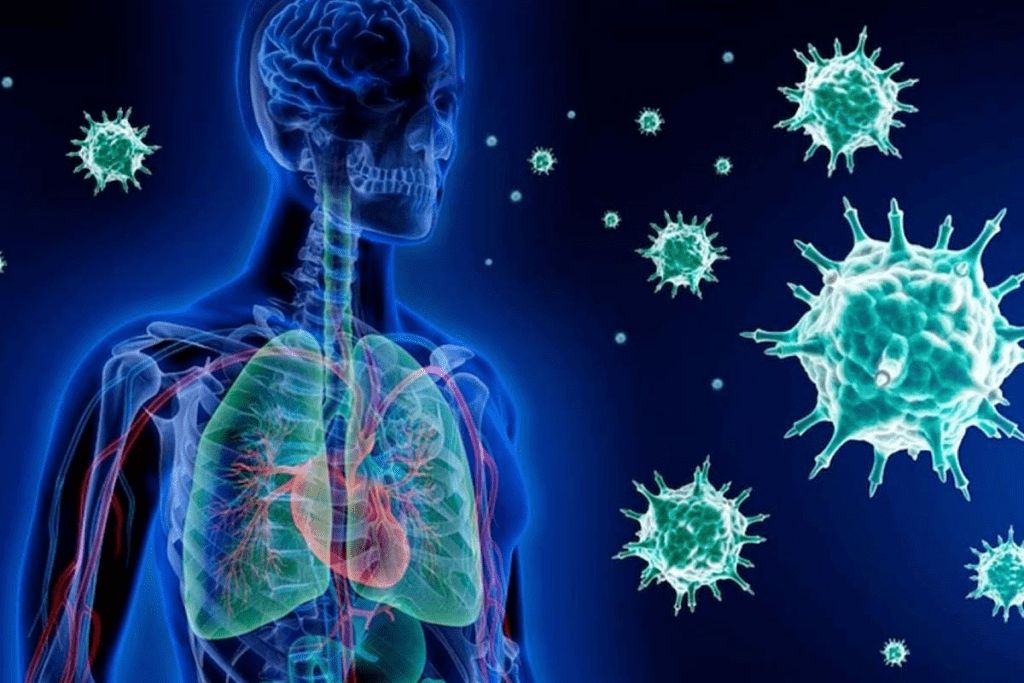
The days right after the transplant can be very hard. Patients may encounter serious complications that significantly impact their quality of life. It’s essential for patients and their caregivers to know about these challenges to prepare for what’s ahead.
Key Takeaways
- Stem cell transplant recovery can be challenging.
- Patients may experience severe complications.
- Understanding potential risks is crucial.
- Caregivers play a vital role in the recovery process.
- Preparation is key to navigating the recovery journey.
Understanding Stem Cell and Bone Marrow Transplants
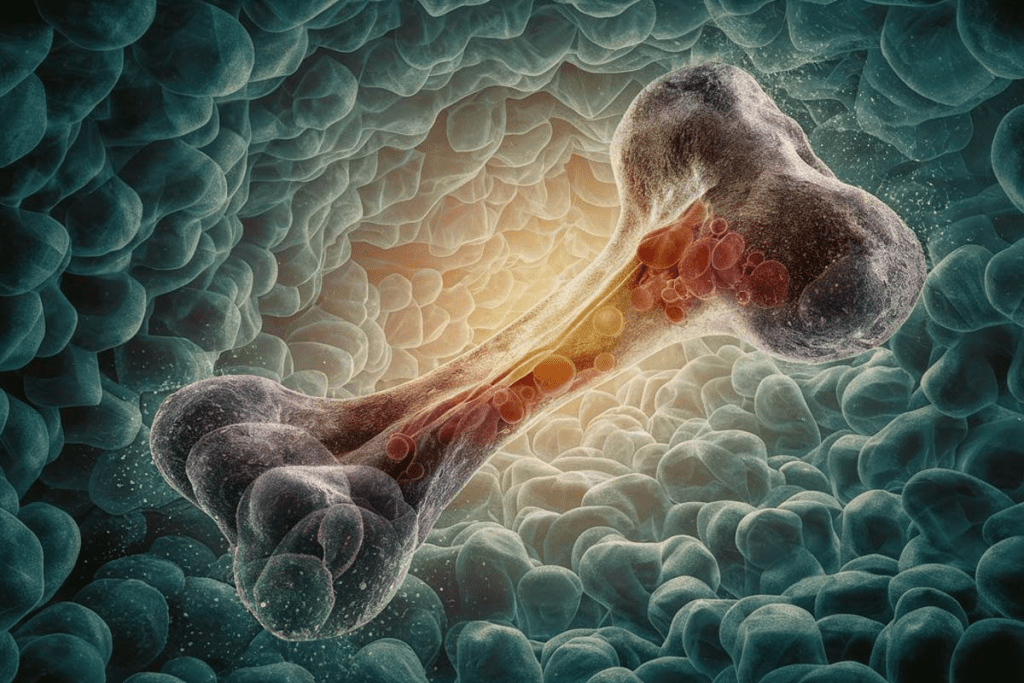
Getting a stem cell or bone marrow transplant side effects is a detailed process that patients should understand in advance. It includes careful preparation before the procedure and ongoing self-care afterward. While these treatments are highly effective in combating serious diseases, including certain cancers and autoimmune disorders, it is important to be aware of possible side effects such as fatigue, infections, or complications from the immune system.
Types of Transplants: Autologous vs. Allogeneic
There are two main types of transplants: autologous and allogeneic. Autologous transplants use your stem cells. They are collected, stored, and then given back after treatments. This method lowers the risk of GVHD but might not work for everyone, especially those with certain cancers.
Allogeneic transplants use stem cells from a donor. The donor can be a relative or someone else. Allogeneic transplants can cure some diseases but have a higher risk of GVHD. The choice depends on your health, whether a donor is available, and other factors.
The Transplantation Process
The process starts with conditioning therapy. This usually includes high-dose chemotherapy and/or radiation. It’s key to kill cancer cells and weaken your immune system to avoid transplant rejection.
After conditioning, you get the stem cell or bone marrow infusion. This is like a blood transfusion. Then, you go through a critical phase where you’re watched closely for signs of engraftment, infection, and other issues. Engraftment happens when the new stem cells start making blood cells, usually within weeks.
Why Transplants Cause Side Effects
Stem cell and bone marrow transplants can lead to side effects. The conditioning therapy can cause immediate issues like nausea, fatigue, and hair loss. Serious problems can also happen, like infections, GVHD, and organ damage, during the post-transplant period.
A study in a medical journal found that complications after a bone marrow transplant are common. It’s important to understand these risks to manage patient care well. Managing side effects is key to post-transplant care, with a team of healthcare professionals involved.
“The complexity of stem cell and bone marrow transplants necessitates a comprehensive approach to patient care, from pre-transplant evaluation through long-term follow-up.”
Knowing about the types of transplants, the process, and possible side effects helps patients and their caregivers deal with these life-saving treatments.
The Timeline of Recovery After Transplantation
Knowing the recovery timeline after a stem cell transplant is key for patients and their caregivers. The journey can be split into three main parts: before new cells start working, when they first start, and later on.
Pre-Engraftment Phase (Days 0-30)
The journey starts right after the transplant and lasts until new cells make blood, usually within 30 days. Patients face a significant risk of getting sick and might experience mucositis and fatigue. It’s essential to watch them closely and help them through this tough time.
Early Post-Engraftment Phase (Days 30-100)
After new cells start working, patients move into the early recovery phase. They still face infection risks, but their bodies begin to fight off germs better. They might still deal with graft-versus-host disease (GVHD) and need to see their transplant team often.
Late Post-Engraftment Phase (Beyond Day 100)
The late recovery phase goes past 100 days after the transplant. By then, most people can start doing more normal things again. But some might still face long-term issues like chronic GVHD and immune system suppression. They need to keep up with medical care and make lifestyle changes to handle these problems.
Understanding the recovery process well is crucial. Knowing what to expect in each stage helps patients and their families deal with the transplant’s challenges.
The Most Challenging Days: Days 5-12 Post-Transplant
The days from 5 to 12 after a stem cell transplant are very tough for patients. They face many complications because of the treatment and the transplant itself.
Mucositis and Gastrointestinal Symptoms
Mucositis is a big problem during this time. It’s an inflammation of the digestive tract’s lining. This can cause painful ulcers in the mouth and throat, making it hard to eat and drink.
Patients also get nausea, vomiting, and diarrhea. These symptoms come from the treatment they’re getting.
To deal with these issues, patients need to take good care of their mouths. They should rinse with salt water and use pain-relieving gels. Eating soft, bland foods helps too.
Neutropenia and Infection Risk
Patients are at high risk of infections from days 5-12. This is because they have low levels of neutrophils, which fight infections. Their bone marrow is also suppressed, making them more susceptible to infections.
To prevent infections, patients are kept isolated. They also take antibiotics and antifungal meds to lower the risk.
Managing the Critical Period
Managing these days requires a detailed plan. Patients are watched closely for signs of infection. Their blood counts are checked often to see if their bone marrow is recovering.
Good nutrition is key during this time. It helps with healing and recovery. Patients and their caregivers need to know how to handle this challenging phase. It’s also important to watch for GVHD symptoms and tell their doctors right away.
Bone Marrow Transplant Side Effects: A Comprehensive Overview
Going through a bone marrow transplant means facing many side effects. These can happen right away or later. It’s key for patients and their families to know about these to plan better for recovery.
Immediate Side Effects (Days 0-30)
The first few weeks after a transplant are very important. Patients often feel:
- Fatigue and Weakness: This is because of the treatment and the transplant itself.
- Nausea and Vomiting are common side effects of the treatment.
- Mucositis: This is when the mouth and throat get inflamed, making it hard to eat and swallow.
These early side effects come from the treatment and the transplant. It’s essential to manage them to keep the patient comfortable and prevent more problems.
Delayed Side Effects (Beyond 30 Days)
After the first 30 days, patients may face new challenges. These include:
- Graft-Versus-Host Disease (GVHD): This is when the new marrow attacks the body.
- Infections: With a weakened immune system, patients are more likely to get sick.
- Organ Dysfunction: This can affect organs like the liver, lungs, and heart over time.
It’s vital to understand and handle these late side effects. This helps improve the long-term health and quality of transplant patients.
Graft-Versus-Host Disease (GVHD): A Major Complication
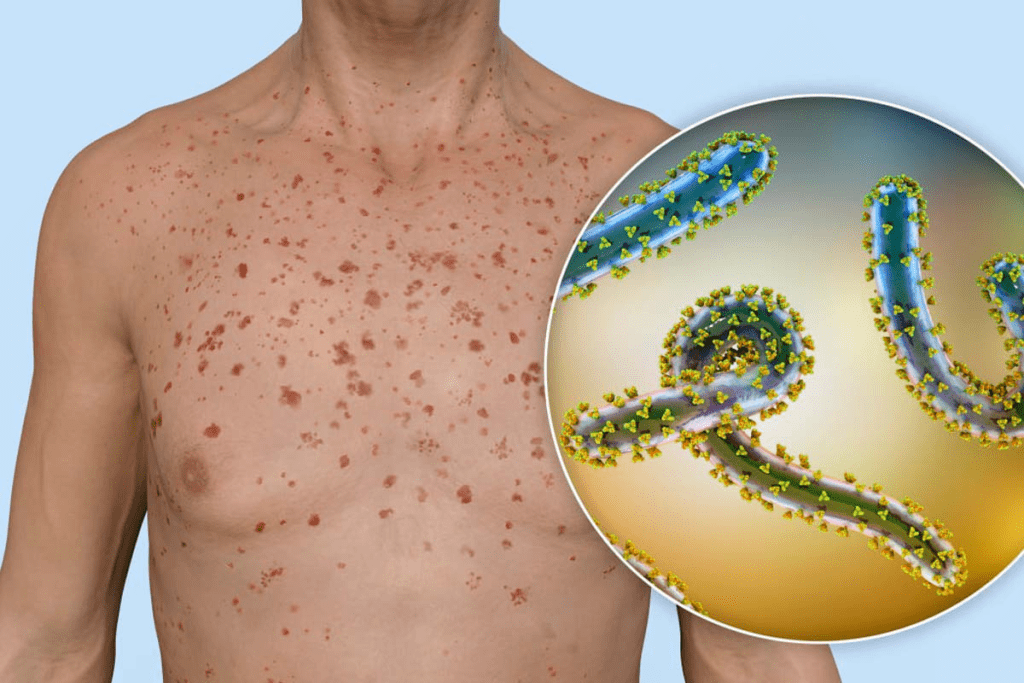
Graft-Versus-Host Disease (GVHD) is a big problem after a stem cell transplant. It affects how well a patient feels. GVHD happens when the donated stem cells see the body as foreign and attack it. This can cause many symptoms, from mild to serious.
Acute GVHD: Symptoms and Timeline
Acute GVHD starts within the first 100 days after the transplant. Symptoms can be different but often include skin rash, nausea, vomiting, diarrhea, and stomach pain. The severity can vary a lot. Early detection and treatment are crucial to managing it well.
Chronic GVHD: Long-term Challenges
Chronic GVHD can start after the first 100 days and can last for months or years. Symptoms can be similar to acute GVHD but may also include dry eyes, dry mouth, and skin thickening. Managing chronic GVHD needs a long-term plan and regular check-ups with doctors.
Chronic GVHD can really affect a patient’s life, so it’s essential to have a good care plan. This might include medicines, lifestyle changes, and regular health checks.
Treatment Approaches for GVHD
Treating GVHD depends on how severe and what type it is. Common treatments include medicines to calm down the immune system. Sometimes, other treatments like extracorporeal photopheresis are used too.
- Immunosuppressive drugs to dampen the immune response
- Corticosteroids to reduce inflammation
- Supportive care to manage symptoms and prevent infections
Managing GVHD needs a team effort from many doctors. By knowing about GVHD, patients can better handle the challenges after a stem cell transplant.
Infection Risks Throughout the Recovery Process
Infections are a big worry for patients getting better from a stem cell transplant. The time after the transplant is tough because their immune system is weak. This makes them very open to different infections.
Bacterial Infections
Bacterial infections are a big worry early on after the transplant. Gram-positive bacteria are often seen, especially in infections linked to catheters. To fight this, patients usually take antibiotics to prevent it.
Even after leaving the hospital, the risk of bacterial infections stays high. It’s important to keep watching out and follow the rules to prevent infections.
Viral Reactivations and Infections
Viral infections can come from new viruses or old ones waking up. Cytomegalovirus (CMV) is a big worry, and doctors watch it closely with blood tests.
To stop some viruses, like herpes simplex virus (HSV) and varicella-zoster virus (VZV), doctors use antiviral drugs.
Fungal Infections
Fungal infections are less common but can be serious. Candida and Aspergillus are common fungal bugs.
To keep these infections away, doctors give antifungal drugs to high-risk patients. This shows how important it is to tailor infection prevention plans.
Handling infection risks is a big job that needs careful watching, preventive steps, and quick action when infections happen. Knowing about these risks helps patients and their families get through the recovery better.
Potential Risks of Bone Marrow Transplant: Organ-Specific Complications
Bone marrow transplantation is a life-saving procedure for many. However, it comes with risks that can affect different organs in the body. It’s important to understand these potential complications.
Pulmonary Complications
Pulmonary issues are a big worry after bone marrow transplants. These can include infections, inflammation, and lung damage. Idiopathic pneumonia syndrome is a serious condition that can be life-threatening.
Patients are closely watched for signs of breathing problems. Doctors often use preventive antibiotics to help.
Hepatic Veno-Occlusive Disease
Hepatic veno-occlusive disease (VOD) affects the liver. It happens when small hepatic veins get blocked, causing liver problems. Symptoms include jaundice, liver pain, and fluid buildup.
Risk factors for VOD include the treatment before the transplant and any liver issues beforehand.
Cardiac and Renal Complications
Cardiac issues can happen due to the treatment before the transplant. This can cause cardiomyopathy or other heart problems. Renal complications can also occur, often from harmful medications or sepsis.
It’s key to watch the heart and kidneys closely after the transplant. This helps prevent or lessen these complications.
Knowing about these organ-specific risks is vital for managing bone marrow transplant risks. By keeping a close eye on patients and using preventive measures, doctors can lower the chance and severity of these problems.
Psychological and Emotional Challenges During Recovery
Recovering from a stem cell transplant is not just about physical healing. It also involves emotional and psychological well-being. Patients face many challenges that can affect their recovery.
Transplant-Related Anxiety and Depression
Anxiety and depression are common for those getting stem cell transplants. The unknown outcome and brutal treatment can make patients feel scared and sad. Patients need to know these feelings and get help.
These feelings show the need for care that covers both body and mind. Healthcare teams should understand the emotional side of stem cell transplants. This way, they can support patients better.
Coping Strategies and Mental Health Support
Dealing with bone marrow transplant side effects needs a mix of mental health support. Patients can use mindfulness, meditation, and therapy to handle anxiety and depression.
Support groups are also key. They offer a community and understanding to those going through similar things. Sharing experiences with others can be very empowering.
Mental health experts can give personalized advice and therapy. This helps patients deal with their emotional challenges. Adding mental health support to recovery can make a big difference.
Managing Side Effects of Bone Marrow Transplant
Managing side effects is crucial after a bone marrow transplant. Patients face many challenges that affect their quality of life. A good approach includes medication, nutrition, and physical therapy.
Medication Management
Medicine is key in handling transplant side effects. Patients take drugs to fight infections, manage pain, and prevent GVHD. Following the medication plan is vital for a smooth recovery.
Common medications include:
- Antibiotics to fight bacteria
- Antivirals to stop viruses
- Immunosuppressants to prevent GVHD
- Pain meds to control discomfort
Patients must work closely with their healthcare team to manage their meds. It’s essential to understand side effects and ask questions.
Nutritional Support
Nutrition is crucial after a transplant. Gastrointestinal issues like mucositis and diarrhea can make eating challenging. A balanced diet is key to recovery.
Nutritional tips include:
- Eating small meals to avoid nausea
- Choosing foods high in nutrients
- Avoiding foods that upset the stomach
Physical Therapy and Exercise
Physical therapy and exercise are essential for recovery. Regular activity improves strength and reduces fatigue. Patients should start with gentle exercises like walking or yoga.
A physical therapist can create a safe exercise plan. This ensures a proper and effective recovery.
When to Seek Immediate Medical Attention
Knowing the signs of serious complications after a stem cell transplant can save lives. Patients need to watch how their body reacts to the transplant. They need to know when to get medical help right away.
Warning Signs of Serious Complications
Patients after a stem cell transplant face many risks, some serious. It’s key to watch for these warning signs:
- Fever above 38 °C (100.4 °F)
- Severe pain or trouble swallowing
- Shortness of breath or trouble breathing
- Unusual bleeding or bruising
- Severe nausea or vomiting
- Diarrhea or stomach pain
- Confusion or changes in mental status
If you notice any of these symptoms, call your transplant team right away. A leading transplant specialist says,
“Quickly spotting and treating these issues can greatly improve recovery chances.”
Communication with Your Transplant Team
Talking well with your transplant team is crucial for care after transplant. Patients should:
- Keep a log of their temperature, symptoms, and meds
- Tell the team about any new or worsening symptoms
- Ask about their care and treatment plan
- Get clear on any instructions or worries
Keeping open and ongoing communication helps the team act fast. This ensures the best recovery.
By knowing the warning signs and talking closely with healthcare providers, patients can better handle recovery challenges.
Long-Term Effects of Bone Marrow Transplant
After a bone marrow transplant, patients face new challenges that affect their quality of life and health. It’s essential to know these long-term effects to manage expectations and make informed care decisions.
Secondary Malignancies
One significant risk after a bone marrow transplant is secondary malignancies. These are new cancers that can happen because of the transplant. The risk depends on the transplant type, the treatment used, and the patient’s age.
Research shows that allogeneic transplants carry a higher risk of secondary malignancies than autologous transplants. It’s key to have regular check-ups for early detection and treatment.
Endocrine and Fertility Issues
Bone marrow transplants can harm the endocrine system, affecting hormone levels. This can lead to problems like hypothyroidism or adrenal insufficiency. The treatment can also damage reproductive organs, causing infertility or sexual health issues.
- Hypothyroidism: Patients may need thyroid hormone replacement therapy.
- Gonadal dysfunction: This can result in infertility or premature menopause.
- Adrenal insufficiency: Patients may require corticosteroid replacement therapy.
Quality of Life Considerations
The quality of life after a bone marrow transplant is influenced by many factors. These include chronic graft-versus-host disease (GVHD), ongoing immunosuppression, and the transplant’s psychological impact.
Patients may need to change their diet, exercise, and social activities to manage their health. Support from healthcare providers, family, and support groups is vital in overcoming these challenges.
Patient Experiences: Navigating the Worst Days
Patients facing tough days after a bone marrow transplant find hope in survivor stories. These tales offer emotional support and practical tips for recovery. They show how to manage the arduous journey ahead.
Survivor Stories and Insights
Survivors say the first days after the transplant are the toughest. They face side effects like mucositis, neutropenia, and GVHD. But with the proper care, support, and attitude, they can beat these challenges and recover well.
Lessons Learned from Transplant Recipients
Transplant recipients share key lessons. They stress the need to follow medication and care plans closely. They also talk about the role of emotional and psychological support from loved ones and groups.
The insights from patient experiences after bone marrow transplant show how different people react to treatment. They highlight the need for tailored care and staying positive, even when things are hard.
By sharing their stories, transplant recipients inspire and guide others. Their experiences offer hope and a roadmap for facing the worst days and coming out stronger.
Support Resources for Transplant Recipients and Caregivers
Recovering from a stem cell transplant is tough, but there’s help out there. It’s not just about the medical side. Having a strong support system is key.
Support Groups and Organizations
Support groups are vital for recovery. They let transplant patients and caregivers share their stories and get emotional support. Some groups and organizations offer lots of help, like educational materials and counseling.
Key Organizations:
- National Marrow Donor Program (NMDP): Offers resources for transplant patients and families, including support groups and educational materials.
- Blood & Marrow Transplant Information Network (BMT InfoNet): Provides support services, including a helpline and online support groups.
- CIBMTR: Offers information on transplant outcomes and clinical trials.
Financial and Practical Assistance
The cost of a stem cell transplant can be high. But there are programs to help with the financial side. There’s also a hassle with everyday needs during recovery.
Types of Assistance:
- Financial aid programs that help with medication, travel, and living expenses.
- Practical assistance, such as home care services and transportation to medical appointments.
- Patient advocacy services that help navigate the healthcare system.
Using these resources, transplant patients and their caregivers can recover better. It improves their quality of life.
Conclusion: Preparing for and Overcoming the Challenges
Getting ready for a bone marrow transplant is a big task. It needs careful planning and support. Knowing the challenges of the transplant and recovery is key for patients to get through the tough times after.
Being aware of possible side effects like graft-versus-host disease and infection risks helps patients prepare. Overcoming these challenges requires a complete plan. This includes managing medicines, getting the proper nutrition, and doing physical therapy.
Recovering from a bone marrow transplant takes a long time and needs constant care. Patients must stay close to their transplant team to handle side effects and any problems. With the right help and support, patients can beat the challenges of bone marrow transplants and recover well.
In the end, getting ready for a bone marrow transplant and facing its challenges needs a complete approach. This approach must cover the physical, emotional, and practical needs of patients. By giving patients the right tools and support, healthcare providers can help them through the recovery. This improves their quality of life.
FAQ
What are the worst days after a stem cell transplant?
The toughest days are usually between days 5 and 12. Patients face severe side effects like mucositis and neutropenia. These increase the risk of infections.
What is the difference between autologous and allogeneic transplants?
Autologous transplants use the patient’s stem cells. Allogeneic transplants use a donor’s stem cells. Allogeneic transplants have a higher risk of GVHD.
What are the common side effects of bone marrow transplants?
Side effects include mucositis, gastrointestinal symptoms, and neutropenia. These can lead to infections and GVHD. Immediate effects happen in the first 30 days. Delayed effects occur later.
What is GVHD, and how is it treated?
GVHD happens when donor immune cells attack the recipient’s tissues. Treatment includes immunosuppressive drugs and corticosteroids. These help manage symptoms and prevent damage.
How can infection risks be managed during the recovery process?
Use prophylactic antibiotics and monitor for signs. Preventing exposure to pathogens is also key.
What are the potential long-term effects of bone marrow transplants?
Long-term effects include secondary malignancies and fertility issues. There are also quality-of-life concerns like chronic fatigue and emotional challenges.
How can patients manage the side effects of bone marrow transplants?
Manage side effects with medication and nutrition. Physical therapy and exercise help too. Staying informed and talking to your team is essential.
What are the warning signs of serious complications after a stem cell transplant?
Watch for fever, chills, and severe pain. Difficulty breathing and GVHD symptoms like skin rash are also warning signs. Seek medical help immediately if you notice these.
What support resources are available for transplant recipients and caregivers?
There are support groups, organizations, and financial help. Counseling services are also available. They help with the emotional and practical challenges of recovery.
How can patients prepare for the challenges associated with bone marrow transplants?
Understand the risks and stay informed. Communicate with your team and build a support network. This includes family, friends, and caregivers.
What are the risks associated with graft rejection?
Graft rejection happens when the recipient’s immune system attacks the donor’s stem cells. It can lead to graft failure, infection, and disease relapse.
How can patients manage transplant-related anxiety and depression?
Use mindfulness, meditation, and cognitive-behavioral therapy to cope. Seek mental health support from professionals and support groups.
References
- American Cancer Society. (2023). Bone marrow transplant and stem cell transplant. Retrieved from https://www.cancer.org/treatment/treatments-and-side-effects/stem-cell-and-bone-marrow-transplants.html
- National Cancer Institute. (2023). Stem cell transplants in cancer treatment. Retrieved from https://www.cancer.gov/about-cancer/treatment/types/stem-cell-transplant
- U.S. National Library of Medicine. (2023). Bone marrow transplantation. StatPearls. Retrieved from https://www.ncbi.nlm.nih.gov/books/NBK539828/