


Describing the characteristics of bone pain in legs caused by bone cancer (often deep, persistent, and worse at night). Do you have leg pain that gets worse at night or when you move? It’s important to know about bone cancer pain to catch it early. Many people find it hard to tell if their pain is from bone cancer or just a sports injury or joint issue.
Liv Hospital focuses on the patient, using international medical standards and caring for each person. Bone cancer pain usually feels like a constant ache in the tumor area. This pain can get worse at night or when you use the bone a lot.
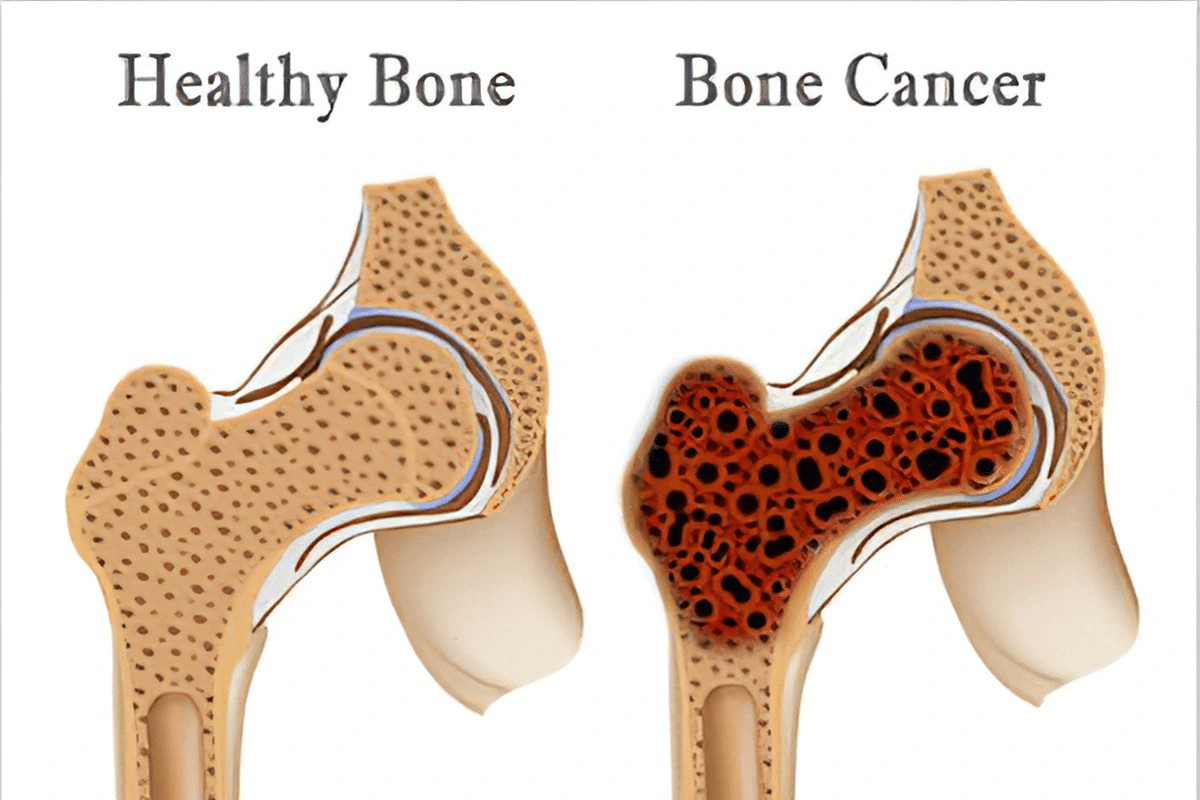
Leg bone cancer can be divided into two types. Primary bone cancer starts in the bones. Secondary or metastatic bone cancer spreads from other parts of the body. Knowing the difference is key to understanding the disease and finding the right treatment.
Primary bone cancer includes several types. Osteosarcoma, chondrosarcoma, and Ewing sarcoma are among the most common. Osteosarcoma is aggressive and often found in the long bones of the legs.
Chondrosarcoma starts in cartilage cells and can be in the legs. Ewing sarcoma is a fast-growing tumor that can be in any bone, including the legs.
Each cancer type has its own characteristics. This affects symptoms and treatment choices. For example, osteosarcoma causes bone pain and swelling. Chondrosarcoma may lead to pain and limited mobility.
Metastatic bone cancer in the legs happens when cancer from other parts spreads to the bones. Common sources include breast, lung, and prostate cancers. This type of cancer can cause a lot of pain, fractures, and mobility issues.
It’s important to know where the cancer first started to manage metastatic bone cancer well. Treatment aims to control the disease and ease symptoms.
Bone cancer in the legs can occur in different parts. This includes the femur (thigh bone), tibia and fibula (lower leg bones), and the bones of the knee and ankle. The femur is a common site for osteosarcoma.
|
Anatomical Location |
Common Type of Cancer |
Typical Symptoms |
|---|---|---|
|
Femur |
Osteosarcoma |
Pain, Swelling |
|
Tibia/Fibula |
Ewing Sarcoma |
Pain, Limited Mobility |
|
Knee/Ankle Bones |
Chondrosarcoma |
Pain, Joint Stiffness |
The location of the cancer in the leg affects symptoms and treatment. Accurate diagnosis and staging are vital for a good treatment plan.
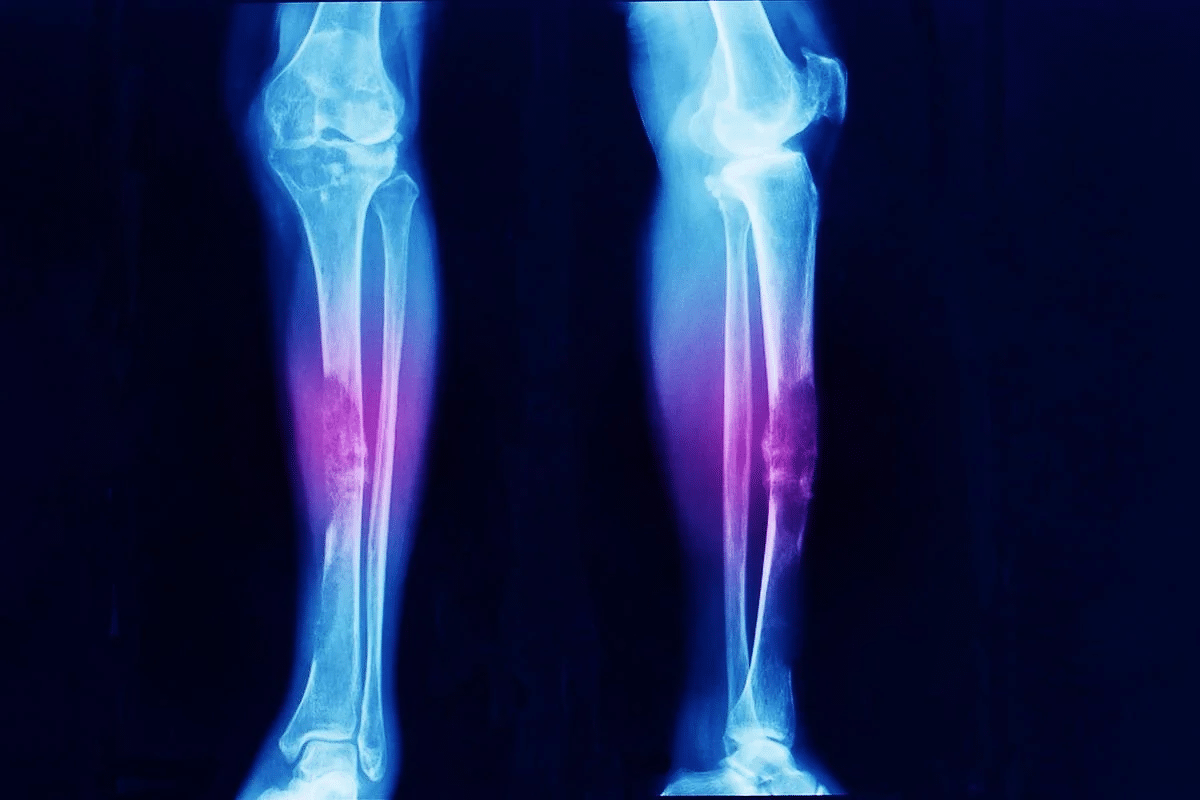
It’s key to spot bone cancer pain in the legs early. This pain is different from other pains. Knowing its signs is important.
Bone cancer pain feels deep and is often in one spot. It doesn’t go away and might mean there’s a problem.
This pain is in the bone, not the muscles or joints around it. Knowing this helps tell if it’s bone cancer pain.
How bone cancer pain feels can change for each person. Some feel a throbbing or aching pain. Others might say it’s stabbing or sharp.
This shows bone cancer is complex. It needs a detailed approach to diagnose and treat.
Bone cancer pain gets worse when you rest or at night. This can really hurt your sleep and life quality.
The pain might be more at night because of your body’s natural cycles. Also, lying down makes the pain harder to ignore.
Bone cancer pain changes a lot as the disease gets worse. It’s key for patients and doctors to understand this change. This helps them adjust treatment plans to better manage the pain.
In the beginning, bone cancer pain might feel like intermittent discomfort. It often gets worse when you’re active. This early pain can be tricky to spot, as it might seem minor or caused by something else.
As bone cancer gets worse, the pain gets persistent and severe. It’s not just when you’re active anymore. It can also hurt when you’re resting, really affecting your life quality.
In later stages, bone cancer pain can be debilitating. It might feel like a constant ache or sharp pains. You might also notice swelling or find it hard to move.
The way bone cancer pain changes shows why getting medical help early is so important. Catching it early and treating it right can change the disease’s path. It can also make a big difference in how well you feel.
It’s important to tell bone cancer pain apart from other leg pain. Leg pain can come from muscle strains, arthritis, stress fractures, and peripheral neuropathy. Knowing how bone cancer pain is different helps doctors diagnose and treat it right.
Muscle strains happen when you overuse or injure a muscle. The pain from this usually goes away with rest. But, bone cancer pain stays and gets worse, even when you rest. Bone cancer pain feels deep in the bone, unlike muscle strain pain which is more on the surface.
Doctors say bone cancer pain feels deep and aching. It’s severe and doesn’t get better with rest or usual pain relief. This shows why it’s key to tell the two apart.
Arthritis causes joint pain and stiffness that often gets better with movement. Bone cancer pain, though, is more focused on the bone and doesn’t always follow joint movement. While arthritis can be treated with anti-inflammatory drugs, bone cancer pain needs special treatments.
|
Condition |
Pain Characteristics |
Response to Treatment |
|---|---|---|
|
Arthritis |
Joint pain, stiffness |
Improves with anti-inflammatory medications |
|
Bone Cancer |
Deep, localized bone pain |
Requires specialized treatments like chemotherapy or radiation |
Stress fractures hurt more with activity and feel better with rest. The pain from stress fractures is usually tied to specific activities. Bone cancer pain, though, is constant and not tied to activity levels.
Peripheral neuropathy causes pain, numbness, and tingling, often in the hands and feet. It’s due to nerve damage and can be treated with nerve pain drugs. Bone cancer pain, on the other hand, is bone-related and doesn’t have the same nerve symptoms.
“Understanding the source of leg pain is critical for effective management. Conditions like peripheral neuropathy and bone cancer have different causes and need different treatments.”
In summary, while many things can cause leg pain, bone cancer pain is unique. Accurate diagnosis is vital to ensure the right treatment for each patient.
Leg bone cancer shows itself in many ways, not just pain. These symptoms can affect the leg directly or the whole body. They can really change how a person lives.
Swelling in the leg is a common symptom. It might come with a lump that feels tender. Finding a lump can make people worry and seek help.
Key characteristics of swelling and palpable masses include:
Bone cancer can make it hard to move. Patients might have trouble walking or feel pain in their bones. These issues can make everyday life tough.
Common mobility issues include:
Pathological fractures are a serious problem. They happen without a big injury, because the bone is weakened by cancer. These fractures hurt a lot and need quick doctor visits.
|
Characteristics |
Description |
|---|---|
|
Spontaneous occurrence |
Fractures happen without a significant injury |
|
Painful |
Often associated with severe pain |
|
Medical emergency |
Requires immediate medical evaluation |
Bone cancer can also cause symptoms that affect the whole body. These include losing weight, feeling tired, and feeling generally unwell. These signs often mean the cancer is more advanced.
“Systemic symptoms such as weight loss and fatigue can significantly impact a patient’s overall health and well-being, highlighting the importance of compassionate care.” – Cancer Care Specialist
In conclusion, the symptoms of leg bone cancer are varied and can greatly affect a person’s life. Spotting these symptoms early is key for getting the right treatment and care.
Bone cancer can show up as leg pain. Knowing the warning signs can help catch it early. It’s key to know when to see a doctor for leg pain that might be bone cancer.
Certain symptoms need quick medical help. These include:
If you have any of these symptoms, seeing a doctor right away is important.
Some people are more likely to get bone cancer because of certain factors. These include:
Knowing these risk factors helps you and your doctor watch for bone cancer signs.
Before your doctor visit, it’s good to:
Being ready can make your doctor’s visit more effective. It can help get a diagnosis faster.
Diagnosing bone cancer is a detailed process. It involves clinical checks, imaging, and tissue tests. This ensures a correct diagnosis and understanding of the disease’s spread.
The first step in diagnosing bone cancer is a thorough clinical check. Doctors look for swelling, masses, and mobility issues. They also review the patient’s medical history for risk factors and symptoms.
During the check, doctors may find tenderness or pain in the bone. They also look at the patient’s overall health and past medical conditions. This helps in planning the diagnosis and treatment.
Imaging studies are key in diagnosing bone cancer. They include:
These imaging methods together give a full picture of the tumor and its impact on bone and tissues.
A biopsy is the key diagnostic tool for bone cancer. It involves removing tissue from the tumor for examination. There are needle and surgical biopsies, each with its own use.
After confirming bone cancer, staging is done. It looks at tumor size, lymph node spread, and metastasis. This info is vital for treatment planning and predicting outcomes.
A leading oncologist says, “Accurate staging is key for choosing the right treatment for bone cancer patients.”
Leg bone cancer treatment includes many options. Each has its own benefits and things to consider. The right treatment depends on the cancer type, stage, and the patient’s health.
Surgery is a key treatment for leg bone cancer. It aims to remove the tumor and keep the limb working. Limb-salvage surgery is now more advanced. It lets many patients keep their limb and function well.
A study in the Journal of Clinical Oncology found that limb-salvage surgery is a good option. It improves quality of life without hurting survival chances.
Radiation therapy is important in treating leg bone cancer. It can be used alone or with surgery. Chemotherapy is also used, mainly for cancers that respond well to it.
Managing pain is key in treating leg bone cancer. Targeted pain management strategies include medicines, nerve blocks, and more. These aim to lessen pain and improve life quality.
“Pain management is a key part of cancer care. It needs a team effort to meet patient needs.” – American Cancer Society
New treatments and clinical trials are changing leg bone cancer care. These include new therapies like targeted and immunotherapy.
|
Treatment Modality |
Description |
Benefits |
|---|---|---|
|
Targeted Therapy |
Treatments that target specific cancer cells |
Less side effects, better results |
|
Immunotherapy |
Treatments that boost the body’s fight against cancer |
Chance for long-term cancer control |
Getting a bone cancer diagnosis can change your life. It’s important to know what bone cancer feels like and the signs in legs for early detection. Bone cancer pain is often deep and gets worse when you rest or at night.
Managing bone cancer symptoms and treatment is key. Early detection and treatment can greatly improve your chances. Knowing how pain changes can help you get medical help quickly, leading to better results.
There is hope for those with bone cancer. New treatments and pain management options are available. By staying informed and working with your healthcare team, you can face your diagnosis and move forward.
Bone cancer pain in the legs feels deep and lasts a long time. It can be throbbing, aching, or stabbing. This pain often gets worse at night and can make it hard to move.
At first, bone cancer pain might not always be there. But as the disease gets worse, the pain can become constant and very severe. The pain’s intensity and type can change over time.
Bone cancer pain is different from other leg pains. It’s deep, lasts a long time, and gets worse at night. It can also cause swelling and make it hard to move.
Yes, bone cancer can hurt the knee or other joints if the tumor is near or affects the joint. This pain can also cause swelling and make it hard to move.
Certain things can increase your risk of bone cancer in the legs. These include radiation exposure, some genetic conditions, and a history of Paget’s disease of bone.
Doctors use several methods to diagnose bone cancer. They do a physical exam, take X-rays, CT, MRI, and PET scans. They also do biopsies to confirm the cancer and its type.
Treatment for bone cancer in the legs can include surgery, radiation, chemotherapy, and pain management. The best treatment depends on the cancer’s type, stage, and location.
Yes, bone cancer pain can be managed well. Doctors use medicines, radiation, and other treatments to help. Each treatment plan is made just for the person.
Yes, new treatments for bone cancer are being tested. These include new medicines, targeted therapies, and immunotherapies. They offer hope for better treatment options.
To get ready for a doctor’s visit, write down your symptoms. Include when they started and how they’ve changed. Also, make a list of questions or concerns. This helps have a productive and timely visit.
National Center for Biotechnology Information. Evidence-Based Medical Guidance. Retrieved from https://www.ncbi.nlm.nih.gov/pmc/articles/PMC5642911/
