Last Updated on November 26, 2025 by Bilal Hasdemir
Feeling unexplained pain in your belly could mean you have a serious bowel blockage. At Liv Hospital, we understand the importance of identifying symptoms early. This way, we can offer the best treatment options. Thanks to new medical tech, we have both surgical and non-surgical ways to treat it.
It’s key to know the signs of an obstructed bowel to get the right, effective care. We’ll show you the 7 main symptoms to look out for. Plus, the newest treatment options we have. Our focus is on you, making sure you get all the support you need to get better.Get 7 of the best bowel blockage treatment options. This guide also covers the key symptoms to watch for and when to seek help.
Key Takeaways
- Recognizing the symptoms of bowel obstruction is crucial for early diagnosis.
- Both surgical and non-surgical treatment options are available.
- Liv Hospital offers a patient-centered approach to bowel blockage treatment.
- Understanding the symptoms can lead to timely and effective care.
- Advances in medical technology have improved treatment outcomes.
Understanding Bowel Obstruction
A bowel obstruction happens when the intestine’s flow is blocked. This can be partial or complete. It can occur in the small or large intestine, causing symptoms and complications.

Definition and Types of Bowel Blockages
Bowel obstruction is divided into mechanical and non-mechanical types. Mechanical blockages are physical, like adhesions or tumors. Non-mechanical blockages are functional, such as the ileum, where bowel muscles stop working.
Many things can cause bowel obstruction. Adhesions, from past surgeries, are a common cause. Tumors and hernias can also block the intestine. Volvoli, or intestinal twisting, can cut off blood flow and block the intestine.
| Cause | Description | Commonality |
| Adhesions | Bands of fibrous tissue, often resulting from previous surgeries | Common |
| Tumors/Malignancies | Growths that can directly block or compress the intestine | Less Common |
| Volvulus | Twisting of a portion of the intestine | Less Common |
| Hernias | Protrusion of the intestine through a weakened abdominal wall area | Common |
Prevalence and Risk Factors
Bowel obstruction is a serious condition affecting many people. Its prevalence depends on the cause, with adhesions being a big factor, especially after surgery.
“The risk factors for bowel obstruction include previous abdominal surgery, certain medical conditions like Crohn’s disease, and age, with older adults being more susceptible.”
Knowing the risk factors is key to early treatment. Anyone can get bowel obstruction, but knowing the signs can help get medical help quickly.
Common Causes of Intestinal Obstruction
Intestinal obstruction can happen for many reasons, with adhesions being the top cause. It occurs when something blocks the intestines, stopping food from moving through. Knowing why this happens helps doctors find and treat the problem.
Adhesions: The Leading Cause (Over 50% of Cases)
Adhesions are fibrous bands that can form in the intestines or between organs. They often come from past surgeries, infections, or inflammation. These adhesions can twist or kink the intestine, causing a blockage.
Tumors and Malignancies
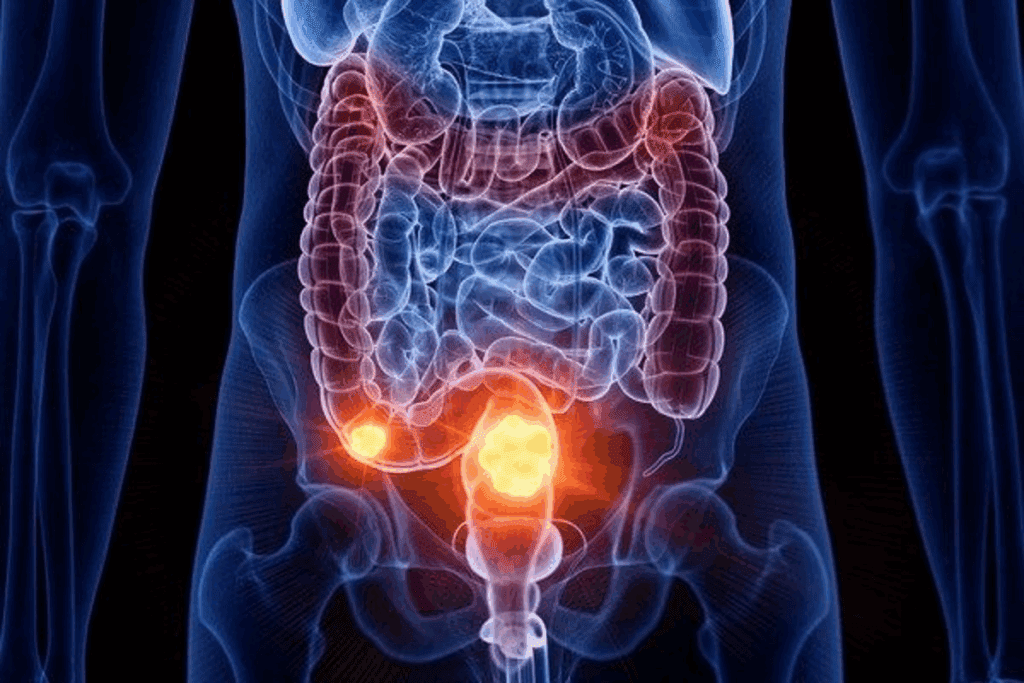
Tumors, both good and bad, can block the intestines. Colorectal cancer is a big cause of obstruction, especially in older people. A tumor can narrow the intestine, stopping food from moving.
Volumes (Intestinal Twisting)
Volvulus is when part of the intestine twists around its base. This can cut off blood and cause a blockage. Sigmoid colon volumes are common in the elderly. Quick treatment is key to avoiding serious damage.
Hernias and Other Structural Issues
Hernias happen when the intestine bulges through a weak spot in the belly. They can get stuck or cut off blood, causing a blockage. Other problems, like intussusception can also block the intestines.
| Cause | Description | Common Population |
| Adhesions | Bands of fibrous tissue form between intestinal loops or organs | Post-surgical patients |
| Tumors and Malignancies | Growths that physically block the intestinal lumen | Older adults, cancer patients |
| Volvulus | Twisting of the intestine around its mesenteric attachment | Elderly individuals |
| Hernias | Protrusion of the intestine through the weak spots | Individuals with abdominal wall defects |
7 Key Symptoms of a Bowel Obstruction
It’s important to know the signs of a bowel obstruction to get help fast. A bowel obstruction blocks the normal flow of intestinal contents. This can lead to serious problems if not treated quickly. We’ll cover the main symptoms to help you know when to get medical help.
Abdominal Pain and Cramping
Abdominal pain and cramping are key signs of a bowel obstruction. The pain can be mild or very severe and may not always be there. The cramping happens when the intestine tries to move contents past the blockage. Severe pain that gets worse or doesn’t go away means you need to see a doctor right away.
Bloating and Distension
Bloating and swelling of the abdomen are common signs. The blockage stops normal movement, causing gas and fluid to build up. This can make you feel uncomfortable and may make it hard to breathe.
Nausea and Vomiting
Nausea and vomiting are important symptoms too. Vomiting may start with food but can include bile and even feces in bad cases. Persistent vomiting can cause dehydration and imbalances in electrolytes, making things worse.
Constipation and Inability to Pass Gas
Not being able to pass gas or have a bowel movement is a big sign. Constipation here means the intestine is blocked, stopping even gas from passing. This symptom, along with others, means you need to see a doctor fast.
Additional Symptoms
Other signs include fever, abdominal tenderness, and changes in bowel habits. These symptoms can change based on where and how bad the blockage is.
Knowing these 7 key symptoms of bowel obstruction is key to early treatment. If you or someone you know has these symptoms, getting medical help is crucial to avoid serious problems.
Twisted Intestine Symptoms: When to Seek Emergency Care
Twisted intestine symptoms can be scary and often mean you need to see a doctor right away. A twisted intestine happens when a part of the intestine twists around its base. This cuts off blood flow and can cause tissue death.
Acute Onset and Severity
Symptoms of a twisted intestine can start suddenly. They include severe stomach pain, nausea, vomiting, and constipation. The acute onset of these symptoms is a key sign of this condition.
The pain from a twisted intestine is often colicky, meaning it comes and goes. But as it gets worse, the pain can stay constant and get even more severe.
Distinguishing Features from Other Obstructions
A twisted intestine has symptoms that are different from other bowel obstructions. For example, the pain is usually more severe. It may also come with fever and fast heart rate.
It’s important to know these differences to get the right treatment. Unlike other obstructions, a twisted intestine often needs surgery right away to avoid serious problems.
Warning Signs Requiring Immediate Attention
There are warning signs that mean you need to go to the hospital right away. These include:
- Severe stomach pain that gets worse
- Vomiting, especially if it’s bloody or keeps happening
- Stomach tenderness or muscle tension
- Fever or signs of infection
- Not being able to pass gas or have a bowel movement
If you or someone you know has these symptoms, you must go to the emergency room. Quick treatment can make a big difference and prevent serious problems.
Obstruction in Stomach vs. Intestines: Key Differences
Stomach and intestinal obstructions are different challenges for doctors. They need different ways to diagnose and treat them. The main difference is in symptoms, how they show up, and how doctors find them.
Unique Symptoms of Gastric Obstruction
Gastric obstruction, or stomach blockage, has its own set of symptoms. These include:
- Severe vomiting, which can be forceful and include food from hours ago.
- Constant nausea, not just when you eat.
- Feeling full quickly and experiencing discomfort after eating small amounts.
- Abdominal pain or discomfort, which can vary in severity.
These symptoms can lead to dehydration and imbalances in electrolytes if not treated quickly.
Intestinal Obstruction Manifestations
Intestinal obstruction has its own symptoms, such as:
- Abdominal cramping and pain, which can be either constant or come and go.
- Bloating and swelling of the abdomen due to gas and fluid buildup.
- Constipation or being unable to pass gas or stool.
- Nausea and vomiting way occur later in the obstruction.
The severity and mix of these symptoms can change based on the obstruction’s level and completeness.
Diagnostic Distinctions
Diagnosing stomach versus intestinal obstructions requires different methods. For stomach obstructions, doctors often use:
- Endoscopy to see the blockage and possibly fix it.
- Imaging, like CT scans or barium swallo,,w to check the blockage’s details.
For intestinal obstructions, doctors might use:
- Imaging,g like X-rays, CT scans, or ultrasoun,d to find the blockage’s location and cause.
- Checking symptoms and physical exams.
It’s important for doctors to know these differences. This helps them make the right diagnosis and treatment plan. By understanding each condition’s unique traits, we can better care for patients and avoid complications.
Diagnostic Approaches for Detecting Bowel Blockage
To find out if someone has a bowel blockage, doctors use a few key steps. They check the body, use imaging, and run lab tests. This way, they can catch problems early and help patients get better faster.
Physical Examination
First, doctors do a physical check-up. They look for signs like dehydration, a big belly, and pain. They also check for scars from old surgeries, which might cause blockages.
Key parts of the check-up are:
- They look at the belly for swelling and anthe movement of the intestines.
- They feel the belly for pain, lumps, or hernias.
- They listen to the belly sounds, which might be different if there’s a blockage.
- They do a rectal check for blockages or lumps.
Imaging Studies
Imaging is very important to confirm the blockage and find out why and where it is. Doctors use different tools to get detailed pictures of the patient’s belly.
Common imaging tools include:
- X-rays to see if the intestines are swollen and if there are air pockets.
- CT scans for detailed pictures of the intestines and nearby areas.
- Ultrasound to see how the intestines move and find problems like twists.
- Contrast studies to see inside the intestines and find blockages.
Laboratory Tests
Lab tests are also key to checking the patient’s health and finding any complications. These tests help doctors understand how serious the blockage is and what treatment to use.
Important lab tests are:
- They check the blood for signs of infection or inflammation.
- They test for electrolyte imbalances from vomiting or dehydration.
- They check kidney function with BUN and creatinine tests.
- They test for bowel ischemia with lactate levels.
By using what they find from the physical exam, imaging, and lab tests, doctors can accurately diagnose bowel blockage. Then, they can create a treatment plan that fits the patient’s needs.
Bowel Blockage Treatment: Non-Surgical Approaches
Many patients start with non-surgical treatments for bowel blockages. These methods are key in managing blockages without surgery. They are especially useful when surgery is not immediately needed.
Bowel Rest and Decompression
Bowel rest is a basic non-surgical treatment. It means not eating or drinking to ease the bowel’s workload. This lets it recover. Decompression, often through nasogastric suction, also helps by relieving pressure from the blockage.
Nasogastric Tube Placement
A nasogastric tube is often used in treatment. It helps by removing air and secretions from the stomach and intestines. This reduces symptoms like vomiting and bloating.
Fluid and Electrolyte Management
Patients with bowel blockages often lose fluids and electrolytes. Intravenous fluids and electrolyte replacement are vital. They help keep the patient healthy during treatment.
Medication Approaches
Medications support bowel blockage treatment. They help with pain, nausea, and constipation. In some cases, they can even help clear the blockage, especially for certain types.
About 57 percent of cases can be treated without surgery if there’s no perforation or ischemia. Choosing the right patients and monitoring them closely is crucial for success.
Treatment for SO: When Conservative Management Works
For some patients, treating Small Bowel Obstruction (SBO) without surgery is very effective. This method works best when there’s no sign of a hole in the bowel or lack of blood flow.
The 57% Success Rate of Non-Operative Management
About 57% of SO cases can be treated without surgery. This shows how important it is to pick the right patients for this approach.
Patient Selection Criteria
Not every SO patient is right for non-surgical treatment. The decision depends on several factors:
- Whether there are complications like ischemia or perforation
- The severity of symptoms
- The patient’s overall health
- Any past surgeries
Monitoring and Reassessment
It’s vital to keep a close eye on patients treated without surgery. We do regular checks, scans, and blood tests to catch any problems early.
Signs of Treatment Success
When treatment works, symptoms get better, bowel function improves, and there are no complications. We watch for these signs to see if the treatment is working.
Here’s a summary of the key aspects of conservative management for SO in a tabular format:
| Criteria | Description | Importance |
| Success Rate | 57% of SO cases were managed non-operatively | High |
| Patient Selection | Based on the absence of complications, symptom severity, overall health, and surgical history | High |
| Monitoring | Regular clinical assessments, imaging, and lab tests | Critical |
| Signs of Success | Resolution of symptoms, improved bowel function, and no complications | Critical |
Surgery for Blocked Intestine: Procedures and Approaches
Surgery is key in treating blocked intestines when other treatments don’t work. It’s needed when non-surgical methods fail or if the blockage is caused by cancer.
Indications for Surgical Intervention
Surgery is needed for those who don’t get better with non-surgical treatments. It’s also for those with serious complications like strangulation or ischemia. This includes cases where cancer is causing the blockage or there’s a high risk of bowel perforation.
When there’s a strong sign of bowel ischemia or necrosis, surgery is urgent. The decision to operate depends on the patient’s health, the cause of the blockage, and how severe the symptoms are.
Types of Surgical Procedures
The main goal of surgery is to fix the blockage and get the bowel working right again. Common surgeries include:
- Resection and Anastomosis: Cutting out the blocked part and joining the healthy ends.
- Bypass Surgery: Making a new path around the blocked area.
- Adhesiolysis: Removing adhesions that block the intestine.
- Stoma Creation: Creating a stoma to divert waste when removing part of the intestine isn’t possible.
Each surgery is customized for the patient’s needs, aiming to restore normal bowel function and improve life quality.
Minimally Invasive Techniques
Minimally invasive surgeries, like laparoscopy, are becoming more common for intestinal blockages. They offer benefits like less pain, shorter hospital stays, and quicker recovery.
Laparoscopic surgery is preferred when possible, as it’s more precise and reduces the chance of adhesions. However, the choice between open and minimally invasive surgery depends on the case’s complexity and the surgeon’s skill.
In summary, surgery is a crucial option for those who don’t get better with other treatments or have severe complications. Understanding the reasons, types of surgeries, and the benefits of minimally invasive techniques helps us give the best care to these patients.
Recovery After Bowel Obstruction Treatment
Treatment for bowel obstruction is just the start. A good recovery plan is key to healing well. We know recovery can be tough, but with the right care, patients can get back to their normal llives
Post-Treatment Hospital Care
After treatment, hospital care is vital. It helps watch over the patient and handle any issues that might come up. We make sure patients get the best care, like managing pain and keeping fluids and nutrients balanced.
Key aspects of post-treatment hospital care include:
- Close monitoring of vital signs and overall condition
- Management of pain and discomfort
- Gradual introduction of fluids and nutrition
- Prevention and treatment of potential complications
Transitioning to Normal Diet
Going back to a normal diet is a slow step. We start with clear liquids and then add more solid foods as the patient gets better.
| Dietary Stage | Foods Allowed | Duration |
| Clear Liquids | Broth, water, clear juices | 1-2 days |
| Liquid Diet | Thickened liquids, nutritional supplements | 2-3 days |
| Soft Foods | Mashed potatoes, yogurt, cooked vegetables | 3-5 days |
| Normal Diet | Regular foods, gradually introducing variety | After 5-7 days |
Physical Activity Guidelines
Moving around is important for recovery. We tell patients to start with small steps and get more active as they can.
Recommended physical activities during recovery include:
- Short walks around the room or hospital ward
- Gentle stretching exercises
- Gradually increasing mobility as tolerated
Follow-up Care Protocol
Follow-up care is key for a smooth recovery. We check in regularly to see how the patient is doing and offer support.
Follow-up care typically includes:
- Regular check-ups with the healthcare provider
- Monitoring for signs of complications or recurrence
- Adjusting treatment plans as necessary
- Providing patient education and support
By following these guidelines and working with our team, patients can have a better recovery. This helps avoid complications and makes sure they get back to their normal life.
Complications and Long-term Outcomes
It’s key to know the complications of bowel obstruction for good treatment. If not treated, bowel obstruction can cause serious and dangerous problems.
Potential Complications of Untreated Obstruction
Untreated bowel obstruction can lead to serious issues. It can cut off blood to the intestine, causing tissue death and infections.
“The mortality rate for bowel obstruction can be significantly high if not treated promptly, emphasizing the need for early diagnosis and intervention.”
Some complications include:
- Infection and sepsis
- Tissue death (necrosis)
- Perforation of the intestine
- Peritonitis, an inflammation of the lining of the abdominal cavity
Surgical Complications
Surgery to treat bowel obstruction can also have risks. These include:
- Adhesions forming after surgery
- Infection of the surgical site
- Bowel injury during surgery
- Complications related to anesthesia
| Surgical Complication | Description | Prevention/ Management |
| Adhesions | Formation of scar tissue that can cause bowel obstruction | Minimally invasive surgery, use of adhesion barriers |
| Surgical Site Infection | Infection occurring after surgery in the area where the surgery took place | Antibiotic prophylaxis, proper wound care |
Recurrence Rates and Risk Factors
Recurrence of bowel obstruction is a big worry, especially with adhesions or conditions like Crohn’s disease. Knowing the risk factors helps manage and lower the recurrence chances.
Some risk factors for recurrence include:
- Previous history of bowel obstruction
- Presence of adhesions
- Underlying conditions such as Crohn’s disease or malignancy
Quality of Life After Treatment
Life quality after bowel obstruction treatment varies. It depends on the cause, obstruction severity, and treatment. Many patients get back to normal, but some face ongoing issues.
- The presence of any underlying conditions
- The extent of surgical intervention
- Post-treatment care and follow-up
Follow-up care is crucial. It helps monitor for complications and address concerns, aiming for the best outcome for patients.
Conclusion
Effective treatment for bowel blockage starts with early diagnosis and complete care. This article has covered the details of bowel obstruction, including its causes, symptoms, and treatment options. We’ve seen how new diagnostic and treatment methods have greatly improved patient results.
Spotting bowel blockage early is key to managing it well. It lets doctors act fast and lowers the chance of serious problems. Following the latest care guidelines also boosts treatment success. By understanding bowel obstruction well and following best practices, doctors can give top-notch care that meets each patient’s needs.
As we move forward in treating bowel blockage, focusing on research and education is vital. This will help us improve our care methods. So, we can get even better results for patients with bowel blockage.
FAQ
What are the common symptoms of a bowel obstruction?
Symptoms include abdominal pain and cramping, bloating, and distension. You might also feel nausea, vomiting, constipation, and trouble passing gas. Spotting these signs early is key to getting the right treatment.
What causes a bowel obstruction?
Causes include adhesions, tumors, volvulus (intestinal twisting), and hernias. Adhesions are the main culprit, making up over 50% of cases.
How is a bowel obstruction diagnosed?
Doctors use a physical exam, X-rays, and CT scans to diagnose. They also do lab tests to understand the severity and cause.
What are the treatment options for bowel obstruction?
Non-surgical methods include bowel rest, nasogastric tube placement, and fluid management. Medication is also used. Sometimes, surgery is needed, using either minimally invasive or open techniques.
What is the success rate of conservative management for SBO?
Non-operative management for small bowel obstruction (SBO) works about 57% of the time. Choosing the right patients and closely monitoring them is key to success.
When is surgical intervention necessary for bowel obstruction?
Surgery is needed when non-surgical methods fail or if there are complications like bowel ischemia or perforation. The decision to operate depends on the cause and severity.
What are the potential complications of untreated bowel obstruction?
Untreated obstructions can cause bowel ischemia, perforation, and peritonitis. These can lead to long-term issues like recurrence and a lower quality of life.
What is the recovery process after bowel obstruction treatment?
Recovery includes post-treatment hospital care and gradually returning to a normal diet. Following activity guidelines and attending follow-up appointments is crucial for a smooth recovery.
Can bowel obstruction recur after treatment?
Yes, obstructions can come back. Knowing the risk factors and taking preventive steps can help reduce the chance of recurrence.
How can I manage my condition after bowel obstruction treatment?
Managing your condition means eating healthily, staying hydrated, and watching for signs of recurrence. Regular check-ups with your doctor are also important.
What are the symptoms of a twisted intestine?
Symptoms include sudden, severe abdominal pain, vomiting, and constipation. If you experience these, seek medical help right away.
How does obstruction in the stomach differ from intestinal obstruction?
Gastric obstruction causes vomiting and trouble swallowing. Intestinal obstruction leads to abdominal pain, bloating, and constipation. Each has its own set of symptoms.
References
Jackson, P., & Vigiola Cruz, M. (2024). Intestinal obstruction. In StatPearls. StatPearls Publishing. https://www.ncbi.nlm.nih.gov/books/NBK441975/