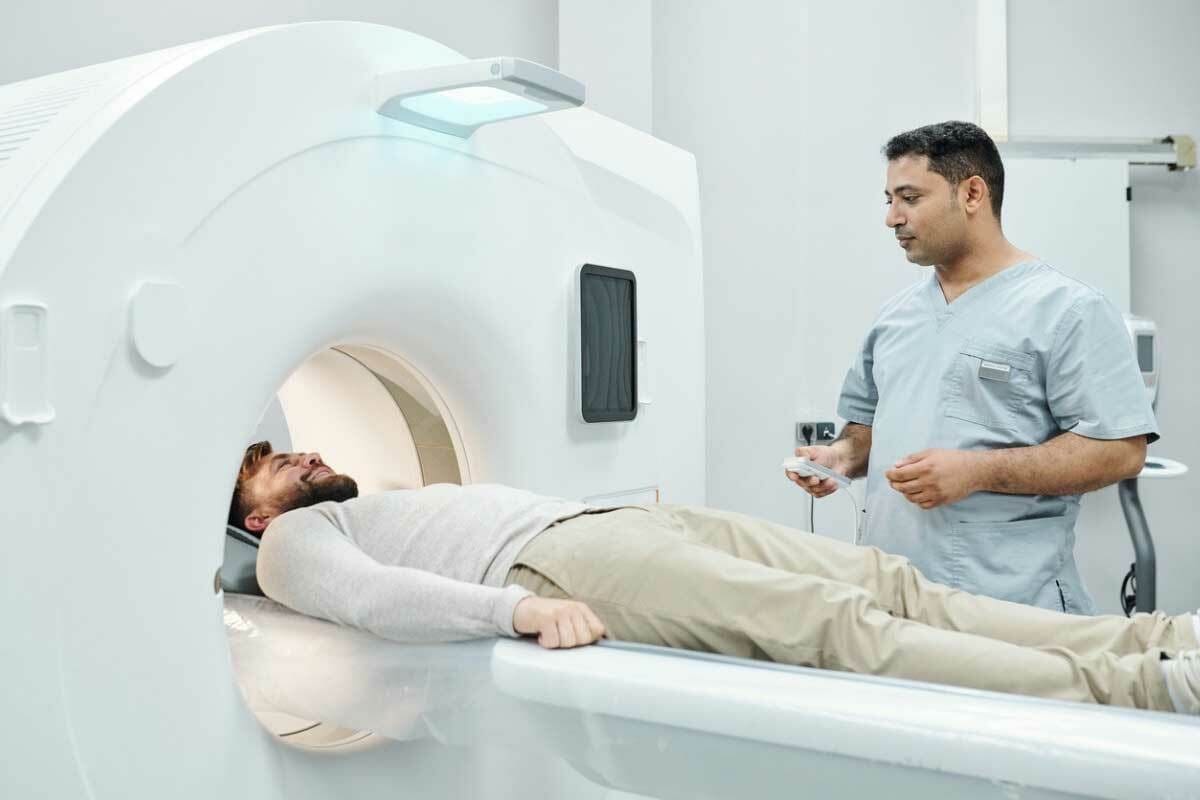
Last Updated on November 26, 2025 by Bilal Hasdemir

Recovering from a colon cancer operation needs careful attention and expert care. New surgical techniques and recovery programs have made a big difference. They help patients leave the hospital sooner and get back to their daily lives faster.Get 8 of the best tips for bowel cancer operation recovery. Our guide helps you heal faster and safer after your surgery.
At Liv Hospital, we know how important complete care is for healing. Our patient-centered approach makes sure people get the support they need after surgery.
This article will share 8 key tips for quicker healing after colon cancer surgery. These tips will help you feel confident on your recovery journey.
Key Takeaways
- Understand the importance of post-operative care
- Learn tips for faster healing after surgery
- Discover the benefits of complete care programs
- Explore advances in surgical techniques
- Find out how to return to daily activities quickly
The Evolution of Bowel Cancer Surgery

The field of bowel cancer surgery is changing fast. New techniques and recovery programs are raising the bar. This change is key for better colon operation recovery and results after colon cancer surgery.
Advances in Surgical Techniques and Recovery Programs
New surgical methods have greatly improved colorectal cancer surgery recovery. Laparoscopic and robotic-assisted surgeries are now common. They lead to quicker healing and less pain after surgery.
Enhanced Recovery After Surgery (ERAS) protocols have also been a big help. These programs focus on colon surgery recovery. They include better anesthesia, pain control, and early movement.
Types of Bowel Cancer Operations
Bowel cancer surgeries fall into two main types: open surgery and minimally invasive surgery.
| Type of Surgery | Description | Recovery Time |
| Open Surgery | A traditional method involving a large incision to access the colon. | Typically longer, often 6-8 weeks |
| Minimally Invasive Surgery | Involves smaller incisions, using laparoscopic or robotic techniques. | Generally shorter, often 2-4 weeks |
What to Expect from Modern Procedures
Modern bowel cancer surgery aims to be more effective and less invasive. Patients can look forward to:
- Smaller incisions, leading to less scarring and fewer complications.
- Shorter hospital stays, often going home in a few days.
- Less pain after surgery, thanks to new pain management methods.
- Quicker return to daily activities, with support from recovery programs.
Knowing about these advancements and what to expect from modern surgery can greatly improve a patient’s colon surgery recovery journey.
What to Expect During the Immediate Post-Operative Period
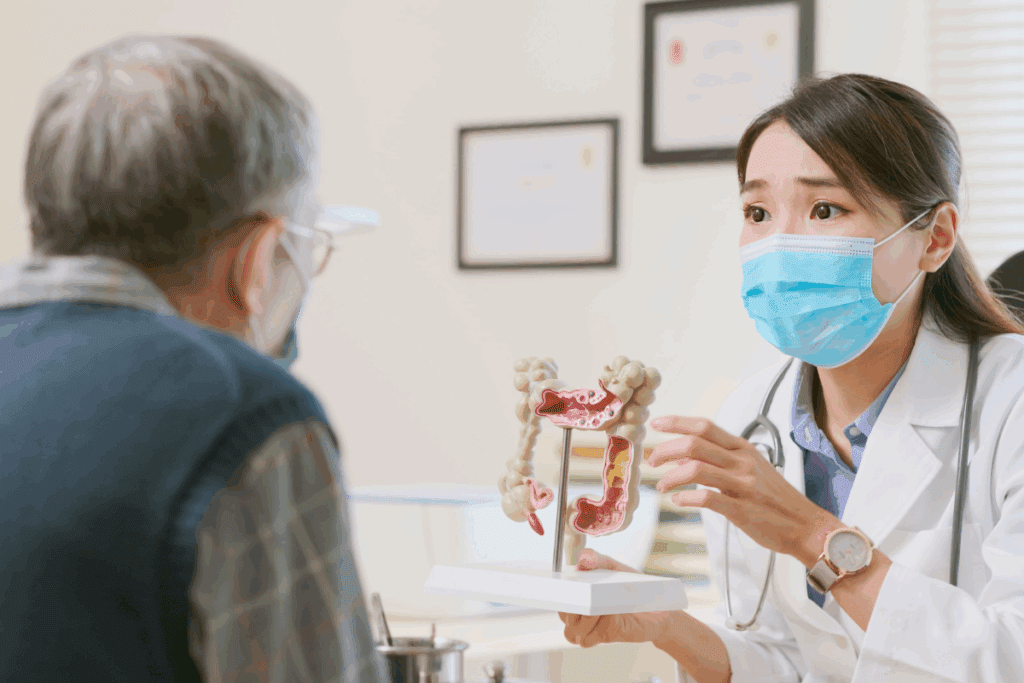
The days after bowel cancer surgery are key. Knowing what to expect can help your healing. Understanding the stages of recovery is important for a smooth recovery.
First 24-48 Hours After Surgery
The first 24-48 hours are critical for recovery from colon cancer surgery. Medical staff will watch your vital signs, pain, and condition closely. You might feel tired, uncomfortable, and have side effects from the anesthesia and surgery.
It’s important to follow your healthcare team’s advice on pain, movement, and food. A Goals to Discharge Checklist is used to track your progress. This checklist ensures you meet the criteria for safe discharge.
- Stable vital signs
- Manageable pain levels
- Ability to perform basic self-care
- Successful bowel function or stoma management (if applicable)
Typical Hospital Stay Duration (2-7 Days)
The hospital stay after colon cancer surgery recovery varies. It depends on the surgery type, your health, and recovery speed. Usually, patients stay 2 to 7 days. A team will manage your pain, monitor your recovery, and guide your care.
| Factor | Influence on Hospital Stay |
| Type of Surgery | Minimally invasive surgeries often result in shorter hospital stays. |
| Overall Health | Patients with fewer comorbidities tend to have shorter hospital stays. |
| Recovery Speed | Faster recovery can lead to earlier discharge. |
Initial Pain Management Strategies
Effective pain management is key after after colon surgery. Your team will use different methods to reduce pain. These include:
- Medication: A mix of opioid and non-opioid pain relievers.
- Regional anesthesia techniques: Such as epidural or nerve blocks.
- Non-pharmacological methods: Including positioning, breathing exercises, and relaxation techniques.
As you go through the immediate post-operative period, talk openly with your healthcare team about pain. This teamwork ensures you’re comfortable and on the right path to recovery.
Tip 1: Early Mobilization for Enhanced Bowel Cancer Operation Recovery
Moving early after bowel cancer surgery can really help your recovery. Early movement is key in Enhanced Recovery After Surgery (ERAS) programs. These programs have shown to cut down on complications and speed up healing.
Benefits of Getting Moving Within 24 Hours
Moving within 24 hours after surgery brings many benefits, including:
- Reduced risk of blood clots
- Improved circulation, which aids in healing
- Enhanced lung function, reducing the risk of pneumonia
- Faster return to normal bowel function
- Shortened hospital stay
Early mobilization doesn’t mean doing hard exercises. It’s about simple things like sitting up, standing, and short walks.
Safe Exercise Progression Timeline
It’s important to start exercising slowly after bowel cancer surgery. Here’s a safe timeline:
| Time Post-Surgery | Activity Level |
| Within 24 hours | Sitting up, standing with assistance |
| 24-48 hours | Short walks around the room or hospital hallway |
| 2-4 days | Increased walking distance, gentle stretching |
| 1-2 weeks | Gradual return to light daily activities |
How Mobility Accelerates Healing
Mobility is key in healing by improving blood flow. This brings oxygen and nutrients to the surgery area. Increased circulation also helps in reducing swelling and removing waste.
Adding early mobilization to your recovery plan can help. It can shorten your hospital stay, lower complications, and get you back to normal faster.
Tip 2: Optimizing Your Nutrition After Colon Surgery
Eating right after colon cancer surgery is key to healing. A good diet helps manage surgery side effects, aids in recovery, and lowers complication risks. It should match your needs and surgery details.
Dietary Progression After Surgery
Patients start with clear liquids, then full liquids, and soft foods in the hospital. This helps avoid digestive issues and lets the bowel heal.
For 4-6 weeks post-surgery, a low-fiber diet is advised. This includes easy-to-digest foods like cooked veggies, fruits without skins, lean proteins, and refined grains.
Foods That Promote Healing and Reduce Inflammation
Some foods aid in healing and reduce inflammation after surgery. These include:
- Omega-3 rich foods like salmon and walnuts
- Antioxidant-rich foods such as berries and leafy greens
- Lean proteins like chicken and turkey
- Whole grains like brown rice and quinoa
Nutritional Tips: Drinking plenty of water is also key. Avoid caffeinated and carbonated drinks.
Managing Common Digestive Changes
Patients may face bowel changes like diarrhea or constipation after surgery. Managing these involves:
| Symptom | Management Strategy |
| Diarrhea | Avoid spicy or fatty foods, stay hydrated |
| Constipation | Increase fiber intake gradually, stay hydrated, consider a stool softener if recommended by a healthcare provider |
Following your healthcare team’s dietary advice is vital. They offer personalized guidance based on your condition and surgery type.
Tip 3: Proper Wound and Stoma Care Techniques
Proper wound and stoma care is key for a smooth recovery after bowel cancer surgery. Managing the wound site and, if needed, the stoma well can lower the risk of problems and help healing.
Wound Cleaning and Dressing Protocols
Keeping the wound clean is vital to avoid infection and aid healing. Patients must stick to a strict cleaning and dressing routine as told by their healthcare team.
- Clean the wound with mild soap and water
- Gently pat dry with a clean towel
- Apply a dressing as instructed by your healthcare provider
Table: Wound Care Timeline
| Day | Wound Care Activity | Notes |
| 1-3 | Keep wound dry | Avoid submerging in water |
| 4-7 | Start gentle cleaning | Use mild soap and water |
| 7+ | Gradually increase cleaning frequency | Follow healthcare provider’s instructions |
Stoma Management Essentials (If Applicable)
For those with a stoma, proper care is vital to avoid problems. This includes regular cleaning, correct appliance use, and watching for any signs of trouble.
“Proper stoma care is not just about hygiene; it’s about maintaining the overall health and well-being of the patient.” –
A colorectal surgeon
- Clean the stoma and surrounding area gently
- Use the correct size and type of stoma appliance
- Monitor for signs of irritation or infection
Recognizing and Preventing Infection
Spotting infection signs early can stop serious issues. Be on the lookout for increased redness, swelling, or discharge from the wound or stoma area.
Vigilance is key in wound and stoma care. Patients should watch their condition closely and tell their healthcare team about any worries.
By following these tips and keeping in touch with healthcare providers, patients can greatly improve their recovery after bowel cancer surgery.
Tip 4: Managing Bowel Function Changes After Colon Cancer Surgery
Colon cancer surgery can cause changes in bowel function. Knowing what’s normal can make recovery easier. After surgery, bowel habits may change, which can be scary. But, most of these changes are temporary and go away in days to weeks.
Normal vs. Concerning Post-Operative Bowel Changes
Right after surgery, bowel movements may change. You might have diarrhea, constipation, or feel like you didn’t finish going. “Some degree of bowel dysfunction is expected after colon surgery,” a study in the Journal of Surgical Research says. “But, if symptoms are persistent or severe, you need to see a doctor.”
Normal changes might include:
- Mild diarrhea or constipation
- Temporary changes in stool consistency
- Occasional bloating or gas
Changes that need medical help include:
- Severe abdominal pain
- Persistent diarrhea or constipation
- Blood in the stool
- Fever or signs of infection
Strategies for Regulating Bowel Movements
Managing bowel changes needs diet, hydration, and sometimes medicine. Increasing fiber intake through fruits, veggies, and whole grains helps. Drinking enough water also prevents constipation.
A healthcare provider might suggest:
- Slowly adding more fiber
- Drinking plenty of fluids
- Medicine for diarrhea or constipation
- Exercises for better bowel control
When to Contact Your Healthcare Provider
Knowing when to get medical help is key. If you have severe or worsening symptoms, or signs of infection, call your doctor.
- Severe or worsening symptoms
- Signs of infection, such as fever or chills
- Blood in your stool or black tarry stools
- Severe abdominal pain or vomiting
One patient said, “Knowing what to expect and having a plan for bowel changes helped a lot in my recovery.”
Recovering from colon cancer surgery means dealing with physical changes, like bowel function. By understanding normal changes, using strategies to manage them, and knowing when to ask for help, patients can better handle this part of recovery.
Tip 5: Leveraging Minimally Invasive and Laparoscopic Benefits
For those having colon surgery, the benefits of new surgical methods are huge. These methods make recovery faster and less painful. They change how we heal from colon surgery for the better.
Recovery Advantages of Laparoscopic Approaches
Laparoscopic surgery uses small cuts for tools and a camera. This cuts down on damage and pain compared to old methods. Patients often feel less post-operative pain and need less pain meds.
The small cuts also heal faster and lower infection risks. Plus, there’s less scarring, which is a big plus for many.
Reduced Pain and Faster Healing
Laparoscopic surgery means less pain after surgery. This is because of the small cuts and less damage. Patients usually need less pain medication and can get back to life sooner.
Healing faster is another plus. Smaller cuts and less damage mean the body can heal quicker. This leads to a faster recovery after colon surgery.
Patient Experiences with Different Surgical Approaches
Patients’ experiences differ based on the surgery type. Many find laparoscopic surgery leads to a smoother recovery with less pain. Yet, results can vary, and the best method depends on the patient’s health and condition.
Some say laparoscopic surgery lets them get back to daily life in weeks. Open surgery might take longer. These stories show why talking to a doctor about surgery options is key for a good recovery.
Tip 6: Psychological Aspects of Recovery from Colon Cancer Operation
Recovering from colon cancer surgery is more than just healing physically. It also involves dealing with the emotional impact of the surgery. The emotional hurdles faced by patients during recovery from colon cancer surgery are significant. It’s vital to address these to ensure a successful recovery.
Coping with Emotional Challenges
Patients going through colon cancer surgery recovery may feel a mix of emotions. These can include anxiety, fear, depression, and frustration. These feelings come from the diagnosis, the surgery, and the recovery process. It’s important to know that these emotions are normal and that help is available.
One good way to handle these feelings is through counseling or therapy. Many healthcare providers offer psychological support as part of their after bowel surgery care. This support helps patients deal with their emotions and find ways to manage stress and anxiety.
Support Resources Available
There are many support resources for patients during recovery after colon cancer surgery. Support groups, both in-person and online, let patients share their stories and connect with others. These groups offer emotional support, practical advice, and a sense of community.
Also, many organizations have resources for cancer patients. These include counseling services, educational materials, and financial help. Patients should look into these resources to find the support they need.
Building a Positive Recovery Mindset
Having a positive mindset is key for a successful colon cancer surgery recovery. Patients can build a positive mindset by setting achievable goals, practicing relaxation techniques like meditation or deep breathing, and having a supportive network of family and friends.
It’s also important for patients to focus on their progress and celebrate small wins. This helps build resilience and keeps patients motivated during the recovery.
In conclusion, the psychological aspects of recovery from colon cancer surgery are a big part of the recovery journey. By facing emotional challenges, using support resources, and staying positive, patients can better navigate this difficult time.
Tip 7: Creating a Timeline for Returning to Daily Activities
Understanding the recovery process is key for patients after colon surgery. A timeline helps manage expectations and eases the transition back to daily life.
Realistic Expectations (2-4 Weeks for Minimally Invasive Procedures)
Patients with minimally invasive surgery usually recover faster. Those with desk jobs might return to work in 2-3 weeks. But, those with hard jobs could need 4-6 weeks or longer. It’s important to set realistic goals and not rush recovery.
Gradual Resumption of Normal Activities
Starting with light activities is key to a good recovery. Begin with short walks and gradually do more. This helps avoid complications and ensures healing.
Listen to your body and don’t push too hard. If you feel pain or discomfort, stop and rest.
Workplace Accommodations to Consider
When going back to work, you might need some adjustments. This could mean modifying work duties, changing hours, or taking breaks. Talking to your employer about your needs is important.
- Discuss possible flexible work arrangements.
- Identify tasks that can be done at a slower pace.
- Plan for regular follow-up appointments with your healthcare provider.
By setting a realistic timeline and focusing on gradual recovery, patients can have a better outcome after surgery.
Tip 8: Optimizing Follow-up Care and Long-term Monitoring
Recovering from bowel cancer surgery is more than just healing. It needs a full plan for follow-up care and long-term checks. This ensures the best results.
Importance of Post-Operative Appointments
Post-operative appointments are key for tracking patient progress and spotting early complications. These visits let doctors check healing, remove stitches, and answer patient questions. Regular visits can greatly help recovery by catching problems early.
Regular follow-up care is not just for physical health. It also offers emotional support. Patients can share their experiences, get advice on side effects, and feel reassured about their recovery.
Surveillance Protocols After Bowel Cancer Surgery
Surveillance plans watch for cancer signs like recurrence or spread. They include tests like CT scans and blood tests for tumor markers. The type and how often tests are done depend on the cancer’s stage, surgery type, and patient risk.
Following the recommended surveillance schedule is key for catching problems early. Patients should talk to their healthcare team about their specific plan and any lifestyle changes needed.
Managing Long-term Side Effects
Dealing with long-term side effects is a big part of recovery. Common ones include bowel changes, tiredness, and nutrient loss. Patients might need to change their diet, exercise regularly, and take supplements to manage these effects.
By knowing about long-term side effects and working with their healthcare team, patients can find ways to lessen these issues. This improves their life quality after surgery.
- Regular follow-up appointments help in early detection of complications.
- Surveillance protocols are vital for watching for cancer return.
- Managing long-term side effects boosts quality of life.
Conclusion: Embracing Your Journey to Recovery
Recovering from bowel cancer surgery needs a full plan. This includes good care after surgery, eating right, and regular check-ups. By following the 8 key tips in this article, patients can make their recovery better and improve their health.
Getting better after colon cancer surgery means moving early, eating well, and taking care of wounds and stomas. Those who have colon cancer surgery can feel less pain and heal faster with a minimally invasive or laparoscopic method.
It’s key to handle changes in bowel function, plan when to get back to daily life, and make sure follow-up care is good. This helps patients recover smoothly from colon cancer surgery and avoid complications.
By using these strategies, people can play a big part in their recovery from bowel cancer surgery. This improves their overall health and quality of life.
FAQ
What is the typical recovery time after bowel cancer surgery?
Recovery times vary based on surgery type and individual health. Minimally invasive surgeries usually take 2-4 weeks to recover from. Open surgeries might take 4-6 weeks or more.
How long will I stay in the hospital after colon cancer surgery?
Hospital stays after colon cancer surgery last 2-7 days. This depends on surgery complexity and patient health.
What are the benefits of early mobilization after bowel cancer surgery?
Early mobilization helps healing, reduces complications, and improves recovery. It involves moving within 24 hours of surgery.
What kind of diet should I follow after colon surgery?
Start with clear liquids and then solid foods. Choose nutrient-rich foods to aid healing and reduce inflammation.
How do I manage bowel function changes after colon cancer surgery?
Understand normal and concerning bowel changes. Use strategies to manage bowel movements. Know when to seek medical help.
What are the advantages of minimally invasive and laparoscopic surgery for bowel cancer?
These surgeries reduce pain, heal faster, and allow quicker return to daily activities. They are less invasive than open surgery.
How can I cope with emotional challenges during recovery from colon cancer surgery?
Use support resources and build a positive mindset. Address emotional challenges through counseling or support groups.
When can I return to my daily activities after bowel cancer surgery?
Return times vary by surgery type and individual factors. Minimally invasive procedures usually allow for 2-4 weeks to resume activities.
What is the importance of follow-up care after bowel cancer surgery?
Follow-up care is key for monitoring recovery and managing long-term side effects. It includes post-operative appointments and surveillance.
How do I manage long-term side effects after colon cancer surgery?
Work with your healthcare provider to address ongoing issues. Make lifestyle adjustments as needed to manage side effects.
What are the key factors that influence recovery from colon removal surgery?
Recovery is influenced by surgery type, overall health, and post-operative care. This includes diet, wound care, and follow-up appointments.
How can I optimize my recovery after colorectal cancer surgery?
Follow a care plan that includes early mobilization, proper nutrition, and wound care. Address emotional and psychological aspects of recovery as well.
References:
Irani, J. L., et al. (2022). Clinical practice guidelines for enhanced recovery after surgery in colorectal procedures. Journal of Colorectal Surgery. https://pmc.ncbi.nlm.nih.gov/articles/PMC9839829/