Last Updated on November 27, 2025 by Bilal Hasdemir
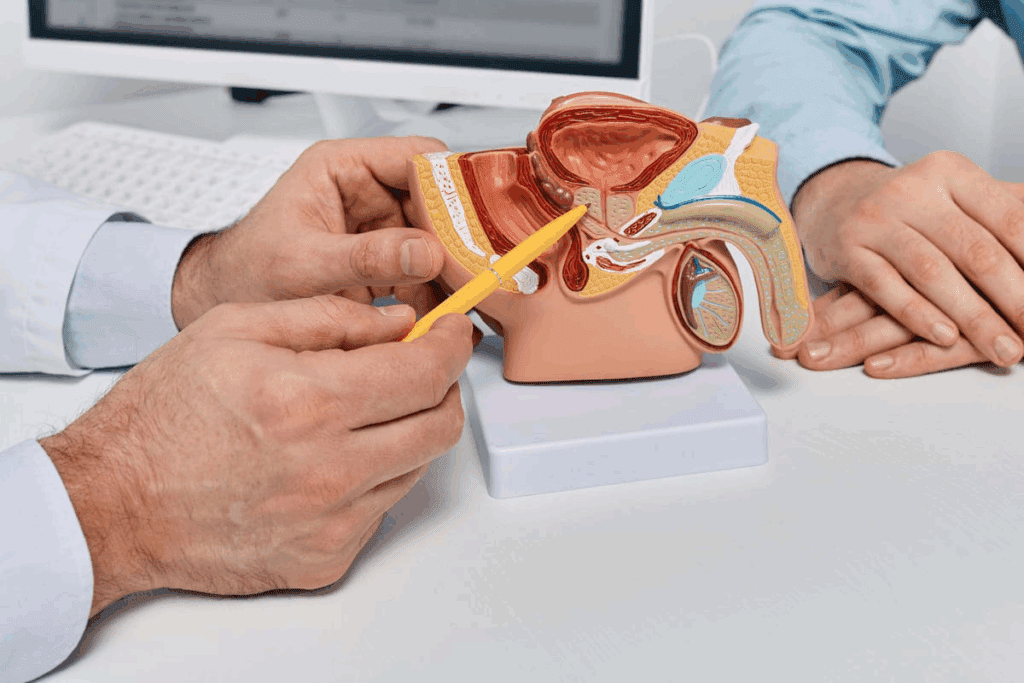
New medical tech has brought prostate surgery options for enlarged prostate, or BPH. These are new ways to treat this common issue. BPH operations include Rezum, UroLift, and Aquablation. Learn about newest minimally invasive procedures for enlarged prostate.
New prostate treatments provide improved and less painful alternatives compared to traditional surgeries.
The latest enlarged prostate procedures include prostate artery embolization, holmium laser surgery, and Rezūm water vapor therapy. These are cutting-edge methods.
Key Takeaways
- New prostate surgery options are available for treating enlarged prostate.
- Innovative treatments aim to reduce invasiveness and improve effectiveness.
- Prostate artery embolization is a minimally invasive procedure.
- Holmium laser prostate surgery is a precise and efficient treatment.
- Rezūm water vapor therapy is a non-surgical alternative.
Understanding Benign Prostatic Hyperplasia (BPH)
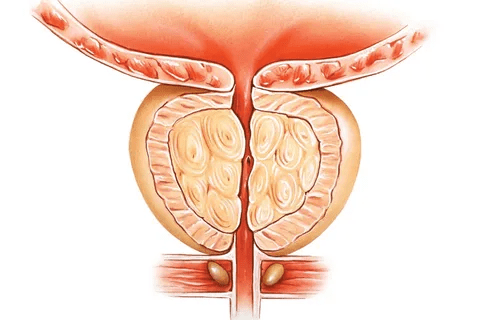
It’s important for men to know about Benign Prostatic Hyperplasia (BPH) as they age. BPH is when the prostate gland gets bigger. This can cause problems with urination.
What is BPH in Medical Terms?
Benign Prostatic Hyperplasia means the prostate gland grows too big. It’s not cancer, but it can make urination hard. The prostate is around the urethra. When it gets bigger, it can block the urethra.
Causes and Risk Factors of Prostate Enlargement
We don’t know exactly why BPH happens. But we know some things increase the risk. Age is a big one. It’s rare in men under 40 but affects about half by 50. Other risks include family history, being overweight, and conditions like diabetes.
Prevalence and Demographics in the United States
BPH is common in older men in the U.S. It gets more common with age, affecting many men over 50. This condition can really affect a man’s life and the healthcare system too.
Symptoms and Diagnosis of Enlarged Prostate

An enlarged prostate can really change a man’s life. It can block the urethra, making it hard to pee. This leads to many urinary problems.
Common Symptoms of BPH
Benign Prostatic Hyperplasia (BPH) symptoms include a weak pee stream and trouble emptying the bladder. Men might also pee a lot at night, which messes up their sleep.
Typical BPH symptoms include:
- Difficulty starting to pee
- A weak or interrupted pee flow
- Needing to pee a lot, often at night
- Urine dribbling
- Not being able to empty the bladder fully
Diagnostic Procedures and Tests
To find out if a prostate is enlarged, doctors look at medical history, do a physical exam, and run tests. The digital rectal examination (DRE) is key. It lets the doctor feel the prostate for any problems.
More tests might be needed:
- A prostate-specific antigen (PSA) blood test checks prostate health
- Uroflowmetry measures how fast urine flows
- Post-void residual (PVR) checks how well the bladder empties
- Transrectal ultrasound (TRUS) gives detailed prostate images
| Diagnostic Test | Purpose |
| DRE | Checks prostate size and finds any issues |
| PSA Blood Test | Looks at prostate health and finds problems early |
| Uroflowmetry | Measures urine flow rate |
| TRUS | Shows detailed images of the prostate |
When Surgery Becomes Necessary
Surgery is an option when BPH symptoms are very bad. It’s considered when symptoms really hurt a man’s quality of life or when other treatments don’t work. The choice to have surgery depends on how bad the symptoms are, if other treatments helped, and the patient’s health.
Knowing the symptoms and how to diagnose an enlarged prostate is key. It helps men get the right treatment for BPH. By recognizing symptoms and getting the right tests, men can get the care they need.
Traditional BPH Operations and Their Limitations
The treatment of BPH has long used surgery like TURP and open prostatectomy. These methods are effective but have their downsides.
Transurethral Resection of the Prostate (TURP)
TURP is a key surgery for BPH. It removes parts of the prostate to clear urine flow. It’s seen as effective for bettering urine symptoms, but it can lead to bleeding, infection, and TUR syndrome.
Open Prostatectomy
Open prostatectomy is a more invasive surgery, used for bigger prostates. It involves cutting to remove prostate parts. While it works, it has a longer recovery and more risks than less invasive methods.
Drawbacks and Possible Complications
TURP and open prostatectomy both have downsides and possible complications. Common issues include:
- Incontinence
- Erectile dysfunction
- Bleeding or infection
- TUR syndrome
- Need for reoperation
These problems show the importance of choosing the right treatment carefully. Less invasive options should also be considered.
In summary, while TURP and open prostatectomy are common treatments, knowing their limitations is key. This helps in making better choices for care.
Evolution of Prostate Surgery Techniques
Medical technology has changed prostate surgery a lot. Now, surgeons use new, less invasive methods to treat BPH. This shift has made treatments better and safer.
Historical Perspective on Prostate Surgery
Olden days, prostate surgery was risky and took a long time to recover. The first surgeries were big and had many risks. But, new tech and methods have made things better.
Technological Advancements in Surgical Tools
New tools have made prostate surgery better. Laser, robotic, and water jet technologies help surgeons work more precisely. This means less damage to the body and fewer side effects.
Key Technological Advancements:
- Laser technology for precise tissue removal
- Robotic systems for enhanced dexterity and visualization
- Water jet technology for gentle tissue dissection
Shift Toward Minimally Invasive Procedures
Today, doctors prefer less invasive surgeries. Methods like TURP, HoLEP, and UroLift are popular. They work well and don’t take long to recover from.
| Procedure | Benefits | Recovery Time |
| TURP | Effective for large prostates, well-established technique | Several weeks |
| HoLEP | Highly effective, low risk of complications | 1-2 weeks |
| UroLift | Minimally invasive, quick recovery | 1-3 days |
New prostate treatments provide improved and less painful alternatives compared to traditional surgeries.
Laser-Based Procedures for Enlarged Prostate
Laser-based treatments have changed how we treat Benign Prostatic Hyperplasia (BPH). They offer patients new, less invasive ways to manage their symptoms. These methods use lasers to remove or shrink the enlarged prostate, helping to improve life quality.
Holmium Laser Enucleation of the Prostate (HoLEP)
HoLEP is a top laser treatment for BPH. It uses a holmium laser to remove the enlarged prostate. This method works well for men with bigger prostates.
Key benefits of HoLEP include:
- Minimal bleeding and reduced risk of complications
- Effective for large prostates
- Less postoperative irritation
- Shorter hospital stay and recovery time
Photoselective Vaporization of the Prostate (PVP)
PVP is another laser treatment for BPH. It vaporizes prostate tissue with a powerful laser. This method is precise and less invasive.
Advantages of PVP:
- Reduced risk of bleeding
- Minimal postoperative discomfort
- Quick recovery
- Effective for men with moderate to severe BPH symptoms
Thulium Laser Enucleation of the Prostate (ThuLEP)
ThuLEP is a newer laser technique using a thulium laser for prostate removal. It combines laser surgery’s benefits with enucleation’s effectiveness.
Benefits of ThuLEP:
- High precision and control
- Reduced risk of complications
- Effective for a wide range of prostate sizes
- Less postoperative catheterization time
These laser treatments offer big advantages over old surgical methods. They have shorter recovery times, lower complication risks, and better symptom relief. As technology gets better, these methods will likely improve even more.
Water Vapor Thermal Therapy: Rezūm System
The Rezūm system is a big step forward in treating Benign Prostatic Hyperplasia (BPH). It uses water vapor to shrink prostate tissue, easing BPH symptoms. This method is known for its effectiveness and quick recovery time.
Mechanism of Action
The Rezūm system injects water vapor into the prostate. This makes the tissue shrink, easing the blockage caused by an enlarged prostate. The heat from the vapor kills the tissue, reducing prostate size over time.
Procedure Details and Recovery
The Rezūm procedure is done in a clinic without general anesthesia. It uses a special approach to inject water vapor into the prostate. Patients feel little pain and can go back to normal activities in a few days.
Recovery is easy, with most seeing symptom improvement in weeks. The non-invasive nature of the treatment lowers the risk of complications seen in more invasive surgeries.
Clinical Outcomes and Effectiveness
Studies show the Rezūm system is effective in treating BPH. It improves urine flow and reduces BPH symptoms. Long-term data shows the treatment’s benefits last, providing lasting relief.
| Clinical Outcome | Pre-Treatment | Post-Treatment (12 months) |
| IPSS Score | 18.5 ± 5.6 | 8.3 ± 5.1 |
| Qmax (mL/s) | 9.2 ± 3.4 | 14.1 ± 6.2 |
| Prostate Volume (mL) | 54.3 ± 23.1 | 43.9 ± 20.5 |
The Rezūm system is a good option for BPH treatment. It balances effectiveness with minimal invasiveness. Choosing the right treatment depends on careful patient selection and counseling.
Prostatic Urethral Lift (UroLift) Procedure
The UroLift system lifts the prostate tissue to improve urine flow. It reduces BPH symptoms. This procedure is a new option for treating enlarged prostate.
Mechanism and Approach
The UroLift system implants small devices to lift the prostate tissue. This moves it away from the urethra. It relieves the blockage that causes BPH symptoms.
Key aspects of the UroLift procedure include:
- Minimally invasive, typically performed under local anesthesia
- No removal or destruction of prostate tissue
- Rapid relief from BPH symptoms
- Preservation of sexual function
Not all men with BPH are good candidates for UroLift. The size of the prostate, the presence of a median lobe, and overall health are important. UroLift is best for men with moderate to severe BPH symptoms who want a less invasive option.
Benefits and Limitations
Benefits:
- Quick recovery time
- Minimally invasive
- Preserves sexual function
Limitations:
- Not suitable for very large prostates
- May not be as effective for men with severe BPH
- Potential for device-related complications
Aquablation Therapy: The Newest BPH Operations
BPH treatment has seen a big leap forward with aquablation therapy. This method uses water jet technology for precise removal of prostate tissue. It’s a new way to treat Benign Prostatic Hyperplasia, aiming for fewer complications and less invasiveness.
Water Jet Technology Explained
Aquablation therapy uses a high-velocity water jet to remove prostate tissue. This water jet technology is precise, aiming to remove only the tissue that blocks the flow. It tries to keep the urethral sphincter and bladder neck safe. This precision could lead to fewer side effects than older BPH surgeries.
Procedure Protocol
The aquablation procedure has several steps:
- Pre-operative planning using advanced imaging to map the prostate anatomy.
- Utilization of a robotic platform to deliver the water jet with high precision.
- Ablation of the prostate tissue under real-time visualization.
- Immediate post-procedure assessment to ensure hemostasis and evaluate the outcome.
This structured approach helps in achieving a consistent and effective treatment outcome.
Recovery and Outcomes
One of the big pluses of aquablation therapy is quick recovery. Most patients can get back to normal in just a few days. Studies show it can greatly improve symptoms and quality of life.
| Aspect | Aquablation Therapy | Traditional TURP |
| Recovery Time | Typically a few days | Several weeks |
| Symptom Relief | Significant improvement | Significant improvement |
| Risk of Complications | Lower due to precision | Higher risk of bleeding and infection |
Aquablation therapy is a big step forward in BPH treatment. It balances effectiveness with safety. Patients should talk to their doctor to see if it’s right for them.
Robotic-Assisted Prostate Surgery Innovations
Robotic-assisted surgery has changed how we treat prostate issues. It offers a precise and less invasive way to treat problems like Benign Prostatic Hyperplasia (BPH). This is a big deal because it’s all about being precise.
Da Vinci Surgical System Applications
The Da Vinci Surgical System is a key part of robotic-assisted prostate surgery. It lets surgeons do complex tasks with better control and vision. The robotic arms move like the surgeon’s hands, making it easier to cut and avoid damage.
This system is used for surgeries like robotic-assisted laparoscopic prostatectomy. It cuts down on blood loss, pain, and hospital time compared to old-school surgery.
Benefits of Robotic Precision
Robotic surgery in prostate care has many pluses. It’s more accurate and lowers the chance of problems. The 3D view from the robotic system helps surgeons avoid important nerves and blood vessels.
This precision means surgeons can take out less tissue. This can lead to better results and fewer side effects like incontinence and erectile issues.
Comparison with Traditional Approaches
Robotic-assisted prostate surgery beats traditional methods in many ways. It’s less invasive, which means less pain and quicker healing. But, it’s not for everyone.
Things like the size of the prostate and the patient’s health play a big role. The right choice depends on the patient’s needs.
In short, robotic-assisted prostate surgery, like with the Da Vinci System, is a big step forward. It’s precise, less invasive, and can lead to better results. It’s a great option for many patients.
Temporary Implantable Nitinol Device (TIND)
The Temporary Implantable Nitinol Device (TIND) is a new way to treat Benign Prostatic Hyperplasia (BPH). It’s a small device that helps keep the urethra open. This makes it easier to pee and lessens BPH symptoms.
Device Design and Function
The TIND device is made from nitinol, a metal alloy that’s flexible and strong. It’s designed to be implanted easily during a small procedure. Once in, it keeps the urethra open, helping urine flow better.
- The device is temporary, giving a reversible BPH treatment.
- Its nitinol makes it flexible and fits the urethra well.
- TIND is put in through a cystoscope, making it less invasive than old surgeries.
Implantation and Removal Process
Putting in TIND is done under local anesthesia or light sedation. It’s mostly painless. A cystoscope guides the device into the right spot in the urethra.
Removing TIND is easy too. It’s taken out after a few months. During this time, it helps remodel the urethra and improve pee flow.
Clinical Results and Patient Satisfaction
Studies show TIND works well for BPH. Patients see big improvements in pee flow and feel less BPH symptoms.
| Outcome Measure | Pre-TIND | Post-TIND |
| Urine Flow Rate | Low | Improved |
| BPH Symptoms | Severe | Reduced |
TIND is a great option for men with BPH. It’s effective and minimally invasive.
Prostate Artery Embolization (PAE)
For men with BPH, Prostate Artery Embolization is a new way to treat it. It’s less invasive than traditional surgery. PAE cuts off blood to the enlarged prostate, making it smaller and easing symptoms.
Minimally Invasive Approach
An interventional radiologist does PAE. They use imaging to guide a catheter to the prostate. Tiny particles block blood flow, shrinking the prostate over time.
The procedure is done under local anesthesia. Patients can often go home the same day. This approach lowers the risk of complications seen in more invasive surgeries.
Criteria for Patient Selection
Not every man with BPH can have PAE. The right candidates have:
- Symptoms that haven’t improved with meds
- A prostate size within a specific range
- No medical conditions that would make the procedure risky
A healthcare provider must evaluate each patient to see if PAE is right for them.
Outcomes and Safety Profile
Studies show PAE can greatly improve BPH symptoms. Many men see a big drop in symptoms and an uptick in quality of life. PAE is safe, with most side effects mild and short-lived.
Common side effects include:
- Temporary trouble urinating
- Mild pain or discomfort
- Minor bleeding
Severe complications are rare. This makes PAE a good choice for men wanting to avoid big surgeries.
Patient Considerations for BPH Surgical Options
Choosing BPH surgery means looking at many personal factors. It’s important to think about your health and what you need.
Age and Health Status Factors
Your age and health are key in picking the right BPH surgery. Older people or those with health issues might do better with less invasive methods. These options usually mean a quicker recovery.
For example, UroLift or Rezūm are good for those who want to get back to normal fast and keep their sex life. But, open prostatectomy might be better for younger men or those with bigger prostates.
Sexual Function Considerations
Sexual health is a big deal for men with BPH. Different surgeries affect sex differently.
For instance, TURP might cause problems with ejaculation, but HoLEP or UroLift aim to keep sex life intact. Knowing this helps make a better choice.
Recovery Time Requirements
How long you need to recover is also important. If you’re busy or can’t take a lot of time off, choose something less invasive.
Insurance Coverage and Cost Analysis
What your insurance covers and the cost of surgery are also key. Check what your insurance pays for and any costs you might have to pay yourself.
| Procedure | Typical Recovery Time | Impact on Sexual Function | Average Cost |
| TURP | 2-4 weeks | Potential for retrograde ejaculation | $5,000 – $10,000 |
| UroLift | 1-2 weeks | Minimal impact | $3,000 – $6,000 |
| Rezūm | 1-2 weeks | Minimal impact | $2,000 – $4,000 |
By looking at these factors and talking to a doctor, you can choose the best BPH surgery for you. This ensures you get the treatment that fits your needs and wants.
Comparing BPH Operations: Decision-Making Guide
Choosing a BPH surgery depends on many things. This includes how big the prostate is and the patient’s health.
Factors Influencing Surgical Selection
Many things decide which BPH surgery is best. These include the prostate’s size, any other health issues, and the patient’s overall health.
Key Considerations:
- Prostate size and anatomy
- Presence of comorbid conditions
- Patient’s age and health status
- Sexual function considerations
- Recovery time requirements
Prostate Size Considerations
How big the prostate is matters a lot when choosing surgery.
| Prostate Size | Surgical Options | Recovery Time |
| Small to Medium | UroLift, Rezūm | 1-3 days |
| Medium to Large | TURP, HoLEP | 1-2 weeks |
| Large | Open Prostatectomy, Aquablation | 2-4 weeks |
Comorbidity Impact on Decision-Making
Having other health issues can change which surgery is best.
“The presence of comorbid conditions can complicate BPH treatment, requiring a more nuanced approach to surgical selection.”
— Expert Opinion
Understanding these factors helps both patients and doctors make the best choice for BPH treatment.
Post-Operative Care and Recovery Expectations
Recovering well after BPH surgery starts with knowing what to expect. Good care after surgery is key for a smooth recovery and avoiding problems.
Immediate Post-Surgical Care
Right after BPH surgery, patients stay in a recovery area for a few hours. Medical staff keep an eye out for any quick issues and help with pain. A catheter might be used to drain urine, which is usually removed in a few days.
- Rest and avoid hard activities for at least a week.
- Take your medicine as your doctor says.
- Drink lots of water to stay hydrated.
Managing Common Side Effects
After BPH surgery, some side effects can happen, like trouble controlling urine, erectile issues, or infections. It’s important to handle these side effects well for a smooth recovery.
| Side Effect | Management Strategy |
| Urinary Incontinence | Pelvic floor exercises (Kegels) to strengthen muscles. |
| Erectile Dysfunction | Consult a healthcare provider for appropriate treatment options. |
| Urinary Tract Infections | Antibiotics as prescribed; increased fluid intake. |
Long-term Follow-up Protocol
Regular check-ups after BPH surgery are important to keep an eye on recovery and catch any late problems. These appointments usually include:
- A check-up within a few weeks post-surgery to assess healing.
- Periodic PSA (Prostate-Specific Antigen) tests to monitor prostate health.
- Ongoing evaluation of urinary function and any symptoms.
By following post-operative care instructions, patients can greatly improve their recovery and lower the chance of complications.
Conclusion
The latest treatments for Benign Prostatic Hyperplasia (BPH) offer many options. These range from minimally invasive procedures to surgical interventions. Each option has its benefits and drawbacks.
A shows that patients can choose from advanced surgical techniques. These include laser-based procedures, water vapor thermal therapy, and robotic-assisted prostate surgery. These new methods have improved outcomes and reduced recovery times.
In conclusion, today’s BPH treatment options help patients make informed decisions. When looking at , it’s key to consider the benefits and risks. This depends on individual health needs and preferences.
Understanding the treatments and their implications helps patients choose the best option. This way, they can improve their quality of life with the help of their healthcare providers.
FAQ
What is benign prostatic hyperplasia (BPH)?
Benign prostatic hyperplasia (BPH) is when the prostate gland grows too big. This can make it hard for men to pee.
What are the common symptoms of BPH?
Symptoms of BPH include weak urine flow and needing to pee a lot. You might also wake up to pee at night or have trouble starting or stopping urination.
What are the latest treatments for enlarged prostate?
New prostate treatments provide improved and less painful alternatives compared to traditional surgeries.
What is the Rezūm system?
The Rezūm system uses steam to shrink the prostate. This helps ease symptoms by making the prostate smaller.
How does UroLift work?
UroLift uses small devices to lift the prostate away from the urethra. This improves urine flow.
What is aquablation therapy?
Aquablation therapy uses a water jet to remove prostate tissue. This makes the prostate smaller and relieves symptoms.
What are the benefits of robotic-assisted prostate surgery?
Robotic-assisted surgery, like with the Da Vinci System, is precise and reduces bleeding. It also means a faster recovery.
What is prostate artery embolization (PAE)?
PAE blocks blood flow to the prostate. This reduces its size and helps with symptoms.
How long does it take to recover from BPH surgery?
Recovery time varies by surgery type. But most men can get back to normal in a few days to weeks.
What are the possible complications of BPH surgery?
Surgery risks include bleeding, infection, and problems with peeing or getting an erection. These risks depend on the surgery.
How do I choose the best BPH treatment for me?
Choosing a treatment depends on your prostate size, health, symptoms, and what you prefer. Talk to a healthcare provider to decide.
Reference
- Ramjiawan, R., et al. (2024). Efficacy of Rezūm water vapor therapy for the treatment of benign prostatic hyperplasia: Clinical outcomes and safety. Journal of Urological Advances, 12(4), 254-261. https://pmc.ncbi.nlm.nih.gov/articles/PMC11790040/