Last Updated on November 27, 2025 by Ugurkan Demir

At Liv Hospital, we use brachytherapy to treat prostate cancer. It’s a minimally invasive method with great long-term survival rates.
Brachytherapy means placing small radioactive seeds in or near tumors. This targets the cancer, protecting healthy tissues nearby.
This therapy controls cancer well with fewer side effects than old methods. It’s a good choice for patients with localized prostate cancer.
What is brachytherapy for prostate cancer? Learn how this internal radiation therapy works, the procedure, and its effectiveness.
Key Takeaways
- Brachytherapy is a type of internal radiotherapy that delivers radiation directly to the tumor site.
- This treatment involves placing small radioactive seeds or implants into or near cancerous prostate tumors.
- Brachytherapy offers a high degree of precision and potentially fewer side effects compared to other treatments.
- Long-term survival rates for brachytherapy are exceptional, approaching 95 to 97 percent.
- Liv Hospital combines this proven treatment with internationally competitive medical care.
Understanding Prostate Cancer and Treatment Options

It’s important for patients and doctors to understand prostate cancer and its treatments. Prostate cancer is a complex disease. It needs a variety of treatments.
The Prevalence and Impact of Prostate Cancer
Prostate cancer is a common cancer in men. It affects public health a lot. Over 200,000 new cases are found in the U.S. every year.
This cancer affects not just the patient but also their families and communities. Finding it early and treating it well is key to better survival rates.
Overview of Available Treatment Approaches
There are many ways to treat prostate cancer. These depend on the cancer’s stage and how aggressive it is. Some options include:
- Active surveillance
- Surgery
- Radiation therapy
- Hormone therapy
Each treatment has its own good points and possible side effects. It’s important for patients to talk about these options with their doctors.
Where Radiation Therapy Fits in Treatment Protocols
Radiation therapy, like brachytherapy, is a big part of treating prostate cancer. Brachytherapy puts radioactive material close to the tumor. This targets cancer cells well.
Studies show brachytherapy works great for early-stage cancer. It’s precise and doesn’t harm healthy tissues much. This makes it a good choice for treating prostate cancer that hasn’t spread.
| Treatment Modality | Description | Benefits |
| Brachytherapy | Internal radiation therapy where radioactive seeds are placed directly into the prostate | High precision, minimal damage to surrounding tissues, effective for localized cancer |
| External Beam Radiation Therapy (EBRT) | External radiation that targets the prostate from outside the body | Non-invasive, can be used for more advanced cancers |
| Surgery | Surgical removal of the prostate gland | Potential for cure, specially for localized disease |
Brachytherapy for Prostate Cancer: A Complete Overview

Prostate brachytherapy is a top choice for treating prostate cancer. It involves placing tiny radioactive seeds or implants into or near the tumor. These seeds release radiation to kill cancer cells.
Definition and Basic Principles
Brachytherapy, or internal radiation therapy, places a sealed radiation source inside or next to the tumor. The goal is to give a high dose of radiation to the tumor while protecting healthy tissues. This is done by placing radioactive material directly into the prostate gland.
The method works by releasing radiation over time to target cancer cells and shrink the tumor. The aim is to give a precise dose of radiation to the prostate. This ensures effective treatment while keeping quality of life high.
Historical Development of Brachytherapy
The idea of brachytherapy started in the early 20th century, after Marie Curie found radium in 1898. At first, it involved manually placing radium needles into tumors. Over time, technology and imaging have improved how radioactive sources are placed.
In the 1980s and 1990s, brachytherapy for prostate cancer really took off. This was thanks to transrectal ultrasound (TRUS) and better treatment planning software. These advancements led to more accurate seed placement and better treatment results.
How Brachytherapy Differs from Other Radiation Treatments
Brachytherapy is different from external beam radiation therapy (EBRT) in several ways. While EBRT uses radiation from outside the body, brachytherapy places the source directly into or near the tumor. This has several benefits:
- Precision: Brachytherapy delivers a higher dose of radiation directly to the tumor, reducing damage to surrounding tissues.
- Treatment Duration: Brachytherapy is often shorter than EBRT, which may need several weeks of treatment.
- Side Effects: Brachytherapy’s focused nature can lead to fewer side effects compared to EBRT.
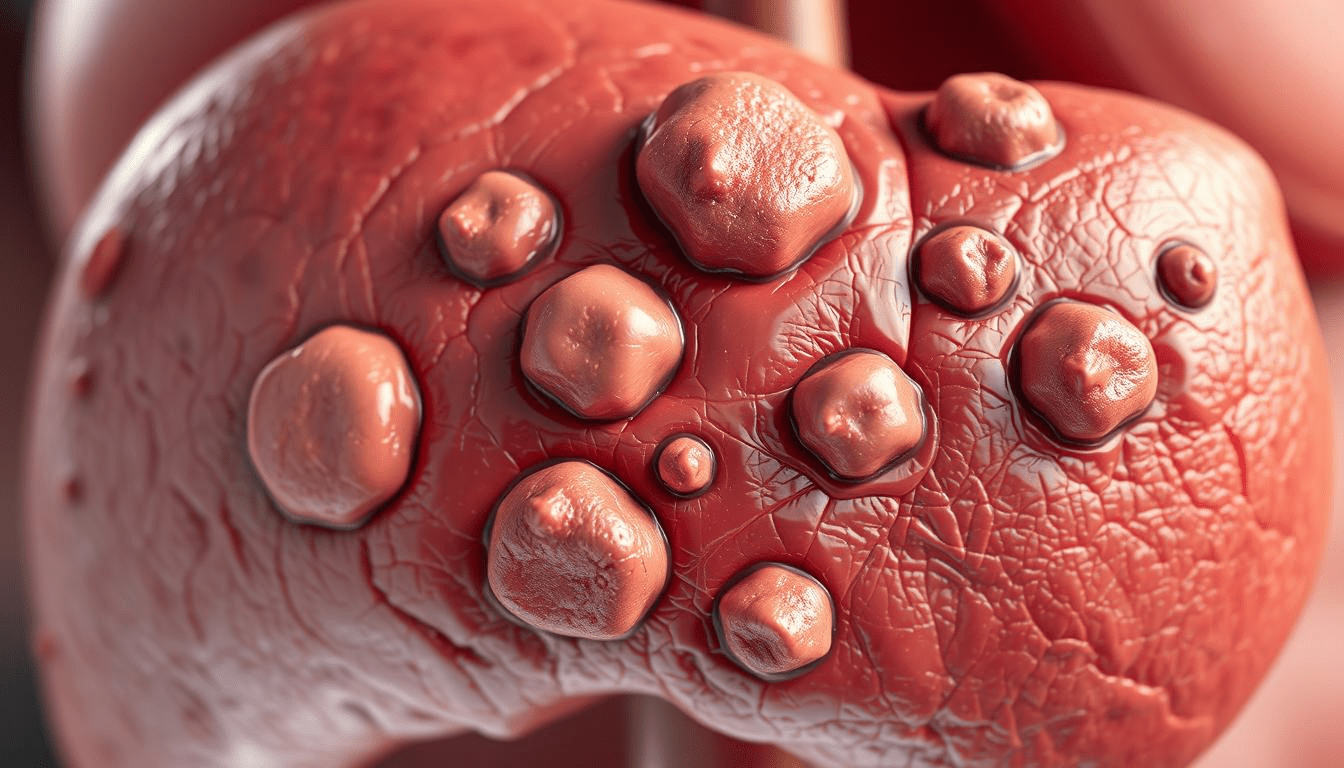
As shown in the image below, brachytherapy involves placing radioactive seeds precisely in the prostate gland.
Understanding brachytherapy’s definition, history, and unique features helps patients and healthcare providers make informed decisions about treating prostate cancer.
The Science Behind Brachytherapy
Brachytherapy is effective for prostate cancer because it targets the tumor with precise radiation. Small radioactive seeds or sources are placed in or near the tumor. This method maximizes the impact on cancer cells while protecting healthy tissues.
How Radiation Affects Cancer Cells
Radiation therapy, like brachytherapy, damages cancer cells’ DNA. This stops them from dividing and growing. When cancer cells get radiation, they can’t multiply, leading to their death.
Key to its success is the precise delivery of radiation. Placing the radiation source close to the tumor ensures cancer cells get a high dose. This makes the treatment more effective.
Radioactive Materials Used in Prostate Brachytherapy
In prostate brachytherapy, small radioactive seeds are used. These seeds slowly release radiation to kill cancer cells. Iodine-125 and Palladium-103 are common isotopes, chosen based on the patient’s cancer and health.
“The use of radioactive seeds in prostate brachytherapy represents a significant advancement in the treatment of localized prostate cancer, providing a highly effective and minimally invasive option.”
Radiation Dosimetry and Planning
Brachytherapy planning is key, known as radiation dosimetry. It calculates the right radiation dose for the tumor, while protecting healthy tissues. Ultrasound and MRI guide the placement of seeds for accurate radiation delivery.
Advanced technology and knowledge in radiation oncology make brachytherapy tailored to each patient. This improves outcomes and quality of life.
Types of Brachytherapy Procedures for Prostate Cancer
There are two main types of brachytherapy for prostate cancer. These are Low-Dose-Rate (LDR) and High-Dose-Rate (HDR) brachytherapy. Each has its own way of treating cancer.
Low-Dose-Rate (LDR) Brachytherapy
LDR brachytherapy involves putting small radioactive seeds in the prostate. These seeds give off low doses of radiation for months. They target cancer cells while protecting healthy tissue. The procedure is done under general anesthesia and takes about an hour. After the seeds are in, patients can usually go home the same day.
A leading oncologist says, “LDR brachytherapy is key in treating localized prostate cancer. It’s safe and effective.”
“The precision and effectiveness of LDR brachytherapy make it an attractive option for patients with low to intermediate-risk prostate cancer.”
High-Dose-Rate (HDR) Brachytherapy
HDR brachytherapy uses a high-dose radiation source in the prostate for a few minutes. Then, the source is taken out. HDR brachytherapy is often used with external beam radiation therapy (EBRT) to increase the dose to the prostate. This method doesn’t leave radioactive material in the body.
HDR brachytherapy is flexible in treatment planning. It allows for precise control over the radiation dose. Recent studies show it’s effective, even for higher-risk patients.
Both LDR and HDR brachytherapy are used for prostate cancer. The choice depends on the cancer’s stage and grade, patient preference, and the doctor’s advice.
The Brachytherapy Procedure: What Patients Can Expect
Before brachytherapy, knowing what to expect helps reduce anxiety. We’ll walk you through the steps for prostate cancer treatment. This includes preparation and care after the procedure.
Pre-Treatment Preparation and Planning
Patients go through detailed planning before treatment. This includes imaging studies to find the best spot for radioactive seeds in the prostate. Advanced software helps target cancer cells while protecting healthy tissues.
We also check the patient’s health and prostate details. This makes the treatment plan more personal and effective.
Step-by-Step Procedure Description
The brachytherapy process has several steps. First, we give anesthesia or sedation for comfort. Then, we use imaging to guide the placement of radioactive seeds in the prostate.
The treatment happens in a hospital or outpatient setting. Its length depends on the method and patient’s health. We watch the patient closely to ensure a smooth process.
Post-Procedure Care and Recovery
After treatment, we monitor patients for side effects. We give them care instructions and schedule follow-ups. This includes managing any side effects.
Most patients can go back to normal activities in a few days. We advise against heavy lifting or exercise for a bit. We’re here to help with any concerns or questions during recovery.
Radiation Safety Considerations
Brachytherapy uses radioactive materials, so safety is key. We teach patients how to protect others, like pregnant women and young kids.
Radiation levels drop over time. We give specific advice based on the treatment. Our team is ready to answer questions and offer reassurance.
Ideal Candidates for Prostate Brachytherapy
Choosing the right candidates for prostate cancer treatment is key. It’s a detailed process that looks at many factors. This ensures the best results for each patient.
Patient Selection Criteria
Several things are considered when thinking about brachytherapy for prostate cancer. These include the cancer’s stage and grade, the patient’s health, and any urinary issues. We check these to see if brachytherapy is the best choice.
Key factors in patient selection include:
- Cancer stage and grade
- Prostate size and shape
- Presence of urinary symptoms
- Patient’s overall health and medical history
Risk Stratification and Treatment Decisions
Sorting patients by risk is vital in choosing the right treatment. We group them into low, intermediate, or high-risk categories. This helps tailor treatments to fit each patient’s needs. Brachytherapy is often best for those with low to intermediate-risk cancer.
| Risk Category | Characteristics | Treatment Considerations |
| Low Risk | PSA ≤ 10, Gleason Score ≤ 6, Clinical Stage ≤ T2a | Brachytherapy as monotherapy |
| Intermediate Risk | PSA 10-20, Gleason Score 7, Clinical Stage T2b-T2c | Brachytherapy with or without external beam radiation |
| High Risk | PSA > 20, Gleason Score 8-10, Clinical Stage ≥ T3 | Multimodal treatment approaches, including brachytherapy boost |
Contraindications and Limitations
Brachytherapy is a top choice for prostate cancer, but it’s not for everyone. Those with big prostates, urinary problems, or past pelvic radiation might not be good candidates.
We carefully look at each patient’s characteristics and risk factors. This helps us find the best candidates for brachytherapy. We then create a treatment plan that fits their needs perfectly.
Clinical Outcomes and Effectiveness Research
Research on brachytherapy for prostate cancer shows promising results. Studies show it offers high survival rates and good quality of life for patients with localized prostate cancer.
Long-Term Survival Rates
Brachytherapy has been proven to offer high survival rates for localized prostate cancer. Recent studies show its 10-year survival rates are similar to surgery. For example, a study in the Journal of Clinical Oncology found an 85% 10-year survival rate for brachytherapy patients.
Quality of Life After Brachytherapy
Quality of life after brachytherapy is key for patients. Studies show it helps keep urinary and sexual functions, improving life quality. A study in the International Journal of Radiation Oncology, Biology, Physics found fewer side effects for brachytherapy patients.
Recent Studies and Advancements
New studies have improved brachytherapy techniques and outcomes. Advances in imaging and dosimetry have made brachytherapy more precise. For instance, MRI-guided brachytherapy has better outcomes by placing seeds more accurately.
Comparing Outcomes with Other Treatment Modalities
Brachytherapy’s outcomes are similar to other treatments like EBRT and radical prostatectomy. But, it often has fewer side effects and a quicker recovery. A study in the Journal of Urology found brachytherapy and EBRT have similar survival rates. But, brachytherapy has fewer urinary symptoms.
Combining Brachytherapy with Other Treatments
For many patients with prostate cancer, mixing brachytherapy with other treatments can greatly improve results. This method creates a treatment plan that fits the patient’s cancer perfectly.
Brachytherapy as a Boost to External Beam Radiation
Brachytherapy can be paired with external beam radiation therapy (EBRT) to give more radiation to the tumor. This combo, called a “boost,” targets cancer cells more accurately. It makes the treatment more effective.
This combo is great for patients with intermediate or high-risk prostate cancer. It lets doctors give more radiation to the tumor while protecting healthy tissues.
Hormone Therapy and Brachytherapy
Hormone therapy, or androgen deprivation therapy (ADT), is often used with brachytherapy for prostate cancer. It lowers male hormones in the body, slowing cancer cell growth.
Together, hormone therapy and brachytherapy make the radiation treatment more effective. This combo is very helpful for patients with aggressive or advanced prostate cancer.
Multimodal Treatment Approaches
Multimodal treatment plans combine brachytherapy, EBRT, and hormone therapy. They offer a complete strategy for prostate cancer. Tailoring the treatment to each patient’s needs improves results.
| Treatment Approach | Description | Benefits |
| Brachytherapy + EBRT | Combining brachytherapy with external beam radiation therapy | Higher total dose of radiation to the tumor, reduced exposure to healthy tissues |
| Brachytherapy + Hormone Therapy | Combining brachytherapy with hormone therapy | Enhanced effectiveness of radiation treatment, slowed cancer cell growth |
| Multimodal Approach | Combining multiple treatment modalities (brachytherapy, EBRT, hormone therapy) | Personalized treatment planning, optimized treatment outcomes |
Personalized Treatment Planning
Personalized treatment planning is key when combining brachytherapy with other treatments. It considers each patient’s cancer uniquely. This way, doctors can create a treatment plan that works best.
Doctors look at many factors like cancer stage, patient health, and personal preferences. This personalized approach helps use brachytherapy and other treatments effectively. It aims for the best possible results.
Conclusion: Making Informed Decisions About Prostate Cancer Treatment
It’s key for patients to know about prostate cancer treatment options. Brachytherapy is a top choice for treating prostate cancer. It has its own set of benefits and risks to think about.
Patients can pick the best treatment for them by learning about all options, including brachytherapy. This choice improves their health and life quality.
We suggest patients talk to their doctor about treatment choices. They should think about their cancer’s stage and grade, their health, and what they prefer. Making smart choices about treatment helps patients take charge of their health and get the best results.
FAQ
What is brachytherapy for prostate cancer?
Brachytherapy for prostate cancer is a type of radiation therapy. It uses small radioactive seeds or sources placed directly into or near the tumor. This delivers a high dose of radiation to the cancer cells while protecting the healthy tissues around them.
How does brachytherapy differ from external beam radiation therapy?
Brachytherapy delivers radiation directly to the tumor site. This reduces the risk of damage to surrounding tissues. External beam radiation therapy, on the other hand, sends radiation from outside the body.
What are the types of brachytherapy procedures available for prostate cancer?
There are two main types: Low-Dose-Rate (LDR) brachytherapy and High-Dose-Rate (HDR) brachytherapy. LDR involves the permanent implantation of small radioactive seeds into the prostate. HDR involves the temporary placement of a high-dose radiation source into the prostate.
What is the difference between LDR and HDR brachytherapy?
LDR brachytherapy uses seeds that emit low doses of radiation over several months. HDR brachytherapy uses a high-dose radiation source for a few minutes.
What can patients expect during the brachytherapy procedure?
Patients go through pre-treatment planning first. Then, a catheter or applicator is used to place the seeds or radiation source into the prostate. After the procedure, patients are monitored for any immediate side effects. They are also given instructions on post-procedure care and radiation safety precautions.
Who are ideal candidates for prostate brachytherapy?
Ideal candidates are patients with localized prostate cancer. The decision is based on factors such as the stage and grade of the cancer, overall health, and presence of urinary symptoms.
Can brachytherapy be combined with other treatments?
Yes, brachytherapy can be combined with other treatments. This includes external beam radiation therapy or hormone therapy to enhance outcomes.
What are the benefits of brachytherapy for prostate cancer?
Brachytherapy offers high long-term survival rates. It potentially has fewer side effects and improves the quality of life for patients with localized prostate cancer.
Are there any risks or side effects associated with brachytherapy?
As with any treatment, there are risks and side effects. But advancements in brachytherapy techniques have improved the quality of life for patients by reducing side effects.
Is brachytherapy a commonly used treatment for prostate cancer?
Yes, brachytherapy remains a viable and effective treatment option for prostate cancer. It is often used for localized disease.
What is the role of radiation dosimetry and planning in brachytherapy?
Radiation dosimetry and planning are key. They ensure the optimal dose of radiation is delivered to the tumor. This minimizes exposure to surrounding healthy tissues.
How does brachytherapy affect cancer cells?
Brachytherapy damages the DNA of cancer cells. This prevents them from dividing and growing.
Reference:
National Center for Biotechnology Information. (2025). What Is Brachytherapy for Prostate Cancer and How. Retrieved from https://pmc.ncbi.nlm.nih.gov/articles/PMC9953871/