Last Updated on November 27, 2025 by Bilal Hasdemir
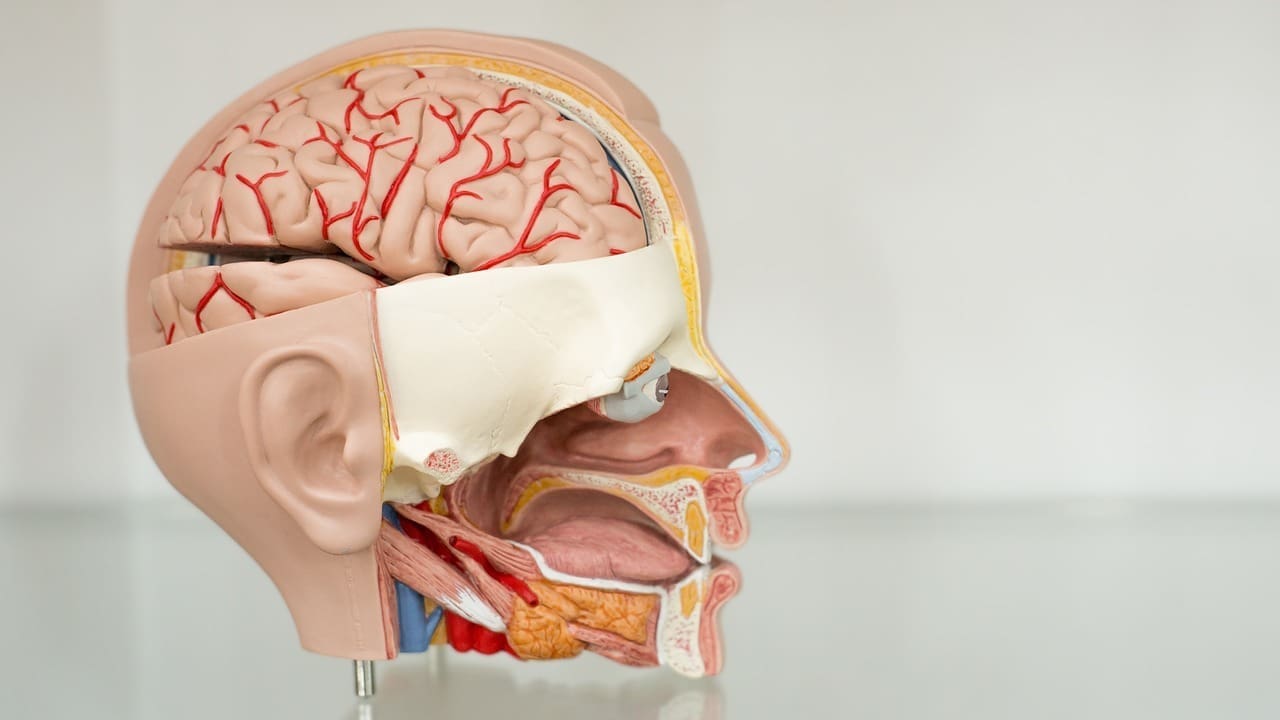
A tumor behind the eye can be very worrying. It might come from a primary brain tumor or from cancer spreading. At Liv Hospital, we mix top medical skills with care to share key facts about tumors and their dangers.
Symptoms can be different, like vision changes, trouble moving the eye, or seeing a lump. Knowing these signs is key for catching problems early and treating them well.
Our team is all about giving the best healthcare, supporting patients from around the world. We’ll look into the various tumor types, whether they’re harmless or harmful, and how they affect health.
Key Takeaways
- Primary brain tumors and metastatic growths can cause tumors behind the eye.
- Symptoms include changes in vision, eye movement issues, or visible lumps.
- Understanding tumor types and risks is key for early detection and treatment.
- Liv Hospital offers international medical expertise with compassion.
- Our team is committed to top-notch healthcare for patients from abroad.
What Causes Brain Cancer Behind Eye

Brain cancer behind the eye is a complex issue. It can come from primary brain tumors or metastatic growths. Knowing the causes helps in finding the right treatment.
Primary Brain Tumors vs. Metastatic Growths
Primary brain tumors start in the brain. Metastatic growths come from other parts of the body. This difference affects how they are treated and how well they do.
Primary brain tumors can start from different brain cells. The most common are gliomas, meningiomas, and schwannomas. Metastatic brain tumors, though less common, often start from lung, breast, or skin cancers.
| Tumor Type | Origin | Common Sources |
|---|---|---|
| Primary Brain Tumors | Within the brain | Astrocytes, oligodendrocytes, ependymal cells |
| Metastatic Growths | Outside the brain | Lung, breast, skin (melanoma) |
Anatomical Relationship Between Brain and Eye
The brain and eye are close together. Tumors in some brain areas can affect vision and eye movement. The optic nerve, which carries visual info, is at risk from nearby tumors.
As a renowned neurosurgeon, once noted,
“The close relationship between the brain and the eye makes it essential to consider both structures when diagnosing and treating tumors in this region.”
It’s important to know how the brain and eye are connected. This helps in diagnosing and treating brain cancer. Tumors near the eye can cause vision or eye movement problems.
Most Common Types of Brain Tumors in Adults
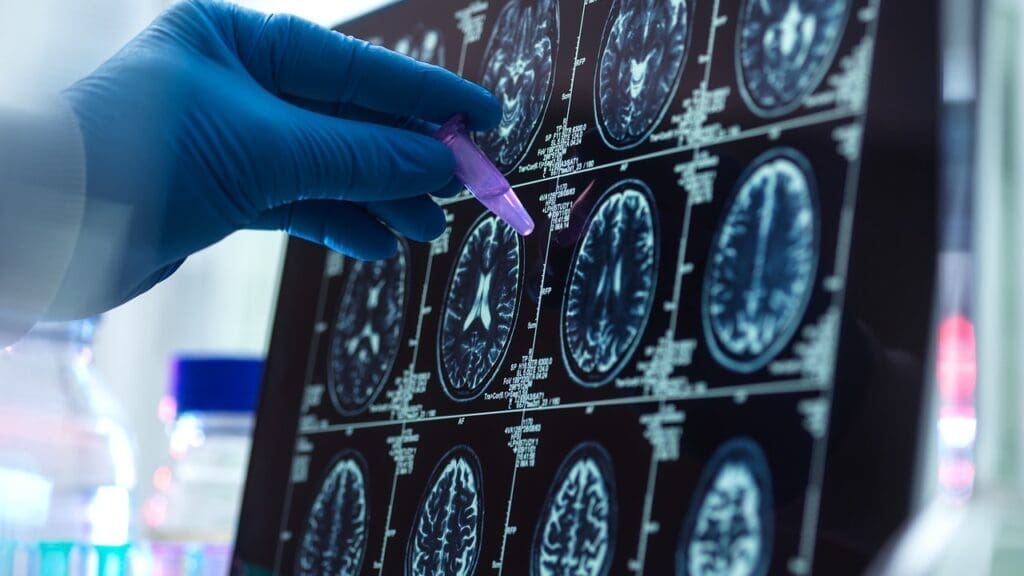
It’s important to know about the most common brain tumors in adults. This knowledge helps doctors diagnose and treat them better. We’ll look at the different types of brain tumors in adults, their characteristics, and how they can affect health.
Meningiomas: Accounting for 38% of Cases
Meningiomas are the most common brain tumor in adults, making up about 38% of cases. They start in the meninges, which protect the brain and spinal cord. Meningiomas are usually benign, meaning they are not cancerous and grow slowly. But, big meningiomas can press on brain areas, causing symptoms.
Glioblastomas: The Most Common Malignant Type
Glioblastomas are the most common aggressive brain tumor in adults. They come from the brain’s glial cells and grow fast. Glioblastomas are very malignant and have a bad outlook, so quick and effective treatment is key.
Other Tumor Types Affecting the Eye Region
Other brain tumors that can affect the eye area include schwannomas, pituitary adenomas, and craniopharyngiomas. Schwannomas come from nerve cells, while pituitary adenomas are in the pituitary gland. Craniopharyngiomas are rare, benign tumors near the pituitary gland and hypothalamus. These tumors can lead to vision problems and hormonal issues, based on their size and location.
Knowing about these common brain tumors is vital for finding the right treatment. We’ll keep looking into their characteristics and treatment options in the next sections.
Benign vs. Malignant Brain Tumors: Statistical Overview
Brain tumors are divided into two main types: benign and malignant. Each type has different treatment options and outcomes. We will look at the statistics of these two types and their risks.
68-70% of Brain Tumors Are Non-Malignant
About 68-70% of brain tumors are benign. This means most tumors don’t spread or grow in other parts of the brain. For more info, check out this primer on brain tumors.
Even though benign tumors aren’t cancerous, they can cause health problems. They might press on or harm nearby brain tissue. Treatment usually involves surgery or watching them with scans.
What Makes the 30% of Malignant Tumors Dangerous
The other 30% of tumors are malignant, or cancerous. These tumors can grow fast and spread to other parts of the brain. Their aggressive nature makes them very dangerous.
Malignant tumors need quick and strong treatment. This might include surgery, radiation, or chemotherapy. How well a patient does depends on the tumor type, where it is, and the patient’s health.
Growth Patterns and Progression Rates
Benign tumors grow slowly, while malignant ones grow fast. This difference affects how they are treated and how they progress.
| Tumor Type | Growth Pattern | Progression Rate |
|---|---|---|
| Benign | Slow growth | Gradual progression |
| Malignant | Rapid growth | Aggressive progression |
Knowing these differences helps doctors plan better treatments. By studying benign and malignant tumors, we can improve care for patients.
Recognizing Symptoms of Brain Cancer Behind Eye
It’s key to spot the signs of brain cancer behind the eye early. This is because tumors in this spot can mess with brain areas nearby. This can lead to various symptoms.
Vision Changes and Disturbances
One major sign is vision problems. You might see things blurry, have double vision, or miss out on what’s on the sides. Some people struggle to see things clearly.
These vision issues can really mess up your day. So, if you notice these problems, get help right away.
Eye Movement Abnormalities
Tumors behind the eye can also mess with how your eyes move. You might see your eyes wobble or not line up right. This happens because the tumor presses on nerves that control eye movement.
Visible Lumps and Physical Signs
At times, a tumor can make your eye bulge out or feel like a lump. These signs usually mean the tumor is bigger.
Knowing these signs is important for catching brain cancer early. Here’s a quick list of symptoms to watch out for:
| Symptom Category | Specific Symptoms |
|---|---|
| Vision Changes | Blurred vision, double vision, loss of peripheral vision |
| Eye Movement Abnormalities | Nystagmus, strabismus |
| Visible Lumps and Physical Signs | Proptosis, palpable lump |
If you notice any of these signs, see a doctor fast. Catching it early can really help with treatment.
Understanding Brain Tumor Size Classifications
Doctors use size to understand brain tumors better. This helps them decide the best treatment. Knowing the size is key to planning how to treat the tumor.
How Tumors Are Measured: The Centimeter Scale
Doctors measure brain tumors in centimeters. This scale helps them see how big the tumor is. It’s important for figuring out how to treat it.
With the centimeter scale, tumors are grouped by size. This makes it easier for doctors to talk about the tumor’s size. It helps them plan the treatment.
Small Tumors (1.5 cm and Under)
Small tumors, under 1.5 cm, are often in the early stages. They might not cause many symptoms. But, they can be hard to find because of their small size.
Even small tumors can be a big problem if they’re in important parts of the brain. So, where the tumor is matters a lot too.
Moderate to Large Tumors (3-4 cm)
Tumors between 3-4 cm are considered bigger. They can cause more symptoms because they press on the brain. This can make treatment harder.
For bigger tumors, doctors might need to use stronger treatments. This could include surgery or radiation. The size and where the tumor is affect the treatment plan.
Why Location Matters More Than Size
The size of a tumor is important, but where it is matters more. Tumors in sensitive areas can cause big problems, even if they’re small.
A small tumor near a vital part of the brain can be more serious than a bigger one elsewhere. So, knowing where the tumor is is key to treating it well.
Tumors on Top of the Brain and Head
It’s important to know about tumors on top of the brain or head. They can affect a person’s life a lot. It’s key to spot their signs early and treat them well.
Meningiomas and Gliomas: Common Types
Meningiomas and gliomas are common brain tumors. Meningiomas are usually not cancerous and grow from the brain’s protective layers. Gliomas start from brain cells and can be more serious.
Detection Following Head Trauma
Many tumors are found after a head injury. Tests after a head hit might show a tumor that was missed before.
Neurological Symptoms and Warning Signs
Tumors can cause brain problems like weakness or vision changes. Spotting these signs early is vital for treatment.
We need to watch out for brain tumors. Early detection is the best way to handle them.
Diagnostic Approaches: Beyond the “Shadow on the Brain”
Diagnosing brain cancer behind the eye is more than just seeing a “shadow on the brain” on scans. We must explore deeper to understand these tumors.
What a “Shadow” on Imaging Actually Means
A “shadow” on scans can mean many things, not just cancer. It’s a sign of concern but not specific. We need to look at the whole picture and other factors.
“The term ‘shadow on the brain’ is often used, but it’s not a diagnosis; it’s more of an indication that further investigation is needed,” says a renowned neurologist.
Advanced Imaging Techniques
Advanced imaging is key in finding brain tumors. We use:
- MRI (Magnetic Resonance Imaging) to see the brain and tumor clearly.
- CT (Computed Tomography) scans to quickly check the situation and start treatment.
- PET (Positron Emission Tomography) scans to see how active the tumor is.
These tools help us know the tumor’s size, where it is, and how it might affect the brain.
Biopsy and Definitive Diagnosis
Imaging gives us clues, but a biopsy is key for a sure diagnosis. We look at tumor tissue to know its type and how serious it is. This helps us decide how to treat it.
A biopsy is the best way to know what a brain tumor is. It lets us make treatment plans that fit each person’s needs.
By using advanced imaging and biopsy results, we can accurately find and treat brain tumors. This way, we go beyond just seeing a “shadow on the brain.”
Treatment Options for Brain Cancer Behind Eye
Treating brain cancer behind the eye needs a mix of treatments. We’ll look at the different ways to fight cancer, from surgery to new therapies.
Surgical Approaches and Considerations
Surgery is key for treating brain cancer behind the eye. It aims to remove the tumor while keeping other tissues safe. Microsurgical techniques and new imaging help make surgery better. We think about the tumor’s size, location, and the patient’s health when planning surgery.
- Minimally invasive surgery to cut down on recovery time
- Advanced imaging for accurate tumor location
- Intraoperative monitoring to protect important structures
Radiation Therapy Protocols
Radiation therapy is also important for many patients. We use stereotactic radiosurgery and fractionated radiation therapy to target tumors carefully. This helps avoid harming healthy tissue.
- High-dose radiation for small, well-defined tumors
- Fractionated treatment for larger or more complex tumors
- Ongoing monitoring to adjust treatment as needed
Chemotherapy and Targeted Treatments
Chemotherapy and targeted therapies are other options. We use chemotherapeutic agents to kill cancer cells. Targeted therapies aim at specific cancer cell mechanisms, protecting normal cells.
Emerging Therapies and Clinical Trials
New therapies and clinical trials offer hope for brain cancer patients. We join research to test new treatments, like immunotherapy and gene therapy.
- Immunotherapy to boost the body’s immune response
- Gene therapy to fix genetic mutations that cause cancer
- Participation in clinical trials to improve treatment options
Conclusion: Living with and Beyond Brain Tumors
Living with brain tumors is tough, but new treatments and support give hope. People with tumors need all-around care. It’s key to focus on what helps them the most.
In the UK, about 88,000 people live with a brain tumor. Seven out of ten have unmet needs in all areas of wellbeing. For more on this, check out the Brain Tumour Charity report.
Brain tumors affect not just patients but their families too. We aim to offer top-notch healthcare and support to patients worldwide. By understanding brain tumors better, we can improve their lives.
We must keep improving treatments and supporting those affected. Our goal is to give complete care and hope. We hope our work will positively change lives of those with brain tumors.
FAQ
What is the most common type of brain tumor?
Meningiomas are the most common type of brain tumor in adults. They make up about 38% of cases. Most of them are benign.
Are most brain tumors benign?
Yes, about 68-70% of brain tumors are non-malignant. This means they are benign.
What percentage of brain tumors are malignant?
Around 30% of brain tumors are malignant. This means they are cancerous and can be more dangerous.
What are the symptoms of brain cancer behind the eye?
Symptoms include changes in vision and eye movement problems. You might also see a visible lump or other signs.
How are brain tumors sized and classified?
Brain tumors are measured in centimeters. They can be small (1.5 cm and under), moderate (around 3 cm), or large (4 cm or more).
Does a shadow on the brain mean cancer?
A “shadow” on imaging doesn’t always mean cancer. It could be many things. More tests, like a biopsy, are needed for a clear diagnosis.
What are the treatment options for brain cancer behind the eye?
Treatments include surgery, radiation therapy, chemotherapy, and targeted treatments. There are also new therapies in clinical trials.
What is the difference between primary brain tumors and metastatic growths?
Primary brain tumors start in the brain. Metastatic growths come from other parts of the body and spread to the brain.
Can a tumor on top of the brain or head be benign?
Yes, tumors like meningiomas on the top of the brain or head are often benign.
How are brain tumors diagnosed?
Diagnosis uses advanced imaging and biopsy to find out what the tumor is.
What is glioblastoma?
Glioblastoma is the most common malignant brain tumor. It grows very aggressively.
FAQ
What is the most common type of brain tumor?
Meningiomas are the most common type of brain tumor in adults. They make up about 38% of cases. Most of them are benign.
Are most brain tumors benign?
Yes, about 68-70% of brain tumors are non-malignant. This means they are benign.
What percentage of brain tumors are malignant?
Around 30% of brain tumors are malignant. This means they are cancerous and can be more dangerous.
What are the symptoms of brain cancer behind the eye?
Symptoms include changes in vision and eye movement problems. You might also see a visible lump or other signs.
How are brain tumors sized and classified?
Brain tumors are measured in centimeters. They can be small (1.5 cm and under), moderate (around 3 cm), or large (4 cm or more).
Does a shadow on the brain mean cancer?
A “shadow” on imaging doesn’t always mean cancer. It could be many things. More tests, like a biopsy, are needed for a clear diagnosis.
What are the treatment options for brain cancer behind the eye?
Treatments include surgery, radiation therapy, chemotherapy, and targeted treatments. There are also new therapies in clinical trials.
What is the difference between primary brain tumors and metastatic growths?
Primary brain tumors start in the brain. Metastatic growths come from other parts of the body and spread to the brain.
Can a tumor on top of the brain or head be benign?
Yes, tumors like meningiomas on the top of the brain or head are often benign.
How are brain tumors diagnosed?
Diagnosis uses advanced imaging and biopsy to find out what the tumor is.
What is glioblastoma?
Glioblastoma is the most common malignant brain tumor. It grows very aggressively.
References
- National Brain Tumor Society (Brain Tumor Facts) : https://braintumor.org/brain-tumors/about-brain-tumors/brain-tumor-facts
- Duke Tisch Brain Tumor Center (How Common Is a Brain Tumor) : https://www.tischbraintumorcenter.duke.edu/blog/how-common-brain-tumor
- PMC – PubMed Central : https://pmc.ncbi.nlm.nih.gov/articles/PMC6823730
- Aaron Cohen-Gadol, MD (Brain Tumor Types and Statistics) : https://www.aaroncohen-gadol.com/en/patients/brain-tumor/types-statistics