Last Updated on November 27, 2025 by Bilal Hasdemir
Going through brain cancer surgery can be scary. At Liv Hospital, we’re here to help every step of the way. We offer full care and support.
Brain tumor resection is a detailed and tricky surgery. Studies show that over 70% of operable tumors can be removed. This gives patients new hope.
We know how vital it is to remove tumors safely and effectively. Our skilled teams use the latest, patient-focused methods. We aim for the best results, even in tough cases.
Key Takeaways
- Over 70% of operable brain tumors can be partially or fully removed.
- Craniotomy is a common procedure for tumor resection.
- Advanced patient-centered solutions are available for challenging cases.
- Comprehensive care and support are provided throughout the process.
- Precision and expertise are key to successful brain tumor surgery.
Understanding Brain Tumors and Their Classification
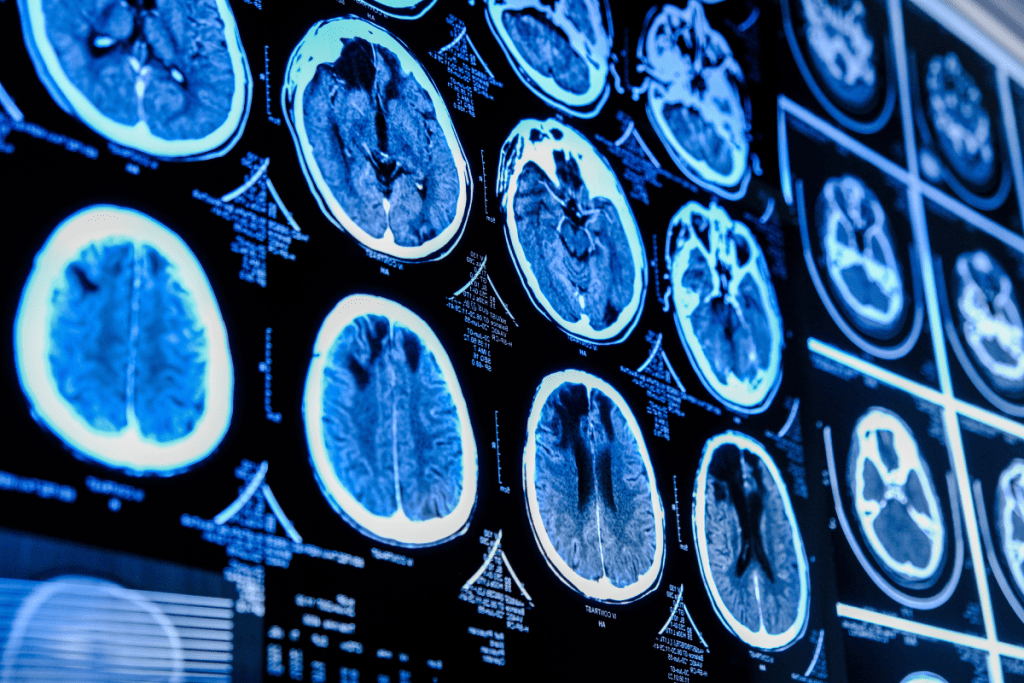
Brain tumors are complex because of their different types and classifications. These factors greatly affect treatment choices. Knowing if a tumor is malignant (cancerous) or benign (non-cancerous) is key to finding the right treatment.
Types of Brain Tumors: Malignant vs. Benign
Malignant brain tumors grow fast and spread to other brain areas. Benign tumors grow more slowly and don’t spread. Both can harm health, depending on where they are in the brain.
Brain tumors are classified by their cell type and behavior. Common types include gliomas, meningiomas, and acoustic neuromas. Gliomas come from brain cells, while meningiomas come from the protective brain membranes.
Common Locations of Brain Tumors
Brain tumors can appear in different brain areas. Where they are affects symptoms and treatment. Tumors near important brain parts, like the brainstem, are hard to treat.
Grading System for Brain Tumors
The grading system helps doctors understand tumor growth. The World Health Organization (WHO) grading system ranges from Grade I (least aggressive) to Grade IV (most aggressive). This grading is vital for treatment planning and predicting outcomes.
| WHO Grade | Description |
| Grade I | Least aggressive, slow-growing |
| Grade II | Relatively slow-growing, but may recur |
| Grade III | Malignant, actively growing |
| Grade IV | Most aggressive, rapid growth |
Diagnosis and Initial Assessment
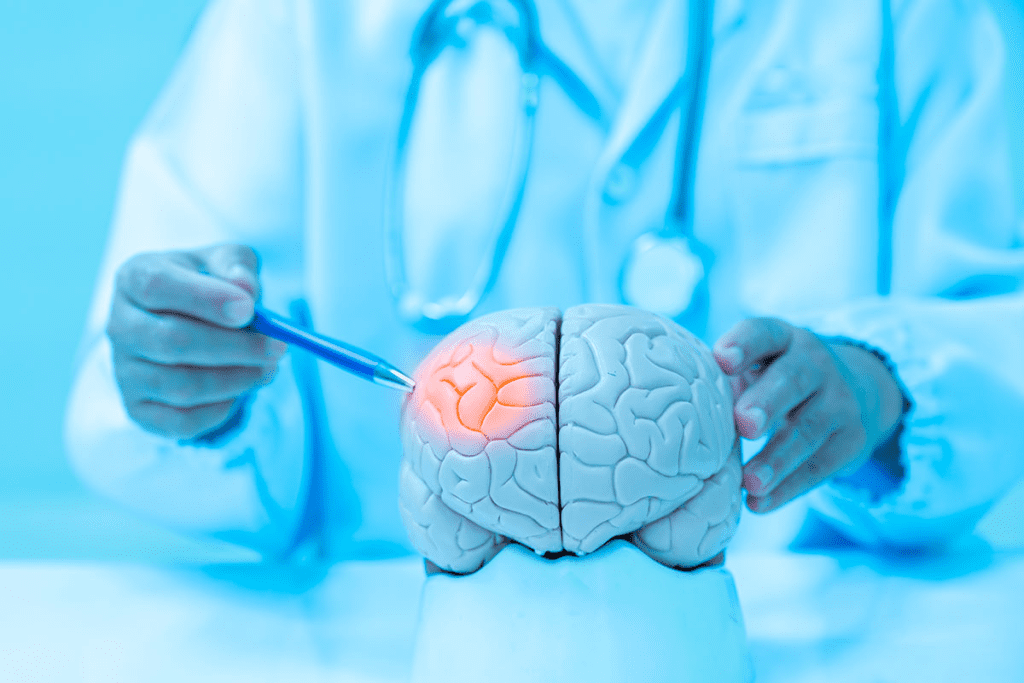
Getting a correct diagnosis is key to managing brain tumors. It combines clinical checks and advanced tests. We know diagnosing a brain tumor needs a careful approach to find the right treatment.
Symptoms That Indicate a Possible Brain Tumor
Symptoms of a brain tumor vary based on the tumor’s location, size, and type. Common signs include headaches, seizures, nausea, vomiting, and vision or hearing changes. Some people might also notice changes in their thinking or personality. Spotting these symptoms early is vital for quick diagnosis and treatment.
It’s important to remember these symptoms can also point to other health issues. So, a detailed check-up is needed to find the real cause.
Diagnostic Imaging Techniques
Imaging tests are essential in finding brain tumors. Magnetic Resonance Imaging (MRI) and Computed Tomography (CT) scans are often used. MRI gives detailed views of soft tissues, while CT scans help spot calcifications and bone issues.
Other advanced tests like functional MRI (fMRI) and Positron Emission Tomography (PET) might also be used. They help understand the tumor’s impact on the brain.
| Imaging Technique | Primary Use | Benefits |
| MRI | Soft tissue imaging | High-resolution images of tumors and surrounding tissues |
| CT Scan | Detecting calcifications and bone abnormalities | Quick and effective for emergency situations |
| fMRI | Assessing brain function | Helps in planning surgical interventions |
Biopsy Procedures and Tissue Analysis
Often, a biopsy is needed to confirm a brain tumor diagnosis. This involves removing a tumor sample for analysis. The biopsy method depends on the tumor’s location and type.
Examining the biopsy sample under a microscope helps determine the tumor type and grade. This info is key for creating a treatment plan that fits the patient’s needs.
By combining clinical checks, imaging tests, and biopsy results, we can accurately diagnose brain tumors. This helps us find the best treatment strategy.
Determining Operability: Can You Remove a Brain Tumor?
Deciding if a brain tumor can be surgically removed is complex. It depends on many factors. We aim to guide and support patients and their families through this challenging time.
Factors That Determine Surgical Eligibility
Several factors decide if a brain tumor can be removed surgically. These include the tumor’s location, size, and type. Also, the patient’s health and medical history play a role. Tumors in critical areas of the brain might be too risky to remove.
- The tumor’s proximity to vital brain structures
- The patient’s age and overall health status
- The presence of any comorbidities or medical conditions
- The tumor’s characteristics, such as its size and growth rate
Understanding Inoperable Brain Tumors
Inoperable brain tumors can’t be safely removed by surgery. This is due to their location or other factors. Instead, treatments like radiation or chemotherapy might be considered.
Being told your tumor is inoperable doesn’t mean you have no treatment options. We help patients create a treatment plan that fits their needs.
Second Opinion Considerations
Getting a second opinion can offer new insights. It helps patients make informed decisions about their care. It can also give them confidence in their chosen treatment.
When looking for a second opinion, find a specialist in brain tumors. We encourage patients to ask questions and seek opinions until they’re sure about their treatment plan.
Pre-Surgical Planning and Preparation
Pre-surgical planning is key to safe and effective brain tumor removal. We know that good preparation leads to the best results.
Advanced Imaging for Surgical Navigation
Advanced imaging is vital for guiding surgery. We use MRI and CT scans to get clear images of tumors and brain tissue. These images help us plan the best surgery.
Advanced imaging lets us precisely locate tumors. This reduces the chance of harming important brain areas. It also helps us tell tumor tissue from healthy brain.
| Imaging Technique | Benefits | Applications |
| MRI | High-resolution images of soft tissue | Tumor localization, assessing tumor boundaries |
| CT Scan | Quick and detailed images of brain structures | Assessing calcification, bleeding, and bone structures |
Functional Mapping of the Brain
Functional mapping is a key part of planning. It shows us where brain functions are and how they relate to the tumor. This helps us avoid harming important brain areas during surgery.
Functional MRI (fMRI) and other methods let us check brain function live. This info is key to keeping brain functions safe during surgery.
Patient Preparation Protocol
Patient prep includes medical evaluation, patient education, and psychological support. We make sure patients know about their condition and the surgery.
Our prep process includes:
- Detailed medical history and physical check-up
- Review of imaging studies and tests
- Talking about surgery risks and benefits
- Instructions for before and after surgery
By following this, we reduce risks and help patients recover well.
Brain Cancer Surgery: The Craniotomy Procedure
Brain cancer surgery often includes a craniotomy, where part of the skull is temporarily removed. This lets neurosurgeons directly access the brain tumor. We know brain surgery can be scary, but our team is here to support you every step of the way.
Anesthesia and Positioning
Before starting, the patient gets general anesthesia to stay comfortable and pain-free. We position the patient on the table to give the surgeon the best access to the tumor. This careful setup is key to a successful surgery.
Anesthesia administration is vital. It keeps the patient comfortable and pain-free. Our anesthesiologists work with the surgical team to watch the patient’s vital signs and adjust the anesthesia as needed.
Skull Opening Techniques
The craniotomy removes a part of the skull, called a bone flap, to reach the brain. We use advanced imaging and planning to figure out the best spot and size for the bone flap. This careful planning helps avoid complications and makes recovery smoother.
Our surgeons use special skull opening techniques to safely show the tumor. The bone flap is saved and put back in place after surgery, allowing it to heal normally.
Accessing the Tumor Site
With the skull open, we use navigation systems to find the tumor accurately. This tech helps us plan the safest path to the tumor, reducing damage to nearby brain tissue.
We then carefully remove the tumor from the brain. This step needs precision and is guided by intraoperative monitoring to ensure the tumor is removed safely without harming brain function.
Intraoperative Monitoring
During surgery, we use various monitoring techniques to check brain function in real-time. This might include EEG, EMG, and other methods to protect important brain areas.
Intraoperative monitoring is critical in brain cancer surgery. It lets us adjust the procedure to improve outcomes. Our team is ready to respond quickly to any changes in the patient’s brain status, aiming for the best results.
Techniques for Removing Tumors from the Brain
The method for removing a brain tumor depends on several things. These include the tumor’s location and type. We will look at the different ways to remove a brain tumor. We will talk about their benefits and what to consider.
Conventional Surgical Resection
Conventional surgical resection is a traditional method. It uses standard surgical techniques to remove the tumor. This method is often used for tumors that are easily accessible and have a clear boundary with surrounding brain tissue.
Benefits: Allows for direct visualization and removal of the tumor.
Considerations: Requires careful planning to avoid damage to critical brain structures.
Ultrasonic Aspiration
Ultrasonic aspiration uses high-frequency sound waves to break up the tumor. Then, it suctions out the smaller pieces. This method is useful for tumors that are fragile or located in sensitive areas.
| Tumor Type | Ultrasonic Aspiration Benefit | Consideration |
| Fragile Tumors | Precise removal | Risk of damage to surrounding tissue |
| Tumors in Sensitive Areas | Minimally invasive | Requires a skilled operator |
Laser Interstitial Thermal Therapy
Laser interstitial thermal therapy (LITT) is a minimally invasive technique. It uses laser heat to destroy tumor cells. This method is often used for tumors that are difficult to access or in patients who are not good candidates for open surgery.
Benefits: Minimally invasive, reduces recovery time.
Considerations: Limited to specific types and sizes of tumors.
Preserving Critical Brain Structures
Preserving critical brain structures is a key consideration during tumor removal surgery. Techniques such as functional MRI and intraoperative monitoring are used. They help identify and protect vital areas of the brain.
We use advanced imaging and monitoring techniques. This ensures that critical brain structures are preserved. It minimizes the risk of neurological damage.
Minimally Invasive Approaches for Brain Mass Removal
Neurosurgery has made big strides, leading to new ways to remove brain masses. These methods are less invasive than old surgeries. They aim to cut down on risks and complications, making recovery faster and outcomes better.
Endoscopic Techniques
Endoscopic surgery uses a thin, flexible tube with a camera and light. It lets doctors see and remove tumors through small cuts. This method causes less damage and helps wounds heal quickly. We use these advanced techniques for different brain tumors, giving patients a gentler option than traditional surgery.
Stereotactic Radiosurgery
Stereotactic radiosurgery is a precise radiation therapy. It targets tumors with a strong dose, protecting healthy tissue around it. It’s great for tumors hard to reach or for those not good candidates for traditional surgery.
Benefits and Limitations of Minimally Invasive Approaches
These new methods have big pluses like quicker recovery, less pain, and smaller scars. But, they’re not for everyone or every tumor. Choosing a minimally invasive method depends on many things, like the tumor’s size and location, and the patient’s health. We look at each case carefully to pick the best treatment, weighing the good and bad of these techniques.
Thanks to minimally invasive brain surgery, we can offer more options to patients. Our team works with patients to find the best treatment. This ensures they get the right care for their needs.
Special Considerations for Removing Benign Tumor from the Brain
Removing benign brain tumors needs a careful plan to keep brain function intact. These tumors, though not cancerous, can cause symptoms and affect life quality. We’ll look at how to remove these tumors with minimal damage to the brain.
Surgical Approaches for Non-Malignant Brain Tumors
Surgery is often needed for benign brain tumors that cause symptoms or grow. Advanced imaging techniques are key in planning surgery. They help us see where the tumor is and how it affects the brain.
- Pre-operative MRI and CT scans help in understanding the tumor’s anatomy.
- Functional MRI (fMRI) is used to map brain functions and identify areas to be preserved.
- Intraoperative navigation systems guide the surgeon during the procedure.
We use different surgical methods to remove these tumors, including:
- Microsurgical resection, which involves precise removal under magnification.
- Endoscopic surgery, a minimally invasive approach using an endoscope.
- Laser interstitial thermal therapy (LITT) uses laser heat to destroy tumor cells.
Preservation of Neurological Function
Keeping brain function intact is our main goal when removing benign brain tumors. We use intraoperative monitoring to check brain function during surgery. This helps us avoid damaging important areas of the brain.
Long-term Outcomes and Recurrence Rates
Most patients see big improvements after surgery for benign brain tumors. But how often the tumor comes back depends on the type and how well it was removed. Regular follow-up with scans is key to catching any signs of return.
We tell patients about the need for ongoing care and sometimes more treatments, like radiation, if the tumor can’t be fully removed.
Brain Tumor Resection: Immediate Post-Operative Phase
After brain tumor surgery, patients need close watch in the intensive care unit. This is key to catching problems early. It helps ensure a smooth recovery and the best possible outcome.
Intensive Care Monitoring
In the intensive care unit, patients are watched for signs of trouble. This includes cerebral edema, infection, or neurological issues. Keeping a close eye on vital signs and brain function helps us spot and act on any changes fast.
Managing Cerebral Edema
Cerebral edema is a big worry after brain surgery. We use corticosteroids and careful fluid management to tackle it. Managing edema well is key to lowering brain pressure and avoiding more damage.
Early Complication Detection
Spotting problems early is super important for better patient care. We use top-notch monitoring to catch issues quickly. This includes regular brain checks and scans when needed.
Initial Mobility and Function Assessment
Checking how well patients move and think early on helps us see how they’re doing. We work with a team to create a rehab plan. This plan is tailored to help patients get back to their best.
By giving top-notch care right after surgery, we can really make a difference. Our team is all in on providing the best care. We’re here to support patients every step of the way.
Recovery After Brain Surgery for Tumor Removal
The journey to recovery after brain tumor surgery is complex. It involves several key components to regain strength and return to daily activities. We know the recovery process can be tough. But with a detailed plan, patients can achieve the best results.
Hospital Recovery Timeline
The recovery starts in the hospital, where doctors closely watch patients for any immediate complications. The hospital stay varies based on the patient’s condition and surgery complexity. Patients usually stay a few days to a week.
In the hospital, we manage pain, reduce swelling, and prevent infection. We also check the patient’s neurological function and mobility. This sets the stage for the next recovery stages.
Rehabilitation Services
Rehabilitation is key in the recovery process. It helps patients regain lost functions and adapt to changes. Our services include physical, occupational, and speech therapy, tailored to each patient’s needs.
- Physical therapy improves mobility, strength, and balance.
- Occupational therapy helps with daily living skills and independence.
- Speech therapy addresses communication or swallowing issues.
Returning to Daily Activities
As patients recover, we help them gradually return to daily activities. This is personalized based on their health, surgery extent, and challenges.
We start with simple tasks and gradually increase activity levels. It’s important not to overexert. Follow-up appointments with our team are vital for monitoring progress and adjusting the recovery plan as needed.
Managing Post-Surgical Complications
While we aim to minimize risks, some patients may face complications like cerebral edema, infection, or neurological deficits. Our team is ready to manage these issues with the latest treatments and interventions.
Early detection and treatment are critical. We teach patients and caregivers to recognize signs of complications and seek immediate medical help if needed.
Recovery after brain surgery is a journey that needs patience, support, and thorough care. We are dedicated to helping our patients regain strength and return to their daily lives.
Adjuvant Therapies Following Brain Mass Surgery
The journey doesn’t end with surgery. Adjuvant therapies are needed to treat any remaining brain tumor cells. These treatments are used in addition to surgery to ensure all tumor cells are treated. This reduces the risk of the tumor coming back.
We suggest a complete approach to adjuvant therapies. This may include radiation therapy, chemotherapy, targeted molecular therapies, and immunotherapy. The right treatment depends on the tumor type, its grade, and other factors.
Radiation Therapy Protocols
Radiation therapy is a common treatment for brain tumors. It uses high-energy rays to kill tumor cells. We use advanced methods like stereotactic radiosurgery and fractionated radiation therapy. These target tumor cells while protecting the brain.
Chemotherapy Options
Chemotherapy is another treatment for brain tumors. It uses drugs to kill tumor cells. We look at options like temozolomide and bevacizumab. This depends on the tumor type and the patient’s health.
Targeted Molecular Therapies
Targeted molecular therapies target specific molecular abnormalities in tumors. They can make other treatments work better. We use targeted therapies like everolimus for certain brain tumors.
Immunotherapy Approaches
Immunotherapy uses the immune system to fight cancer. We look at immunotherapy approaches, including vaccine-based therapies and checkpoint inhibitors. These are part of our care for brain tumor patients.
As a leading oncologist said,
“The integration of adjuvant therapies into the treatment plan is key for the best results in brain tumor management.”
In summary, adjuvant therapies are essential after brain tumor surgery. By customizing these treatments, we can improve outcomes and quality of life for patients.
Conclusion: Advances in Brain Cancer Surgery
Recent improvements in surgery and technology have greatly helped brain cancer patients. These advances in brain tumor removal have led to more people living longer and enjoying better lives.
There has been a big leap forward in brain cancer surgery. New tools in imaging and navigation, along with better treatments, have made care better. Our team is always learning about these new ways to help our patients.
We are excited about the future of brain cancer treatment. With ongoing research and new surgical methods, the outlook is very hopeful. We aim to provide top-notch care with kindness and skill.
FAQ
What is brain cancer surgery?
Brain cancer surgery is a complex procedure. It involves removing a tumor from the brain. Our team uses the latest techniques to ensure safe and effective removal.
How are brain tumors diagnosed?
Diagnosing a brain tumor involves several steps. This includes neurological exams and imaging tests like MRI and CT scans. Sometimes, a biopsy is needed. Symptoms like headaches and vision problems may indicate a tumor.
Can all brain tumors be removed surgically?
Not all brain tumors can be removed surgically. The decision to operate depends on several factors. These include the tumor’s location, size, and the patient’s health. Some tumors are too risky to remove.
What is pre-surgical planning, and why is it important?
Pre-surgical planning uses advanced imaging and mapping. It helps surgeons understand the tumor’s location and its relation to brain tissue. This planning is key to a safe and effective surgery.
What is a craniotomy, and how is it performed?
Craniotomy is a procedure where part of the skull is removed to access the brain tumor. The patient is under anesthesia for comfort. The surgeon uses special techniques to open the skull and reach the tumor.
What techniques are used to remove brain tumors?
Several techniques are used to remove brain tumors. These include conventional surgery, ultrasonic aspiration, and laser therapy. The goal is to remove the tumor while protecting critical brain structures.
What are minimally invasive approaches for brain mass removal?
Minimally invasive approaches, like endoscopic techniques and stereotactic radiosurgery, offer alternatives. They have benefits like shorter recovery times. But, they’re not right for every patient.
How are benign brain tumors treated?
Benign brain tumors require surgery to remove them. The surgery aims to remove the tumor while protecting the brain. This minimizes the risk of damage.
What is the recovery process like after brain surgery?
Recovery after brain surgery involves various services. These help patients regain strength and return to daily life. The recovery time varies. Rehabilitation services are key in helping patients recover and adapt.
What adjuvant therapies are used following brain mass surgery?
Adjuvant therapies, like radiation and chemotherapy, are used after surgery. They target any remaining tumor cells. The choice of therapy depends on the tumor type and other factors.
How can I determine if a brain tumor is inoperable?
The decision to operate depends on several factors. These include the tumor’s location, size, and the patient’s health. Getting a second opinion can provide more insights and help with decision-making.
What is the role of intraoperative monitoring during brain surgery?
Intraoperative monitoring uses tools to check brain function during surgery. It ensures the tumor is removed safely without harming surrounding tissue.
How do I prepare for brain cancer surgery?
Patients are prepared through various protocols to reduce risks and ensure a smooth recovery. This includes advanced imaging, functional mapping, and patient preparation.
References
- Patra, D., et al. (2023). Diagnosis and management of complications from the brain tumor surgical treatment. Neuro-Oncology Practice, 5(2), 123-135. https://pmc.ncbi.nlm.nih.gov/articles/PMC10326495/
- Frontiers in Neurology Editorial Board. (2025). Editorial: Clinical therapy of brain tumors. Frontiers in Neurology, 16, 1610463. https://www.frontiersin.org/journals/neurology/articles/10.3389/fneur.2025.1610463/full