Last Updated on November 27, 2025 by Bilal Hasdemir
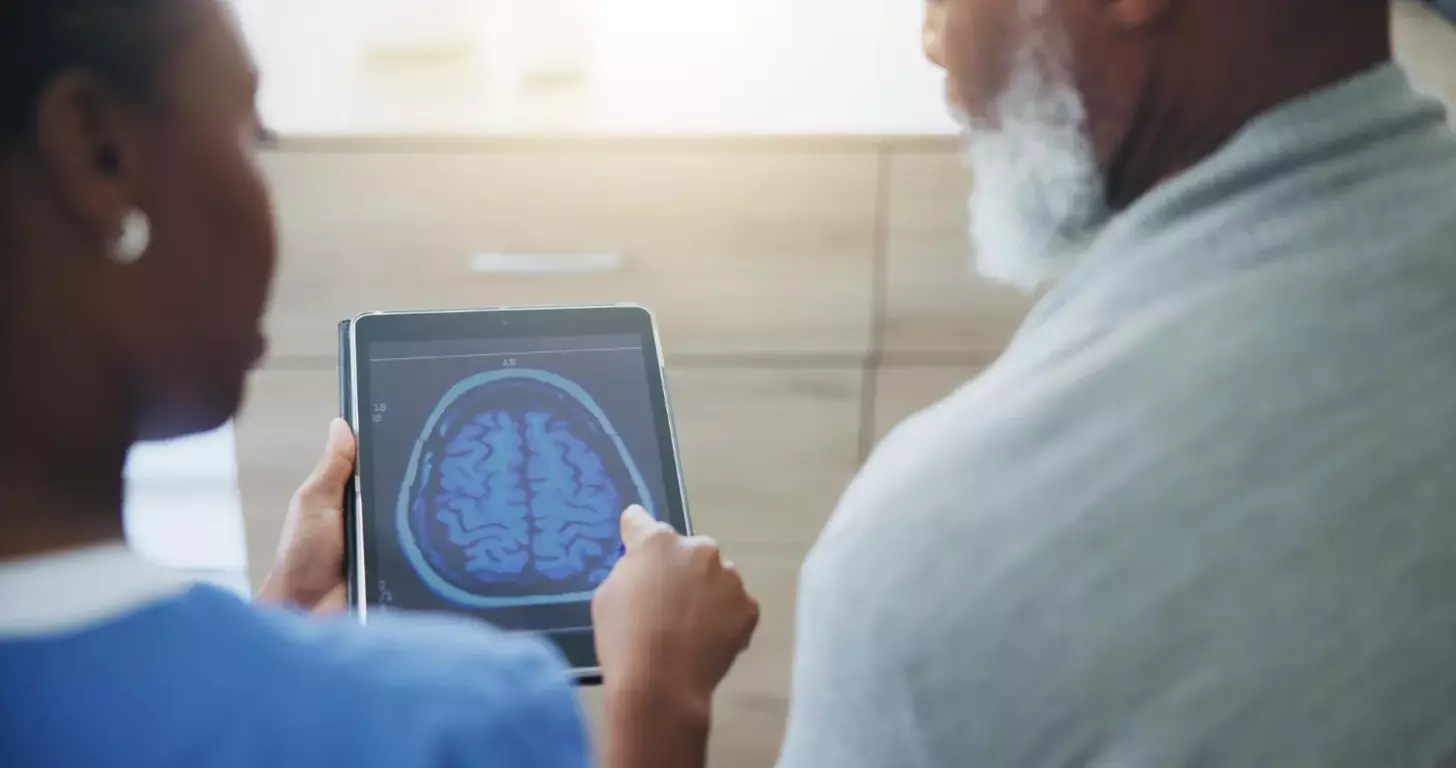
As we enter 2025, the way we treat brain tumors is changing a lot. New research has brought us innovative treatments. These offer hope and better results for patients.
At Liv Hospital, we’re all about top-notch healthcare for everyone. Our team works hard to give you care that’s just right for you. We use the newest advanced brain cancer treatment methods.
We’re seeing big changes in how we treat brain cancer therapies. Now, we focus on treatments that really work and target the problem. In this article, we’ll look at seven top therapies that are changing the game.
Key Takeaways
- Emergence of new therapies in 2025 for improved brain tumor management
- Personalized care approaches for enhanced patient outcomes
- Advances in medical research driving innovation in brain cancer treatment
- Liv Hospital’s commitment to world-class healthcare for international patients
- Seven effective therapies transforming the future of brain cancer care
The Current Landscape of Brain Cancer in 2025

In 2025, brain cancer treatment needs a mix of new research and tech. We must tackle this disease with a clear plan. Knowing the current situation helps us find better ways to treat it.
Statistics and Prevalence of Brain Tumors
Brain cancer is a big health issue worldwide. In the U.S., about 28,000 new brain tumor cases are found each year. Most, or 80%, are not cancerous, but 20% are.
| Type of Tumor | Estimated Annual Incidence | Percentage of Total Brain Tumors |
|---|---|---|
| Benign Brain Tumors | 22,400 | 80% |
| Malignant Brain Tumors | 5,600 | 20% |
Brain tumors show we need more research for treatments. Spotting tumors early and accurately is key to better care.
Why Brain Cancer Remains Challenging to Treat
Brain cancer is hard to treat for many reasons. The blood-brain barrier blocks many treatments. Also, the brain’s complex structure and some tumors’ aggressive nature make treatment tough.
New surgical methods, radiation, and chemo have helped. But, we need more research to beat brain cancer’s challenges.
The Importance of Early Detection and Intervention
Finding brain cancer early makes a big difference. Early tumors are easier to treat, leading to better chances of survival. New imaging tools like MRI and CT scans help doctors spot tumors better.
Keeping an eye on patients and acting fast is vital for managing brain cancer. By understanding brain cancer today, we can work on new treatments and care plans.
Understanding Different Types of Brain Tumors
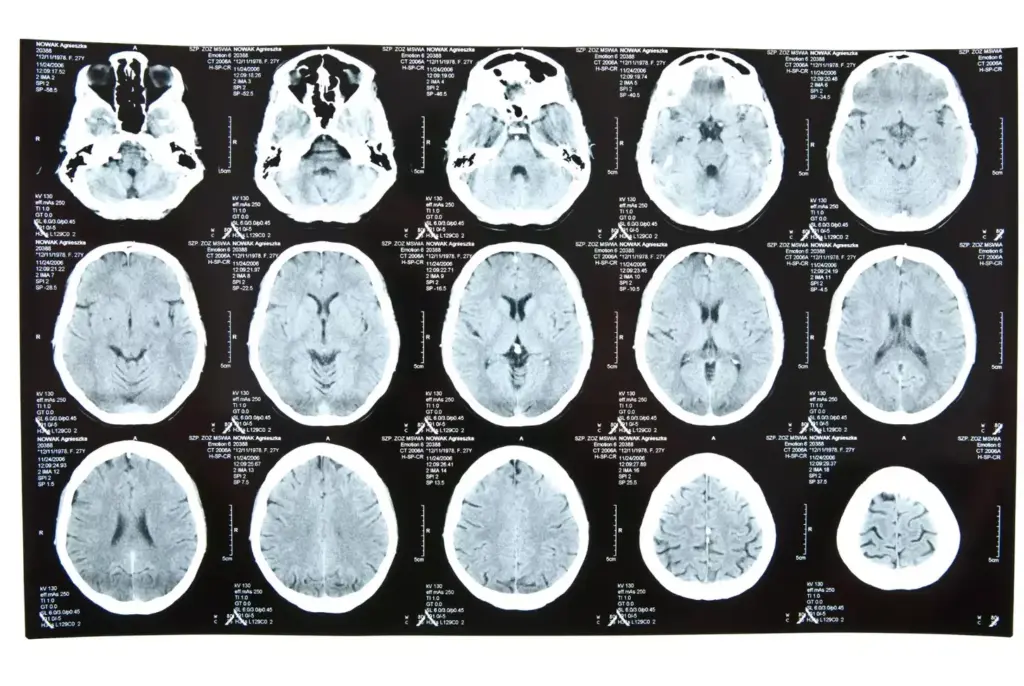
It’s key to know about the different brain tumors to plan effective treatments. Brain tumors vary a lot, needing a detailed approach for diagnosis and treatment. We’ll look at the main types of brain tumors and how they affect patient care.
Primary vs. Secondary Brain Tumors
Brain tumors are mainly split into primary and secondary types. Primary brain tumors start in the brain. Secondary brain tumors come from cancer cells spreading from other parts of the body. Knowing this helps decide the best treatment and outlook.
Primary brain tumors can be broken down further. They depend on the cell they start from. The most common types are:
- Gliomas, which come from glial cells
- Meningiomas, which grow in the meninges, the brain’s protective membranes
- Medulloblastomas, found in the cerebellum
Secondary brain tumors often come from cancers in other parts of the body, like the lung, breast, or skin. Treating these tumors usually means tackling the original cancer and the brain metastases.
Glioblastoma: The Most Aggressive Form
Glioblastoma is a very aggressive and hard-to-treat primary brain tumor. It starts from astrocytes, a type of glial cell. It grows fast and spreads into the brain, making surgery hard.
Treatment for glioblastoma often includes surgery, radiation, and chemotherapy. Even with new treatments, glioblastoma is a big challenge. Research is ongoing to improve treatment for those with this tumor.
How Tumor Classification Affects Treatment Decisions
The type of brain tumor greatly affects treatment choices. Tumor classification looks at the tumor’s cell of origin, grade, and genetics. This helps doctors pick the best treatment.
For instance, tumors with specific genetic changes might respond better to certain drugs. The tumor’s grade also plays a role in treatment. By knowing the tumor’s details, doctors can tailor treatments for the best results.
The Evolution of Brain Cancer Treatment Approaches
Brain cancer treatment has changed a lot. This change comes from new knowledge about cancer and better ways to treat it. We now use advanced medical research, new technologies, and focus on treatments that fit each person’s needs.
Historical Treatment Methods
Old treatments for brain cancer included surgery, radiation, and chemotherapy. But these methods had big problems. Surgery was often too invasive and could damage healthy brain areas. Radiation therapy could also harm good brain cells.
Chemotherapy was hard to use because of the blood-brain barrier. This barrier made it hard for drugs to reach the tumor.
Even with these challenges, early treatments helped pave the way for better treatments. New surgical methods, better radiation tools, and more effective drugs have improved patient care.
Breakthrough Developments in Recent Years
Recently, brain cancer treatment has seen big changes. New imaging tools like MRI and PET scans help doctors diagnose and stage tumors more accurately. Surgery has also improved with less invasive methods and better imaging during operations.
Targeted therapies and immunotherapies have also been developed. Targeted therapies aim at specific tumor traits, reducing harm to healthy cells. Immunotherapies, like checkpoint inhibitors and CAR-T cell therapy, use the body’s immune system to fight cancer, showing great promise in trials.
The Shift Toward Personalized Medicine
The biggest change is moving toward personalized medicine. This means treatments are made just for each patient, based on their tumor’s unique traits. Genetic profiling and molecular diagnostics help doctors find specific targets for treatments.
Personalized medicine makes treatments more effective and reduces side effects. It’s a big change from treating everyone the same way. It shows a deeper understanding of how tumors work.
| Aspect | Traditional Approach | Personalized Medicine Approach |
|---|---|---|
| Treatment Strategy | Standardized protocols based on tumor type and stage | Tailored treatment based on individual tumor characteristics and genetic profile |
| Therapeutic Focus | Broad-spectrum treatments (surgery, radiation, chemotherapy) | Targeted therapies and immunotherapies based on molecular diagnostics |
| Side Effects | Often significant due to non-specific treatment effects | Minimized as treatments target specific tumor characteristics |
As we keep improving brain cancer treatment, combining old knowledge, new discoveries, and personalized medicine is key. Understanding how treatments have evolved helps us see the complexity of brain cancer. It shows why treatments need to be tailored for each person.
Therapy 1: Advanced Surgical Techniques
Surgery is a key part of treating brain cancer, thanks to new tech and skills. This means patients get better care with less harm. They also recover faster.
Minimally Invasive Neurosurgery
Minimally invasive neurosurgery is a big step forward. It uses small cuts and special tools to hurt less tissue. This leads to quicker healing.
Benefits include less chance of infection, less pain, and shorter stays in the hospital.
Now, we can do complex surgeries with more accuracy. This is thanks to better tools and systems. These tools help us reach tumors that were hard to get to before.
“The development of minimally invasive techniques has been a game-changer in neurosurgery, enabling us to treat patients more effectively while minimizing their recovery time.”
Intraoperative Imaging and Mapping
Intraoperative imaging and mapping change how we do surgery. They give us real-time info during the operation. This lets us find tumors and important brain parts accurately.
| Technique | Description | Benefits |
|---|---|---|
| Intraoperative MRI | Real-time MRI during surgery | Ensures complete tumor removal, preserves brain function |
| Functional MRI | Maps brain function before and during surgery | Helps avoid critical brain areas, reduces post-surgical deficits |
Post-Surgical Care and Recovery Expectations
After surgery, care is very important for brain cancer patients. We use a team approach for care. This includes managing pain, watching the brain, and helping with rehab.
Getting up and moving early, and having a good rehab plan, helps a lot.
Patients and families get a clear plan for follow-up. This includes regular check-ups and scans. We also help with side effects and improving life quality.
- Regular follow-up appointments
- Monitoring for any problems
- Rehab and physical therapy
- Help with side effects
By using the latest in surgery and care, we help brain cancer patients a lot. As tech gets better, we keep working to give the best care for each patient.
Therapy 2: Precision Radiation Therapy
Precision radiation therapy is a big step forward in treating brain tumors. It offers targeted and effective care. This method has become key in fighting brain cancer, helping both patients and doctors.
Stereotactic Radiosurgery (SRS) Advancements
Stereotactic radiosurgery (SRS) has seen big improvements. It gives a focused dose of radiation to the tumor, protecting healthy tissue. “SRS has changed how we treat brain metastases and some benign tumors,” a top radiation oncologist. “Its precision and success make it a top choice for many.”
The new SRS technology has led to better results. These include:
- More precise targeting of tumors
- Less damage to the brain around the tumor
- Treatment that’s often done in just one session
Proton Therapy and Its Benefits
Proton therapy is another precise radiation therapy for brain cancer. It uses protons to kill cancer cells, aiming for fewer side effects than traditional radiation.
The advantages of proton therapy are:
- Less radiation to healthy tissues
- Lower chance of getting cancer again
- Good for tumors near important brain areas
a proton therapy expert, says, “It’s great for kids because it lowers the risk of long-term side effects and cancer coming back.”
Managing Side Effects of Modern Radiation Treatments
Even with better treatments, managing side effects is key. Modern radiation has cut down on many side effects. But some patients might feel tired, lose hair, or have other symptoms.
Doctors use different ways to help with these side effects. This includes:
- Custom treatment plans to protect healthy areas
- Medicine to help with symptoms
- Teaching patients how to adjust their lifestyle to lessen side effects
Knowing about the latest in precision radiation therapy and how to handle its side effects helps patients. It leads to better care and a better life.
Therapy 3: Next-Generation Chemotherapy for Brain Cancer Treatment
Next-generation chemotherapy is changing how we treat brain cancer. We’re seeing big steps forward, giving new hope to those with brain tumors. These advances include new drugs that can get past the blood-brain barrier and better ways to deliver treatments.
Blood-Brain Barrier Penetrating Agents
One big challenge in treating brain cancer is the blood-brain barrier. It blocks many drugs from reaching the tumor. Scientists are working on making drugs that can get past this barrier. They’re making drugs more lipophilic, so they can better cross the barrier and reach the tumor.
Temozolomide and Beyond: New Drug Formulations
Temozolomide is a common chemotherapy drug for brain cancer, like glioblastoma. Researchers are working to make it more effective and reduce side effects. For example, they’re studying nanoparticle versions of temozolomide to improve delivery and cut down on toxicity. New cancer treatments are always being looked into to help patients more.
| Drug Formulation | Key Features | Potential Benefits |
|---|---|---|
| Nanoparticle Temozolomide | Improved drug delivery, reduced toxicity | Enhanced efficacy, fewer side effects |
| Lipophilic Agents | Better blood-brain barrier penetration | More effective targeting of brain tumors |
Targeted Delivery Systems
Targeted delivery systems are a big step forward in chemotherapy. They aim to send drugs straight to the tumor, avoiding healthy tissues. Methods like convection-enhanced delivery and implantable devices are being tested. These could increase drug levels at the tumor and lower side effects.
As we keep improving these new chemotherapy methods, the future looks brighter for brain cancer patients. By combining new drug forms with targeted delivery, we’re moving towards treatments that are more effective and tailored to each patient.
Therapy 4: Immunotherapy Breakthroughs
Immunotherapy is changing how we treat brain cancer. It uses the immune system to fight cancer cells. This gives hope to patients all over the world.
Immunotherapy uses new ways to boost the body’s fight against cancer. We’re seeing big steps forward in this area. Many methods are showing great results in tests.
Fusion Superkine Technology
Fusion superkine technology is a new area in immunotherapy. It makes proteins that help the immune system fight cancer better. This could make treatments more effective for brain cancer patients.
Studies have shown that fusion superkines can activate immune cells. They help target cancer cells. As research continues, this technology could be key in treating brain cancer.
Checkpoint Inhibitors for Brain Tumors
Checkpoint inhibitors are a big part of immunotherapy. They let the immune system attack cancer cells better. For brain tumors, they have shown some success, but more research is needed.
By focusing on specific checkpoints, we can boost the immune response against brain tumors. Trials are looking at combining these drugs with other treatments to improve results.
CAR-T Cell Therapy Applications
CAR-T cell therapy is a personalized treatment that modifies T cells to fight cancer. It has shown great promise in blood cancers and is being tested for brain cancer too.
Using CAR-T therapy for brain cancer is just starting, but early results are promising. It targets cancer cells directly, which could lead to more effective treatments. We’re waiting for more trial results to learn more.
Immunotherapy is making big strides in treating brain cancer. By using different methods together, we can improve treatment outcomes. This is a hopeful direction for the future of brain cancer care.
Therapy 5: Targeted Molecular Therapies
As we learn more about brain tumors, targeted molecular therapies are becoming key. These treatments aim at the genetic mutations that cause cancer cells to grow. This makes treatment more precise.
Genetic Profiling and Precision Medicine
Genetic profiling is vital in managing brain cancer. It helps doctors find specific mutations to target. This way, treatments can be tailored to each patient’s needs.
Genomic sequencing is used to find these mutations. Then, treatments are chosen that best match the tumor’s genetic makeup.
Key benefits of genetic profiling include:
- Personalized treatment plans based on the genetic profile of the tumor
- Identification of possible targets for therapy
- Improved patient outcomes through more precise treatment
IDH-Targeted Treatments
IDH mutations are common in some brain cancers, like gliomas. IDH-targeted treatments aim to block these mutated enzymes. This slows or stops cancer cell growth.
New IDH-targeted therapies are showing promise in trials. They offer hope for patients with IDH-mutant brain tumors. These treatments are part of a shift towards precision medicine in neuro-oncology.
EGFR and Other Molecular Pathways
The epidermal growth factor receptor (EGFR) is a key target in brain cancer therapy. EGFR amplification or mutation is seen in many brain tumors, including glioblastoma. Therapies targeting EGFR aim to block its activity, stopping tumor growth.
Other molecular pathways like BRAF, PTEN, and PI3K/AKT are also being explored. Research into these pathways is ongoing, with several promising agents in development.
Examples of targeted therapies include:
- EGFR inhibitors for tumors with EGFR amplification or mutation
- IDH inhibitors for IDH-mutant gliomas
- BRAF inhibitors for tumors with BRAF mutations
By targeting specific molecular pathways in brain cancer, we can create more effective treatments. This approach improves outcomes for patients.
Therapy 6: Innovative Drug Delivery Methods
New ways to deliver drugs are changing how we treat brain cancer. These new methods help improve treatment results and lessen side effects. We’re seeing a big move towards more precise and effective ways to deliver drugs.
Aerosolized Medications
Aerosolized medications are a new way to get drugs to brain tumors. They turn drugs into a mist that you breathe in. Early studies show they can hit brain cancer cells hard while keeping side effects low.
This method is great because it’s easy to use and can get past the blood-brain barrier. But, we need more studies to know how well it works in people.
Convection-Enhanced Delivery
Convection-enhanced delivery (CED) sends drugs straight into brain tumors or nearby tissue. It uses pressure to spread the drug, getting it deep into the tumor.
Studies show CED works well, even for drugs that can’t get past the blood-brain barrier. It targets the tumor directly, making treatments more effective and safer.
Key advantages of CED include:
- Improved drug distribution within the tumor
- Ability to deliver a wide range of therapeutic agents
- Potential to overcome resistance to conventional treatments
Implantable Drug-Releasing Devices
Implantable drug-releasing devices are another new option for treating brain cancer. These devices are put in near the tumor and slowly release drugs. This keeps the drug levels high at the tumor site, making treatments better.
These devices are great because they cut down on side effects by keeping drugs away from other parts of the body. Researchers are working on making them even better and safer.
The future of brain cancer treatment looks bright with these new drug delivery methods.
Therapy 7: Personalized Vaccine Approaches
Personalized vaccine approaches are a new hope in fighting brain cancer. They use the body’s immune system to find and fight cancer cells better.
These vaccines are made just for each patient, based on their tumor’s unique genetic makeup. This makes them more precise and could lead to better results.
Individualized Neoantigen Vaccines
Neoantigen vaccines are a leading edge in cancer treatment. They’re made from the unique mutations in a patient’s tumor. This helps the immune system target and destroy cancer cells more effectively.
Studies show these vaccines can spark a strong immune response against tumors. This is very promising for brain cancer, where targeting specific mutations can lead to better treatment.
Dendritic Cell Vaccines
Dendritic cell vaccines are another personalized therapy. Dendritic cells start the immune response. In this therapy, they’re loaded with tumor antigens and given back to the body to fight cancer.
Research has shown these vaccines can be effective against different cancers, including brain tumors. Their customization for each patient makes them a valuable tool in cancer treatment.
Combination Vaccine Strategies
Combination vaccine strategies use vaccines with other treatments like immunotherapy or chemotherapy. This approach can make treatment more effective by attacking cancer cells in different ways.
By mixing different treatments, doctors can create a plan that fits each patient’s needs. This could lead to better results for brain cancer patients.
| Vaccine Type | Description | Potential Benefits |
|---|---|---|
| Individualized Neoantigen Vaccines | Target specific tumor mutations | Stimulates robust immune response |
| Dendritic Cell Vaccines | Utilizes patient’s dendritic cells to initiate immune response | Customizable and potentially effective against various cancer types |
| Combination Vaccine Strategies | Combines vaccines with other treatments like immunotherapy or chemotherapy | Enhances treatment effectiveness through multiple mechanisms |
Multidisciplinary Treatment Approaches
Multidisciplinary treatment approaches are changing brain cancer care. They bring together experts from different fields for a complete care plan. This teamwork is key to better patient care and quality of life.
The Tumor Board: Collaborative Decision Making
A tumor board is a key part of this care. It gathers specialists to talk about patient cases and plan treatments. Collaborative decision making makes sure all parts of a patient’s condition are looked at. This leads to better treatment plans.
For example, a tumor board might include neurosurgeons, radiation oncologists, and more. They all share their knowledge to make a treatment plan just for the patient. This approach has shown to make treatments more effective for each patient’s unique tumor.
“The tumor board is an essential forum for discussing complex cases and developing comprehensive treatment plans. It ensures that we consider all available options and provide the best possible care for our patients.”
Integrating Conventional and Emerging Therapies
We mix traditional treatments like surgery and radiation with new ones like immunotherapy. This is a big part of our care. We always look for the latest in brain cancer treatment to help our patients.
| Therapy Type | Description | Benefits |
|---|---|---|
| Conventional Surgery | Surgical removal of the tumor | Immediate reduction of tumor burden |
| Immunotherapy | Stimulating the immune system to fight cancer | Potential for long-term tumor control |
| Targeted Molecular Therapy | Targeting specific genetic mutations in the tumor | Personalized treatment approach |
Supportive Care and Quality of Life Considerations
Supportive care is a big part of our treatment. It focuses on managing symptoms and improving quality of life. We work with patients and their families to offer the best supportive care. This includes psychological support, rehabilitation, and pain management.
By using a multidisciplinary approach, we give patients the best care. This teamwork not only improves treatment results but also makes life better for patients and their families.
Conclusion: The Future of Brain Cancer Treatment
Brain cancer treatment is changing fast, thanks to new research and therapies. The future looks bright, with treatments that fit each patient’s needs. This is called personalized medicine.
New treatments are getting better and more precise. We’re seeing breakthroughs in targeted therapies and immunotherapy. These advances bring hope for better care and quality of life for patients.
Doctors are now using a team approach to treat brain cancer. This includes surgery, radiation, and chemotherapy. This way, patients get the best care for their specific situation.
Research is always moving forward, bringing new hope for brain cancer treatment. We’re on the verge of even more breakthroughs in personalized medicine and new therapies.
FAQ
What are the most effective treatments for brain cancer in 2025?
In 2025, the best treatments for brain cancer include advanced surgery and precise radiation therapy. Next-generation chemotherapy and immunotherapy breakthroughs are also key. Targeted molecular therapies and innovative drug delivery methods are making a difference. Personalized vaccine approaches are also promising.
How is brain cancer typically classified, and how does it affect treatment?
Brain cancer is divided into primary and secondary types. Glioblastoma is a very aggressive form. The type of brain cancer affects treatment choices. Different tumors need different approaches.
What is the role of surgery in brain cancer treatment?
Surgery is a key part of treating brain cancer. Advances in neurosurgery and imaging are improving results. These advancements help doctors remove tumors more effectively.
How does radiation therapy work in treating brain cancer?
Radiation therapy is a major treatment for brain cancer. Techniques like stereotactic radiosurgery and proton therapy are precise and effective. They help target cancer cells accurately.
What are the latest developments in chemotherapy for brain cancer?
New chemotherapy agents can cross the blood-brain barrier. There are also new forms of temozolomide and targeted delivery systems. These advancements are improving treatment results.
How does immunotherapy work in treating brain cancer?
Immunotherapy uses the immune system to fight cancer. Techniques like fusion superkine technology and checkpoint inhibitors are showing promise. CAR-T cell therapy is also being explored for brain cancer.
What are targeted molecular therapies, and how are they used in brain cancer treatment?
Targeted molecular therapies are tailored to a tumor’s genetic makeup. Treatments like IDH-targeted therapies and those targeting EGFR offer new hope. They aim to improve treatment outcomes.
What are some innovative drug delivery methods being used in brain cancer treatment?
New drug delivery methods include aerosolized medications and implantable devices. Convection-enhanced delivery is also being used. These methods aim to deliver drugs directly to tumors.
How do personalized vaccine approaches work in brain cancer treatment?
Personalized vaccines are made to match a tumor’s unique characteristics. Approaches like neoantigen vaccines and dendritic cell vaccines are being explored. They offer a promising new direction in treatment.
Why are multidisciplinary treatment approaches important in brain cancer care?
Multidisciplinary care is essential for brain cancer patients. It involves teamwork and combining different therapies. It also includes supportive care to improve quality of life.
Can brain cancer be cured, and what are the treatment options available?
The term “cure” is complex in brain cancer. But, various treatments are available to manage the disease. These treatments aim to improve outcomes.
How is the future of brain cancer treatment evolving?
Brain cancer treatment is rapidly advancing. Medical research and new therapies are driving better results. Personalized medicine is also evolving, leading to more effective treatments.