Last Updated on December 1, 2025 by Bilal Hasdemir

Neurosurgery is a very complex and delicate field. It deals with surgeries on the brain, spinal cord, and nerves. Every year, thousands of people have life-changing surgeries here, from urgent to planned ones.
The risks of neurosurgery are huge. They can greatly affect a person’s life quality. But, thanks to new tech and surgical methods, more patients are getting better results from brain surgery.
Key Takeaways
- Neurosurgery involves complex procedures on the brain, spinal cord, and nerves.
- The specialty encompasses a range of surgeries, from emergency to elective.
- Advancements in technology are improving surgical outcomes.
- Understanding the risks is key for both patients and doctors.
- Neurosurgery needs a lot of skill and precision.
Understanding Neurosurgery: Definition and Purpose
Neurosurgery is a very specialized field. It deals with conditions affecting the brain and nervous system. Treatments include both surgery and non-surgical methods.
What Defines Neurosurgical Procedures
Neurosurgical procedures are very complex. They involve the delicate nervous system. These can be open surgeries or minimally invasive techniques.
When Neurosurgery Becomes Necessary
Neurosurgery is needed when other treatments fail. It’s chosen after careful evaluation and diagnosis.
Emergency vs. Elective Procedures
Neurosurgery can be emergency or elective. Emergency neurosurgery is for urgent conditions like brain injuries. Elective neurosurgery is for planned treatments, like some brain tumors.
| Procedure Type | Description | Examples |
| Emergency Neurosurgery | Immediate intervention for life-threatening conditions | Traumatic brain injury, hemorrhage |
| Elective Neurosurgery | Planned surgical interventions for non-acute conditions | Brain tumors, certain spinal disorders |
The Evolution of Neurosurgery: From High-Risk to Modern Precision

Neurosurgery has changed a lot, thanks to new technology. This change has made surgeries safer and more precise. It’s a story of progress, with many important steps along the way.
Historical Perspective on Brain Surgery
Brain surgery started a long time ago, with ancient civilizations using trephining around 3000 BC. But it wasn’t until the late 1800s and early 1900s that it became a real medical field. Back then, surgeons faced big challenges like infections and not knowing much about the brain.
Technological Advancements in Neurosurgical Techniques
New tech has changed neurosurgery a lot. Things like better imaging, 3D printing, and new tools have helped. These tools let surgeons do complex surgeries more accurately.
Impact on Patient Outcomes
These new tools have really helped patients. Now, surgeries are less invasive, recovery times are shorter, and results are better.
| Technological Advancement | Impact on Neurosurgery |
| Improved Imaging Techniques | Enhanced diagnostic accuracy and surgical planning |
| 3D Printing | Customized models for complex surgeries |
| Enhanced Surgical Tools | Increased precision and reduced trauma |
The growth of neurosurgery shows how far we’ve come. Thanks to tech, the field will keep getting better and more precise.
Common Types of Neurosurgical Procedures

Neurosurgeons do many operations, like removing tumors and fixing blood vessel problems in the brain and spine. These surgeries help treat many neurological issues. They range from brain tumors and blood vessel issues to spinal problems.
Tumor Resection Operations
Tumor resection is a surgery to remove brain or spinal tumors. The goal is to take out the tumor without harming nearby brain parts. Thanks to better imaging and surgery methods, more patients are getting better results from these surgeries.
Vascular Neurosurgery for Aneurysms and Hemorrhages
Vascular neurosurgery deals with blood vessel issues in the brain, like aneurysms and AVMs. Doctors use surgeries like clipping or coiling to stop these from bursting and causing bleeding.
Functional Neurosurgery for Movement Disorders
Functional neurosurgery treats movement problems like Parkinson’s disease and epilepsy. Deep brain stimulation (DBS) has changed how these conditions are managed. It helps patients feel better and live better lives.
Spine Neurosurgery Techniques
Spine neurosurgery covers many treatments for spinal issues, like herniated discs and spinal stenosis. New, less invasive spine surgeries are making recovery faster and outcomes better for patients.
In summary, neurosurgery is complex and requires great skill. Knowing about the different surgeries neurosurgeons do is important. It helps both patients and doctors make the best treatment choices.
Brain Operation Risks: A Detailed Look
It’s important for patients and doctors to know about the risks of brain surgery. These operations can save lives but also come with many risks. These risks fall into three main categories: problems during surgery, issues after surgery, and long-term effects.
Immediate Surgical Complications
During brain surgery, bleeding, infection, and damage to brain tissue can happen. These risks depend on the patient’s health, the surgery’s complexity, and the surgeon’s experience.
Post-Operative Risks
After brain surgery, patients might face cerebral edema, seizures, and hydrocephalus. Good care after surgery is key to avoiding these problems and helping the patient recover well.
Long-Term Complications
Brain surgery can also lead to cognitive impairments, neurological deficits, and psychological changes over time. The chance and extent of these issues depend on the surgery type and the patient’s health.
Risk Factors That Increase Complication Rates
Some factors can make brain surgery risks higher. These include existing health problems, age, and the presence of tumors or other issues. Knowing these factors helps in planning to reduce risks.
In summary, brain surgery risks are complex and need careful thought. By understanding these risks and their causes, patients and doctors can make better choices. This helps in improving outcomes.
Mortality Rates and Serious Complications in Neurosurgery
Neurosurgery is a serious field, known for its high risks. These risks can affect patients’ lives deeply. Even though neurosurgery can save lives, it comes with big dangers.
Statistical Analysis of Brain Surgery Death Rates
Looking at brain surgery death rates helps us understand the risks. Different studies show that death rates change based on the surgery type, patient age, and health. For example, a study found that neurosurgery death rates are about 2% overall. But, some surgeries have much higher rates.
Factors Influencing Mortality Risk
Many things can affect how likely a patient is to die from neurosurgery. These include the patient’s age, health, and the surgery’s complexity. Pre-existing medical conditions like diabetes or heart disease also raise the risk. The type of surgery also plays a big role in the risk of death.
Comparison of Risk Across Different Procedures
Each neurosurgical procedure has its own risk level. For example, removing tumors or fixing aneurysms has different risks than surgeries for movement disorders. Knowing these differences helps surgeons and patients make better choices. By comparing risks, we can find ways to improve care and outcomes.
Looking at mortality rates and complications helps doctors improve patient care. They can work on better surgical techniques and care before and after surgery. This way, they can lower risks and help more patients.
Pre-Surgical Assessment: Determining Individual Risk Factors
Before neurosurgery, a detailed pre-surgical assessment is key. It looks at the patient’s health, medical history, and the surgery needed. This helps figure out the risks for each person.
Medical Evaluation Process
The medical check-up is a big part of this process. It reviews the patient’s health history and current status. A good check-up finds risks and plans to avoid them. Tests like blood work and electrocardiograms are used to check health.
Risk Stratification Methods
Risk stratification sorts patients by how risky they are. It looks at age, health problems, and surgery complexity. It helps doctors focus on high-risk patients to lower complications. In neurosurgery, being precise is very important.
Imaging and Diagnostic Techniques
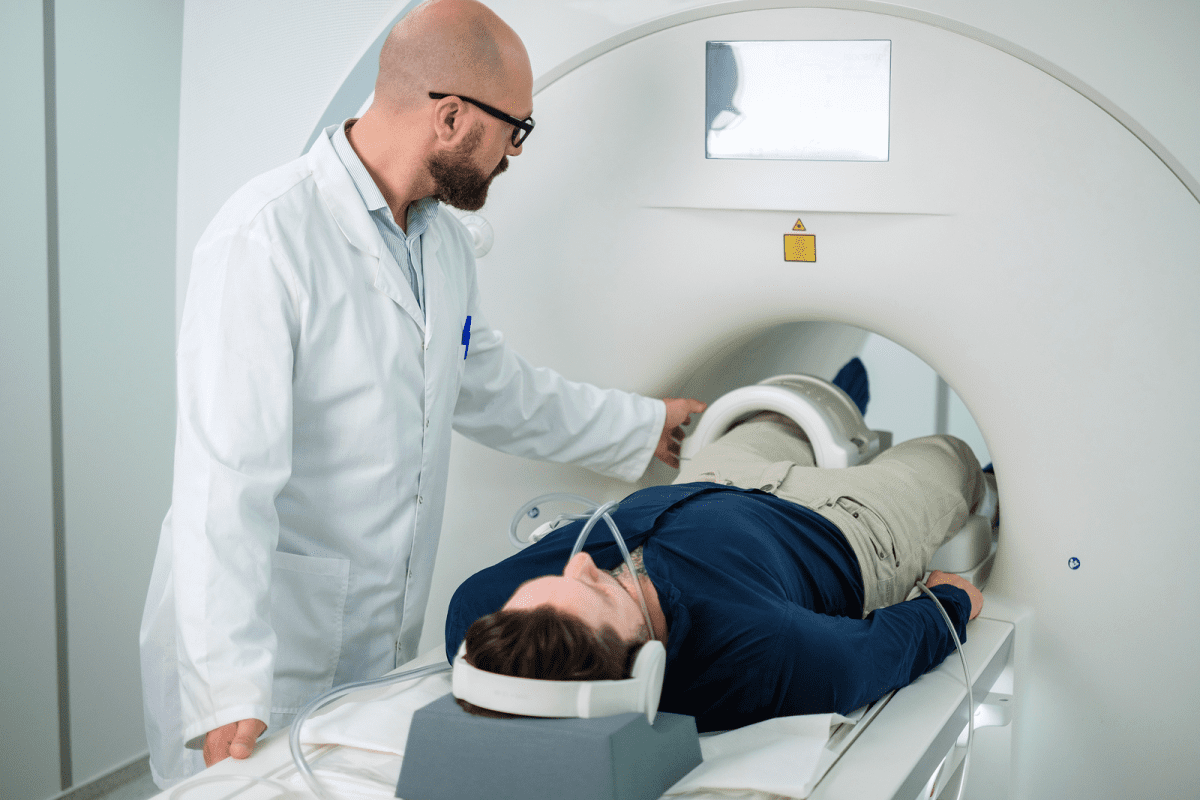
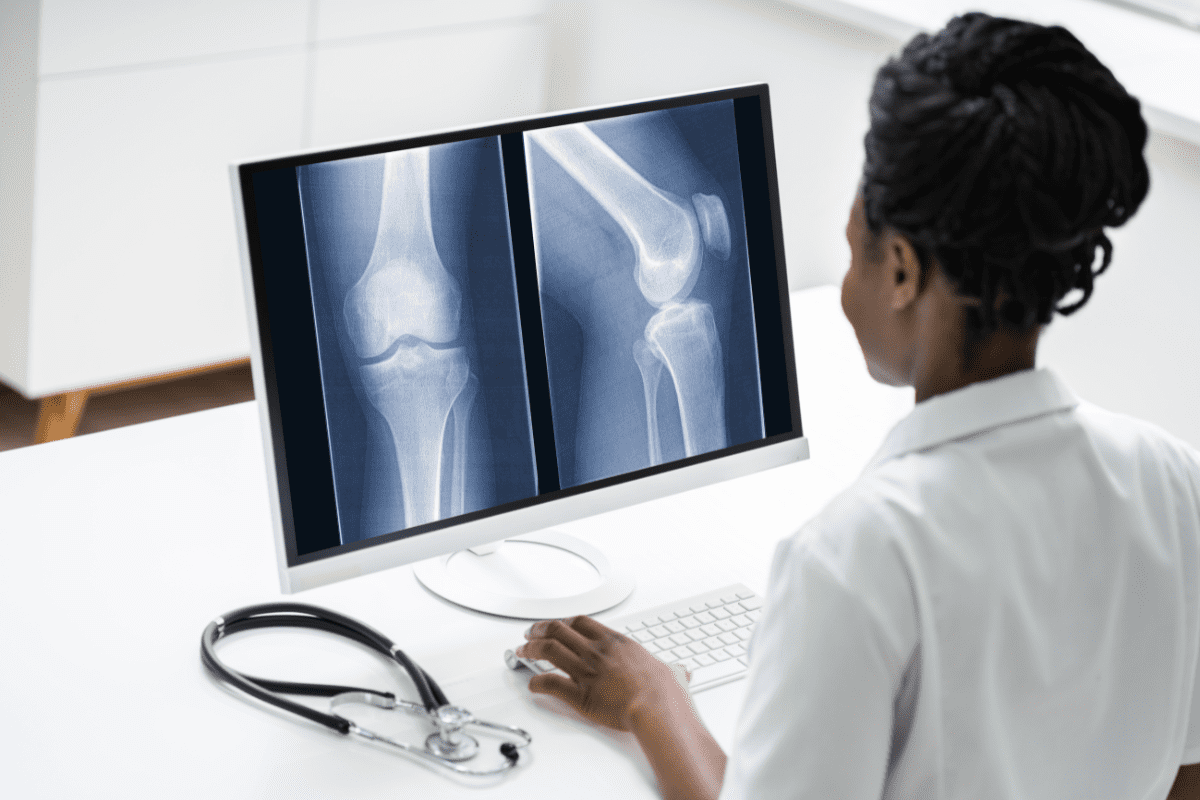
Imaging and diagnostic tools are key in pre-surgery checks. MRI, CT scans, and angiography show the brain’s details and the surgery needed. These images help surgeons plan the safest way to operate. New imaging tech has made neurosurgery more precise and successful.
A detailed pre-surgical check is vital in neurosurgery. It lets doctors find risks and plan a treatment just for you. By using medical checks, risk sorting, and imaging, surgeons can make surgery safer and better.
The Neurosurgical Team: Expertise Behind the Operation
Every neurosurgical operation has a team of skilled professionals. This team includes neurosurgeons, anesthesiologists, nurses, and more. They all work together to help patients get the best care.
Roles and Specializations
The team has many roles and specializations. Neurosurgeons do the surgeries, while anesthesiologists handle the anesthesia and watch over patients. Nurses and others provide care before, during, and after surgery.
- Neurosurgeons: Perform surgical operations on the brain and spine.
- Anesthesiologists: Administer anesthesia and monitor patient vital signs.
- Nurses: Provide pre-operative, intra-operative, and post-operative care.
- Other support staff: Include radiologists, neurologists, and rehabilitation specialists.
How Surgeon Experience Affects Outcomes
The experience of the neurosurgeon greatly affects patient results. More experienced surgeons often have better outcomes. They handle complex cases better and make important decisions during surgery.
Key factors influenced by surgeon experience include:
- Precision in surgical techniques.
- Ability to manage complications effectively.
- Better patient care through informed decision-making.
Importance of Specialized Medical Centers
Specialized medical centers are key in neurosurgery. They have the latest technology and teams with lots of experience. This setup leads to better patient results.
By combining the team’s expertise with the benefits of specialized centers, patients get top care. This improves their chances of a successful outcome.
Preparing for Brain Surgery: What Patients Need to Know
Getting ready for brain surgery means looking at physical, emotional, and practical sides. It’s key for patients to be well-prepared to face the surgery’s challenges.
Physical Preparation
Being physically ready is a big deal. Patients should keep a healthy lifestyle by eating well and exercising often. It’s also important to tell their doctor about all medicines they take. Some might need to change or stop before surgery.
Mental and Emotional Readiness
Mental and emotional readiness is just as important. Patients need to get ready for the emotional ups and downs of surgery, like feeling anxious or stressed. Doing things like meditation or yoga can help. Having a strong support system of family and friends is also key.
Family Support Systems
A good family support system is essential. Family can offer emotional support, help with daily tasks, and manage care after surgery. It’s important for patients to talk about their needs and what they expect from their family.
Legal and Financial Preparations
Legal and financial planning are also important. Patients should check their insurance to know what’s covered and what’s not. They might also need to make legal plans, like a power of attorney or living will, to take care of their affairs.
The Surgical Experience: What Happens During Brain Surgery
Brain surgery is a detailed process that needs a skilled team and modern technology. It’s a complex task that requires careful planning and execution.
Anesthesia Considerations
Anesthesia is key in brain surgery, keeping the patient comfortable and pain-free. The type of anesthesia depends on the surgery and the patient’s health. Sometimes, patients stay awake during surgery, like in awake craniotomy.
Choosing the right anesthesia is very important . It must match the patient’s needs and the surgery’s needs.”
Awake Craniotomy: When Patients Remain Conscious
Awake craniotomy lets patients stay awake and alert during surgery. This helps the team watch brain function closely. It’s important for surgeries near areas that control speech or movement.
Duration and Procedural Steps
Brain surgery time varies based on its complexity. The team follows a detailed plan from start to finish. They monitor the patient closely at every step.
Intraoperative Monitoring Techniques
Intraoperative monitoring uses advanced methods to check brain activity during surgery. Techniques like EEG and EMG help ensure the brain works right and spot issues early.
These monitoring tools show how far neurosurgery has come. They make surgeries more precise and safe.
Immediate Post-Operative Period: Critical Hours and Days
The time right after neurosurgery is very important. It needs careful attention and watching. This time is key to avoid problems and get the best results for patients.
Intensive Care Monitoring
Patients who have had neurosurgery often need to be watched closely at first. Doctors keep an eye on their vital signs and brain function. This helps spot any problems fast.
Common Early Complications
Problems like infections, bleeding, and bad reactions to anesthesia can happen early on. It’s important to catch and treat these issues quickly to avoid bigger problems.
Pain Management and Initial Recovery
Managing pain well is a big part of post-operative care. Doctors use medicines and other methods to help patients feel less pain. This helps them recover better.
Warning Signs to Watch For
Patients and their families should know the signs of trouble. These include more pain, fever, or changes in how the brain works. Spotting these signs early can help fix problems quickly.
Knowing how critical the first days after surgery are helps patients and their families. It makes the recovery process smoother.
Recovery Timeline: What to Expect After Brain Surgery
The journey to recovery after brain surgery has many phases. Each phase has its own challenges and milestones. Knowing about these phases helps patients and their families prepare for the recovery road.
Hospital Recovery Phase
The first recovery phase starts in the hospital. Here, patients are watched closely for any immediate problems after surgery. This phase is very important and usually involves a few days in the ICU.
Key aspects of hospital recovery include:
- Close monitoring of vital signs and neurological status
- Pain management through medication
- Prevention and management of possible complications
First Weeks at Home
After leaving the hospital, patients start the home recovery phase. This phase can last several weeks. It’s very important to follow the neurosurgeon’s instructions carefully to heal properly.
Important considerations during the first weeks at home include:
- Rest and avoiding hard activities
- Watching for signs of infection or other problems
- Slowly starting normal activities as the doctor advises
Long-Term Healing Process
The long-term healing process can take months after brain surgery. This phase involves rehabilitation and therapy to regain lost functions and adapt to any lasting changes.
Rehabilitation and Therapy Options
Rehabilitation is key in the long-term recovery process. Many therapy options are available, like physical, occupational, and speech therapy, based on the patient’s needs.
| Therapy Type | Purpose | Benefits |
| Physical Therapy | Regaining physical strength and mobility | Improves overall physical function and reduces the risk of further injury |
| Occupational Therapy | Relearning daily living skills | Enhances independence in performing daily tasks |
| Speech Therapy | Improving communication skills | Helps patients regain the ability to communicate effectively |
By understanding the recovery timeline and the different phases, patients can better navigate their journey to recovery after brain surgery.
Potential Long-Term Effects of Neurosurgery
After neurosurgery, patients may face many long-term effects. These can change their life quality a lot. Neurosurgery, though needed and lifesaving, can affect the brain and nervous system in different ways.
Cognitive and Neurological Changes
One big effect is cognitive and neurological changes. These can be memory problems, trouble focusing, or even severe issues. The brain is complex, and surgery outcomes vary. Cognitive changes are possible, but how much varies a lot.”
Physical Limitations
Physical limitations are another effect. Patients might feel weak, numb, or paralyzed in some areas. Rehabilitation and physical therapy help a lot in getting function back.
Psychological Impact
The psychological impact of neurosurgery is big. Brain surgery and any changes can cause emotional and psychological issues. Patients might need help with anxiety, depression, or feeling different about themselves.
Adapting to Life After Brain Surgery
Adapting to life after brain surgery needs a full approach. This includes medical care, rehab, and psychological support. As one patient said in a
“The journey after neurosurgery is not just about recovery; it’s about rediscovering who you are and learning to live with the changes.”
This journey is tough, but with the right help, many patients live happy lives.
Minimally Invasive Neurosurgery: Reducing Risks and Recovery Time
Minimally invasive neurosurgery is changing how we care for patients. It cuts down on risks and shortens recovery times. This method uses techniques that cause less damage and help wounds heal faster.
The growth of endoscopic techniques has been a big step forward in neurosurgery. These methods use a thin, flexible tube with a camera and light. This lets surgeons make smaller cuts and disturb less tissue.
Endoscopic Techniques
Endoscopic neurosurgery is great for treating hydrocephalus and some brain tumors. It lets surgeons work with more accuracy in complex areas.
Laser Ablation
Laser ablation uses laser energy to kill off diseased tissue. It’s used for brain tumors and epilepsy. This method targets the problem area without harming the healthy tissue around it.
Stereotactic Radiosurgery
Stereotactic radiosurgery is a non-surgical way to treat brain tumors or malformations. It uses precise radiation without needing open surgery. This makes recovery time much shorter.
Robot-Assisted Neurosurgery
Robot-assisted neurosurgery uses robotic systems to improve surgery precision. These systems offer clear views and allow for detailed movements. This is hard for human surgeons to do.
These new neurosurgical methods are a big leap towards safer and more effective treatments. They help improve patient outcomes and quality of life.
Patient Perspectives: Living Through Brain Surgery
Brain surgery is more than just the operation. It’s about the support system for recovery. Patients often feel fear, anxiety, hope, and determination.
Real Patient Experiences
Real stories from patients offer valuable insights. They share their journey from diagnosis to surgery and beyond. These stories show the strength of patients and the need for support.
“The day of my surgery was the most nerve-wracking experience of my life, but the care and support I received made all the difference.”
— A brain surgery patient
Coping Strategies
Coping strategies are key for patients before and after surgery. Mindfulness, meditation, and family support help manage stress. Good coping can make a big difference in recovery.
- Mindfulness and meditation
- Family and social support
- Professional counseling
Support Groups and Resources
Support groups and resources are essential for brain surgery patients. They offer a place to share, get advice, and find comfort. Being part of a community can be very comforting.
| Resource | Description | Benefit |
| Support Groups | Community of patients and survivors | Emotional support and shared experiences |
| Counseling Services | Professional mental health support | Guidance through emotional challenges |
| Online Forums | Platform for questions and advice | Access to a wide range of experiences |
Understanding patient views and using coping strategies and support groups helps. This approach creates a supportive environment. It’s key for recovery and well-being.
Special Considerations: Pediatric and Geriatric Neurosurgery
Pediatric and geriatric neurosurgery need a deep understanding of the risks for these age groups. Neurosurgeons must make careful decisions for children and older adults. They use special approaches to meet their unique needs.
Unique Risks for Children
Children face special risks when they have neurosurgery. Their brains and bodies are not fully grown. This means they could face long-term cognitive and neurological effects.
Pediatric neurosurgeons must think hard about these risks. They need to decide if the surgery benefits outweigh the risks.
- Cognitive development impacts
- Risk of long-term neurological deficits
- Anesthesia considerations for young patients
Additional Concerns for Elderly Patients
Geriatric patients often have health issues that make surgery harder. Age-related decline in physiological reserve can affect how well they recover. They might also face more complications after surgery.
| Consideration | Pediatric Patients | Geriatric Patients |
| Primary Concern | Developmental Impact | Comorbidity Management |
| Risk Factors | Cognitive Effects | Physiological Decline |
| Surgical Goal | Minimize Long-term Deficits | Optimize Recovery |
Quality of Life Considerations
In both pediatric and geriatric neurosurgery, quality of life is key. Neurosurgeons look at both the immediate risks and the long-term effects. They consider how surgery might change a patient’s life.
Understanding these special needs helps neurosurgeons tailor care for children and older adults. This approach can improve outcomes and quality of life for these patients.
Making Informed Decisions: Questions to Ask Your Neurosurgeon
Understanding neurosurgery is key to making smart choices. When you’re thinking about neurosurgery, knowing all you can about it is important.
Understanding Your Specific Risk Profile
It’s vital to know your risk level for surgery. Talk to your neurosurgeon about possible problems. Also, ask how your health might affect the surgery and how you’ll recover.
Some important questions are: “What are the specific risks for my condition and procedure?” and “How will my health impact the surgery and recovery?”
Alternative Treatment Options
Looking into other treatment options is important. Ask your neurosurgeon about non-surgical or less invasive surgical choices.
Ask: “Are there non-surgical treatments for my condition?” and “What are the benefits and risks of other surgical options?”
Second Opinion Considerations
Getting a second opinion can offer more insights and peace of mind. Talk to your neurosurgeon about getting another specialist’s view.
Weighing Benefits Against Risks
It’s important to think about the good and bad of each option. Look at both the benefits and the possible problems.
| Benefits | Risks |
| Potential improvement in condition | Surgical complications |
| Relief from symptoms | Post-operative risks |
| Enhanced quality of life | Long-term complications |
By asking the right questions and understanding your risk profile, other treatment options, and the value of second opinions, you can make smart choices about your neurosurgical treatment.
Conclusion: Balancing the Seriousness of Neurosurgery with Medical Necessity
Neurosurgery is a serious medical step needed for some life-threatening issues or severe symptoms. We’ve looked into the complexity and risks of neurosurgery. This includes its history and the latest techniques used today.
The risks of neurosurgery are real, like death rates and long-term side effects. Yet, for many, the benefits are worth it. They get a better life or even a second chance at survival.
Deciding on neurosurgery needs careful thought and full care. Patients and their families must know the risks and benefits. They should also understand the options available. This way, they can make smart choices about their health.
In the end, neurosurgery is key in today’s medicine. It offers vital treatments for many neurological problems. As medical tech and methods keep improving, neurosurgery will keep playing a big role in solving health challenges.
FAQ
What is neurosurgery?
Neurosurgery is a medical field that deals with surgeries for brain, spine, and nervous system problems.
How serious is brain surgery?
Brain surgery is very serious and risky. But, it can save lives or greatly improve life quality for many.
What are the risks associated with brain surgery?
Risks include immediate and post-operative complications. Also, long-term effects like cognitive and physical changes, and psychological impacts.
How long does brain surgery take?
Brain surgery time varies. It can last from a few hours to several hours or even longer for complex cases.
What is the recovery time for brain surgery?
Recovery time is different for everyone. Patients usually stay in the hospital for several days. They may take weeks or months to fully recover at home, with some needing ongoing rehab.
Are you awake during brain surgery?
Yes, in some surgeries like awake craniotomy, patients stay awake. This helps surgeons avoid harming critical brain areas.
What is the role of a neurosurgeon?
Neurosurgeons are doctors who specialize in brain, spine, and nervous system surgeries. They play a key role in diagnosis, treatment, and patient care.
How does brain surgery work?
Brain surgery uses precise techniques and technology. It involves imaging guidance, microsurgical tools, and sometimes minimally invasive methods.
What are the benefits of minimally invasive neurosurgery?
Minimally invasive neurosurgery reduces risks and recovery times. It offers less invasive options compared to traditional open surgery, improving patient outcomes.
What should I expect after brain surgery?
After surgery, patients go through recovery. This includes a hospital stay, managing complications, pain, and a gradual return to normal activities.
How do I prepare for brain surgery?
Preparation involves being physically, mentally, and emotionally ready. It also includes family support, understanding the procedure, and following your neurosurgeon’s instructions.
What are the long-term effects of neurosurgery?
Long-term effects vary by individual and surgery type. They can include cognitive and neurological changes, physical limitations, and psychological impacts.
Can brain surgery be risky?
Yes, brain surgery carries risks. The risk level depends on the procedure, patient health, and other factors. Neurosurgeons carefully assess these risks.
What are the signs of brain damage after surgery?
Signs include new or worsening neurological deficits, cognitive changes, or other symptoms. These should be reported to your healthcare provider promptly.
How do I make informed decisions about neurosurgery?
Making informed decisions involves understanding your condition, the proposed surgery, risks, benefits, and alternative treatments. Seeking a second opinion is also important.
What questions should I ask my neurosurgeon?
Ask about your condition, the surgery, risks, recovery expectations, and any concerns about your care. This helps you make informed decisions.
What is the importance of pre-surgical assessment?
Pre-surgical assessment is key. It helps determine individual risks, plan the surgery, and optimize outcomes.
How does surgeon experience affect outcomes?
Surgeon experience greatly affects outcomes. More experienced neurosurgeons tend to have better results due to their skill and knowledge.
What is the role of the neurosurgical team?
The neurosurgical team, including neurosurgeons, anesthesiologists, nurses, and other healthcare professionals, work together. They provide complete care to patients undergoing neurosurgery.
References
National Institutes of Health, “Breaking Bad Habits: Why It’s So Hard to Change,” NIH News in Health, January 2012. Available at: https://newsinhealth.nih.gov/2012/01/breaking-bad-habits