Last Updated on October 22, 2025 by mcelik
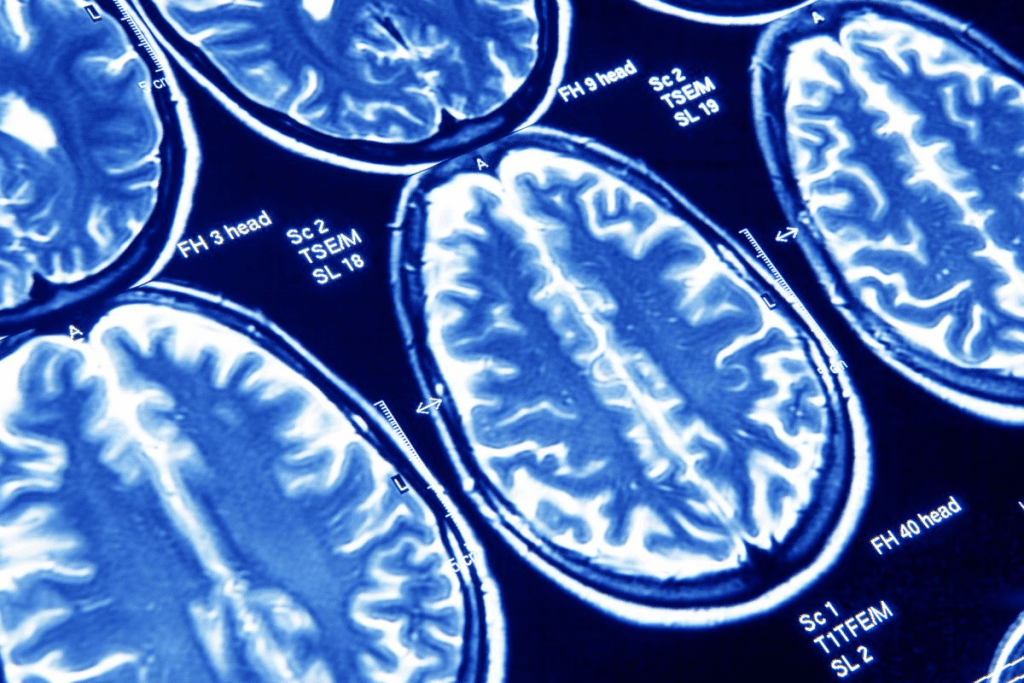
Anxiety disorders affect millions of people worldwide. They cause a lot of distress and make daily life hard. Recent studies show that SPECT imaging is key in understanding and detecting anxiety. It does this by measuring cerebral blood flow.
SPECT scans look at blood flow in the spect brain. They show which areas are active or not during tasks. This info is very useful in anxiety imaging. It helps doctors spot patterns linked to anxiety disorders.
By learning how brain perfusion changes with anxiety, researchers and doctors can make better treatments. This is a big step forward in helping people with anxiety.
Key Takeaways
- SPECT imaging measures cerebral blood flow to detect anxiety.
- It helps identify patterns associated with anxiety disorders.
- SPECT scans can inform diagnostic and treatment strategies.
- Understanding brain perfusion is key in anxiety detection.
- SPECT imaging is a valuable tool in anxiety research.
What is SPECT Imaging?
SPECT imaging is a key part of functional neuroimaging. It uses Single Photon Emission Computed Tomography to show how different brain areas work. This method is a type of nuclear medicine imaging.
Definition and Basic Principles
SPECT imaging creates detailed, three-dimensional pictures of the brain’s activity. It does this by tracking gamma rays from a special dye injected into the blood. This dye goes to areas of the brain that are most active.
The main idea behind SPECT is to measure cerebral blood flow. This flow is linked to how active the brain is. So, areas with more activity show up more in SPECT images. This helps doctors see how well different parts of the brain are working.
History and Development of SPECT Technology
The first steps in creating SPECT technology were in the 1960s. Over time, it got better with new detectors and ways to make images. Now, SPECT is a key tool for brain imaging.
Today, SPECT helps doctors diagnose and treat brain problems. It also helps researchers study the brain and neuropsychiatric conditions. Its ability to show brain function is a big plus, adding to what other imaging methods like MRI can show.
Brain Perfusion and Its Significance
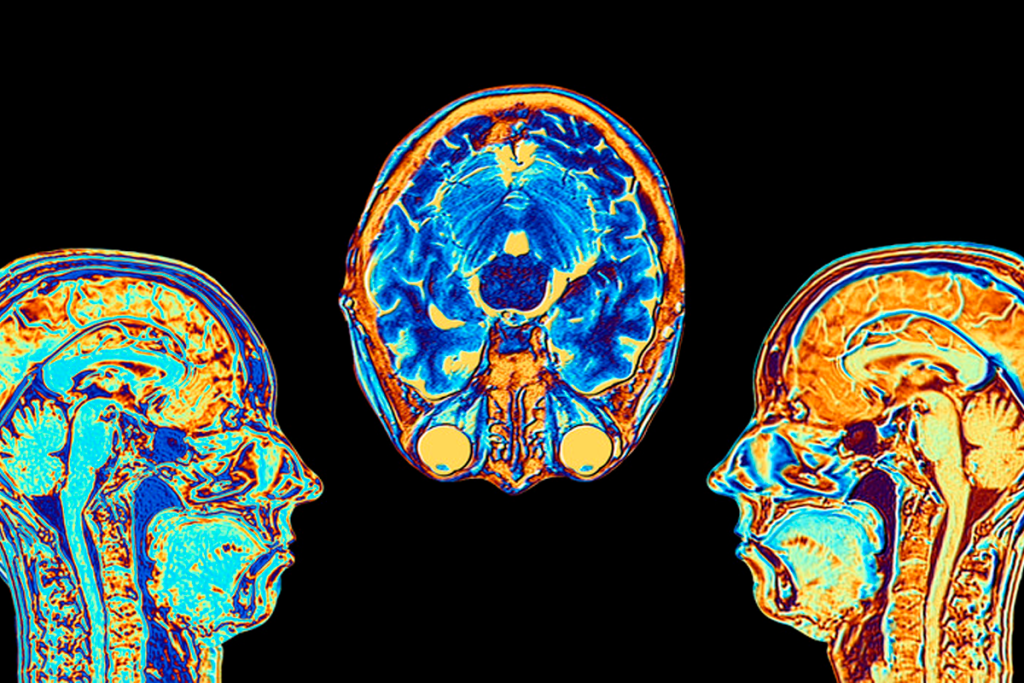
Brain perfusion is key for delivering nutrients and oxygen to brain tissues. It’s vital for brain function and health.
Understanding Cerebral Blood Flow
Cerebral blood flow (CBF) is the blood supply to the brain. It’s essential for brain tissues to get the oxygen and nutrients they need. Adequate CBF is key for thinking, memory, and making decisions.
The brain needs a lot of energy to work right. It gets this energy from glucose and oxygen in the blood. If blood flow to the brain is disrupted, brain function can suffer. This might lead to neurological problems or disorders.
How Brain Perfusion Reflects Neural Activity
Brain perfusion is tied to neural activity. When a brain area is active, it needs more oxygen and nutrients. This means more blood flow to that area. Functional brain imaging, like SPECT, uses this to show brain activity and find abnormal areas.
- Brain perfusion shows how active different brain areas are.
- Changes in blood flow can mean changes in neural activity.
- Abnormal brain perfusion might be linked to neurological and psychiatric issues, like anxiety disorders.
Understanding brain perfusion and neural activity is key for diagnosing and treating brain conditions. By looking at brain perfusion, doctors can learn a lot about brain function. They can also spot areas that might need attention.
Anxiety Disorders: A Neurobiological Perspective
The brain’s regions and systems play a big role in anxiety disorders. Knowing how these conditions work is key to finding good treatments.
Brain Regions Involved in Anxiety
Studies have found several brain areas linked to anxiety. The amygdala, shaped like an almond, is key in spotting threats and starting the fear response. The prefrontal cortex and hippocampus also have important roles.
“The amygdala acts like a guard, always looking for dangers,” says a top anxiety researcher. “When it finds a threat, it sets off a chain of brain activity that can cause anxiety.”
Neurochemical and Functional Abnormalities
Anxiety disorders also involve brain chemistry and function changes. People with anxiety often have different levels of serotonin and GABA. These chemicals help control mood and anxiety.
- Abnormalities in the amygdala and prefrontal cortex
- Changes in serotonin and GABA levels
- Brain circuit changes involved in anxiety
Understanding these brain changes is vital for treating anxiety. By focusing on these issues, doctors can create better treatments that tackle the root of anxiety.
How SPECT Visualizes Brain Function
SPECT imaging gives us a peek into how our brains work. It uses special tracers to show blood flow and activity in the brain. This helps us understand brain health better.
Radioactive Tracers and Their Function
Radioactive tracers are special compounds that glow. They are picked up by the SPECT scanner. These tracers show where blood flows in the brain, helping us see brain health.
The most common tracer is Technetium-99m HMPAO. It goes to areas with lots of blood flow. This lets us see brain function by spotting where blood flows more or less.
Interpreting SPECT Brain Images
Understanding SPECT images takes knowledge of brain anatomy and function. Experts compare the tracer’s spread in the brain. This helps spot where blood flow or activity might be off.
By looking at tracer patterns, doctors can find signs of anxiety disorders. This helps in diagnosing and planning treatments.
Only experts can accurately read SPECT images. They know the difference between normal and abnormal brain patterns. Their skill is key to reliable SPECT results in medical practice.
SPECT Findings in Different Anxiety Disorders
SPECT imaging lets us see how anxiety disorders affect the brain. It helps researchers and doctors understand these conditions better. This technology shows different patterns in various anxiety disorders, making diagnosis more accurate and treatment plans better.
Generalized Anxiety Disorder Patterns
People with generalized anxiety disorder (GAD) have different brain activity than those without it. Hyperperfusion in the amygdala and prefrontal cortex shows their brains work harder in these areas.
A study in a Journal found GAD patients have more blood flow in the anterior cingulate cortex. This area deals with emotions and control. It suggests GAD might be linked to an overactive brain circuit, causing too much worry and anxiety.
Panic Disorder Signatures
Panic disorder is marked by frequent panic attacks and worry about having more. SPECT imaging shows unique brain activity in panic disorder. There’s hypoperfusion in the right inferior frontal cortex and hyperperfusion in the amygdala. This imbalance affects how the brain handles fear and anxiety.
“The use of SPECT imaging in panic disorder has provided valuable insights into the neural mechanisms underlying this condition, potentially informing the development of targeted therapeutic interventions.”
A Psychiatrist
PTSD and Other Anxiety-Related Conditions
Post-traumatic stress disorder (PTSD) has also been studied with SPECT imaging. PTSD patients show different brain activity, like hyperperfusion in the amygdala and hypoperfusion in the prefrontal cortex. This imbalance affects emotional control and memory processing.
| Anxiety Disorder | SPECT Findings | Implications |
| Generalized Anxiety Disorder | Hyperperfusion in amygdala and prefrontal cortex | Heightened neural activity contributing to excessive worry |
| Panic Disorder | Hypoperfusion in right inferior frontal cortex; Hyperperfusion in amygdala | Imbalance in fear processing and regulation circuits |
| PTSD | Hyperperfusion in amygdala; Hypoperfusion in prefrontal cortex | Imbalance in emotional regulation and memory processing |
The unique SPECT findings for different anxiety disorders show how complex these conditions are. Brain perfusion imaging is key to understanding and treating anxiety disorders. As research grows, SPECT imaging will play a bigger role in finding new treatments.
The SPECT Procedure for Mental Health Assessment
Getting a SPECT scan for mental health is a few steps. It’s a non-invasive tool that shows how the brain works. This helps doctors diagnose and treat mental health issues better.
Patient Preparation and Requirements
Before a SPECT scan, patients need to get ready. They must avoid certain medicines and substances that could mess up the scan. They are asked to:
- Stop taking certain medicines as told by their doctor
- Not have caffeine or nicotine before the scan
- Take off metal things like jewelry or glasses to avoid scan problems
It’s very important for patients to follow these steps to get good scan results.
During the Brain Scan Process
A small amount of radioactive tracer is given through a vein in the arm. The tracer goes to the brain and shows where blood flows. Then, the patient lies down, and a camera takes pictures of the brain from all sides.
The whole scan takes about 30 to 60 minutes. Patients must stay very quiet to get clear pictures.
Post-Procedure Information and Follow-up
After the scan, patients can go back to their usual activities. The tracer is safe and leaves the body in a few hours. A specialist then looks at the scan pictures.
| Post-Procedure Guidelines | Details |
| Resuming Activities | Normal activities can be resumed immediately after the scan |
| Tracer Excretion | The radioactive tracer is excreted within a few hours |
| Image Interpretation | Images are interpreted by a nuclear medicine specialist |
Follow-up meetings are set to talk about the scan results and treatment plans. Patients should be ready to share their symptoms and medical history with their doctor for the best care.
Clinical Applications of SPECT in Anxiety Diagnosis
SPECT has changed how we diagnose anxiety disorders. It gives a clear view of brain activity. This helps us understand anxiety’s complex roots.
Current Diagnostic Protocols
Today, diagnosing anxiety involves both doctor’s evaluations and scans. SPECT is now used to show brain activity patterns. This helps spot different anxiety disorders.
- Enhanced Diagnostic Accuracy: SPECT shows which brain areas are active in anxiety. This makes diagnosis more precise.
- Personalized Treatment Planning: Knowing each patient’s brain patterns helps doctors tailor treatments.
Integration with Clinical Assessments
Using SPECT with doctor’s assessments is a new way to diagnose anxiety. It combines scan results with patient symptoms. This gives a full picture of the disorder.
- Doctor’s interviews and tests give a patient’s side of the story.
- SPECT scans show brain function clearly.
- This combo leads to better diagnosis and treatment plans.
Healthcare teams use SPECT and doctor’s assessments to better treat anxiety. This approach improves patient care.
Limitations of SPECT in Anxiety Detection
Anxiety detection with SPECT faces many challenges. SPECT imaging shows brain function and blood flow. But, it’s hard to use it for anxiety disorders.
Technical and Methodological Challenges
Technical challenges include SPECT’s low resolution. This makes it hard to see small changes in brain activity linked to anxiety.
Image quality also depends on the tracer, scan timing, and patient condition. These methodological variables can lead to unreliable results.
Diagnostic Specificity Issues
SPECT imaging is useful for spotting brain activity patterns in anxiety. But, it’s hard to tell anxiety apart from other conditions. This is because brain changes in anxiety can look like those in other disorders.
Doctors must look at SPECT results with the patient’s whole story in mind. This includes medical history and other tests.
Cost and Accessibility Barriers
Cost and accessibility barriers also affect SPECT use. It needs special equipment and skilled staff. This is expensive and not always available, mainly in rural or poor areas.
The cost of the scan and tracers is high. Without good insurance, patients may struggle to afford it. This can delay or reduce the quality of care for anxiety.
Comparing SPECT to Other Anxiety Diagnostic Methods
Diagnosing anxiety disorders involves many tools. SPECT imaging shows brain blood flow, but other methods like clinical interviews and scans are also key. These include functional MRI (fMRI) and PET scans.
SPECT vs. Clinical Interviews and Questionnaires
Clinical interviews and questionnaires are basic for diagnosing anxiety. They look at symptoms, history, and behavior. SPECT imaging, on the other hand, gives a clear view of brain blood flow. It can show how anxiety affects the brain.
Key differences:
- Clinical interviews rely on what patients say.
- SPECT shows brain function directly.
- Interviews can be affected by mood and memory.
- SPECT is less influenced by these factors, showing brain activity more clearly.
SPECT vs. Other Functional Neuroimaging (fMRI, PET)
Techniques like fMRI and PET scans also look at brain function. fMRI checks blood flow and oxygen, while PET uses tracers to see metabolism.
| Imaging Technique | Measure of Brain Activity | Use in Anxiety Diagnosis |
| SPECT | Perfusion (blood flow) | Identifies patterns of brain activity associated with anxiety disorders. |
| fMRI | Blood oxygenation levels | Provides detailed spatial resolution of brain activity during tasks or at rest. |
| PET | Metabolic activity | Can detect specific neurotransmitter systems involved in anxiety. |
Perfusion MRI and Alternative Imaging Approaches
Perfusion MRI measures brain blood flow without tracers. It’s a safer option for some. New imaging methods are also being developed for diagnosing anxiety.
Advantages of Perfusion MRI:
- No radiation exposure.
- Can be used with other MRI techniques for a full assessment.
- Shows both blood flow and structure.
In conclusion, SPECT imaging is just one tool for diagnosing anxiety. Each method has its own benefits and drawbacks. A full diagnosis might use several methods to understand the patient’s condition better.
Advances in Brain Perfusion Analysis for Mental Health
Recent breakthroughs in brain perfusion analysis are changing how we diagnose mental health. Brain perfusion imaging, like SPECT, is key in understanding mental health conditions.
New research is uncovering how brain function and mental health disorders are linked. Studies are finding specific patterns and biomarkers for different anxiety disorders.
Recent Research Findings
Research has made big strides in linking brain perfusion to mental health. For example, studies found that anxiety disorders show unique patterns of blood flow in the brain. These findings help create better diagnostic tools and treatment plans.
A study found that people with generalized anxiety disorder (GAD) have different brain activity. This is important for understanding anxiety disorders better.
Emerging Biomarkers and Patterns
Identifying new biomarkers and patterns in brain perfusion is a fast-growing area. Researchers can now spot specific patterns linked to mental health conditions, including anxiety.
For instance, panic disorder is linked to increased blood flow in certain brain areas, like the amygdala. Finding these patterns helps create more accurate diagnoses and treatments.
“The integration of brain perfusion analysis into clinical practice represents a significant step forward in the diagnosis and treatment of mental health disorders.”
A Neuroscientist
As the field grows, using advanced brain perfusion analysis in clinics promises better mental health care for patients.
Case Studies: SPECT in Anxiety Diagnosis and Treatment
Case studies using SPECT have given us important insights into anxiety disorders. They show how SPECT imaging helps in diagnosing and treating anxiety. This helps doctors understand its benefits and how to use it.
Clinical Examples and Outcomes
Many case studies have shown SPECT’s effectiveness in diagnosing anxiety. For example, a study on generalized anxiety disorder (GAD) found unique brain patterns. These patterns matched the severity of symptoms.
- A 35-year-old with GAD had more activity in the amygdala, linked to more anxiety.
- A 28-year-old with panic disorder had different brain activity in emotional control areas.
These examples show SPECT’s power in finding specific brain markers for anxiety disorders.
Impact on Treatment Planning and Medication Selection
SPECT imaging changes how doctors plan treatments. It helps them see which brain areas are affected by anxiety. This lets them create more targeted treatment plans.
- It helps choose the right medicines for the patient’s condition.
- It makes treatment plans more personalized, which can lead to better results.
Personalized treatment planning is a big plus of using SPECT. It lets doctors make better choices based on what they see in the brain.
In summary, SPECT has greatly helped us understand and treat anxiety disorders. As more research comes in, SPECT’s role in treating patients will likely grow. This will help improve care for those with anxiety.
The Future of Functional Neuroimaging in Anxiety Assessment
Functional neuroimaging is on the verge of a big change. This change comes from technological advancements in brain imaging. These advancements will help us better understand and diagnose anxiety disorders.
New brain imaging techniques are getting better and more accurate. They also let researchers explore new areas in anxiety research. A big step forward is using artificial intelligence (AI) and machine learning in analyzing brain images.
Technological Advancements in Brain Imaging
Brain imaging technology has improved a lot in recent years. Better scanners and software are key to this progress. These improvements help us see more clearly how anxiety affects the brain.
One area getting a lot of attention is brain perfusion patterns. Advanced models and algorithms help spot tiny changes in brain activity. These changes were hard to see before.
Integration with Artificial Intelligence and Machine Learning
Adding AI and machine learning to brain imaging is a game-changer. These tools can find patterns in brain data that humans might miss. This could lead to better diagnosis and treatment.
For example, machine learning can learn to spot specific brain patterns linked to anxiety. This could mean earlier and more accurate diagnoses. It could also lead to treatments that are more tailored to each person’s needs.
| Technological Advancement | Impact on Anxiety Diagnosis |
| Improved Scanner Hardware | Enhanced image resolution for more accurate diagnoses |
| Advanced Image Processing Software | Better analysis of brain function and activity patterns |
| AI and Machine Learning Integration | Identification of complex patterns in brain imaging data |
As these technologies keep getting better, diagnosing and treating anxiety will get easier. The future of functional neuroimaging in anxiety assessment is very promising. We can expect to see big improvements soon.
Practical Considerations for Patients Seeking SPECT
If you’re thinking about SPECT for anxiety, knowing the practical stuff is key. This means understanding costs, insurance, and finding a good specialist.
Insurance Coverage and Costs
Costs and insurance coverage are big worries for patients. Check with your insurance to see what’s covered. Some plans cover SPECT for certain conditions, but others don’t.
| Insurance Plan | Likelihood of Coverage | Average Out-of-Pocket Cost |
| Medicare | High | $0 – $100 |
| Private Insurance | Variable | $100 – $500 |
| Medicaid | Variable | $0 – $50 |
Knowing your insurance can help with planning. Some places also offer payment plans or deals.
Finding Qualified Nuclear Medicine Specialists
Finding a good nuclear medicine specialist is key. Ask your doctor for a referral. You can also look up certified professionals through the Society of Nuclear Medicine and Molecular Imaging (SNMMI).
Questions to Ask Your Mental Health Provider
Talk to your mental health provider before SPECT imaging. Ask them:
- How will SPECT help with my anxiety?
- What are the risks or side effects?
- How should I prepare for the scan?
- What will the results show about my condition?
- How will the results change my treatment?
Being informed and ready can greatly improve your experience. Knowing the practical sides of SPECT helps you make better choices for your care.
Ethical and Clinical Considerations in Brain Scanning
Brain scanning technologies are getting better, and so are the ethical and clinical issues they raise. SPECT imaging is a key example. It’s used to check for anxiety disorders, bringing up several important points.
Radiation Exposure Concerns
Radiation exposure is a big ethical worry with SPECT imaging. It uses tiny amounts of radioactive tracers to see how the brain works. Even though the dose is small, there’s some risk involved.
Healthcare teams follow strict guidelines to keep the dose low. They use the least amount of radioactive material needed. This helps keep the risks low while getting good images.
Overdiagnosis and Misinterpretation Risks
Overdiagnosis and misreading SPECT images are big concerns. Anxiety disorders can be tricky to spot with these scans. This might lead to finding things that aren’t important, causing more tests or worry for the patient.
To avoid this, experts should read the scans. They should also look at other tests and talk to the patient. This way, SPECT results are used right and any mistakes are caught early.
Balancing Clinical Benefits and Limitations
SPECT imaging has its good sides, like helping doctors decide on treatments. But, it’s not perfect. It’s just one tool doctors use to help patients with anxiety.
Doctors need to know when to use SPECT and how to use its results. They should think about the patient’s situation and how SPECT can help. This helps make sure SPECT is used wisely in treatment plans.
Conclusion: The Role of SPECT in Anxiety Diagnosis
SPECT imaging is now a key tool in diagnosing anxiety disorders. It helps us see how blood flows in the brain. This gives us clues about the brain’s role in anxiety.
It lets doctors see the brain’s activity in people with anxiety. This helps them spot specific patterns in brain blood flow. These patterns can tell them a lot about the condition.
Even though SPECT is useful, it has its limits. It faces technical challenges that need to be worked on. But, as research grows, combining SPECT with other methods could make it even more helpful.
SPECT is important for diagnosing anxiety because it’s safe and shows brain function. It helps doctors choose the right treatments. As we learn more, SPECT will keep being a valuable tool in treating anxiety.
FAQ
What is SPECT imaging and how does it work?
SPECT imaging is a way to see how the brain works by looking at blood flow. It uses a special dye that shows up in active brain areas. This helps create detailed images of brain activity.
How does brain perfusion relate to anxiety disorders?
Brain perfusion is linked to brain activity. In anxiety, certain brain areas like the amygdala and prefrontal cortex show different blood flow patterns. These areas are key for handling emotions.
Can SPECT detect anxiety?
SPECT can spot brain patterns linked to anxiety. It’s not a surefire way to diagnose, but it helps doctors understand and plan treatment.
What are the limitations of SPECT in anxiety detection?
SPECT faces challenges like technical issues and cost. It’s not for everyone, and results need to be seen with other medical info.
How does SPECT compare to other anxiety diagnostic methods?
SPECT is one tool for diagnosing anxiety. It’s more objective than interviews and questionnaires. Other methods like fMRI and PET offer different views of brain activity.
What are the benefits of using SPECT in anxiety diagnosis?
SPECT helps doctors see brain patterns linked to anxiety. This guides treatment and helps check if treatments work.
What should I expect during a SPECT procedure?
A SPECT scan involves a dye injection and scanning. It takes 30-60 minutes. You must stay very quiet during the scan.
Are there any risks or side effects associated with SPECT?
SPECT uses a small amount of radiation, which is safe. But, there’s a tiny chance of allergic reactions or feeling claustrophobic.
How can I find a qualified nuclear medicine specialist for SPECT?
Ask your doctor for a referral or search online for certified specialists. Make sure to check their credentials and patient reviews.
What questions should I ask my mental health provider about SPECT?
Ask about SPECT’s benefits and limits, the procedure, and what to expect. Also, ask about insurance, costs, and how it fits into your treatment plan.
References
Chen, J., et al. (2011). A review of neuroimaging studies of anxiety disorders in China. Frontiers in Psychiatry. https://pmc.ncbi.nlm.nih.gov/articles/PMC3090288/