Last Updated on December 1, 2025 by Bilal Hasdemir
Knowing how long a SPECT scan takes is key for those looking for ADHD diagnosis and treatment. A SPECT scan uses nuclear medicine to show how the brain works. It’s a powerful tool for understanding brain function.
The time it takes for a brain SPECT scan can differ. It starts with a quick shot of a radioactive tracer. Then, it scans the brain to capture detailed images of its activity. This info is critical for spotting ADHD and figuring out how the brain works.
Key Takeaways
- Understanding the duration of a SPECT scan is essential for ADHD diagnosis.
- A SPECT scan provides valuable insights into brain function and activity.
- The scanning process involves a brief injection of a radioactive tracer.
- SPECT scan results aid in accurate ADHD diagnosis and treatment.
- The process is generally safe and non-invasive.
Understanding Brain SPECT Scan Technology
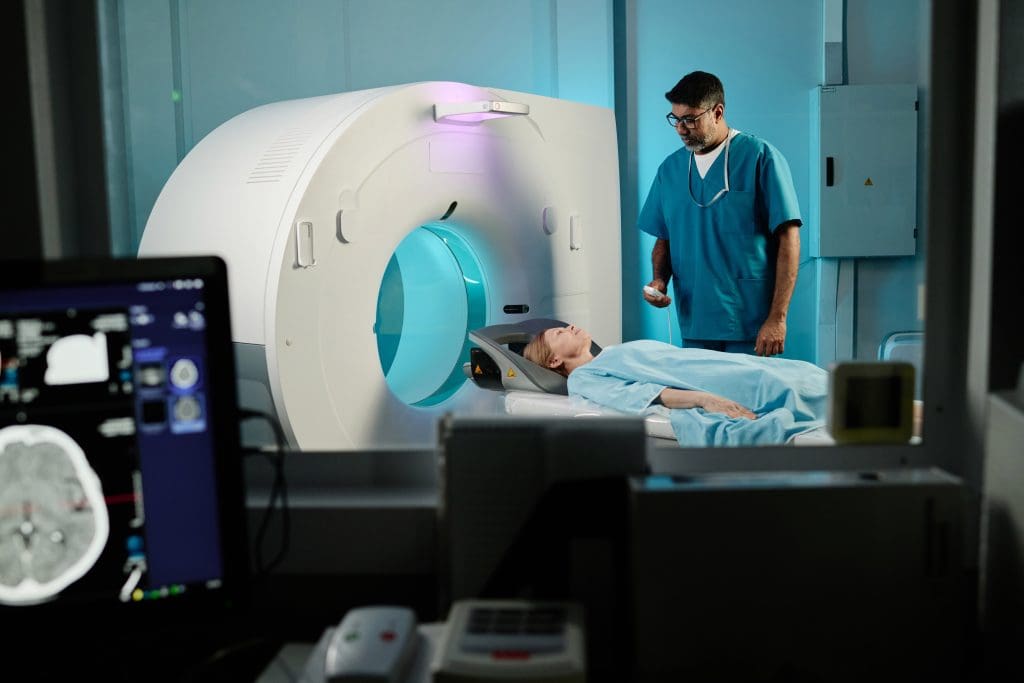
Brain SPECT scans use advanced technology to show brain activity. They combine nuclear medicine and computer processing. This lets doctors see and study brain activity in detail.
What is a SPECT scan?
A SPECT scan is a way to see brain activity with a special tool. It uses a radioactive tracer to make 3D images of the brain. This tool is key in ADHD brain imaging to understand the brain’s functions.
“SPECT scans are vital in neuroimaging,” says a nuclear medicine expert. They inject a small amount of radioactive material into the blood. This material goes to active brain areas.
How SPECT differs from other brain imaging techniques
SPECT scans are different from MRI or CT scans. While those show the brain’s structure, SPECT shows how it works. This makes SPECT great for ADHD, where brain activity patterns are important.
- SPECT scans show how different parts of the brain are functioning.
- They can help identify areas of the brain with abnormal activity levels.
- SPECT is often used with other imaging techniques for a full view of brain health.
The science behind nuclear medicine imaging
Nuclear medicine imaging, like SPECT scans, uses radioactive tracers to see body functions. For brain SPECT scans, the tracer highlights active brain areas. A gamma camera detects the rays from the tracer.
The gamma camera’s data is turned into 3D images by computers. This lets doctors study brain activity patterns accurately. It helps them understand neurological conditions better.
Knowing how Brain SPECT scans work helps doctors diagnose and treat ADHD better. This leads to more effective treatments.
The Duration of a Brain SPECT Scan Procedure
Many patients ask how long a Brain SPECT scan takes. It usually lasts 2-3 hours. This includes several steps that need careful planning and execution.
Preparation Time Before the Scan
Before the scan, preparation takes 30 to 60 minutes. Patients get ready by changing clothes and removing metal objects. They also learn about the procedure.
Radiotracer Injection and Uptake Period
Next, a radiotracer is injected into the patient’s blood. This step takes 15-20 minutes. It’s important for getting clear brain images.
Actual Scanning Time in the SPECT Machine
The scanning itself takes 30 to 45 minutes. Patients must stay very quiet to get accurate images.
Total Time Commitment for Patients
The whole process takes 2 to 3 hours. This includes getting ready, the radiotracer injection, and the scan.
Here’s a table showing the time needed for each part of the Brain SPECT scan:
| Stage | Time Required |
| Preparation | 30-60 minutes |
| Radiotracer Injection and Uptake | 15-20 minutes |
| Scanning | 30-45 minutes |
| Total Time | 2-3 hours |
Knowing how long a Brain SPECT scan takes helps patients prepare. It’s key to follow the doctor’s instructions for a smooth scan.
Step-by-Step Process of a Brain SPECT Scan
The Brain SPECT scan process has several key steps. These include initial consultation to post-scan monitoring. Each step is vital for accurate brain imaging diagnosis.
Initial Consultation and Preparation
Before a Brain SPECT scan, patients meet with their healthcare provider. They discuss the procedure, its benefits, and risks. This step helps decide if a SPECT scan is right for the patient, like for ADHD brain scan detection.
Radiotracer Administration
In the radiotracer administration phase, a small amount of radioactive tracer is injected. This tracer goes to areas of the brain that are very active. It helps the SPECT scan take detailed images of brain function.
The Scanning Procedure
The scanning procedure has the patient lying on a table that slides into the SPECT scanner. The machine rotates around the head, taking images from different angles. This whole process takes about 30 to 45 minutes.
Post-Scan Monitoring
After the scan, patients are watched for a short time. This is to check for any bad reactions to the radiotracer. The scan data is then processed to make detailed images of the brain’s activity.
| Step | Description | Time |
| Initial Consultation | Discussion with healthcare provider about the SPECT scan procedure. | 30 minutes |
| Radiotracer Administration | Injection of radioactive tracer into the bloodstream. | 15-20 minutes |
| Scanning Procedure | The SPECT scan captures images of brain activity. | 30-45 minutes |
| Post-Scan Monitoring | Monitoring for adverse reactions after the scan. | 15-30 minutes |
Knowing the SPECT scan process can make patients feel more at ease. It helps them prepare for their diagnostic journey. This leads to more accurate brain imaging diagnosis.
ADHD Brain Scan Detection: How SPECT Imaging Works
ADHD brain scans use SPECT imaging to peek into the brain’s workings. This helps doctors diagnose ADHD more accurately. SPECT scans show brain activity patterns, key to understanding ADHD.
Brain Activity Patterns Revealed by SPECT
SPECT imaging lets doctors see brain activity. This is super helpful for diagnosing ADHD. They can spot areas of the brain that are too active or too quiet.
These patterns on SPECT scans help tell ADHD apart from other conditions. This info is vital for creating the right treatment plans.
ADHD-Specific Biomarkers Visible on SPECT Scans
Studies have found ADHD biomarkers on SPECT scans. These include changes in blood flow and activity in brain areas.
| Biomarker | Description | Relevance to ADHD |
| Reduced blood flow | Decreased blood flow to certain brain regions | Commonly observed in ADHD patients |
| Altered activity levels | Changes in the activity levels of brain regions | Can indicate ADHD-related brain dysfunction |
Differentiating ADHD from Other Conditions
SPECT imaging is great for diagnosing ADHD. It can tell ADHD apart from other conditions with similar symptoms. By looking at brain activity and biomarkers, doctors can make more precise diagnoses.
Accurate diagnosis is key for effective treatment. SPECT imaging helps doctors tell ADHD from other conditions. This ensures patients get the right care.
Preparing for Your Brain SPECT Scan
Before your Brain SPECT scan, knowing what to do is key. It makes the process smoother and more effective.
Dietary and Medication Restrictions
Follow certain diet and medication rules to get accurate scan results. Your healthcare provider will give you these instructions.
- Avoid caffeine and stimulants for 24 hours before the scan.
- Tell your doctor about all medications you’re taking. Some might need to stop temporarily.
- Stick to any dietary restrictions, like fasting or avoiding certain foods, as advised.
Always tell your healthcare provider about any allergies or sensitivities to medications or contrast agents to avoid bad reactions.
What to Wear and Bring
Wear comfy clothes for your scan. Avoid metal items like jewelry or hairpins because they can mess with the scan.
- Bring any medical records, like previous scans or test results.
- Get there 15-20 minutes early to fill out paperwork.
Wear loose, comfy clothes to relax during the scan.
Mental Preparation and Relaxation Techniques
Mental prep is as important as physical prep for your scan. Use relaxation techniques to manage stress, like:
- Deep breathing exercises
- Meditation or guided imagery
- Calming music
By understanding what to do and managing your anxiety, you’ll have a great Brain SPECT scan experience.
Patient Experience During a SPECT Scan
Knowing what to expect during a SPECT scan is key to feeling at ease. For those with ADHD, being well-informed can greatly reduce anxiety. It makes the whole process more comfortable.
Comfort and Positioning in the Scanner
Comfort is a big deal during a SPECT scan. Patients lie down on a comfy table when they arrive. The table then moves into the scanner, a big, doughnut-shaped machine.
To get clear images, patients are placed carefully. They might have their head in a special headrest. This keeps them steady during the scan.
Comfort measures include pillows and adjusting the table height. The room is quiet and dim to help patients relax. The technologist talks to the patient through an intercom from another room.
Sensory Experiences During the Scan
Patients might feel different things during the scan. The scanner makes a soft humming noise as it moves. This sound is not loud but can be strange.
Some might feel a bit warm or taste something metallic if a special tracer is used. But the scan itself is painless and doesn’t hurt.
Patients need to stay very quiet and not move during the scan. This can be hard, but it’s important for good images.
Managing Claustrophobia and Anxiety
For those who feel anxious or claustrophobic, there are ways to cope. Some places have open SPECT scanners that feel less tight. A mild sedative might also be an option, after talking to a doctor.
Deep breathing, visualization, or listening to calming music can also help. The technologist can offer support and reassurance through the intercom.
By knowing what to expect, patients can prepare better. This makes the SPECT scan more comfortable and successful.
Interpreting SPECT Scan Results for ADHD
Understanding SPECT scan results for ADHD means knowing about brain activity patterns. SPECT scans show how the brain works. They help find signs of ADHD.
Common Brain Activity Patterns in ADHD
Studies show ADHD brains have special patterns on SPECT scans. These patterns include less activity in the prefrontal cortex. This area helps with planning and decision-making.
They also see changes in the basal ganglia. This area helps with focus and movement.
Key patterns observed in ADHD include:
- Reduced perfusion in the prefrontal cortex
- Altered activity in the basal ganglia
- Changes in the anterior cingulate gyrus
How Specialists Analyze SPECT Images
Experts look at SPECT images to find clues. They check where the radiotracer goes in the brain. They compare it to what they know about ADHD and other conditions.
The process involves:
- Looking at the SPECT images
- Using software to measure brain activity
- Comparing it to known patterns
Timeframe for Receiving Results
How long it takes to get SPECT scan results varies. It usually takes a few days to a week.
Factors influencing the timeframe include:
- The workload of the imaging facility
- The need for more analysis or advice
- The case’s complexity
Comparing Brain Imaging Methods for ADHD
Many brain imaging techniques are used to diagnose ADHD. Each has its own strengths and weaknesses. It’s important for doctors and patients to know these differences.
SPECT vs. MRI for ADHD Detection
SPECT and MRI are two imaging methods used for ADHD diagnosis. MRI shows the brain’s structure in detail. SPECT, on the other hand, looks at brain function and activity.
SPECT’s ability to show brain function is key in understanding ADHD. MRI, including fMRI, can also show brain activity but with even more detail.
SPECT vs. PET Scans
PET scans, like SPECT, are used to see how the brain works. But PET scans give clearer images and are better at detecting some brain activities.
Choosing between SPECT and PET for ADHD depends on what’s needed and what’s available. SPECT is often more accessible and cheaper, making it useful in many places.
SPECT vs. CT Scans and fMRI
CT scans are mainly for looking at brain structure, not function. They help rule out some conditions but aren’t used for ADHD diagnosis.
fMRI, a type of MRI, looks at brain activity by tracking blood flow. It gives a detailed view of brain function, useful in research.
Time Considerations Across Different Imaging Methods
Imaging procedures take different amounts of time. SPECT scans take about 2-3 hours, including preparation and scanning.
MRI and fMRI scans are quicker, lasting from 15 to 60 minutes. PET scans also take around the same time as SPECT.
Knowing these time frames helps plan patient visits and schedules.
Benefits and Limitations of SPECT Scans for ADHD
SPECT scans play a role in ADHD diagnosis, but we must look at both sides. They offer a unique view of brain function. This is important for understanding ADHD.
Advantages of SPECT in ADHD Diagnosis
SPECT scans have many benefits for ADHD diagnosis. Here are some:
- Functional Brain Imaging: They show how the brain works, which helps in understanding ADHD.
- Diagnostic Clarity: SPECT scans can help identify ADHD by showing specific brain patterns.
- Treatment Planning: They provide insights for creating treatment plans that fit each patient’s needs.
Limitations and Controversies
Despite their benefits, SPECT scans have limitations and controversies. Some concerns include:
- Diagnostic Specificity: SPECT scans can show ADHD patterns, but they’re not unique to ADHD.
- Regulatory and Clinical Guidelines: The use of SPECT scans in ADHD diagnosis varies by guidelines and approvals.
- Cost and Accessibility: SPECT scans are expensive and not available everywhere.
Radiation Exposure Considerations
Radiation exposure is a big concern with SPECT scans. Key points to remember are:
- Radiation Dose: SPECT scans expose you to radiation, but the dose is usually low.
- Risk-Benefit Analysis: Deciding to get a SPECT scan should weigh the benefits against the risks.
- Alternative Imaging: Sometimes, other imaging methods without radiation are considered.
In summary, SPECT scans provide valuable insights into ADHD. But, their use must be weighed against their limitations, controversies, and radiation exposure.
Cost and Insurance Coverage for Brain SPECT Scans
The cost of a brain SPECT scan for ADHD diagnosis can vary a lot. This depends on where you are, the facility, and what the scan needs.
Average Costs in the United States
In the United States, a brain SPECT scan can cost between $800 and $2,500. But, prices can be higher or lower based on the facility and services.
Several things can affect the cost:
- The type of facility (hospital, outpatient center, or private clinic)
- The expertise of the medical professionals involved
- The technology and equipment used
- Any additional services or tests required
Insurance Coverage Policies
Insurance coverage for brain SPECT scans varies a lot. Some plans cover the full cost, while others may need copays or deductibles.
It’s key to check with your insurance to know what they cover and any costs you might face.
Financial Assistance Options
If you can’t afford a brain SPECT scan, there are options. Some groups offer grants or subsidies to help with costs.
Also, some medical facilities have financing options or payment plans. This can make the scan more affordable.
Research Evidence Supporting SPECT for ADHD Diagnosis
SPECT scans are gaining recognition for diagnosing ADHD. This imaging method offers insights into brain activity linked to ADHD.
Key Studies and Findings
Studies show SPECT scans are effective in diagnosing ADHD. They reveal unique brain activity patterns in ADHD patients. For example, ADHD often shows less activity in the prefrontal cortex, key for focus and impulse control.
A study in the Journal of Attention Disorders found SPECT scans can spot ADHD accurately. Another in the Journal of Nuclear Medicine showed SPECT can measure ADHD symptom severity.
Expert Opinions and Clinical Guidelines
Nuclear medicine and psychiatry experts value SPECT scans for ADHD diagnosis. Clinical guidelines now include SPECT imaging for complex ADHD cases. The American College of Nuclear Medicine and others offer guidelines for SPECT use in clinics.
SPECT scans are key for ADHD diagnosis and treatment. Guidelines stress using SPECT scans with other diagnostic tools and evaluations.
Ongoing Research and Developments
Research keeps exploring SPECT scans for ADHD diagnosis and treatment. Studies aim to track treatment success and find ADHD biomarkers. Improvements in SPECT technology and analysis are expected to boost its diagnostic power.
New radiotracer technology and imaging methods are making SPECT scans more accurate. These advancements will likely make SPECT imaging more common in ADHD diagnosis.
Who Should Consider a Brain SPECT Scan for ADHD
A brain SPECT scan for ADHD isn’t for everyone. It’s really helpful for some people. This advanced imaging shows how the brain works and acts with ADHD.
Ideal Candidates for SPECT Imaging
People with complex or unclear ADHD symptoms might benefit from a brain SPECT scan. Those who haven’t gotten better with usual treatments or have other mental health issues also might find it helpful.
Key characteristics of ideal candidates include:
- Unclear or ambiguous ADHD diagnosis
- Presence of co-existing mental health conditions
- Failure to respond to conventional ADHD treatments
- Family history of ADHD or other neurological disorders
When Traditional Diagnosis Methods Fall Short
Traditional ways to diagnose ADHD might not always work. A brain SPECT scan can give more insight. It shows brain activity linked to ADHD.
SPECT imaging can be very useful when:
- Symptoms are unclear or seem like other conditions
- Standard tests don’t give clear answers
- It’s needed to see how treatments are working or to change them
Age Considerations and Special Populations
Age matters when thinking about a brain SPECT scan for ADHD. This imaging is used in many ages, but there are special things to think about for each group.
| Age Group | Considerations |
| Children | Needs careful thought because of radiation; usually used when diagnosis is unsure or to check treatment. |
| Adults | Often used to clear up diagnosis or to see if treatments are working. |
| Elderly | Used to tell ADHD apart from other age-related brain issues. |
Deciding on a brain SPECT scan for ADHD should be talked over with a doctor. It’s important to think about your own situation and what this imaging can offer.
Conclusion: The Future of Brain Imaging in ADHD Diagnosis
The future of ADHD diagnosis is set to change a lot with new brain imaging tech. SPECT scans are getting better, helping doctors diagnose ADHD more accurately.
Research is making brain imaging for ADHD even better. New studies aim to improve image quality and scan times. This will help doctors understand ADHD better and treat it more effectively.
Improvements in SPECT scans are coming from better radiotracers and software. These changes will make scans faster and more accurate. This means doctors can spot ADHD biomarkers easier, helping patients get better care.
But SPECT scans aren’t the only thing getting better. Using many imaging types and AI together will change how we diagnose ADHD. This will help doctors create treatment plans that really work for each patient.
As brain imaging tech keeps getting better, we’ll learn more about ADHD. This will lead to better ways to diagnose and treat it.
FAQ
What is a brain SPECT scan, and how does it relate to ADHD diagnosis?
A brain SPECT scan is a way to see how active the brain is. It uses a special kind of imaging to check brain activity and blood flow. Doctors use it to find signs of ADHD in the brain.
How long does a brain SPECT scan procedure take?
A brain SPECT scan takes about 2-3 hours. This includes getting ready, getting the radiotracer, and the scan itself.
What is the difference between a SPECT scan and other brain imaging techniques like MRI or CT scans?
SPECT scans show brain activity and blood flow. MRI and CT scans show the brain’s structure. SPECT uses a special tracer to see brain function.
How does SPECT imaging detect ADHD?
SPECT imaging finds ADHD by looking at brain activity patterns. It checks for changes in dopamine and prefrontal cortex activity.
What preparation is required before undergoing a brain SPECT scan?
Before a brain SPECT scan, you might need to follow a special diet or stop certain medications. You can also practice relaxation techniques to manage anxiety or claustrophobia.
What can I expect during the SPECT scan procedure?
During the scan, you’ll lie comfortably in the scanner. You might hear some sounds and feel sensations. There are ways to help with claustrophobia and anxiety.
How are SPECT scan results interpreted for ADHD diagnosis?
Experts analyze SPECT scan results to find patterns linked to ADHD. This helps tell if someone has ADHD or not.
What are the benefits and limitations of using SPECT scans for ADHD diagnosis?
SPECT scans offer insights into brain activity. But, they involve radiation and some people question their use in ADHD diagnosis.
How do SPECT scans compare to other brain imaging methods for ADHD detection?
SPECT scans measure brain activity and blood flow. MRI, PET, and fMRI do different things. Each has its own benefits and time needs.
What is the cost of a brain SPECT scan, and is it covered by insurance?
The cost of a brain SPECT scan varies. Insurance policies differ. There might be financial help available to cover the cost.
Is there research evidence supporting the use of SPECT scans for ADHD diagnosis?
Yes, studies and expert opinions support SPECT scans for ADHD. Research is ongoing to improve their use.
Who is a good candidate for a brain SPECT scan for ADHD?
People who haven’t gotten a clear diagnosis with traditional methods might benefit from a SPECT scan. It can give a deeper look at brain activity.
Are there any age considerations or special populations that should be considered for brain SPECT scans?
Age and certain medical conditions are important to consider for SPECT scans. This includes children and people with specific health issues.