Last Updated on December 1, 2025 by Bilal Hasdemir

Did you know that millions of Americans face neurological conditions every year? These often need a neurosurgeon‘s help. It’s key to know when to see a specialist for the right care.
A neurosurgeon deals with the brain and spinal cord. If you have symptoms that seem serious, knowing what to watch for could save your life.
Spotting the signs for neurosurgery early is vital. A skilled neuro surgeon near me can greatly help your recovery. They can make a big difference for those with neurological issues.
Key Takeaways
- Understanding red flags for neurosurgery is key for quick medical help.
- A neurosurgeon is an expert in nervous system problems.
- Knowing when to see a neurosurgeon can lead to better care.
- Neurological symptoms can be different, needing fast and special treatment.
- Finding a good neurosurgeon near you is important for effective treatment.
Understanding Neurosurgery and Its Scope
Neurosurgery is a specialized branch of surgery. It deals with the brain, spinal cord, and nerves. This field needs a deep understanding of the nervous system.
What is a Neurosurgeon?
A neurosurgeon is a doctor who specializes in surgeries for the nervous system. They treat brain tumors, aneurysms, and spinal injuries. They go through years of education and training.
Common Conditions Treated by Neurosurgeons
Neurosurgeons handle many conditions, including:
| Condition | Description |
| Brain Tumors | Abnormal cell growths in the brain that can be benign or malignant. |
| Spinal Disorders | Conditions such as herniated discs, spinal stenosis, and scoliosis that affect the spine. |
| Aneurysms | A bulge or ballooning in a blood vessel in the brain that can rupture and cause bleeding. |
Difference Between Neurologists and Neurosurgeons
Neurologists and neurosurgeons both work with the nervous system. But, they do different things. Neurologists use non-surgical methods to treat conditions. Neurosurgeons perform surgeries. Knowing the difference helps patients get the right care.
Critical Brain Surgery Warnings You Shouldn’t Ignore

Ignoring certain neurological symptoms can lead to severe consequences, including the need for brain surgery. It’s important to know the warning signs that need immediate medical attention.
Immediate Warning Signs Requiring Emergency Care
Some neurological symptoms need quick action. These include:
- Sudden severe headache
- Weakness or numbness in parts of the body
- Confusion or difficulty speaking
- Vision changes, including double vision or loss of vision
- Seizures or convulsions
If you or someone you know is experiencing these symptoms, seek emergency care right away.
Gradual Symptoms That Warrant Attention
Some symptoms develop slowly and may not seem urgent but need medical check-up. These include:
- Persistent, intense headaches affecting daily life
- Worsening memory loss or confusion disrupting daily life
- Gradual weakness or numbness
These symptoms can show underlying conditions that might need neurosurgical treatment.
When to Call 911 vs. Scheduling an Appointment
Knowing when to seek emergency care versus making an appointment is key. If you’re having severe symptoms like sudden severe headache, trouble speaking, or seizures, call 911. For symptoms that get worse over time, make an appointment with a neurosurgeon.
| Symptom | Action |
| Sudden severe headache | Call 911 |
| Persistent headaches | Schedule an appointment |
| Seizures or convulsions | Call 911 |
| Gradual weakness | Schedule an appointment |
Knowing the warning signs for brain surgery can save lives. If you’re unsure about your symptoms, it’s best to seek medical advice.
Neurological Red Flags: Headache Patterns and Characteristics

Understanding headache patterns is key. They can show if there’s a neurological problem. While most headaches are not serious, some signs can mean you need to see a neurosurgeon.
When Headaches Indicate Serious Problems
Not all headaches are the same. Some can mean serious neurological issues. For example, headaches that are very severe, sudden, or different from usual are warning signs.
Headaches that get worse or come with other symptoms like confusion, weakness, or vision problems need quick medical help.
The “Worst Headache of Your Life” Phenomenon
The term “worst headache of your life” describes a very severe headache. This can be linked to serious issues like a stroke. A sudden, extremely severe headache is a medical emergency.
A study in the Journal of Neurosurgery says a sudden severe headache is a key sign of a serious condition. It’s vital to get medical help right away.
“The sudden onset of a severe headache, often described as ‘the worst headache of my life,’ should prompt immediate medical evaluation due to the risk of subarachnoid hemorrhage.”
Headaches with Accompanying Neurological Symptoms
Headaches with other neurological symptoms can point to complex conditions. Symptoms like dizziness, nausea, or light and sound sensitivity can be part of migraines. But, when they come with weakness or speech problems, it might be something serious.
A detailed check-up is needed to figure out the cause.
| Symptom | Possible Indication |
| Severe headache with sudden onset | Subarachnoid hemorrhage or other acute vascular events |
| Headache with visual disturbances | Ocular or neurological conditions, potentially requiring neurosurgical intervention |
| Headache with weakness or paralysis | Stroke or other serious neurological conditions |
In conclusion, while headaches are common, some patterns and characteristics can signal serious neurological issues. Knowing these red flags can lead to timely medical evaluation and potentially save lives.
Vision Changes as Warning Signs for Neurosurgical Conditions
Sudden or unexplained vision changes can signal serious neurosurgical conditions. These include brain tumors or aneurysms. Vision disturbances often point to neurological issues, not just eye problems. It’s important to know the different vision changes that may need a neurosurgical check-up.
Sudden Vision Loss or Blurriness
Sudden vision loss or blurriness can signal several neurosurgical conditions. Optic neuritis, an inflammation of the optic nerve, can cause sudden vision loss. A blockage in blood vessels supplying the retina or optic nerve can also lead to sudden vision changes. These need quick medical attention to avoid permanent vision loss.
Double Vision (Diplopia)
Double vision, or diplopia, happens when there’s a problem with eye movement nerves or muscles. It can be caused by aneurysms, brain tumors, or trauma to the head or orbit. Diplopia can also be a sign of brainstem or cranial nerve issues.
Visual Field Defects
Visual field defects are the loss of peripheral or central vision. They can result from damage to the visual pathway, including the eyes, optic nerves, and brain areas that process vision. Conditions like pituitary tumors or stroke can cause these defects by compressing or damaging the optic nerves or other visual pathway parts.
| Vision Change | Possible Neurosurgical Condition |
| Sudden Vision Loss | Optic Neuritis, Ischemic Optic Neuropathy |
| Double Vision (Diplopia) | Aneurysm, Brain Tumor, Trauma |
| Visual Field Defects | Pituitary Tumor, Stroke |
Motor and Sensory Dysfunction: When to Be Concerned
It’s important to know the signs of motor and sensory dysfunction early. Motor issues affect movement, while sensory problems impact feeling. Both can greatly affect a person’s life and might show serious health problems.
Weakness or Paralysis
Feeling weak or paralyzed in any body part could mean a neurological issue. This might be from nerve pressure, spinal cord injury, or brain problems. For example, sudden weakness on one side could be a stroke sign, needing quick medical help.
Numbness or Tingling
Feeling tingling, numbness, or a “pins and needles” feeling in arms or legs might mean nerve trouble. Issues like carpal tunnel or a herniated disk can cause these feelings. If these feelings don’t go away or are very bad, see a doctor.
“Numbness or tingling that is persistent or severe should prompt a visit to a healthcare professional to rule out serious underlying conditions.”
Coordination Problems and Balance Issues
Having trouble with coordination and balance can point to neurological problems. These issues might come from brain, spinal cord, or nerve problems. Conditions like multiple sclerosis, nerve damage, or ear issues can cause these problems. A detailed medical check is needed to find the cause.
| Symptom | Possible Cause | Action Required |
| Weakness or Paralysis | Stroke, spinal cord injury, nerve compression | Immediate medical attention if sudden |
| Numbness or Tingling | Nerve irritation, carpal tunnel syndrome, radiculopathy | Medical evaluation if persistent or severe |
| Coordination and Balance Issues | Multiple sclerosis, peripheral neuropathy, inner ear disorders | Thorough medical assessment |
In conclusion, symptoms of motor and sensory dysfunction are key signs of possible neurosurgical issues. Spotting these signs early and getting the right medical care can greatly improve treatment results.
Cognitive and Behavioral Changes Requiring Neurosurgical Evaluation
When you notice changes in how you think or act, it’s important to see a neurosurgeon. These changes can point to serious brain issues. They might affect your memory, language, or how you solve problems. They can also change your mood or how you handle emotions.
Memory Problems and Confusion
Memory loss and feeling confused are big signs that need a neurosurgeon’s check-up. Normal pressure hydrocephalus can cause these problems. Surgery might help. Also, brain injuries can mess with your memory and make you feel confused.
If you’re having trouble remembering things or feeling confused, get a full check-up.
Personality Changes
Changes in how you act can be signs of serious brain issues. For example, tumors or injuries in the frontal lobe can make you seem different. You might become more apathetic, aggressive, or lose control of your actions. Seeing a neurosurgeon is key to figuring out and treating these problems.
Speech and Language Difficulties
Problems with speaking or understanding language, like aphasia, can come from brain injuries or tumors. A neurosurgeon needs to check you out fast. They can decide if surgery or other treatments are needed.
In short, changes in how you think or act can mean serious brain issues. If you notice these changes, get help right away. Early treatment can make a big difference.
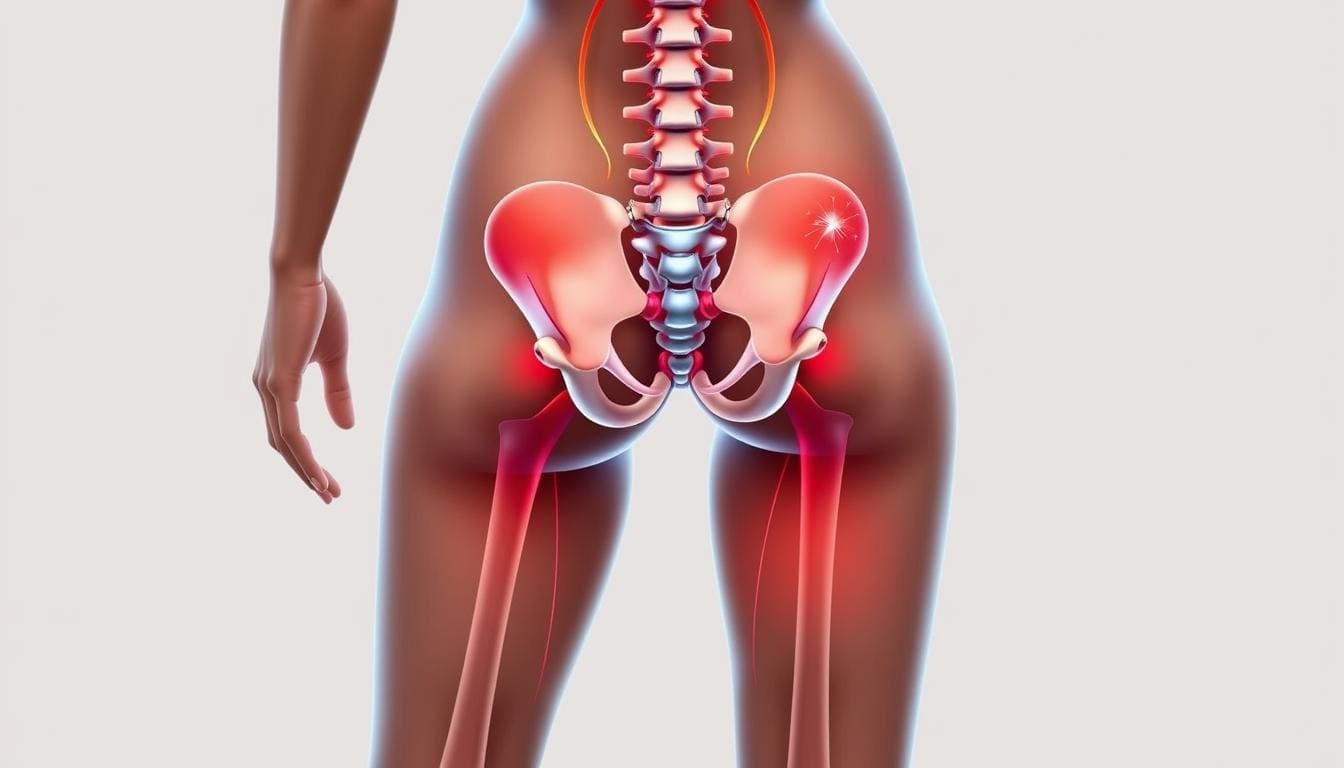
Spinal Red Flags: When to See a Neurosurgeon for Back Pain
Back pain can be a sign of spinal issues. But some signs mean you need to see a neurosurgeon right away. Back pain is common, but not all of it is the same.
Some cases can be treated without surgery. But others need surgery to avoid serious problems.
Differentiating Surgical from Non-Surgical Back Pain
It’s important to know when back pain needs surgery. Red flags include getting weaker, sharp pains, and injuries to the spine. Also, conditions like herniated discs and tumors are serious.
Radicular Pain Patterns and Nerve Compression
Radicular pain means pain that follows a nerve path. It’s often from herniated discs or spinal stenosis. Nerve compression can cause numbness, tingling, and weakness.
If these symptoms don’t get better, surgery might be needed.
Cauda Equina Syndrome and Other Spinal Emergencies
Cauda equina syndrome is a serious issue. It happens when nerves in the lower spine get compressed. Symptoms include severe pain, weakness, and bowel and bladder problems.
This is a surgical emergency and needs quick action.
Bowel and Bladder Dysfunction
Bowel and bladder issues can mean cauda equina syndrome or other serious problems. Symptoms include trouble with urination or bowel movements. If you have these symptoms, get medical help fast.
In short, while back pain is common, some signs mean you need a neurosurgeon. Knowing these signs and getting help quickly can make a big difference for serious spinal issues.
Seizures and Epilepsy: Indicators for Neurosurgical Intervention
Seizures and epilepsy can signal serious neurological issues. Some may need surgery. Problems with nerves, brain tumors, or infections can cause these symptoms.
New-Onset Seizures in Adults
New seizures in adults are a big worry. They can be due to many things like head injuries or brain problems. A detailed check-up is key to find the cause and fix it.
Refractory Epilepsy
Refractory epilepsy doesn’t get better with medicine. Surgery might be an option to help. It can make seizures less frequent and less severe.
Post-Traumatic Seizures
Seizures after a head injury show how serious the injury was. They can happen right away or later. They affect recovery and long-term health a lot.
| Condition | Causes | Treatment Options |
| New-Onset Seizures | Head trauma, infections, structural abnormalities | Medication, neurosurgical intervention |
| Refractory Epilepsy | Resistance to antiepileptic medication | Neurosurgical intervention, alternative therapies |
| Post-Traumatic Seizures | Head injury | Medication, rehabilitation |
Brain Tumor Warning Signs and Symptoms
It’s important to know the signs of brain tumors early. This can help get the right treatment quickly. Brain tumors can affect how well you live, based on their size, growth, and where they are in the brain.
Location-Specific Symptoms
The symptoms of a brain tumor depend on where it is in the brain. For example, tumors in the frontal lobe might change your personality or make it hard to make decisions. They can also cause motor dysfunction.
Tumors in the temporal lobe might mess with your hearing or memory.
- Tumors near motor control areas can cause weakness or paralysis.
- Visual pathway tumors can lead to vision loss or double vision.
- Tumors affecting the brainstem can cause breathing, swallowing, or heart rate problems.
General Symptoms of Increased Intracranial Pressure
As a tumor grows, it can put more pressure on the brain. This can cause a variety of symptoms. These might include:
- Headaches that are worse in the morning and get better as the day goes on.
- Nausea and vomiting, often with headaches.
- Vision changes, like blurred vision or double vision.
High pressure in the brain can also lead to serious problems. These can include seizures or altered mental status in severe cases.
Progression Patterns That Indicate Tumors
The way symptoms get worse can tell us if there’s a tumor. If symptoms start quickly or get much worse fast, you need to see a doctor right away.
Some important patterns include:
- Gradual onset of symptoms over weeks or months.
- Sudden worsening of symptoms.
- New symptoms appearing as the tumor grows or changes.
Knowing these signs is key to finding and treating brain tumors early.
Stroke and Cerebrovascular Red Flags
It’s important to know the signs of stroke and cerebrovascular issues. A stroke can block blood to the brain, causing sudden confusion and trouble speaking. Other severe symptoms can also occur.
Transient Ischemic Attacks (TIAs)
TIAs, or “mini-strokes,” are brief blockages of brain blood flow. They have similar symptoms to strokes but last under 24 hours. It’s key to spot TIA symptoms because they can warn of a future stroke. Symptoms include sudden weakness, trouble speaking, and vision changes.
Hemorrhagic Stroke Warning Signs
Hemorrhagic strokes happen when a brain blood vessel bursts. This causes bleeding in or around the brain. Warning signs include a severe headache, nausea, altered consciousness, and seizures. Seeking immediate medical help is vital as these strokes can be deadly.
Aneurysm and Arteriovenous Malformation Symptoms
Aneurysms and AVMs are brain blood vessel problems. They can cause headaches, seizures, and weakness. Sometimes, they don’t show symptoms until they rupture, leading to a hemorrhagic stroke. Early treatment can greatly improve outcomes.
Knowing these warning signs can save lives. If you or someone you know shows symptoms of a stroke or cerebrovascular issue, get medical help right away.
Pediatric Neurosurgical Red Flags
Red flags for neurosurgical conditions in children are important signs that need quick medical check-ups. Pediatric neurosurgery deals with many conditions affecting the brain, spine, and nervous system in kids.
Abnormal Head Growth in Infants
Abnormal head growth in infants can signal serious neurological issues. If a baby’s head grows too fast or too slow, they might need to see a neurosurgeon. Macrocephaly or microcephaly could mean hydrocephalus or other problems that might need surgery.
Developmental Delays with Neurological Symptoms
When kids with developmental delays also have neurological symptoms like seizures or muscle weakness, they should see a neurosurgeon. Catching these signs early is key for quick help.
Congenital Conditions Requiring Surgical Intervention
Certain birth defects, like spina bifida or craniosynostosis, often need neurosurgery. These issues can greatly affect a child’s life, but surgery can help a lot.
| Condition | Symptoms | Potential Intervention |
| Macrocephaly | Rapid head growth | Neurosurgical evaluation for hydrocephalus |
| Developmental Delays | Neurological symptoms like seizures or weakness | Neurosurgical assessment |
| Craniosynostosis | Premature fusion of skull bones | Surgical correction |
Spotting these red flags early can really change how we manage and treat pediatric neurosurgical issues. Parents and caregivers should watch for these signs and get medical help if they worry about their child’s brain health.
Why You Might Be Referred to a Neurosurgeon After an MRI
Getting a referral to a neurosurgeon after an MRI can be scary. But knowing why it happens can make you feel better. An MRI shows detailed images of the brain and spinal cord. It helps doctors find and understand many neurological problems.
If an MRI shows something unusual, you might need to see a neurosurgeon. They can check further and decide if you need treatment.
Common MRI Findings That Necessitate Neurosurgical Consultation
Some MRI results mean you need to see a neurosurgeon. These include:
- Tumors or cysts in the brain or spine
- Vascular malformations, such as aneurysms or arteriovenous malformations
- Structural abnormalities, like herniated discs or spinal stenosis
- Other conditions that may require surgical intervention
Understanding the Urgency of Your Referral
The urgency of seeing a neurosurgeon depends on your condition. Some problems, like certain hemorrhages or spinal cord compression, need quick action. Others might not be as urgent.
Questions to Ask When Referred to Neurosurgery
When you’re referred to a neurosurgeon, it’s key to ask the right questions. This helps you understand your situation and the treatment plan. Consider asking:
- What is my diagnosis, and what are the implications?
- What are the treatment options available, including surgical and non-surgical approaches?
- What are the risks and benefits associated with the recommended treatment?
Being informed and asking the right questions can greatly affect your care and results.
Conclusion: When to Seek Neurosurgical Care
Knowing when to seek neurosurgical care is key for quick and effective treatment. We’ve talked about many neurological conditions and symptoms that need neurosurgery. These include severe headaches, vision changes, and problems with movement and feeling.
It’s important to act fast if you have sudden or severe symptoms. If you notice any of the warning signs we’ve discussed, see a neurosurgeon right away. Getting help quickly can greatly improve your life and might even save it.
By watching for warning signs and getting medical help when needed, you can protect your brain health. If you’re not sure about your symptoms or have been sent to a neurosurgeon after an MRI, it’s important to follow up. Talk to a specialist to figure out the best way to handle your condition.
FAQ
What is a neurosurgeon?
A neurosurgeon is a doctor who specializes in brain, spine, and nervous system surgeries.
What does a neurosurgeon do?
They diagnose and treat brain, spine, and nervous system conditions. They often perform surgery to fix problems.
What is the difference between a neurosurgeon and a neurologist?
Neurosurgeons can do surgery. Neurologists can’t. Neurologists treat brain and nervous system issues without surgery.
When should I see a neurosurgeon for back pain?
See a neurosurgeon for back pain if it’s severe or lasts a long time. Also, if you have numbness, tingling, or weakness in your legs. Or if you have trouble controlling your bladder or bowels.
What are the warning signs of a brain tumor?
Warning signs include headaches, seizures, vision changes, weakness, numbness, or trouble with speech and language.
What is a transient ischemic attack (TIA)?
A TIA, or “mini-stroke,” is a short blockage of brain blood flow. It causes symptoms like a stroke, warning of future strokes.
Why might I be referred to a neurosurgeon after an MRI?
You might be referred if an MRI shows a condition needing surgery. This includes herniated disks, spinal stenosis, or brain tumors.
What are the symptoms of cauda equina syndrome?
It’s a serious condition causing severe lower back pain, numbness or tingling in the legs, and bowel or bladder problems. It needs immediate medical attention.
Can a neurologist perform surgery?
No, neurologists can’t do surgery. If surgery is needed, a neurosurgeon will be involved.
What are the red flags for neurosurgery in children?
Red flags include abnormal head growth, developmental delays, seizures, or signs of increased intracranial pressure. These include vomiting or irritability.
How do I know if my headache is a sign of a serious problem?
If your headache is severe, sudden, or with other symptoms like confusion, weakness, or vision changes, get medical help right away.
What is refractory epilepsy?
Refractory epilepsy is when seizures don’t respond to medication. It might need neurosurgical evaluation for other treatments.
What are the symptoms of a hemorrhagic stroke?
Symptoms include sudden severe headache, confusion, weakness, or loss of consciousness. It needs immediate medical attention.
References
van Tol F.R., Kamm I.M.L.P., Versteeg A.L., Suijkerbuijk K.P.M., Verkooijen H.M., Öner C., & Verlaan J.-J. “The use of red flags during the referral chain of patients surgically treated for symptomatic spinal metastases.” Neuro‐Oncology Practice. 2023;10(3):301–306. PMCID: PMC10180360. Available at: https://pmc.ncbi.nlm.nih.gov/articles/PMC10180360/