Last Updated on November 27, 2025 by Bilal Hasdemir
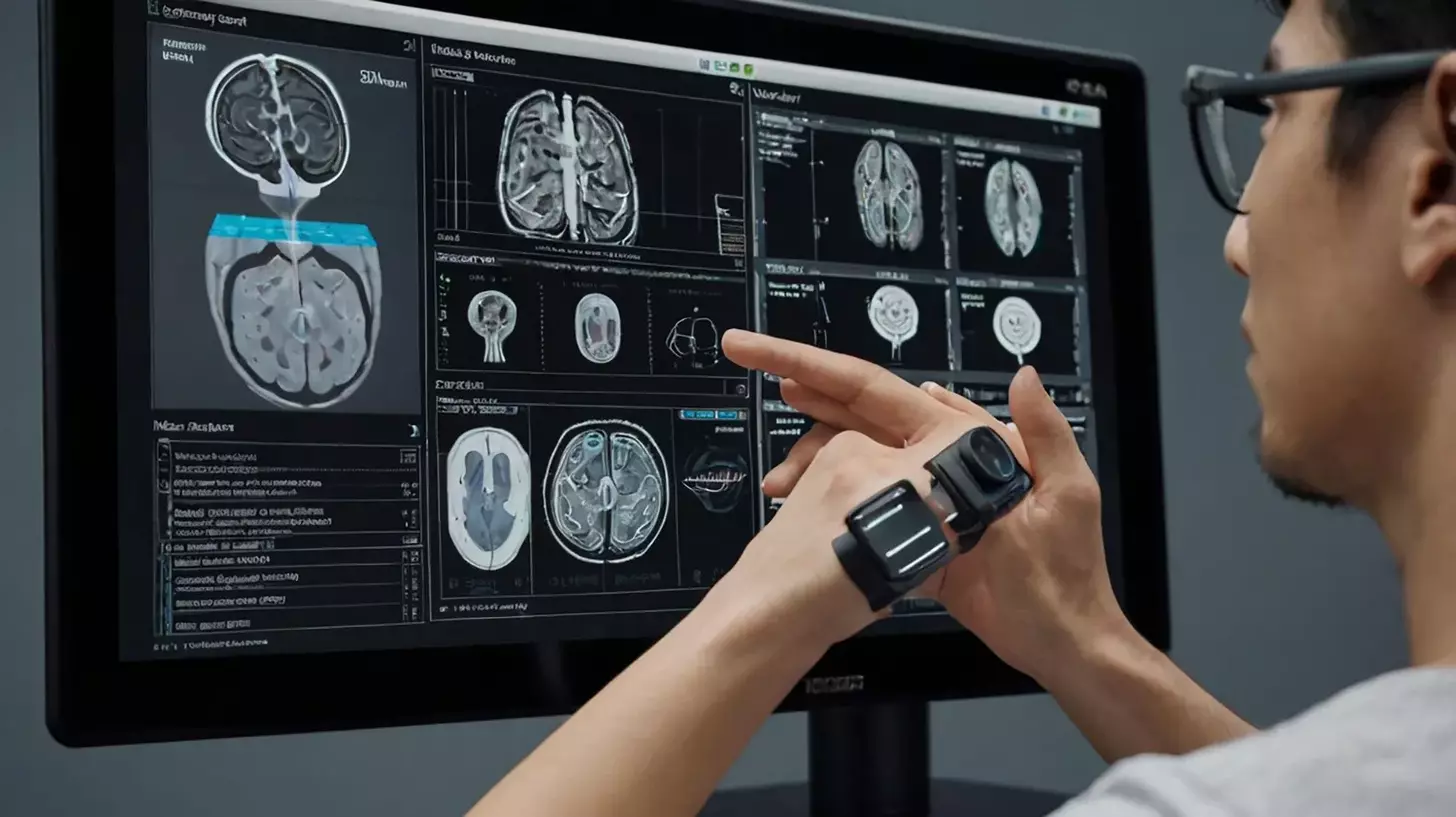
We are seeing a big change in how we manage brain tumors. Now, we focus more on treatments that are made just for you. Studies show that some brain tumors can be completely cured. This is true, thanks to finding them early and new treatments like immunotherapy and targeted therapies.
At Liv Hospital, we’re all about top-notch healthcare for everyone. We support patients from all over the world. Our team is always looking for the newest ways to treat brain cancer.
Key Takeaways
- Personalized and targeted therapies are becoming increasingly important in brain tumor treatment.
- Early detection significantly improves treatment outcomes.
- Immunotherapy and targeted therapies offer new hope for patients.
- Liv Hospital is at the forefront of innovative brain cancer treatment options.
- Comprehensive support is available for international patients.
The Current Landscape of Brain Tumor Management
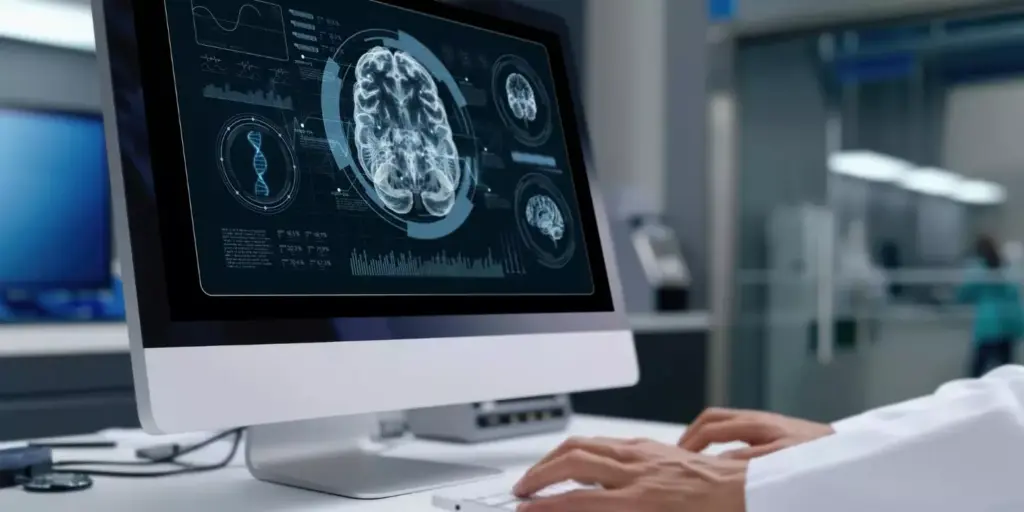
Recent medical research has changed how we treat brain tumors. It has opened up new ways to manage and even cure them. Understanding brain tumors better means we need to use many approaches to help patients.
Understanding Brain Tumor Types and Classifications
Brain tumors are divided into primary and secondary types. Primary tumors start in the brain, while secondary ones spread from other parts. Knowing the type and classification of a brain tumor is key for the right treatment.
The WHO system is used to classify brain tumors. It looks at their appearance and molecular makeup. This helps doctors create personalized treatment plans for each patient.
When Brain Tumors Can Be Cured: Success Factors
Several factors affect if a brain tumor can be cured. These include the tumor’s type, size, location, and the patient’s health. Early detection and diagnosis are very important for better treatment results.
Research shows that some brain tumors can be cured, thanks to early detection and new treatments. These treatments target tumor cells well, reducing harm to healthy tissue. This makes curing brain tumors more hopeful.
Successful treatment depends on the tumor’s genetics, molecular markers, and how well the patient responds to treatment. By understanding these, doctors can make treatment plans that increase the chance of a cure.
Advanced Surgical Interventions for Brain Tumors
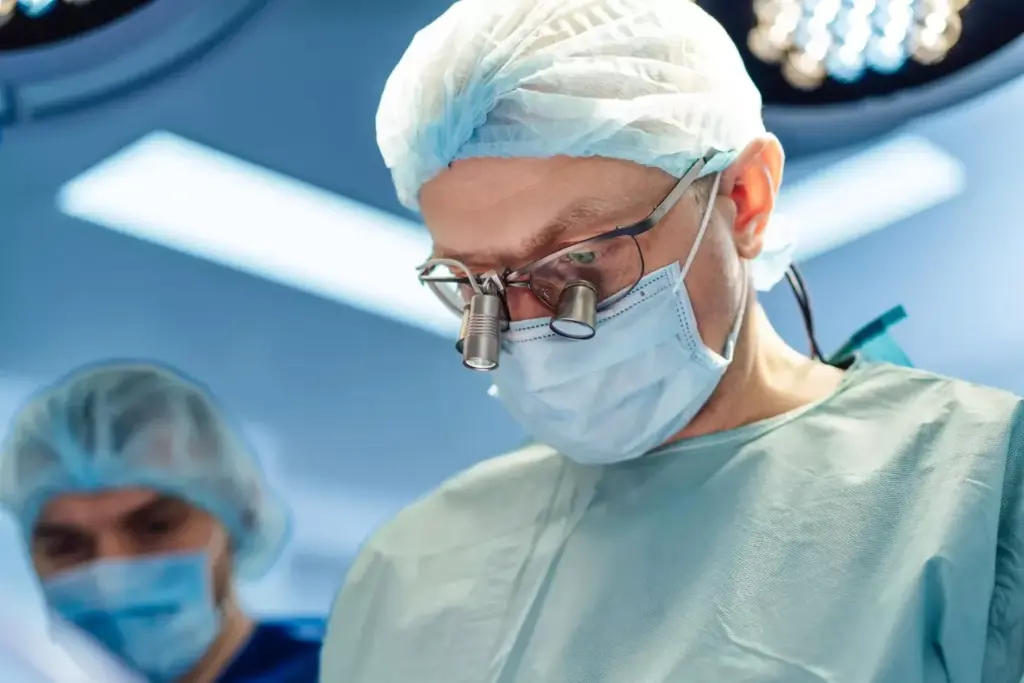
Advanced surgical methods are changing how we treat brain tumors. They help patients recover faster and improve their chances of beating the disease. These new ways of surgery let doctors work on tumors better, without harming the brain too much.
Awake Craniotomy and Functional Mapping
Awake craniotomy is a cutting-edge surgery. It lets surgeons see how the brain works while they operate. This helps them avoid damaging important brain parts.
Key benefits of awake craniotomy include:
- Enhanced precision in tumor removal
- Reduced risk of postoperative neurological deficits
- Improved patient outcomes due to preservation of critical brain areas
Functional mapping goes hand in hand with awake craniotomy. It involves stimulating brain areas to see their function. This way, surgeons can make a detailed map of the brain’s working parts.
| Technique | Description | Benefits |
|---|---|---|
| Awake Craniotomy | Surgical procedure performed while the patient is awake | Preserves critical brain areas, reduces neurological damage |
| Functional Mapping | Mapping brain function through stimulation | Enhances precision, reduces postoperative deficits |
Laser Interstitial Thermal Therapy (LITT)
Laser Interstitial Thermal Therapy (LITT) is a new, less invasive method. It uses laser energy to kill tumors. It’s great for tumors that are deep or hard to reach.
LITT offers several advantages, including:
- Minimally invasive, reducing recovery time
- Precise targeting of tumor tissue
- Ability to treat tumors in challenging locations
Neurosurgeons use awake craniotomy and LITT together to treat brain tumors better. These methods are big steps forward in neurosurgery. They help patients live better lives by treating tumors more effectively.
Precision Radiation Therapy Breakthroughs
Precision radiation therapy has changed how we treat brain tumors, giving hope to patients everywhere. We’re making big strides in radiation oncology, leading to better results for patients. This is thanks to more precise and effective treatments.
Stereotactic Radiosurgery Advancements
Stereotactic radiosurgery (SRS) is key in fighting brain tumors. It’s a non-invasive method that targets tumors with high doses of radiation. This way, it protects the healthy tissue around it.
“SRS has become an indispensable tool in our arsenal against brain cancer,” says a leading radiation oncologist.
SRS is incredibly accurate, making it perfect for hard-to-reach tumors or those near important brain areas.
Improvements in SRS come from better imaging and radiation systems. Today’s SRS can target tumors with millimeter precision. This has led to better outcomes, with many patients seeing long-term tumor control and fewer side effects.
Proton and Heavy Ion Therapy
Proton and heavy ion therapy are big steps forward in precision radiation. They use charged particles to kill cancer cells, unlike traditional radiation. These particles deposit energy precisely in tumors, protecting more healthy tissue.
Proton therapy is known for treating complex tumors or those near important areas. Heavy ion therapy might offer even better results for some tumors.
“The precision and efficacy of proton and heavy ion therapy are changing the landscape of brain tumor treatment, providing new options for patients who may not have been good candidates for other forms of radiation therapy,”
notes
Looking ahead, precision radiation therapy will remain essential for brain tumor treatment. Research and new technologies will keep improving these treatments. This means more hope for patients all over the world.
Novel Chemotherapy and Drug Delivery Systems
New ways to treat brain tumors with chemotherapy are changing the game. These advancements make treatments work better and cause fewer side effects.
Convection-Enhanced Delivery Methods
Convection-enhanced delivery (CED) is a method that gets chemotherapy straight to brain tumors. It goes around the blood-brain barrier. This way, the drug hits the tumor hard but doesn’t spread all over the body.
The good things about CED are:
- It gets the drug right to the tumor
- It cuts down on bad effects all over the body
- It can reach tumors that are hard to get to
Biodegradable Wafer Implants
Biodegradable wafer implants are a new way to send chemotherapy to tumors. These wafers are put in during surgery. They slowly release the drug, giving a steady, focused treatment.
The benefits of these implants are:
- They slowly release the drug, so you don’t need to do it as often
- They treat just the tumor, not the healthy tissue around it
- They might lead to better results because the drug is delivered steadily
Immunotherapy: Harnessing the Body’s Defenses Against Brain Cancer
Immunotherapy is changing how we treat brain cancer. It uses the body’s immune system to fight cancer cells. This method has shown great promise in helping patients.
Checkpoint Inhibitors for Brain Tumors
Checkpoint inhibitors are a type of immunotherapy. They help the immune system find and attack cancer cells better. These drugs remove the brakes on the immune system, letting it fight tumors harder.
Researchers are studying checkpoint inhibitors for brain cancer. They are looking at how well they work and if they are safe. Some benefits include:
- Targeted treatment with fewer side effects
- Potential for long-term remission
- Combination therapy possibilities
Oncolytic Virus Therapy
Oncolytic virus therapy is another new way to fight brain cancer. These viruses are made to only attack cancer cells, killing them while keeping healthy cells safe.
Studies show that oncolytic viruses can also boost the immune system’s fight against the tumor. This could lead to long-term recovery.
As we keep exploring immunotherapy for brain cancer, we see encouraging results. Checkpoint inhibitors and oncolytic virus therapy offer new hope. They highlight the need for more research in this area.
Personalized Cancer Vaccines: A New Era in Brain Tumor Treatment
Brain tumor treatment is on the verge of a new era with personalized cancer vaccines. These vaccines aim to boost the body’s fight against cancer cells. They offer hope for those with brain tumors. The field is advancing, with a focus on dendritic cell vaccines and mRNA technology.
Dendritic Cell Vaccines
Dendritic cell vaccines use the body’s own cells to fight cancer. Dendritic cells start and control the immune response. By loading these cells with cancer proteins, they can better target cancer cells.
This method involves taking dendritic cells from the blood, loading them with cancer proteins, and then putting them back in the body. Clinical trials show promise, with some patients seeing their tumors shrink.
mRNA Vaccine Technology
mRNA vaccine technology is another breakthrough in cancer vaccines. It uses mRNA to tell cells to make specific proteins. For cancer, it makes proteins that the immune system can attack.
This technology is flexible and can be made quickly. It allows for vaccines that match each patient’s cancer.
| Vaccine Type | Mechanism of Action | Advantages |
|---|---|---|
| Dendritic Cell Vaccines | Stimulate immune response by loading dendritic cells with tumor antigens | Personalized treatment, significant tumor reduction possible |
| mRNA Vaccines | Use mRNA to instruct cells to produce tumor antigens | Rapid production, flexibility, tailored to individual tumors |
The creation of personalized cancer vaccines is a big step in treating brain tumors. These vaccines use the immune system and are made for each patient. As research grows, these vaccines will play a bigger role in treating brain tumors.
CAR T-Cell Therapy and Cellular Engineering
CAR T-cell therapy is a new way to fight cancer, including brain tumors. It changes a patient’s T-cells to find and kill cancer cells. This could be a big step forward in treating cancer.
Advancements in Brain-Penetrating CAR T-Cell Designs
Brain tumors are hard to treat because of the blood-brain barrier. Scientists are making CAR T-cells that can get past this barrier. These cells are showing promise in early tests, attacking and killing brain tumor cells.
Creating these CAR T-cells is a complex task. Researchers are working to make them better at finding and killing cancer cells. They want to make sure these cells don’t harm healthy brain tissue.
Local Delivery Methods for Enhanced Efficacy
Researchers are also looking into ways to deliver CAR T-cells directly to tumors. This could make the treatment more effective and reduce side effects.
They are testing methods like convection-enhanced delivery and direct injection into tumors. These methods are being studied in clinical trials to see if they are safe and work well for brain tumor patients.
| Therapy Approach | Key Features | Potential Benefits |
|---|---|---|
| CAR T-Cell Therapy | Genetically modified T-cells targeting cancer cells | Specific targeting of tumor cells, potentially long-lasting effects |
| Brain-Penetrating CAR T-Cells | Engineered to cross the blood-brain barrier | More effective against brain tumors |
| Local Delivery Methods | Direct delivery to the tumor site | More effective, fewer side effects |
As research in CAR T-cell therapy and cellular engineering grows, we can expect better treatments for brain tumors. These new methods could greatly improve patient outcomes. They offer hope for those fighting this tough disease.
Molecular Targeting and Gene Therapy Approaches
We’re looking into new ways to treat brain tumors. Molecular targeting and gene therapy are showing promise. They focus on the genetic and molecular roots of brain tumors, aiming for more precise and effective treatments.
Gene therapy works by changing a patient’s genes to fight or prevent disease. For brain tumors, it targets tumor cells without harming healthy brain tissue. Molecular targeting also focuses on specific genetic changes in tumors, using drugs to target those changes.
CRISPR-Based Interventions
CRISPR-Cas9 technology is a big deal in gene therapy. It lets us edit genes in living cells with great precision. For brain tumors, CRISPR could be used in several ways:
- Disrupting genes that help tumors grow and survive
- Fixing genetic mutations that lead to tumors
- Making tumors more visible to the immune system
Scientists are studying how CRISPR-Cas9 can target brain tumor genes. For example, CRISPR-Cas9 can knock out genes that are too active in some cancers. This could slow or stop tumor growth.
Small-Molecule Inhibitors for Specific Mutations
Small-molecule inhibitors are another area of research. These drugs aim at specific proteins or mutations in brain tumors. By blocking these targets, they can slow or stop tumor growth.
Some brain tumors have mutations that can be targeted by these inhibitors. For instance, BRAF V600E mutations in gliomas can be treated with specific drugs. IDH1/2 mutations in gliomas are also being targeted by new therapies.
Creating these targeted treatments requires understanding each tumor’s molecular makeup. This is done through advanced tests like next-generation sequencing and genomic analysis.
As research in molecular targeting and gene therapy grows, we’ll see more tailored treatments for brain tumors. These new methods could lead to better outcomes and quality of life for patients with these tough diagnoses.
Conclusion: The Future of Brain Cancer Treatment and Cure
As we wrap up our look at the latest in brain tumor care, the outlook is bright. New research and therapies like immunotherapy and gene therapy bring hope to those with brain tumors.
Studies show that some brain tumors can be cured, thanks to early detection and new treatments. We’ve seen big steps forward, from better surgeries to precise radiation and new chemo methods.
Personalized vaccines, CAR T-cell therapy, and targeted treatments are also making a difference. As we go on, more research and investment are key to finding a cure for brain cancer.
We’re all in this together, committed to top-notch care for patients from around the world. The future of treating brain cancer looks promising, and we’re ready to use the latest discoveries to help patients.
FAQ
What are the latest advancements in brain tumor treatment?
New breakthroughs in treating brain tumors are exciting. We see more personalized and targeted treatments. Also, advanced surgeries, precise radiation, and new chemotherapy options are available. Immunotherapy and gene therapy are also being explored.
Can brain tumors be cured?
Whether brain tumors can be cured varies. It depends on the tumor type, stage, and treatment success. Early detection and new treatments have improved outcomes, giving patients hope.
What is the role of surgical interventions in brain tumor management?
Surgery is key in managing brain tumors. New techniques like awake craniotomy and LITT help surgeons. They can now treat tumors more effectively while protecting the brain.
How does radiation therapy contribute to brain tumor treatment?
Radiation therapy is vital in treating brain tumors. New methods like stereotactic radiosurgery and proton therapy are more precise. They help reduce damage to healthy brain tissue.
What are the benefits of immunotherapy in treating brain cancer?
Immunotherapy is a promising treatment for brain cancer. It uses the body’s defenses against cancer. Checkpoint inhibitors and oncolytic virus therapy offer new hope for patients.
How do personalized cancer vaccines work in treating brain tumors?
Personalized cancer vaccines are a new hope for brain tumor patients. They include dendritic cell vaccines and mRNA vaccine technology. These vaccines help tailor treatments to each patient.
What is CAR T-cell therapy, and how is it used in brain tumor treatment?
CAR T-cell therapy is a promising treatment for brain tumors. It uses brain-penetrating CAR T-cells and local delivery methods. This approach offers new hope for effective treatments.
What are the latest advancements in gene therapy for brain tumors?
Gene therapy is advancing in treating brain tumors. Molecular targeting and CRISPR-based interventions are being explored. These methods aim for more targeted and effective treatments.
How can patients access these advanced brain tumor treatments?
Patients can get these treatments by talking to their healthcare provider. They can also seek care at specialized centers that offer these innovative therapies.
What is the future of brain cancer treatment and cure?
The future of brain cancer treatment looks bright. Ongoing research and new therapies like immunotherapy and gene therapy offer hope. These advancements could lead to better treatments and possibly cures.
FAQ
What are the latest advancements in brain tumor treatment?
New breakthroughs in treating brain tumors are exciting. We see more personalized and targeted treatments. Also, advanced surgeries, precise radiation, and new chemotherapy options are available. Immunotherapy and gene therapy are also being explored.
Can brain tumors be cured?
Whether brain tumors can be cured varies. It depends on the tumor type, stage, and treatment success. Early detection and new treatments have improved outcomes, giving patients hope.
What is the role of surgical interventions in brain tumor management?
Surgery is key in managing brain tumors. New techniques like awake craniotomy and LITT help surgeons. They can now treat tumors more effectively while protecting the brain.
How does radiation therapy contribute to brain tumor treatment?
Radiation therapy is vital in treating brain tumors. New methods like stereotactic radiosurgery and proton therapy are more precise. They help reduce damage to healthy brain tissue.
What are the benefits of immunotherapy in treating brain cancer?
Immunotherapy is a promising treatment for brain cancer. It uses the body’s defenses against cancer. Checkpoint inhibitors and oncolytic virus therapy offer new hope for patients.
How do personalized cancer vaccines work in treating brain tumors?
Personalized cancer vaccines are a new hope for brain tumor patients. They include dendritic cell vaccines and mRNA vaccine technology. These vaccines help tailor treatments to each patient.
What is CAR T-cell therapy, and how is it used in brain tumor treatment?
CAR T-cell therapy is a promising treatment for brain tumors. It uses brain-penetrating CAR T-cells and local delivery methods. This approach offers new hope for effective treatments.
What are the latest advancements in gene therapy for brain tumors?
Gene therapy is advancing in treating brain tumors. Molecular targeting and CRISPR-based interventions are being explored. These methods aim for more targeted and effective treatments.
How can patients access these advanced brain tumor treatments?
Patients can get these treatments by talking to their healthcare provider. They can also seek care at specialized centers that offer these innovative therapies.
What is the future of brain cancer treatment and cure?
The future of brain cancer treatment looks bright. Ongoing research and new therapies like immunotherapy and gene therapy offer hope. These advancements could lead to better treatments and possibly cures.