Last Updated on December 2, 2025 by Bilal Hasdemir

Medical technology and care have changed a lot. Now, people with brain tumor surgery have a better chance. What was once seen as a life sentence is now manageable for many.
The journey doesn’t stop after surgery. It’s just the start of a new chapter. With the right care and support, patients can see a big improvement in their life quality.
We aim to help you through every step, from before surgery to after. We want to make sure you get the best care possible.
Key Takeaways
- Advancements in neurosurgery have improved outcomes for patients.
- Comprehensive care is key for recovery and quality of life.
- Support systems are very important in the patient’s journey.
- Recovery takes time and patience.
- Patients can expect a big improvement in their quality of life.
Understanding Brain Tumors and Their Impact

Brain tumors, whether they are benign or malignant, pose big challenges. They can greatly affect a person’s life, depending on their size, location, and type.
Types of Brain Tumors
Brain tumors are divided into two main types: primary and metastatic. Primary tumors start in the brain. Metastatic tumors spread to the brain from other parts of the body. These can be either benign or malignant.
Primary Brain Tumors: This includes gliomas, meningiomas, and acoustic neuromas. Gliomas come from the brain’s glial cells. They are further split into astrocytomas, oligodendrogliomas, and ependymomas. Meningiomas are usually benign and grow in the meninges, the brain’s covering layers.
Metastatic Brain Tumors: These are cancers that have moved to the brain from other places. They often come from the lung, breast, or skin (melanoma).
How Brain Tumors Affect Daily Life
The impact of a brain tumor on daily life varies. It depends on the tumor’s location, size, and how fast it grows. Symptoms can include headaches, seizures, and changes in thinking or personality.
Daily life with a brain tumor can be tough. Patients might face:
- Cognitive issues, like memory loss or trouble focusing
- Physical problems, such as weakness, paralysis, or vision issues
- Emotional changes, like depression or anxiety
It’s key to understand how a brain tumor affects someone’s life. This helps healthcare providers give better care and support. They can make treatment plans that help with the tumor and improve the patient’s life quality.
When Brain Tumor Surgery Becomes Necessary

Surgery is often the best choice for brain tumors that are big, cause symptoms, or grow fast. Doctors carefully look at the tumor and the patient’s health before deciding on surgery.
Signs That Surgery May Be Required
Certain signs and symptoms may mean surgery is needed. These include:
- Severe Symptoms: Symptoms like constant headaches, seizures, or problems with movement, feeling, or speaking that really affect daily life.
- Tumor Size and Growth: Big tumors or ones that grow fast might need surgery to stop more damage.
- Diagnostic Findings: Imaging like MRI or CT scans that show tumors causing a lot of pressure or fluid buildup in the brain.
When these signs are seen, surgery is often chosen to help symptoms, reduce tumor size, and improve life quality.
Alternatives to Surgical Intervention
While surgery is common for brain tumors, other treatments exist. These depend on the tumor’s type, size, and where it is. Alternatives include:
- Radiation Therapy: This uses high-energy beams to kill tumor cells. It’s used for tumors hard to remove surgically or after surgery.
- Chemotherapy: Chemotherapy uses drugs to kill tumor cells. It’s sometimes used with surgery or radiation therapy.
- Observation: For small, symptom-free tumors, watching them closely with imaging studies might be the approach.
These options are chosen based on the tumor and the patient’s health.
Modern Brain Tumor Surgery Techniques and Procedures
Neurosurgery has made big strides in treating brain tumors, giving hope to people all over the world. New surgical methods have made treatments better and recovery times shorter.
Traditional Craniotomy Procedures
A traditional craniotomy means opening part of the skull to reach the brain. It’s been a key part of brain tumor surgery for years. It lets surgeons get to tumors and remove as much as they can without harming the brain.
But, traditional craniotomy comes with risks like infection and bleeding. Luckily, better surgery techniques and care after surgery have made these risks smaller.
Minimally Invasive Options
Minimally invasive brain surgery is a big step towards less harm from traditional surgery. Endoscopic surgery uses small cuts and special tools to take out tumors. It causes less damage, less pain, and faster healing.
Not every brain tumor can be treated this way. The choice depends on the tumor’s size, location, and type, and the patient’s health.
Technological Advancements in Neurosurgery
Technology has changed neurosurgery a lot. Advanced imaging like MRI and CT scans give detailed views of tumors and brain areas. This helps plan the surgery.
Also, tools like intraoperative MRI and navigation systems help surgeons find and remove tumors accurately. This makes surgery safer and more effective.
We’re seeing big improvements in neurosurgery for brain tumors. As technology keeps getting better, we’ll have even more advanced treatments.
Preparing for Brain Tumor Surgery
To get the best results from brain tumor surgery, patients need to prepare in many ways. This includes medical, emotional, and practical steps. We help guide patients through this detailed preparation.
Medical Evaluations and Tests
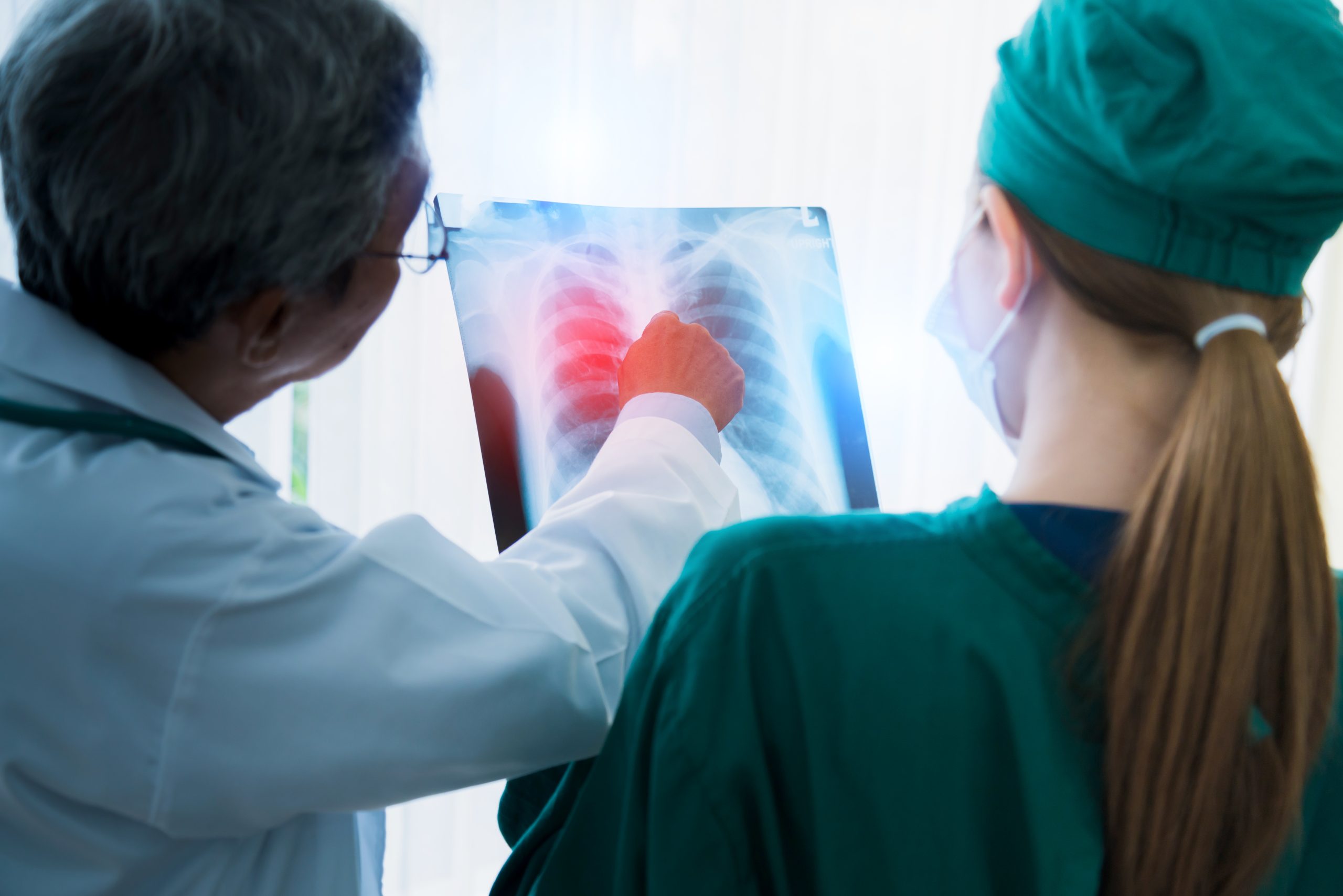
Before surgery, several medical tests are done. These tests check the patient’s health and the tumor’s details.
- MRI and CT scans: These tests show the tumor’s size, where it is, and what it looks like.
- Blood tests: Blood work checks for infections, blood clotting, and overall health.
- Cardiac evaluation: Some patients need a heart check to make sure it’s ready for surgery.
Mental and Emotional Preparation
Emotional preparation for surgery is as important as medical prep. We suggest patients:
- Seek support: Talk to family, friends, or support groups for emotional help.
- Manage stress: Try stress-reducing activities like meditation, yoga, or deep breathing.
- Stay informed: Knowing what to expect can help reduce fears and worries.
Practical Arrangements for Recovery
It’s important to make practical plans for recovery. Patients should think about:
Arrangement | Description |
Post-surgery care | Have someone stay with you for a few days after surgery. |
Transportation | Plan how you’ll get to and from the hospital. |
Work and responsibilities | Take time off work and arrange for others to handle your duties. |
By focusing on these areas, patients can prepare well for brain tumor surgery. This helps ensure a successful surgery and a smooth recovery.
What to Expect During Brain Tumor Surgery
Brain tumor surgery is a big step in treating a brain tumor. Knowing what to expect can help ease your worries. We’ll guide you through the surgical journey to help you understand better.
Anesthesia and Surgical Setup
Brain tumor surgery is usually done under general anesthesia. This keeps you comfortable and pain-free. Sometimes, an awake craniotomy is used. This means you’re awake and can talk to the neurosurgeon during parts of the surgery.
This method helps remove the tumor more precisely. It also reduces the risk of harming nearby brain tissue.
A team of neurosurgeons, anesthesiologists, and nurses work together in the operating room. They use advanced technology like high-resolution imaging and monitoring. This helps them guide the surgery.
Duration and Procedure Details
The length of brain tumor surgery varies. It depends on the tumor’s size, location, and how complex it is. It can last from 4 to 12 hours or more. Your neurosurgical team will give you specific details about your case.
During surgery, the neurosurgeon carefully removes the tumor. They aim to keep the surrounding brain tissue safe. Advanced techniques and technology, like intraoperative MRI, are used to achieve the best results.
Key aspects of the surgery include:
- Precise localization of the tumor using imaging technology
- Careful removal of the tumor to minimize damage to surrounding brain tissue
- Continuous monitoring of your vital signs and neurological function
Immediate Post-Operative Recovery
After brain tumor surgery, the first recovery phase is key. It’s about watching for any issues and taking care of the patient well. This time is all about close watching and support for the best results.
The First 24-48 Hours
The first 24-48 hours are very important. Patients are watched closely in the ICU or a special neurosurgery unit. They look for any signs of problems or changes in the brain.
Vital signs like blood pressure and heart rate are checked often. This helps doctors keep an eye on how the patient is doing.
Hospital Stay Duration
How long a patient stays in the hospital varies. It depends on their health, the surgery’s complexity, and if there are any issues after surgery. Usually, patients stay for 3 to 7 days.
Things that can affect how long a patient stays include the tumor type, their health before surgery, and how fast they recover.
Factor | Influence on Hospital Stay |
Type of Tumor | Malignant tumors may need longer stays because of more complex surgery or extra treatments. |
Patient’s Overall Health | Patients with health problems before surgery might need more time to get better. |
Post-Operative Complications | Issues like infections or brain problems can make a patient stay longer. |
Managing Pain and Discomfort
Managing pain is very important after surgery. Patients get pain relief medications to help with discomfort. The kind and amount of medicine they get is based on their needs and changed as needed.
Other ways to help with pain include how they are positioned, relaxation methods, and gentle movement. These help make them more comfortable.
Short-Term Recovery Timeline After Brain Tumor Surgery
Knowing what to expect after brain tumor surgery is key. It helps manage hopes and ensures a smooth healing. The first part of recovery is very important. Knowing the milestones and challenges can help patients and their families get through this time better.
First Week After Surgery
The first week is filled with fatigue, swelling, and pain. Resting and avoiding hard work is advised. Headaches, nausea, and sleepiness are common due to the surgery and anesthesia. Managing pain is a top priority during this time.
Here’s what to do in the first week:
- Follow your doctor’s medication plan
- Keep the surgical area clean and dry
- Avoid heavy lifting, bending, or straining
- Have someone help with daily tasks
First Month Milestones
As symptoms lessen, patients start to feel better in the first month. They often see big improvements in how they feel and think. But, everyone recovers at their own pace.
Week | Expected Milestones | Activities to Avoid |
1-2 | Less pain and swelling | Strenuous exercise, driving |
2-4 | Thinking clearer, more energy | Heavy lifting, contact sports |
When to Contact Your Doctor
Knowing when to call the doctor is important. Call right away if you notice:
- Signs of infection (fever, redness, swelling, or discharge)
- Severe headache or getting more confused
- Weakness or numbness in the face, arm, or leg
- Seizures or convulsions
Understanding the recovery process helps patients and their families. It makes the journey to healing after brain tumor surgery easier.
Common Side Effects After Brain Surgery
Knowing the common side effects of brain surgery is key for patients and their families. Brain surgery is often needed and can save lives. But, it can also cause physical, cognitive, and emotional changes.
Physical Side Effects
Physical side effects are a big worry right after brain surgery. These can include:
- Headaches and fatigue
- Numbness or weakness in parts of the body
- Seizures, in some cases
- Changes in sensory perception, such as vision or hearing
One patient said, “The first few weeks were tough, with constant headaches and fatigue. But with time, I’ve started to feel more like myself.” This shows how important patience and support are during recovery.
Physical Side Effect | Common Symptoms | Management Strategies |
Headaches | Pain, sensitivity to light | Medication, rest |
Fatigue | Tiredness, lack of energy | Rest, gentle exercise |
Numbness/Weakness | Numbness, muscle weakness | Physical therapy |
Cognitive Changes
Cognitive changes can be tough for patients after brain surgery. These changes may include:
- Memory issues
- Difficulty concentrating
- Language processing problems
Cognitive rehabilitation is key in helping patients regain their cognitive functions. “Rehabilitation helped me regain my memory and concentration. It was a long process, but it was worth it,” said a survivor.
Emotional and Psychological Impacts
The emotional and psychological impacts of brain surgery are significant. Patients may experience:
- Mood swings
- Anxiety or depression
- Personality changes
As
“The psychological impact of brain surgery can be just as significant as the physical. Support from family, friends, and professionals is vital.”
Understanding these side effects helps patients and their families prepare for the challenges ahead. While recovery is complex, with the right support and care, many patients successfully navigate these challenges.
Long-Term Side Effects of Craniotomy and Recovery
Recovering from a craniotomy is a long journey. It involves dealing with many side effects. We will look at the physical, cognitive, and emotional impacts of a craniotomy.
Persistent Physical Challenges
After a craniotomy, some people face ongoing physical issues. These can include weakness, numbness, or paralysis. Rehabilitation is key to manage these problems. It includes physical, occupational, and speech therapy.
Each person’s recovery is different. It depends on the tumor’s location and size, and their health. A customized rehabilitation plan is essential for the best results.
Cognitive Rehabilitation Needs
Cognitive rehab is vital after brain surgery. Patients might need to relearn skills or adjust to new cognitive abilities. A tailored program can greatly improve cognitive function. It helps with memory, attention, and problem-solving.
A team of experts, like neuropsychologists and occupational therapists, helps with cognitive rehab. The goal is to help patients regain their cognitive abilities.
Cognitive Challenge | Rehabilitation Strategy |
Memory Loss | Memory exercises, compensatory strategies |
Attention Deficits | Attention training, cognitive-behavioral therapy |
Problem-Solving Difficulties | Cognitive training, adaptive equipment |
Emotional Adjustment Over Time
Emotional recovery is also important. Patients may feel anxious, depressed, frustrated, or angry. Support from loved ones and mental health professionals is critical. It helps ensure a complete recovery.
Recognizing and addressing emotional changes is key. This may involve counseling, support groups, and stress management. By tackling emotional challenges, patients can enhance their well-being.
Survival Rates and Life Expectancy After Brain Tumor Surgery
Understanding survival rates and life expectancy after brain tumor surgery is key. We must consider many factors that affect these outcomes. This includes the type and grade of the tumor, the patient’s health, age, and how much of the tumor was removed.
Factors Affecting Prognosis
Many factors influence how well someone does after brain tumor surgery. The type and grade of the tumor, the patient’s health, age, and how much of the tumor was removed are all important. Knowing these factors helps set realistic goals and make informed decisions about care after surgery.
The type and grade of the tumor greatly affect survival chances. For example, low-grade gliomas have a better outlook than high-grade glioblastomas. The patient’s age and health also play a big role in recovery and the ability to handle treatments like radiation or chemotherapy.
Statistics by Tumor Type
Survival rates differ a lot based on the type of brain tumor. Studies show that meningiomas, which are usually not cancerous, have a 5-year survival rate of 80-90%. On the other hand, glioblastoma, a more aggressive cancer, has a 5-year survival rate of just 5-10%.
- Meningiomas: 80-90% 5-year survival rate
- Glioblastoma: 5-10% 5-year survival rate
- Low-grade gliomas: 50-70% 5-year survival rate
Quality of Life Considerations
Survival rates and life expectancy are important, but so is the quality of life after surgery. Cognitive function, physical ability, and emotional well-being are key to a patient’s quality of life. Rehabilitation services can help a lot in regaining independence and improving quality of life.
Every patient’s journey is different. A care plan should be made to meet each person’s unique needs and goals.
Additional Treatments Following Surgery
After brain tumor surgery, a detailed treatment plan might include radiation therapy, chemotherapy, or clinical trials. These treatments are key in managing leftover tumor cells and stopping the tumor from coming back.
Radiation Therapy Options
Radiation therapy is a common treatment after brain tumor surgery. It uses high-energy beams to kill cancer cells. There are several types, including:
- External Beam Radiation Therapy (EBRT): This is the most common type, where the radiation source is outside the body.
- Stereotactic Radiosurgery (SRS): Despite its name, SRS is a form of radiation therapy that delivers precise, high doses of radiation to small tumors.
- Brachytherapy: This involves placing a radioactive source directly into or near the tumor.
Radiation therapy can treat various brain tumors. The type chosen depends on the tumor’s characteristics and location.
Chemotherapy Protocols
Chemotherapy is another key treatment for brain tumors. It uses drugs to kill cancer cells. Chemotherapy can be taken orally or through an IV, and the drugs used depend on the tumor type and its sensitivity.
Some common chemotherapy protocols for brain tumors include:
- Temozolomide: Often used for glioblastoma, this oral chemotherapy drug is given in cycles.
- PCV (Procarbazine, CCNU, and Vincristine): This combination chemotherapy is used for certain types of brain tumors, like oligodendrogliomas.
Emerging Treatments and Clinical Trials
There are new therapies and clinical trials for brain tumors. These include:
- Immunotherapy: Therapies that use the immune system to fight cancer, like checkpoint inhibitors.
- Targeted Therapy: Treatments that target specific genetic mutations or tumor characteristics.
- Gene Therapy: Experimental approaches that modify genes to treat or prevent cancer.
Joining clinical trials can offer access to new treatments. It’s important for patients to talk to their healthcare provider about these options to find the best treatment.
Returning to Daily Activities
Going back to daily life after brain tumor surgery needs careful thought and doctor’s advice. Everyone recovers differently. The time it takes to start doing daily things again depends on the surgery and your health.
When You Can Drive Again
Many patients worry about driving after surgery. Doctors usually say not to drive for at least two weeks. But, this can change based on your doctor’s advice and how you’re doing.
It’s very important to wait for your doctor’s okay before you start driving again.
Returning to Work or School
When you can go back to work or school depends on your job or studies and how fast you recover. Some people might be able to go back in a few weeks. Others might need more time.
Talking to your healthcare provider about your situation is a good idea. They can help figure out when it’s best for you to return.
Exercise and Physical Activity Guidelines
Doing exercises and physical activities after surgery is good for your health and recovery. But, it’s important to follow certain rules to stay safe. At first, avoid hard activities, heavy lifting, and bending.
With your doctor’s help, you can start doing more active things later.
Activity | Recommended Timing | Guidelines |
Light Stretching | 2-4 weeks post-surgery | Start with gentle movements, gradually increase flexibility |
Walking | 1-2 weeks post-surgery | Begin with short walks, gradually increase distance and pace |
Strenuous Exercise | 6-8 weeks post-surgery | Avoid heavy lifting, bending, or high-impact activities until cleared by your doctor |
It’s very important to listen to your healthcare team’s advice. They can help you recover safely and well. This way, you can get back to your daily life and enjoy a good life after surgery.
Rehabilitation Services That Support Recovery
Brain tumor surgery is just the start. Rehabilitation is key for a full recovery. We know the road to health and independence is tough. But with our rehabilitation services, patients can see big improvements in their quality of life quality.
Physical Therapy Benefits
Physical therapy is vital for patients to regain strength, mobility, and balance after surgery. Our physical therapists create special exercise plans for each patient. These plans help patients improve their physical function and lower the risk of complications.
Key benefits of physical therapy include:
- Improved mobility and balance
- Enhanced strength and flexibility
- Reduced pain and discomfort
- Increased independence in daily activities
Occupational Therapy Interventions
Occupational therapy helps patients do daily tasks again. Our occupational therapists make plans tailored to each patient’s needs. This might mean adapting to new physical limits, learning new task ways, or using tools to help independence.
The goal of occupational therapy is to let patients fully take part in their daily lives. This could mean going back to work, enjoying hobbies, or taking care of themselves.
Speech and Cognitive Therapy Options
For those with speech or cognitive issues after surgery, speech and cognitive therapy are very helpful. Our speech therapists work on improving communication skills. Cognitive therapy helps with attention, memory, and solving problems.
Speech and cognitive therapy can help patients:
- Improve their communication skills
- Regain cognitive function
- Enhance their memory and concentration
- Develop strategies to compensate for any persistent difficulties
By adding physical, occupational, and speech therapy to their plan, patients can recover more fully. They regain their abilities and improve their quality of life.
Family Support and Caregiving After Brain Surgery
Family members are key in helping someone recover after brain surgery. Their support is vital for the patient’s physical and emotional health during this tough time.
Caregiver Responsibilities
Caregivers handle the daily needs of the patient. Their tasks include:
- Assisting with medication management
- Helping with daily activities like bathing, dressing, and eating
- Monitoring the patient’s condition and reporting any changes to healthcare providers
- Providing emotional support and companionship
By taking on these tasks, caregivers help make the recovery smoother for their loved ones.
Supporting Family Members Emotionally
Caring for a loved one after surgery can be tough emotionally. It’s important for family members to get emotional support too. This helps prevent burnout. Some ways to get support include:
- Seeking help from other family members or friends
- Joining a support group for caregivers
- Doing stress-reducing activities like meditation or yoga
Emotional support is not just for the patient; it helps the caregiver too.
Resources for Families and Caregivers
There are many resources for families and caregivers. These include:
- Online forums and support groups
- Local community resources like home health care services
- Professional counseling services
Using these resources can greatly improve the care quality and well-being of both the patient and the caregiver.
Understanding the role of family support and caregiving is key to navigating brain surgery recovery. It’s a journey that needs patience, love, and full care.
Stories of Success: Living Fully After Brain Tumor Surgery
Many patients have overcome brain tumor surgery and are living full lives. The road is tough, but with good care, support, and strength, many thrive.
Lessons from Long-Term Survivors
Long-term survivors of brain tumor surgery share valuable insights. A key lesson is the importance of a strong support system, including family, friends, and healthcare professionals.
Support Factor | Importance | Impact on Recovery |
Family Support | High | Emotional and practical assistance |
Medical Team Expertise | High | Effective treatment and care |
Rehabilitation Services | Medium | Physical and cognitive rehabilitation |
Long-term survivors also stress the need for ongoing medical check-ups and a healthy lifestyle. This helps manage the risk of recurrence and improves overall health.
By sharing these success stories, we aim to inspire and motivate patients and their families. The journey is unique, but with the right support and care, living fully after surgery is possible for many.
Conclusion
Recovering from brain tumor surgery is a big step, but it’s only the start. Getting the right care is key to a good recovery and a happy life. This includes medical help, therapy, and emotional support.
Living after surgery needs a lot of effort. We’ve talked about the different types of tumors and how they affect us. Every step in recovery is important.
Recovering from surgery is not just about getting better physically. It’s also about getting back our mental and emotional strength. With the right support, like therapy and family care, patients can face their challenges.
By focusing on complete care, we help people live fully after surgery. It’s about creating a supportive space. This space helps with recovery, well-being, and getting back to daily life.
FAQ
What are the common side effects after brain tumor surgery?
After brain tumor surgery, patients often experience headaches, fatigue, and weakness. Some may have memory issues, trouble focusing, or mood changes such as anxiety and irritability. These side effects are usually temporary but can last longer depending on the surgery and recovery.
How long does it take to recover from brain tumor surgery?
Recovery time varies depending on the tumor type, location, and surgical method. Most people recover within a few weeks to several months, while others may require extended rehabilitation to regain full function.
Can you live a full life after brain tumor surgery?
Yes. Many patients go on to live a full and active life after surgery. Recovery and quality of life depend on factors like tumor type, surgery success, and post-operative care. Support from medical teams and loved ones plays a major role in positive outcomes.
What are the long-term side effects of craniotomy?
Some patients may experience long-term effects such as seizures, cognitive changes, or emotional challenges. Rehabilitation therapy can help improve these issues and support long-term recovery.
How soon can you drive after brain tumor surgery?
Driving should only resume after your doctor’s approval. The waiting period depends on recovery, surgery type, and whether seizures or cognitive changes occurred. Safety assessments are done before allowing patients to drive again.
What rehabilitation services are available after brain tumor surgery?
Rehabilitation may include:
-
Physical therapy for movement and strength
-
Occupational therapy for daily activities
-
Speech and cognitive therapy for communication and memory improvement
These services help patients regain independence and confidence.
What is the survival rate after brain tumor surgery?
Survival rates depend on the tumor’s type, grade, and location, as well as the patient’s age and health. Benign tumors often have high survival rates, while malignant ones vary. Doctors provide individualized prognoses based on these factors.
Are additional treatments required after brain tumor surgery?
Yes. Radiation therapy, chemotherapy, or clinical trials are often used after surgery to destroy remaining tumor cells or prevent recurrence. Your doctor will recommend the right treatment plan based on your tumor type.
How can family and caregivers support a loved one after brain surgery?
Family and caregivers play a vital role in recovery. They can help with daily care, emotional support, medication management, and therapy routines. Encouragement and patience are key throughout the healing process.
What are the benefits of minimally invasive brain surgery?
Minimally invasive techniques offer many benefits:
-
Smaller incisions
-
Less tissue damage
-
Lower risk of complications
-
Shorter hospital stays
-
Faster recovery
These approaches improve comfort and outcomes for suitable patients.
What should I expect during the immediate recovery period after brain tumor surgery?
In the first few days, patients are closely monitored in the hospital. The care team manages pain, swelling, and neurological checks. Rest and gradual activity increase as the patient stabilizes.
How can I manage pain and discomfort after brain tumor surgery?
Pain can be managed with medications, rest, and following post-operative instructions. Always report severe or persistent pain to your doctor, as it may signal complications.
References
National Center for Biotechnology Information. Evidence-Based Medical Insight. Retrieved from https://pubmed.ncbi.nlm.nih.gov/28951064/