Last Updated on November 27, 2025 by Bilal Hasdemir

Getting a breast cancer diagnosis can feel scary. But knowing your treatment options can help you feel more in control. At Liv Hospital, we offer top-notch care and support for patients from around the world.
Surgery is a big part of breast cancer treatment. A skilled breast surgeon performs different surgeries. The right surgery depends on the cancer’s stage, type, and your health.
We’ll look at the 7 main surgeries for breast cancer treatment. This will help patients understand their choices better.
Key Takeaways
- Knowing about different breast cancer surgeries is key to making good treatment choices.
- A breast surgeon is very important in picking the right surgery for you.
- The surgery choice depends on the cancer’s stage and type, and your health.
- There are 7 main surgeries for breast cancer treatment.
- Talking to a doctor is important to find the best treatment for you.
The Critical Role of Surgery in Breast Cancer Treatment
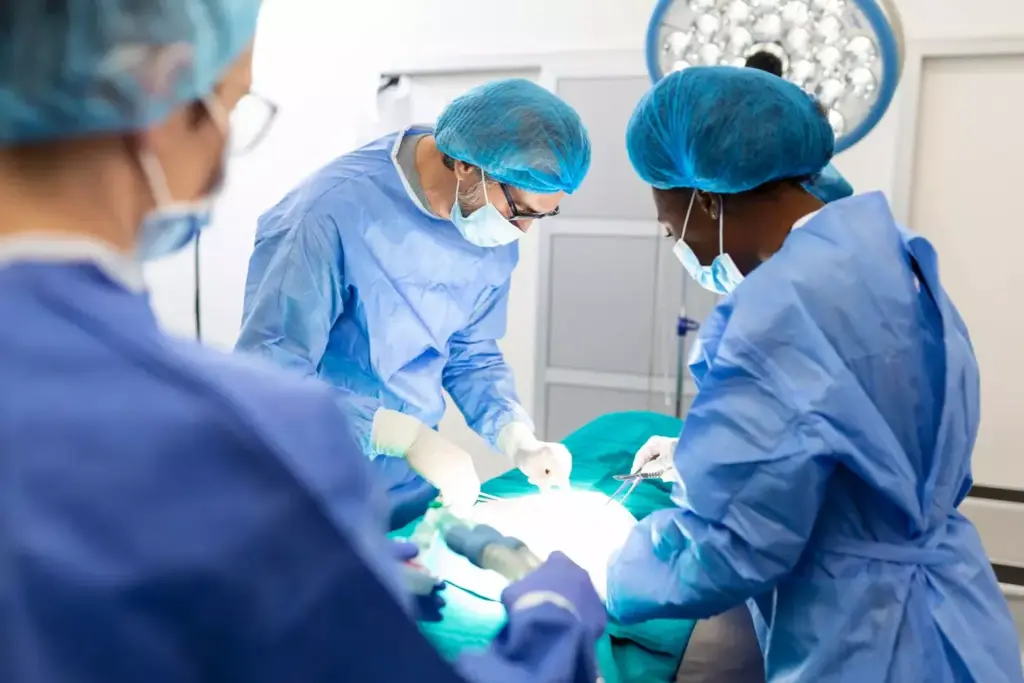
Surgery is key in treating breast cancer, giving patients many options. Getting a breast cancer diagnosis can feel overwhelming. But, with the right treatment plan, patients can face this challenge with confidence.
Current Statistics on Breast Cancer Surgery in the United States
In the U.S., almost two-thirds of women with early-stage breast cancer have surgery. This shows how important surgery is in fighting the disease. It’s a big part of treating breast cancer.
The choice of surgery depends on many things. These include the cancer’s stage, tumor size, and what the patient wants. Knowing these facts helps us see how complex breast cancer treatment is. It also shows the need for care that fits each person.
How Surgery Fits into Comprehensive Treatment Plans
Breast cancer treatment plans include many parts. These are surgery, chemotherapy, radiation, and hormone therapy. Surgery is a key part, helping to remove the tumor and affected tissue. This can greatly improve how well a patient does.
We work with patients to create tailored treatment plans that meet their needs. Whether it’s a lumpectomy or mastectomy, knowing about different breast cancer operation procedures helps patients make good choices. Our aim is to offer full support during treatment, ensuring patients get the best care.
Breast Cancer Medical Procedures: Evaluation and Planning
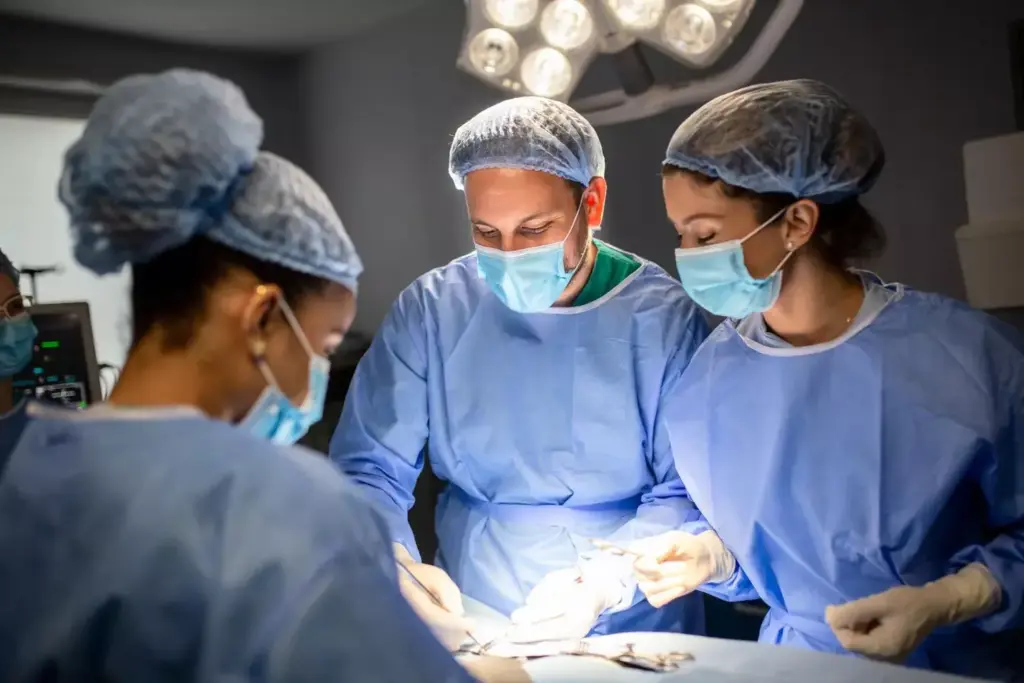
Breast cancer treatments are tailored to each patient’s needs. We consider every detail to ensure the best care. This approach helps us treat each patient uniquely.
Diagnostic Criteria for Surgical Intervention
Deciding on surgery involves a detailed check-up. We use mammograms, ultrasounds, and MRIs, along with biopsies. These tools help us understand the cancer’s stage and type.
Key diagnostic factors that guide our plans include:
- Tumor size and location
- Cancer stage
- Hormone receptor status
- HER2 status
- Patient’s overall health and preferences
The Multidisciplinary Approach to Treatment Planning
We work together as a team to plan treatments. This team includes surgeons, oncologists, and more. Our goal is to create a treatment plan that fits each patient perfectly.
Advanced breast cancer operation procedures, like skin-sparing mastectomies, are part of our plans. These methods can improve how the breast looks and feel after surgery.
We use the latest research and technology to help our patients. This ensures they get the best treatment for their breast cancer.
The Breast Cancer Surgical Team
Having a skilled surgical team is key for good results in breast cancer surgery. A diagnosis can feel overwhelming, but the right team offers support. They help patients through their surgery journey.
Breast Surgeon Cancer Specialists: Training and Expertise
Breast surgeon cancer specialists are at the heart of the team. They are highly trained to treat breast cancer. They perform surgeries like lumpectomy and mastectomy with great care.
- Extensive training in surgical oncology
- Proficiency in the latest surgical techniques
- Experience in handling complex cases
Our specialists work with patients to meet their needs. They choose the right surgery for each patient’s treatment plan.
Supporting Medical Professionals in Your Surgical Care
A team of medical professionals also plays a big role in care. This includes nurses, radiologists, pathologists, and more. They help with diagnosis, treatment, and recovery.
This team works together for complete care. For example:
| Professional | Role |
|---|---|
| Nurses | Provide pre- and post-operative care, support, and education |
| Radiologists | Assist in diagnosis through imaging techniques |
| Pathologists | Examine tissue samples to confirm diagnosis and assess margins |
The team works together to create a care plan for each patient. This plan helps ensure successful surgery and a smooth recovery.
Lumpectomy: Breast-Conserving Surgery
Lumpectomy is a less invasive option for women with breast cancer. It removes the tumor, not the whole breast. This method is part of a treatment plan that might include radiation therapy to get rid of any cancer cells left behind.
Procedure Details and Surgical Technique
A lumpectomy removes the tumor and some healthy tissue around it. The goal is to get rid of the cancer while keeping as much of the breast as possible. The surgery starts with local anesthesia to numb the area.
Then, an incision is made to reach the tumor. The surgeon takes out the tumor and some healthy tissue. This tissue is checked to make sure there are no cancer cells left.
The surgical technique may vary depending on the tumor’s location and size. Sometimes, a wire localization technique is used to find the tumor more accurately. After the tumor is removed, the incision is closed with sutures or staples.
Ideal Candidates for Lumpectomy
Lumpectomy is best for women with early-stage breast cancer and small tumors. The cancer should not have spread much. The size of the tumor, the presence of multiple tumors, and the patient’s health are important factors.
- Early-stage breast cancer diagnosis
- Small, localized tumor
- No extensive spread within the breast or metastasis
- Patient preference for breast conservation
Recovery and Outcomes After Tumor Removal
Recovery from lumpectomy is usually faster than from mastectomy. Most women can go back to normal activities in a few weeks. Some may need radiation therapy to kill any remaining cancer cells.
It’s essential for patients to discuss their individual prognosis and any concerns with their healthcare provider. Choosing lumpectomy should be based on a detailed evaluation of the patient’s condition and treatment goals.
Mastectomy: Complete Breast Tissue Removal
Mastectomy is a common way to treat breast cancer. It involves removing all breast tissue. This is a big step for many patients.
Types of Mastectomy Procedures
There are different mastectomy procedures. Each has its own reasons and benefits. Here are a few:
- Simple or Total Mastectomy: This removes all breast tissue, including the nipple-areola complex.
- Modified Radical Mastectomy: It removes the breast tissue and some lymph nodes under the arm.
- Radical Mastectomy: This is more extensive. It removes the breast tissue, lymph nodes, and parts of the chest muscles.
- Skin-Sparing Mastectomy: It removes the breast tissue but keeps as much skin as possible.
When Mastectomy Is Recommended
Mastectomy is suggested in certain situations. These include:
- Large tumors compared to the breast size.
- Multiple areas of cancer in the same breast.
- Genetic mutations (like BRCA1 or BRCA2) that raise breast cancer risk.
- Cancer coming back after previous surgery or radiation.
We help patients choose the best surgery for their needs and wishes.
Physical and Emotional Recovery After Mastectomy
Recovering from mastectomy takes time for both the body and mind. Physical recovery means managing pain and getting back to normal activities. Emotional recovery involves dealing with body image changes and the surgery’s psychological effects.
We focus on full care, including support after surgery. We also guide patients on reconstructive options to help them through recovery.
Sentinel Lymph Node Biopsy
Understanding how breast cancer spreads is key to effective treatment. Sentinel lymph node biopsy is a big part of this. It helps find out if cancer has reached the lymph nodes, which is important for treatment planning.
The Role of Lymph Nodes in Breast Cancer Staging
Lymph nodes are small, bean-shaped parts of the body’s lymphatic system. In breast cancer, cancer cells often first go to the lymph nodes under the arm. The sentinel lymph node is the first node cancer cells usually reach from the tumor. By checking this node, we can figure out the cancer’s stage and plan the best treatment.
How the Procedure Is Performed
A sentinel lymph node biopsy involves a few steps. First, we find the sentinel lymph node using a radioactive substance and/or blue dye. Then, we remove it surgically and check for cancer cells. This can be done under local or general anesthesia, depending on the case. The goal is to see if cancer has spread beyond the breast, helping us tailor the treatment plan.
For more information on how innovative treatments are changing patient outcomes, visit this article on the intersection of care and research.
Recovery and Possible Side Effects
Recovery from a sentinel lymph node biopsy is usually quick. Most patients can get back to normal activities in a few days. But, some might feel numbness, tingling, or swelling in their arm or chest. Lymphedema, or swelling due to lymph node removal, is a risk, but it’s less common with this biopsy.
We know biopsies can be scary. Our team is here to provide full care and support. We make sure our patients are well-informed and comfortable with their treatment plan.
Axillary Lymph Node Dissection
For many breast cancer patients, axillary lymph node dissection is a key part of their treatment. It helps find out how far the cancer has spread. This surgery removes lymph nodes in the armpit, which is vital for knowing the cancer’s stage and planning treatment.
When This More Extensive Procedure Is Necessary
Axillary lymph node dissection is usually needed when cancer is found in the sentinel lymph node. Or when there’s a strong chance of lymph node involvement from tests or exams. We talked about sentinel lymph node biopsy earlier. But, axillary lymph node dissection is often needed if the sentinel node is positive.
Surgical Technique and Process
The surgery for axillary lymph node dissection starts with an incision in the armpit. The surgeon then removes the lymph nodes and sometimes the tissue around them. The amount of tissue removed can vary based on the case and the surgeon’s approach. We use special techniques to avoid harming nearby areas and lower the chance of problems.
Managing Lymphedema and Other Possible Complications
Lymphedema, or swelling in the arm, is a big risk after this surgery. We work hard to prevent it by using careful surgery, early movement, and referring to lymphedema experts when needed. Other possible issues include numbness, tingling, and less mobility in the affected arm.
| Complications | Description | Management Strategies |
|---|---|---|
| Lymphedema | Swelling of the arm due to impaired lymphatic drainage | Early mobilization, compression garments, lymphedema therapy |
| Numbness/Tingling | Nerve damage causing sensory disturbances | Physical therapy, pain management medication |
| Reduced Mobility | Decreased range of motion in the shoulder or arm | Physical therapy, exercises |
Skin-Sparing Mastectomy
Women with breast cancer often choose skin-sparing mastectomy. This surgery keeps the natural skin, making breast reconstruction look better.
Preserving Natural Skin
This advanced surgery removes breast tissue but keeps the skin. This helps make breast reconstruction look more natural.
It’s great for those needing mastectomy but want to keep a natural look. Preserving the skin envelope leads to better symmetry and natural results in reconstruction.
Candidate Selection and Considerations
Not every breast cancer patient is right for skin-sparing mastectomy. The choice depends on:
- The stage and location of the breast cancer
- The size and shape of the breasts
- The patient’s overall health and preferences
A team of experts must evaluate if this surgery is best for a patient.
Outcomes and Aesthetic Results
Results from skin-sparing mastectomy are often good, even with immediate reconstruction. Patients often say they’re happier with how they look, thanks to the natural skin.
But, it’s key for patients to know what to expect. Talking with their surgical team helps get the best results.
Nipple-Sparing Mastectomy
Nipple-sparing mastectomy is a modern surgery that keeps the nipple-areola complex. It makes patients look more natural after breast cancer surgery. This method is popular because it looks better and is safe.
Preserving the Nipple-Areola Complex
The main goal is to remove the breast but keep the nipple-areola complex. This needs careful planning and skill to remove cancer safely. Keeping the nipple-areola complex helps with breast reconstruction, making it look better.
Patient Selection Criteria
Not everyone with breast cancer can have this surgery. The choice depends on the cancer’s stage, size, and the patient’s health. A detailed check by a team is key to see if it’s right.
Those with early cancer or preventive mastectomy might be good candidates.
Risks and Benefits of This Approach
This surgery has many benefits, like better looks and less emotional stress. But, it also has risks, like nipple damage or more surgeries. Knowing the risks and benefits helps patients decide.
Talking about the pros and cons with the healthcare team is important. This way, patients get care that fits their needs and wants.
Breast Reconstruction Surgery
Breast reconstruction surgery is a key part of treating breast cancer. It helps restore both the body and mind. Choosing to have this surgery is a personal decision. It depends on the type of mastectomy and what the patient prefers.
Immediate vs. Delayed Reconstruction
Breast reconstruction can happen right after mastectomy or later. Immediate reconstruction is done in the same surgery as the mastectomy. This might mean fewer surgeries and less recovery time. Delayed reconstruction waits until after mastectomy and any needed treatments like chemo or radiation.
Whether to do it right away or later depends on health, cancer stage, and treatment needs. Our team helps decide the best time for each patient.
Implant-Based Reconstruction Options
Implant-based reconstruction is a common choice. It uses silicone or saline implants to make the breast look natural. The surgery can be one or two steps, depending on if a tissue expander is used.
| Reconstruction Method | Description | Advantages |
|---|---|---|
| One-stage implant reconstruction | Permanent implant placed during mastectomy | Single surgery, potentially less recovery time |
| Two-stage implant reconstruction | Tissue expander followed by permanent implant | Allows for skin expansion, potentially better match |
Autologous Tissue Reconstruction Techniques
Autologous tissue reconstruction uses the patient’s own tissue. This is often from the abdomen, back, or buttocks. It can make the breast feel and look more natural. Techniques include the TRAM flap, DIEP flap, and latissimus dorsi flap.
This method can give more lasting and natural results. But it’s a more complex surgery with a longer recovery. Our surgeons are skilled in both implant and tissue reconstruction, ensuring each patient gets the right care.
Comparing Outcomes of Breast Cancer Surgery Types
Breast cancer patients have many surgical options. Each option affects survival and quality of life. It’s important to understand the differences in these surgical approaches.
Survival Rates Across Different Surgical Approaches
Studies show that different surgeries have similar survival rates when used with other treatments. For example, lumpectomy with radiation can be as effective as mastectomy. This information helps us choose the best surgery for each patient.
Survival rates are key in judging a surgery’s success. The choice between lumpectomy and mastectomy depends on the cancer’s stage and the patient’s wishes.
Quality of Life Considerations in Surgical Decision-Making
Quality of life is also important in choosing surgery. Patients must think about how each surgery might affect their looks, mood, and health.
The choice of surgery can impact not just survival but also long-term quality of life. Things like the risk of lymphedema and scarring are important. We help patients make choices that fit their values and health goals.
In the end, choosing a surgery is very personal. By looking at both survival rates and quality of life, we can offer care that meets each patient’s needs.
Conclusion
Breast cancer treatment has changed a lot, giving patients many surgical options. We’ve looked at procedures like lumpectomy, mastectomy, and more. These include sentinel lymph node biopsy and breast reconstruction surgery.
It’s key for patients to know about these options. This helps them make good choices about their care. Each surgery has its own good points and things to think about. The right choice depends on the cancer type, patient wishes, and health.
We want to help patients feel sure about their treatment path. Good breast cancer care mixes surgery with support. This way, patients can get the best results.
As we keep learning about breast cancer, it’s important for patients to stay up-to-date. We’re dedicated to top-notch healthcare for all patients. This includes those from abroad looking for advanced treatments.
FAQ
What is the role of a breast surgeon cancer specialist in breast cancer treatment?
A breast surgeon cancer specialist is key in treating breast cancer. They plan and perform surgeries like lumpectomy and mastectomy. They also help with breast reconstruction.
What are the different types of breast cancer surgery?
There are several types of breast cancer surgery. These include lumpectomy, mastectomy, and sentinel lymph node biopsy. Other types are axillary lymph node dissection, skin-sparing mastectomy, and nipple-sparing mastectomy. Breast reconstruction surgery is also an option.
How is the need for surgical intervention determined in breast cancer treatment?
Doctors decide if surgery is needed through a team effort. They use tests and evaluations by experts. This helps figure out the cancer’s stage and type.
What is the difference between lumpectomy and mastectomy?
Lumpectomy removes the tumor and some tissue. Mastectomy removes the whole breast. The choice depends on the cancer’s stage and the patient’s wishes.
What is sentinel lymph node biopsy, and why is it performed?
Sentinel lymph node biopsy removes the first lymph node cancer spreads to. It checks if cancer has reached the lymph nodes. This is important for cancer staging.
What is the purpose of axillary lymph node dissection?
Axillary lymph node dissection removes lymph nodes in the armpit. It helps find out the cancer’s stage by removing cancerous nodes.
What is breast reconstruction surgery, and when is it performed?
Breast reconstruction aims to restore the breast after surgery. It can be done right after mastectomy or later. It uses implants or the patient’s own tissue.
What are the benefits and risks of nipple-sparing mastectomy?
Nipple-sparing mastectomy keeps the nipple-areola complex. It looks better but has risks like nipple necrosis and cancer coming back.
How do I choose the right type of breast cancer surgery for my condition?
Choosing the right surgery depends on the cancer’s stage and your health. Talk to a breast surgeon and a team to find the best option.
What are the possible complications of breast cancer surgery, and how can they be managed?
Complications like lymphedema and infection can happen. Proper care and follow-ups can help manage these issues.
What is the significance of a multidisciplinary team in breast cancer treatment?
A team of experts is key in treating breast cancer. They offer a full range of care, including surgery and support. This ensures the best treatment for patients.
What is the role of breast cancer surgical techniques in treatment outcomes?
Advanced surgical techniques are vital for good outcomes. They improve recovery and quality of life. Techniques like skin-sparing mastectomy have made a big difference.
How does breast cancer surgery impact quality of life?
Surgery can affect life quality, but it’s not always bad. With better techniques and care, many patients live well after surgery