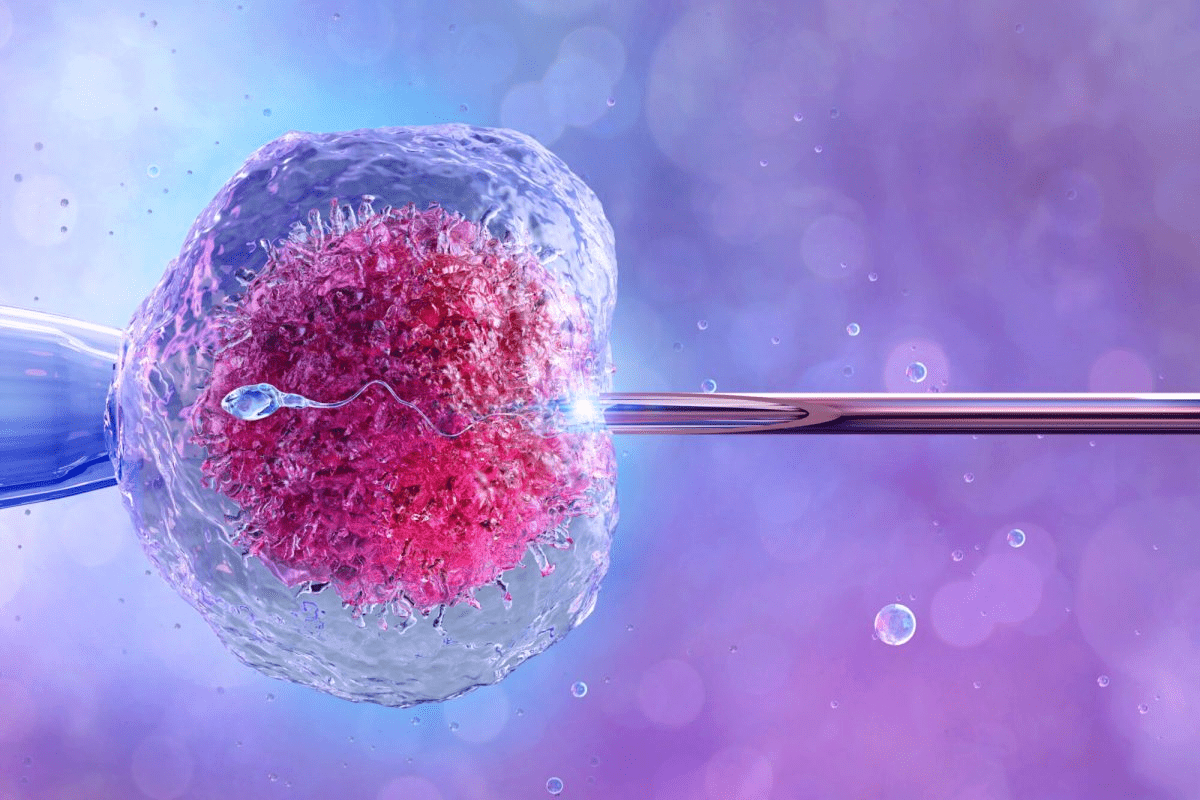
IVF treatment is complex and emotionally tough. A big worry for patients is brown spotting during IVF stimulation. At Liv Hospital, we get how worried this makes you. We’re here to offer full care and support on your fertility path.
Medicines to grow eggs and get the uterus ready can lead to spotting or bleeding. It might seem scary, but it’s usually a normal part of IVF. Our guide will help you understand and deal with brown spotting. This way, you can face each step of IVF with confidence.
Key Takeaways
- Understanding the causes of brown spotting during IVF stimulation can help alleviate concerns.
- Minor spotting is a common side effect of hormone therapy during IVF treatment.
- Managing brown spotting involves a combination of medical guidance and self-care.
- Our patient-centered approach at Liv Hospital provides trustworthy medical expertise and compassionate care.
- Knowing what to expect during IVF stimulation can help you make informed decisions throughout your fertility journey.
Understanding Brown Spotting in the IVF Process
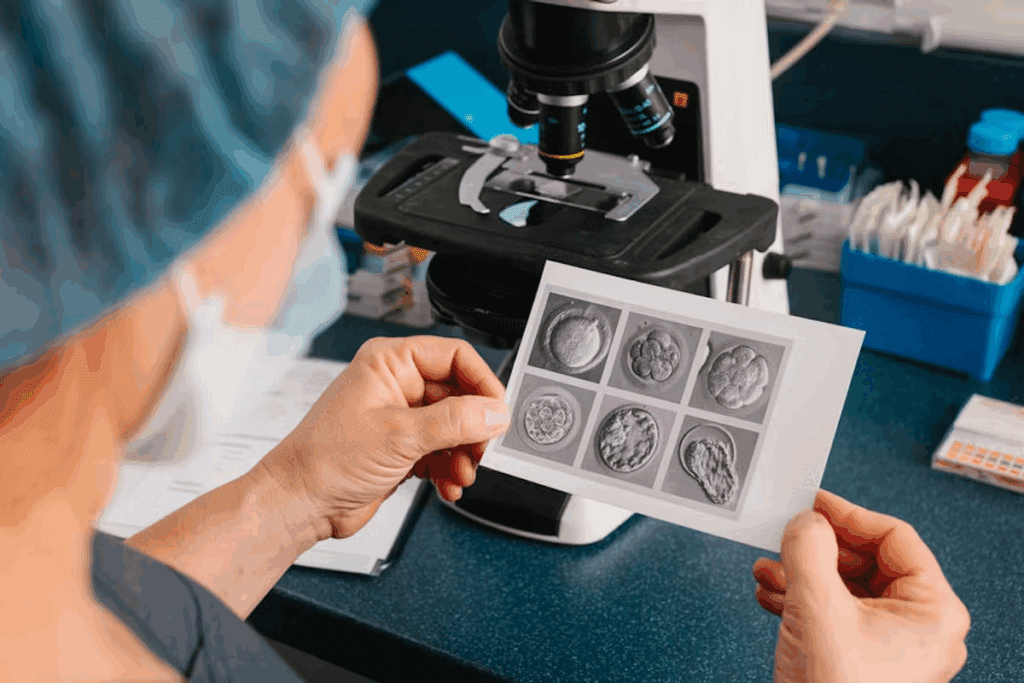
Brown spotting is a common sight during IVF. It’s a symptom many women face during fertility treatments. Knowing what causes it can ease worries.
What Constitutes Brown Spotting
Brown spotting is when old blood from the uterus is released. It looks brown because of its age and how it reacts with air. This spotting is usually light and can happen at different times in IVF.
It’s key to tell normal spotting from bleeding that might be a worry. Normal brown spotting doesn’t usually cause a lot of pain or heavy bleeding.
Why Old Blood Appears Brown
Old blood turns brown because it’s been in the uterus for a while. It changes color, like iron does when it rusts. This is a natural process and usually means there’s no problem.
It can happen for many reasons, like hormonal changes and irritation in the cervix. These are common in IVF.
Knowing that brown spotting is often about older blood helps patients understand it better. Studies show spotting can happen because of hormone changes and IVF procedures. By understanding brown spotting, patients can feel more at ease during their IVF journey.
The Science Behind Brown Spotting During IVF Stimulation
IVF stimulation starts a chain of events that can cause brown spotting. It’s key to grasp the physical changes happening during this time.
Hormonal Fluctuations and Their Effects
IVF stimulation uses meds to boost egg production and get the uterus ready. These meds lead to big hormonal changes. These changes can cause small spots of blood.
The main hormones are estrogen and progesterone. Estrogen levels jump up during this time. This makes the uterus lining grow fast, sometimes causing bleeding or spotting. After egg retrieval, adding progesterone changes the hormone mix, which might also cause spotting.
Endometrial Changes During Stimulation
The uterus lining changes a lot during IVF. As estrogen goes up, the lining gets thicker and more blood vessels. This makes it more likely to spot or bleed a little.
| Endometrial Change | Effect on Spotting |
|---|---|
| Increased thickness | More vascular, potentially leading to minor bleeding |
| Enhanced vascularity | Increased risk of small blood vessel rupture |
| Hormonal fluctuations | Affects endometrial stability, potentially causing spotting |
Knowing about these changes can help patients deal with spotting during IVF. Spotting is usually a sign of the body’s natural changes during treatment.
Common Causes of Brown Spotting During IVF Stimulation
Several factors can cause brown spotting during IVF. These include medication, procedures, and pre-existing conditions. Knowing these causes can help ease worries and prepare patients for their treatment.
Medication-Related Causes
IVF medications can lead to hormonal changes. These changes can affect the uterine lining and cause spotting. Hormonal changes are a big factor. Also, progesterone suppositories can make the cervix sensitive, leading to spotting.
Procedural Causes
IVF procedures, like egg retrieval, can irritate the cervix or uterus. This irritation can cause brown spotting. The egg retrieval process is done carefully but can sometimes cause minor trauma. This trauma can lead to spotting.
Pre-Existing Conditions That May Contribute
Conditions like endometriosis or cervical polyps can make spotting more likely during IVF. These conditions may get worse with IVF’s hormonal treatments and procedures.
Understanding the causes of brown spotting helps patients navigate their IVF journey. It also tells them when to ask for medical advice.
When Brown Spotting Typically Occurs in the IVF Timeline
Brown spotting can worry those going through IVF. Knowing when it happens can ease worries. The IVF journey has many stages, each with its own spotting risks. Knowing when spotting is likely can help patients prepare better.
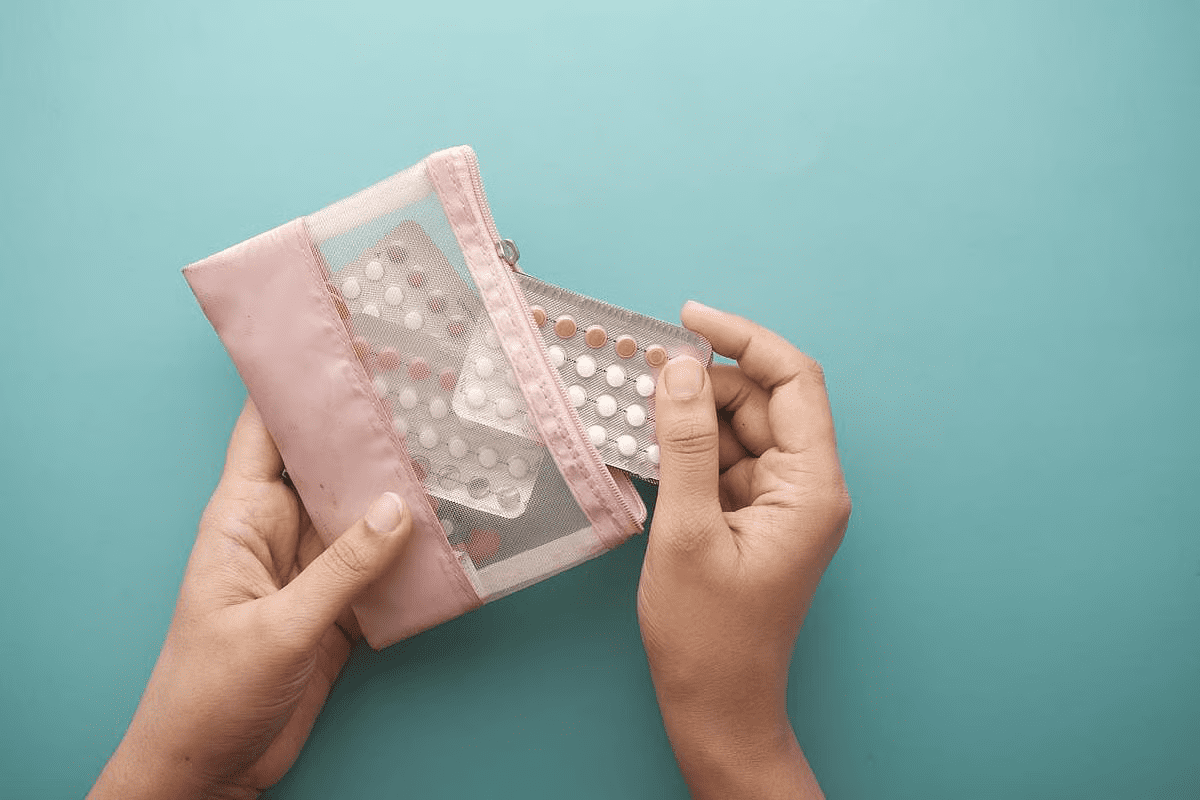
After Stopping Birth Control Pills
Spotting often happens after stopping birth control pills. Stopping these pills changes your hormones. This change can cause spotting as your uterus adjusts.
This spotting is usually not a worry and goes away by itself. But, if it’s heavy or with other symptoms, see a doctor.
During Ovarian Stimulation Phase
In the ovarian stimulation phase, you get meds to grow many eggs. These meds can change your hormones, leading to spotting. The meds also make your cervix more sensitive, which can cause spotting too.
Post Egg Retrieval
Spotting can happen after egg retrieval. The process involves a needle to get eggs, which can hurt nearby tissues and cause spotting.
“The egg retrieval process is a minor surgical procedure that can cause some discomfort and spotting. But, this is usually temporary and goes away by itself.”
During Luteal Support
After egg retrieval, you might get progesterone to help the uterine lining. This can change the lining and make it sensitive, leading to spotting.
A study found spotting during this phase doesn’t usually harm IVF outcomes. But, always follow your clinic’s advice on managing spotting.
| Stage of IVF | Common Causes of Brown Spotting |
|---|---|
| After Stopping Birth Control Pills | Hormonal adjustment |
| During Ovarian Stimulation | Hormonal fluctuations, cervical sensitivity |
| Post Egg Retrieval | Procedural trauma |
| During Luteal Support | Progesterone supplementation effects |
Knowing when brown spotting happens in IVF can make patients feel more ready. Spotting might be scary, but it’s often just part of IVF.
Distinguishing Normal Spotting from Concerning Bleeding
When going through IVF stimulation, knowing the difference between normal and concerning bleeding is key. This knowledge helps reduce worry and ensures quick medical help when needed.
Characteristics of Normal Spotting
Normal spotting in IVF is light bleeding or spotting. It looks like a few drops or a light flow. This bleeding is usually not severe and might happen due to hormonal changes or cervical sensitivity.
It’s often like the light bleeding some women see in early pregnancy. Most of the time, it’s a normal part of IVF and goes away by itself without needing a doctor.
Warning Signs That Require Medical Attention
Even though most spotting in IVF is normal, some bleeding is a red flag. Heavy bleeding like a period is a big warning sign that needs quick doctor’s care.
Other signs to watch out for include:
- Severe abdominal pain
- Passing clots or heavy flow that soaks through a pad or tampon in an hour
- Bleeding with fever or chills
- Unusual or foul-smelling discharge
If you see any of these, call your fertility clinic right away. While heavy bleeding might not mean your IVF is failing, it’s always safer to check with a doctor.
Knowing the difference between normal spotting and concerning bleeding helps IVF patients feel more confident during their treatment.
The Impact of Progesterone Suppositories on Cervical Sensitivity
Using vaginal progesterone suppositories during IVF can make the cervix more sensitive. This might cause spotting. These suppositories are key for preparing the uterus for implantation. But, they can also affect the cervix in unexpected ways.
How Vaginal Progesterone Affects the Cervix
Vaginal progesterone suppositories give a strong dose of progesterone to the uterus. This can change how sensitive the cervix is. The cervix, being very sensitive to hormones, might get more blood flow and bleed more easily.
Progesterone suppositories can make the cervix more likely to bleed. This is because they increase cervical mucus and blood flow. Spotting, while usually not serious, can worry IVF patients.
Managing Suppository-Related Spotting
To cut down on spotting from progesterone suppositories, patients can take steps. First, using the right insertion technique helps. A gentle applicator and following doctor’s advice can reduce irritation.
Keeping the vagina clean and avoiding irritants also helps. Sometimes, changing the type or amount of progesterone is needed to stop spotting.
| Management Strategy | Description | Benefit |
|---|---|---|
| Proper Insertion Technique | Using a gentle applicator and following healthcare provider’s instructions | Reduces cervical irritation |
| Good Vaginal Hygiene | Regular hygiene practices | Minimizes infection risk and irritation |
| Adjusting Progesterone Suppository | Changing dosage or type of suppository | Alleviates persistent spotting |
Understanding how progesterone suppositories affect the cervix and managing spotting can help IVF patients. It’s important for patients to talk to their healthcare provider about any issues. This way, they can get the best care for their treatment.
Practical Strategies to Manage Brown Spotting During IVF Stimulation
Managing brown spotting during IVF can be tough. But, there are ways to make it easier. By using these strategies, patients can handle spotting better and focus on their treatment.
Proper Panty Liner and Pad Usage
Choosing the right sanitary products is key. Pick ones that are comfy and soak up well. It’s good to change them often to stay clean and avoid leaks.
Tips for Panty Liner and Pad Usage:
- Go for breathable materials to avoid irritation.
- Switch liners or pads every 4-6 hours or as needed.
- Look for products made for sensitive skin.
Activity Modifications During Treatment
Making some changes in your daily life can help with spotting. It’s important to keep up with your routines but make some tweaks to feel better.
Activity Modifications to Consider:
- Stay away from heavy lifting or hard exercises.
- Take breaks to rest often.
- Follow your doctor’s advice on sex during treatment.
Hydration and Nutrition Considerations
Drinking enough water and eating well are key during IVF. Drinking water keeps the uterine lining healthy. Eating right supports your reproductive health.
| Hydration Tips | Nutrition Recommendations |
|---|---|
| Drink at least 8 glasses of water daily | Include leafy greens rich in iron |
| Avoid too much caffeine | Eat foods high in antioxidants |
| Check your urine color to see if you’re drinking enough | Eat a balanced mix of vitamins and minerals |
Stress Reduction Techniques
Stress can make spotting worse, so managing it is important. Try meditation, deep breathing, and yoga to reduce stress and feel better.
Stress Reduction Techniques to Try:
- Do mindfulness meditation every day.
- Try gentle yoga or stretching.
- Use deep breathing to calm your mind.
By using these strategies, IVF patients can handle brown spotting better. This can make their treatment experience better overall.
When to Contact Your Fertility Clinic About Spotting
Knowing when to call your fertility clinic about spotting is key. Spotting can be normal during IVF, but some situations need immediate attention.
Emergency Situations Requiring Immediate Attention
If you have any of these symptoms, call your clinic right away:
- Heavy bleeding that soaks more than one pad or tampon per hour
- Severe abdominal pain that doesn’t subside with rest or medication
- Fever above 100.4°F (38°C)
- Chills or shaking
- Dizziness or fainting
As one patient shared,
“I was worried about the spotting I experienced after my egg retrieval. I called my clinic, and they reassured me it was normal but advised me to monitor it closely.”
Documentation to Prepare Before Calling
Before you call your clinic, have this info ready:
- A detailed description of your spotting, including the amount, color, and timing
- Any other symptoms you’re experiencing, such as cramping or bloating
- A list of medications you’re currently taking, including dosages
- Your IVF treatment timeline, including the date of your last menstrual period and any procedures you’ve undergone
This information will help your clinic’s staff assess your situation more effectively.
Questions Your Doctor May Ask
When you call your clinic, your doctor or nurse may ask you several questions. These might include:
- When did you first notice the spotting?
- Have you experienced any other symptoms like cramping or fever?
- Have you recently started or stopped any medications?
- Have you had any recent procedures or interventions as part of your IVF treatment?
Being prepared to answer these questions will help ensure you receive the guidance you need.
Remember, it’s always better to err on the side of caution when it comes to your health during IVF treatment. If you’re unsure about your symptoms or have concerns about spotting, don’t hesitate to reach out to your fertility clinic.
Common Misconceptions About Brown Spotting During IVF
Seeing brown spotting during IVF can cause worry if not understood. Many people going through fertility treatments worry about what it means. We aim to clear up these worries and provide accurate information.
Spotting Does Not Mean IVF Has Failed
Many think brown spotting means IVF has failed. But, spotting doesn’t always mean IVF has failed. It can be caused by many things, like hormonal changes or the procedure itself.
IVF has many steps, and spotting can happen at any time. For example, hormonal changes during ovarian stimulation can cause spotting. After egg retrieval, some might spot due to the cervix or progesterone suppositories.
Spotting vs. Implantation Bleeding
Some confuse spotting with implantation bleeding. While both can happen early in pregnancy, they’re not the same. Implantation bleeding happens when the embryo attaches to the uterine lining, usually 6-12 days after fertilization.
Spotting, though, can be from many other reasons, like hormonal shifts or cervix irritation. It’s important to know spotting doesn’t always mean implantation or a successful pregnancy.
The Relationship Between Spotting and Hormone Levels
Hormonal changes are a big part of IVF. During ovarian stimulation, patients take meds to get many eggs. These changes can cause spotting. Also, progesterone in the luteal phase can make the cervix more sensitive, leading to spotting.
Knowing how hormones and spotting are linked can help ease worries. Here are some key points:
- Hormonal changes during ovarian stimulation can cause spotting.
- Progesterone supplementation can lead to cervical sensitivity and spotting.
- Spotting is not a direct indicator of hormone levels but can be influenced by hormonal fluctuations.
Understanding these points can help patients feel less anxious about spotting during IVF. Always talk to a fertility specialist if you have concerns.
Emotional Coping Strategies When Experiencing Spotting
Spotting during IVF can be unsettling. It’s important to have strategies to deal with the anxiety and uncertainty. Understanding how to manage these emotions can make your IVF journey easier.
Managing Anxiety and Uncertainty
Managing anxiety during IVF involves self-care and professional support. Deep breathing, journaling, and meditation can reduce anxiety. Knowing that spotting is a normal part of IVF helps too.
Creating a daily routine with relaxation techniques can help. For example, setting aside time for mindfulness or hobbies can bring a sense of control.
Finding Support During Your IVF Journey
Support is key during IVF. Connecting with others going through similar experiences can offer comfort and insights. Online or in-person support groups are great for sharing and learning.
Having your partner or loved ones involved can strengthen your support system. Talking openly about your feelings and needs helps them support you better.
| Support Options | Description | Benefits |
|---|---|---|
| Support Groups | Online or in-person groups where individuals share their IVF experiences. | Emotional support, shared knowledge, and community. |
| Counseling Services | Professional counseling to address emotional challenges. | Personalized support, coping strategies, and stress management. |
| Family and Friends | Involving loved ones in your IVF journey. | Emotional support, practical help, and strengthened relationships. |
Mindfulness Practices for IVF Patients
Mindfulness is great for IVF patients with spotting. Meditation, yoga, and guided imagery reduce stress and improve emotional well-being. They help you stay present and reduce worries about the future or past.
Starting mindfulness can be simple. Just dedicate a few minutes each day to deep breathing or use a mindfulness app. Consistency is important for its benefits.
By using these strategies, you can manage stress and uncertainty from spotting during IVF. Be patient and kind to yourself as you go through this challenging time.
Research on Brown Spotting and IVF Outcomes
Recent studies have shed light on the relationship between brown spotting and IVF outcomes. They offer valuable insights for patients going through fertility treatment. It’s important to understand the context of IVF and what affects its success.
What Clinical Studies Show
Several studies have looked into brown spotting during IVF cycles. A key study in the Journal of Assisted Reproduction and Genetics found no big impact on pregnancy rates. This suggests that brown spotting, by itself, may not be a cause for concern regarding IVF success.
Another study at the American Society for Reproductive Medicine found that when and how bleeding happens is more important than just the bleeding. The study highlighted the need to understand different types of bleeding and their implications.
| Study | Findings | Implications |
|---|---|---|
| Journal of Assisted Reproduction and Genetics | No significant impact of spotting on IVF pregnancy rates | Brown spotting may not affect IVF success |
| American Society for Reproductive Medicine | Timing and characteristics of bleeding are key | Different types of bleeding may have different implications |
Factors That Actually Impact Success Rates
While research on brown spotting offers insights, it’s important to know what really affects IVF success. These include:
- Age of the female partner
- Quality of the embryos
- Receptivity of the endometrium
- Precision in the timing of embryo transfer
Understanding these factors can help manage expectations and optimize treatment protocols. It’s also worth noting that individual responses to IVF treatment can vary widely. What may be a significant factor for one patient may not be as relevant for another.
As we continue to advance in reproductive medicine, ongoing research will likely provide more clarity. For now, patients can take comfort in knowing that spotting, by itself, is not typically a determining factor in the success of IVF treatment.
Conclusion: Navigating IVF With Confidence Despite Spotting
IVF treatment can be tough, with surprises like brown spotting. We’ve looked into why this happens, when it does, and how to handle it.
Knowing spotting is common and can be managed helps a lot. It’s good to understand the reasons, like hormone changes and procedure effects. This way, patients can deal with spotting better.
With the right info and tips, patients can face their IVF journey with confidence. We suggest staying updated, listening to fertility clinic advice, and using practical ways to deal with spotting.
This approach lets people focus on becoming parents, even with spotting. Our aim is to support patients fully, helping them every step of the way.
FAQ
What is brown spotting during IVF stimulation?
Brown spotting during IVF is when you see brown discharge or spotting. This is old blood that has stayed in your uterus. It can happen because of hormonal changes or other things related to IVF treatment.
Is brown spotting during IVF stimulation a sign of failure?
No, brown spotting during IVF is not a sign of failure. Studies show that spotting doesn’t affect how well IVF works. But, it’s important to talk to your fertility specialist about any worries.
What causes brown spotting during IVF stimulation?
Brown spotting during IVF can be caused by many things. These include hormonal changes, changes in the lining of your uterus, side effects from medication, or things that happened during the procedure. It can also be because of health issues you had before starting IVF.
When does brown spotting typically occur during the IVF timeline?
Brown spotting can happen at different times during IVF. It might happen after stopping birth control pills, during the time when you’re getting your eggs stimulated, after egg retrieval, or during the time when you’re getting support for your uterus.
How can I manage brown spotting during IVF stimulation?
To deal with brown spotting, you can use panty liners or pads. You might also want to change your activities, drink plenty of water, eat well, and try to relax. It’s also key to follow what your fertility clinic tells you to do.
When should I contact my fertility clinic about spotting?
You should call your fertility clinic if you have heavy bleeding, a lot of pain, or other symptoms that worry you. It’s a good idea to keep track of your spotting and be ready to talk about it with your doctor.
Can progesterone suppositories cause spotting?
Yes, progesterone suppositories can cause spotting because they can make your cervix more sensitive. To manage spotting from suppositories, you might need to change how you use them or try other ways to help.
How can I differentiate between normal spotting and concerning bleeding?
Normal spotting is usually light, brown or pink, and might come with some cramping. But, if you have heavy bleeding, bright red blood, or a lot of pain, that’s concerning. If you’re not sure, it’s best to ask your fertility clinic.
Can stress cause spotting during IVF?
Stress itself doesn’t directly cause spotting, but it can make symptoms worse. Trying stress-reducing activities like mindfulness or meditation can help with feeling anxious or unsure during IVF.
Does spotting during IVF affect hormone levels?
Spotting during IVF doesn’t directly affect hormone levels. But, hormonal changes can cause spotting. Your fertility clinic will keep an eye on your hormone levels and adjust your treatment as needed.
References
World Health Organization. Evidence-Based Medical Guidance. Retrieved from
https://www.who.int/news-room/q-and-a/detail/assisted-reproductive-technology