Last Updated on December 1, 2025 by Bilal Hasdemir
Over 1.7 million PET scans are performed annually in the United States, helping diagnose and treat various medical conditions. If you’re scheduled for a PET scan, you might wonder about the preparation and what to expect afterward, including whether you can drive yourself home. Proper preparation, such as knowing if you should brush teeth before PET scan, is crucial for accurate results.
Key Takeaways
- Understand the importance of proper PET scan preparation.
- Learn about the specific guidelines to follow before a PET scan.
- Discover what to expect after the procedure, including driving yourself home.
- Find out how oral hygiene fits into your preparation.
- Get insights into the overall PET scan process.
Understanding PET Scans and Their Purpose
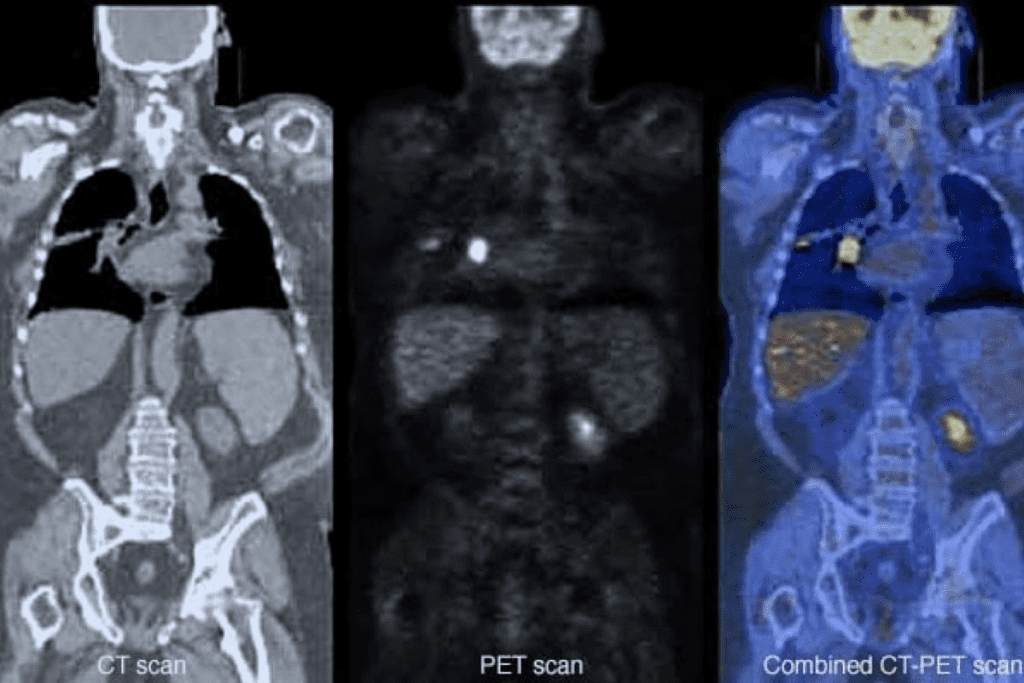
Positron Emission Tomography, or PET, scans are a crucial diagnostic tool in modern medicine, offering insights into the body’s metabolic activity. These scans help doctors diagnose and manage a variety of serious health conditions by providing detailed images of the body’s internal structures and functions.
What is a PET Scan?
A PET scan is a type of imaging test that uses a radioactive tracer to visualize the body’s metabolic processes. During the scan, a small amount of radioactive material is injected into the body, which is then absorbed by the cells. The PET scanner detects the radiation emitted by the tracer, creating detailed images of the body’s internal structures.
The information gathered from a PET scan can help doctors understand how well the body’s cells are functioning, identify areas of abnormal activity, and diagnose conditions such as cancer, neurological disorders, and cardiovascular disease.
Common Medical Conditions Requiring PET Scans
PET scans are used to diagnose and manage a range of medical conditions, including:
- Cancer: PET scans help identify cancerous cells, assess the spread of cancer, and monitor the effectiveness of treatment.
- Neurological disorders: PET scans can help diagnose and manage conditions such as Alzheimer’s disease, Parkinson’s disease, and epilepsy.
- Cardiovascular disease: PET scans assess blood flow to the heart, helping doctors diagnose and manage heart conditions.
By providing detailed images of the body’s metabolic activity, PET scans enable doctors to make more accurate diagnoses and develop effective treatment plans.
How PET Scans Differ from Other Imaging Tests
PET scans differ from other imaging tests, such as CT scans and MRI scans, in that they provide information about the body’s metabolic activity, rather than just its structure. This makes PET scans particularly useful for diagnosing and managing conditions that affect the body’s metabolic processes.
| Imaging Test | Primary Use | Information Provided |
| PET Scan | Diagnosing and managing cancer, neurological disorders, and cardiovascular disease | Metabolic activity, cellular function |
| CT Scan | Diagnosing injuries, cancers, and vascular diseases | Structural information, detailed cross-sectional images |
| MRI Scan | Diagnosing conditions affecting soft tissues, such as organs and tendons | Detailed images of soft tissue structures |
Understanding the differences between PET scans and other imaging tests can help patients better prepare for their diagnostic procedures and appreciate the valuable information these tests provide.
General PET Scan Preparation Guidelines

To ensure a smooth and effective PET scan experience, certain preparations are necessary. Preparing for a PET scan involves understanding and following specific guidelines that can impact the scan’s success.
Fasting Requirements Before Your Scan
One of the critical aspects of preparing for a PET scan is adhering to the fasting requirements. Typically, patients are required to fast for a certain period before the scan to ensure that the radiotracer is absorbed correctly by the body.
The fasting period can vary depending on the type of PET scan and the specific instructions provided by your healthcare provider. Generally, you may be asked to fast for 4 to 6 hours before the scan. It’s essential to avoid consuming any food or drinks during this period, although water is usually allowed.
Medication Adjustments Prior to the Procedure
Another crucial aspect of PET scan preparation is adjusting your medications as advised by your doctor. Certain medications may interfere with the PET scan results, and your healthcare provider may instruct you to temporarily stop taking them before the scan.
It’s vital to inform your healthcare provider about all the medications you are currently taking, including prescription drugs, over-the-counter medications, and supplements. They will provide guidance on which medications to continue or stop before the scan.
Activity Restrictions Before Your Appointment
Before your PET scan, there may be certain activity restrictions to follow. These can include avoiding strenuous exercise or specific activities that could affect the distribution of the radiotracer in your body.
| Preparation Step | Guideline | Notes |
| Fasting | Fast for 4-6 hours | Avoid food and drinks except water |
| Medication Adjustment | Follow doctor’s instructions | Inform doctor about all medications |
| Activity Restrictions | Avoid strenuous exercise | Follow specific instructions from healthcare provider |
By following these general PET scan preparation guidelines, you can help ensure that your scan is conducted safely and effectively, providing your healthcare team with the accurate information they need for your diagnosis and treatment plan.
Brush Teeth Before PET Scan: Oral Hygiene Guidelines
Understanding the importance of brushing your teeth before a PET scan can enhance the imaging results. Oral hygiene is a critical aspect of the preparation process, ensuring that the scan produces accurate and reliable data.
Why Oral Hygiene Matters for Imaging Results
Oral hygiene is essential before a PET scan because it helps remove any substances that might interfere with the imaging process. Food particles, plaque, or other oral debris can potentially affect the uptake of the radiotracer, leading to less accurate scan results.
Proper oral hygiene involves not just brushing your teeth but also ensuring that your mouth is clean and free from any residual food or bacteria. This is particularly important for PET scans that focus on areas like the head and neck.
Recommended Toothbrushing Practices
To prepare for a PET scan, follow these toothbrushing practices:
- Brush your teeth thoroughly at least twice a day, especially after meals.
- Use a fluoride toothpaste that is suitable for your dental health needs.
- Pay special attention to the areas where your teeth and gums meet.
- Rinse your mouth well with water after brushing.
It’s also advisable to avoid eating or drinking anything for at least a few hours before the scan, as directed by your healthcare provider.
Toothpaste and Mouthwash Considerations
When it comes to toothpaste and mouthwash, there are a few considerations to keep in mind:
| Product | Consideration |
| Toothpaste | Avoid using toothpaste with ingredients that could leave residues, such as whitening toothpaste. |
| Mouthwash | Check with your healthcare provider before using any mouthwash, as some ingredients might interfere with the PET scan. |
“Maintaining good oral hygiene is not just about having a healthy smile; it’s also crucial for diagnostic accuracy in medical imaging procedures like PET scans.”
By following these oral hygiene guidelines, you can help ensure that your PET scan results are as accurate as possible, contributing to a more effective diagnosis and treatment plan.
What to Expect During Your PET Scan Procedure
Knowing what happens during a PET scan can make the experience less daunting and more manageable. As you prepare for your appointment, understanding the steps involved can help you feel more comfortable and informed.
Arrival and Check-in Process
Upon arrival, you’ll be greeted by the PET scan team who will guide you through the check-in process. This typically involves verifying your identity, reviewing your medical history, and confirming the details of your scan. It’s essential to arrive a few minutes early to complete any necessary paperwork and get settled before your procedure.
Be prepared to provide information about any medications you’re currently taking and any allergies you may have. This information is crucial for ensuring your safety during the procedure.
Radiotracer Administration and Uptake Period
Once you’re checked in, the next step involves the administration of a radiotracer. This is a small amount of radioactive material that is injected into a vein, usually in your arm. The radiotracer accumulates in the area of interest (such as a tumor or area of inflammation) and helps the PET scan machine create detailed images.
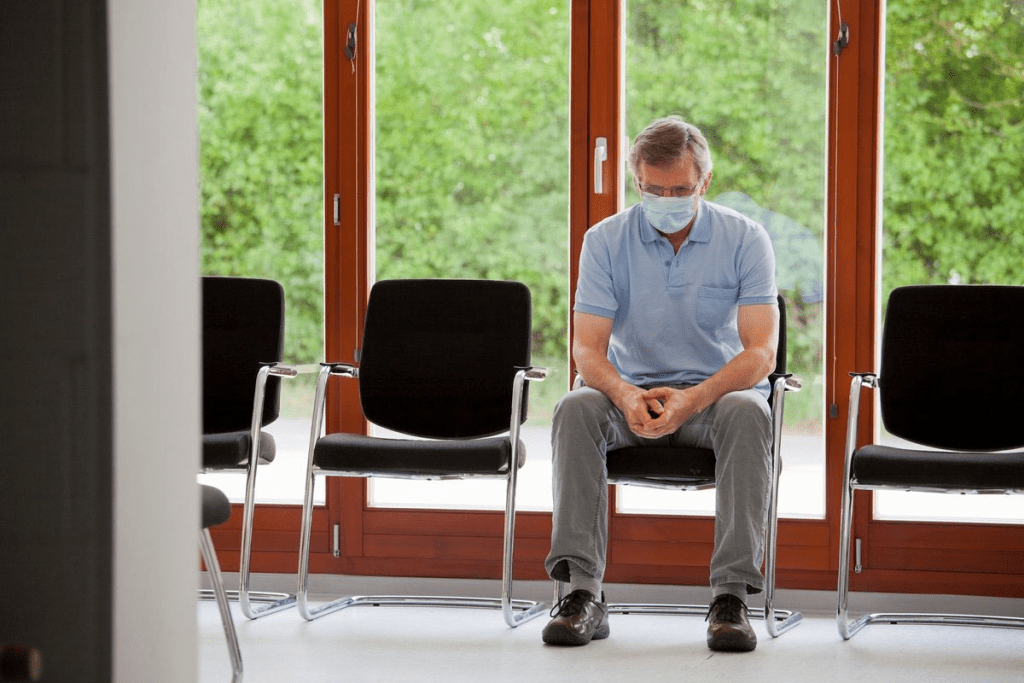
After the radiotracer is administered, there’s typically a waiting period, known as the uptake period, which can last anywhere from 30 minutes to an hour. During this time, you may be asked to rest quietly in a waiting area. The exact length of the uptake period can vary depending on the specific type of PET scan you’re undergoing.
The Scanning Process Explained
Once the uptake period is complete, you’ll be moved to the scanning room where the PET scan will be performed. You’ll be asked to lie on a comfortable table that slides into a large, doughnut-shaped machine. The scan itself is usually painless and typically takes about 30 minutes to an hour, although the total time in the scanning room may be longer due to preparation and positioning.
During the scan, it’s crucial to remain as still as possible to ensure clear images. The technologist will be able to see you and communicate with you through an intercom system, so don’t hesitate to ask if you have any discomfort or need assistance.
Post-PET Scan Care Instructions
After your PET scan procedure, you’ll receive instructions on how to care for yourself properly. It’s essential to follow these guidelines to ensure your safety and comfort during the post-scan period.
Immediate After-Care Requirements
Immediately after your PET scan, you may be required to wait for a short period under observation to ensure there are no adverse reactions to the radiotracer. It’s recommended to have someone accompany you to drive you home, as the effects of the scan and any sedation used may impact your ability to drive safely.
- Remove any clothing with metal (e.g., zippers, buckles) to avoid interference.
- Drink plenty of water to help flush out the radiotracer.
- Avoid close contact with pregnant women and young children for a few hours.
Hydration and Dietary Recommendations
Staying hydrated is crucial after a PET scan. Drink at least 8-10 glasses of water in the 24 hours following your scan to help eliminate the radiotracer from your body. There’s usually no need for special dietary restrictions, but maintaining a healthy diet can help your body recover.
Some facilities may provide specific dietary advice; be sure to follow their recommendations.
Radiation Safety Considerations
The radiotracer used in PET scans emits a small amount of radiation. While the radiation exposure is considered safe, there are some precautions you can take:
- Minimize close contact with others, especially pregnant women and children, for the remainder of the day.
- Use good hygiene practices, such as washing your hands thoroughly after using the restroom.
- Drink plenty of fluids to help your body eliminate the radiotracer.
By following these post-PET scan care instructions, you can ensure a smooth and safe recovery. Always consult your healthcare provider if you have any questions or concerns about your specific situation.
Can I Drive Myself Home After a PET Scan?
One of the most common questions patients have after a PET scan is whether they can drive themselves home. The answer depends on several factors, including the type of PET scan you’ve undergone, the use of sedation during the procedure, and the specific instructions provided by your healthcare provider.
Effects of Sedation and Radioactive Materials on Driving Ability
Sedation is sometimes used to help patients relax during a PET scan. The effects of sedation can last for several hours after the procedure, impairing your ability to drive safely. Additionally, the radioactive tracer used in PET scans remains in your system for a period, although its presence doesn’t directly affect your driving ability; the safety of others is a consideration due to potential radiation exposure.
It’s crucial to understand that the primary concern with driving after a PET scan is the sedation used, not the radioactive material itself. If you were given sedation, it’s generally recommended that you avoid driving until the effects have worn off, which can be several hours.
Medical Recommendations for Post-Scan Transportation
Medical professionals typically advise patients on the best course of action for transportation after a PET scan. If sedation was used, it’s usually recommended that you have someone else drive you home. Your healthcare provider may also give you specific instructions based on your overall health, the type of PET scan, and other factors.
- Have a friend or family member drive you home.
- Use a rideshare or taxi service if you can’t get a ride from someone you know.
- Follow any specific instructions given by your healthcare provider.
Factors That Determine If You Can Drive Home Safely
Several factors determine whether it’s safe for you to drive home after a PET scan, including your overall health, the type of sedation used (if any), and your reaction to the radioactive tracer. It’s always best to err on the side of caution and follow the advice of your healthcare provider.
To ensure your safety and the safety of others, consider the PET scan checklist and scan preparation tips provided by your healthcare team. Understanding the pet scan do’s and don’ts can also help you prepare for your procedure and the period afterward.
Alternative Transportation Options After Your PET Scan
If you’re wondering how you’ll get home after your PET scan, you’re not alone. Many patients face this concern due to the effects of sedation or the radioactive materials used during the procedure.
Having a plan in place for your transportation can significantly reduce stress on the day of your scan. Let’s explore some practical alternatives to driving yourself home.
Family and Friend Assistance
One of the simplest solutions is to ask a family member or friend to accompany you to the scan and drive you home. This not only ensures your safety but also provides you with emotional support during the process.
When asking a friend or family member for help, consider their availability and willingness to assist. It’s a good idea to give them a call as soon as your appointment is scheduled.
Medical Transportation Services
For those who don’t have access to family or friend assistance, medical transportation services are a viable option. These services specialize in transporting patients to and from medical appointments, including PET scans.
| Service Type | Description | Cost |
| Non-emergency medical transportation | Transports patients to medical appointments | Varies by provider |
| Wheelchair transportation | Provides transportation for patients with mobility issues | Varies by provider |
Rideshare and Taxi Services
Rideshare and taxi services offer another convenient option for getting home after your PET scan. Many of these services allow you to book a ride in advance, ensuring that you have transportation ready when your scan is complete.
Tips for using rideshare services post-PET scan:
- Book your ride in advance to avoid delays.
- Inform the driver about any special needs you may have.
- Have your scan instructions and any other relevant documents ready.
By planning ahead and exploring these alternative transportation options, you can ensure a safe and stress-free journey home after your PET scan. Remember, your safety and comfort are paramount, so choose the option that best suits your needs.
Special Considerations for Different Patient Groups
Different patient groups, including pediatric and elderly patients, as well as those with chronic conditions, have unique needs when it comes to PET scan preparation and execution. Understanding these needs is crucial for a successful scan.
Pediatric Patients and PET Scan Procedures
Pediatric patients require special care during PET scans. Their smaller size and developing bodies mean that the dosage of the radiotracer and the scanning process must be adjusted accordingly. It’s essential to follow specific preparation guidelines to ensure the scan is both safe and effective.
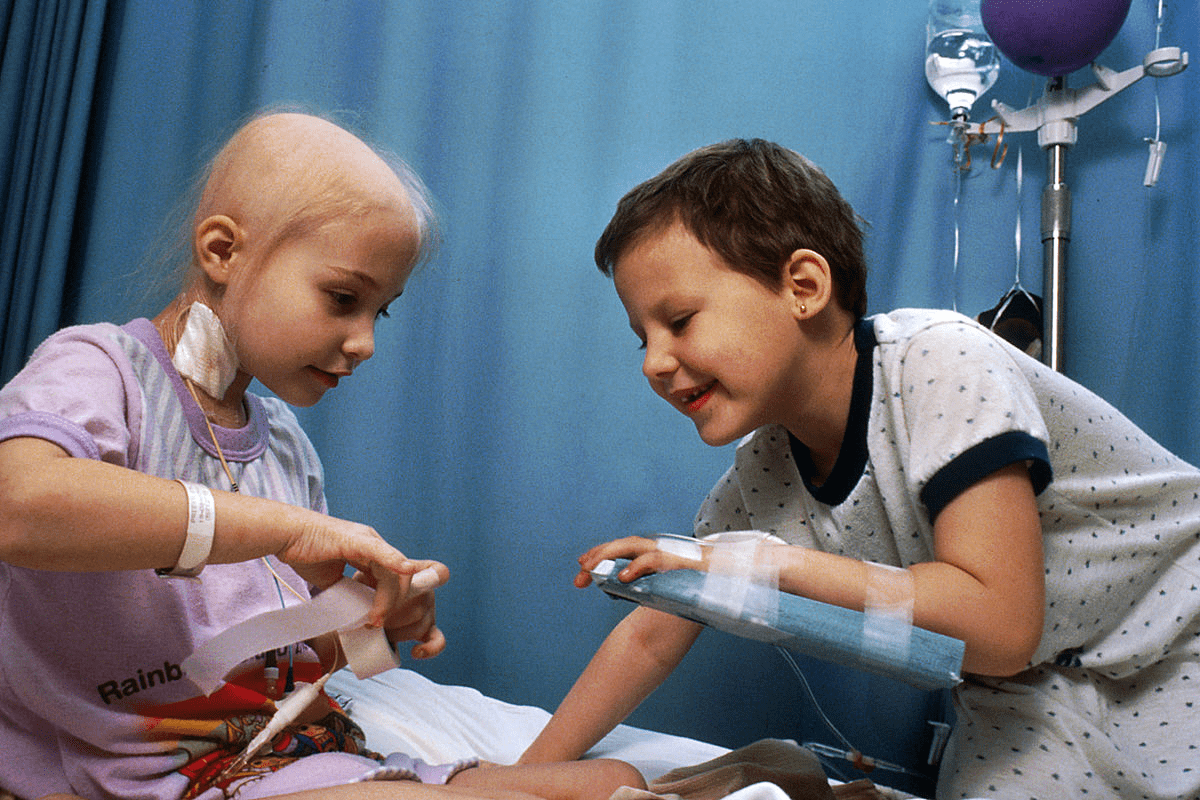
Parents or guardians should be prepared to provide emotional support and help keep their child calm during the procedure. Some facilities may offer sedation or distraction techniques to help children remain still during the scan.
Elderly Patients and Post-Scan Care
Elderly patients may have additional needs, particularly if they have mobility issues or underlying health conditions. It’s crucial to arrange for transportation after the scan, as the effects of any sedation or the radioactive material could impact their ability to drive safely.
Caregivers should also be aware of any post-scan care instructions, including hydration recommendations and any necessary follow-up appointments.
Patients with Diabetes or Other Chronic Conditions
Patients with diabetes or other chronic conditions may need to take extra precautions when preparing for a PET scan. For diabetic patients, managing blood sugar levels before and after the scan is vital. Following scan prep advice from healthcare providers can help minimize any risks.
“For patients with chronic conditions, it’s essential to communicate with your healthcare team about your specific needs and any concerns you may have regarding the PET scan procedure.” – Medical Expert
Maintaining good oral hygiene is also important for all patients, as it can impact the quality of the PET scan images. Brushing your teeth before the scan is a simple yet effective way to ensure the best possible results.
| Patient Group | Special Considerations | Pre-Scan Preparations |
| Pediatric | Emotional support, potential sedation | Adjusted radiotracer dosage, parental presence |
| Elderly | Mobility assistance, post-scan care | Arranged transportation, hydration plans |
| Chronic Conditions (e.g., Diabetes) | Managing condition-specific risks | Blood sugar monitoring, medication adjustments |
By understanding and addressing the unique needs of different patient groups, healthcare providers can ensure that PET scans are conducted safely and effectively.
Planning for Your PET Scan Day: A Comprehensive Checklist
To make the most of your PET scan appointment, it’s essential to be well-prepared. A PET scan is a sophisticated medical imaging technique that requires some preparation to ensure the procedure goes smoothly and the results are accurate.
Day Before Preparation Steps
The day before your PET scan is crucial for preparation. Here are some steps you should take:
- Review your medication schedule: Inform your doctor about any medications you’re currently taking. Some medications may need to be adjusted or temporarily stopped before the scan.
- Follow dietary instructions: Your healthcare provider may give you specific dietary instructions. Typically, you’ll be asked to fast for a certain period before the scan.
- Hydrate adequately: Drink plenty of water to ensure you’re well-hydrated. However, follow any specific hydration instructions provided by your healthcare team.
- Prepare your clothing: Wear comfortable, loose-fitting clothing. Avoid wearing anything with metal, such as zippers, buckles, or jewelry, as it can interfere with the scan.
Items to Bring to Your Appointment
Being prepared with the right documents and items can make your PET scan appointment more efficient:
- Identification and insurance documents: Bring your ID, insurance cards, and any relevant medical records.
- Comfort items: You may want to bring a book or a listening device to help pass the time during the uptake period.
- List of medications: Have a list of your current medications and dosages ready to share with the medical team.
- Comfortable clothing: As mentioned, wear loose, comfortable clothing and avoid metal accessories.
Post-Scan Recovery Planning
After your PET scan, there are a few things to keep in mind for a smooth recovery:
- Arrange for transportation: Due to the radioactive tracer used in the PET scan, it’s often recommended that someone else drives you home.
- Stay hydrated: Continue to drink plenty of water to help flush out the radioactive tracer from your body.
- Follow post-scan instructions: Your healthcare provider may give you specific instructions to follow after the scan, such as avoiding close contact with pregnant women or young children for a certain period.
- Resume normal activities gradually: You can typically resume your normal activities the day after the scan, but follow any specific guidance provided by your healthcare team.
By following this comprehensive checklist, you can ensure that you’re well-prepared for your PET scan, from the day before through post-scan recovery. This preparation will help make the process as smooth and stress-free as possible.
Conclusion: Prioritizing Safety After Your PET Scan
As you’ve learned, preparing for a PET scan involves more than just understanding the procedure itself. Following scan guidelines and preparation tips is crucial for achieving accurate results and ensuring your safety throughout the process.
Prior to your scan, adhering to before scan care instructions, such as fasting requirements and pre procedure prep, is vital. Additionally, maintaining good oral hygiene by brushing your teeth before the scan can impact the quality of the imaging results.
After the scan, it’s essential to follow preparation protocol for post-scan care, including understanding the effects of sedation and radioactive materials on your ability to drive. By considering scan prep tips and preparation advice, you can ensure a smooth and safe experience.
By prioritizing your safety and following the guidelines outlined, you can confidently navigate your PET scan appointment. Always consult with your healthcare provider for personalized preparation advice and care instructions.
FAQ
What is a PET scan, and how does it work?
A PET (Positron Emission Tomography) scan is a medical imaging test that uses a small amount of radioactive material to diagnose and monitor various health conditions, including cancer, neurological disorders, and cardiovascular disease.
Why is fasting required before a PET scan?
Fasting is required before a PET scan to ensure that the radioactive material is absorbed by the body correctly, allowing for accurate imaging results. The duration of fasting may vary depending on the specific scan and medical condition.
Can I brush my teeth before a PET scan?
Yes, brushing your teeth before a PET scan is generally allowed, but it’s essential to follow specific guidelines regarding toothpaste and mouthwash to avoid interfering with the scan results.
How long does a PET scan procedure take?
The PET scan procedure typically takes around 30 minutes to several hours, depending on the type of scan and the individual’s condition. The scanning process itself usually takes around 15-30 minutes.
Can I drive myself home after a PET scan?
It is generally not recommended to drive yourself home after a PET scan, especially if you’ve received sedation or have certain medical conditions. The effects of sedation and radioactive materials can impair your ability to drive safely.
What are the alternative transportation options after a PET scan?
Alternative transportation options after a PET scan include having a family member or friend drive you home, using medical transportation services, or utilizing rideshare and taxi services.
Are there special considerations for pediatric patients undergoing PET scans?
Yes, pediatric patients require special consideration when undergoing PET scans, including adjusted dosing of the radioactive material and tailored preparation and care to minimize anxiety and ensure their safety.
How can I prepare for my PET scan day?
To prepare for your PET scan day, follow the pre-scan instructions provided by your healthcare provider, including fasting, medication adjustments, and activity restrictions. It’s also essential to plan for post-scan recovery and arrange for transportation.
What should I bring to my PET scan appointment?
Bring any required documents, such as insurance cards and identification, as well as any necessary medical records or test results. Wear comfortable clothing and avoid wearing jewelry or clothing with metal.
How can I care for myself after a PET scan?
After a PET scan, follow the post-scan care instructions provided by your healthcare provider, including staying hydrated, following dietary recommendations, and taking any prescribed medications.
Are there any specific oral hygiene guidelines for PET scans?
Yes, it’s recommended to brush your teeth before a PET scan, but avoid using toothpaste or mouthwash that may contain ingredients that could interfere with the scan results. Rinse your mouth with water instead.
Can patients with diabetes or other chronic conditions undergo PET scans?
Yes, patients with diabetes or other chronic conditions can undergo PET scans, but they may require special considerations and adjustments to their preparation and care to ensure their safety and the accuracy of the scan results.
References
- Dana-Farber Cancer Institute. (n.d.). Preparing for your PET/CT scan. Retrieved from https://www.dana-farber.org/health-library/preparing-for-your-petct-scan
- Brown University Health. (n.d.). How to prepare for your PET/CT scan: General directions. Retrieved from https://www.brownhealth.org/centers-services/pet-ct/preparing-your-petct-exam/how-prepare-your-petct-scan-general-directions
- UCSF Radiology. (n.d.). PET/CT patient preparation. Retrieved from https://radiology.ucsf.edu/patient-care/prepare/pet-ct