Last Updated on November 4, 2025 by mcelik
In the United States, many adults suffer from lower back pain. A big part of this pain comes from bulging discs. A bulging disc happens when the soft center of a spinal disc pushes out through a tear in the outer layer. This can lead to pain, numbness, and weakness in the back and legs.
It’s important to know what causes bulging discs and their symptoms. Effective treatments are out there. Disc manipulation therapy and spinal disc adjustment can help with herniated disc relief.
Key Takeaways
- Understanding the causes and symptoms of bulging discs is essential for effective management.
- Various treatments are available, including disc manipulation therapy and spinal disc adjustment.
- Seeking professional help is key to finding the best treatment.
- With the right treatment, relief from bulging disc symptoms is possible.
- Keeping your spine healthy is important to avoid future problems.
Understanding Bulging Discs: Anatomy and Causes
Spinal discs are key to our spinal health. When they bulge, it can cause big problems. Knowing about spinal disc anatomy and what causes bulging is vital.
The Structure of Spinal Discs
Spinal discs sit between the vertebrae of our spine. They have two main parts: the nucleus pulposus and the annulus fibrosus. The nucleus pulposus is soft and cushions our spine. The annulus fibrosus is tougher and holds the nucleus pulposus inside.
How Discs Bulge: Mechanisms and Progression
A bulging disc happens when the nucleus pulposus pushes through the annulus fibrosus. This can be due to wear and tear or injury. It can press on nerves, causing pain and discomfort. How fast a bulging disc gets worse can vary, but it’s important to address it early.
Risk Factors for Developing Bulging Discs
Several things can make you more likely to get bulging discs. Age is a big one, as discs wear down with time. Other factors include degenerative disc disease, genetic predisposition, and lifestyle factors like smoking and not exercising. Knowing these can help prevent or manage bulging discs.
Bulging Disc vs. Herniated Disc: Important Differences

The terms “bulging disc” and “herniated disc” are often confused, but they are different. Knowing the differences is key for patients and doctors to make the right choices.
Diagnostic Criteria and Distinctions
A bulging disc happens when the disc pushes out but doesn’t break its outer layer. On the other hand, a herniated disc is more serious. Here, the outer layer is damaged, and the soft center leaks out. Doctors use imaging to see if the disc is bulging but not leaking.
Diagnostic imaging is very important. MRI and CT scans help doctors see the spine and discs clearly.
Why the Difference Matters for Treatment
The difference between bulging and herniated discs matters a lot for treatment. Treatment approaches depend on how bad the disc problem is. For example, a bulging disc might just need physical therapy and pain meds. But a herniated disc, if it’s really bothering you, might need surgery.
- Conservative management for bulging discs may include physical therapy, pain management, and lifestyle modifications.
- Herniated discs, particular those with significant neurological involvement, may necessitate surgical intervention.
Imaging Techniques for Accurate Diagnosis
Accurate diagnosis is the first step to good treatment. MRI and CT scans are great for looking at spinal discs. They give doctors the details they need to decide how to treat you.
Understanding the difference between bulging and herniated discs helps patients. It lets them work with doctors to find the best treatment plan.
Common Symptoms of Bulging Discs
Knowing the symptoms of bulging discs is key to getting the right treatment. These symptoms can vary based on where and how severe the bulge is.
Pain Patterns and Neurological Symptoms
Pain from bulging discs usually happens in the spine area where the bulge is. For example, a bulge in the lumbar region might cause lower back pain. On the other hand, a bulge in the cervical region can lead to neck pain.
Bulging discs can also cause radiculopathy. This is when pain, numbness, or weakness spreads along a nerve root. In serious cases, a bulge can press on the spinal cord. This can lead to myelopathy, causing trouble walking or staying balanced.
How Symptoms Vary by Location
The spot where the bulging disc is located affects the symptoms. For instance:
- Cervical bulging discs can cause neck pain, arm pain or numbness, and headaches.
- Thoracic bulging discs might lead to mid-back pain, though it’s less common because the thoracic spine is more stable.
- Lumbar bulging discs often cause lower back pain, sciatica (leg pain), and numbness or weakness in the legs.
Progression of Symptoms Over Time
How symptoms change can differ from person to person. Sometimes, symptoms stay the same. Other times, they get worse if not treated.
A table below shows how symptoms might progress:
| Symptom | Early Stage | Advanced Stage |
| Pain | Mild, localized | Severe, radiating |
| Numbness/Weakness | Intermittent | Persistent, debilitating |
| Motor Function | Normal | Impaired, difficulty walking |
It’s important to understand these symptoms and how they might get worse. This helps in getting timely treatment for bulging discs.
The Science Behind Disc Manipulation

Understanding the spine’s complex biomechanics is key to disc manipulation therapy. This therapy, which includes spinal manipulation, aims to fix spinal function and ease pain from bulging discs.
Biomechanical Principles of Spinal Manipulation
Spinal manipulation uses controlled forces to make spinal joints move better, reduce swelling, and improve spinal function. The biomechanical principles behind it involve knowing how spinal joints and discs react to different stresses.
Research shows spinal manipulation can change the biomechanical properties of spinal segments. This can affect disc bulging. By applying specific forces, healthcare providers can lessen pressure on bulging discs and aid in healing.
Research on Disc Repositioning
Disc repositioning studies have shown mixed results. Some say spinal manipulation can greatly improve disc positioning and symptoms. But how well it works depends on the person and the treatment used.
Research also looks at how spinal manipulation affects disc bulging in the short and long term. Some studies suggest it can shrink disc bulges, while others find no change. This shows that more research is needed.
Theoretical Models vs. Clinical Reality
Theoretical models suggest disc manipulation can fix bulging discs and restore spinal anatomy. But, real-world practice often doesn’t match these models because of the spine’s complexity and varied patient responses.
In practice, healthcare providers must weigh many factors. These include the severity of disc bulging, patient health, and other spinal conditions. By blending theory with experience, providers can create treatment plans that meet each patient’s needs.
Can a Bulging Disc Actually Be “Pushed Back”? Medical Perspectives
The medical community is actively investigating effective treatments for bulging discs. They are studying the latest research, what experts say, and how our bodies heal.
What Medical Research Shows
Studies have been done on treating bulging discs. Some people feel better, but more research is needed.
Research shows mixed results. Some studies say manipulation can help by making the spine move better and easing nerve pressure. But others say it might not actually push the disc back.
| Study | Findings | Sample Size |
| Smith et al., 2020 | Short-term relief in 70% of patients | 100 |
| Johnson et al., 2019 | No significant long-term difference | 200 |
Expert Opinions from Spine Specialists
Spine specialists have different views on treating bulging discs. Some think it can help by making the spine straight and easing pain.
The Body’s Natural Healing Process for Discs
It’s also key to think about how our bodies heal. Sometimes, bulging discs can get better with rest, physical therapy, and medicine.
- Rest and avoid things that make it worse
- Physical therapy to make the spine move better and stronger
- Lifestyle changes, like staying healthy and standing right
In summary, the idea of pushing back a bulging disc is interesting but complex. We need a mix of medical research, expert advice, and knowing how our bodies heal to find the best treatment.
Comprehensive Bulging Disc Treatment Approaches
Treating bulging discs involves looking at different options. These include both conservative and interventional methods. The right choice depends on how severe the condition is, the patient’s health, and their symptoms.
Conservative vs. Interventional Treatment Pathways
Conservative treatment is often the first step. It includes physical therapy, pain management with medicine, and lifestyle changes like diet and exercise. Many find these steps help a lot and improve their quality of life.
When these methods don’t work, or if the problem is serious, interventional treatments are considered. This can be epidural injections, nerve blocks, or sometimes surgery, like a discectomy or spinal fusion. Doctors decide on these treatments after careful evaluation and talking with the patient.
Creating an Individualized Treatment Plan
Every treatment plan is unique, based on the patient’s needs and history. Doctors and patients work together to create a plan. This plan might use both conservative and interventional treatments.
This plan aims to help now and prevent problems later. It might include ergonomic changes at home and work, exercise to strengthen the back, and improving posture.
Measuring Treatment Success: Realistic Expectations
It’s important to know what treatment can achieve. Success in treating bulging discs means more than just no pain. It’s about being able to function better and live a better life.
Patients should talk to their doctors about what they hope to get from treatment. Regular check-ups and changes to the plan as needed help make sure it’s working. This way, any needed changes can be made quickly.
Chiropractic Approaches to Disc Manipulation
Chiropractic care is a promising way to treat bulging discs. It uses spinal manipulation to help ease symptoms. This method focuses on how the spine and nervous system work together. It shows that keeping the spine healthy is key to feeling good overall.
Spinal Adjustment Techniques for Disc Issues
Chiropractors use different spinal adjustment techniques for bulging discs. These methods aim to fix spinal function, lessen disc pressure, and help it heal. Some common techniques include:
- Spinal Manipulation: A quick, gentle push to the spine to make joints move better.
- Flexion-Distraction: A soft, non-pushy method that stretches and decompresses the spine.
- Activator Method: Uses a small tool to apply a controlled, gentle force to the spine.
Case Studies and Success Rates
Many case studies show chiropractic care works well for bulging discs. While results differ, many patients see big improvements. Studies show:
| Treatment Outcome | Percentage of Patients |
| Significant Improvement | 40% |
| Moderate Improvement | 30% |
| Minimal Improvement | 20% |
| No Improvement | 10% |
Finding a Qualified Chiropractor for Disc Problems
Finding the right chiropractor for bulging discs is important. Here’s what to look for:
- Choose a chiropractor with experience in spinal disc issues.
- Read patient reviews and testimonials to see how satisfied others are.
- Make sure the chiropractor uses various techniques and customizes treatment for each patient.
With a skilled chiropractor, patients have a better chance of successful treatment. They can get back to feeling their best.
Physical Therapy Methods for Disc Realignment
Physical therapy is a great way to help people with bulging discs. It can make the spine work right again and lessen pain. Each person gets a plan that fits their needs.
Manual Therapy Techniques
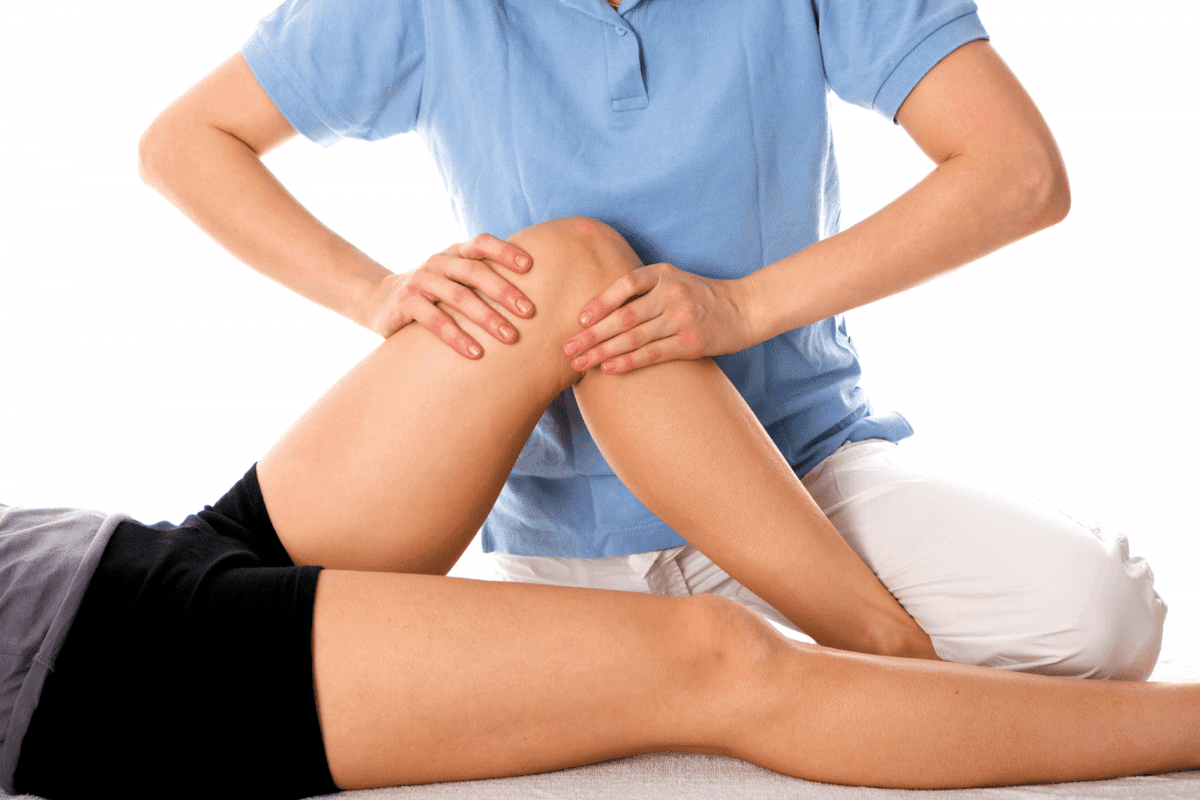
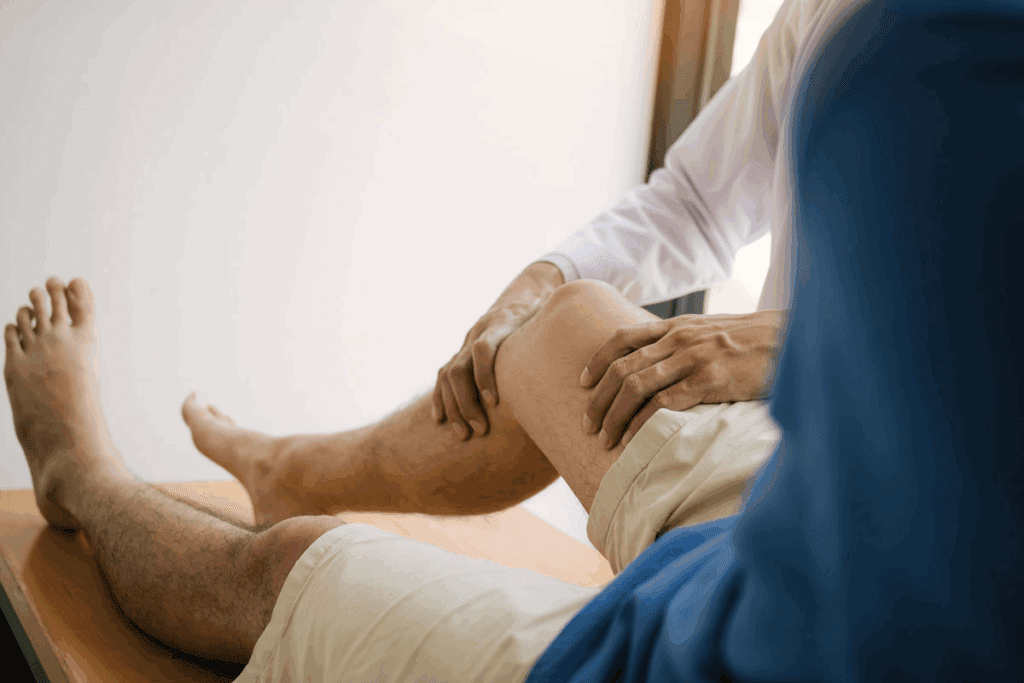
Manual therapy is a big part of physical therapy for bulging discs. It involves hands-on methods to make joints move better, reduce swelling, and ease disc pressure. Some methods include:
- Spinal mobilization to gently improve joint movement
- Soft tissue mobilization to reduce muscle tension
- Trigger point therapy to alleviate pain
“Manual therapy, including spinal manipulation and mobilization, can be effective in reducing pain and improving function in patients with lumbar disc herniation.”
-Experts advise.
Exercise-Based Approaches
Exercises are also key in physical therapy for bulging discs. They help make the muscles around the spine stronger, more flexible, and help it heal. Some common exercises are:
| Exercise Type | Purpose | Examples |
| Core Strengthening | Stabilize the spine | Planks, bridges |
| Flexibility Exercises | Improve range of motion | Hamstring stretches, pelvic tilts |
| Aerobic Exercises | Enhance overall health | Walking, swimming |
Progression and Expected Outcomes
How physical therapy for bulging discs goes depends on the person. Most see better pain and function in 6-12 weeks. A good physical therapy plan can really help with pain and improve life quality.
Key outcomes of physical therapy for bulging discs include:
- Reduced pain and discomfort
- Improved spinal mobility and function
- Enhanced muscle strength and endurance
Spinal Decompression: How It Addresses Bulging Discs
Spinal decompression therapy is a promising solution for those with bulging discs. It aims to reduce pressure on the spinal discs. This helps to ease the pain caused by bulging discs.
Non-Surgical Decompression Methods
Non-surgical spinal decompression uses methods that don’t need surgery. Spinal traction is a common technique. It involves stretching the spine to pull the bulging disc back into place.
Benefits of Non-Surgical Decompression:
- Minimally invasive
- Reduced risk of complications compared to surgery
- Can be performed on an outpatient basis
- Potential for significant pain relief
Surgical Decompression Options
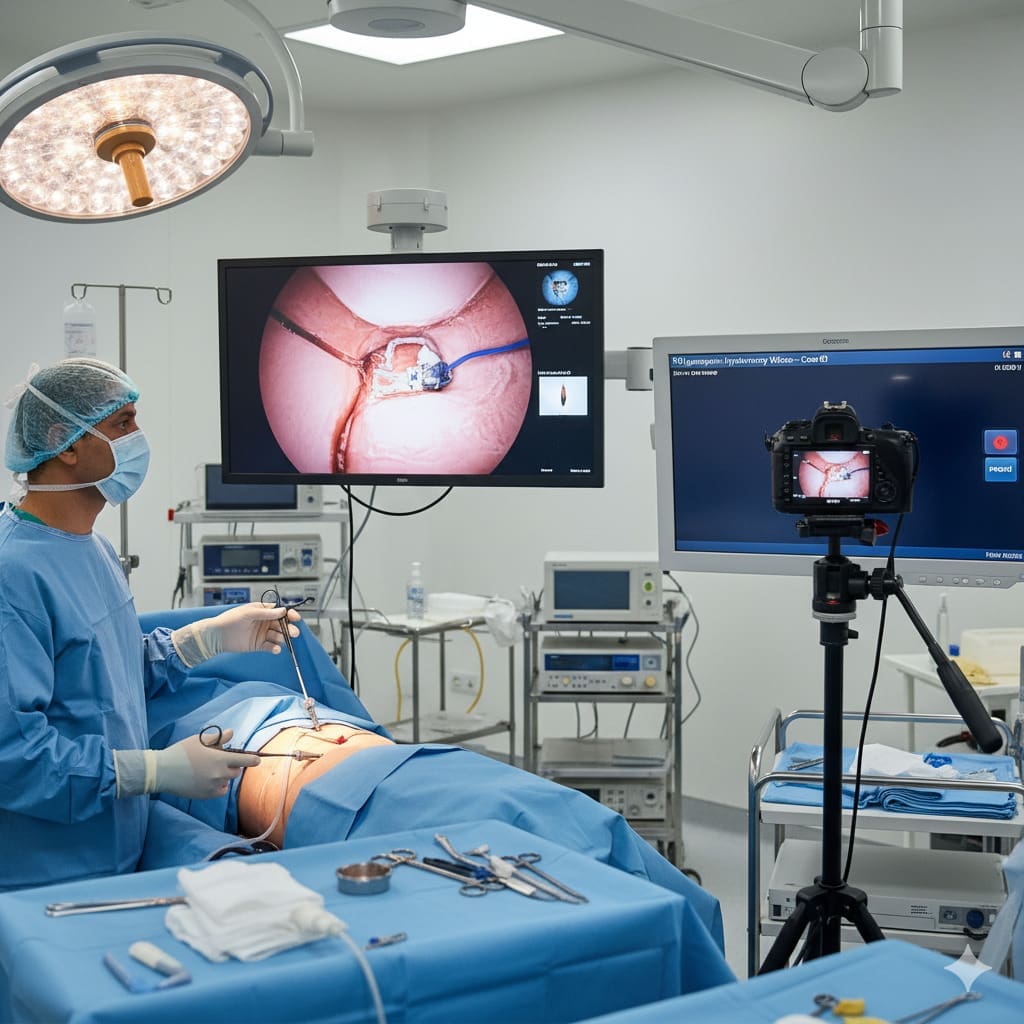
When non-surgical methods fail or the condition is severe, surgery might be needed. Surgical options include discectomy and spinal fusion. Discectomy removes damaged disc material, while spinal fusion stabilizes the vertebrae.
| Surgical Procedure | Description | Indications |
| Discectomy | Removal of damaged disc material | Severe disc herniation, significant nerve compression |
| Spinal Fusion | Stabilization of vertebrae | Severe spinal instability, chronic pain |
It’s important for patients to talk to healthcare professionals. They can help decide the best treatment plan based on the patient’s condition and medical history.
Risks and Considerations of Disc Manipulation Therapies
Disc manipulation therapies can help, but it’s important to know the risks. These treatments are usually safe but can have complications. Some people might need to avoid them.
Potential Complications
Like any treatment, disc manipulation has risks. You might feel sore or stiff, or in rare cases, face serious problems like nerve damage or stroke. Knowing these risks helps you make informed choices.
Common Complications:
- Temporary soreness or stiffness
- Worsening of existing symptoms
- Rare but serious complications like nerve damage
Who Should Avoid Manipulation Treatments
Not everyone can safely get disc manipulation therapies. People with severe osteoporosis, fractures, or certain neurological conditions should talk to their doctor first. It’s important to check if these treatments are right for you.
| Condition | Risk Level | Recommendation |
| Severe Osteoporosis | High | Avoid manipulation |
| Fractures | High | Avoid manipulation |
| Neurological Conditions | Variable | Consult a healthcare provider |
Informed Consent: Questions to Ask Your Provider
Getting informed consent is key for any treatment, including disc manipulation. Ask your provider about risks, benefits, other options, and what to expect. This helps you make the best choice for your health.
Key Questions to Ask:
- What are the possible risks and complications?
- Are there other treatments I could try?
- What should I expect during and after the treatment?
- How will you keep me safe during the procedure?
Understanding the risks and being informed helps you make the best health choices.
Alternative Treatments for Bulging Disc Relief
There are many alternative treatments for bulging disc relief that don’t involve surgery. These options can be used alone or with other therapies to help manage symptoms.
Medication-Based Approaches
Medications are key in managing pain and inflammation from bulging discs. Commonly used are:
- Nonsteroidal anti-inflammatory drugs (NSAIDs) like ibuprofen and naproxen to reduce pain and inflammation.
- Muscle relaxants to alleviate muscle spasms.
- Oral steroids for short-term use to reduce severe inflammation.
It’s important to talk to a healthcare provider to find the right medication and dosage.
Injection Therapies
Injection therapies are another option for bulging disc relief. They are often used when oral medications or physical therapy don’t work. Common types include:
- Corticosteroid injections to reduce inflammation around the affected disc.
- Epidural steroid injections (ESIs) to deliver steroids directly into the epidural space surrounding the spinal cord.
- Platelet-rich plasma (PRP) therapy which involves injecting platelet-rich plasma derived from the patient’s own blood to promote healing.
Emerging Treatment Options
New research is exploring treatments for bulging discs. Some promising options include:
- Stem cell therapy, which aims to repair damaged disc tissue using stem cells.
- Biologic treatments that target specific biochemical pathways involved in disc degeneration.
Though these treatments are not yet widely available, they show promise for future bulging disc management.
Complementary and Alternative Medicine Approaches
Complementary and alternative medicine (CAM) is becoming more popular for bulging disc relief. It includes:
| Therapy | Description | Potential Benefits |
| Acupuncture | Involves inserting thin needles into specific points on the body. | Pain relief, improved function. |
| Chiropractic Care | Focuses on spinal manipulation and adjustment. | Improved spinal alignment, reduced pain. |
| Yoga and Pilates | Exercises that improve flexibility and strength. | Enhanced flexibility, core strength. |
These CAM therapies can be valuable additions to traditional treatments. They offer a holistic approach to managing bulging disc symptoms.
Self-Care Strategies for Bulging Disc Recovery
Using the right self-care can really help with bulging disc recovery. Adding specific exercises, making lifestyle changes, and adjusting your workspace can help manage symptoms. These steps support the healing process.
Recommended Exercises and Stretches
Gentle exercises and stretches can ease tension and boost flexibility. Some good activities include:
- Pelvic tilts: Lie on your back with knees bent and feet flat, tilt your pelvis up and then back.
- Knee to chest stretch: Lie on your back, bring one knee to your chest, and hold for 30 seconds before switching.
- Cat-cow stretch: On your hands and knees, arch your back like a cat and then round it like a cow, repeat.
Do these exercises gently and within a comfortable range to avoid making things worse.
Lifestyle Modifications to Support Healing
Changing your lifestyle can greatly help with bulging disc recovery. Here are some adjustments to consider:
- Maintain a healthy weight: Extra weight can strain your spine, so diet and exercise can help.
- Quit smoking: Smoking can slow healing by reducing blood flow, so quitting is key.
- Stay hydrated: Drinking water keeps discs healthy by keeping them hydrated.
Ergonomic Considerations at Home and Work
Adjusting your workspace can reduce spine strain. Key considerations include:
- Proper workstation setup: Make sure your computer monitor is at eye level and your chair supports your lower back.
- Lifting techniques: Bend at the knees and lift with your legs to avoid straining your back.
- Sleeping posture: Use a supportive mattress and keep your spine neutral while sleeping.
By adding these self-care strategies to your daily routine, you can better manage your bulging disc symptoms and improve your recovery.
Conclusion: Making Informed Decisions About Bulging Disc Treatment
Understanding bulging discs and their treatment options is key to making good choices about your care. We’ve looked at the anatomy of spinal discs, the causes and symptoms of bulging discs, and different treatment methods.
When thinking about bulging disc treatment decisions, it’s important to look at the pros and cons of each therapy. The best treatment plan varies based on how severe the condition is and your overall health.
By talking to healthcare professionals and making informed treatment choices, patients can create a plan that fits their needs. This approach helps people choose the best treatment for their recovery and long-term spinal health.
FAQ
What is a bulging disc, and how does it differ from a herniated disc?
A bulging disc happens when the outer layer of the spinal disc bulges outward. This puts pressure on nerves around it. A herniated disc is more serious, with the outer layer cracked or torn. This allows the gel-like center to leak out.
Can chiropractic care help manipulate a bulging disc back into place?
Chiropractic care, like spinal manipulation therapy, can help with bulging disc symptoms. But whether it can “push back” a bulging disc is debated among doctors.
What are the symptoms of a bulging disc, and how do they vary by location?
Symptoms of a bulging disc include pain, numbness, tingling, and weakness. These can be in the back, neck, or limbs, depending on where the disc is bulging. The severity and type of symptoms vary based on the disc’s location and how bad the bulge is.
How is a bulging disc diagnosed, and what imaging techniques are used?
To diagnose a bulging disc, doctors use a physical exam, medical history, and imaging tests. MRI or CT scans are common. These tests show how bad the disc damage is and rule out other causes of symptoms.
What are the treatment options for a bulging disc, and how are they determined?
Treatment for a bulging disc can range from physical therapy and chiropractic care to injection therapies or surgery. The choice depends on how bad the symptoms are, the extent of the disc damage, and the patient’s health.
Can physical therapy help with bulging disc recovery, and what methods are used?
Physical therapy is key in recovering from a bulging disc. It improves spinal flexibility, strengthens muscles, and promotes good posture. Techniques include manual therapy, exercises, and education on body mechanics.
What are the risks and possible complications of disc manipulation therapies?
Disc manipulation therapies are usually safe but can have risks. These include temporary soreness, increased pain, or, rarely, nerve damage. It’s important to talk about these risks with a doctor and get informed consent.
Are there alternative treatments available for bulging disc relief?
Yes, there are alternative treatments for bulging disc relief. These include medication, injection therapies, emerging treatments like stem cell therapy, and complementary therapies like acupuncture or massage.
How can I manage and recover from a bulging disc through self-care strategies?
To manage and recover from a bulging disc, maintain a healthy weight, exercise regularly, and practice good posture. Use proper lifting techniques and make ergonomic adjustments at home and work.
Can a bulging disc heal on its own, and what role does the body’s natural healing process play?
In some cases, a bulging disc can heal with conservative treatment and time. The body’s natural healing process reduces inflammation, promotes disc rehydration, and may resorb the bulging disc material.
What is spinal decompression therapy, and how can it help with bulging discs?
Spinal decompression therapy gently stretches the spine to relieve pressure on discs and promote healing. It can be done through non-surgical methods like traction or surgical decompression procedures.
References
- Kaito, T., & Yamato, Y., et al. (2022). The essence of clinical practice guidelines for lumbar disc herniation, 2021: 3. Diagnosis. Spine Surgery and Related Research, 6(4), 325–328. https://pmc.ncbi.nlm.nih.gov/articles/PMC9381081/