Last Updated on November 27, 2025 by Bilal Hasdemir
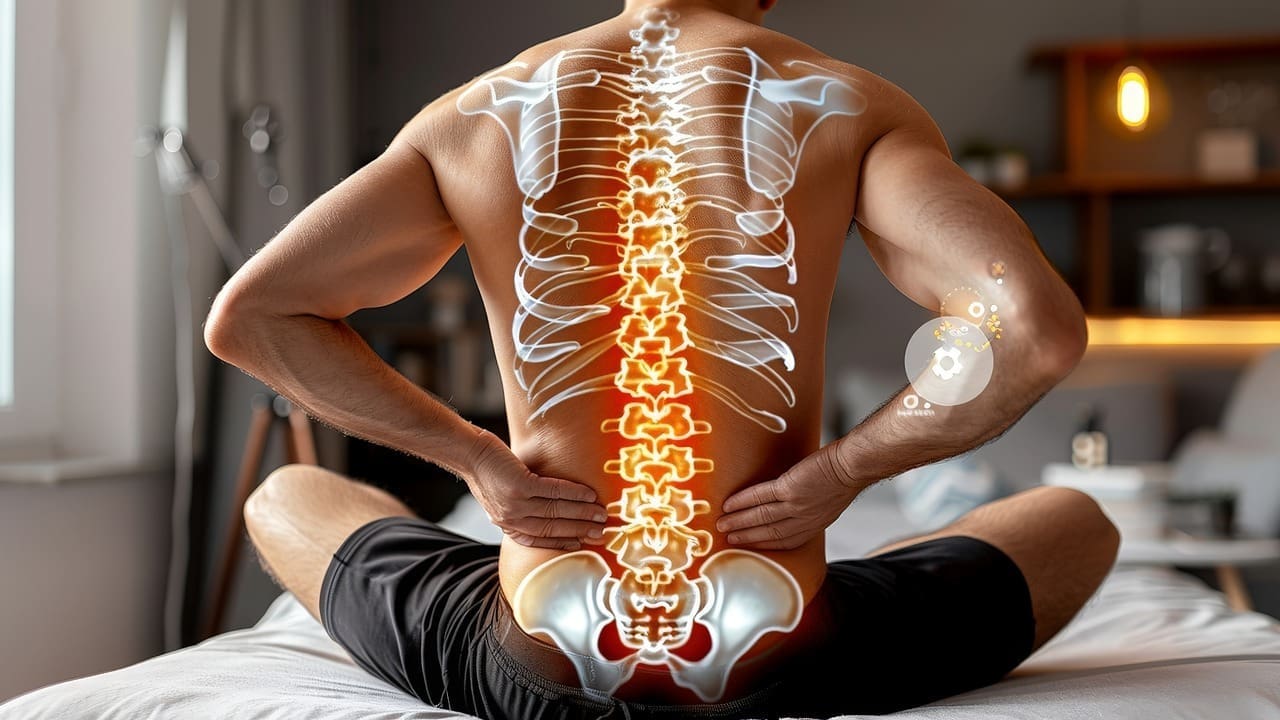
A sudden, traumatic blow to the spine can cause serious damage. This includes fractures or dislocations of the vertebrae. The C7 vertebra is key for neck mobility and stability. At Liv Hospital, we know how serious C7 spinal injuries are and the need for quick, specialized care.
Injuries to the C7 vertebra can lead to various symptoms and complications. This means we need a detailed approach to diagnosis and treatment. Our team is committed to top-notch healthcare for all patients, including those from abroad.
Key Takeaways
- Understanding the causes and symptoms of C7 vertebrae fractures is crucial for timely diagnosis.
- C7 spinal injuries require specialized care to prevent long-term complications.
- Liv Hospital’s expertise in spinal trauma care ensures comprehensive treatment options.
- A multidisciplinary approach is essential for managing C7 neck fractures effectively.
- Recognizing the signs of C7 damage symptoms early can significantly improve patient outcomes.
Understanding the C7 Spinal Anatomy and Its Function
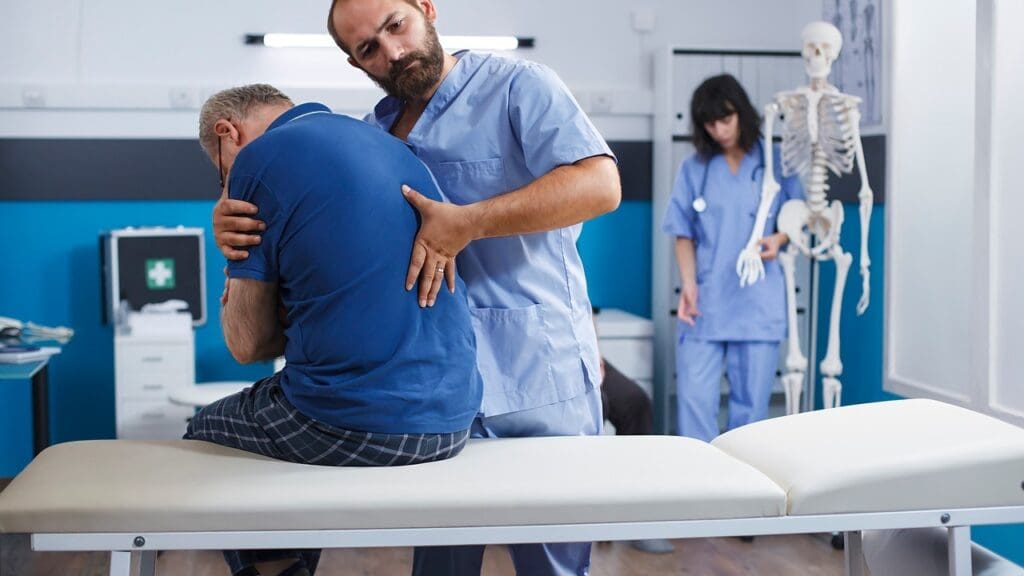
The C7 vertebra is key in the cervical spine, linking the neck to the thoracic spine. It’s the lowest cervical vertebra and has a big spinous process.
The Role of C7 in the Cervical Spine
The C7 vertebra is part of the seven cervical vertebrae in the neck. It helps support the head and allows for movement. It’s important because it connects the more mobile cervical spine to the less mobile thoracic spine.
Research on NCBI shows the cervical spine needs precise alignment for health.
Unique Features of the C7 Vertebra
The C7 vertebra stands out with its big spinous process at the neck’s base. This makes it easy to feel and call the “vertebra prominens.” It also has a bigger vertebral body to better distribute weight.
The Transition Point Between Cervical and Thoracic Spine
The C7 vertebra is at the cervical and thoracic spine junction. It’s crucial for the transition from the flexible cervical spine to the rigid thoracic spine. It helps absorb and distribute forces, supporting the thoracic vertebrae.
| Vertebra | Key Features | Function |
|---|---|---|
| C6 | Less prominent spinous process | Supports cervical spine mobility |
| C7 | Prominent spinous process, larger vertebral body | Transition to thoracic spine, load distribution |
| T1 | First thoracic vertebra, articulation with ribs | Beginning of thoracic spine, rib cage support |
Knowing about the C7 vertebra’s anatomy and function is key to understanding its role in spine health. Its unique features and position make it essential for the spinal column.
Where Is C6 and C7: Locating Key Vertebrae

Knowing where C6 and C7 vertebrae are is key for treating neck injuries. We’ll show you how to spot these important vertebrae and their role in the spine.
Identifying the Prominent C7 Vertebra
The C7 vertebra, or vertebra prominens, stands out because of its long spinous process. This makes it easy for doctors to find other cervical vertebrae. You can feel the long spinous process at the neck’s base when it’s bent.
The Relationship Between C6, C7, and T1
C6 and C7 sit next to each other in the lower neck, with C7 leading to the thoracic spine (T1). Knowing how these vertebrae work together is vital for checking the spine’s alignment and strength. The change from the neck to the chest spine is where injuries often happen.
Common Misconception: Is There a C8 Vertebrae?
Many think there’s a C8 vertebra, but there’s not. C8 actually refers to the nerve root below C7. This nerve controls arm and hand functions. It’s important to know this to diagnose and treat correctly.
| Vertebrae | Characteristics | Significance |
|---|---|---|
| C6 | Located above C7, less prominent spinous process | Important for assessing cervical spine alignment |
| C7 | Prominent spinous process, transition to thoracic spine | Landmark for identifying other cervical vertebrae |
| T1 | First thoracic vertebra, marks the beginning of the thoracic spine | Significant for understanding the cervico-thoracic junction |
Understanding C6 and C7’s location and features helps doctors treat neck problems better. Knowing how these vertebrae connect with others is key for good treatment plans.
Common Causes of C7 Spinal Fractures and Injuries
Fractures of the C7 spine often happen due to high-impact events. This includes car accidents and sports injuries. The C7 vertebra is at the top of the spine and takes a lot of stress. It’s more likely to get hurt.
High-Impact Trauma Mechanisms
High-impact events are a main reason for C7 spinal fractures. These events include:
- Car accidents, especially those with high speeds or sudden stops
- Falls from high places, like ladders or roofs
- Sports injuries, especially in contact sports like football or rugby
- Violent incidents, such as assaults or falls down stairs
These incidents can cause different types of fractures. This includes compression, burst, and fracture-dislocations.
Falls and Sports-Related Injuries
Falls and sports injuries are big reasons for C7 spinal fractures. Activities that involve:
- High-risk sports, like diving, skiing, or gymnastics
- Falls onto the head or neck, which can happen in sports or daily life
- Contact sports where collisions are common
can cause serious damage to the C7 vertebra. The injury often comes from a mix of bending, stretching, and twisting forces.
Age-Related Vulnerability Factors
As people get older, they become more vulnerable to C7 spinal fractures. With age:
- Bone density goes down, making bones more likely to break
- Muscle strength and mass decrease, affecting spine stability
- Coordination and balance may get worse, raising the risk of falls
These factors, along with conditions like osteoporosis, can make older people more likely to get a C7 spinal fracture. Even minor trauma can cause harm.
Types of Fractured C7 Vertebrae and Their Classification
Fractures of the C7 vertebra can be complex and varied. They need a detailed understanding of their classification and treatment options. The C7 vertebra, being a transitional vertebra, presents unique challenges in diagnosis and management.
Stable vs. Unstable C7 Fractures
We categorize C7 fractures as either stable or unstable. Stable fractures don’t significantly compromise the spinal column’s integrity. Unstable fractures can lead to serious complications if not properly managed.
- Stable fractures may be treated conservatively with immobilization.
- Unstable fractures often require surgical intervention to stabilize the spine.
Compression Fractures of the C7 Vertebrae
Compression fractures occur when the vertebra is compressed, often due to axial loading. These fractures can vary in severity. They are typically assessed using imaging studies to determine the extent of vertebral body collapse.
Key characteristics of compression fractures include:
- Variable loss of vertebral height.
- Potential for kyphotic deformity.
- Generally, stable if not associated with other injuries.
Burst Fractures and Their Implications
Burst fractures are a more severe type of fracture. The vertebra is significantly compressed, often resulting in fragments being displaced into the surrounding tissues. These fractures can have serious implications, including spinal canal compromise and neurological injury.
“Burst fractures of the C7 vertebra require immediate attention due to their potential for causing significant spinal instability and neurological deficits.”
Fracture-Dislocations at the C7 Level
Fracture-dislocations represent a severe injury. The vertebra is not only fractured but also displaced relative to the adjacent vertebrae. These injuries are highly unstable and often associated with significant neurological injury.
We manage fracture-dislocations with a combination of surgical stabilization and rehabilitation. This addresses both the mechanical instability and the neurological deficits.
Treatment considerations for fracture-dislocations include:
- Immediate stabilization to prevent further neurological injury.
- Surgical intervention to realign and stabilize the spine.
- Comprehensive rehabilitation to restore function and mobility.
Recognizing C7 Damage Symptoms: Warning Signs
When a C7 spinal injury happens, it’s key to spot the warning signs. These signs show how bad the damage is. The symptoms of C7 damage can affect many parts of a person’s health and how they move.
Localized Pain and Swelling Patterns
Pain in the neck or upper back is a big sign of C7 damage. This pain can be mild or very strong. It might also cause swelling or tenderness where the injury is.
Pain that spreads to the shoulders or arms can make it hard to figure out what’s wrong. Swelling can also make it tough to move around. It’s important to watch how these symptoms change, as they can show how serious the injury is.
Neurological Symptoms in Arms and Hands
C7 damage can cause problems with the arms and hands. People might feel numbness, tingling, or a weird feeling like pins and needles in their fingers or arms. This happens because the nerves at the C7 level get hurt or squished.
Some people might also find it hard to move their arms or hands because of weakness or even paralysis. This makes it hard to do everyday things. If you notice these symptoms, you should see a doctor right away.
Muscle Weakness and Coordination Issues
Weak muscles are another sign of C7 damage. The weakness can affect different muscles, depending on the injury. It might be hard to hold things or do small tasks with your hands.
Coordination problems can also happen because of the injury. This can make it hard to balance or walk. It’s important to be careful to avoid falls and more injuries.
Tingling and Sensory Changes
People with C7 damage often feel tingling or changes in how they feel things. These feelings can be in the arms, hands, or fingers. They might feel too sensitive or not sensitive enough to touch.
These changes can really affect how well you can do things every day. It’s important to get help for these symptoms quickly to avoid more problems later.
To understand more about C7 damage symptoms, let’s look at this table:
| Symptom Category | Common Symptoms | Potential Impact |
|---|---|---|
| Localized Pain | Pain in neck or upper back, swelling, tenderness | Reduced mobility, difficulty with daily activities |
| Neurological Symptoms | Numbness, tingling, pins-and-needles sensation | Weakness or paralysis in arms or hands |
| Muscle Weakness | Reduced grip strength, fine motor difficulties | Coordination issues, increased risk of falls |
| Sensory Changes | Tingling, hypersensitivity, reduced sensitivity | Impact on daily activities, quality of life |
Knowing these symptoms and how they can affect people helps us give better care and support to those with C7 damage.
C6-C7 Spinal Cord Injury: Specific Symptoms and Concerns
It’s important to know the symptoms of C6-C7 spinal cord injuries. This knowledge helps in giving the right care and support. The damage level affects how much someone is impaired.
Sensory Changes Associated with C7 Damage
C7 spinal cord injuries often cause sensory changes. These can be numbness, tingling, or changes in how sensitive you feel. These changes usually happen in the arms and hands.
The severity and location of the injury decide how much you’ll feel these changes. For example, damage to the C7 dermatome can affect the middle finger and parts of the index and ring fingers.
People with C7 injuries might feel:
- Numbness or reduced sensitivity
- Tingling or pins and needles sensations
- Altered sensitivity to touch or temperature
- Pain or discomfort in the affected areas
Motor Function Impairment Patterns
C7 spinal cord injuries can cause big problems with motor function. The damage level and completeness affect how much you’ll be impaired. Usually, injuries at C7 level make it hard to move the hands and fingers.
Some common problems include:
- Weakness or paralysis in the hands and fingers
- Reduced grip strength
- Difficulty with fine motor tasks
- Impaired ability to perform daily activities
Autonomic Nervous System Disruptions
C6-C7 spinal cord injuries can also mess with the autonomic nervous system. This can cause issues like:
- Blood pressure regulation issues
- Temperature control problems
- Bowel and bladder dysfunction
- Sexual dysfunction
These problems can really affect someone’s quality of life. They need a good management plan.
Differences Between C6 and C7 Level Injuries
C6 and C7 spinal cord injuries both cause big problems, but they’re different. C6 injuries affect the wrist extensors. C7 injuries affect the wrist flexors and elbow extensors.
Knowing these differences helps tailor rehabilitation to each patient’s needs. The difference between C6 and C7 injuries is subtle but very important for treatment plans.
Diagnostic Approaches for C7 Vertebrae Fractures
Getting a correct diagnosis for C7 vertebrae fractures is key for good treatment. It uses many methods. Finding out the full extent of the injury is important for the right treatment.
Initial Physical Examination Techniques
The first step in checking for a C7 vertebrae fracture is a detailed physical exam. Doctors look for signs of injury like swelling and bruising in the neck. They check for pain when moving or touching the spine.
They also check if the patient has weakness, numbness, or tingling in their arms or hands. Palpation helps find tender spots and check the spine’s alignment. But, moving the spine is often limited because of pain and possible instability.
Imaging Studies: MRI, CT, and X-ray Findings
Imaging tests are vital for spotting C7 vertebrae fractures. Computed Tomography (CT) scans are often the first choice. They give clear images of bones and show the fracture’s details.
Magnetic Resonance Imaging (MRI) looks at soft tissues like the spinal cord and nerves. It shows how much damage there is and helps decide treatment.
X-rays might be used first to quickly see the spine. But, they’re not as good as CT scans for finding fractures, especially complex ones.
Neurological Assessment Methods
Checking the nervous system is crucial for C7 vertebrae fracture patients. This includes testing muscle strength, feeling, and reflexes in the arms. It checks if the patient can move certain ways and if they can feel things like touch and pressure.
Reflex testing looks for problems in the nervous system. It checks reflexes like the biceps and triceps, which can be affected by C7 injuries.
With accurate diagnosis, doctors can plan the best treatment for each patient.
Emergency Management of Broken C7 Vertebrae
When a C7 vertebrae breaks, quick and right action is key. It helps avoid more harm and aims for the best recovery. The first steps taken can greatly affect how well a patient does in the long run.
Immediate Stabilization Protocols
Stabilizing a broken C7 vertebrae right away is vital. We use special tools like cervical collars and backboards to keep the neck and spine still. This helps keep the vertebra in the right place and stops it from getting worse.
Only trained experts should handle this. They know how to move the patient carefully to avoid making the injury worse.
Transport Considerations for Spinal Trauma
Getting a patient with a broken C7 vertebra to the hospital safely is a big deal. We make sure the spine stays stable during the trip. The patient is placed on a firm backboard or stretcher to keep them steady.
It’s important not to twist or bend the spine during transport. A cervical collar keeps the neck stable, and straps keep the patient secure all the way to the hospital.
Initial Medical Interventions
When we get to the hospital, we do a full check-up to see how bad the injury is. We might do X-rays, CT scans, or MRI to look at the fracture and any soft tissue damage.
We also check the nerves to see if there are any problems. This helps us understand how serious the injury is and what treatment we should use.
The Critical First 24 Hours After Injury
The first 24 hours after a C7 vertebrae break are very important. We watch the patient’s nerves closely and deal with any problems that come up.
Acting fast can really help the patient recover better. We focus on keeping the patient stable, managing pain, and avoiding other problems like breathing or heart issues.
Handling a broken C7 vertebrae well needs a team of healthcare experts working together. By focusing on quick stabilization, safe transport, and fast medical care, we can help patients get better and recover well.
Treatment Options for C7 Neck Fractures
Treating C7 neck fractures requires a careful plan. We look at both surgery and non-surgery options. Each case is unique, so we choose the best treatment.
Non-Surgical Management Approaches
For some C7 fractures, we don’t need surgery. Instead, we use a cervical collar or halo vest. This helps the bone heal. We also watch for any signs of worsening or instability.
Immobilization is key in the early stages. It helps prevent further injury. How long you need to be immobilized depends on the fracture’s severity and your health.
Surgical Interventions and Techniques
For unstable C7 fractures or those affecting the nerves, surgery is often needed. The goal is to stabilize the spine, ease pressure on the spinal cord, and correct alignment.
- Anterior cervical discectomy and fusion (ACDF): This removes the damaged disc and fuses the vertebrae.
- Posterior cervical fusion: This stabilizes the spine from the back.
- Combined anterior and posterior approach: Sometimes, both methods are used together.
Medication Management for Pain and Inflammation
Managing pain is vital in treating C7 neck fractures. We use various medications to control pain and inflammation. These include:
- Nonsteroidal anti-inflammatory drugs (NSAIDs): To reduce inflammation and pain.
- Opioids: For severe pain, used with caution due to dependency risks.
- Muscle relaxants: To ease muscle spasms caused by the injury.
Immobilization Devices and Their Application
Immobilization devices are crucial in treating C7 neck fractures. They help keep the neck stable, allowing the fracture to heal.
Cervical collars and halo vests are common devices used. The choice depends on the fracture’s severity and the patient’s needs.
Rehabilitation After C7 Vertebrae Break
A C7 vertebrae break needs a detailed rehabilitation plan to get back to normal and ease pain. This process involves a team of healthcare experts.
Physical Therapy Protocols and Goals
Physical therapy is key in fixing a C7 vertebrae break. Our therapy aims to boost mobility, strength, and flexibility. We use exercises to improve range of motion, lessen pain, and aid in healing.
Our main goals are to help patients move better, stand straighter, and avoid future injuries. We teach them how to move their body safely to protect their spine.
Occupational Therapy for Daily Function
Occupational therapy is vital for getting back to daily life after a spinal injury. Our therapists help patients learn new ways to do everyday tasks safely and well.
We check out patients’ homes and work places to suggest changes that help in recovery and injury prevention. We also look into adaptive tools and tech to aid in daily tasks.
Adaptive Equipment and Assistive Technologies
Adaptive gear and assistive tech are crucial for recovery. They include simple aids like canes and walkers to advanced tools like wheelchairs and exoskeletons.
We help patients find the right tools for their needs and goals. These tools greatly help in doing daily tasks and taking part in physical activities.
Timeline for Recovery Milestones
The time it takes to recover from a C7 vertebrae break varies. It depends on the injury’s severity, treatment success, and individual factors.
| Recovery Milestone | Typical Timeline |
|---|---|
| Initial Healing Phase | 6-8 weeks |
| Restoration of Mobility | 8-12 weeks |
| Strengthening and Conditioning | 3-6 months |
| Return to Normal Activities | 6-12 months |
We know everyone’s recovery path is different. Our team is dedicated to giving personalized care to help each patient reach their best outcome.
Potential Complications of Untreated C7 Fractures
Untreated C7 fractures can cause many problems that affect a person’s life a lot. These issues can be serious and last a long time. They can hurt both the body and the mind.
Chronic Pain Syndromes
One big problem is chronic pain. This pain doesn’t go away and makes simple tasks hard. It can hurt the neck and back or spread to the arms and hands.
- Pain that lasts more than 3 months
- Being more sensitive to touch
- Pain that gets in the way of daily life
Progressive Neurological Deterioration
Another issue is when the spine gets worse over time. This happens when the fracture doesn’t heal right. It can damage the spinal cord and nerves.
- Numbness or tingling in the arms or hands
- Muscle weakness or paralysis
- Loss of reflexes
Spinal Instability and Deformity
Spinal instability is another big problem. When the vertebrae don’t stay in place, it can cause the spine to move abnormally. This can lead to deformity and more damage to the nerves.
Impact on Quality of Life
The problems from untreated C7 fractures can really hurt a person’s life. Chronic pain, nerve damage, and spinal instability can make it hard to do everyday things. It’s important to get medical help fast to avoid these issues.
We know how important it is to treat C7 fractures quickly. By acting fast, we can lower the chance of these problems. This helps patients get better and live a healthier life.
Conclusion: Advances in C7 Spinal Injury Management
Medical technology and treatment methods have greatly improved for C7 spinal injury patients. At Liv Hospital, we use a team approach to spinal trauma care. This ensures our patients get top-notch, comprehensive treatment.
Understanding the cervical spine’s complex anatomy and function is key. We stress the need for quick medical help to improve patient results. Our team works together to offer personalized care, from the first steps to ongoing support.
Liv Hospital is at the forefront in treating C7 neck fractures. We use both non-surgical and surgical methods. Our modern facilities and new treatment plans help us provide outstanding care for C7 spinal injury patients.
We’re always looking to improve spinal trauma care. Our focus is on patient-centered care and excellence. We aim to give the best results for those with C7 spinal injuries.
FAQ
What is the role of the C7 vertebra in the cervical spine?
The C7 vertebra is key in the cervical spine. It connects the cervical and thoracic spine. It supports the neck and allows for movement.
How can I locate the C6 and C7 vertebrae?
The C7 vertebra is easy to spot at the neck’s base. The C6 vertebra is above it. Together, they are vital for the neck’s function.
Is there a C8 vertebrae?
No, there is no C8 vertebra. The cervical spine has seven vertebrae, from C1 to C7. The nerve root below C7 is called C8, but there’s no C8 vertebra.
What are the common causes of C7 spinal fractures and injuries?
C7 fractures and injuries often come from falls or sports injuries. They can also happen due to age-related issues.
What are the symptoms of C7 damage?
Damage to C7 can cause pain and swelling. It may also lead to arm and hand issues. You might feel muscle weakness, coordination problems, and tingling.
How are C7 vertebrae fractures diagnosed?
Doctors use physical exams and imaging like MRI and X-rays to diagnose C7 fractures. They also check the nerves.
What are the treatment options for C7 neck fractures?
Treatment for C7 fractures can be non-surgical or surgical. It may include pain medication and using immobilization devices.
What is the rehabilitation process after a C7 vertebrae break?
After a C7 break, patients go through physical and occupational therapy. They use adaptive equipment and technologies to recover.
What are the potential complications of untreated C7 fractures?
Untreated C7 fractures can cause chronic pain and nerve damage. They can also lead to spinal instability and affect your quality of life.
How can C6-C7 spinal cord injuries affect patients?
Injuries at C6-C7 can change how you feel and move. They can also affect your autonomic nervous system. The impact varies with the injury’s level and severity.
What is the difference between a stable and unstable C7 fracture?
A stable fracture won’t get worse or cause more harm. An unstable fracture might get worse or lead to complications. The fracture’s type determines the treatment.
What is the role of immobilization devices in treating C7 fractures?
Devices like cervical collars or braces help keep the neck stable. They prevent further injury or movement that could make the fracture worse.