Last Updated on November 25, 2025 by Ugurkan Demir
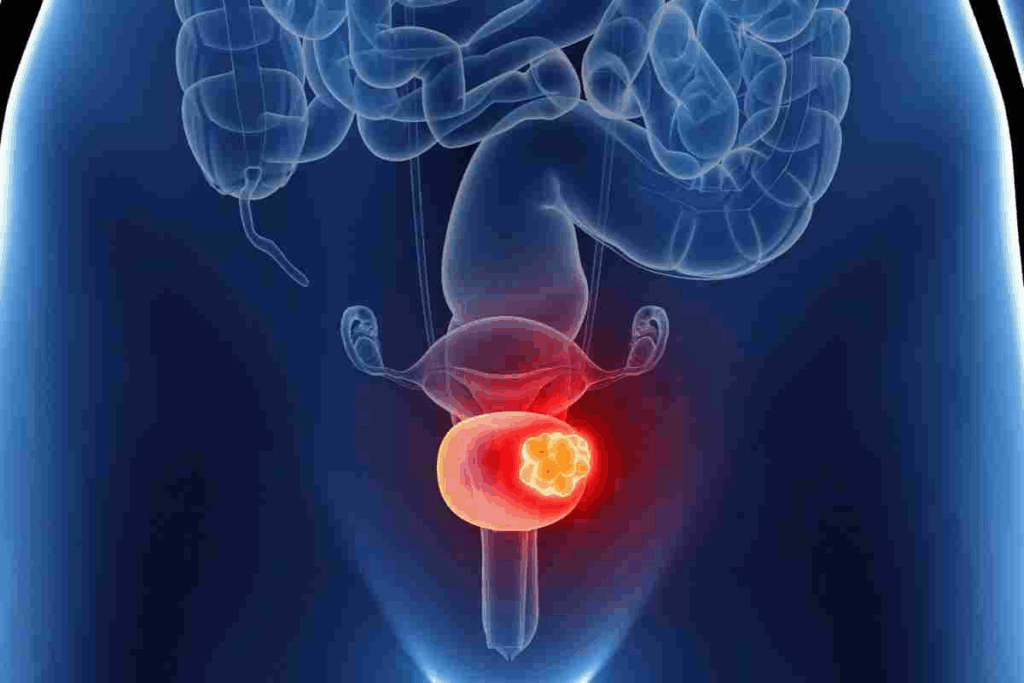
Understanding the prognosis for bladder cancer is key for men with this disease. It helps in making treatment choices and planning for the future. The five-year survival rate for this cancer is 78 percent. This means about 78 out of 100 men can live at least five years after being diagnosed. What is the ca bladder prognosis (cancer) specifically for men? Understand the survival rates and long-term outlook for male patients.
Getting a bladder cancer diagnosis can be scary. But, knowing survival rates can help. Survival rates depend a lot on when the cancer is found. Cancers found early can be cured more than 96 percent of the time.
At Liv Hospital, we focus on our patients in treating urological cancers. We use the latest in diagnosis and treatment. We also offer support for patients from around the world.
Key Takeaways
- The overall five-year relative survival rate for bladder cancer is 78 percent.
- Early-stage bladder cancer has a significantly higher cure rate.
- Bladder cancer is more common in men than women.
- Men face a lifetime risk of approximately 1 in 28.
- Liv Hospital offers a patient-centered approach to urological oncology.
Bladder Cancer in Men: Key Facts and Statistics
Bladder cancer in men is a serious health issue. It’s important to know the facts and statistics about it. This helps us understand why men are more likely to get it.
In the United States, bladder cancer is the fourth most common cancer in men. Men have a 1 in 28 chance of getting bladder cancer in their lifetime. This is much higher than women, who have a 1 in 91 chance.
Higher Incidence in Men Compared to Women
Men get bladder cancer more often than women. This is due to many factors, including genetics, hormones, and lifestyle. Men are exposed to more harmful substances, like those in tobacco smoke and some work environments.
Also, men’s urinary tract and hormones might play a part. Knowing these differences helps us find ways to prevent and detect bladder cancer in men early.
Lifetime Risk Factors for Male Patients
Several things increase a man’s risk of getting bladder cancer. Smoking is a big one, as it exposes the bladder to harmful substances. Jobs that involve chemicals, like in the dye and paint industries, also raise the risk.
Age and a family history of bladder cancer are other factors. Most cases happen in men over 55. Knowing these risks helps men make better health choices and decide when to get screened.
Understanding the Stages of Bladder Cancer
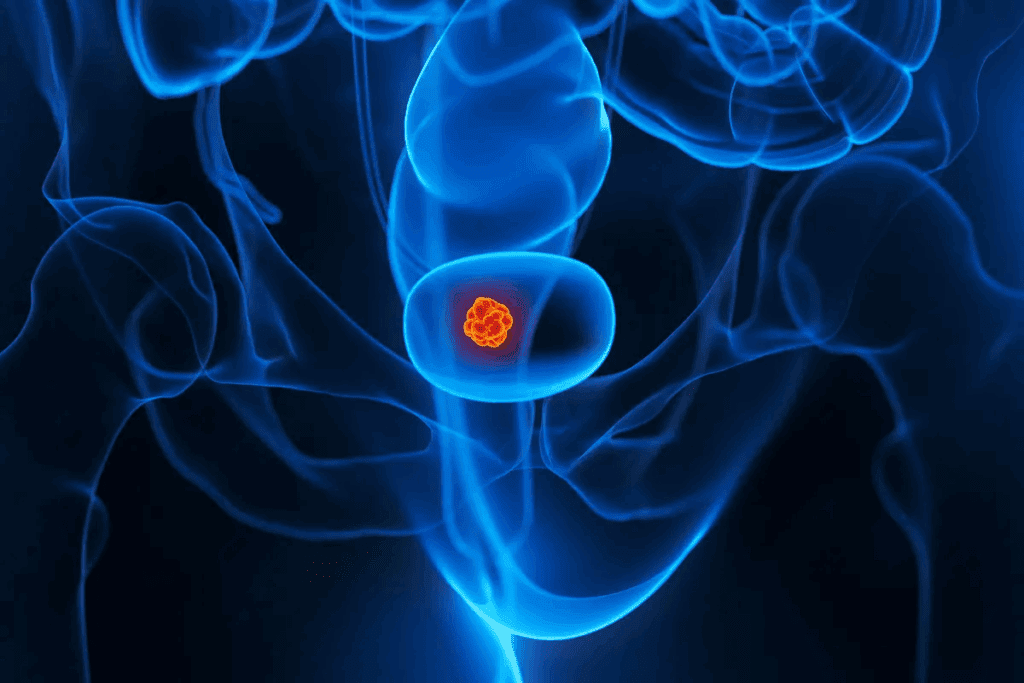
The stage of bladder cancer at diagnosis greatly affects treatment and outlook. Staging bladder cancer is complex. It shows how far the cancer has spread, which is key for choosing the right treatment.
Non-Muscle Invasive vs. Muscle Invasive Disease
Bladder cancer is mainly split into two types: non-muscle invasive bladder cancer (NMIBC) and muscle-invasive bladder cancer (MIBC). Non-muscle invasive bladder cancer stays in the bladder’s inner lining. It hasn’t reached the main muscle layer. On the other hand, muscle-invasive bladder cancer has grown into the muscle layer, making it more serious and needing stronger treatment.
The difference between NMIBC and MIBC is very important. It affects how the cancer is treated and the patient’s chances of recovery. For example, NMIBC is often treated with transurethral resection of bladder tumor (TURBT) and intravesical therapy. MIBC, being more aggressive, might need radical cystectomy or other treatments.
TNM Classification System
The TNM classification system is a common way to stage bladder cancer. It looks at three main parts:
- T (Tumor): Shows how big the main tumor is and if it has spread to nearby tissues.
- N (Node): Tells if the cancer has reached nearby lymph nodes.
- M (Metastasis): Indicates if the cancer has spread to distant parts of the body.
This system gives a detailed view of how far the cancer has spread. It helps doctors predict the outcome and plan the best treatment.
Grade and Its Significance
The grade of bladder cancer shows how much the tumor cells look like normal cells. The grade is a key factor in predicting how aggressive the cancer will be. Low-grade tumors are less aggressive and less likely to spread. High-grade tumors are more aggressive and have a higher chance of spreading.
“The grade of the tumor is a significant predictor of recurrence and progression in bladder cancer patients.”
Knowing the grade of bladder cancer helps doctors predict how likely it is to come back or spread. This guides how intense the treatment should be and how closely the patient should be followed.
Overall CA Bladder Prognosis by Stage
The outlook for bladder cancer in men changes a lot based on the stage at diagnosis. Knowing the survival rates for each stage helps patients and their families make better choices about treatment.
Bladder cancer stages are based on how far it has spread. The stage is key for finding the best treatment and guessing the outcome.
Carcinoma in Situ (97% Survival Rate)
Carcinoma in situ is non-invasive bladder cancer. It only affects the bladder’s surface. The 5-year survival rate for this stage is 97%. This high rate is because the cancer is only on the surface and hasn’t spread deeper.
Localized Disease (71% Survival Rate)
Localized bladder cancer is when the cancer is only in the bladder. It hasn’t spread to other parts of the body. The 5-year survival rate for this stage is 71%. Treatment for localized disease often includes surgery, intravesical therapy, or a mix of treatments.
Regional Spread (39% Survival Rate)
Regional bladder cancer has spread to nearby tissues or lymph nodes. The 5-year survival rate for this stage is 39%. Treatment for regional disease may include radical cystectomy and chemotherapy.
Distant Metastasis (8% Survival Rate)
Distant metastasis is when bladder cancer spreads to distant parts of the body. Unfortunately, the 5-year survival rate for this stage is 8%. Treatment at this stage focuses on comfort and may include systemic chemotherapy, immunotherapy, or targeted therapy.
| Stage of Bladder Cancer | 5-Year Relative Survival Rate |
| Carcinoma in Situ | 97% |
| Localized Disease | 71% |
| Regional Spread | 39% |
| Distant Metastasis | 8% |
The overall 5-year survival rate for bladder cancer is 78%. This shows the survival rates vary by stage. Knowing these stats helps understand the prognosis and guides treatment choices.
Age-Related Prognosis Factors
Knowing how age affects bladder cancer prognosis is key for good treatment planning. As we get older, our bodies change in ways that can affect our health and how well we respond to treatment.
Survival Rates for Men Under 50
Men under 50 with bladder cancer usually have a better outlook than older men. Younger patients often have fewer health problems and can handle more aggressive treatments.
Early-stage diagnosis is more common in younger men, leading to higher survival rates. We’ll look at how these factors affect survival.
Prognosis for Men 55-65
Men between 55 and 65 face a varied prognosis based on cancer stage and grade. This age group may deal with age-related health issues and more aggressive cancers.
Treatment for this age group often includes surgery, chemotherapy, and immunotherapy. It’s important to balance treatment effectiveness with possible side effects.
Outcomes for Men Over 73
The average age for bladder cancer diagnosis is 73. Older patients generally have a worse prognosis due to health issues and less physical strength.
For men over 73, treatment plans must consider their overall health. This includes any existing health problems and the benefits and risks of different treatments.
By understanding age’s impact on bladder cancer prognosis, we can tailor treatments better. This improves outcomes for all age groups.
Treatment Options and Their Impact on Survival
Choosing the right treatment is key for men with bladder cancer. The treatment depends on the cancer’s stage, grade, and the patient’s health.
Transurethral Resection of Bladder Tumor (TURBT)
TURBT is a main treatment for early bladder cancer. It removes the tumor from the bladder wall. This procedure is vital for both diagnosing and treating the cancer.
Intravesical Therapy
Intravesical therapy is for high-risk bladder cancer. It uses medication directly in the bladder. This method helps lower the chance of cancer coming back.
Radical Cystectomy and Urinary Diversion
Radical cystectomy removes the bladder for muscle-invasive cancer. Urinary diversion redirects urine flow. This complex surgery needs careful planning and skilled surgeons.
Bladder-Sparing Approaches
Bladder-sparing methods include TURBT, chemotherapy, and radiation. They offer an alternative to removing the bladder. These methods aim to keep the bladder while treating the cancer.
There are many treatments for bladder cancer, each affecting survival rates. A study found that the 5-year survival rate for localized bladder cancer is 71%. This shows how important early detection and treatment are.
“Early detection and proper treatment greatly improve bladder cancer prognosis,” said a leading oncologist.
Advanced and Metastatic Bladder Cancer Outlook
The outlook for advanced and metastatic bladder cancer is tough, with an 8% 5-year survival rate. But, new treatments are helping to improve patient results.
Systemic Chemotherapy Regimens
Systemic chemotherapy is key in treating advanced bladder cancer. We use treatments like gemcitabine and cisplatin, or MVAC, to slow the disease and extend life.
Gemcitabine and cisplatin are often the first choice because they work well and have fewer side effects. MVAC is also effective but can cause more harm.
Immunotherapy Breakthroughs
Immunotherapy has changed how we treat advanced bladder cancer. Checkpoint inhibitors like pembrolizumab and atezolizumab have shown great promise. They help the immune system fight cancer better.
These treatments lead to better survival rates and sometimes long-lasting remissions. They are now a good option for those who don’t respond to first-line treatments.
Targeted Therapies for Specific Genetic Mutations
Targeted therapies offer a tailored approach to treating advanced bladder cancer. For example, erdafitinib targets specific genetic changes in some patients.
By focusing on these genetic changes, we can offer more effective treatments with fewer side effects than traditional chemotherapy.
As research keeps moving forward, we expect to see even better outcomes for patients with advanced and metastatic bladder cancer.
Recurrence and Progression: What to Expect
Knowing the chance of bladder cancer coming back is key to managing the disease well. After treatment, patients face a risk of the cancer coming back. This means they need close monitoring and follow-up care.
Risk Stratification Models
Risk stratification models help find out who’s at higher risk of bladder cancer coming back. They look at things like tumor stage, grade, and patient history. This helps sort patients into different risk groups.
Knowing a patient’s risk helps doctors create better plans. They can tailor surveillance and treatment to fit each patient’s needs. This might lead to better results.
| Risk Category | Characteristics | Recommended Surveillance |
| Low Risk | Single, low-grade tumor | Cystoscopy every 6-12 months |
| Intermediate Risk | Multiple or recurrent low-grade tumors | Cystoscopy every 3-6 months |
| High Risk | High-grade tumors or carcinoma in situ | Cystoscopy every 3 months, with imaging |
Surveillance Protocols
Surveillance protocols are vital for catching bladder cancer early. This makes it easier to treat. These protocols include regular cystoscopic exams, urine tests, and imaging studies.
The schedule and type of surveillance depend on the patient’s risk level. Higher risk patients need more checks.
Managing Recurrent Disease
Dealing with bladder cancer that comes back involves different approaches. For non-muscle invasive cases, intravesical therapy might be used. For muscle-invasive cases, treatments like radical cystectomy are considered.
The treatment choice depends on the recurrence’s extent and the patient’s health and wishes. A personalized approach can lead to better outcomes and quality of life for patients.
Factors That Influence Bladder Cancer Prognosis in Men
Knowing what affects bladder cancer prognosis is key for men with the disease. Many things can change the outcome. Knowing these can help both patients and doctors make better choices.
Smoking and Occupational Exposures
Smoking is a big risk for bladder cancer and can change how well a man does. The American Cancer Society says smoking makes bladder cancer come back and grow faster. Working with chemicals in dye, rubber, and paint also raises the risk. Men exposed to these chemicals are more likely to get bladder cancer and might do worse.
“Quitting smoking is a big step to better bladder cancer outcomes,” says Medical Expert, a top urologist. “Starting changes early can really help slow the disease’s growth.”
Comorbidities and Overall Health
A man’s health and any other health issues can also affect his bladder cancer prognosis. Problems like diabetes, heart disease, and kidney disease can make treatment harder and lower survival chances. Men with these issues might need special treatment plans to manage their health and fight the cancer.
Access to Specialized Care
Getting care from experts is key to better bladder cancer outcomes. Seeing doctors who specialize in bladder cancer and working with a team can lead to better results. Men who get this care are more likely to get the best treatment and live longer.
Molecular and Genetic Markers
New research has found markers that can tell how likely bladder cancer is to come back or grow. Some genetic changes and biomarkers show a higher risk. Knowing these can help doctors tailor treatments and improve results.
In short, bladder cancer prognosis in men is shaped by many factors. By tackling these, doctors can give better care and help patients do better.
Quality of Life Considerations
The journey through bladder cancer treatment is not just about survival. It’s also about keeping a good quality of life. Men often face challenges that can affect their daily lives and well-being.
Sexual Function After Treatment
Sexual function is a key part of quality of life after bladder cancer treatment. Treatments like surgery, chemotherapy, and radiation can harm sexual health. It’s essential for patients to discuss these risks with their healthcare provider to find ways to manage them.
There are treatments and therapies to help with sexual dysfunction. For example, medications can improve erectile function. Counseling or sex therapy can also offer support and strategies for coping with sexual changes.
Urinary Function Management
Bladder cancer treatment can also affect urinary function. Surgery, like radical cystectomy with urinary diversion, can change how a person urinates. Understanding the different types of urinary diversion is key for patients to make informed decisions.
Managing urinary function involves adjusting to changes post-surgery and long-term care. Patients may need to learn new techniques for managing their urinary stoma or catheter. They may also need ongoing support from healthcare professionals.
Psychological Impact and Support Resources
The psychological impact of bladder cancer diagnosis and treatment should not be underestimated. Anxiety, depression, and fear of recurrence are common. Access to mental health support, like counseling or support groups, is vital for coping with these challenges.
Support resources are available for patients and their families. This includes online communities, local support groups, and professional counseling services. These resources offer emotional support, practical advice, and a sense of connection with others who have faced similar challenges.
In conclusion, while bladder cancer treatment can pose significant challenges to quality of life, there are strategies and resources to help manage these effects. By addressing sexual function, urinary function, and psychological well-being, patients can maintain a high quality of life throughout their cancer journey.
Early Detection and Its Effect on Outcomes
Early detection of bladder cancer is very important. Finding bladder cancer early can greatly improve treatment success. It helps avoid more serious stages of cancer, which can make treatment harder and lower survival chances.
Recognizing Warning Signs
Blood in the urine, or hematuria, is a key sign of bladder cancer. This can be tiny or big enough to see. Men with blood in their urine should see a doctor right away. Other signs include:
- Frequent urination
- Painful urination
- Urinary urgency
These symptoms can also mean other health issues. But, it’s important to get checked by a doctor to find out why.
“The presence of blood in the urine is a significant symptom that warrants immediate medical evaluation.”
Diagnostic Procedures
Tests for bladder cancer include:
| Diagnostic Procedure | Description |
| Urinalysis | Tests urine for blood, infection, or other abnormalities |
| Cystoscopy | A procedure that allows a doctor to look inside the bladder |
| Imaging Tests | CT scans, MRI, or ultrasound to visualize the bladder and surrounding tissues |
| Biopsy | Removal of tissue for examination to confirm cancer presence |
These tests help us find and understand bladder cancer. This is key for choosing the right treatment.
Screening Recommendations for High-Risk Men
Men at higher risk, like smokers or those exposed to chemicals, should get checked often. Talking to a doctor about your risk can help decide how often to get screened.
Screening can catch bladder cancer early, when it’s easier to treat. By managing risks, we can help improve outcomes for bladder cancer patients.
Recent Advances Improving Bladder Cancer Prognosis
Medical research is changing how we treat bladder cancer. New treatments and a better understanding of the disease are making a big difference. This shift is improving the outlook for patients.
Emerging Therapeutic Strategies
New ways to fight bladder cancer are being developed. Immunotherapy is showing great promise, with treatments like checkpoint inhibitors working well. Also, antibody-drug conjugates are being made to target cancer cells without harming healthy ones.
Targeted therapies are another big step forward. These treatments are based on the genetic makeup of cancer cells. This means treatments can be more effective and have fewer side effects.
Advancements in Biomarker Development
Biomarkers are key for early detection and tracking of bladder cancer. New liquid biopsy tech lets us find cancer DNA in urine. This is a big win for non-invasive testing.
Also, finding biomarkers for aggressive cancer and treatment response is helping. This lets us tailor treatments to each patient’s needs. It’s all about personalized care.
Precision Medicine Applications
Precision medicine is changing bladder cancer treatment. It means treatments are tailored to each patient’s tumor. Genomic profiling helps find mutations to target with specific therapies.
Artificial intelligence and machine learning are being used too. They help analyze genetic data to predict treatment success and find ways cancer can resist treatment. This tech is making treatments more effective and personal.
Conclusion
The five-year survival rate for bladder cancer is 78 percent. This shows how vital early detection and treatment are. The prognosis changes a lot based on when the cancer is found, from 97 percent for early stages to 8 percent for late stages.
Knowing about the stages, treatments, and what affects prognosis is key. This knowledge helps patients and their families understand what to expect.
We’ve talked about how new treatments have boosted survival rates. Spotting warning signs early and getting the right care can make a big difference. New research and treatments promise to keep improving survival chances.
Our conversation highlights the need for a complete care plan for bladder cancer. This includes the newest treatments and support services. It’s all about bettering patient outcomes and improving their life quality.
FAQ
Is bladder cancer more common in men than women?
Yes, bladder cancer is more common in men. Men have a 1 in 28 chance of getting it, while women have a 1 in 91 chance.
What is the overall five-year relative survival rate for bladder cancer?
The five-year survival rate for bladder cancer is 78 percent. This means about 78 out of 100 men can survive for five years after diagnosis.
How does the stage of bladder cancer affect the prognosis?
The stage of bladder cancer greatly affects the prognosis. Survival rates range from 97% for early stages to 8% for advanced stages.
What are the different stages of bladder cancer?
Bladder cancer is divided into stages based on how far it has spread. It includes non-muscle invasive and muscle invasive disease. The TNM classification system is used.
How does age affect the prognosis of bladder cancer?
Age is a big factor in bladder cancer prognosis. Survival rates vary for men under 50, between 55-65, and over 73.
What are the treatment options for bladder cancer?
There are many treatments for bladder cancer. These include TURBT, intravesical therapy, radical cystectomy, and bladder-sparing approaches. The choice depends on the cancer’s stage and grade.
Can bladder cancer be cured?
Yes, bladder cancer can be cured if caught early. The cure rate depends on the cancer’s stage, grade, and treatment effectiveness.
What is the outlook for advanced and metastatic bladder cancer?
Advanced and metastatic bladder cancer has a less favorable outlook. The 5-year survival rate is 8%. But, new treatments like chemotherapy, immunotherapy, and targeted therapies can help.
How can bladder cancer recurrence be managed?
Managing recurrent bladder cancer involves understanding risk factors and using risk models. Surveillance and strategies for managing recurrence are also key.
What factors influence the prognosis of bladder cancer in men?
Many factors affect bladder cancer prognosis in men. These include lifestyle choices like smoking, occupational exposures, comorbidities, access to care, and genetic markers.
How does treatment affect the quality of life for bladder cancer patients?
Treatment can significantly impact a patient’s quality of life. It affects sexual and urinary function, as well as mental well-being. Support and resources are available to help manage these effects.
Why is early detection of bladder cancer important?
Early detection greatly improves bladder cancer outcomes. Recognizing symptoms like blood in the urine and using diagnostic tests can help catch the cancer early.
Are there any recent advances improving bladder cancer prognosis?
Yes, recent advances are improving bladder cancer management. These include new treatments, biomarker development, and precision medicine applications, leading to better patient outcomes.
Is bladder cancer fatal?
Bladder cancer can be fatal, mainly if diagnosed late. But, early detection and effective treatment can improve the prognosis.
What is the prognosis for bladder cancer in men?
The prognosis for bladder cancer in men varies by stage. Understanding the stages, treatment options, and factors influencing prognosis is vital for patients and their families.
References
Government Health Resource. (2025). What Is the Prognosis for Bladder Cancer in. Retrieved from https://www.cancer.org/cancer/types/bladder-cancer/detection-diagnosis-staging/survival-rates.html