Last Updated on November 27, 2025 by Bilal Hasdemir
At Liv Hospital, we emphasize the importance of proper preparation before a nuclear stress test to ensure accurate and safe results. This test evaluates how well blood flows to the heart during rest and activity, using a small amount of radioactive material. Patients are advised to avoid caffeine for at least 12 hours prior to the procedure since it can affect heart rate and potentially alter test accuracy.
Many also ask about caffeine after nuclear stress test. It’s generally safe to consume caffeine once the test is completed and your doctor confirms it’s fine, as the radioactive tracer poses minimal risk after imaging. Understanding both preparation and post-test care helps ensure the best experience and most reliable results.
Key Takeaways
- Avoid caffeine for at least 12 hours before a nuclear stress test.
- A nuclear stress test assesses heart function and blood flow under stress and at rest.
- The test uses a small amount of radioactive material to produce images.
- Proper preparation ensures accurate results and a smooth testing process.
- Following safety guidelines is important for patient safety.
Understanding Nuclear Stress Tests

If you’re feeling chest pain or shortness of breath, your doctor might suggest a nuclear stress test. This test checks how well your heart works when it’s stressed. It uses exercise or medicine to do this.
What Is a Nuclear Stress Test?
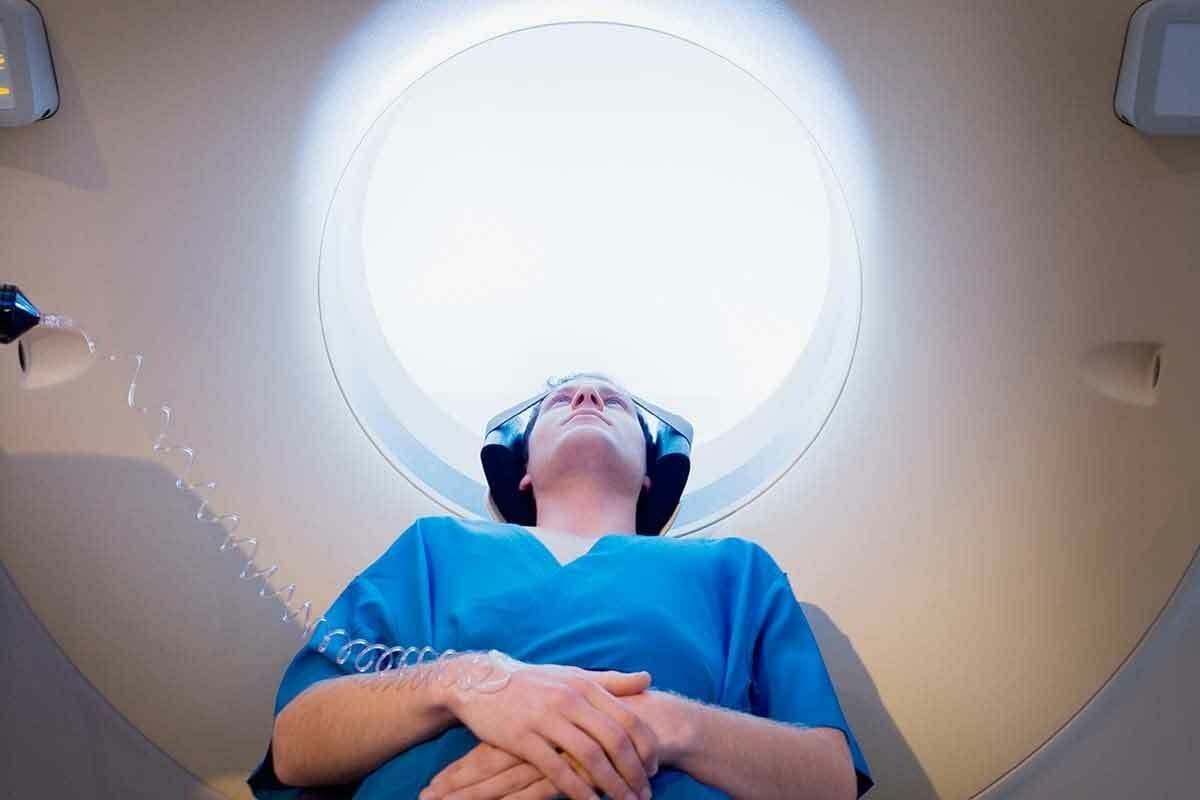
A nuclear stress test, or myocardial perfusion imaging, is a non-invasive test. It uses tiny amounts of radioactive material to see the heart. Doctors use these images to check blood flow and find problems like coronary artery disease.
How Radioactive Tracers Work
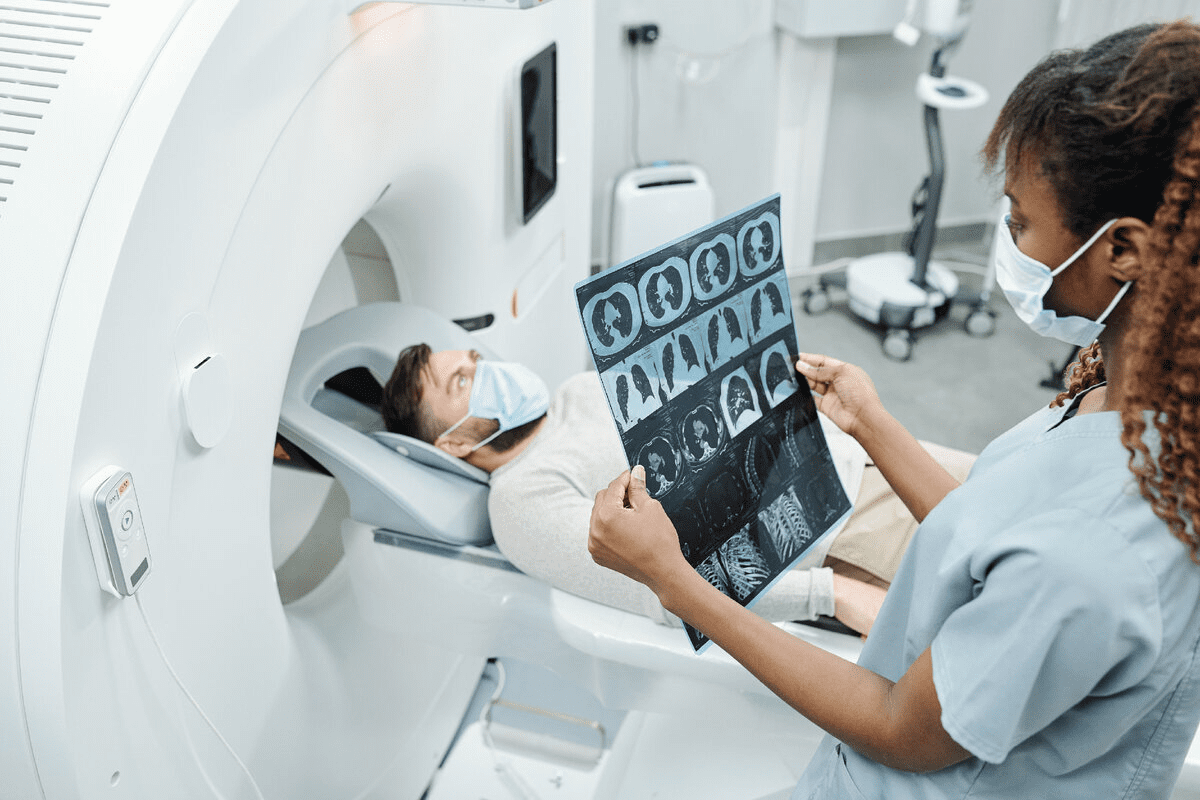
In a nuclear stress test, a radioactive tracer is put into your blood. This tracer sends out gamma rays that a special camera catches. The camera makes pictures of your heart, showing how well it’s working.
The tracer shows up in healthy heart areas but not in sick ones. This helps doctors spot heart problems. As doctors say,
“The use of radioactive tracers in nuclear stress tests has revolutionized the diagnosis and management of heart disease, allowing for more accurate and targeted treatment plans.”
When This Test Is Recommended
Doctors often suggest a nuclear stress test for chest pain or shortness of breath. It’s also for people with known heart disease. It helps check if treatments are working and if there’s a risk of more heart problems.
Knowing about nuclear stress tests helps you get ready for the test. You’ll know what to expect during it.
The Science Behind Caffeine and Nuclear Stress Tests

It’s important to know how caffeine affects nuclear stress tests for accurate results. We’ll look at how caffeine changes heart rate, its impact on test medications, and why getting the right results is key.
How Caffeine Affects Your Heart Rate
Caffeine is a stimulant that can change heart rate and blood pressure. It can make the heart beat faster, which might change the results of a nuclear stress test. This test checks how well the heart works under stress, usually from exercise or medicine.
Caffeine’s effect on heart rate can be big: it can make the heart beat faster. This might hide or show symptoms the test is meant to find. This can make the test results inaccurate, making it hard to diagnose and treat.
Caffeine’s Interference With Test Medications
Caffeine can also mess with the medicines used in nuclear stress tests. These medicines are meant to make the heart work like it does during exercise or help the imaging. Caffeine can stop these medicines from working right, leading to poor test results.
For example, adenosine is a medicine used to widen blood vessels and mimic exercise. Caffeine can stop adenosine from working, making the test less accurate.
| Medication | Caffeine’s Effect | Potential Outcome |
| Adenosine | Blocks action | Reduced effectiveness |
| Regadenoson | Decreases efficacy | Inaccurate test results |
| Dipyridamole | Counteracts vasodilation | Compromised test accuracy |
Why Test Accuracy Is Critical for Diagnosis
Getting accurate results from nuclear stress tests is vital for diagnosing heart issues. Wrong results can lead to wrong diagnoses or delays, which can harm patients.
Test accuracy is very important: it affects treatment choices, like more tests, medicines, or surgery. It’s key for patients to avoid caffeine before the test to get reliable results.
Knowing how caffeine affects nuclear stress tests helps us see why following pre-test rules is so important. This knowledge helps patients take part in their diagnosis, leading to better diagnoses and treatments.
No Caffeine 12 Hours Before Nuclear Stress Test: The Critical Window
Preparation for a nuclear stress test is key, and avoiding caffeine is a big part of it. The time before the test is important for many reasons. One main rule is not to have caffeine for at least 12 hours beforehand.
The Standard Medical Guideline Explained
The rule to avoid caffeine for 12 hours before the test is based on how caffeine affects the heart. Caffeine can change heart rate and blood pressure. This could mess up the test’s results. By not having caffeine, patients make sure the test is as accurate as it can be.
Why 12 Hours Is the Minimum Timeframe
The 12-hour rule is not random. It’s based on how long it takes for caffeine to leave the body. By then, its effects on the heart are much less. This helps the test show the heart’s real condition.
This guideline is key to the test’s accuracy.
Hospital Protocols and Variations
Even though 12 hours is the usual rule, hospitals might have their own rules. These can depend on the patient and the test’s needs. It’s important to follow what your doctor or the testing place tells you to get the best results.
In short, sticking to the no caffeine rule for 12 hours before a nuclear stress test is very important. By knowing and following this, patients help make sure their test results are right. This helps doctors figure out the best treatment.
Hidden Sources of Caffeine to Avoid
Caffeine is not just in your morning coffee. There are many hidden sources you should know about before your nuclear stress test. It’s important to watch out for all the ways caffeine can get into your diet.
Beverages: Coffee, Tea, and Soft Drinks
Many drinks have caffeine, not just coffee and tea. Soft drinks, energy drinks, and some flavored waters also have caffeine. We suggest avoiding these drinks for at least 24 hours before your test. Even decaf drinks can have some caffeine, so it’s best to stay away from them, too.
- Coffee and espresso
- Tea, including green tea
- Soft drinks like cola and some citrus-flavored sodas
- Energy drinks
- Some flavored waters and sports drinks
Food Sources: Chocolate and Other Surprises
Caffeine is also in some foods. Chocolate, for example, has caffeine, but in smaller amounts than drinks. Other foods like coffee ice cream, some yogurts, and desserts may also have caffeine. Always check the ingredients or nutrition labels to find out.
- Dark and milk chocolate
- Coffee ice cream
- Some flavored yogurts
- Caffeine-containing desserts
Medications and Supplements Containing Caffeine
Some over-the-counter medicines and supplements have caffeine. This includes certain cold medicines, pain relievers, and weight loss supplements. Always check the ingredients or talk to your healthcare provider if you’re not sure.
- Certain cold and allergy medications
- Some pain relievers
- Weight loss supplements
- Energy-boosting supplements
To make sure your nuclear stress test is accurate, watch out for these hidden caffeine sources. If you’re not sure about a product, it’s safer to avoid it.
What Happens If I Drink Caffeine Before a Stress Test?
Drinking caffeine before a nuclear stress test can change the test’s results. It’s hard to avoid caffeine, but it’s key to follow the rules. This ensures the test’s accuracy and reliability.
Potential Test Inaccuracies and False Readings
Caffeine can mess with your heart rate and blood flow. This can cause inaccurate or false readings. These issues can confuse both you and your doctor.
Some problems with test inaccuracies include:
- False positives, leading to unnecessary additional testing or anxiety
- False negatives, potentially missing a serious heart condition
- Masking of symptoms makes it difficult to diagnose the actual issue
Test Cancellation and Rescheduling Requirements
If you drink caffeine before a test, your doctor might cancel or reschedule it. This is to make sure the test results are right.
| Reason for Cancellation/Rescheduling | Action Taken | Patient Guidance |
| Caffeine Consumption | Test Cancellation | Reschedule after 24 hours without caffeine |
| Recent Caffeine Intake | Test Rescheduling | Avoid caffeine for 12-24 hours before the rescheduled test |
| Uncertainty about Caffeine Status | Consult Healthcare Provider | Discuss caffeine intake with a healthcare provider |
Impact on Diagnosis and Treatment Planning
The accuracy of your nuclear stress test is key to diagnosis and treatment. If caffeine messes with the results, it could delay or change your treatment. Your doctor needs accurate results to plan your care.
To avoid problems, carefully follow pre-test instructions. This includes avoiding caffeine for the recommended time. Doing this ensures your test results are reliable. Your doctor can then create a treatment plan that fits your needs.
Preparing for Your Nuclear Stress Test: A Complete Timeline
Knowing the timeline for a nuclear stress test can ease your worries. We’ll walk you through the steps and changes to make before your test.
48 Hours Before: Initial Preparations
Start preparing two days before your test. Review your medications with your doctor because some might need to be changed or stopped. “Following your doctor’s advice is key for a precise test,” a top cardiologist notes.
Also, stop caffeine 24 hours before, but ideally 48 hours if you can. This means no coffee, tea, chocolate, or certain meds.
24 Hours Before: Dietary Adjustments
The day before, make some food changes. Avoid heavy meals and choose light, balanced ones instead. Drink lots of water to stay hydrated.
Steer clear of caffeine, sugar, and fat in your food. Eating well will make you feel good for the test.
The Morning of Your Test: Final Steps
On test day, wear comfy clothes and shoes for moving. Don’t wear jewelry or anything that could get in the way.
Be on time and ready to give any needed info to the staff. These steps will get you ready for a great test.
By sticking to this plan and talking with your doctor, your test will go smoothly. Remember,
“Proper preparation is key to a successful nuclear stress test,”
medical experts say.
Other Dietary and Medication Restrictions
Knowing what to avoid before a nuclear stress test is key. It helps make sure your test results are right. We suggest following certain rules to get the best results.
Foods to Avoid Besides Caffeine
Don’t just skip caffeine; avoid heavy meals and high-fat foods too. Some medications can mess with the test’s results. Eating a big or greasy meal can mess with heart blood flow, making the results wrong.
Also, don’t eat or drink anything for a while before the test, as your doctor says. This fasting helps your body rest, which is important for accurate results.
Medications That May Interfere With Results
Some meds can change how your test comes out. For example, beta-blockers and some asthma meds might need to be skipped or changed. Tell your doctor about all your meds, including over-the-counter ones and supplements.
Your doctor will tell you which meds to keep taking or stop before the test. It’s important to listen to these directions to get accurate results.
Fasting Requirements and Exceptions
Fasting rules before a nuclear stress test can differ. Your doctor might ask you to fast for a few hours or all night. It’s important to follow these rules for accurate results.
Some people might not have to fast, like those with diabetes. If you have health issues, talk to your doctor. They can figure out the best fasting plan for you.
The Testing Experience: What to Expect During a Nuclear Stress Test
When you arrive for your nuclear stress test, you’ll go through several steps. These include check-in, the test itself, and recovery. Knowing what to expect can make you feel more at ease.
Before the Test Begins: Check-in Procedures
First, you’ll change into a hospital gown. Our medical team will explain the test, answer your questions, and make sure you’re comfortable. They’ll also insert an IV line in your arm for the test.
During the Test: Exercise and Imaging Phases
The test has two parts: exercise and imaging. You’ll start by walking on a treadmill or biking. The goal is to stress your heart until you reach a certain rate or feel symptoms.
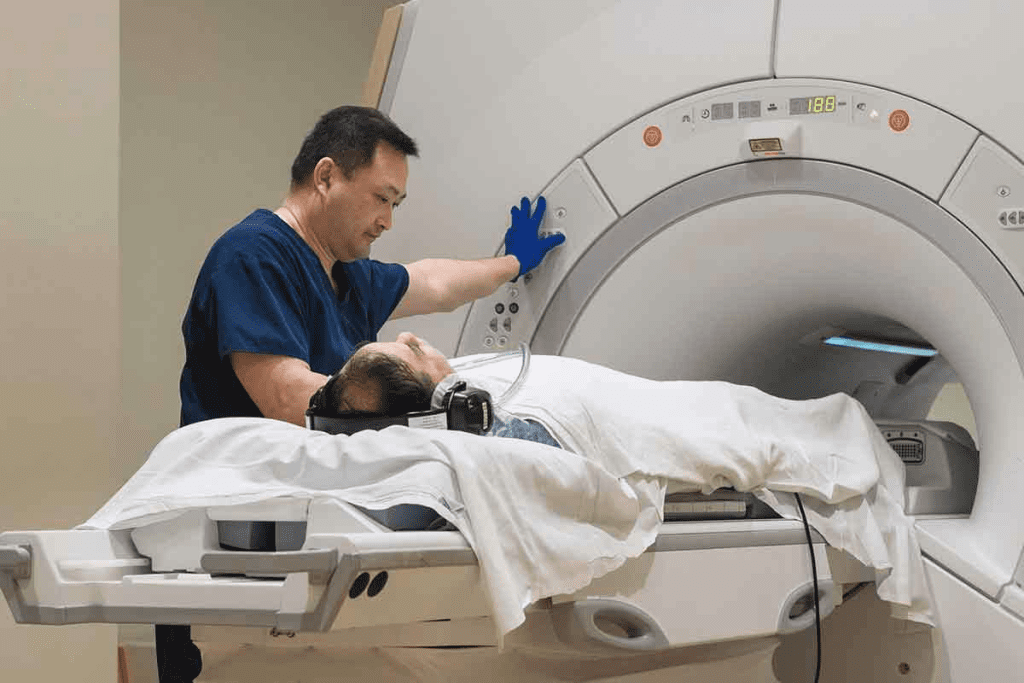
After exercising, a radioactive tracer is injected through your IV. Then, you’ll lie on a table for imaging tests. These tests use a camera to take pictures of your heart.
It’s important to listen to the medical staff during this time. They ensure the test results are accurate. The test closely monitors your heart’s function under stress.
Immediately After Completion: Recovery Period
After the test, you’ll rest in a recovery area. This helps your heart rate return to normal and prevents immediate complications. You might be asked to drink lots of water to flush out the tracer.
Most people can go back to their usual activities soon after. But always listen to your healthcare provider’s advice.
The whole process, from start to finish, can take a couple of hours. Knowing what to expect can make the experience less scary and more manageable.
Caffeine After Nuclear Stress Test: When Is It Safe to Resume?
After a nuclear stress test, many patients wonder when they can start drinking caffeine again. The answer depends on the test results and your health. Your doctor will tell you when it’s okay to have caffeine.
General Guidelines for Returning to Normal Consumption
Usually, you can go back to drinking caffeine after a nuclear stress test. Your doctor will say it’s safe when they’ve checked the test results. They’ll also make sure you’re okay to start drinking caffeine again.
Factors That Affect Post-Test Recommendations
Several things can change when you can drink caffeine again. These include the test results, your health, and any special instructions from your doctor.
Special Considerations Based on Test Results
If the test shows heart problems or other health issues, your doctor might limit your caffeine. It’s important to follow these rules to stay healthy.
| Factor | Influence on Caffeine Resumption | Recommendation |
| Test Results | Indicates heart health and possible restrictions | Follow the healthcare provider’s advice based on test results |
| Overall Health | Affects how well you can handle caffeine | Resume caffeine based on your health |
| Healthcare Provider’s Instructions | Specific advice for your situation | Follow the provider’s caffeine guidelines |
Common Questions About Caffeine and Stress Tests
Caffeine is a popular stimulant that can affect cardiac test results. We’ll answer some common questions about it. Caffeine can mess with the accuracy of stress tests. Let’s look at what patients often ask about caffeine and heart tests.
Can You Drink Coffee While Wearing a Heart Monitor?
It’s usually best not to drink coffee or caffeinated drinks with a heart monitor on. Caffeine can change heart rate and blood pressure. This might make the test results inaccurate.
“Caffeine can significantly impact heart rate variability, which is a critical factor in diagnosing certain heart conditions.”
To get the right results, always follow your doctor’s advice on caffeine before and during the test.
Coffee Before Echocardiogram: Is It Allowed?
An echocardiogram is another test that caffeine can affect. The rules might differ based on the type of echocardiogram. But it’s usually wise to skip caffeine before the test.
| Test Type | Caffeine Restriction |
| Stress Echocardiogram | Avoid caffeine for 12-24 hours before |
| Standard Echocardiogram | Caffeine restriction may not be necessary |
For a stress echocardiogram, it’s best to avoid caffeine for 12 to 24 hours. This helps make sure the test results are correct.
Why No Caffeine Before Treadmill Stress Test?
A treadmill stress test checks how well the heart works during exercise. Caffeine can mess with this by changing heart rate and blood pressure. This might give false or unclear results.
By not drinking caffeine before a treadmill stress test, you help make sure the results show your heart health accurately.
Conclusion
As we wrap up our talk on nuclear stress tests and caffeine, it’s clear that avoiding caffeine before the test is key. We’ve looked into how caffeine impacts heart rate and messes with test meds. This shows why a 12-hour caffeine-free period is vital.
We’ve also covered the main steps to get ready, like changing your diet and avoiding certain meds. Knowing what happens during the test and following the rules helps patients get accurate diagnoses. This leads to better treatment plans.
To sum up, careful prep and sticking to medical advice are critical for a good nuclear stress test. We urge patients to stick to these guidelines and talk to their doctors if they have any doubts or questions.
FAQ
How long should I avoid caffeine before a nuclear stress test?
We suggest avoiding caffeine for at least 12 hours before your test. This ensures your results are accurate.
Can I drink coffee while wearing a heart monitor?
It’s best to avoid coffee and other caffeinated drinks while wearing a heart monitor. They can mess with the test’s accuracy.
Why can’t I have caffeine before a nuclear stress test?
Caffeine can change your heart rate and mix with test medications. This could make your test results unreliable. So, it’s better to avoid caffeine before the test.
What happens if I drink caffeine before a stress test?
Drinking caffeine before a stress test can make the test less accurate. In some cases, you might need to reschedule the test. This could delay getting a diagnosis and treatment.
Is it okay to have coffee before an echocardiogram?
It’s best to avoid caffeinated drinks, like coffee, before any cardiac test. They can change your heart rate and affect the test results.
Why is there a no-caffeine rule before a treadmill stress test?
The no-caffeine rule is to keep the test accurate. Caffeine can change your heart rate and blood pressure. This makes it harder for doctors to diagnose heart conditions.
Can I resume caffeine consumption after a nuclear stress test?
You can usually start drinking caffeine again after the test is over and you’re discharged. But always check with your healthcare provider for specific advice.
Are there other dietary restrictions I should follow before a nuclear stress test?
Yes, you might need to avoid other foods and medications too. These can also affect the test results. Your healthcare provider will tell you what to avoid.
What should I do 24 hours before a nuclear stress test?
24 hours before, start following the dietary advice from your healthcare provider. This might mean avoiding certain foods and caffeinated products.
How should I prepare for a nuclear stress test?
To prepare, avoid caffeine and certain medications, and follow any dietary restrictions. Your healthcare provider will give you detailed instructions on what to do.
References
- Lee, C., Dennett, A. M., Pinson, J. A., & Lewis, A. K. (2024). Caffeine consumed prior to cardiac stress testing may affect diagnostic accuracy of nuclear medicine myocardial imaging of myocardial ischemia: A systematic review and meta-analysis. Journal of Medical Imaging and Radiation Sciences. https://www.sciencedirect.com/science/article/abs/pii/S1939865423019458