
Learning to eat after gastric bypass surgery is key to losing weight and getting healthier. It starts with clear liquids and moves to solid foods. Knowing what and how much to eat is vital for success over time. Understanding the food choices and restrictions of the caloric bypass diet.
Studies show that patients go through stages after surgery. They start with clear liquids, then move to pureed foods, and eventually eat solids. We’ll help you understand these stages and how to control calorie intake.
Key Takeaways
- Follow a structured eating progression after gastric bypass surgery.
- Start with clear liquids and gradually move to pureed and solid foods.
- Manage calorie intake carefully at each stage of recovery.
- Ensure adequate protein consumption to support healing.
- Establish lifelong healthy eating patterns for long-term weight loss success.
Understanding Gastric Bypass Surgery and Its Impact on Digestion
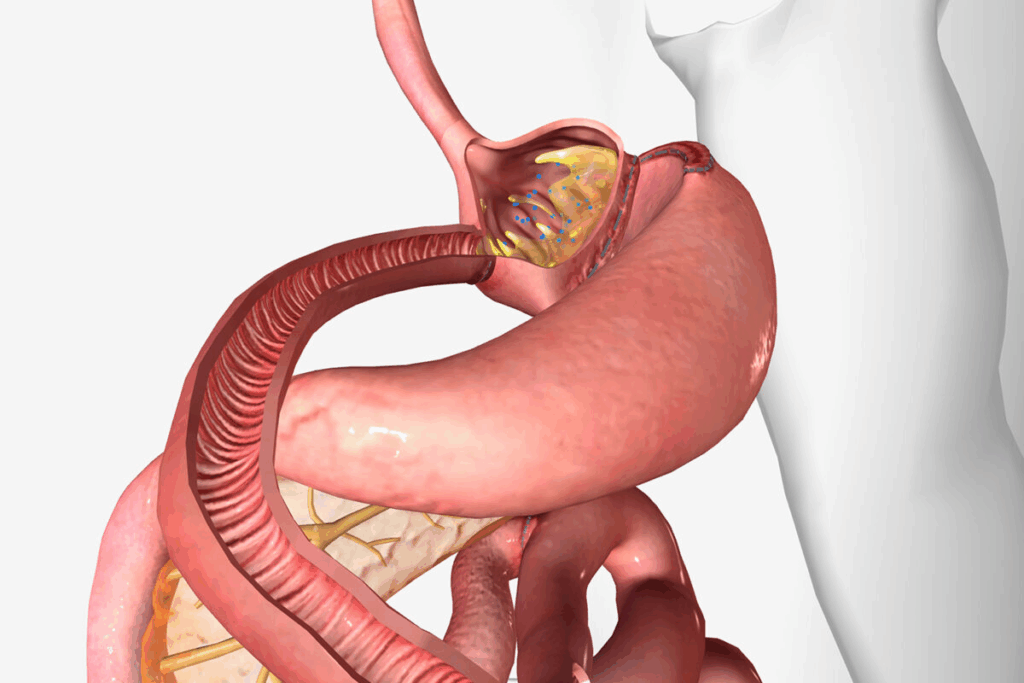
Gastric bypass surgery changes how food is digested. It makes a small stomach pouch and changes the small intestine’s path. This surgery reduces stomach size and changes food’s digestive path.
How Gastric Bypass Changes Your Digestive System
Gastric bypass surgery changes digestion a lot. It makes a small stomach pouch, so you can’t eat as much. It also bypasses part of the small intestine, making it harder to absorb calories and nutrients.
This helps with weight loss by limiting food intake and nutrient absorption. The surgery also changes how food is processed. With a smaller stomach, food isn’t fully digested before it reaches the small intestine. This can affect how well nutrients are absorbed.
Patients need to know these changes to adjust their diet.
Why Dietary Changes Are Essential After Surgery
After gastric bypass surgery, changing your diet is key for weight loss and health. You need to eat foods that are rich in nutrients and easy to digest. A good diet helps avoid nutrient deficiencies and supports healing.
Studies show that patients start with liquids and then move to solid foods. This helps the stomach heal and adjust to the new digestive system.
Differences Between Gastric Bypass and Gastric Sleeve Procedures
Gastric bypass and gastric sleeve surgeries are both for weight loss, but they differ. Gastric sleeve surgery removes a big part of the stomach, leaving a narrow stomach. It doesn’t involve changing the intestines like gastric bypass does.
Choosing between these surgeries depends on your health, weight loss goals, and the surgeon’s advice. Knowing the differences helps make the right choice for you.
The 5-Stage Caloric Bypass Diet Progression
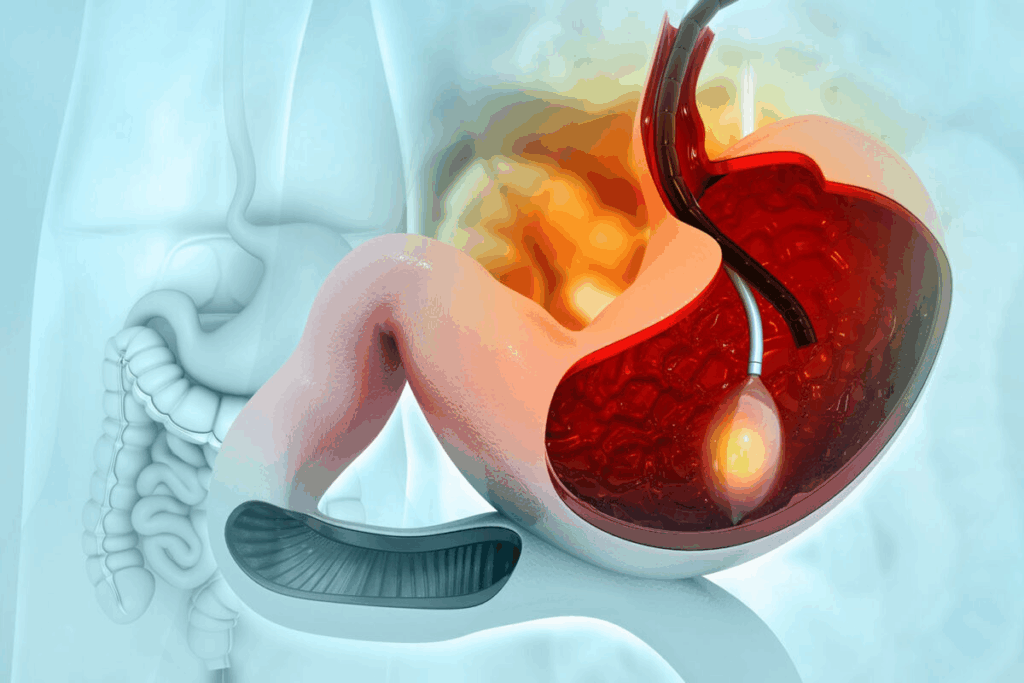
Gastric bypass patients follow a 5-stage diet to recover well and lose weight. This plan helps the stomach heal and gets the body the nutrients it needs. It starts with clear liquids and moves to more solid foods in five stages.
Stage 1: Clear Liquids (Days 1-2)
The first stage uses clear liquids to help the stomach heal. Patients drink liquids like broth, sugar-free gelatin, and water. They eat very few calories, about 300 to 600 a day.
Stage 2: Full Liquids (Days 3-14)
The second stage introduces full liquids like milk, yogurt, and protein shakes. This stage is gentle on the stomach and increases calorie and protein intake. It’s important to choose liquids that are rich in nutrients to support healing and weight loss.
Stage 3: Pureed Foods (Weeks 3-4)
Patients start eating pureed foods in the third stage. Foods are blended to a smooth consistency for easier digestion. This includes vegetables, fruits, lean proteins, and whole grains. Calorie intake increases slightly but remains low.
Stage 4: Soft Foods (Weeks 5-8)
In the fourth stage, patients eat soft foods that are more substantial than pureed foods. Examples include scrambled eggs, cooked vegetables, and tender meats. The goal is to increase calorie and protein intake while keeping foods easy to digest.
To show how foods and calorie intake change through these stages, here’s a table:
Stage | Duration | Food Type | Calorie Intake |
1 | Days 1-2 | Clear Liquids | 300-600 |
2 | Days 3-14 | Full Liquids | 600-900 |
3 | Weeks 3-4 | Pureed Foods | 900-1,200 |
4 | Weeks 5-8 | Soft Foods | 1,200-1,500 |
It’s important to listen to your body and adjust your diet as needed. If you feel uncomfortable, nauseous, or have other issues, talk to your healthcare provider.
Calorie Intake Guidelines Following Bariatric Surgery
After bariatric surgery, how much you eat changes a lot. It depends on how far along you are in recovery and your own health. Knowing these guidelines is key to losing weight and staying healthy.
After surgery, your body can’t handle food the same way. So, you need to watch how many calories you eat. This helps you get the nutrients you need and lose weight. Your calorie needs will change over time, going through different phases.
Immediate Post-Op Phase: 300-600 Calories
In the first few days after surgery, you’ll eat very little. You’ll have a clear liquid diet. You’ll need to eat 300 to 600 calories a day. This is to help your stomach heal and not get too stressed.
Weight Loss Phase: 900-1,200 Calories
When you start losing weight, you’ll eat a bit more. You’ll need 900 to 1,200 calories a day. How many calories you need will depend on your health, how active you are, and how much weight you want to lose.
Maintenance Phase: 1,700-1,800 Calories
After about 30 months, you’ll need around 1,700-1,800 calories a day to keep your weight stable. This is a big change in how you eat. It helps you keep losing weight and stay healthy for a long time.
Monitoring Your Caloric Needs as Your Body Changes
It’s very important to keep an eye on how many calories you need as you get healthier. You should see your doctor and get nutrition advice often. This helps you make sure you’re eating right and reaching your weight loss goals.
Protein Requirements: The Foundation of Your Post-Surgery Diet
Protein is key for your recovery and health after gastric bypass surgery. Your body’s needs change a lot after surgery. So, getting enough protein is important for healing and keeping muscles strong.
Why Protein Is Critical After Gastric Bypass
After gastric bypass, your body can’t digest and absorb nutrients the same way. Protein is vital for fixing tissues, keeping muscles, and helping your body work right. Eating enough protein helps prevent muscle loss, aids in healing, and keeps you healthy while you recover.
Adequate protein intake is essential for healing, muscle preservation, and overall health after bariatric surgery. Nutritionists say you should aim for 60-90 grams of protein a day to support your body.
Meeting Your 60-90g Daily Protein Goal
It can be hard to get enough protein after gastric bypass surgery because of dietary limits. But, it’s important to eat protein-rich foods and think about supplements if needed. Try to spread out your protein intake throughout the day to reach your goal.
To meet your daily protein goal, here are some tips:
- Eat protein-rich foods at every meal.
- Choose high-protein snacks like Greek yogurt or protein shakes.
- Think about protein supplements if you can’t get enough from food alone.
Best Protein Sources for Bariatric Patients
Finding the best protein sources is important for bariatric patients. Good protein sources include lean meats, fish, eggs, dairy, and protein supplements made for bariatric patients.
Protein Source | Protein Content per Serving | Serving Size |
Lean Beef | 26g | 3 oz |
Chicken Breast | 31g | 3 oz |
Fish (Salmon) | 20g | 3 oz |
Eggs | 6g | 1 large egg |
Greek Yogurt | 20g | 1 cup |
Protein Shake | 25g | 1 scoop |
By adding these protein sources to your diet, you can meet your daily protein needs. This supports your health and recovery after gastric bypass surgery.
Essential Vitamins and Supplements After Gastric Bypass
It’s important to know the vitamins and supplements you need after gastric bypass surgery. This surgery can make you more likely to miss out on important nutrients because of changes in your digestive system.
Common Nutrient Deficiencies to Prevent
Gastric bypass surgery can lead to a lack of key nutrients like vitamin B12, iron, calcium, and vitamin D. These shortages can cause health problems, from feeling tired and weak to serious issues like anemia and osteoporosis.
Vitamin B12 deficiency is common because the stomach part that helps absorb it is often bypassed. Also, iron deficiency can happen because of less stomach acid and changes in the stomach’s shape, making it harder to absorb iron.
Recommended Supplement Regimen
To avoid these shortages, a good supplement plan is key. Patients usually need to take:
- A daily multivitamin with all the necessary vitamins and minerals.
- More calcium and vitamin D to keep bones strong.
- Vitamin B12 shots or pills.
- Iron supplements, if you have iron deficiency anemia.
It’s important to work with your doctor to find the best supplements for you.
How to Choose Quality Bariatric Supplements
Not all supplements are the same. When picking bariatric supplements, look for:
- Products made for bariatric patients.
- Reputable companies that follow good manufacturing practices (GMPs).
- Third-party tested for quality and purity.
As one expert says, “Choosing the right supplements can be tough, but a healthcare team can help you get what you need.”
“The key to successful supplementation is understanding your individual needs and choosing high-quality products.” – Medical Expert, Bariatric Specialist
Working With Your Healthcare Team on Supplementation
Working with your healthcare team is key to getting the right supplements and the right amounts. Regular blood tests can spot shortages early, helping adjust your supplements as needed.
By focusing on your nutritional health and working with your healthcare providers, you can lower the risk of nutrient shortages. This way, you can enjoy the benefits of your gastric bypass surgery for a long time.
Hydration Strategies: Drinking Without Disrupting Digestion
After gastric bypass surgery, it’s key to stay hydrated. But, how you drink fluids matters a lot for your digestion. Drinking enough water helps avoid problems and aids in healing.
The 30-Minute Rule: Separating Food and Fluids
Following the 30-minute rule is a good strategy. Wait 30 minutes after eating before drinking. Also, wait 30 minutes after drinking before eating. This rule helps avoid feeling too full and reduces nausea and vomiting.
By waiting, your stomach can handle food and fluids better. This is important after surgery because your digestive system changes.
Daily Fluid Requirements
It’s important to meet your daily fluid requirements. Doctors usually suggest drinking at least 64 ounces (about 2 liters) a day. But, this can change based on how active you are, the weather, and your doctor’s advice.
Activity Level | Recommended Daily Fluid Intake |
Sedentary | 64 oz (2 liters) |
Moderately Active | 80 oz (2.5 liters) |
Very Active | 96 oz (3 liters) or more |
Best and Worst Beverage Choices
Not all drinks are good for hydration after gastric bypass surgery. Water is the best choice because it’s calorie-free and doesn’t have sugars or caffeine.
Some drinks to limit or avoid include:
- Sugary drinks like soda and sports drinks
- Caffeinated beverages, which can act as diuretics
- Carbonated drinks, which can cause discomfort
Good alternatives to water are:
- Herbal teas
- Low-sugar sports drinks (in specific circumstances, like intense exercise)
- Clear broths
Signs of Dehydration to Watch For
It’s important to know the signs of dehydration. Common signs are:
- Dry mouth and throat
- Dark yellow or brown urine
- Fatigue or dizziness
- Headaches
If you notice these signs, drink more water. If they don’t go away, talk to your doctor.
Meal Planning Techniques for Long-Term Success
Long-term success after gastric bypass surgery depends a lot on meal planning. Good meal planning helps keep weight off after surgery. We’ll look at different ways to plan meals, like portion control, how often to eat, and when. We’ll also share sample meal plans for each stage of recovery.
Portion Control Methods
After gastric bypass surgery, controlling portions is key. It helps you get the right nutrients without eating too much. Using small plates and measuring food can help. Knowing the right serving sizes for different foods is also important.
- Use a food scale to measure portions accurately.
- Choose small plates to visually control portion sizes.
- Read food labels to understand serving sizes.
Meal Frequency and Timing
It’s important to space out meals and snacks to keep nutrition balanced and avoid overeating. Eating smaller, more frequent meals can help manage hunger and support health.
- Eat 3-5 main meals and 2-3 snacks in between.
- Space meals at least 3-4 hours apart.
- Stay hydrated by drinking fluids between meals.
Sample Meal Plans for Different Stages
Meal plans change as you recover. At first, you might only eat liquids. Then, you move to pureed foods, and later to soft and solid foods.
Stage | Sample Meal Plan |
Liquid Diet | Clear broths, protein shakes, and electrolyte-rich beverages. |
Pureed Foods | Pureed vegetables, fruits, and protein sources like eggs or Greek yogurt. |
Soft Foods | Soft-cooked vegetables, lean proteins, and soft fruits. |
Incorporating Nutrient-Dense Foods
It’s important to eat foods that are full of nutrients for long-term success. Focus on a variety of foods that are rich in vitamins, minerals, and proteins.
- Include lean proteins like poultry, fish, and eggs.
- Consume a variety of colorful vegetables and fruits.
- Choose whole grains over refined grains.
Navigating Common Challenges and Complications
After gastric bypass surgery, you might face many challenges. It’s important to know how to deal with them. Being prepared can help you overcome these issues.
Dealing with Dumping Syndrome
Dumping syndrome can happen after gastric bypass surgery. It causes nausea, vomiting, diarrhea, and stomach cramps. These symptoms occur when food, like sugar, moves too fast into the small intestine.
To manage dumping syndrome, changing your diet is key. Avoid high-sugar foods and eat protein-rich foods and complex carbohydrates. Eating smaller meals more often can also help.
Food Type | Recommended | To Avoid |
Protein | Lean meats, fish, eggs | Processed meats high in sugar |
Carbohydrates | Whole grains, vegetables | Sugary snacks, white bread |
Fruits | Fresh fruits, fruit salads | Fruits canned in syrup |
Managing Food Intolerances
Some people may develop food intolerances after surgery. Common ones include lactose intolerance and gluten sensitivity.
To manage these, keep a food diary to track reactions to foods. If you find a food you can’t tolerate, eliminate it from your diet. You might also need supplements.
Preventing Nausea and Vomiting
Nausea and vomiting are common after surgery. To avoid them, eat slowly and chew well. Also, stay away from fatty or spicy foods. If nausea doesn’t go away, talk to your doctor.
Addressing Emotional Eating After Surgery
Emotional eating can be a big challenge after surgery. It’s important to distinguish between hunger and emotional hunger. Finding healthy ways to cope, like meditation or therapy, can help.
By understanding and tackling these challenges, you can better navigate life after surgery. This will help you achieve long-term success.
Long-Term Diet After Gastric Bypass: Years 1-3 and Beyond
The first few years after gastric bypass surgery are key for building lasting eating habits. These habits help keep weight loss going. As time goes on, patients’ dietary needs change, needing ongoing effort and adjustments to keep surgery benefits.
Nutritional Focus for Years 1-2
In the first two years, focus on getting enough protein and avoiding nutrient deficiencies. Patients should eat 60-90 grams of protein daily to help healing and keep muscle. Also, watch for and take vitamins and minerals as advised by doctors to avoid shortages.
Important nutrients to pay attention to are:
- Protein
- Vitamin B12
- Iron
- Calcium
- Vitamin D
Dietary Adjustments for Years 3+
By the third year and later, dietary needs keep changing. The goal is to keep weight off and improve nutrition. Keep an eye on protein intake and adjust diet as needed to avoid malnutrition.
Dietary Component | Years 1-2 | Years 3+ |
Protein Intake | 60-90g daily | Adjust based on activity level and weight |
Vitamin Supplements | Essential | Continue as recommended by healthcare provider |
Meal Frequency | 4-6 small meals | 3-5 balanced meals |
Preventing Weight Regain Through Proper Nutrition
Stopping weight regain is a big challenge for gastric bypass patients. To do this, eat a balanced diet with lots of nutrients and few empty calories. Regular check-ups with healthcare providers can spot problems early.
Ways to stop weight regain include:
- Watch food intake and portion sizes
- Stay hydrated
- Do regular physical activity
- Avoid foods high in calories and fat
Building Sustainable Eating Habits
Creating lasting eating habits is vital for success after gastric bypass surgery. This means having a healthy relationship with food, listening to hunger and fullness signals, and making smart food choices.
Patients should:
- Plan meals ahead
- Keep a food diary to track eating habits
- Get support from dietitians or support groups
By focusing on these areas, gastric bypass patients can keep losing weight and improve their health and well-being.
Conclusion: Embracing Your New Relationship with Food
Life after gastric bypass surgery means starting a new chapter with food. We’ve given you a detailed guide to understand the diet changes you’ll need. This is key for lasting success.
Following the eating plan and nutritional advice can help you keep a healthy weight. It’s about being aware of what you eat, drinking enough water, and avoiding problems like dumping syndrome.
Building this new relationship with food takes time, effort, and a strong commitment to your health. With the right attitude and support, you can reach your goals. Keep your eyes on the prize and celebrate every step forward.
This way, you’ll have a healthy and lasting bond with food. It’s essential for the success of your journey after bariatric surgery.
FAQ
What is the typical calorie intake after bariatric surgery?
The calorie intake changes over time. It starts at 300-600 calories right after surgery. Then, it goes up to 900-1,200 calories during the weight loss phase. In the maintenance phase, it’s 1,700-1,800 calories.
How long does it take to progress to solid foods after gastric bypass surgery?
It takes a few weeks to start eating solid foods. First, you drink clear liquids right after surgery. Then, you move to full liquids and pureed foods. Around 8 weeks, you can start eating soft foods and then solid foods.
What are the protein requirements after gastric bypass surgery?
You need 60-90 grams of protein every day. This helps with healing and keeps your muscles strong.
How do I prevent nutrient deficiencies after gastric bypass surgery?
To avoid nutrient deficiencies, take the recommended supplements. Work closely with your healthcare team to check your nutrition.
What hydration strategies should I follow after bariatric surgery?
Drink fluids 30 minutes after eating to avoid mixing. Aim to drink enough each day. Choose the right drinks and watch for signs of dehydration.
How can I manage common challenges like dumping syndrome and food intolerances?
To handle dumping syndrome, avoid foods high in sugar. For food intolerances, find out what foods trigger problems and avoid them.
What are the long-term dietary adjustments needed after gastric bypass surgery?
Long-term, eat a balanced diet. Keep an eye on calorie and protein intake. Make healthy eating habits to avoid gaining weight back.
How many calories do bariatric patients eat 1 year after surgery?
Bariatric patients usually eat 900-1,200 calories in the first year. This is during the weight loss phase.
What is the diet like 2 years post-op gastric sleeve surgery?
Two years later, eat a balanced diet. Focus on nutrient-rich foods, enough protein, and the right number of calories. Don’t forget to stay hydrated and take vitamins.
What can I eat two weeks after gastric sleeve surgery?
Two weeks after surgery, you’re eating full liquids or pureed foods. Slowly add more texture and variety as you can.
How do I build sustainable eating habits after bariatric surgery?
To build lasting habits, plan your meals, control portions, and eat nutrient-rich foods. Stick to a regular eating schedule. Get support from healthcare professionals.
References
National Center for Biotechnology Information. Evidence-Based Medical Guidance. Retrieved from https://pubmed.ncbi.nlm.nih.gov/38320462/